The best walks and hikes around São Bento Do Mato
4.8
(25)
69
hikers
2
hikes
Hiking around São Bento Do Mato offers routes through the Alentejo region of Portugal, characterized by rolling hills and open landscapes. The area features unique Montado Cork Oak Forests and historical elements like Evoramonte Castle. Trails often traverse greenpaths built along old railways, providing opportunities for nature appreciation. The terrain generally includes moderate elevation changes, making it suitable for various hiking experiences.
Best hiking trails around São Bento Do Mato
- The most popular hiking route is Lake – Montado Cork…
Last updated: May 21, 2026
4.6
(13)
38
hikers
8.84km
02:19
70m
70m
Moderate hike. Good fitness required. Easily-accessible paths. Suitable for all skill levels.
4.8
(6)
15
hikers
17.6km
05:03
400m
400m
Hard hike. Very good fitness required. Easily-accessible paths. Suitable for all skill levels.

Sign up for free
4.8
(5)
12
hikers
17.4km
04:59
400m
400m
Moderate hike. Good fitness required. Easily-accessible paths. Suitable for all skill levels.
5.0
(1)
3
hikers
Easy hike. Great for any fitness level. Easily-accessible paths. Suitable for all skill levels.
1
hikers
Easy hike. Great for any fitness level. Easily-accessible paths. Suitable for all skill levels.
Our route recommendations are based on thousands of hikes, rides, and runs completed by other people on komoot.
Start today with a free account
Your next adventure awaits.
Login or Signup
Popular around São Bento Do Mato
Tips from the Community

Even though there's nothing to say about it, I recommend it.
2
0

The New Avis Gate is one of the historic city entrances to Évora and offers a picturesque entrance to the historic center. The oldest known mention of this gate dates back to 1381. It was restored in 1804.
1
3

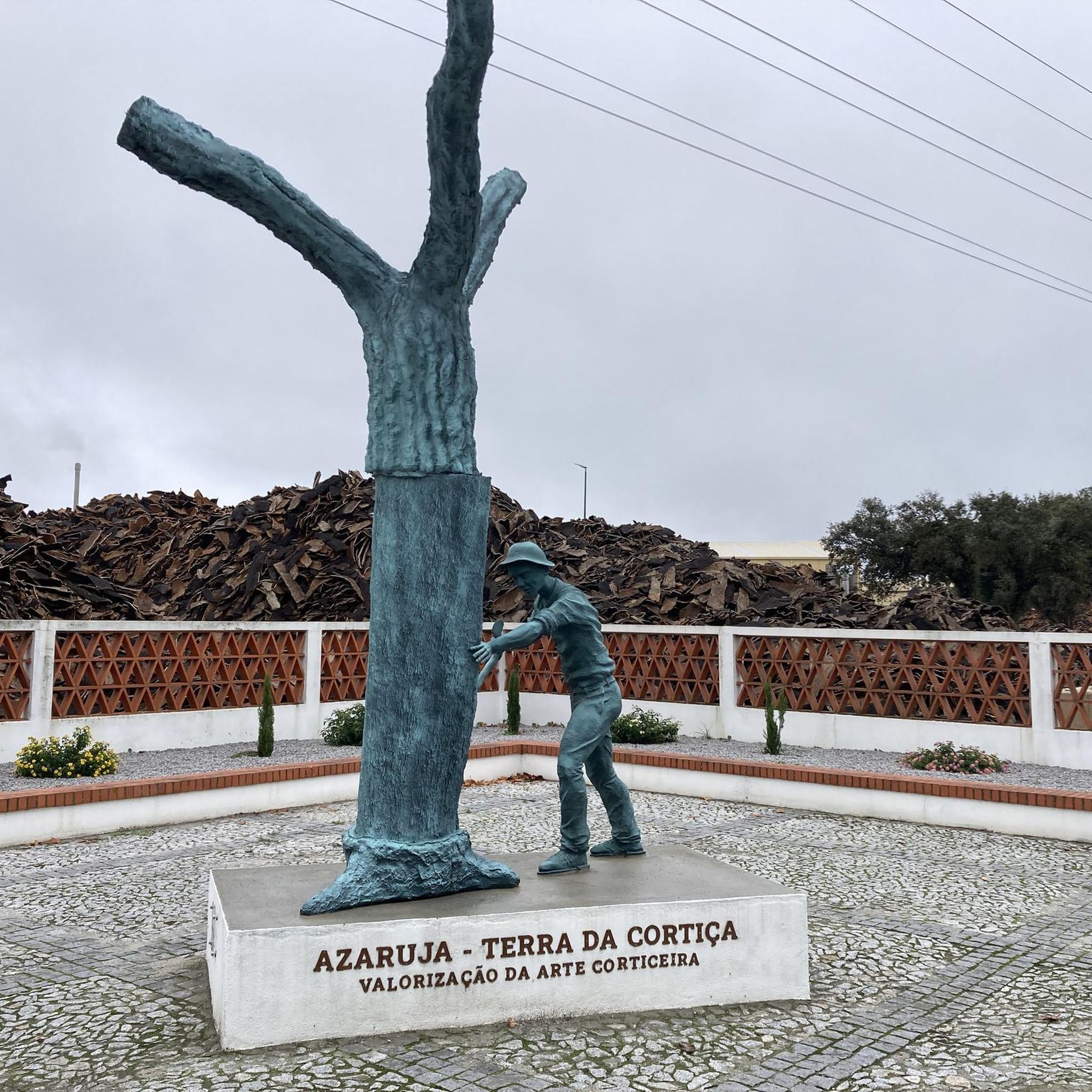
If you've ever been curious about the origin of the cork in your wine bottle, or questioned the composition of the notice board hanging in your workspace, then this guide is specifically designed to answer your queries. The cork oak, or Quercus suber, is a fascinating tree species that primarily grows in the Mediterranean region. Its unique bark is the source of the world's cork supply, a material that is used in a multitude of applications, from wine stoppers to insulation. In this all-encompassing guide, we will thoroughly investigate the mysteries of the cork oak, examining its native surroundings, its significance in the financial structures of Portugal and Spain, and the multitude of its applications. We will also take a close look at the cork production process, including the art of cork harvesting and the fascinating phenomenon of cork regeneration. Portugal and Spain stand as the global frontrunners in cork production, and much like the white oak of North America, the cork oak occupies a distinct position within the cultural and economic fabric of these nations. In Portugal, the montado landscapes are deeply intertwined with rural life, providing a source of income for many communities through cork production and other activities such as farming and beekeeping. In Portugal, the Montado landscapes are similarly important, with the cork oak providing a range of resources including cork, acorns for livestock, and wood for charcoal production. The cork industry in these countries is a significant employer, providing jobs in areas such as harvesting, processing, and manufacturing. Agroforestry, the practice of combining agriculture with forestry, is a key aspect of sustainable cork production. In the montado and dehesa landscapes of Portugal and Spain, cork oaks are grown alongside crops and livestock, creating a diverse and productive landscape. This form of land use not only provides a range of resources, including cork, food, and timber, but also supports a rich biodiversity and helps to conserve soil and water resources. This illustrates a prime instance of how humanity can coexist harmoniously with nature, utilizing resources sustainably.
5
1
In Alentejo, Evoramonte, or Évora Monte (also known as Santa Maria) is a town with over 700 years of history and belongs to the municipality of Estremoz and is very close to Évora. From its top, the view is simply breathtaking, with the green Alentejo fields stretching out into the distance.
3
1
Clearly divided into two distinct parts, Evoramonte combines the present-day lowlands with its medieval town located high up in the Serra d’Ossa. Although its history dates back to prehistoric times, this unusual Alentejo town first gained notoriety in the 12th century.
6
0
The picturesque and delightful parish of Evoramonte (or Évora Monte) is located between the beautiful cities of Évora and Estremoz. Once of great geographical and military importance, this Alentejo town, whose walls still protect its inhabitants from above, feels like an ancient warrior patiently awaiting visitors with countless stories to tell.
6
0
The Concession of Evoramonte, also known as the Convention of Evoramonte, was a document signed on 26 May 1834, in Evoramonte, in Alentejo, between the Constitutionalists and the Miguelites, that ended the period of civil war (1828–1834) in the Kingdom of Portugal. On the Concession of Evoramonte, Dom Miguel I of Portugal, to end the bloodbath in the country after six years of civil war, surrendered and abandoned his claim to the Portuguese throne, being also subjected to exile and perpetual banishment from the Kingdom of Portugal. It was signed by the representatives of the Constitutionalists, the Marshals of the Army, Duke of Terceira and Count of Saldanha, and by the Miguelite representative, Lieutenant General José António Azevedo e Lemos.
7
0
The Concession of Evoramonte, also known as the Convention of Evoramonte, was a document signed on 26 May 1834, in Evoramonte, in Alentejo, between the Constitutionalists and the Miguelites, that ended the period of civil war (1828–1834) in the Kingdom of Portugal. On the Concession of Evoramonte, Dom Miguel I of Portugal, to end the bloodbath in the country after six years of civil war, surrendered and abandoned his claim to the Portuguese throne, being also subjected to exile and perpetual banishment from the Kingdom of Portugal. It was signed by the representatives of the Constitutionalists, the Marshals of the Army, Duke of Terceira and Count of Saldanha, and by the Miguelite representative, Lieutenant General José António Azevedo e Lemos.
3
0
Frequently Asked Questions
What kind of terrain can I expect on hikes around São Bento Do Mato?
Hikes in São Bento Do Mato primarily traverse the rolling hills and open landscapes characteristic of the Alentejo region. You'll often find yourself walking through unique Montado Cork Oak Forests and along greenpaths, such as the Ecopista of the Ramal de Mora. The trails generally feature moderate elevation changes, offering a blend of natural beauty and historical elements.
Are there family-friendly hiking options in São Bento Do Mato?
Yes, São Bento Do Mato offers several options suitable for families. For an easier stroll, consider routes that utilize the greenpaths, which are generally flat and accessible. An example of an easy route is the Ruínas da Ermida de São Pedro – Ermida de São João loop from Vimieiro, which is 3.2 miles (5.2 km) long and takes about 1 hour 22 minutes to complete.
Can I bring my dog on trails in São Bento Do Mato?
Many of the natural trails and greenpaths in São Bento Do Mato are suitable for dogs, especially those away from urban centers. It's always recommended to keep your dog on a leash, especially when passing through agricultural areas or near wildlife, and to carry water for both yourself and your pet. Please respect local signage regarding pet access.
Are there any circular hiking routes available?
Yes, several routes in São Bento Do Mato are designed as loops, allowing you to start and end at the same point. A popular moderate option is the Lake – Montado Cork Oak Forest loop from Camping Alentejo, which is 5.5 miles (8.8 km) long and explores the distinctive cork oak forest ecosystem.
What historical or natural landmarks can I see while hiking?
The region is rich in both natural and historical landmarks. You can explore the unique Montado Cork Oak Forest, a distinctive ecosystem. For history enthusiasts, the impressive Evoramonte Castle is a prominent feature, often visible from trails. The Ecopista of the Ramal de Mora, built along an old railway, also offers a unique historical path through nature.
Are there trails with scenic viewpoints?
Yes, São Bento Do Mato offers trails with beautiful panoramic views. The area around Évora Monte, for instance, provides elevated perspectives of the surrounding landscapes. The View of Évora Monte – Lake loop from Évora Monte is a moderate 10.8 miles (17.4 km) path specifically designed to showcase these scenic vistas, including the notable View of Évora Monte itself.
What makes the landscape of São Bento Do Mato unique for hiking?
The landscape of São Bento Do Mato is particularly unique due to its extensive Montado Cork Oak Forests. These forests are a distinctive ecosystem where cork is harvested from living trees, offering a unique cultural and natural experience. Additionally, the presence of historical castles like Evoramonte Castle and repurposed greenpaths adds to the region's charm.
Is parking available at the trailheads?
While specific parking information for every trailhead isn't always available, many rural hiking areas in Portugal, especially those near villages or popular attractions, typically offer designated or informal parking spots. It's advisable to check the starting point of your chosen route on komoot for any specific parking notes from other hikers.
How accessible are the hiking trails by public transport?
Accessibility by public transport can vary. While larger towns like Évora have bus connections, reaching some of the more remote trailheads in São Bento Do Mato might require a car. The Ecopista of the Ramal de Mora, for example, connects Évora and Arraiolos, which might offer more public transport options at its ends. For specific routes, it's best to check local bus schedules to the nearest villages.
What do other hikers enjoy most about hiking in São Bento Do Mato?
The komoot community highly rates the hiking experience in São Bento Do Mato, with an average score of 4.8 stars from over 20 reviews. Hikers often praise the tranquility of the Montado Cork Oak Forests, the historical charm of areas around Evoramonte Castle, and the well-maintained greenpaths that offer pleasant walks through the Alentejo landscape.
Are there any easy routes for beginners or those seeking a relaxed walk?
Yes, São Bento Do Mato offers easy routes perfect for beginners or those looking for a relaxed experience. The Porta de Aviz Fountain – Leões Railway Station loop from Colégio do Espírito Santo - Universidade de Évora is an easy 3.3 miles (5.3 km) trail, taking approximately 1 hour 22 minutes, offering a gentle introduction to the area's charm.
Most popular routes around São Bento Do Mato
Most popular attractions around São Bento Do Mato

Get inspired with the komoot mobile app


Explore more
Browse the best Hikes in other regions.
