The best cycling routes around São Bento Do Mato
4.3
(24)
139
riders
4
rides
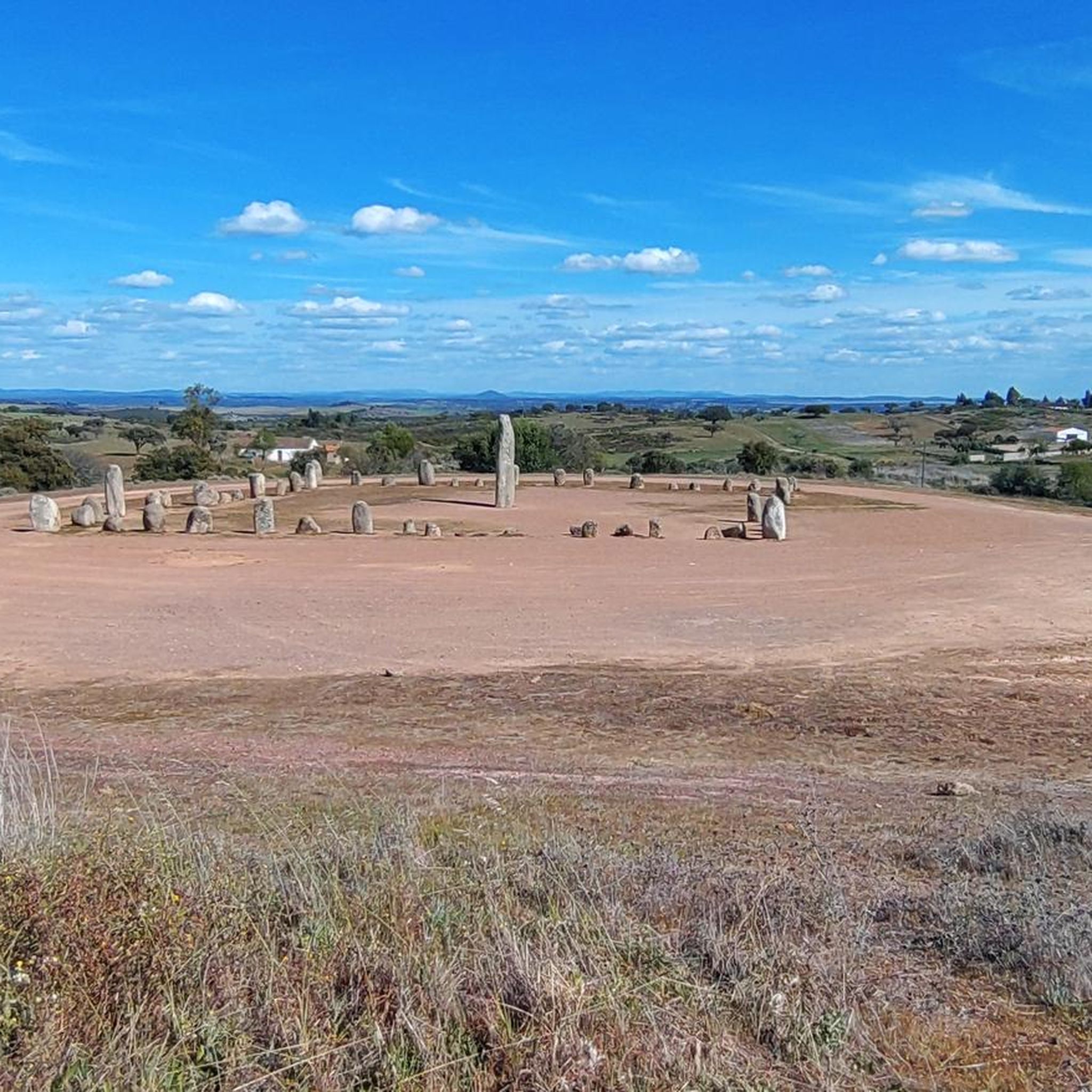
Touring cycling around São Bento Do Mato offers routes through the Alentejo region of Portugal, characterized by expansive rolling plains and vast Montado cork oak forests. The landscape features a mix of agricultural lands and natural areas, providing varied terrain for cyclists. Elevated points like Alto de São Bento offer views of the surrounding countryside.
Best touring cycling routes around São Bento Do Mato
- The most popular touring cycling route is Arraiolos Railway Station – Arraiolos Castle loop from Arraiolos…
Last updated: May 4, 2026
4.8
(13)
71
riders
62.7km
04:39
530m
530m
Hard bike ride. Very good fitness required. Mostly paved surfaces. Suitable for all skill levels.
4.7
(6)
40
riders
27.0km
02:18
100m
100m
Moderate bike ride. Good fitness required. Mostly paved surfaces. Suitable for all skill levels.

Sign up for free
5.0
(1)
11
riders
11.4km
00:48
230m
230m
Moderate bike ride. Good fitness required. Mostly paved surfaces. Suitable for all skill levels.
6
riders
65.3km
03:53
450m
450m
Moderate bike ride. Good fitness required. Mostly paved surfaces. Suitable for all skill levels.
2
riders
Hard bike ride. Very good fitness required. Mostly paved surfaces. Suitable for all skill levels.
Our route recommendations are based on thousands of hikes, rides, and runs completed by other people on komoot.
Start today with a free account
Your next adventure awaits.
Login or Signup
Popular around São Bento Do Mato
Tips from the Community

Today, the Eugénio de Almeida Foundation uses the former monastery complex, known as the Convento da Cartuxa, as a cultural and events center and operates a winery on the property. The grounds are open to the public.
1
0
The number of human skeletons is estimated at around 5,000 and comes from cemeteries and churches in the area, where Franciscan monks were often buried. Many of these skulls are inscribed with the name of the deceased—a truly impressive experience. The inscription above the entrance reads: "We bones who lie here wait until we get yours."
1
0

Giraldo Square is the main square in the city of Évora. It has undergone several changes over the years. Not so long ago, a traffic policeman stood there, directing the direction of Rua Cinco de Outubro, when cars circulated here and around the square. It was a parking lot and passenger pick-up point for a large fleet of taxis. It was the venue for meetings and business dealings among local farmers every Tuesday. Nowadays, it is largely occupied by the terraces of the surrounding restaurants and pastry shops. 👍🥾
4
0

Renovated part of the Colégio do Espírito Santo, which has currently been made available to the university located behind it.
2
0
The church operates under two names: Igreja de São João Evangelista / Igreja dos Lóios. It belonged to the Monastery of Lios, also known as the Convent of St. John the Evangelist, which was built in the 15th century on top of a medieval castle. The monastery itself was converted into the Pousada Convento Évora hotel in modern times and is now privately owned. The church, accessed through a Gothic portal, is notable for the magnificent tiled panels that cover the walls. They were created in 1711 by the master Antonio de Oliveira Bernardes and depict scenes from the life of St. Lawrence Justinian. Through an opening in the floor, one can see the crypt, which lies next to a Moorish cistern. Along the sides are chapels with fine examples of gilded wood carvings. It is considered one of the most beautiful churches in Portugal and a must-see.
3
0
The original palace was built in the 14th century next to the Tower of Évora, where Martim Afonso de Mello, a servant of the Royal Military Order of Saint Benedict of Aviz and a descendant of the Portuguese crown, ordered its construction. The palace was partially built on the Roman-Visigothic walls of the old castle of Évora, and traces of both remain in its buildings. At the rear of the palace, you can admire the extraordinary Torre das Cinco Quinas, the famous pentagonal tower that gave it its name. In addition to the large outdoor gardens and the numerous rooms and halls that make up the complex, it also houses the Casa Cadaval exhibition rooms, which house a collection of illuminated codices, sculptures, paintings, and armories with pieces from the 15th and 18th centuries. See https://en.wikipedia.org/wiki/Palace_of_the_Dukes_of_Cadaval
2
0
In 1551, Cardinal D. Henry, the first Archbishop of Évora, took a further step in pursuing a true apostolic and spiritual reform of his diocese by founding a college of the Society of Jesus (Jesuits) in the city. The Jesuits developed an important educational center in the adjacent college, which played a key role in the evangelization of the Alentejo. The church's impressive interior clearly reflects the Jesuit spirituality. As part of extensive, costly renovations from 2020 to 2023, the rooms were opened to the public. The current admission fee is €2.50. (May 2025)
2
0
The Templo Romano de Évora stands in the historic center of the tranquil town of Évora. The city's landmark is often called the Temple of Diana, but historically, it has nothing in common with the Roman goddess of the hunt. A dedication to the supreme deity, Jupiter, is more likely. The Templo Romano de Évora was probably built in the 1st century AD during the reign of Emperor Augustus and later modified under Emperor Claudius. The magnificent building reflects Roman architecture with Corinthian-style columns.
3
0
Frequently Asked Questions
What kind of terrain can I expect when touring cycling around São Bento Do Mato?
The region is characterized by expansive rolling plains and vast Montado cork oak forests, offering picturesque and varied terrain. You'll find a mix of agricultural lands and natural areas, with some elevated points like Alto de São Bento providing panoramic views. The Ecopista of the Ramal de Mora offers a dedicated green path along an old railway line, providing a smoother experience.
Are there routes suitable for different fitness levels?
Yes, the touring cycling routes around São Bento Do Mato cater to various ability levels. While there are no easy routes listed, you'll find 3 moderate routes and 2 difficult routes. For example, the Graça do Divor Former Railway Station loop from Canaviais is a moderate option, while the Arraiolos Railway Station – Arraiolos Castle loop from Arraiolos presents a more difficult challenge.
What are some notable landmarks or natural features to see along the cycling routes?
You can explore several interesting points. The Ecopista of the Ramal de Mora itself is a highlight, offering a scenic ride. You might also encounter the unique Montado Cork Oak Forest, a distinctive natural feature of the Alentejo. Historic sites like Evoramonte Castle are also accessible, and you can find viewpoints such as the View of Évora Monte.
Are there any circular touring cycling routes available?
Yes, many of the routes are designed as loops. For instance, the Evoramonte Castle – Evoramonte Castle loop from Camping Alentejo is a moderate 11.5 km circular route. Another option is the Giraldo Square – Roman Temple of Évora loop from Bacelo, which is a longer, moderate loop connecting historic Évora with the surrounding countryside.
What do other touring cyclists say about the routes in São Bento Do Mato?
The touring cycling routes around São Bento Do Mato are highly rated by the komoot community, with an average score of 4.3 stars from more than 20 reviews. Cyclists often appreciate the varied landscapes, including the quiet Montado cork oak forests and the dedicated cycling paths like the Ecopista of the Ramal de Mora.
Can I combine cycling with cultural exploration in the São Bento Do Mato area?
Absolutely. The proximity to Évora, a UNESCO World Heritage Site, means you can easily access its historic center, including the Roman Temple of Évora and Giraldo Square. Routes like the Giraldo Square – Roman Temple of Évora loop from Bacelo directly connect you to these cultural landmarks, adding a rich historical dimension to your ride.
What is the longest touring cycling route in the area?
The longest touring cycling route available is the Church of the Holy Spirit – Palace of the Dukes of Cadaval loop from São Miguel de Machede, which covers approximately 68.1 km and is rated as difficult. This route offers a substantial ride through the region's diverse landscapes.
Are there any routes that pass through the Montado cork oak forests?
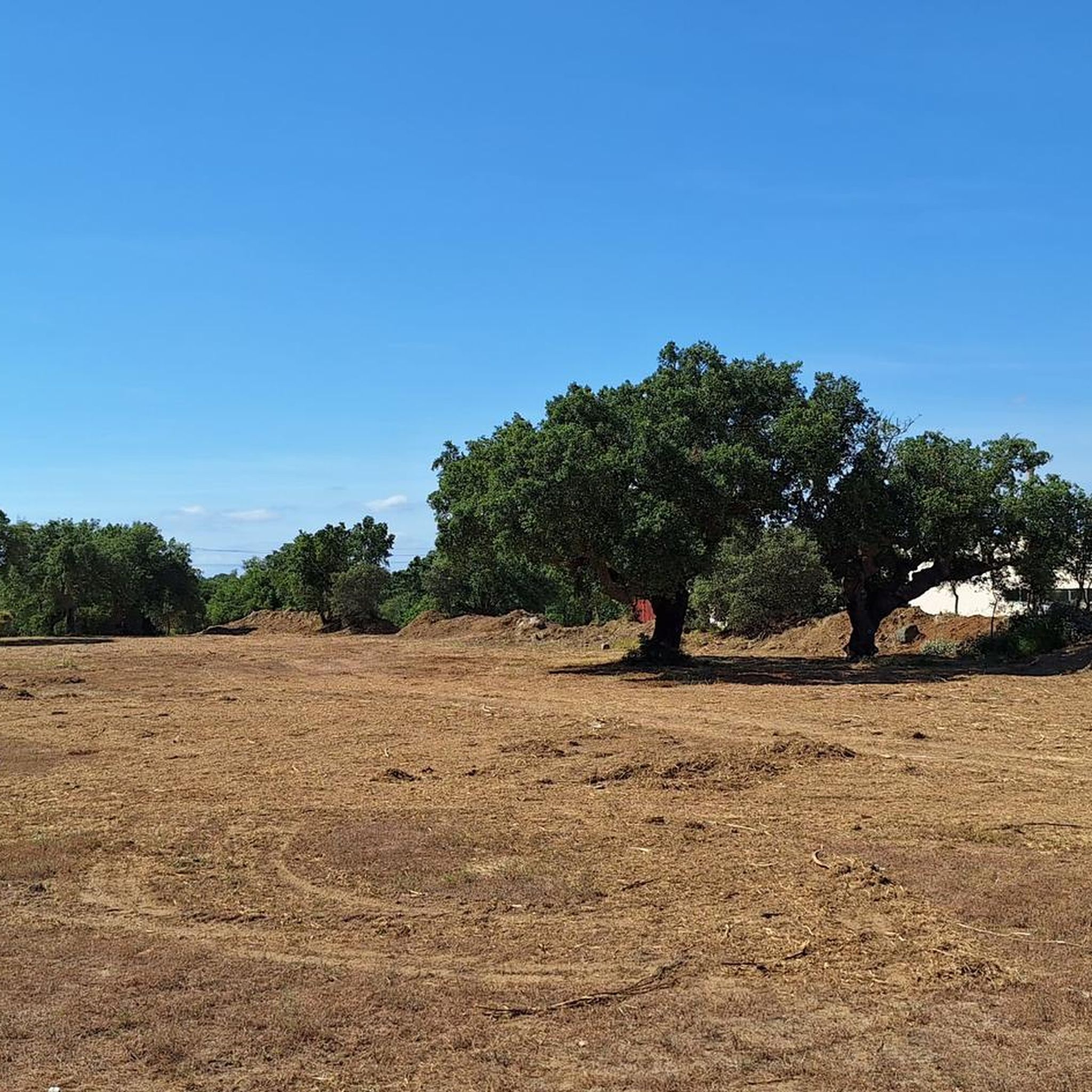
Yes, the Montado cork oak forests are a prominent feature of the region. The Graça do Divor Former Railway Station loop from Canaviais is a moderate route that specifically leads through these unique forests, allowing you to experience this sustainable natural landscape firsthand.
Is the Ecopista of the Ramal de Mora suitable for touring cyclists?
Yes, the Ecopista of the Ramal de Mora is a major draw for touring cyclists. It's a dedicated green path developed along an old railway line, offering a safe and scenic route. It often traverses natural areas and connects to towns like Évora and Arraiolos, providing a comfortable and enjoyable cycling experience.
What is the total number of touring cycling routes around São Bento Do Mato?
There are 5 touring cycling routes available around São Bento Do Mato, offering a variety of distances and difficulties to explore the Alentejo region.
Are there any routes that offer significant elevation gain for a challenge?
For cyclists looking for a challenge with significant elevation, the Arraiolos Railway Station – Arraiolos Castle loop from Arraiolos is a difficult route with over 525 meters of elevation gain. Another challenging option is the Church of the Holy Spirit – Palace of the Dukes of Cadaval loop from São Miguel de Machede, which features over 480 meters of ascent.
Most popular routes around São Bento Do Mato
Most popular attractions around São Bento Do Mato

Get inspired with the komoot mobile app


Explore more
Browse the best Cycling routes in other regions.
