Top 20 Lakes in East Flanders
Lakes in East Flanders offer diverse recreational opportunities within a landscape shaped by water. This Belgian province features natural areas where water interacts with the land, creating unique ecosystems. The region is characterized by its valuable nature reserves, including floodplains and old river meanders. Visitors can explore a variety of water-rich environments, from expansive meadows to forested areas with numerous ponds.
Best lakes in East Flanders
- The most popular lakes area is Kalkense Meersen, an other natural area that…
Last updated: July 28, 2026
Kalkense Meersen
Highlight • Natural
Translated by Google •
Tip by

Polders of Kruibeke
Highlight • Natural
Translated by Google •
Tip by
Sign up now to discover places like this
Get recommendations on the best single tracks, peaks, & plenty of other exciting outdoor places.
Sign up for free
Donkmeer
Highlight • Lake
Translated by Google •
Tip by

Peat Pits of Berlare Broek
Highlight (Segment) • Lake
Translated by Google •
Tip by

Berlare Castle Park
Highlight • Castle
The castle and outbuildings are not open to the public, but the park is.
Translated by Google •
Tip by

Pond of the Old Sandstone Quarry Kravaalbos
Highlight • Lake
Translated by Google •
Tip by

Bourgoyen-Ossemeersen Nature Reserve
Highlight • Natural
Translated by Google •
Tip by

Ponds of Het Leen
Highlight • Lake
Translated by Google •
Tip by

Damvallei Lake
Highlight (Segment) • Lake
Translated by Google •
Tip by
Aelmoeseneiebos Stream and Wooden Bridge
Highlight • Forest
It includes more than 60 tree species, including all native trees of Flanders, as well as a number of park trees.
It is currently …
Translated by Google •
Tip by
Sign up for free to discover even more lakes in East Flanders.
Sign up for free
Already have an account?
Start today with a free account
Your next adventure awaits.
Login or Signup
Popular around East Flanders
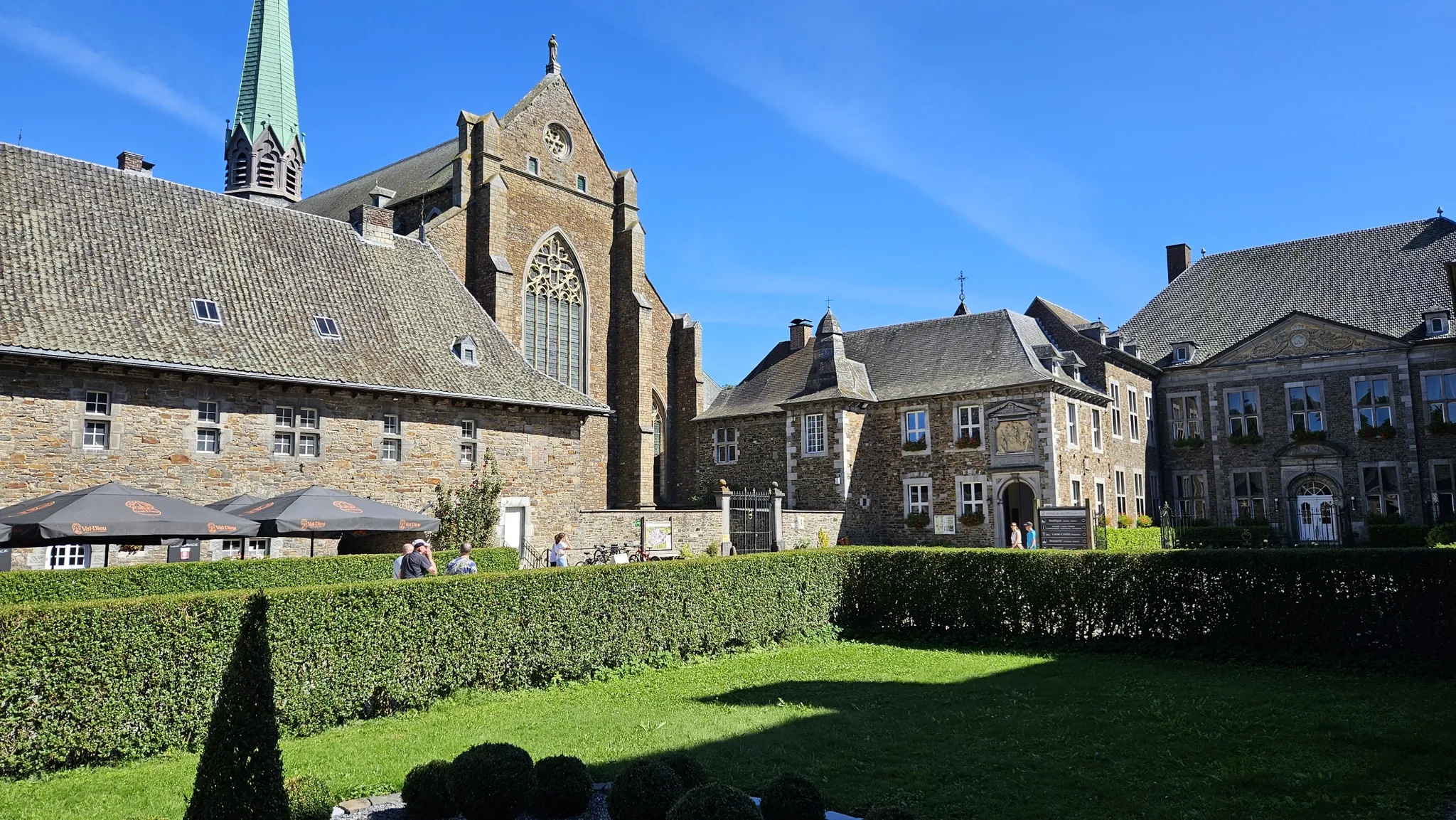
Trappist abbeys cycle route – Between beers and heritage
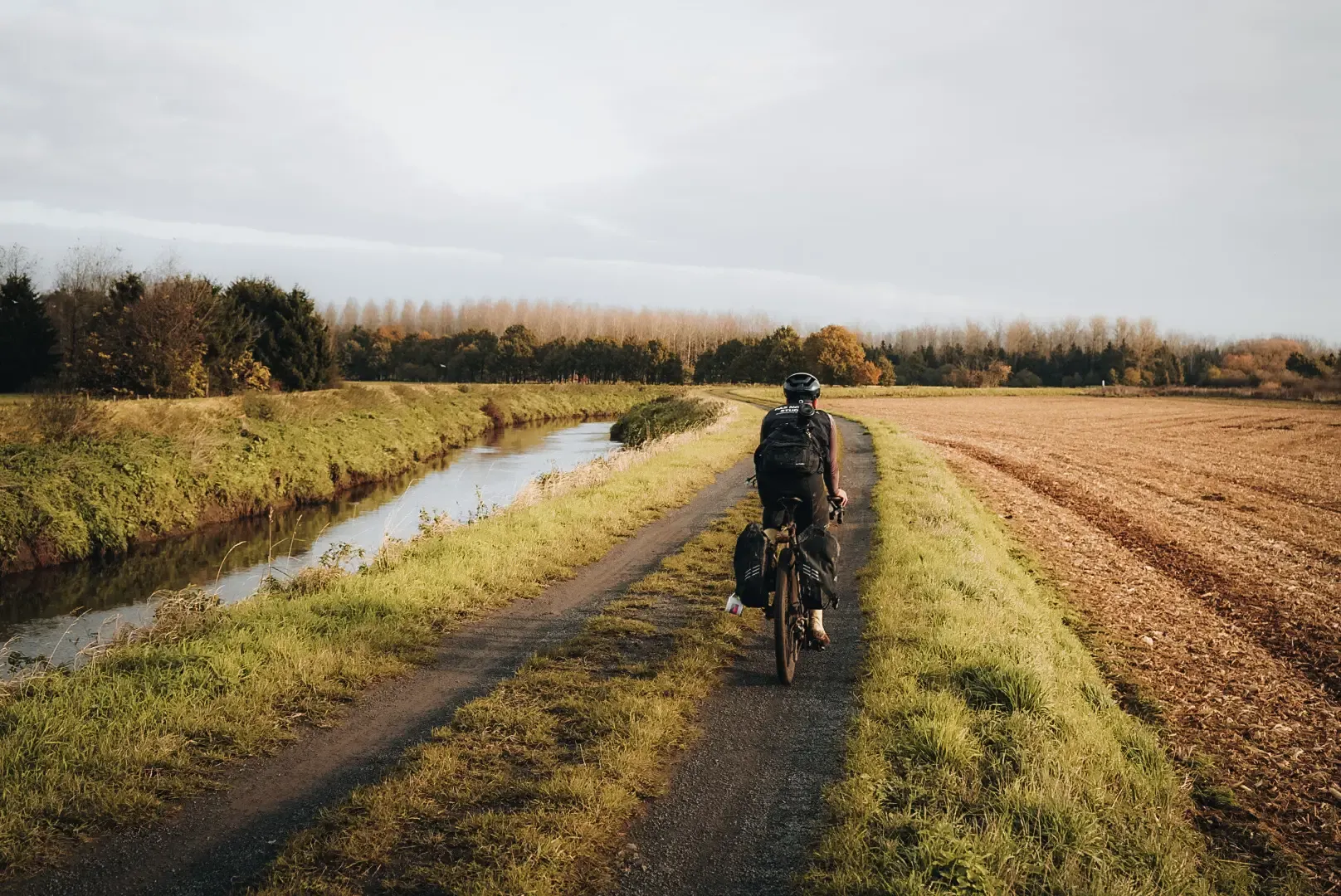
Flanders Divide - Across Flanders
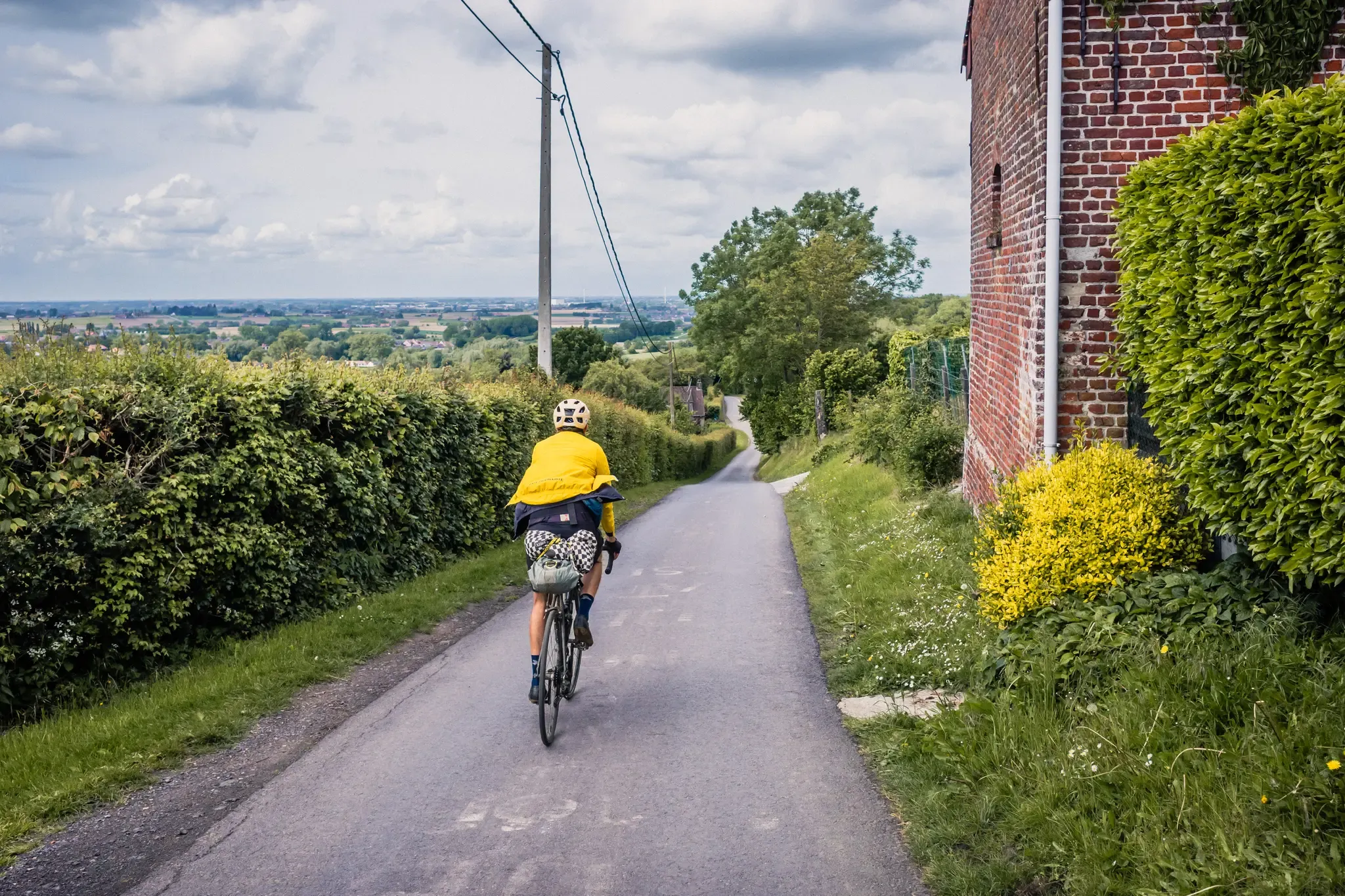
The Hilly Route from Brussels to Poperinge – bikepacking in Flanders
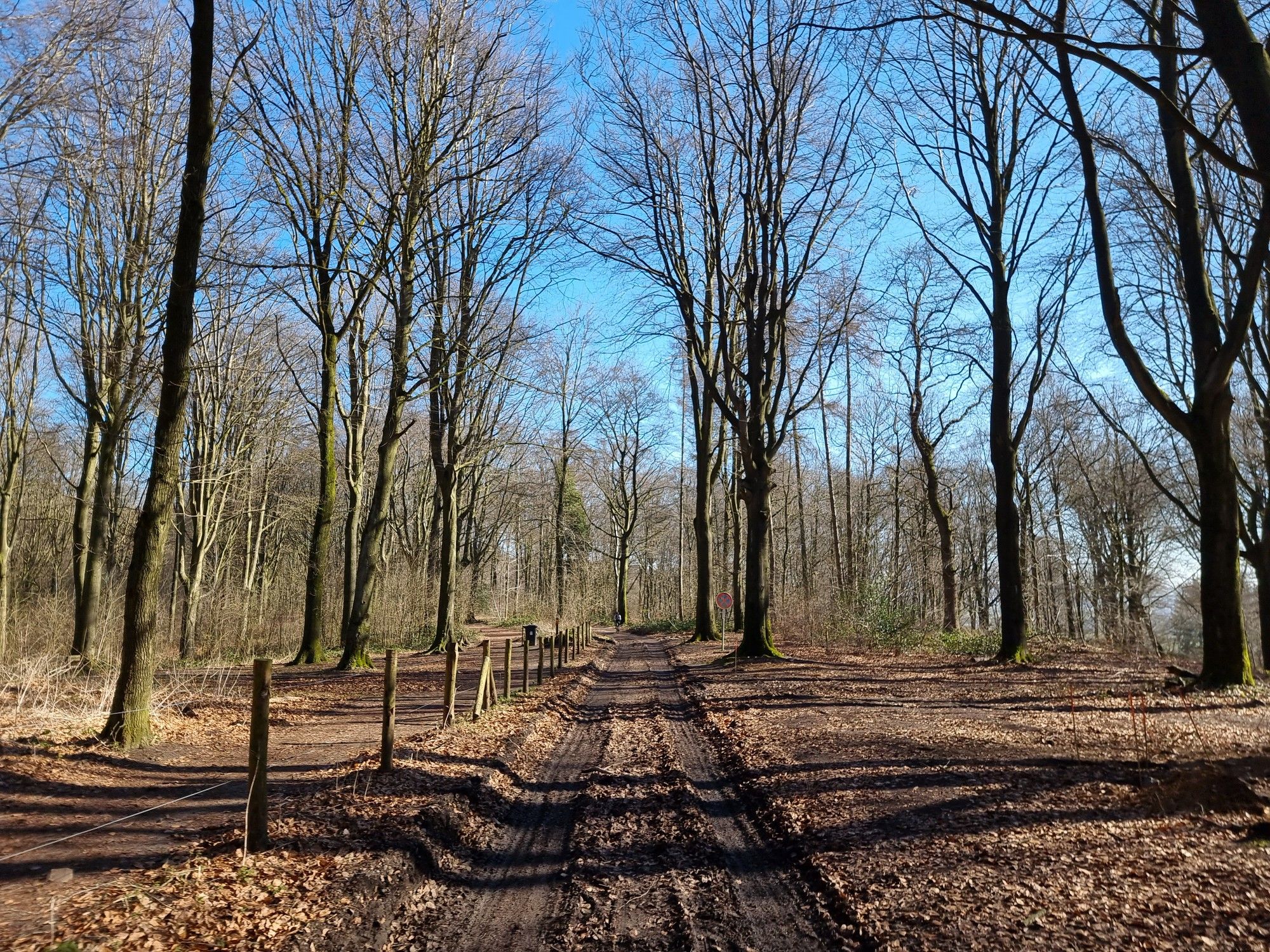
Grande Randonnée GRavel — Western Hainaut
Flanders’ Finest Hiking Routes
The six most beautiful cycling routes in East Flanders
Through the heart of Flanders on a road bike in 2 days – Spartacus Route
Seven-day Cycling tour through the South-Flemish hills – Hilly Route
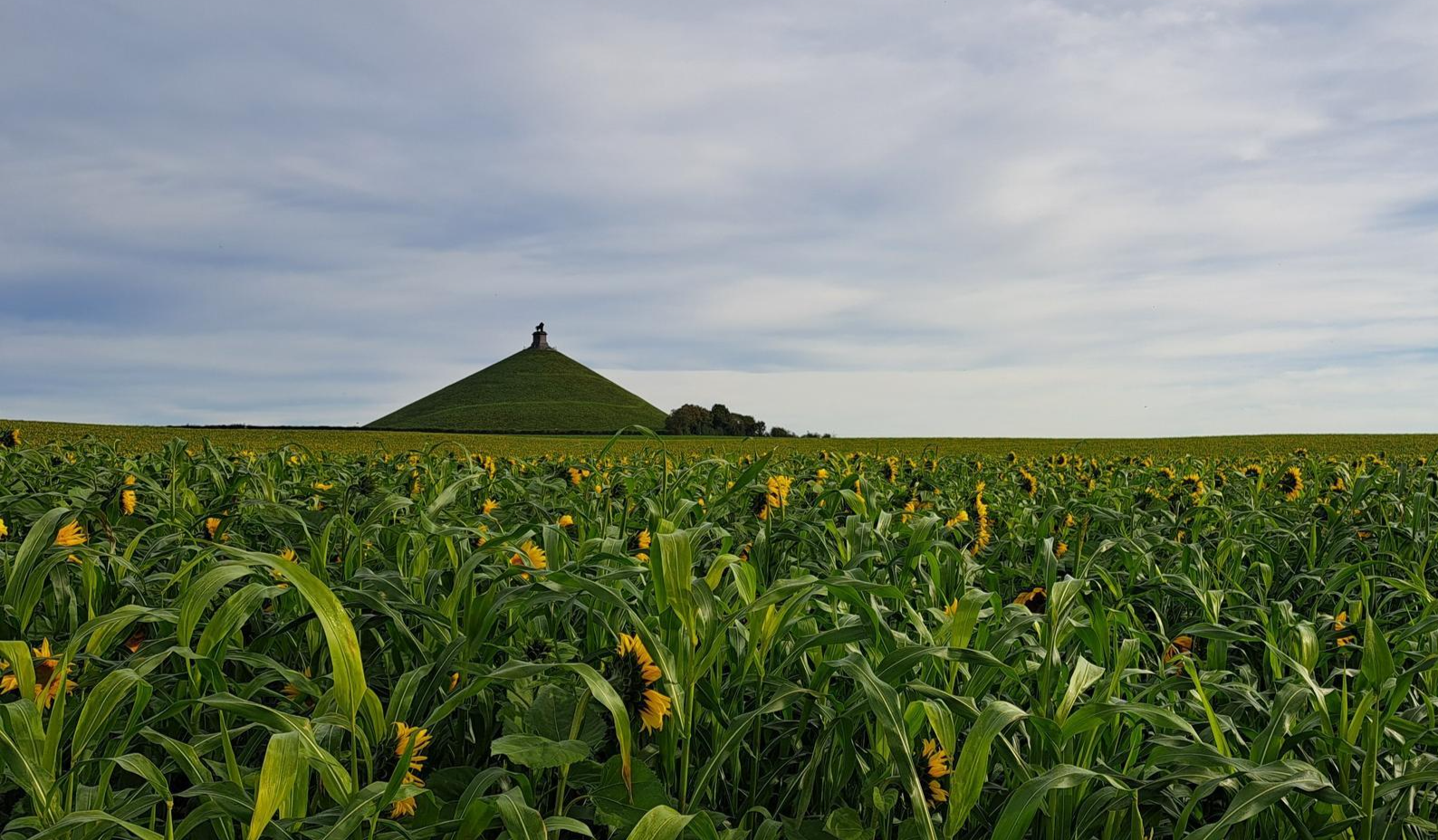
Crossing from east to west — Wallonia by Gravel
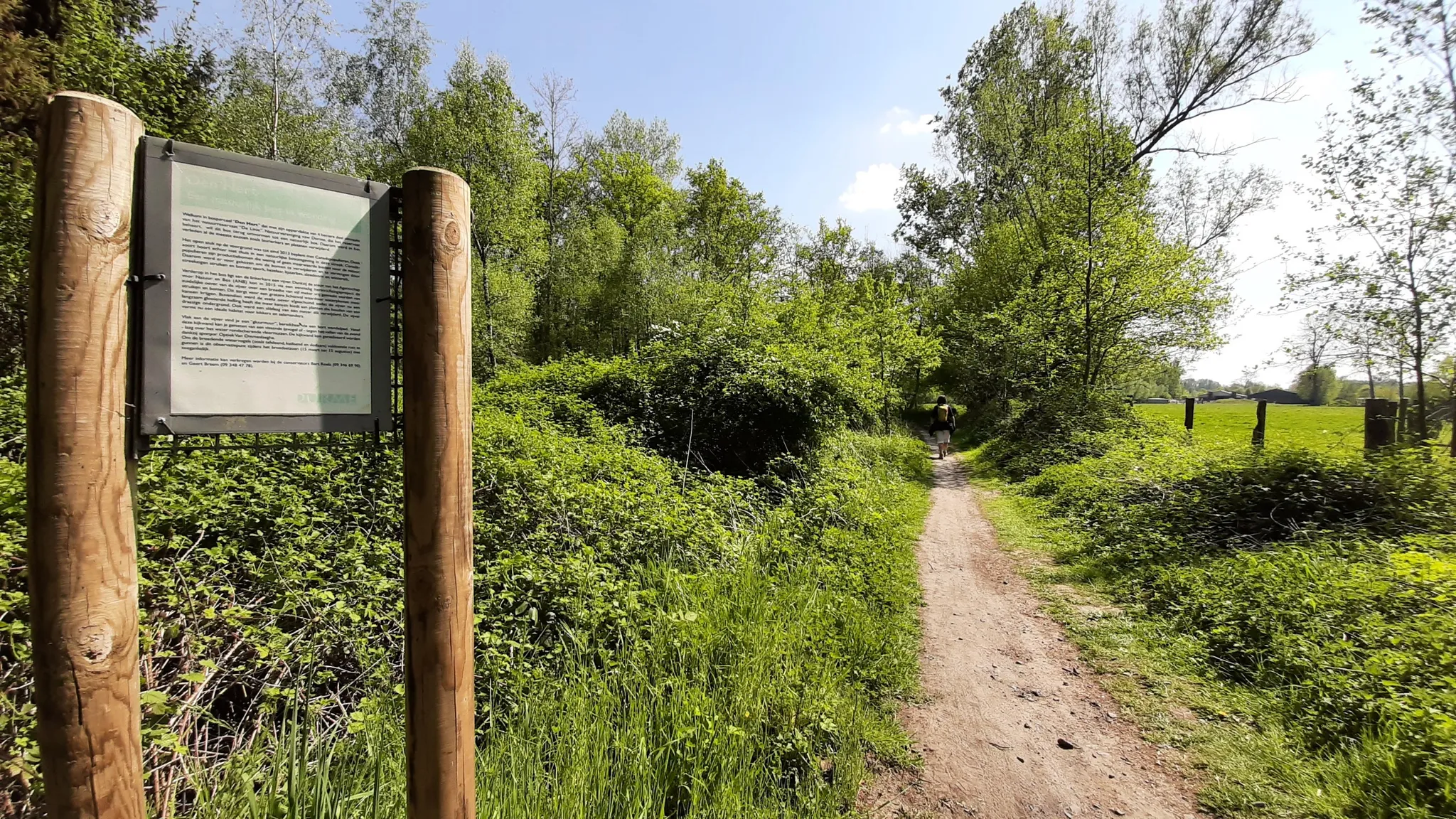
In the footsteps of den vos Reynaerde – Streek-GR Waas- en Reynaertland
Other adventures in East Flanders


Tips from the Community

Come down from your attic and walk through the polder...
7
2


Where once one of Meldert's most important quarries lay, now the clear water of a large pond sparkles. At first this was a marshland, but in 1962 a stream was dammed and the quarry filled up.
7
0

Very scenic, with great little villages in the background for variety for the eye.
8
1

The Aelmoeseneiebos (or Aalmoezenijebos) is a nature reserve on the territory of the municipalities of Melle (Gontrode) and Oosterzele (Landskouter). The forest is 28.5 hectares in size and is owned by the University of Ghent. The forest area is now managed by the university Lab for Forest & Nature. The railway line Ghent-Geraardsbergen divides the forest in two. The Aelmoeseneiebos is an old forest area that already appeared on the Ferraris map in 1775. The forest was owned by the Saint Bavo's Abbey of Ghent for centuries. During the French period (1794-1815) it was transferred to the public poor relief of the city of Ghent. In 1967-1968 the Belgian State bought the forest so that the University of Ghent could use it as a test forest. The most important tree species are summer oak and beech, with ash and maple in the stream valleys. The Aelmoeseneiebos is known for its spring flora such as wood anemone, slender primrose, yellow dead-nettle and small periwinkle. During the First World War, the forest was largely cut down but replanted in 1920. Adjacent to the western part of the Aelmoeseneiebos, 10 hectares of plots of land belonging to Natuurpunt, Oosterzele department, are located in the valley of the Gondebeek. With the 'Rodeland landscape project' [1], the aim is to connect the Aelmoeseneiebos with the Makegemse forests through afforestation in the valleys of the Gondebeek, Kerkesbeek and Driesbeek[2][3]. In 2021, 5 amphibian tunnels were constructed in the Gondebeek valley[4]. Inventories and research in the Aelmoeseneiebos found 1329 different species: including 64 tree and shrub species and 599 species of invertebrates. The Aelmoeseneiebos is protected in Europe as part of the Natura 2000 area (habitat directive area) 'Forests of the south-east of the Zandleemstreek' (BE2300044). The forest is freely accessible on the footpaths.
1
0

This nature reserve is a remnant of an extensive forest area that gradually had to make way for agriculture in the 18th century. The surrounding land and the forest were owned for centuries by the Aalmoezenij, the poor relief of the Ghent Saint Bavo's Abbey. The production of wood was the main function at that time. The forest was purchased by the Belgian state in 1967-1968 so that the University of Ghent could use it as a test forest. In the early years, it was mainly used for studies on the growth and management of forests with a view to wood production. It also had a recreational and educational function. Railway line 122 Melle-Geraardsbergen divides the forest in two. In the western part (where we walked) an arboretum was created in 1973. With the 'Rodeland landscape project', the aim is to connect the Aelmoeseneiebos with the Makegemse forests through further afforestation of a number of stream valleys.
4
0

A true hiking paradise. Bourgoyen-Ossemeersen is famous for its rich bird population and is an important bird reserve. While hiking, you can spot various bird species, especially in the winter months, when the area is a refuge for numerous migratory birds. Species that you can encounter include grey herons, ducks, sea eagles and birds of prey such as the hawk and buzzard. In spring and summer, the area is also rich in breeding birds, such as the redstart and the common teal.
1
1

Nice to walk through with water on both sides.
14
1
Frequently Asked Questions
What are some of the most popular natural areas with lakes in East Flanders?
East Flanders offers several valuable natural areas where water plays a significant role. Among the most popular are Kalkense Meersen, a vast controlled floodplain with 165 kilometers of green tranquility, and the Polders of Kruibeke, the largest flood plain in Flanders, known for its mudflats, salt marshes, and rich birdlife. Another beloved spot is the Ponds of Het Leen, featuring beautiful forests and paved roads for exploration.
Are there family-friendly lakes or natural areas in East Flanders?
Yes, many lakes and natural areas in East Flanders are suitable for families. Kalkense Meersen, Polders of Kruibeke, and Ponds of Het Leen are all categorized as family-friendly. Donkmeer Lake in Berlare is also a popular destination for family outings, offering boating, fishing, and surrounding trails for hiking or cycling. Vosselare Put, near Ghent, is another family-friendly artificial lake with designated swimming areas and picnic facilities.
What kind of wildlife and birdwatching opportunities can I find around the lakes?
East Flanders' water-rich areas are excellent for wildlife and birdwatching. In the Polders of Kruibeke, you can spot thousands of meadow and water birds, and with luck, even deer, beavers, and otters. Kalkense Meersen is a refuge for thousands of meadow birds, and you might see Galloway cattle grazing. Damvallei Lake, a low moor near Ghent, features diverse ecosystems with abundant birdlife.
Are there good hiking and cycling routes near the lakes in East Flanders?
Absolutely. The region offers extensive networks for both hiking and cycling. For instance, Kalkense Meersen boasts 165 kilometers of green tranquility for cycling. You can find numerous easy hiking trails throughout East Flanders, such as the Old Kalevallei hiking route or the GR 128 Flanders Route. For more options, explore the dedicated guides for Easy hikes in East Flanders or Gravel biking in East Flanders.
What are the best lakes for watersports or recreational activities?
Donkmeer Lake in Berlare is a popular spot for boating and fishing. Vosselare Put, near Ghent, offers designated swimming areas and is well-stocked for fishing. While specific watersports permits vary by location, these lakes provide excellent opportunities for enjoying the water.
Can I find cafes, pubs, or accommodation near the lakes?
Yes, several areas around the lakes offer amenities. Donkmeer Lake is known for its delightful seafood restaurants serving fresh eel. Near the Ponds of Het Leen, you'll find drinking and dining options. The charming town of Berlare, bordering Donkmeer, also offers places to explore. For specific accommodation, it's best to check local listings for towns like Berlare or near Ghent.
What is the best time of year to visit the lakes in East Flanders?
The lakes in East Flanders can be enjoyed year-round, but spring and summer offer the best weather for outdoor activities like hiking, cycling, and boating. Autumn provides beautiful scenery with changing foliage, while winter can offer a unique tranquility, especially in areas like Peat Pits of Berlare Broek where the effects of past storms are more visible.
Are there any historical or unique natural features to explore?
Yes, the region is rich in both. The Peat Pits of Berlare Broek are a fascinating example of an old Scheldt meander, transformed by peat extraction and later reforested. The Berlare Castle Park combines historical architecture with natural beauty, featuring a lake and gardens. The Pond of the Old Sandstone Quarry Kravaalbos also offers a blend of natural and historical interest.
What makes the Damvallei Lake area special for nature lovers?
Damvallei Lake, located near Ghent, is a unique low moor formed by old meanders of the Scheldt river. It features two prominent lakes and offers marked walking routes through flowery, moist hay meadows, peat pits, and thickets of willow and alder. It's an ideal spot for tranquil nature hikes and experiencing a diverse landscape.
Are there options for mountain biking near the lakes?
Yes, East Flanders has a variety of mountain biking trails. While not directly adjacent to every lake, you can find routes like the Destelbergen - Laarne Red MTB Loop or the Lokeren Blue MTB Loop. For a comprehensive overview, check out the MTB Trails in East Flanders guide, which includes routes of varying difficulty.
What is the <a href="https://www.komoot.com/highlight/2909473" target="_blank" rel="noopener">Berlarebroek Nature Reserve</a> known for?
The Berlarebroek Nature Reserve covers the eastern part of an old Scheldt meander, an area that evolved from fertile river sediments and peat formation. It's known for its swampy areas, numerous ponds, and forests, offering accessible walking and cycling paths. It's a great place to experience water-rich nature.
Are there any scenic viewpoints around the lakes?
Many of the natural areas offer scenic views. From the Scheldt dike in Kalkense Meersen, you have a beautiful view over the expansive landscape. The Bourgoyen-Ossemeersen Nature Reserve also features viewpoints amidst its forests and lakes. Donkmeer Lake is particularly noted for its magical atmosphere at sunset, with the water reflecting the changing colors of the sky.
Most popular routes in East Flanders
Most popular attractions in East Flanders

Get inspired with the komoot mobile app


Didn’t find what you were looking for?
Find the best lakes in East Flanders per region:
Explore more
Still not found your perfect lake in East Flanders? Check out the guides of these regions to see even more beautiful places.
