The best gravel rides around gmina Bielice
4.5
(2)
12
riders
5
rides
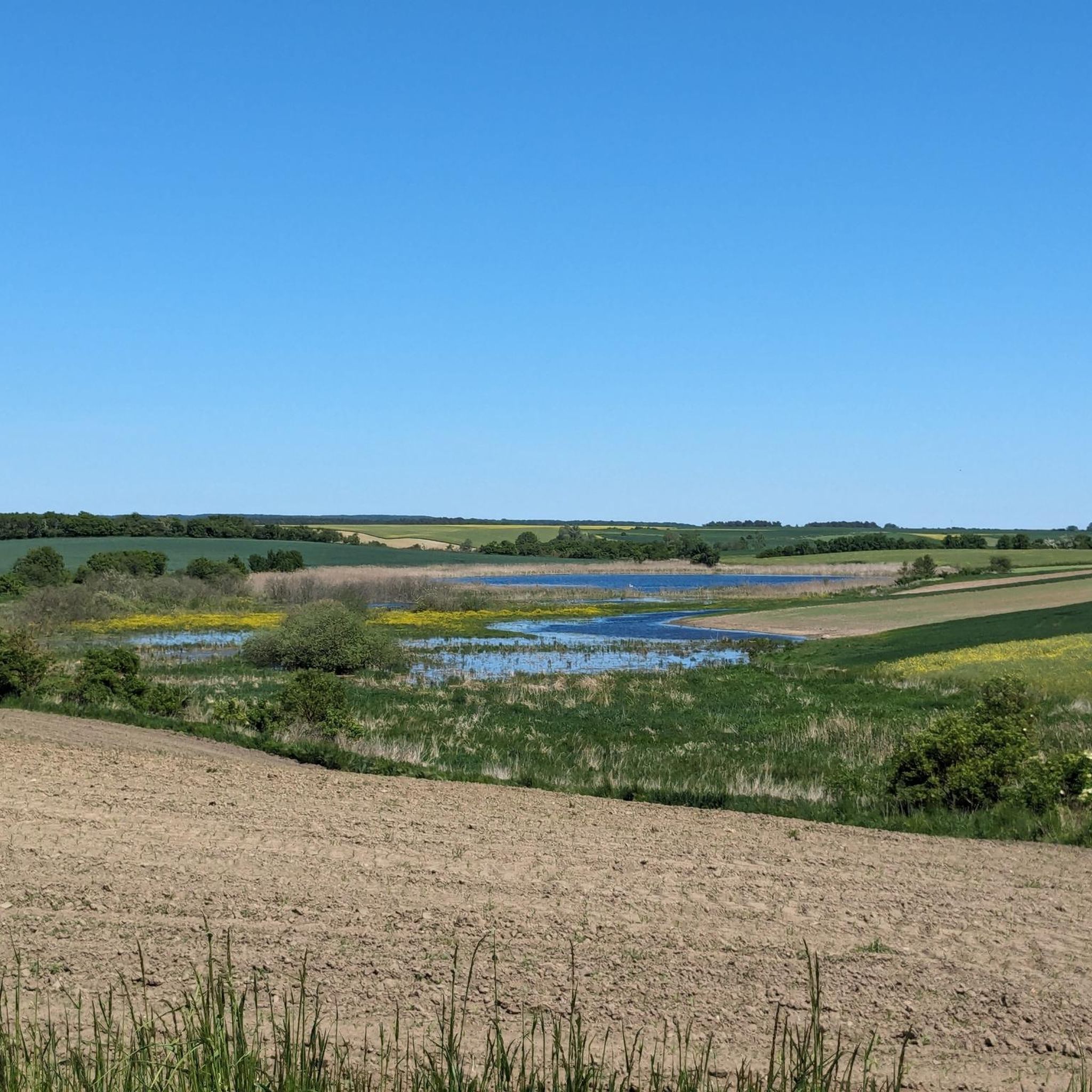
Gravel biking around gmina Bielice offers diverse natural landscapes, extensive forest areas, and a network of cycling-friendly routes. The region's varied topography, characterized by hills, ravines, and valleys, provides engaging terrain for cyclists. Many routes utilize unpaved surfaces and former railway lines, making it suitable for gravel bikes. The area is known for its clean air and agricultural character, enhancing the outdoor experience.
Best gravel bike trails around gmina Bielice
- The most popular gravel bike trail is Bańska Gate, Pyrzyce…
Last updated: October 28, 2026
5.0
(1)
3
riders
35.9km
02:09
250m
250m
Moderate gravel ride. Good fitness required. Mostly paved surfaces.
4.0
(1)
3
riders
44.1km
02:39
160m
160m
Moderate gravel ride. Good fitness required. Mostly paved surfaces.

2
riders
22.9km
01:19
100m
100m
Easy gravel ride. Mostly paved surfaces.
2
riders
Hard gravel ride. You may need to push your bike for some segments of this route.
2
riders
Easy gravel ride. Mostly paved surfaces.
Our route recommendations are based on thousands of hikes, rides, and runs completed by other people on komoot.
Start today with a free account
Your next adventure awaits.
Tips from the Community

A large shelter for the whole peloton
0
0
The Brama Bańska (Bańska Gate) in Pyrzyce is a medieval defensive structure, erected in the southern part of the former city walls, along the route leading towards Banie and Myślibórz. Its oldest part was built between 1260 and 1270, and the gate was subsequently expanded in the 15th and 16th centuries. Originally, it was much taller – it consisted of a four-story, quadrangular base and an octagonal superstructure topped with a pyramidal spire. The brick facades were decorated with blind windows, friezes, and loopholes, and the passage was closed by a pointed arch portal. As a result of the fighting in 1945, the gate was severely damaged and lost its upper part. Today, you can see its four-story lower fragment, which, after conservation, remains one of the most characteristic monuments of the medieval fortifications of Pyrz
0
0
The Church of the Assumption of the Blessed Virgin Mary in Pyrzyce is a monumental Gothic temple, the construction of which began in the second half of the 13th century. Originally dedicated to St. Maurice, its current form is the result of several stages of expansion – the brick nave was built in the 14th century, while the ambulatory and chapels were added in the 15th century. A characteristic element of the building is the unusual eastern tower, rarely seen in the Gothic architecture of Pomerania. The church was destroyed by fires many times, and in February 1945 it was seriously damaged during the fighting for the city - the vaults and the upper part of the western tower collapsed. Reconstruction began in 1958 and was carried out in stages over the following years. The temple is one of the most important monuments of Gothic sacred architecture in Pyrzyce.
1
0
The Owl Tower (Baszta Sowia, also known as the Prison Tower) in Pyrzyce is a medieval defensive tower that is part of the city's fortifications. Its origins date back to the mid-14th century, when it was built on the base of an earlier, semicircular watchtower. In the 16th century, it was extended with an octagonal drum, gaining its characteristic cylindrical silhouette. The ground floor housed a prison dungeon, while the upper floors served observation and defensive functions – the tower was equipped with loopholes and a combat platform topped with battlements. Its hallmark is a deviation from the vertical by about 30 cm, which occurred in the 19th century due to ground subsidence. The name "Sowia" (Owl) became popular later and refers to owls that were said to inhabit the abandoned structure.
1
0
The Cistercian Abbey in Kołbacz was founded in 1173 by the foundation of the castellan of Szczecin, Warcisław II Świętoborzyc. The first monks arrived a year later from the Danish monastery in Esrom, and Kołbacz became one of the most important Cistercian centers in Pomerania, later establishing branches in, among others, Oliwa and Bierzwnik. The most valuable element of the complex is the monumental Church of the Sacred Heart of Jesus, built from 1210 to 1347. The temple combines late Romanesque and early Gothic forms, and its brick construction belongs to the earliest examples of monumental brick architecture in Pomerania. After the secularization of the monastery in 1535, the buildings were taken over by the Pomeranian dukes, and the nave of the church was transformed into a granary. To this day, among others, the Gothic House of Conversi, the Abbot's House, the Prison Tower, and a 15th-century barn, originally a sheepfold, have been preserved. The entire complex, which is a testament to the economic and cultural power of the medieval Cistercians, was recognized as a Historical Monument in 2014.
1
0
Church of St. Maksymilian Maria Kolbe. The temple was built in the 14th century on a rectangular plan with irregular fieldstones, of various sizes and shapes.
0
0

Nicely developed area by Lake Dłużec. There is a shelter by the pier, a place to rest, and right next to it an outdoor gym and a playground.
0
0
Good spot for a break when passing through Banie. The gym and playground are right by the lake, and there's also plenty of space to stop with your bike next to it.
0
0
Frequently Asked Questions
How many gravel bike trails are available in Gmina Bielice?
Gmina Bielice offers a selection of gravel bike trails, with at least three distinct routes currently available on komoot. These routes cater to various skill levels, from easy to moderate.
What kind of terrain can I expect on gravel bike trails in Gmina Bielice?
You can expect a diverse and engaging terrain. The region is characterized by hills, ravines, and valleys, providing dynamic riding experiences with elevation changes. Many routes utilize unpaved surfaces, extensive forest trails, and sections built on former railway embankments, offering a classic gravel biking experience.
Are there any easy gravel bike trails suitable for beginners or families in Gmina Bielice?
Yes, there are easy routes perfect for beginners or families. For instance, the St. George's Chapel – Dłużec Lake Pier loop from Tywica is an easy 22.9 km path that offers scenic views and passes by notable local landmarks, making it a great option for a relaxed ride.
What are some notable natural attractions or landmarks I can see along the gravel bike trails?
Gmina Bielice is rich in natural beauty and historical sites. You can explore the expansive Beech Forest Trail (Puszcza Bukowa), which is part of the Szczecin Landscape Park. Keep an eye out for unique natural monuments like the Serce Boulder (Millstone), an erratic granite formation shaped like a heart. Additionally, some routes pass by beautiful lakes such as Binowskie Lake or Chwarstnickie Lake.
Are there any historical sites accessible by gravel bike in the region?
Absolutely. The region boasts historical points of interest. A popular route, the Kołbacz Cistercian Abbey and Church – Kołbacz Cistercian Abbey loop from Kościół pw. Najświętszego Serca Pana Jezusa, leads through historical areas and allows you to visit the significant Kołbacz Cistercian Abbey and Church, founded in 1173.
Are there any longer or more challenging gravel routes for experienced riders?
For experienced gravel bikers looking for a longer ride, the Bańska Gate, Pyrzyce – Cyclists' Rest Area Kozielice loop from Pyrzyce is a moderate 44.0 km trail. This route features a mix of terrain that will provide a good challenge and takes approximately 3 hours and 29 minutes to complete.
What do other gravel bikers enjoy most about riding in Gmina Bielice?
The komoot community highly rates the gravel biking experience in Gmina Bielice, with an average score of 4.0 stars. Riders often praise the extensive forests, varied topography, and the unique experience of riding on routes built on former railway embankments, which offer a blend of natural beauty and interesting historical infrastructure.
Are there any circular gravel bike trails in Gmina Bielice?
Yes, all the featured gravel bike routes in Gmina Bielice are designed as circular loops. This allows for convenient starting and ending points, such as the Bańska Gate, Pyrzyce – Cyclists' Rest Area Kozielice loop from Pyrzyce or the St. George's Chapel – Dłużec Lake Pier loop from Tywica.
Is Gmina Bielice suitable for gravel biking in winter?
While Gmina Bielice offers beautiful landscapes year-round, winter conditions can vary. The region's extensive forest trails and unpaved surfaces may be affected by snow, ice, or mud. It's advisable to check local weather forecasts and trail conditions before planning a winter gravel ride, and ensure your bike is equipped for potentially challenging terrain.
Are there any specific cycling paths or infrastructure that gravel bikers can utilize?
Yes, the area features various cycling opportunities, including sections of paths built on former railway lines. These provide unique and often smooth, albeit varied, terrain suitable for gravel bikes. A notable example is parts of the Blue Velo Cycle Path on the Former Gryfino–Swobnica Railway, which offers a distinct riding experience.
What is the best time of year for gravel biking in Gmina Bielice?
The best time for gravel biking in Gmina Bielice is generally during the spring, summer, and early autumn months. During these seasons, the weather is typically more favorable, and the trails are less likely to be affected by adverse conditions like heavy mud or snow, allowing for optimal enjoyment of the region's diverse landscapes and forest areas.
Most popular attractions around gmina Bielice

Get inspired with the komoot mobile app


Explore more
Browse the best Gravel rides in other regions.
