The best road cycling routes around gmina Bielice
4.7
(21)
315
riders
12
rides
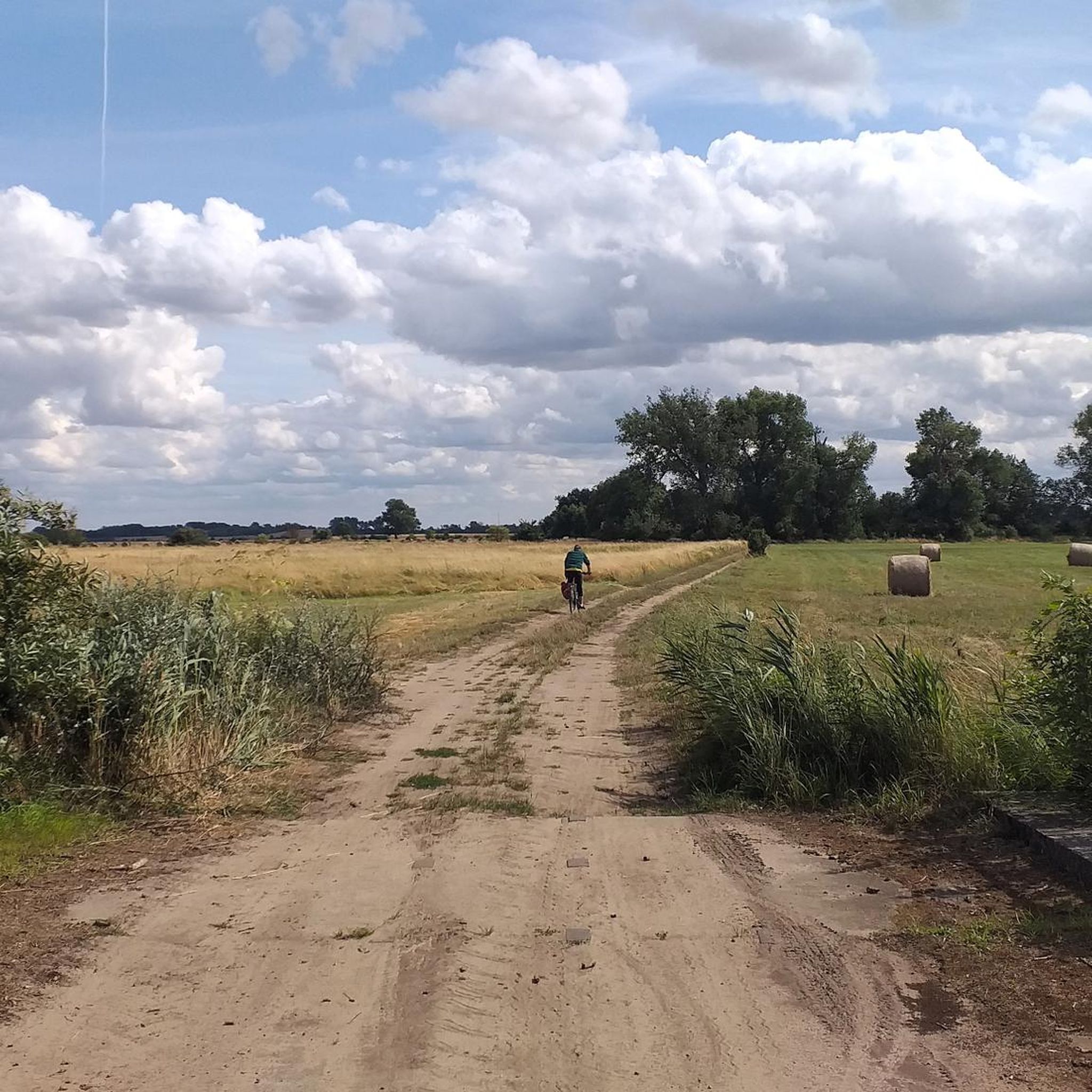
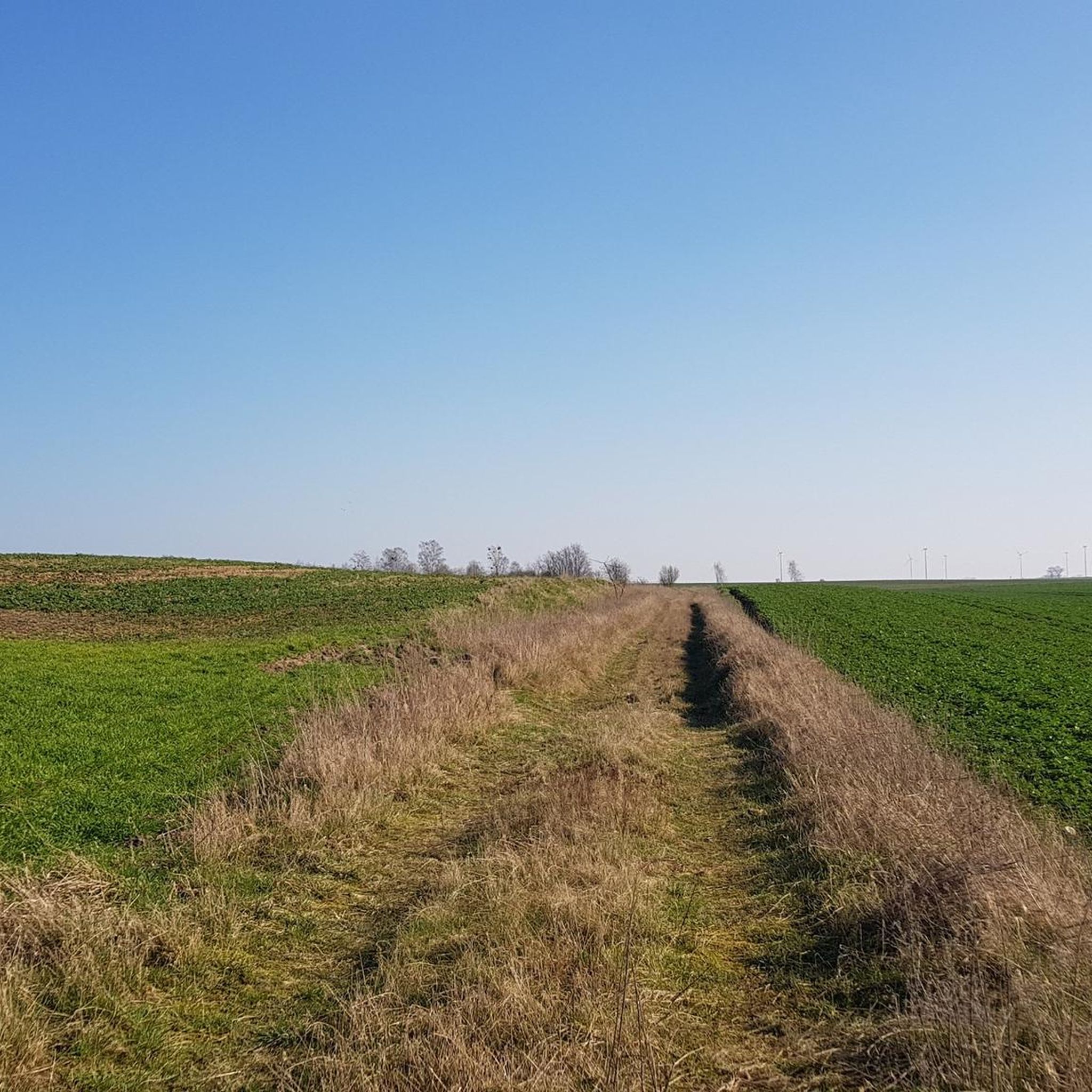
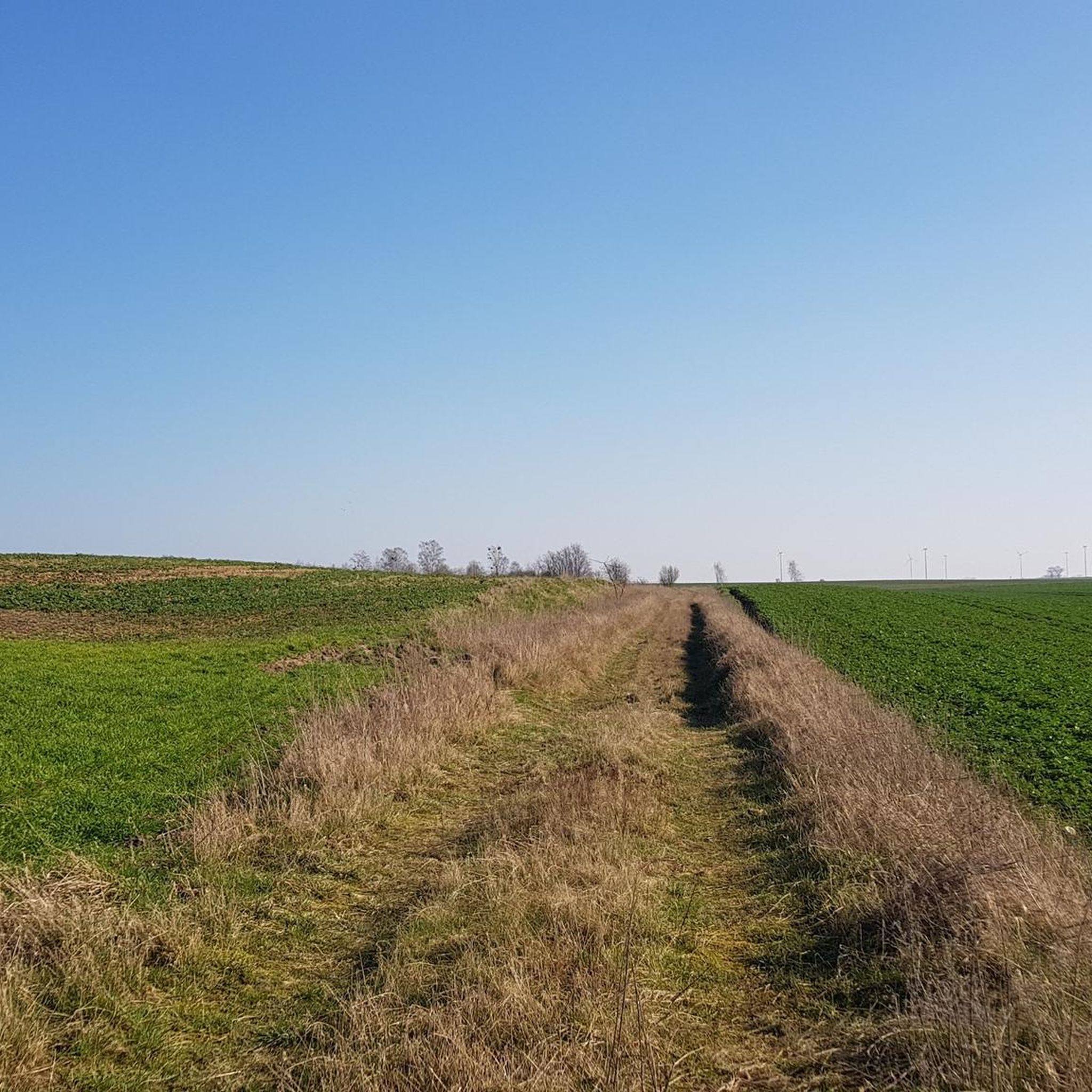
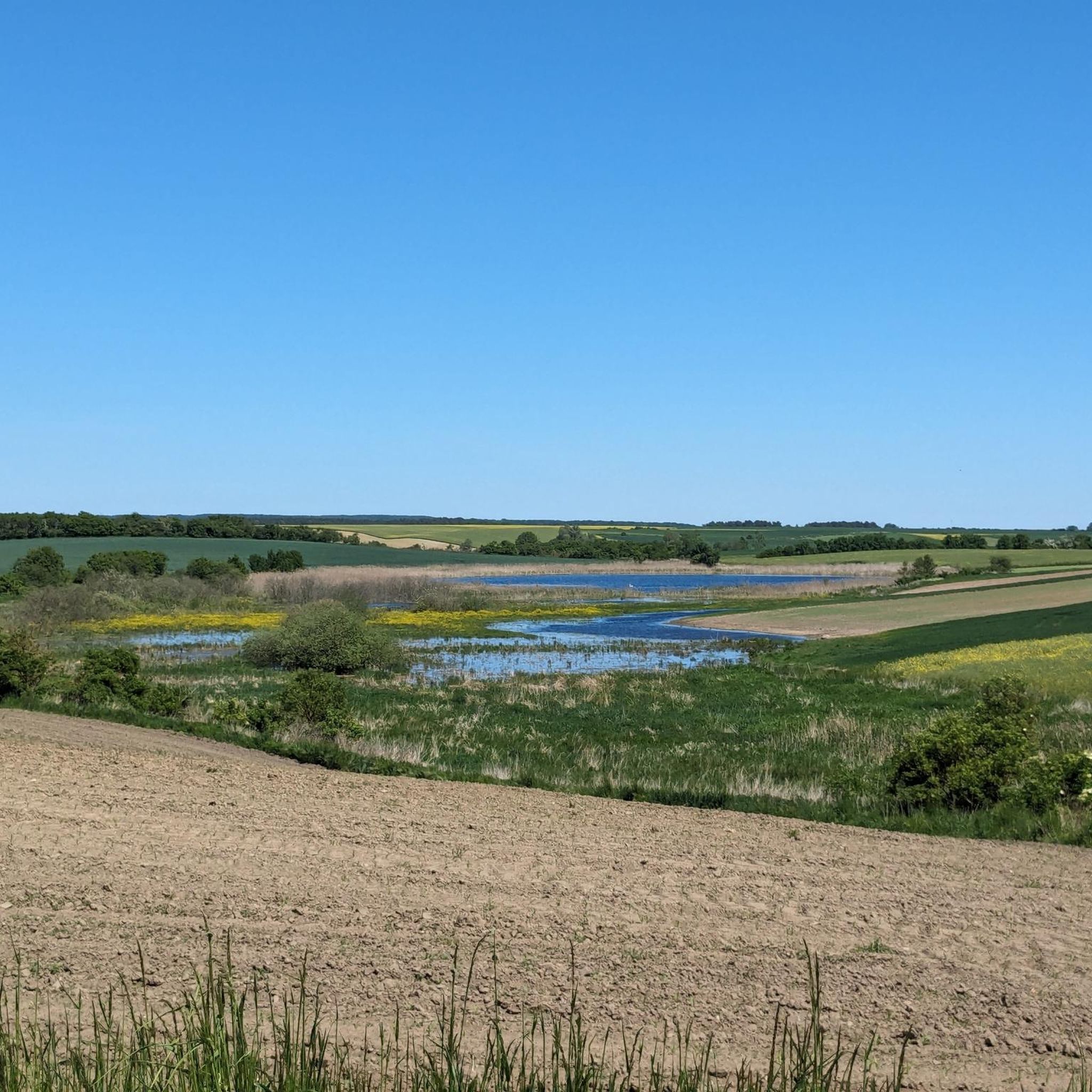
Road cycling routes around gmina Bielice traverse a region characterized by varied topography, including hills, ravines, and valleys. The area features extensive natural landscapes, such as the Beech Forest Trail, alongside agricultural fields. Most routes offer paved surfaces suitable for road biking, providing diverse and engaging rides. This blend of natural and cultivated scenery contributes to a range of cycling experiences.
Best road cycling routes around gmina Bielice
- The most popular road cycling route is Kołbacz Cistercian Abbey – Kołbacz…
Last updated: July 24, 2026
4.3
(3)
40
riders
Moderate road ride. Good fitness required. Mostly well-paved surfaces and easy to ride.
4.8
(4)
87
riders
Moderate road ride. Great for any fitness level. Some segments of this route may be unpaved and difficult to ride.

Sign up for free
13
riders
47.3km
01:58
210m
210m
Easy road ride. Great for any fitness level. Mostly well-paved surfaces and easy to ride.
5.0
(1)
12
riders
90.8km
04:01
460m
460m
Moderate road ride. Good fitness required. Some segments of this route may be unpaved and difficult to ride.
4.0
(1)
18
riders
Easy road ride. Great for any fitness level. Mostly well-paved surfaces and easy to ride.
Get access to more routes and recommendations from other explorers.
Sign up for free
Already have an account?
Our route recommendations are based on thousands of hikes, rides, and runs completed by other people on komoot.
Start today with a free account
Your next adventure awaits.
Login or Signup
Tips from the Community

Great paved forest cycle path. Oder-Neisse Cycle Path.
1
0

A viaduct with an interesting descent and ascent in the form of a loop
0
0
The facility was built between 1911 and 1913 as an extension of the present-day Piastów Street. The bridge, approximately 250 meters long and 10 meters wide, was opened in January 1913. The longest, central span intended for navigation was additionally equipped with a rotating bridge. The design and construction were carried out by engineers Narten, Braun, Stuwert, Ostmann, and Herbst.
0
0
Very nice bike path created on the old track of a former railway line.
0
0
Junction with a STOP sign for cyclists.
0
0

I recommend, it's great to ride on this kind of gravel
0
0

asphalt path accessible by any type of vehicle powered by leg muscles
1
1

The monastery church was originally dedicated to the Blessed Virgin Mary, and its construction began at the same time as the entire monastery, in 1210. Initially, the temple was built in the late Romanesque style, and it was completed in the Gothic style in 1347. After the secularization of the monastery in the 16th century, the main nave was transformed into a granary. The original 15th-century altar, which was originally located in the temple, can now be seen in the Basilica of St. James in Szczecin. During the period when the monastery was in operation, deceased Pomeranian princes were buried there. Unfortunately, in 1720, the side naves were demolished. On the wall of the church, you can see a blind rosette, which, according to legend, was made by a blind person.
3
1
Frequently Asked Questions
How many road cycling routes are available in gmina Bielice?
Gmina Bielice offers a selection of 14 road cycling routes. These include 4 easy routes perfect for a relaxed ride and 10 moderate routes for those seeking a bit more challenge.
Are there road cycling routes suitable for beginners or families in gmina Bielice?
Yes, gmina Bielice has 4 easy road cycling routes that are suitable for beginners or families. These routes typically feature mostly paved surfaces and are designed for a comfortable experience, often taking up to 2 hours to complete with minimal elevation gain.
What options are there for experienced road cyclists seeking a challenge in gmina Bielice?
For experienced road cyclists, gmina Bielice features 10 moderate routes. These rides can extend over 5 hours or involve more than 1500 ft of elevation gain, traversing varied topography including hills, ravines, and valleys. Some segments on longer routes might be unpaved, adding to the challenge.
What natural attractions can I see while road cycling in gmina Bielice?
Road cycling in gmina Bielice allows you to explore several natural highlights. You can encounter the unique Serce Boulder (Millstone), a natural monument, or cycle near the extensive Beech Forest Trail (Puszcza Bukowa), known for its diverse flora and fauna. The region also features areas like Binowskie Lake and the Kołowskie Parowy Nature Reserve.
Are there any historical landmarks along the road cycling routes?
Absolutely. A prominent historical landmark is the Kołbacz Cistercian Abbey and Church, founded in 1173. You can cycle past this significant site on routes such as the Kołbacz Cistercian Abbey – Kołbacz Cistercian Abbey and Church loop from Nowielin or the 20A Kijewo–Płonia Cycle Path – Kołbacz Cistercian Abbey loop from gmina Stare Czarnowo.
What is the best time of year for road cycling in gmina Bielice?
Gmina Bielice offers pleasant road cycling conditions throughout much of the year, with clean air and a peaceful atmosphere. While specific seasonal data isn't provided, the varied topography and extensive natural areas suggest that spring and autumn would be ideal for comfortable temperatures and scenic views, though summer also offers great opportunities to explore.
What do other road cyclists enjoy the most about road cycling in gmina Bielice?
The road cycling routes in gmina Bielice are highly rated by the komoot community, with an average score of 4.6 stars from over 10 reviews. Cyclists often praise the region's varied terrain, which includes extensive forests, open fields, and a mix of hills and valleys, providing diverse and engaging rides.
Are there any dedicated cycle paths for road biking in the area?
Yes, some routes incorporate dedicated cycle paths. For instance, the 20A Kijewo–Płonia Cycle Path – Kołbacz Cistercian Abbey loop from gmina Stare Czarnowo combines cycle paths with scenic views. Additionally, the Blue Velo Cycle Path on the Former Gryfino–Swobnica Railway is another notable cycling infrastructure in the vicinity.
Can I find short road cycling loops in gmina Bielice?
Yes, gmina Bielice offers shorter road cycling loops. An example is the Miedwie Lake Pier – Kobylanka–Stargard Bike Path loop from Nieznań, which is an easy route covering approximately 29.5 km and taking around 1 hour 10 minutes to complete.
What kind of scenery can I expect on road cycling routes in gmina Bielice?
Road cycling in gmina Bielice offers a diverse landscape. You can expect to see extensive forests, open agricultural fields, and varied topography featuring hills, ravines, and valleys. This blend provides dynamic and scenic rides, from tranquil wooded areas to expansive open vistas.
Are there any longer road cycling routes for endurance training?
Yes, for those looking for longer rides, gmina Bielice has options like the Mescherin Church – Marina Gartz (Oder) loop from Tywica. This moderate route spans over 90 km with significant elevation gain, making it suitable for endurance training.
Are there viewpoints or scenic spots along the road cycling routes?
While specific viewpoints are not detailed, the region's varied topography with hills, ravines, and valleys, combined with extensive forests and open fields, naturally provides numerous scenic spots. Cycling through areas like the Beech Forest Trail or near Binowskie Lake will offer picturesque views of the natural environment.
Most popular attractions around gmina Bielice

Get inspired with the komoot mobile app


Explore more
Browse the best Road cycling routes in other regions.
