Attractions and Places To See in Hjørring - Top 20
Best attractions and places to see in Hjørring, a town in Northern Denmark, include a diverse range of historical landmarks, natural features, and cultural sites. The region is characterized by its dramatic coastline, shifting sand dunes, and extensive natural reserves. Visitors can explore medieval churches, modern art museums, and vast forests, offering varied experiences. Hjørring provides opportunities for outdoor activities and cultural immersion within its varied landscape.
Best attractions and places to see in Hjørring
- The most popular attractions is…
Last updated: August 16, 2026
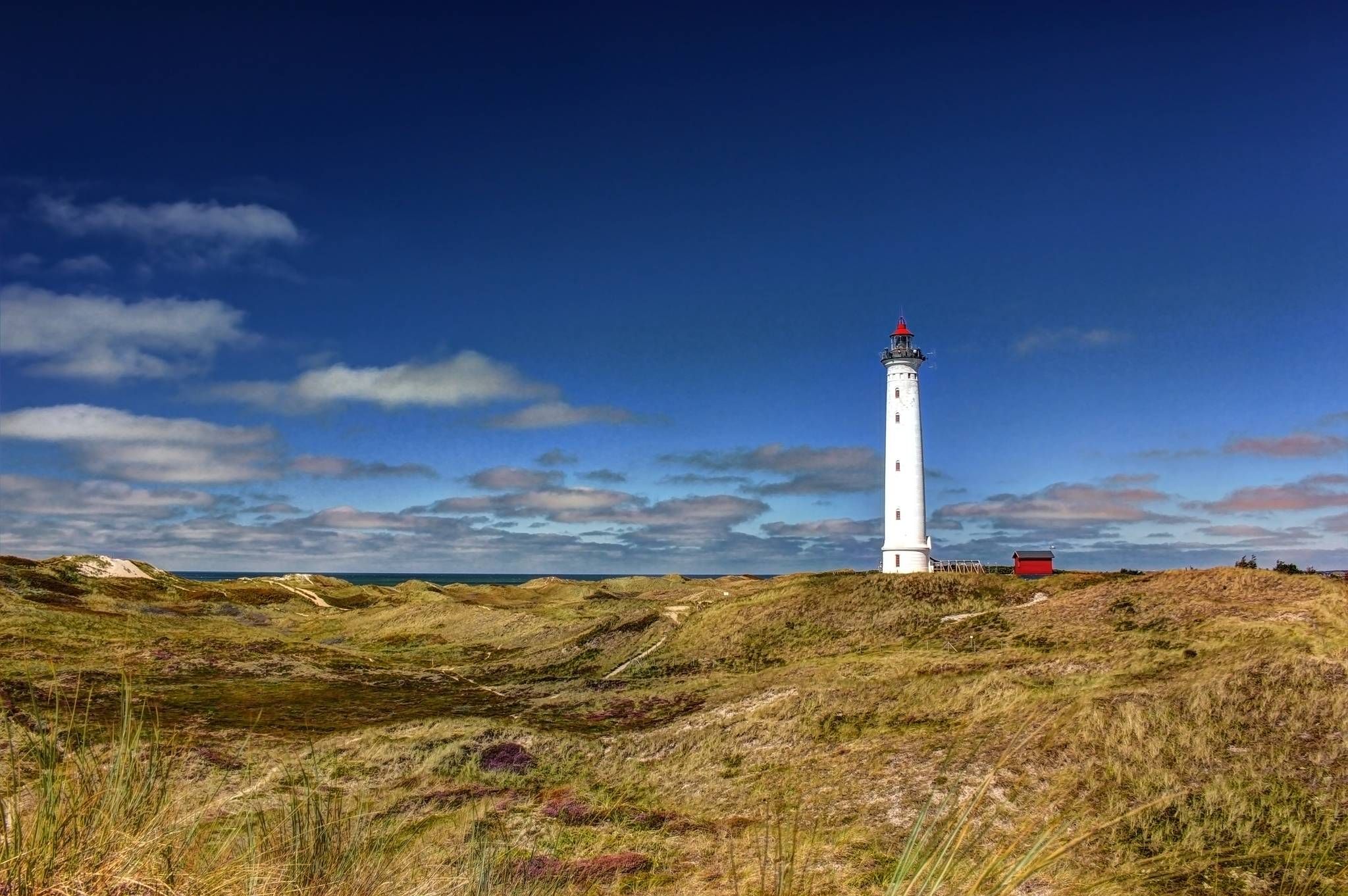
Rubjerg Knude Lighthouse
Highlight • Monument
Translated by Google •
Tip by

Rubjerg Knude Lighthouse and the Shifting Dune
Highlight • Natural Monument
Translated by Google •
Tip by

Sign up now to discover places like this
Get recommendations on the best single tracks, peaks, & plenty of other exciting outdoor places.
Sign up for free
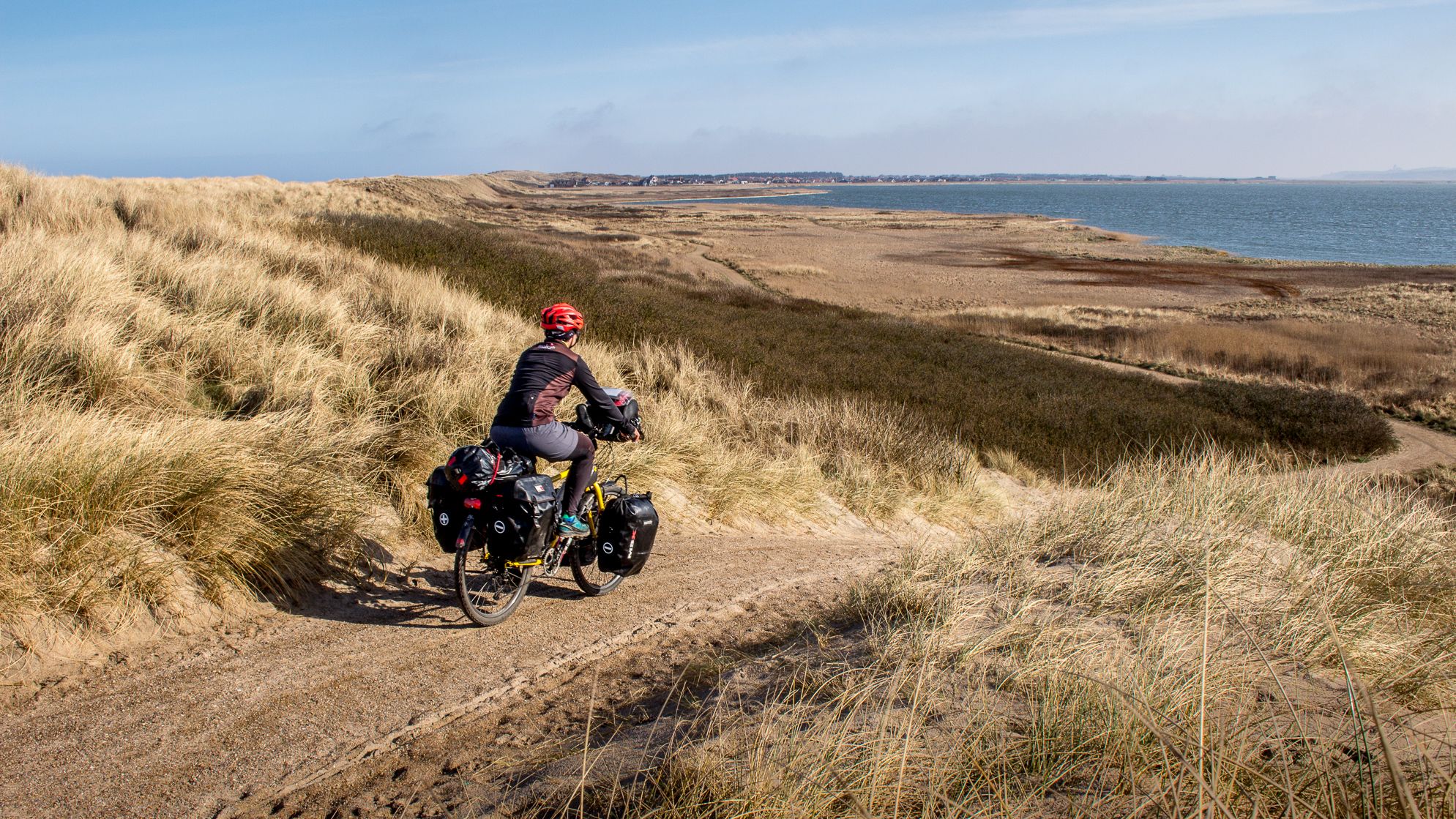
Råbjerg Mile
Highlight • Natural Monument
Translated by Google •
Tip by

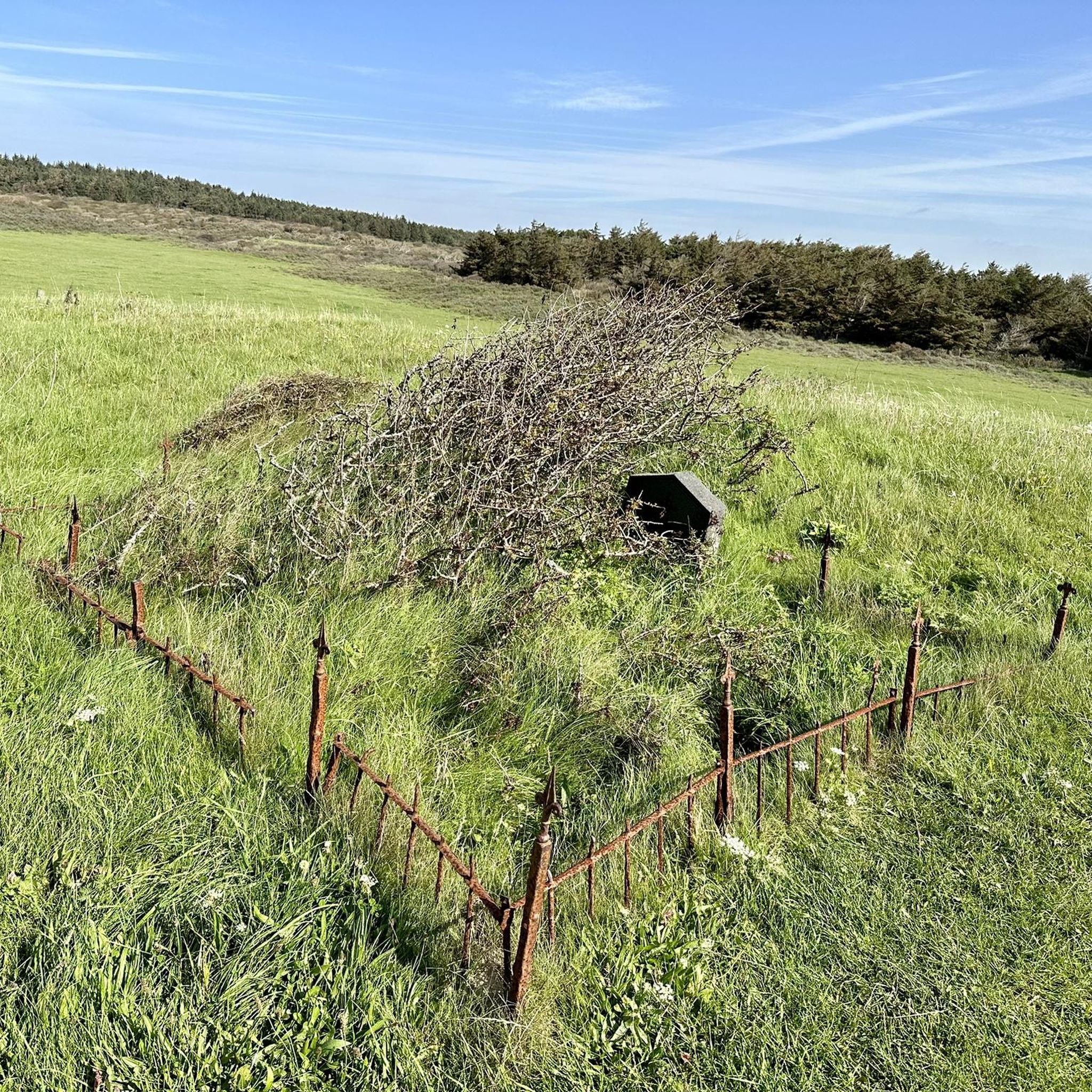
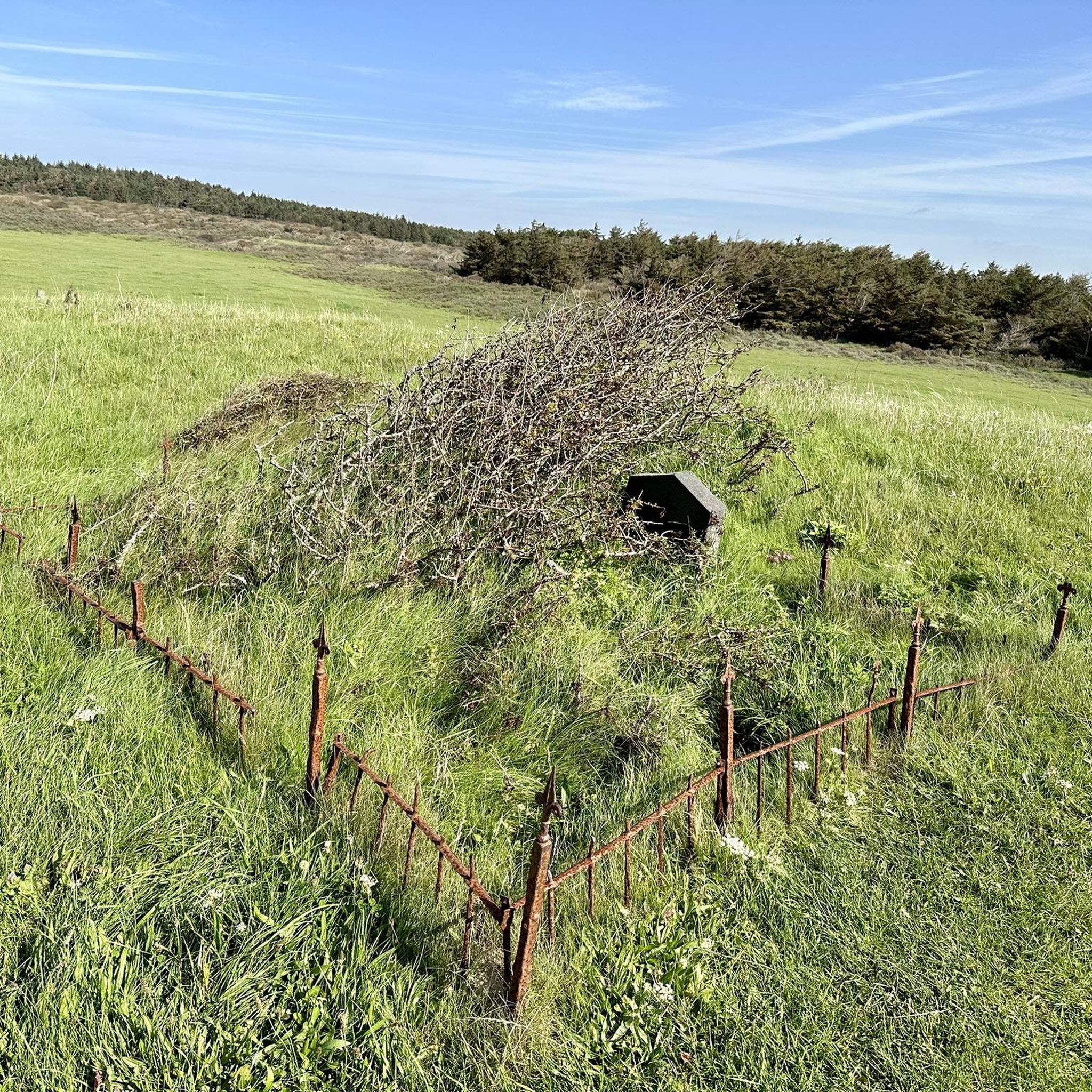
Mårup Church Cemetery
Highlight • Historical Site
Translated by Google •
Tip by

Løkken Beach Huts
Highlight • Beach
Translated by Google •
Tip by

Sign up for free to discover even more attractions in Hjørring.
Sign up for free
Already have an account?
Start today with a free account
Your next adventure awaits.
Login or Signup


Tips from the Community

The white city, approx. 480 bathhouses
0
0

Definitely worth seeing, even if you have to dismount at some points.
1
0

Be sure to go up. Pro tip: take off your shoes right at the bottom :)
2
0

It is a great experience to cycle on a sandy beach.
0
0

Råbjerg Mile is a massive shifting dune on the northern tip of Jutland, Denmark. It has been a nature reserve since 1900. This ensures that dune migration can continue unhindered. The sand masses reach heights of over 40 meters and cover an area of approximately 120 hectares. Due to prevailing westerly winds, the sand moves eastward toward the Kattegat. Each year, the dune moves an average of 15 meters. According to estimates, Råbjerg Mile will reach the 3.5 km distant road to Skagen around the year 2130 and disappear into the Baltic Sea after another 30 years. The question of whether the Frederikshavn–Skagen railway line would need to be rerouted westward around the dune in 100 years has not yet sparked any political debate. By the mid-19th century, the northern town of Skagen was also suffering from increasing drifting sand, a result of deforestation and the destruction of dune vegetation to meet the demand for fuel. The municipality eventually offered to transfer the inhospitable land to the state, which undertook an extensive reforestation program starting in 1887. The forests (klitplantager) in Bunken and Skagen were established. At the same time, Skagen received a paved road to Aalbæk and a railway connection. Previously, all transport had been accomplished by horse-drawn carts across the impassable Baltic Sea coast. However, the taming of the raw forces of nature also aroused resistance. The poet Jeppe Aakjær (1866–1930) was an early advocate for nature conservation. In 1900, the Danish state acquired the area around Råbjerg Mile to protect it from human interference. While World War I was raging in Europe, this desert-like panorama served as the backdrop for the Danish silent film Sfinxens Hemmelighed (English: "The Secret of the Sphinx") by director Robert Dinesen. The monumental wooden backdrop of a Sphinx of Giza rising from the sand attracted so many onlookers that filming was occasionally interrupted to allow summer visitors to enjoy themselves. https://de.wikipedia.org/wiki/R%C3%A5bjerg_Mile
3
0

For over a hundred years, guests from Denmark and abroad have visited the place. The sea, the beach and the city attract the interest and wanderlust of many guests every year. If you move outside the city limits, you will find breathtaking dune landscapes in the midst of beautiful nature. If you go further north to Nr. Lyngby, you will notice the strong contrast between the dune landscape and that to the south towards Grønhøj - it is a diverse area that offers peace and relaxation - perfect for a holiday. https://www.visitnordvestkysten.de/nordvestkysten/urlaubsorte/lokken
5
1
The Rubjerg Knude dune with its lighthouse is one of the most scenic destinations in Jutland. On the 50 meter high cliff between Lønstrup and Løkken, a dune up to 25 meters high has formed over a length of almost two kilometers. A good 100 years ago there was little sand at this point. The lighthouse was built in 1900 along with four outbuildings. At that time the tower was 200 meters inland. Over the years the sea got closer to the lighthouse and the dune sand piled higher and higher around the buildings. All attempts to keep the sand away from the tower failed and so the dune grew to a height of 50 meters by 1968. The lighthouse was no longer visible from the sea and its operation was discontinued. In the years that followed, all efforts to curb the growth of the dunes were in vain. In 1990 the area was finally placed under nature protection.
5
0
The Råbjerg Mile dune is Denmark's largest shifting dune and is a nature reserve. The Råbjerg Mile dune is about 1 km wide and 1 km long, consists of about 3.5 million m3 of sand and is 40 meters high. Every year the dune moves about 15 meters towards the northeast, closer to Grenen, the tip of Denmark. If you go in there, you have to expect quicksand in some areas.
4
2
Frequently Asked Questions
What historical sites can I explore in Hjørring?
Hjørring boasts a rich history. You can visit the majestic Sct. Catharinæ Church, a Gothic church with stunning frescoes, or explore the nearby Sct. Olai and Sct. Hans Kirke, all medieval churches within walking distance. Another significant historical site is Mårup Church Cemetery, which offers a poignant look at coastal erosion's impact on historical landmarks. Additionally, Bangsbo Fort, a short journey from Hjørring, played a pivotal role in Danish defense.
Are there natural areas for hiking and enjoying scenic views near Hjørring?
Yes, Hjørring is surrounded by diverse natural landscapes perfect for outdoor activities. The Hjørring Bjerge area offers rolling hills and the Bellevue Udsigtstarn for panoramic views. West of Hjørring, Lønstrup Klint provides hiking routes with stunning coastal vistas. You can also explore the Bangsbo Nature Reserve, Forstbotanisk Naturpark with its diverse tree species, or the extensive Tolne Skov and Tolne Bakker forests for hiking and foraging.
What cultural attractions does Hjørring offer?
For cultural experiences, visit the Vendsyssel Historical Museum to delve into the region's heritage from the Stone Age to WWII. Art enthusiasts will appreciate the Hjørring Kunstmuseum (Vendsyssel Kunstmuseum) for its collection of modern and contemporary Danish art. The Vendsyssel Teater and Hjørring Theater are central to the town's performing arts scene, offering various shows.
Are there family-friendly activities or attractions in Hjørring?
Many natural areas are suitable for families, such as the Forstbotanisk Naturpark for a leisurely stroll among diverse trees. The Uggerby Å river, a short drive east, is suitable for canoeing and camping, offering a fun outdoor experience. The Old Town (Hjørring's Pedestrian Area) with its traditional markets and shops can also be an enjoyable place for families to explore.
What outdoor activities can I do near Hjørring's attractions?
Near Hjørring's attractions, you can find various outdoor activities. For cycling, explore routes like 'Fiskens Tegn – Panorama Tour 415' or 'High above the Sea – Panorama Tour 414'. Mountain biking enthusiasts can enjoy the 'Official Tornby Klitplantage Mountain Bike Trail'. For more details on these and other routes, check out the Cycling in Hjørring, Road Cycling Routes in Hjørring, and MTB Trails in Hjørring guides.
What makes Rubjerg Knude Lighthouse a unique attraction?
The Rubjerg Knude Lighthouse is iconic due to its dramatic location on Denmark's shifting sand dunes. Originally built 200 meters inland, it was famously moved further inland in 2019 to save it from coastal erosion. This site, including Rubjerg Knude Lighthouse and the Shifting Dune, offers awe-inspiring coastal views and a unique perspective on nature's power.
Can I find any unique natural phenomena or landscapes in the Hjørring area?
Absolutely. Besides the shifting dunes around Rubjerg Knude, you can visit Råbjerg Mile, a massive shifting dune that is a nature reserve where dune migration continues unhindered. Its sand masses reach heights of over 40 meters. The areas of Skallerup Klit and Tornby Klitplantage also offer scenic trails through inland dunes and dramatic coastal cliffs.
What is the best time of year to visit Hjørring attractions?
The best time to visit Hjørring generally depends on your preferred activities. Summer (June to August) offers pleasant weather for outdoor exploration, hiking, and enjoying the coastal areas. Spring and autumn provide milder temperatures, ideal for cultural visits and exploring forests like Tolne Skov without the summer crowds. Winter can be charming for cozy indoor activities and experiencing the dramatic coastal landscapes in a different light, though some outdoor facilities might have reduced hours.
Are there any walking or cycling paths directly within Hjørring town?
Yes, Hjørring offers 'Clover Paths' which are designated trails allowing visitors to walk, run, or cycle through the town's sights, natural areas, and parks. These paths provide an excellent way to explore Hjørring's urban and green spaces at your own pace.
What do visitors enjoy most about the attractions in Hjørring?
Visitors frequently praise the dramatic coastal scenery, especially around Rubjerg Knude Lighthouse, often describing it as an 'absolute must' and 'impressive.' The unique natural phenomena like the shifting dunes of Råbjerg Mile are also highly appreciated for their scale and beauty. Many also enjoy the blend of historical sites and opportunities for active outdoor pursuits.
Where can I find a quiet spot to relax or enjoy nature in Hjørring?
For a peaceful retreat, consider visiting Folkeparken, a public park conveniently located a short walk from the town center. The Forstbotanisk Naturpark also offers a tranquil setting with its diverse collection of trees and landscaped gardens, perfect for a quiet stroll. The Bangsbo Nature Reserve provides walking trails through woodlands, ideal for those seeking serenity.
Are there any unique shopping or local craft experiences in Hjørring?
While Metropol Shopping Center offers modern retail, for a more unique experience, visit Håndværkernes Hus. This active handicraft workshop displays typical tools and equipment, offering a glimpse into traditional crafts and potentially opportunities to see artisans at work.
Most popular attractions in Hjørring

Get inspired with the komoot mobile app


Explore more
Still not found the Highlight you’re looking for? See guides of the top attractions in other regions:
