The best cycling routes in Lois Hole Centennial Provincial Park
4.7
(29)
191
riders
16
rides
Touring cycling in Lois Hole Centennial Provincial Park is characterized by its diverse landscapes, centered around Big Lake, a significant freshwater wetland ecosystem. The park features extensive networks of paved and crushed gravel paths, connecting to the St. Albert Red Willow Trail System. Terrain is generally flat with some rolling hills, offering accessible routes through deciduous and coniferous woodlands.
Best touring cycling routes in Lois Hole Centennial Provincial Park
- The most popular touring cycling route is St. Albert Nature Center…
Last updated: May 22, 2026
4.3
(4)
25
riders
19.0km
01:06
80m
80m
Easy bike ride. Great for any fitness level. Mostly paved surfaces. Suitable for all skill levels.
5.0
(1)
7
riders
30.5km
01:50
150m
150m
Moderate bike ride. Good fitness required. Mostly paved surfaces. Suitable for all skill levels.

Sign up for free
6
riders
31.6km
01:50
70m
70m
Easy bike ride. Great for any fitness level. Mostly paved surfaces. Suitable for all skill levels.
5.0
(1)
14
riders
16.6km
01:05
60m
60m
Easy bike ride. Great for any fitness level. Mostly paved surfaces. Suitable for all skill levels.
5.0
(1)
7
riders
42.2km
02:28
180m
180m
Moderate bike ride. Good fitness required. Mostly paved surfaces. Suitable for all skill levels.
Get access to more routes and recommendations from other explorers.
Sign up for free
Already have an account?
Our route recommendations are based on thousands of hikes, rides, and runs completed by other people on komoot.
Start today with a free account
Your next adventure awaits.
Login or Signup
Popular around Lois Hole Centennial Provincial Park
Tips from the Community

The St. Albert Botanic Park sits along the Sturgeon River and the Red Willow Trail System in St. Albert. This volunteer-run botanical garden features a series of themed spaces including rose gardens, native plant areas, and quiet landscaped paths beside the river. It’s a peaceful stop along the trail, with benches and shaded areas that make it a pleasant place to pause before continuing along the river valley pathway.
1
0
Running through the quiet residential edge of St. Albert, the Erin Ridge North pathway follows a tree-lined corridor that links neighbourhood streets with the broader ravine system. The route feels calm and suburban at first — low rolling lawns, tidy plantings, and small pockets of spruce and poplar — before gradually drawing you toward the wooded dip of the ravine. From here, the path naturally transitions into Coal Mine Park, where open greenspace and a bit more elevation change signal your entry into the connected network of trails shared by Erin Ridge Ravine and Ted Hole Park.
0
0
Just across from Ted Hole Park, Erin Ridge Ravine offers a wide, paved pathway through a canopy of mature poplars and spruce trees, winding gently between neighbourhood green spaces. The trail is lined with benches and perfect for a relaxed walk, bike ride or run — regardless of the season. In autumn the leaves blaze with colour; in winter the trees glisten with snow, making it one of St. Albert’s most accessible and scenic ravine routes.
0
0
Nestled in the northeast of St. Albert, Ted Hole Park is a leafy 13-hectare neighbourhood green-space where tall poplars and spruce trees form a calming canopy over paved and gravel trails. Between the paved loop, benches, and the modest off-leash dog area, it’s a perfect stop for a quick nature break, a gentle stroll, or a run at any time of day.
0
0

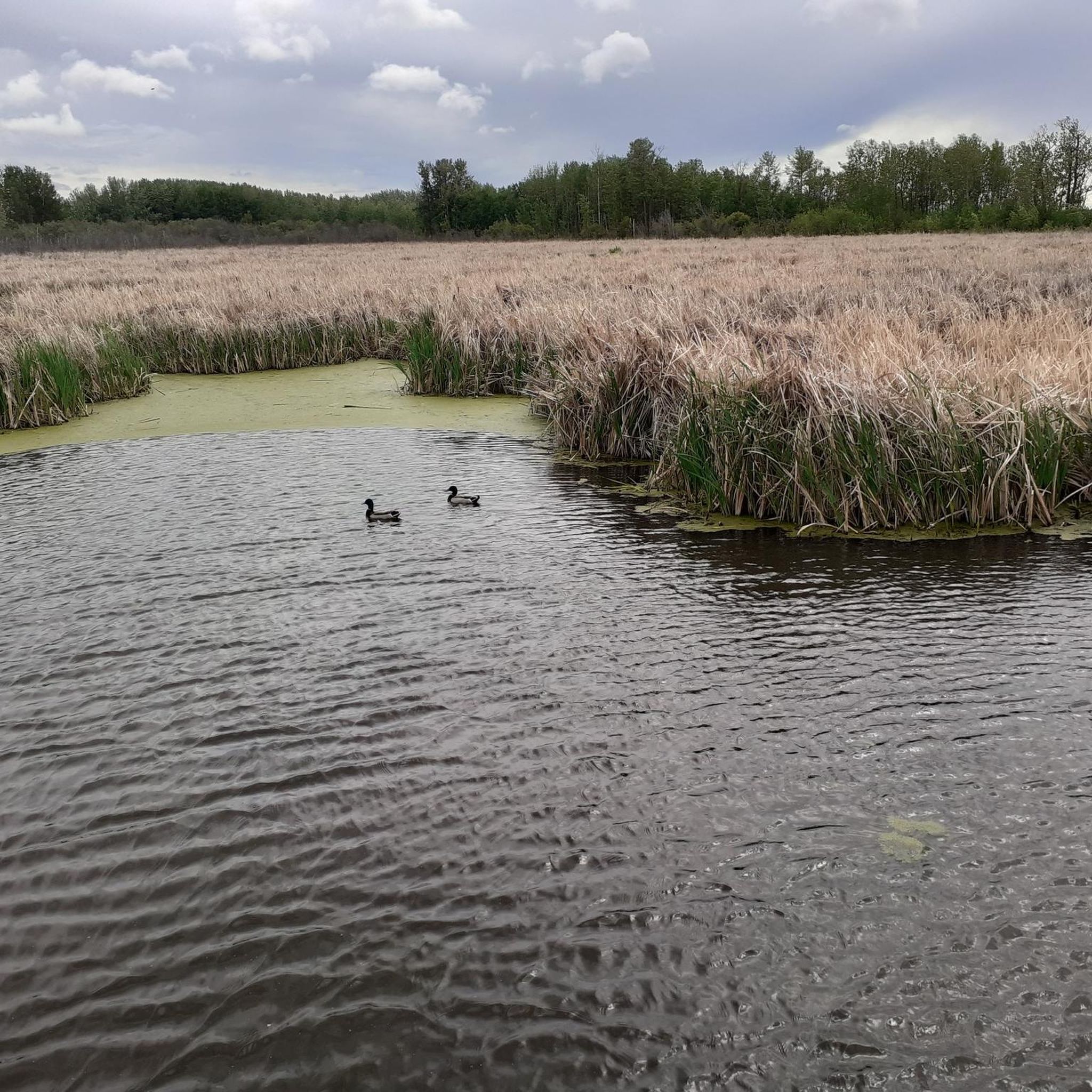
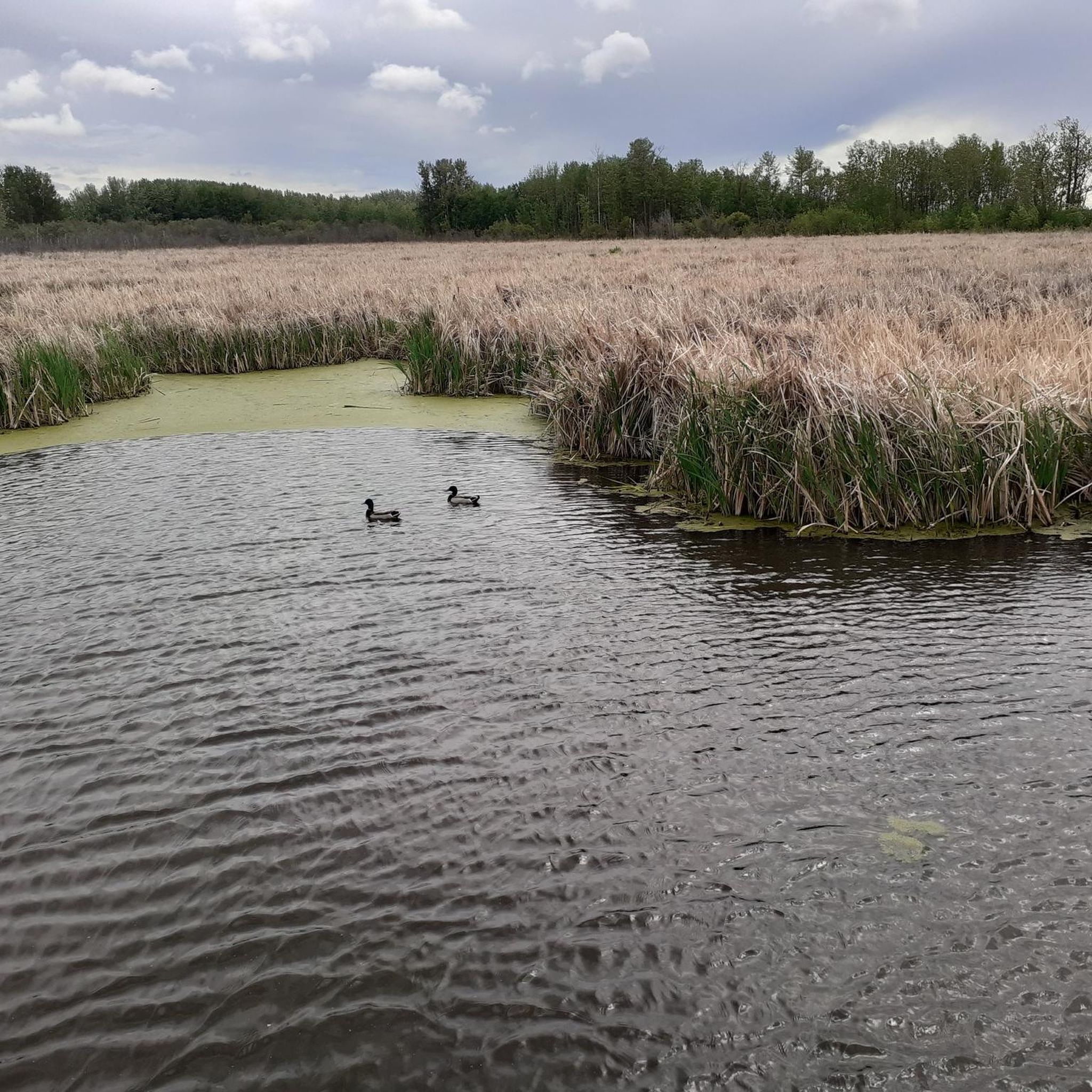
Lois Hole Centennial Provincial Park protects over 11 square km of wetland and shoreline habitat on Big Lake. Recognized as an Important Bird Area, it supports diverse waterfowl and shorebird populations and offers beautiful birdwatching opportunities, with walking trails and interpretive signs. It’s a rare pocket of wildness within an urban setting, connecting people to the Central Parkland’s natural beauty while honoring the legacy of Alberta’s former Lieutenant Governor, Lois Hole.
0
0

Albert G. "Bert" Nickel (1904-1984) dedicated years of service to the Wellington community. Born in Saskatchewan, Nickel moved to the Wellington neighbourhood in 1959. He later served as president of the community league and as a director. Nickel received the Wellington Community Honorary Award in 1966, the Area #1 Outstanding Service Award in 1973 and the Federation of Community Leagues' Service Award in 1982. The Albert G. Nickel Park is in the Wellington neighbourhood and has an area of 0.38 ha.
0
0
This park is in the Wellington neighbourhood and has an area of 2.59 ha. This area may take its name from Arthur Wellesley (1769-1852), 1st Duke of Wellington, who led the British victory over Napoleon at the Battle of Waterloo in 1814. Wellesley was knighted in 1805 and became the first Duke of Wellington in 1814. He served as prime minister from 1828 to 1839. Wellington Park, as the area was once called, has been named since at least 1910 and was annexed to Edmonton in 1913. However, much of the development in Wellington did not take place until the 1950s and 1960s. At the time of Wellington's naming, Wellington Park was one of the existing subdivision names in the area and the Edmonton Public School Board was planning to use the name for a local school.
0
0
Scottish-born John A. Norris (1829-1916) came to Fort Edmonton in 1849 as a Hudson's Bay Company employee. He was a trader for the company before opening his own business in the 1880s. The Norris & Carey Store sold groceries and hardware. The John A. Norris Park is in the Inglewood neighbourhood and has an area of 0.19 ha.
0
0
Frequently Asked Questions
What kind of terrain can I expect on the touring cycling routes in Lois Hole Centennial Provincial Park?
The park offers a mix of terrain, primarily characterized by extensive paved paths and some sections of packed crushed gravel, such as the Coyote Trail. While generally flat, you will encounter some gentle rolling hills, particularly on trails like the Meadow Trail. This variety caters to different fitness levels, with routes ranging from easy to moderate.
Are there any specific viewpoints or natural attractions to look out for while cycling?
Yes, the park is centered around Big Lake, a significant freshwater wetland. Key viewing points include the John E. Poole Boardwalk and the Big Lake Environment Support Society (BLESS) viewing platform, both offering excellent opportunities to observe wetland birds and other wildlife. The park is an internationally recognized Important Bird Area, so keep an eye out for over 200 bird species, including trumpeter swans.
How many touring cycling routes are available in Lois Hole Centennial Provincial Park?
Komoot features 17 touring cycling routes within Lois Hole Centennial Provincial Park. These routes vary in length and difficulty, providing options for different preferences and fitness levels.
Are there any family-friendly touring cycling routes in the park?
Yes, many of the routes are suitable for families. For an easy and accessible option, consider the St. Albert Nature Center loop from St. Albert, which is 19.0 km long and offers pleasant views of the natural surroundings.
Can I bring my dog on the touring cycling trails?
Lois Hole Centennial Provincial Park generally emphasizes low-impact, nature-based recreation. While specific regulations for dogs on cycling trails can vary, it's always best to keep dogs leashed and ensure they are well-behaved to protect the park's sensitive wildlife and natural habitats. Check local park signage for the most current rules.
What do other touring cyclists enjoy most about cycling in Lois Hole Centennial Provincial Park?
The area is highly rated by the komoot community, with an average score of 4.7 stars from over 20 reviews. Cyclists often praise the extensive network of well-maintained paved paths, the beautiful wetland scenery around Big Lake, and the opportunities for wildlife viewing. The connectivity to the St. Albert Red Willow Trail System is also a highlight for many.
Are there any circular touring cycling routes available?
Yes, many of the routes in the park are designed as loops. For example, the Big Lake Viewing Deck loop from Giroux Road & Lacombe Drive is an easy 16.6 km circular route that takes you past a key viewpoint.
How does the park connect to other cycling networks?
Lois Hole Centennial Provincial Park is well-connected. The St. Albert Red Willow Trail System directly links to the park at the BLESS Viewpoint Platform, significantly expanding cycling possibilities and allowing you to explore both natural corridors and urban amenities in St. Albert.
What is a good moderate touring cycling route for someone looking for a longer ride?
For a moderate challenge and varied scenery, the St. Albert Nature Center loop from St. Albert Dodge Chrysler Jeep Ram is a popular choice. This 30.5 km route extends further through the park's periphery, offering a more extended experience.
Is there parking available near the cycling routes?
While the guide does not specify exact parking locations, the park is designed for accessibility. Given its connections to St. Albert and various entry points, parking facilities are generally available at key access points and trailheads. It's advisable to check specific starting points for parking options.
What is the best time of year to go touring cycling in Lois Hole Centennial Provincial Park?
The park is enjoyable for cycling through much of the year. Spring and fall offer pleasant temperatures and vibrant natural colors, while summer provides longer daylight hours. The park's status as an Important Bird Area means that birdwatching is particularly rewarding during migration seasons in spring and fall.
Are there any routes that combine natural areas with urban green spaces?
Yes, the Athlone Park – Touchdown Park loop from South Riel is a 31.6 km easy route that leads through a mix of urban green spaces and natural corridors, offering a diverse cycling experience.
Can I access the St. Albert Nature Center and Big Lake Viewing Deck on a single route?
Absolutely. The St. Albert Nature Center – Big Lake Viewing Deck loop from Riverlot 56 Natural Area is an easy 15.6 km route that allows you to visit both of these significant points of interest within the park.
Most popular routes in Lois Hole Centennial Provincial Park

Get inspired with the komoot mobile app


