The best walks and hikes around Grimma
4.6
(10926)
38,800
hikers
443
hikes
Hiking around Grimma offers a diverse landscape characterized by the Mulde river valley, extensive woodlands, and historical landmarks. The region features a network of trails that often follow the riverbanks, providing relatively gentle elevation changes. Hikers can explore areas with historical structures and natural scenery, making it suitable for various outdoor activities. The terrain primarily consists of riverine paths and forest trails.
Best hiking trails around Grimma
- The most popular hiking route is Grimma Suspension Bridge – Nimbschen monastery ruins…
Last updated: October 25, 2026
4.8
(174)
573
hikers
Moderate hike. Good fitness required. Easily walkable paths.
4.7
(134)
410
hikers
Moderate hike. Good fitness required. Easily walkable paths.

4.7
(133)
410
hikers
Moderate hike. Good fitness required. Easily walkable paths.
4.7
(69)
389
hikers
4.45km
01:09
30m
30m
Easy hike. Easily walkable paths.
4.7
(19)
95
hikers
Moderate hike. Good fitness required. Easily walkable paths.
Get access to more routes and recommendations from other explorers.
Already have an account?
Our route recommendations are based on thousands of hikes, rides, and runs completed by other people on komoot.
Start today with a free account
Your next adventure awaits.
Popular around Grimma
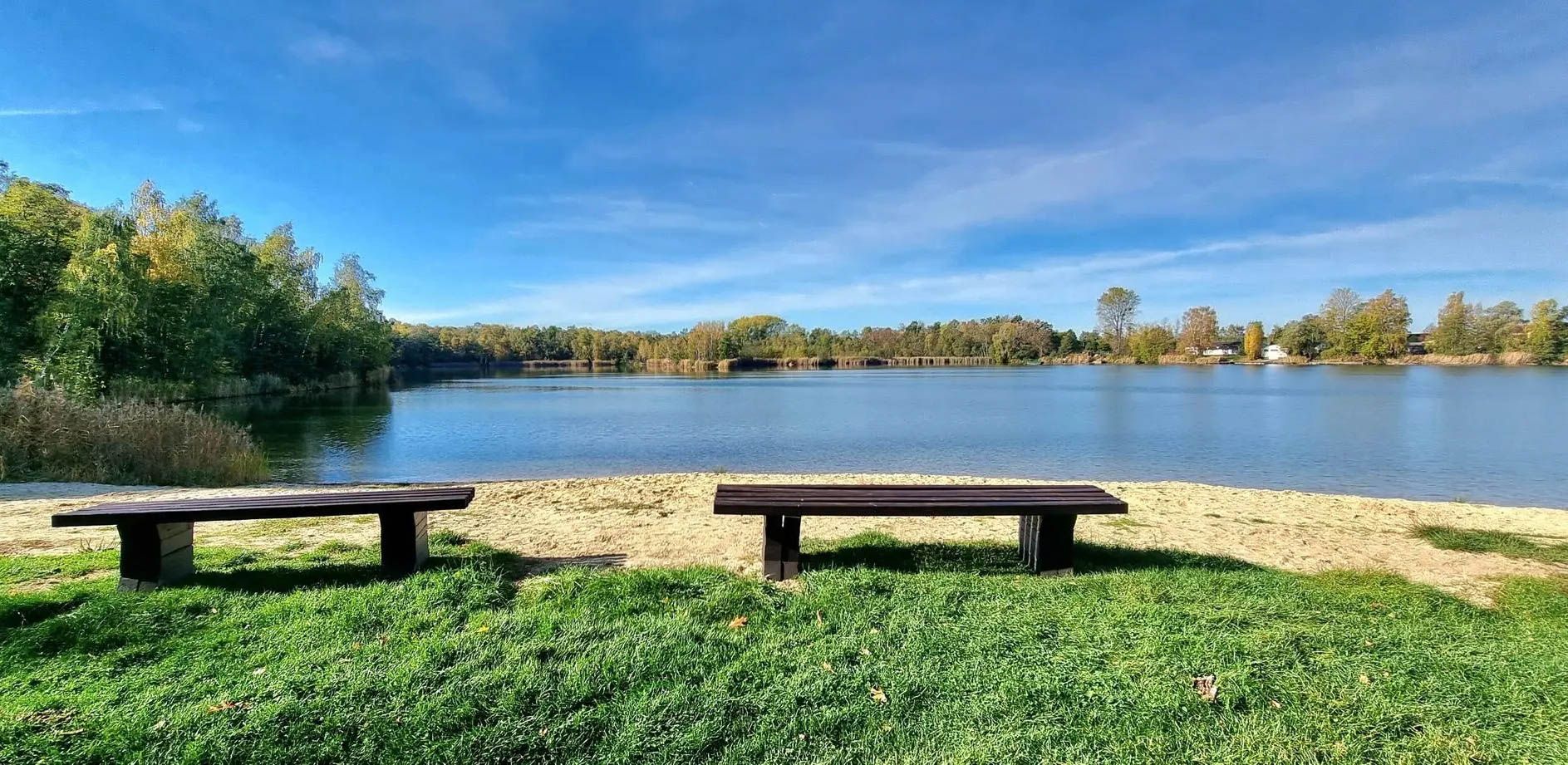
With the PlusBus to wonderful hikes near Leipzig
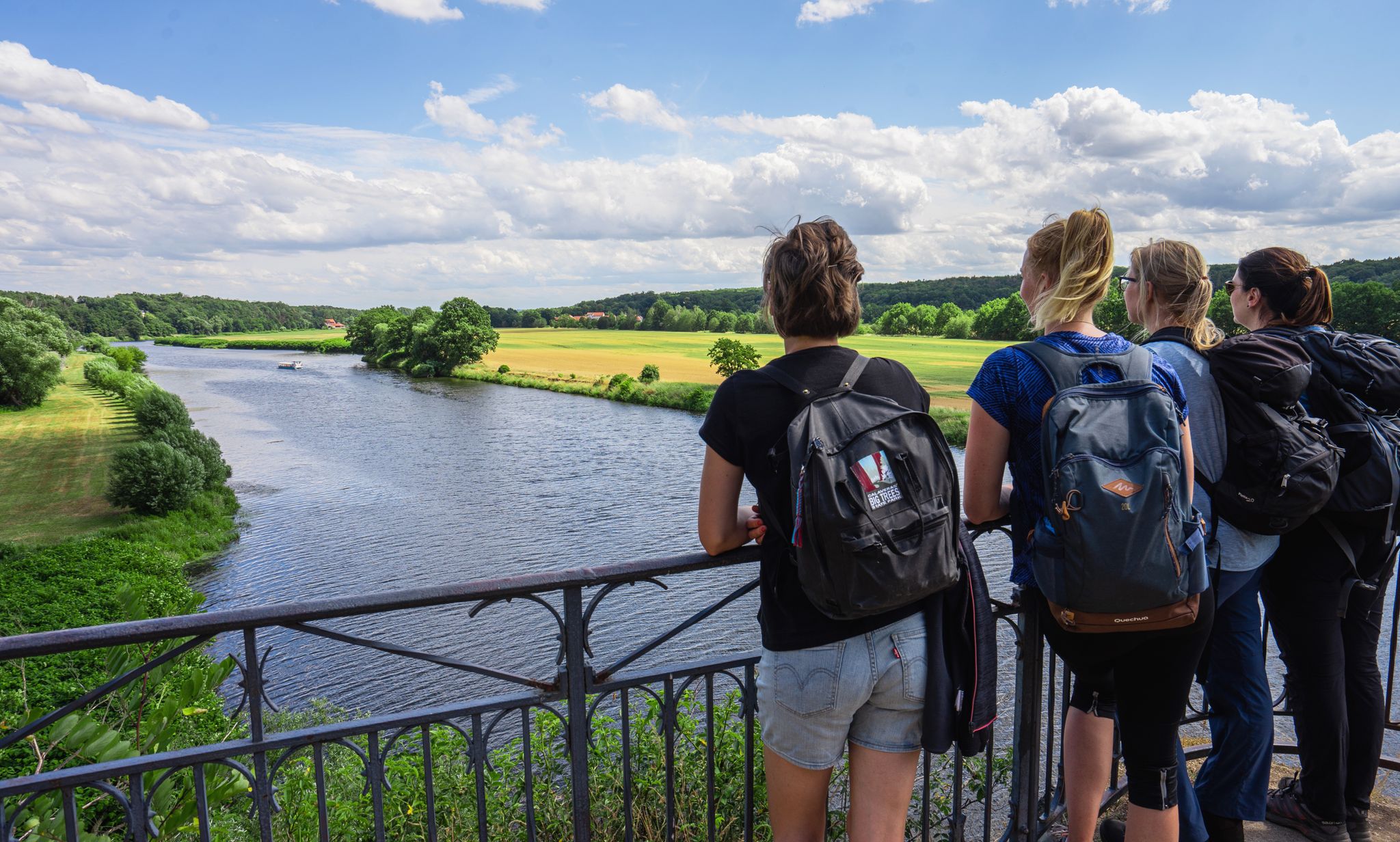
Hiking between big city and nature – urban escapism Leipzig
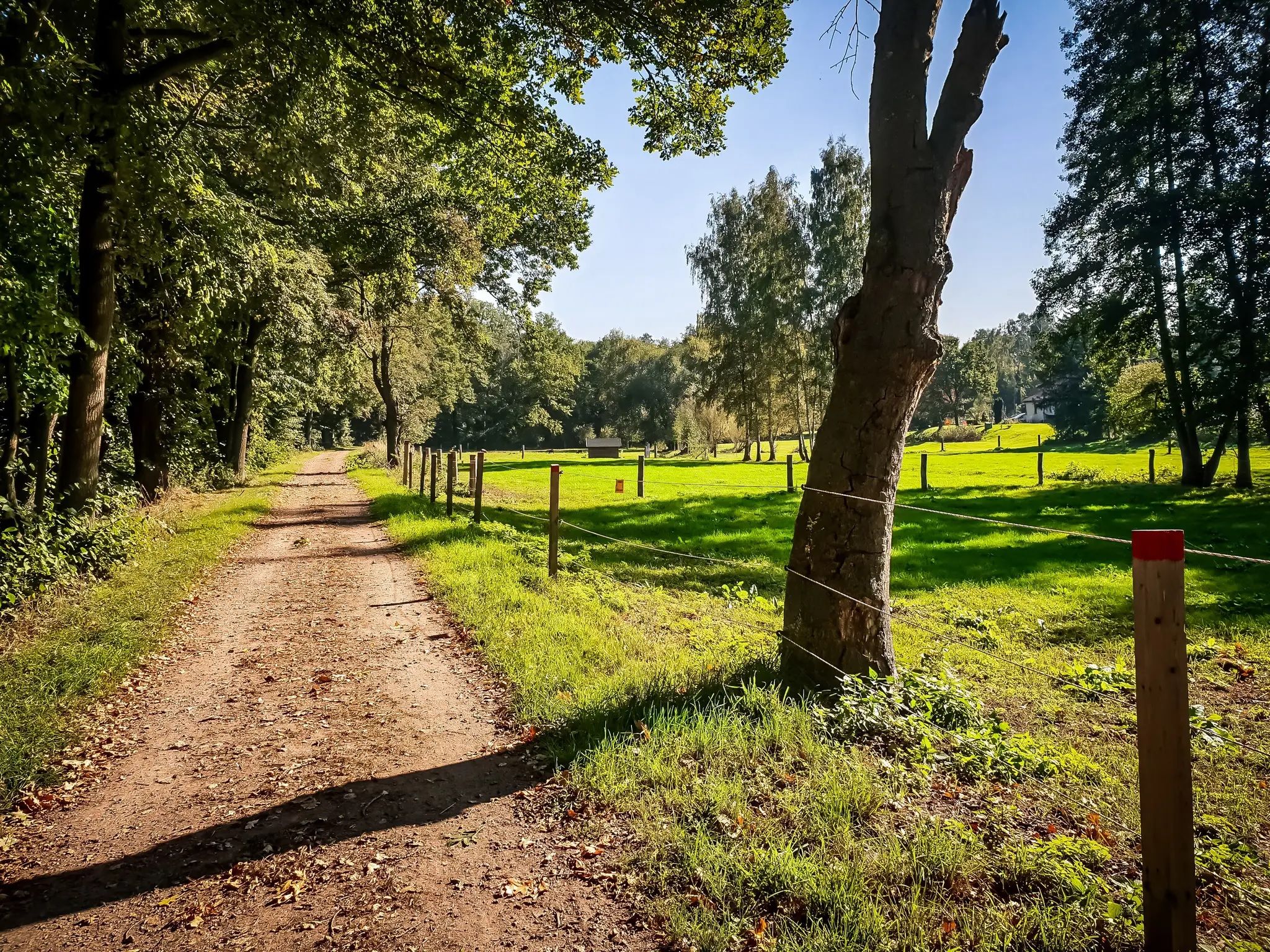
Out and about with the pram – hiking around Leipzig
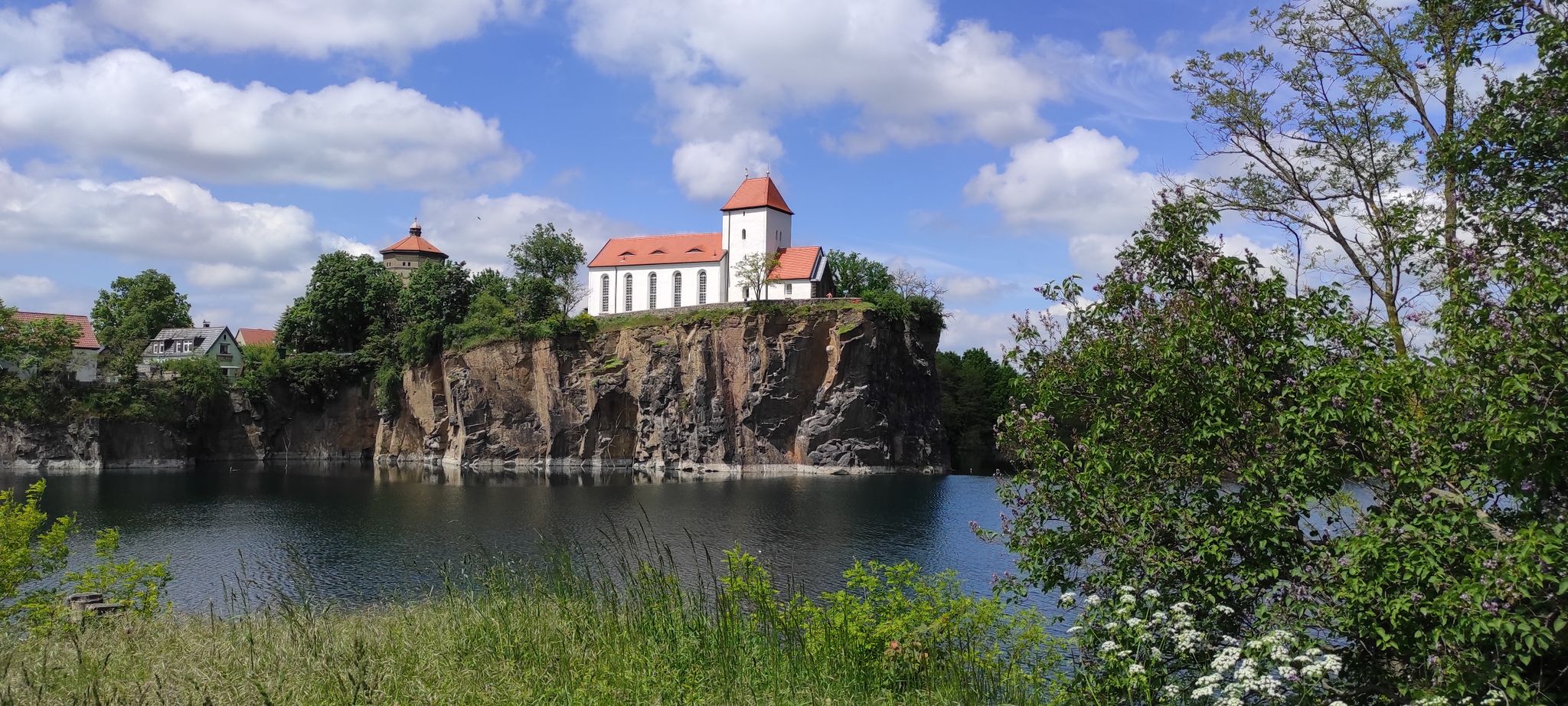
Historical discovery Tours on the MDV in Germany
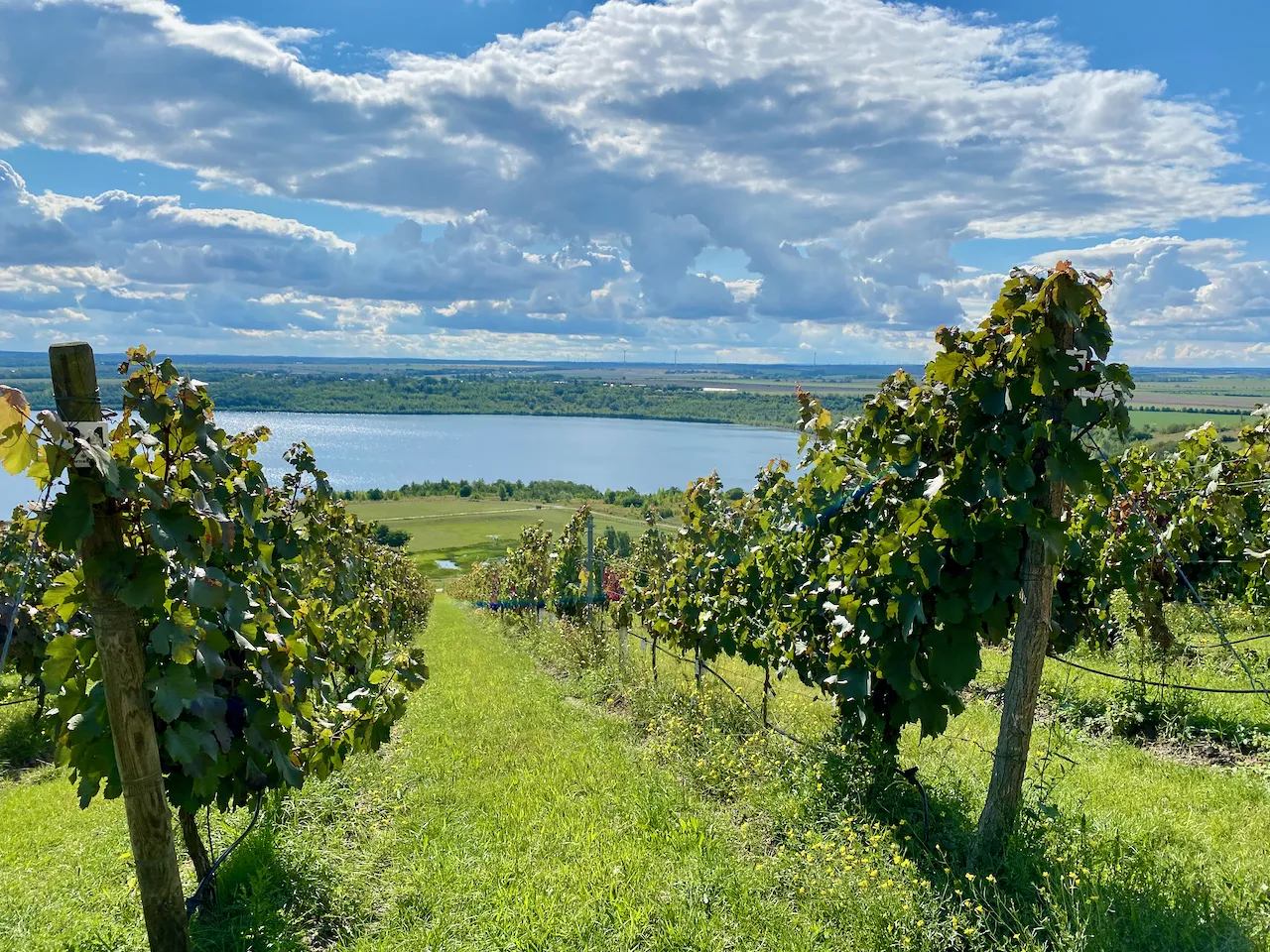
Hike and enjoy with Germany’s MDV – explore around Leipzig and Halle

Vast forests & pretty lakes – discovering Leipzig’s surroundings on foot

Lake views and fresh air – cycling by the water in the Leipzig region
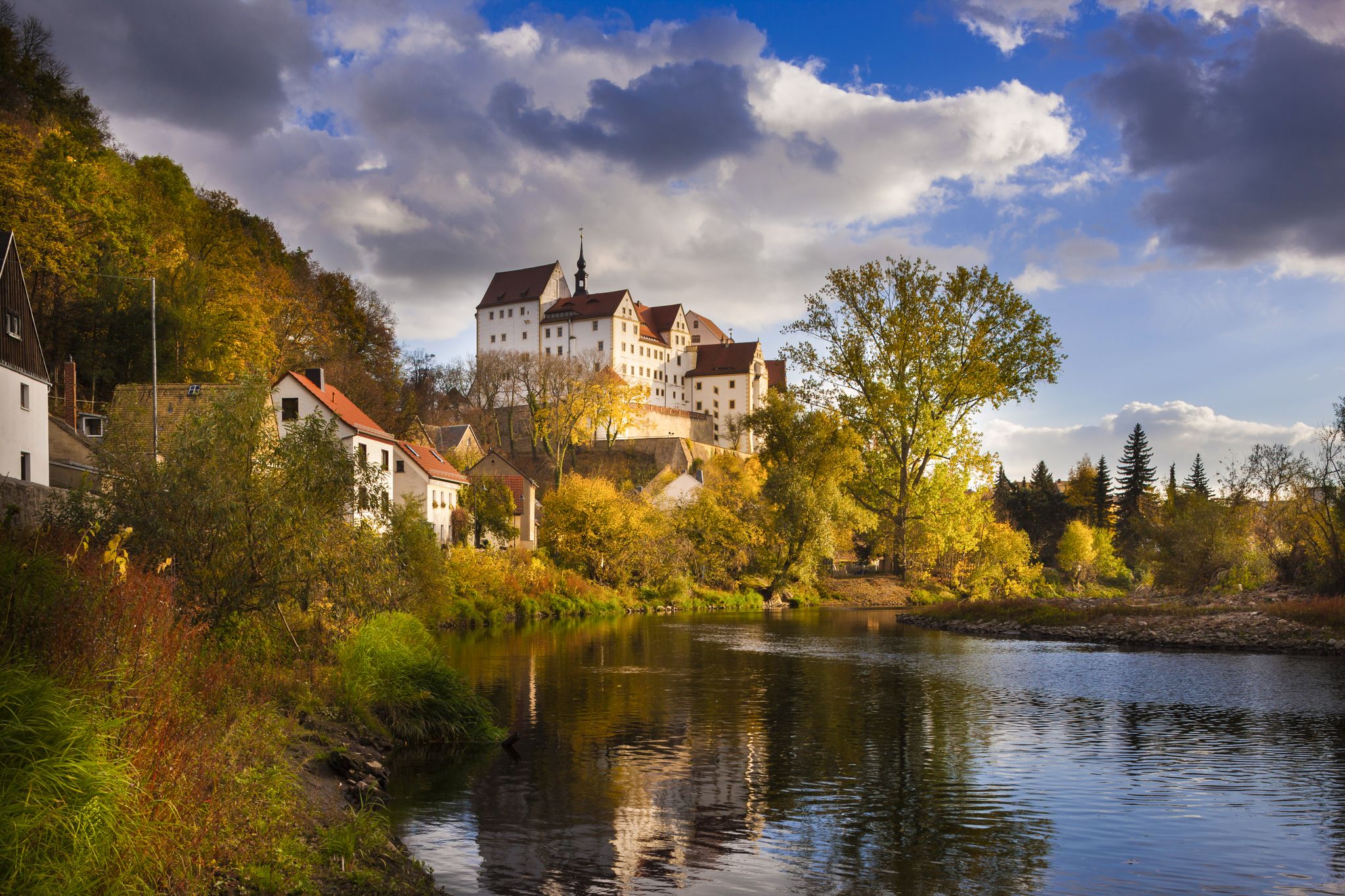
Experience art, culture and handicrafts – Germany’s Mulde Cycle Path
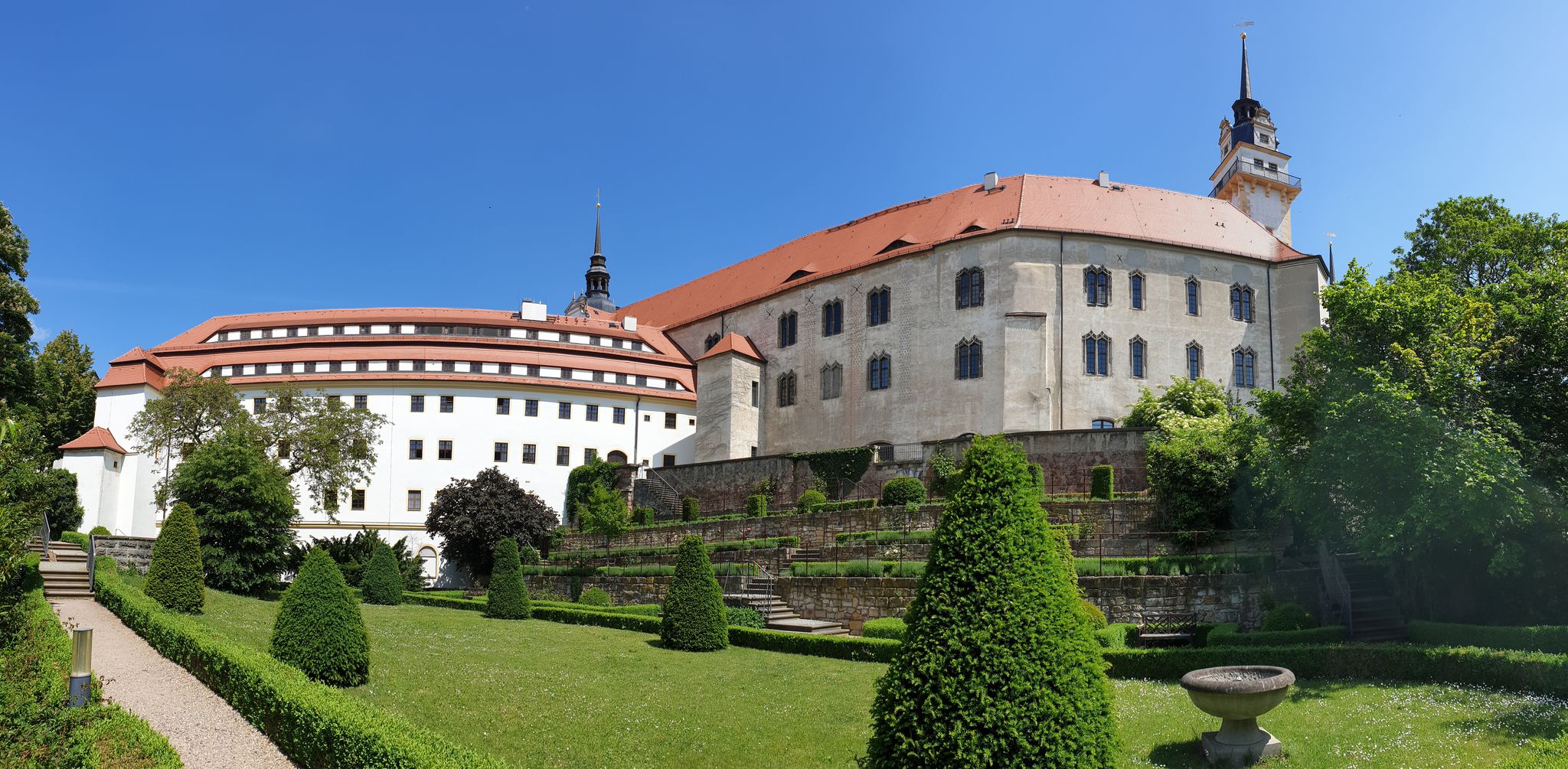
Cycling to exciting events around Germany’s Leipzig

Cycling around Grimma
Other adventures around Grimma


Tips from the Community

Flooding in Grimma: The towns along the Mulde are particularly threatened by flooding. During the August 2002 flood, Grimma was one of the most severely affected municipalities in Saxony, with damage amounting to 250 million euros. The June 2013 flood also left millions in damages. In 2002, the first plans for flood protection, which statistically occurs every 100 years, began in Grimma. In total, the Free State of Saxony and the European Union are investing around 60 million euros in flood protection. The new flood protection facility for Grimma is technically and aesthetically very demanding. The goal was to skillfully combine flood protection, monument preservation, and urban development. To find a suitable construction variant, the town was recreated on a 1:50 scale and the model was flooded to simulate water currents. An underground cutoff wall, reaching twelve meters deep, influences the natural groundwater flow. Eight wells control groundwater communication.
0
0

The view of Grimma and the Mulde River is one of the most impressive landscape panoramas in the Muldental. Especially from the elevated viewpoints, a wide view opens up over the river, the historic old town, and the city's distinctive buildings. The Mulde winds its way through the city here in a wide valley and shapes the historic cityscape. Atmospheric views arise particularly in the morning and evening hours, when the light reflects in the river and the old town glows in warm colors. This makes Grimma one of Saxony's most charming riverside towns and a popular destination for walkers, hikers, and photographers.
4
0
The Altstadtblick (Old Town View) is one of the most beautiful panoramas in Grimma. The view from the Köhleraussicht (Charcoal Burner's View) in the city forest is particularly impressive. From there, your gaze sweeps across the Mulde river to the historic old town with its red roofs, the Renaissance town hall, the towers of the Frauenkirche (Church of Our Lady) and Grimma Castle. Those who want to explore Grimma on foot can choose the approximately two-hour tour "Grimma von oben" (Grimma from Above). It connects the most beautiful viewpoints, including Köhleraussicht, Hängebrücke (Suspension Bridge) and Tempelberg (Temple Mountain), with impressive views of the old town and the Mulde river.
4
0
Grimma's marketplace is the historical center of the over 800-year-old old town. It is framed by lovingly restored burgher houses and is considered one of the most beautiful squares in Saxony. Since the Middle Ages, it has been the city's trading and meeting point; even today, weekly markets and fresh produce markets as well as numerous events are regularly held here. The Old Town Hall on the marketplace is Grimma's best-known landmark. Its origins date back to the 15th century. After a town fire, the building was redesigned in the Renaissance style. Particularly striking are: The artfully curved Renaissance gable, The representative external staircase, The richly structured facade with pilasters. The town hall was the seat of the city administration for almost 600 years. Since 1893, the administration has been located in the opposite town house. After extensive renovations, the historic building now houses, among other things, the town hall hall and an art gallery; guided tours can be booked through the tourist information office.
4
0

The old town in Grimma is architecturally very beautiful. Unfortunately, many shops are empty.
0
0

A very beautiful ensemble on the historic market square
0
0
These markings are truly impressive!
0
0
There is also a swimming area here - at your own risk!
0
0
Frequently Asked Questions
How many hiking trails are available around Grimma?
Grimma offers a wide selection of hiking opportunities, with over 450 trails recorded on komoot. These routes cater to various preferences, from leisurely strolls along the Mulde river to more challenging forest paths.
Are there easy hiking trails suitable for beginners or families in Grimma?
Yes, Grimma is well-suited for beginners and families, with 287 easy routes available. A great option is the Grimma Suspension Bridge – Mulde Weir loop from Grimma, which is just over 4 km long and features minimal elevation gain, making it perfect for a relaxed outing.
What kind of natural landscapes can I expect to see while hiking in Grimma?
The hiking trails around Grimma are characterized by the scenic Mulde river valley, extensive woodlands, and gentle riverine paths. You'll experience a mix of open landscapes along the river and shaded forest sections, offering diverse natural beauty.
Are there any circular hiking routes in Grimma?
Many of Grimma's hiking trails are designed as circular routes, allowing you to start and end at the same point. For example, the Grimma Suspension Bridge – Bismarck Tower, Höfgen loop from Grimma is a popular circular trail that takes you through riverine landscapes and past historical points of interest.
What historical landmarks or attractions can I explore on a hike near Grimma?
Grimma's trails often connect natural beauty with historical sites. You can visit the Grimma Suspension Bridge, the Nimbschen monastery ruins, or the Bismarck Tower. The Grimma Suspension Bridge – Nimbschen monastery ruins loop is an excellent route for combining history with river views.
Are there any challenging hikes for experienced hikers in Grimma?
While Grimma is known for its gentle terrain, there are 20 routes classified as difficult for those seeking more of a challenge. These trails typically feature longer distances and more varied elevation changes, providing a more strenuous experience within the region's landscape.
What do other hikers say about the trails in Grimma?
The hiking trails in Grimma are highly regarded by the komoot community, with an average rating of 4.6 stars from over 2000 reviews. Hikers often praise the well-maintained paths, the beautiful river views, and the combination of nature with historical sites.
Are there options for longer distance hikes around Grimma?
Yes, for those looking for longer excursions, Grimma offers several extended routes. The Nimbschen monastery ruins – Grimma Suspension Bridge loop from Grimma oberer Bahnhof is a moderate 18.5 km path that allows for a full day of exploration along the Mulde river valley.
Can I find trails that are accessible by public transport in Grimma?
Many trails in Grimma, particularly those starting near the town center or train stations like Grimma oberer Bahnhof, are easily accessible by public transport. This allows for convenient day trips without needing a car.
Are there any castles or historic buildings to see near Grimma's hiking routes?
Absolutely. Beyond the Nimbschen monastery ruins, you can find several castles in the wider Grimma area. Notable examples include Trebsen Castle and Machern Castle, which offer glimpses into the region's rich history.
What is the best time of year to go hiking in Grimma?
Grimma's hiking trails are enjoyable throughout much of the year. Spring brings blooming nature, summer offers lush greenery, and autumn provides vibrant foliage. Even in winter, with appropriate gear, the snow-dusted landscapes along the Mulde can be very picturesque.
Are there any trails suitable for a hike of around 3 hours in Grimma?
Yes, there are many trails that fit a 3-hour timeframe. The Grimma Suspension Bridge – Nimbschen monastery ruins loop, for instance, is an 8.3-mile (13.4 km) trail that typically takes around 3 hours and 32 minutes to complete, offering a substantial yet manageable hike.
Most popular routes around Grimma
Most popular attractions around Grimma

Get inspired with the komoot mobile app


Explore more
Browse the best Hikes in other regions.
