The 4 Most Amazing Peaks around Revilla Del Campo
Best mountain peaks around Revilla Del Campo, a municipality in Burgos, Spain, is situated at an altitude of 951 meters. This area serves as a gateway to several mountainous regions and elevated natural features in its vicinity, offering diverse landscapes. The region is characterized by a blend of high plains ("Páramos") and mountain ranges ("Sierra"), providing varied terrain for exploration. It is located within the foothills of the Sierra de la Demanda, a significant natural area.
Best mountain peaks around…
Last updated: November 14, 2026
Pico Encimero Geodetic Vertex
Highlight • Summit
Translated by Google •
Tip by

Castillejo
Highlight • Summit
Translated by Google •
Tip by

Sign up now to discover places like this
Get recommendations on the best single tracks, peaks, & plenty of other exciting outdoor places.
Peñalara
Highlight • Summit
Translated by Google •
Tip by

La Muela
Highlight • Summit
Translated by Google •
Tip by
Alto de Gandral Geodetic Vertex
Highlight • Summit
Translated by Google •
Tip by

Sign up for free to discover even more peaks around Revilla Del Campo.
Already have an account?
Start today with a free account
Your next adventure awaits.
Tips from the Community

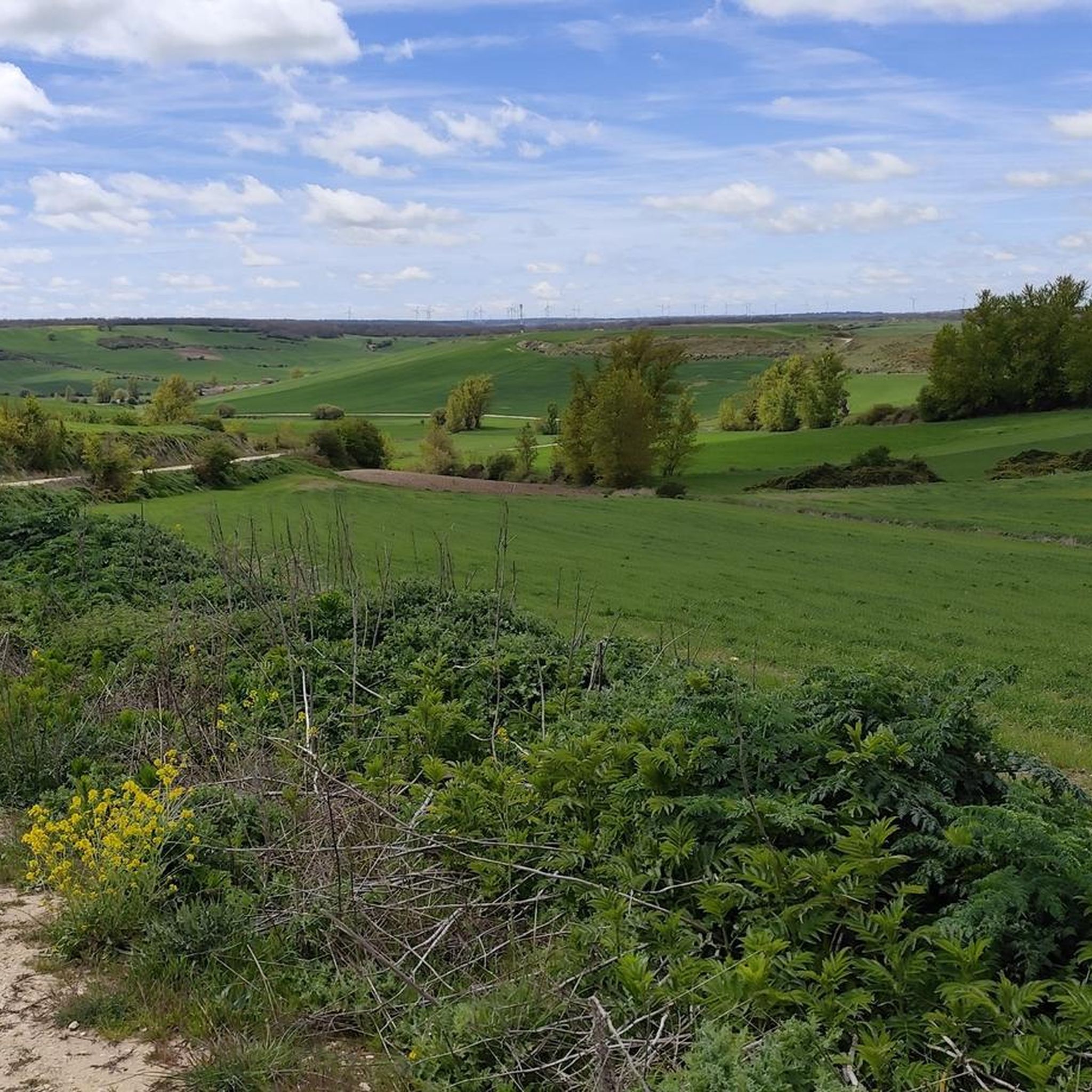
The summit of Peñalara in Burgos (also known as Peña Lara or Sierra de Lara) rises to 1,296 meters in altitude in the heart of the Sierra de la Demanda region, overlooking the historic valley of Tierra de Lara.
0
0
Peñalara is a rocky mountain range and an impressive natural viewpoint of 1,296 meters in altitude, located in the Sierra de Lara (Lara region / Sierra de la Demanda). The hike is worth it to enjoy the views from its summit.
0
0
El Castillejo (1,347 m) is a twin peak located in the Sierra de las Mamblas, 5 km north of the town of Covarrubias (Burgos). It owes its name to its natural defensive rock formations. On its summit, an artificial cavity is preserved that served as a strategic watchtower. The mountain offers a spectacular panoramic view of the Arlanza valley and the Sierra de la Demanda. At its foothills lies the Hermitage of Our Lady of Mamblas (Ermita de Nuestra Señora de Mamblas). The terrain features rocky barriers that served as a defensive settlement in antiquity.
0
0

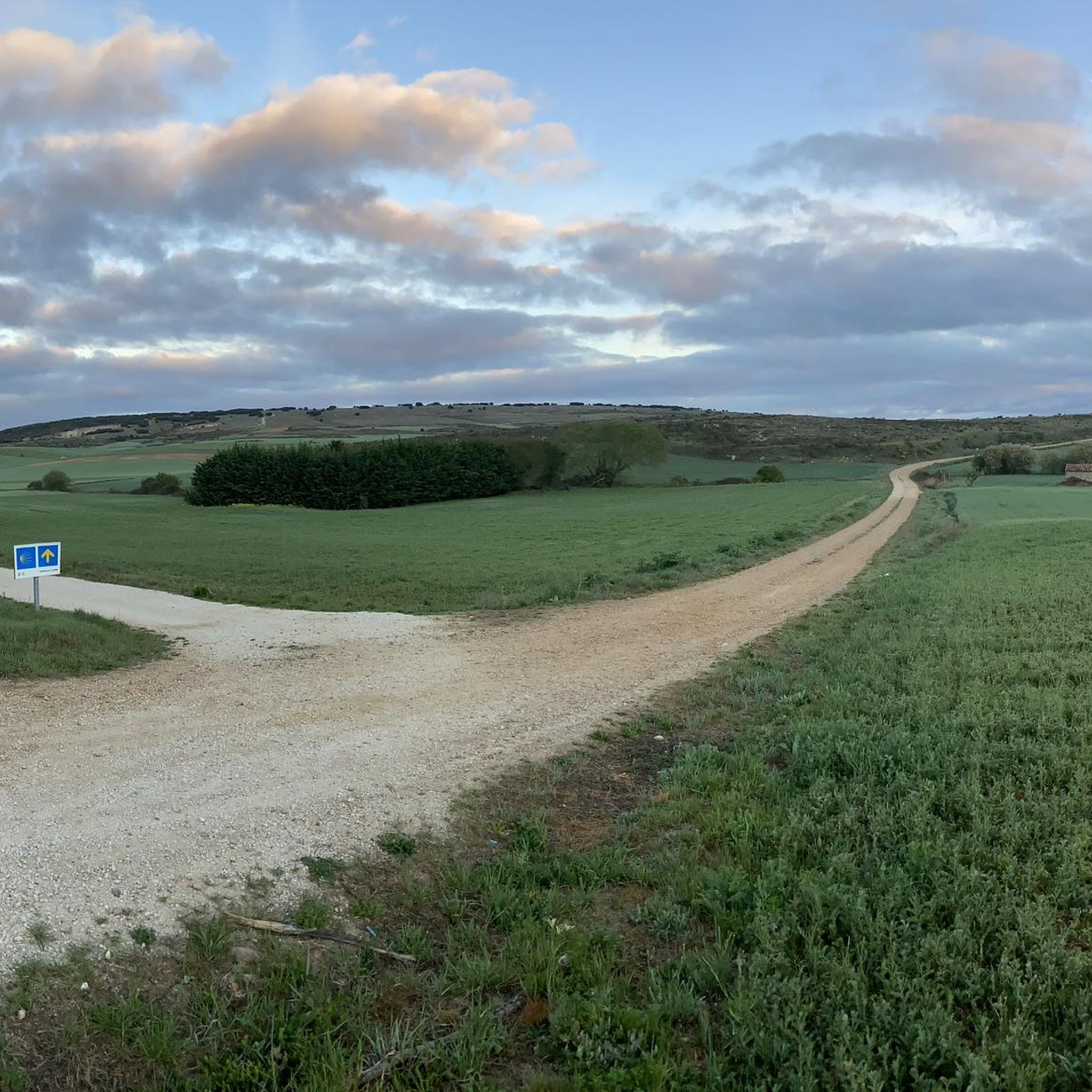
The Alto de Gandral (1,044 m) dominates the oak forest between Hontoria de la Cantera and the famous quarries from which the stones for Burgos Cathedral, Burgos Castle and the Visigothic hermitage of Santa Maria de las Viñas were extracted.
0
0
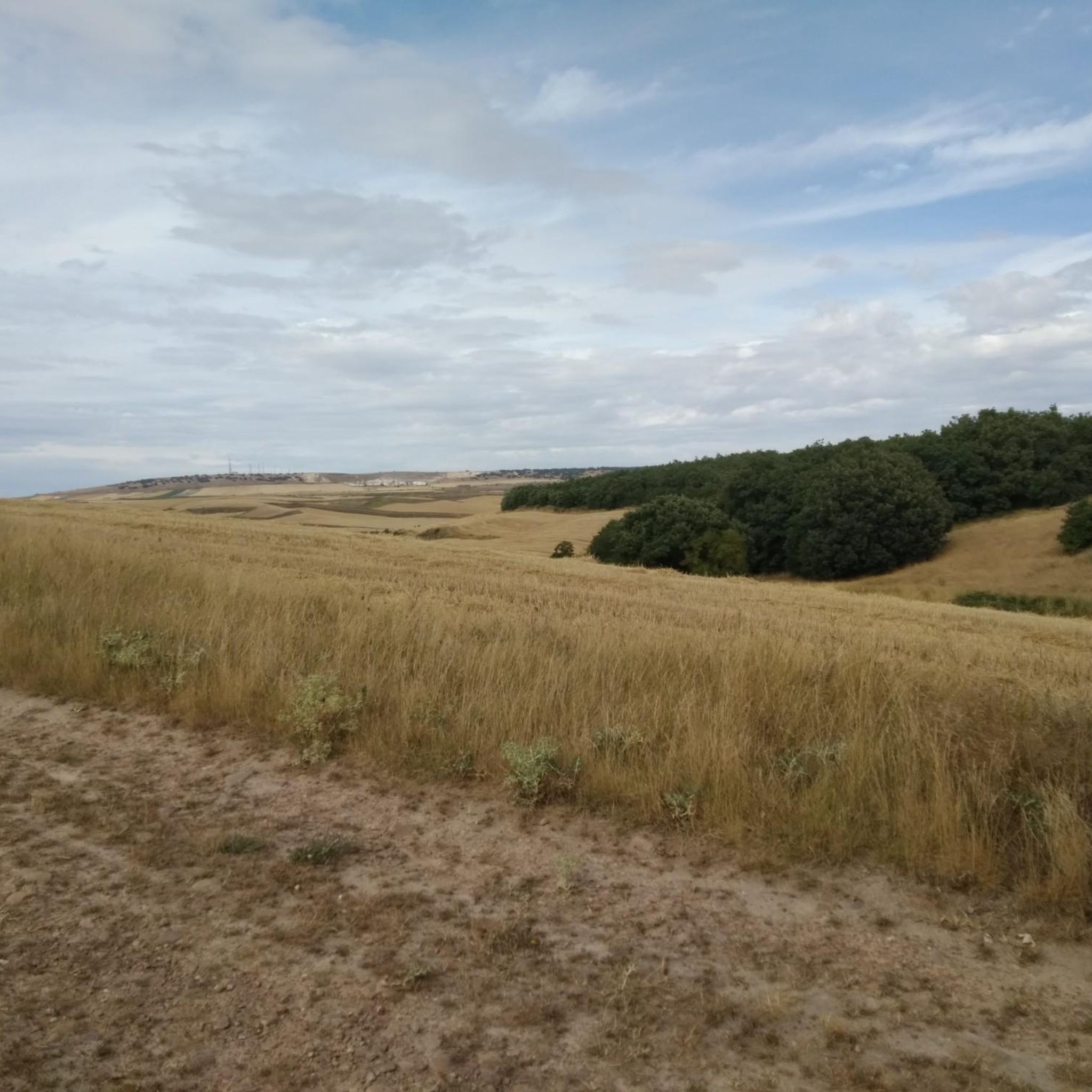
Geodetic vertex of Encimero peak (1077 meters) good views of Espinosa de Juarros and its quarry.
0
0

It is worth visiting and spending a few minutes looking at the views, on one side the wind turbines and on the other Espinosa de Juarros with its mine.
1
0
Frequently Asked Questions
What are some of the most notable mountain peaks and areas to explore near Revilla del Campo?
While Revilla del Campo itself is at 951 meters, it's a gateway to several significant mountainous regions. You can explore the Castillejo peak in the Sierra de las Mamblas, known for its stunning panoramic views. The Sierra de la Demanda, home to Pico San Millán (the highest peak in Burgos), is also highly recommended for its diverse nature and geological history. Additionally, the Sierra del Gayubar offers excellent opportunities for birdwatching.
Are there any peaks with historical significance or unique natural features?
Yes, Castillejo in the Sierra de las Mamblas is notable for its natural defensive rock formations and an artificial cavity that once served as a strategic watchtower. The area around Pico San Millán in the Sierra de la Demanda is also rich in history, with its current morphology shaped by the Würm glaciation, leaving features like a small glacial cirque and moraines.
What kind of views can I expect from the peaks around Revilla del Campo?
The peaks offer diverse and spectacular views. From Castillejo, you can see the Sierra del Mencilla to the North, the Sierra de Cervera to the South, and the Muela de las Mamblas to the East. From La Muela, you'll get expansive vistas including the Sierra de Gayúbar, Peña de Carazo, Fort San Carlos, and the distant Sierra de la Demanda. Peñalara also offers impressive natural viewpoints of the Sierra de Lara.
What is the highest peak in the vicinity of Revilla del Campo?
The highest peak in the province of Burgos, and a significant feature accessible from Revilla del Campo, is Pico San Millán (also known as El Torruco), reaching 2,131 meters (6,991 feet). It is part of the Sierra de la Demanda mountain range.
What is the best time of year to visit the mountains around Revilla del Campo for hiking?
The region's natural environment is considered 'privileged' for outdoor adventures. While specific best times can vary by activity, spring and autumn generally offer pleasant temperatures and vibrant landscapes for hiking in the Sierra de la Demanda and other areas. Winter can bring snow, especially to higher elevations like Pico San Millán, offering different challenges and scenery.
Are there family-friendly hiking options among the peaks?
While some peaks like La Muela are described as challenging, many areas within the Sierra de la Demanda offer trails suitable for various skill levels. For specific family-friendly routes, it's best to check local trail guides or resources, as the region is known for its diverse outdoor activities.
What outdoor activities, besides peak bagging, can I do near these mountains?
The area around Revilla del Campo is excellent for various outdoor sports. You can find numerous routes for gravel biking, including a moderate 35 km loop from Revilla del Campo. There are also several running trails and traffic-free bike rides available, catering to different preferences and fitness levels.
Where can I find impressive viewpoints near Revilla del Campo?
Many peaks offer excellent viewpoints. Pico Encimero Geodetic Vertex provides good views of Espinosa de Juarros and its quarry. Castillejo is known for its spectacular views of the Arlanza valley and the Sierra de la Demanda. Peñalara is also highlighted as an impressive natural viewpoint.
Are there any peaks that are particularly challenging for experienced hikers?
Yes, the climb to La Muela can be quite complicated as there isn't a marked path, making it a challenging ascent for those seeking a more rugged experience. Pico San Millán, as the highest peak, also presents a significant challenge, especially given its elevation and potential for varied terrain.
What kind of wildlife can I observe in the mountainous areas?
The Sierra del Gayubar is known for being home to griffon vultures, offering excellent opportunities for birdwatching. The Sierra de la Demanda, including the area around Pico San Millán, is designated as a Special Protection Area (ZEPA) due to its significant birdlife and diverse flora and fauna, making it a great spot for nature observation.
What geological features are present in the mountains near Revilla del Campo?
The geology of Pico San Millán in the Sierra de la Demanda is particularly interesting, featuring Cambrian conglomerates, shales, and metasandstones. Its current morphology was shaped by the Würm glaciation, leaving behind features like a small glacial cirque and moraines, which are fascinating for geological enthusiasts.
Can I find any peaks that offer a sense of solitude or 'hidden gem' trails?
While specific 'hidden gem' trails are often discovered through local exploration, the challenging ascent to La Muela, with its unmarked path, suggests a less-trafficked experience. Exploring the broader Sierra de la Demanda, with its extensive natural areas, also offers opportunities to find quieter routes away from more popular spots.
Most popular routes around Revilla Del Campo
Most popular attractions around Revilla Del Campo

Get inspired with the komoot mobile app


Explore more
See even more amazing summits around Revilla Del Campo with these guides:
