Top 9 Castles in Cantal
Best castles in Cantal are found in the heart of the Auvergne-Rhône-Alpes region of France, known for its dramatic landscapes and rich architectural heritage. The department features numerous medieval castles, often perched atop volcanic peaks or nestled beside lakes. These structures offer a glimpse into centuries of history and culture. Cantal's diverse terrain provides a unique backdrop for exploring these historical sites.
Best castles in Cantal
- The most popular castles is Sailhant Castle, a castle that is dramatically situated on a rocky promontory. It offers impressive views and overlooks the Babory stream, which forms a waterfall.
- Another must-see spot is Val Castle, a castle unique for its location on the edge of an artificial lake. Visitors can explore its interior and discover its six majestic turrets.
- Visitors also love Alleuze Castle, a medieval castle dating back to the 12th century. Its preserved ruins are recognized as a historic monument and offer a connection to the past.
- Cantal is known for medieval fortresses, preserved ruins, and castles situated on volcanic peaks or by lakes. The region offers a variety of castles to see and explore, each with distinct historical and architectural features.
- The castles in Cantal are appreciated by the komoot community, with more than 40 photos and over 40 upvotes.
Last updated: May 17, 2026
Val Castle
Highlight • Castle
He is magnificent.
Translated by Google •
Tip by

Sailhant Castle
Highlight • Castle
Located on a rocky promontory, it impresses. A little well-kept secret: it overlooks the Babory stream which flows into Lake Sailhant forming a very pretty waterfall.
This visit, and this magical natural place, here are two good reasons to make a stopover in Andelat!
Translated by Google •
Tip by

Sign up now to discover places like this
Get recommendations on the best single tracks, peaks, & plenty of other exciting outdoor places.
Sign up for free
Alleuze Castle
Highlight • Castle
Source: de.wikipedia.org/wiki/Burg_Alleuze
Translated by Google •
Tip by

Château de Laroquebrou
Highlight • Castle
Translated by Google •
Tip by

Château d'Anjony
Highlight • Castle
Translated by Google •
Tip by

Château d'Apchon Ruins
Highlight • Castle
Legend has it that the first fortification at this site, a basaltic outcrop towering above the village, was built by a Roman officer in the army of Julius Caesar. It was however first mentioned in 998, when it was owned by Amblard I d'Apchon, making it one of the oldest castles in the Auvergne region. At that time the castle probably was built out of wood. Probably during the 11th century the wooden castle was rebuilt in stone by the Apchon family.
In the 14th century, during the Hundred Years' War, Apchon Castle became a frontier castle when the neighboring Limousin region fell to the English. This caused it to be besieged several times by the English. It managed to resist the attacks and even became the starting point of the reconquest of the Limousin, led by Guillaume VI d'Apchon. Between 1408 and 1422 the castle was rebuilt and became a powerful fortress with an inner castle with 7 towers.
Although the castle was still inhabited in 1747 in was mentioned as being uninhabitable by 1760 after which it was probably abandoned. During the 19th century the castle was gradually dismantled as it was used as a stone quarry by the locals.
At present Apchon Castle is freely accessible. A nice ruin offering great views of the surrounding countryside.
Tip by

Château d'Oyez
Highlight • Castle
Translated by Google •
Tip by

Moulin de Chaulès and Ruins of the Château de Chaulès
Highlight • Castle
Nice passage at the top of a small pass surrounded by steep cliffs.
Translated by Google •
Tip by

Castel Viel Ruins and Viewpoint
Highlight • Castle
Translated by Google •
Tip by
Start today with a free account
Your next adventure awaits.
Login or Signup
Popular around Cantal
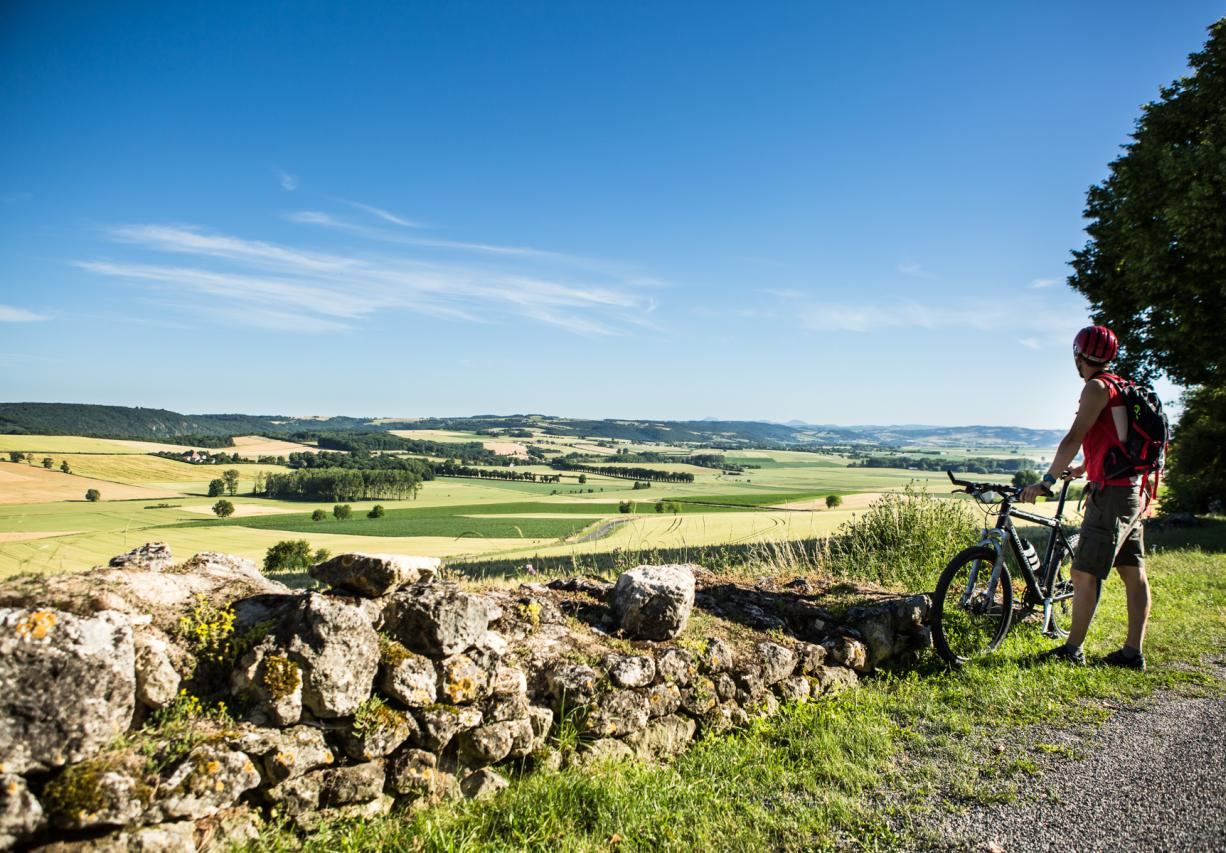
The Grande traversée du Massif Central by gravel bike
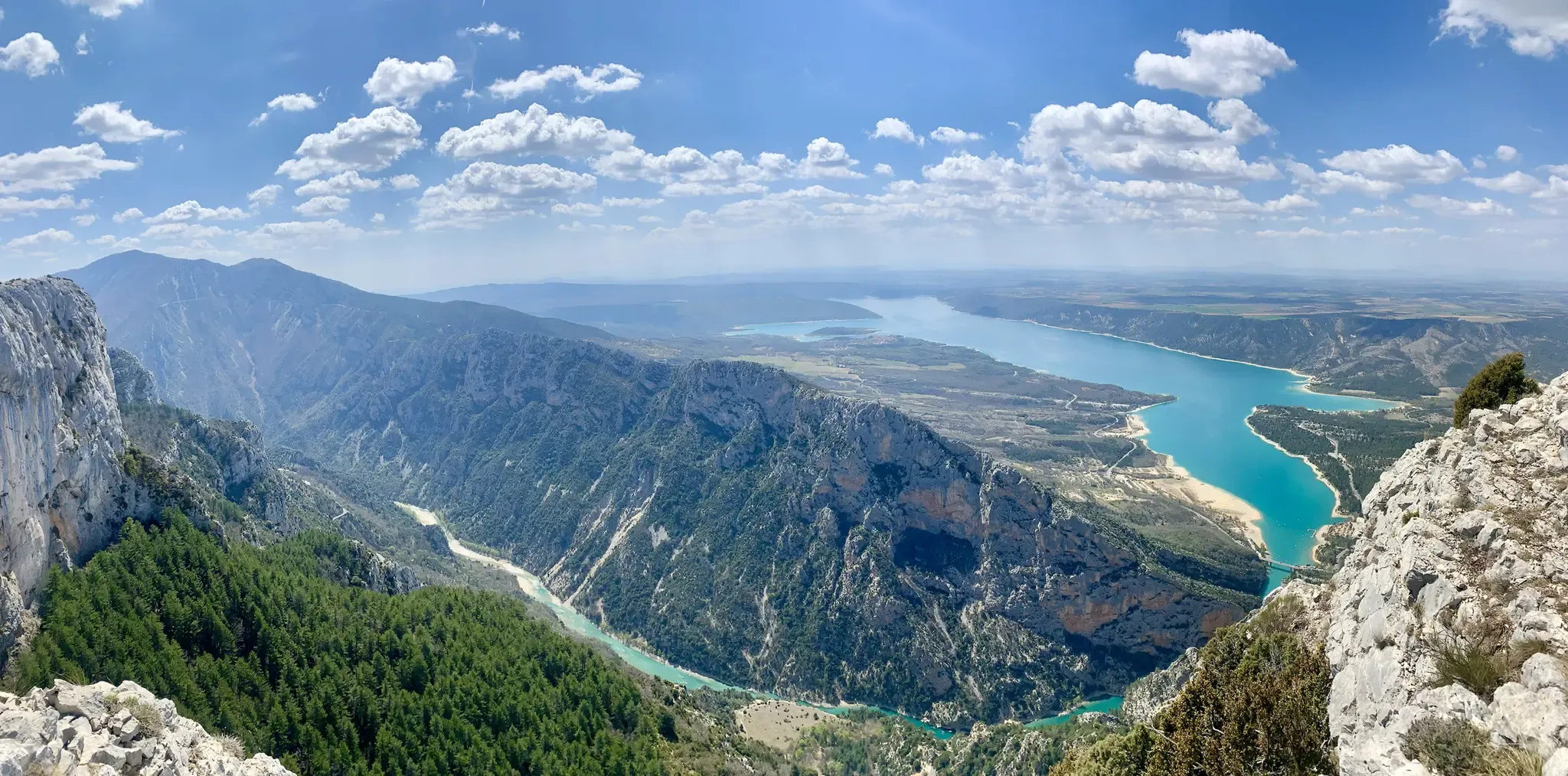
GR 4 – Crossing the south of France from Atlantic Coast to Provence
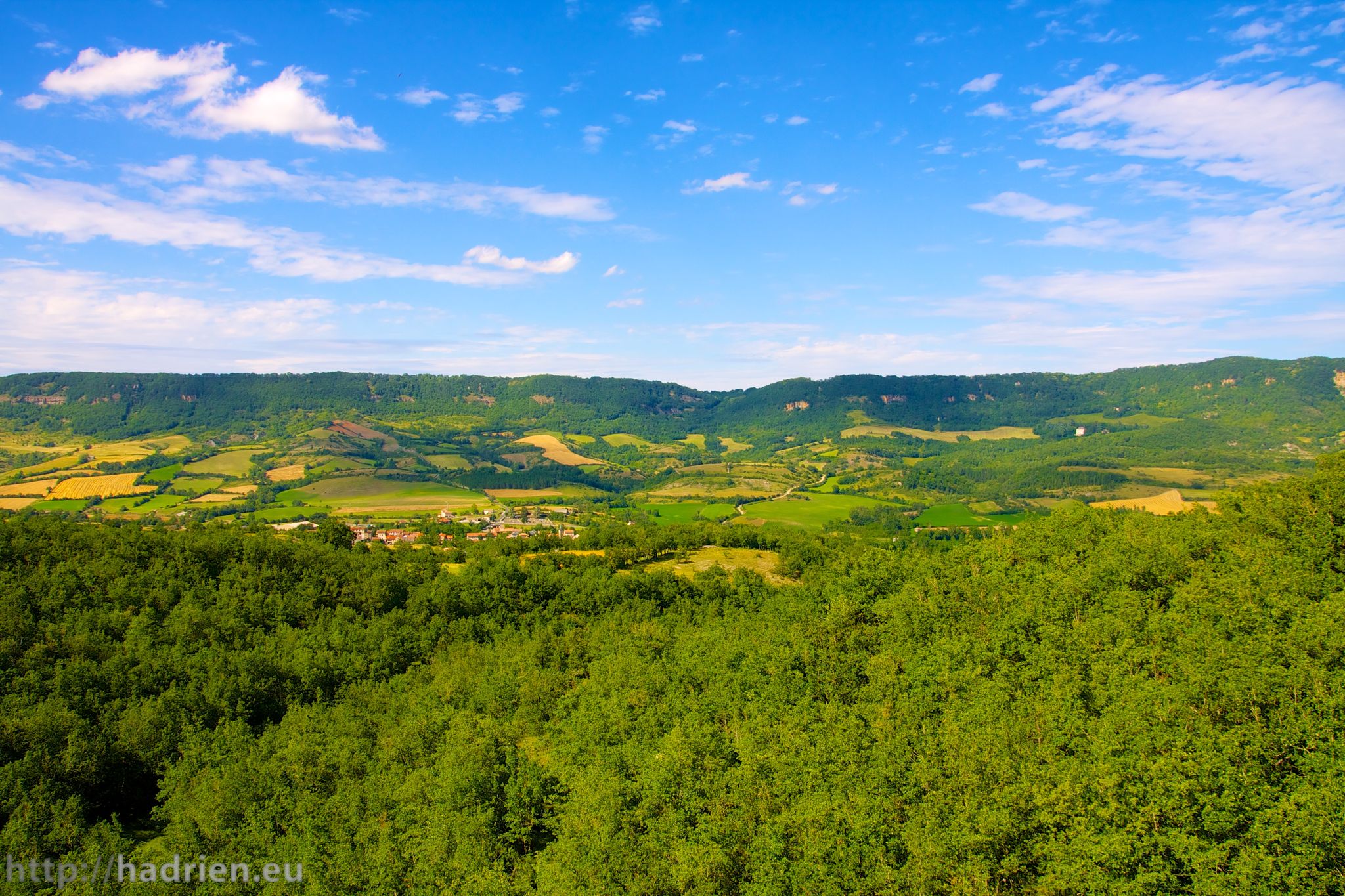
Tour of Aveyron — The mountains and valleys of Roquefort and Aligot
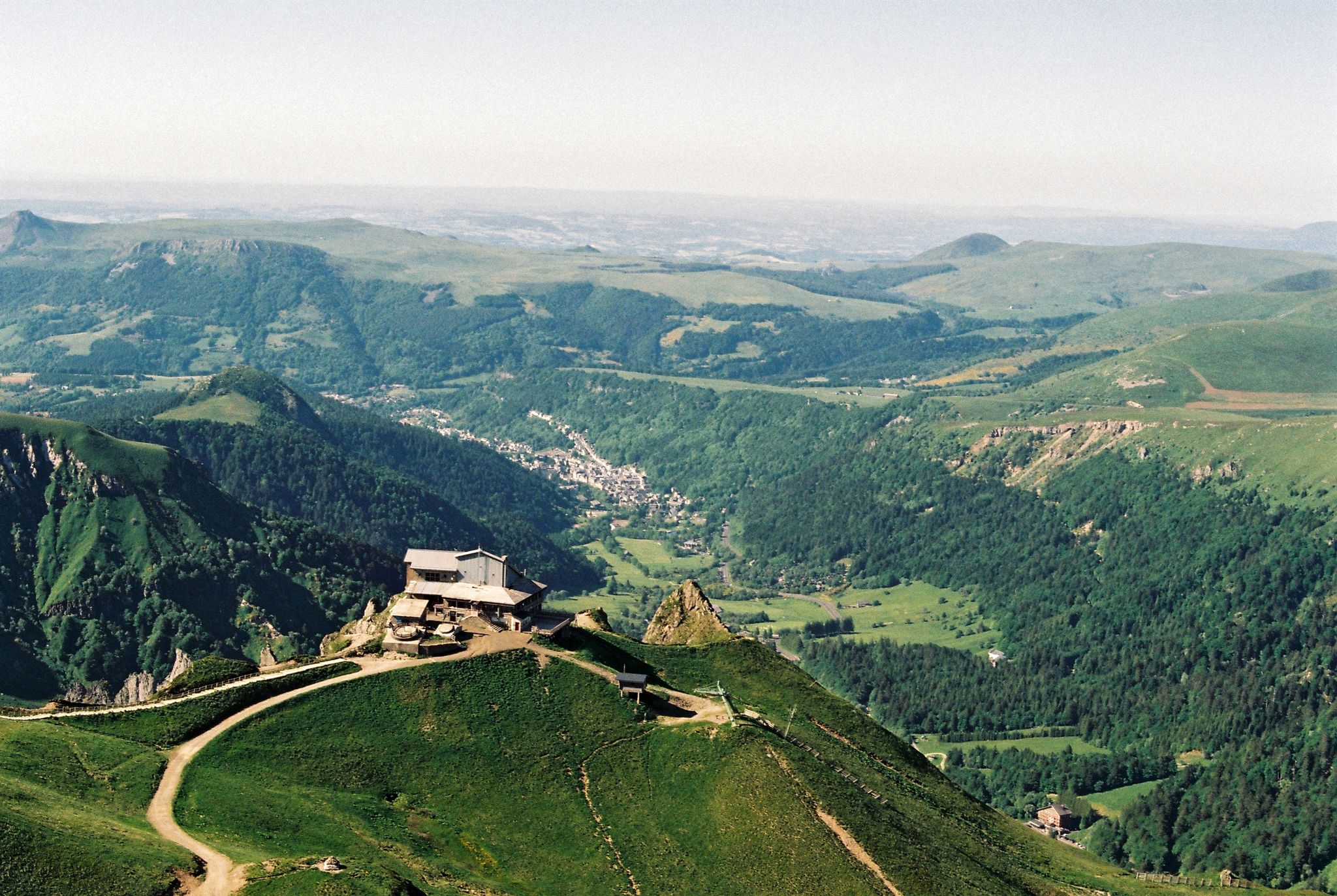
Crossing the volcanoes of Auvergne – Stromboliens, peléens and maars
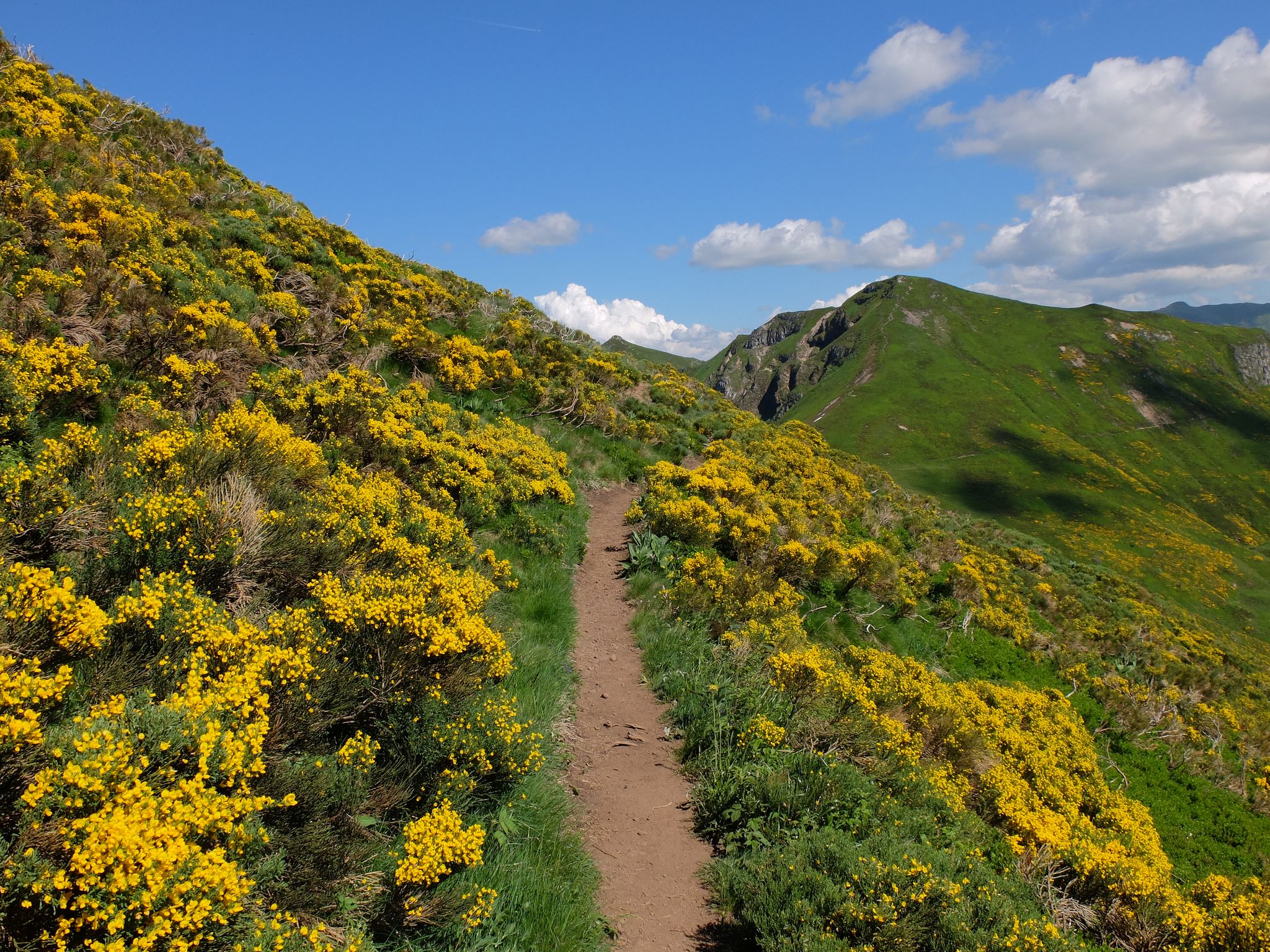
Tour des Volcans du Cantal (GR 400) – The biggest volcano in Europe
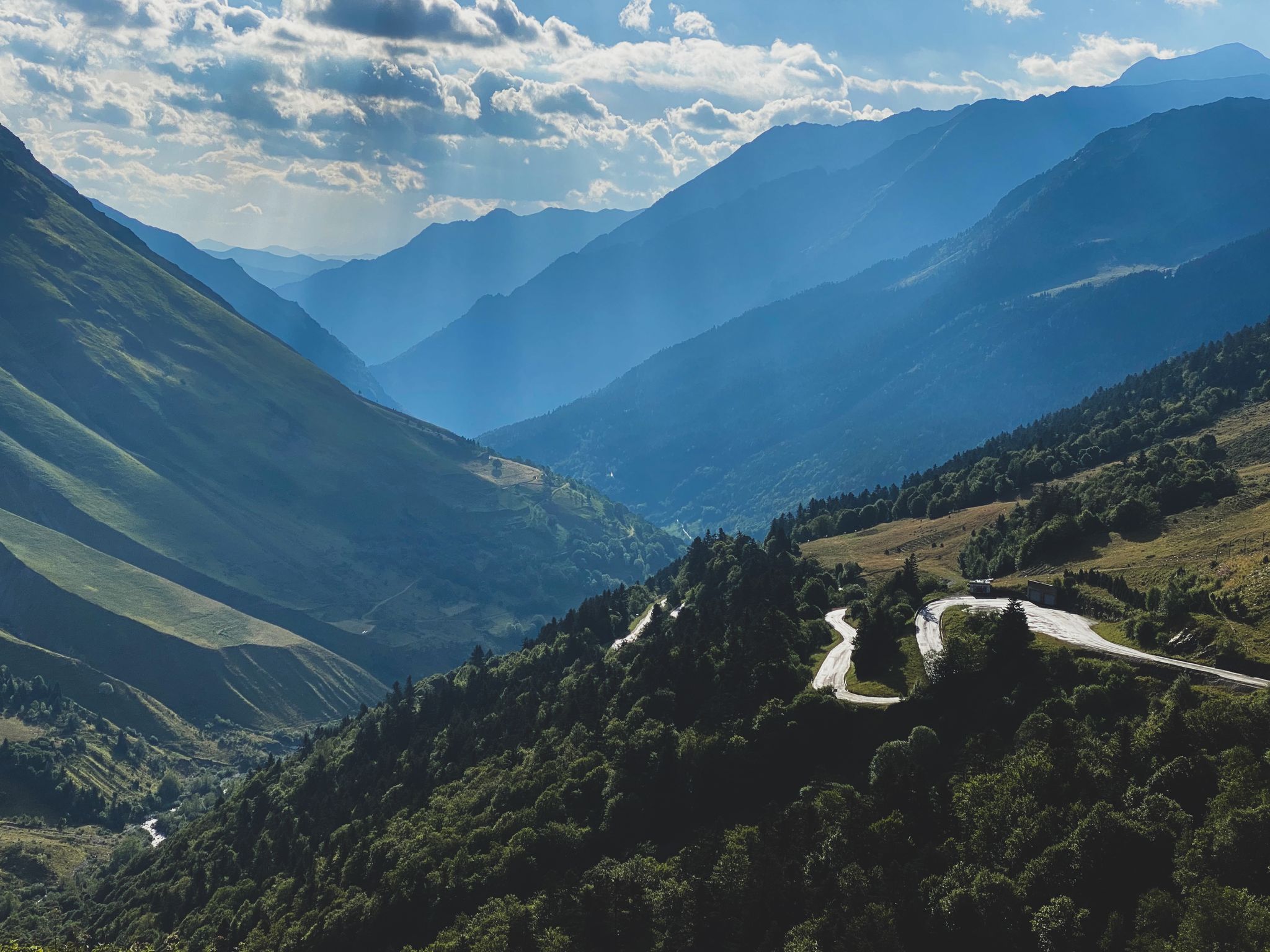
Born to Ride 2020

Romain Bardet Experience – Cantal in 4 unforgettable loops
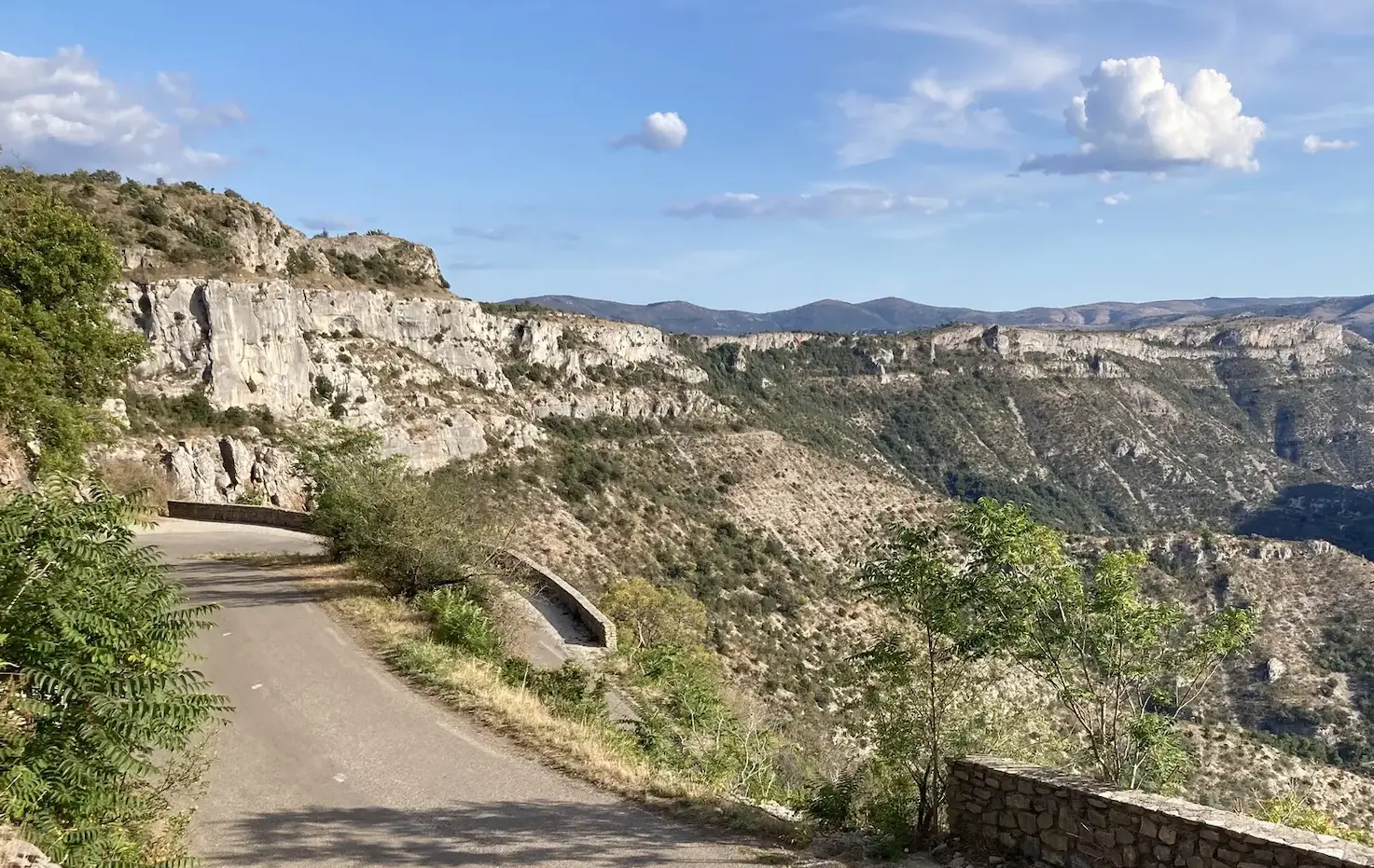
From north to south - On the slopes of the GTMC
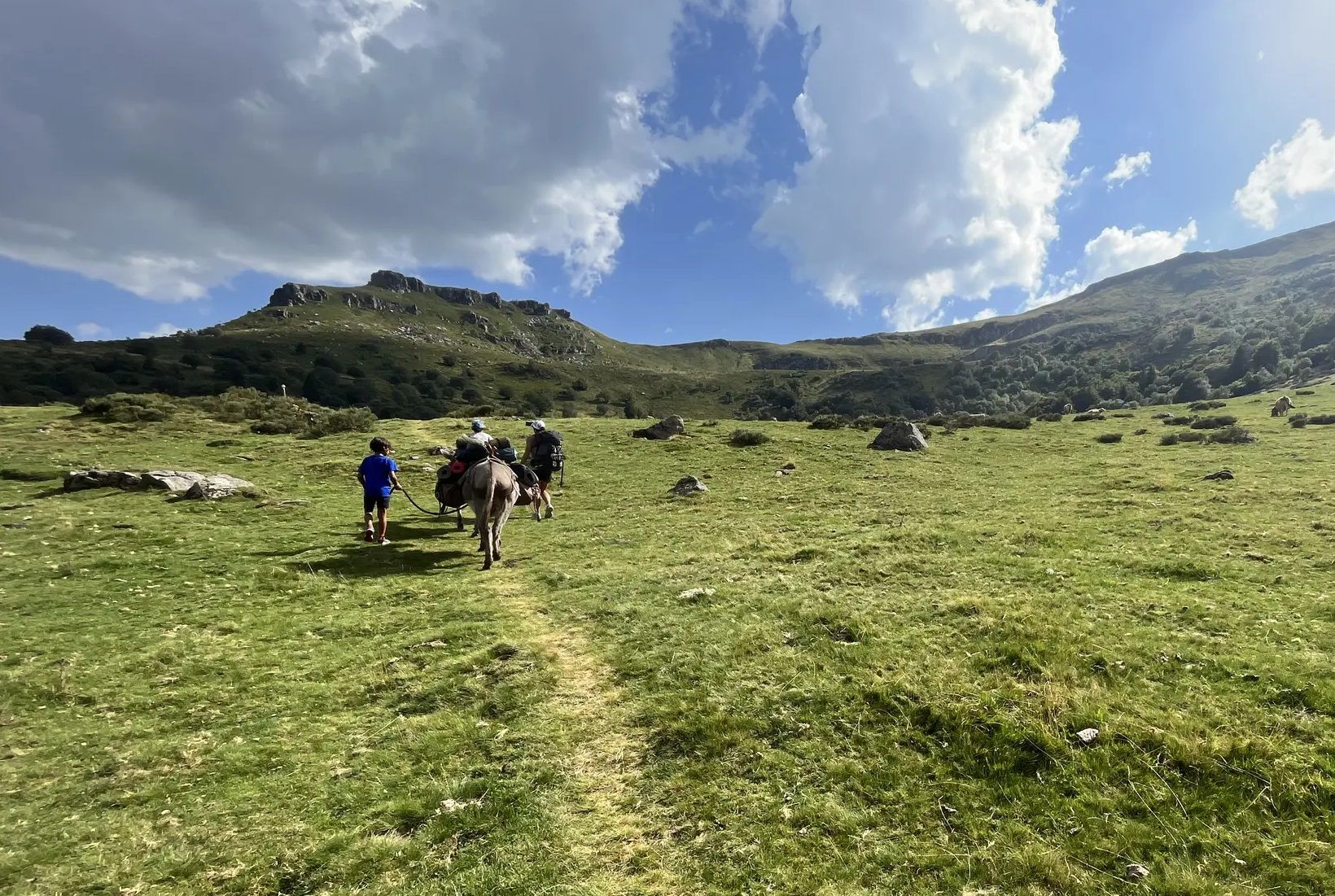
Hike with donkeys in France – a family adventure in the Mounts of Cantal
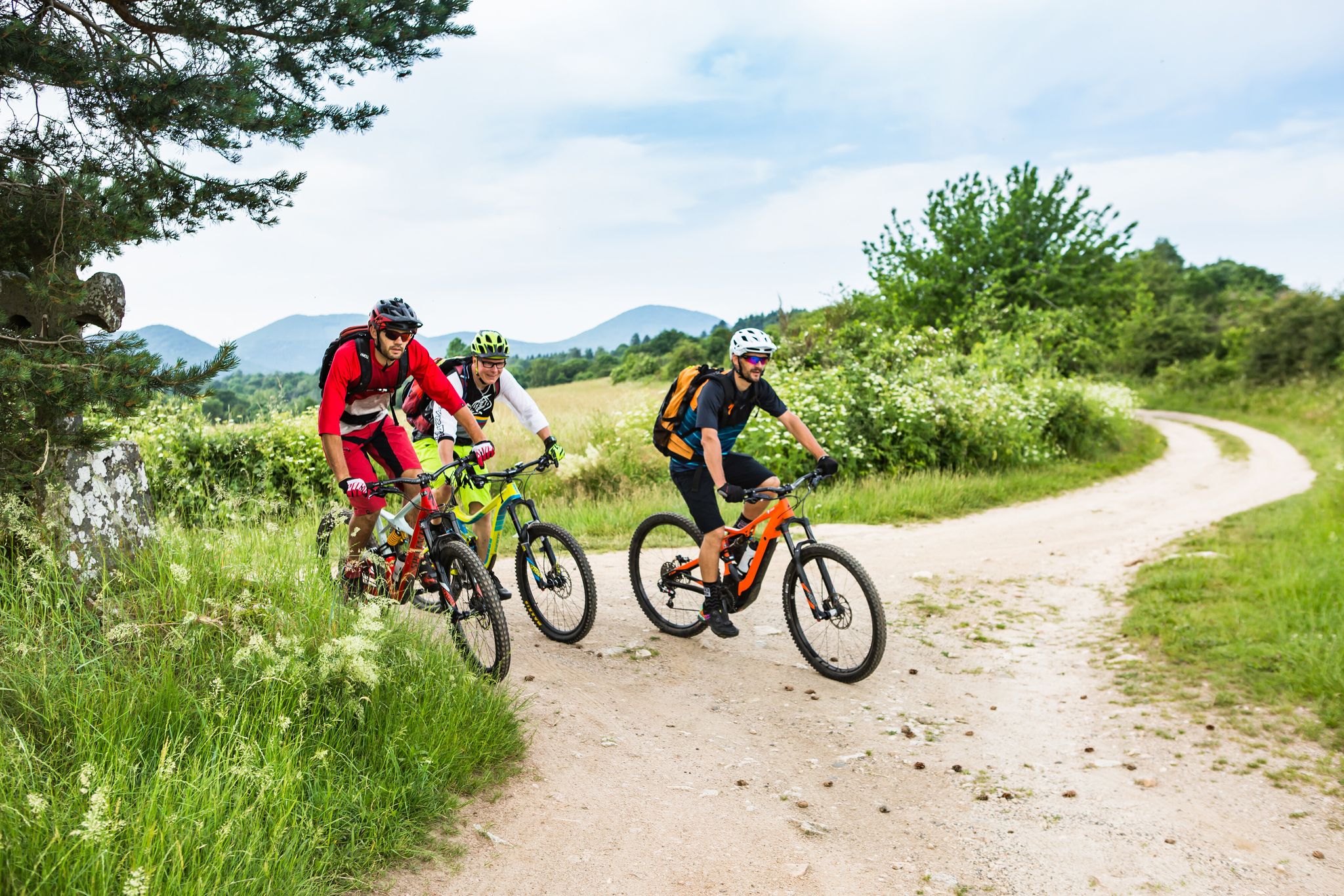
Conquering the trails – Auvergne by MTB
Other adventures in Cantal


Tips from the Community

Apchon Castle, locally known as Château d'Apchon, lies next to the village of the same name, in the Cantal department in France. Legend has it that the first fortification at this site, a basaltic outcrop towering above the village, was built by a Roman officer in the army of Julius Caesar. It was however first mentioned in 998, when it was owned by Amblard I d'Apchon, making it one of the oldest castles in the Auvergne region. At that time the castle probably was built out of wood. Probably during the 11th century the wooden castle was rebuilt in stone by the Apchon family. In the 14th century, during the Hundred Years' War, Apchon Castle became a frontier castle when the neighboring Limousin region fell to the English. This caused it to be besieged several times by the English. It managed to resist the attacks and even became the starting point of the reconquest of the Limousin, led by Guillaume VI d'Apchon. Between 1408 and 1422 the castle was rebuilt and became a powerful fortress with an inner castle with 7 towers. Although the castle was still inhabited in 1747 in was mentioned as being uninhabitable by 1760 after which it was probably abandoned. During the 19th century the castle was gradually dismantled as it was used as a stone quarry by the locals. At present Apchon Castle is freely accessible. A nice ruin offering great views of the surrounding countryside.
0
0

By bike you can see this castle from different angles. It is worth the detour.
2
0

The Château d'Alleuze is a medieval castle whose history dates back to the 12th century. Today, the ruins of the building are preserved in their destroyed state. Nearby is the Chapel of Saint-Illide, which was rebuilt after its destruction in the 15th century. Since 1927, the remains of the castle have been classified as a monument historique. Source: https://de.wikipedia.org/wiki/Burg_Alleuze
1
0
The castle, which once dominated the Dordogne valley from a rocky outcrop, has stood since 1952 on a headland that juts out into the Barrage de Bort-les-Orgues reservoir. The original character of the castle can only be guessed at when the water level is low. The multi-storey building is surrounded by five towers of roughly the same thickness and one thinner one, each with overhangs and conical roofs. The individual floors are connected by a spiral staircase in the vestibule. The inner courtyard was originally roofless. The first floor consists of three large rooms with decorated fireplaces from the mid-19th century and various furniture. An art exhibition with works by painters, mostly from the region, takes place every year on the second floor. The artistically crafted roof trusses of the towers can be seen from the battlement on the top floor. Source: https://de.wikipedia.org/wiki/Schloss_Val
0
0

I recommend the visit of the castle of Anjony overlooking the valley from its 40m high, with its 3 levels of rooms with rich furniture and its round tower!
0
0

This magnificent building which became a fortified castle during the Hundred Years War can be visited. Located on a rocky promontory, it impresses. A little well-kept secret: it overlooks the Babory stream which flows into Lake Sailhant forming a very pretty waterfall. This visit, and this magical natural place, here are two good reasons to make a stopover in Andelat!
1
0

Like many castles in Auvergne, the Château du Sailhant is a magnificent medieval castle built on a basalt spur (remains of ancient lava flows).
0
0
Like many castles in Auvergne, Sailhant is a magnificent medieval castle built on a basalt spur (remains of ancient lava flows).
0
0
Frequently Asked Questions
What are some of the most historically significant castles in Cantal?
Cantal boasts a rich history reflected in its castles. The Château d'Anjony, a well-preserved 15th-century fortress, offers a glimpse into medieval life with its impressive towers, ancient frescoes, and period furniture. The Alleuze Castle, dating back to the 12th century, stands as a preserved ruin and a recognized historic monument. For a truly ancient experience, the Château d'Apchon Ruins, first mentioned in 998, provides a historical journey through its freely accessible remnants.
Are there family-friendly castles to visit in Cantal?
Yes, several castles in Cantal offer engaging experiences for families. While specific 'family-friendly' categories aren't always listed, castles like Val Castle often provide guided tours that can be interesting for all ages. The Château de Murol, though sometimes broadly associated with Auvergne, is located in the mountains of Cantal and is known for its spectacular animations, including 'knight classes' for children and torchlight tours with costumed actors, bringing history to life in an interactive way.
What natural features can I see near Cantal's castles?
Many of Cantal's castles are set amidst stunning natural landscapes. Val Castle is uniquely situated on the edge of an artificial lake, offering picturesque views. Sailhant Castle is dramatically perched on a rocky promontory and overlooks the Babory stream, which forms a beautiful waterfall as it flows into Lake Sailhant. The Château d'Apchon Ruins, on a basaltic outcrop, provide expansive views of the surrounding countryside.
What is the best time of year to visit castles in Cantal?
The best time to visit Cantal's castles generally depends on your preferences. Spring and autumn offer pleasant weather for exploring, with vibrant foliage in autumn. Summer provides warmer temperatures and often more organized activities or extended opening hours, especially at sites like Château de Murol. Some castles, particularly ruins like Alleuze Castle and Château d'Apchon Ruins, are freely accessible year-round, allowing for visits even in winter, though facilities might be limited.
Are there hiking or cycling routes near the castles in Cantal?
Yes, Cantal offers numerous outdoor activities near its historical sites. You can find various waterfall hikes, such as 'The Cascade de Salins - loop starting from Salins' or 'Puy Griou and Cascade de Liadouze'. For cyclists, there are options like the Tour of Lake Saint-Étienne-Cantalès or the 'Pays de Saint-Flour Loop via Château du Sailhant'. Gravel biking enthusiasts can explore routes like 'Montée Paillasseyre – Fortunier Pass loop from Allanche' found in the gravel biking guide for Cantal.
Which castles offer panoramic views of the Cantal region?
For breathtaking panoramic views, the Château d'Anjony, located in Tournemire, offers impressive vistas. The Château de Pesteils, majestically overlooking the Cère Valley from its perch on a steep rock, provides a panoramic view of the Cantal Mountains and the valley. Additionally, the Château d'Apchon Ruins and Castel Viel Ruins and Viewpoint are excellent spots for expansive views of the surrounding countryside.
Are there any castles in Cantal that house unique collections or features?
Absolutely. The Château de La Trémolière is notable for its rare collection of ten 16th-century Aubusson tapestries, featuring a remarkable bestiary of fantastical creatures. It also includes a medieval-inspired 'Déduit orchard'. The Château de Pesteils offers a unique visit with approximately 20 wax figures illustrating seven centuries of daily life within the fortress.
What are the accessibility options for castles in Cantal, particularly for those with mobility challenges?
Accessibility can vary significantly between castles due to their historical nature and often rugged locations. Ruins like Alleuze Castle and Château d'Apchon Ruins are freely accessible, but their terrain might be uneven. For more detailed information on specific accessibility features, it is recommended to contact individual castle administrations directly before your visit, as many medieval structures may have stairs and uneven surfaces.
Can I find accommodation or dining options near the castles in Cantal?
Yes, the Cantal region offers various accommodation and dining options, especially in towns and villages near the castles. For instance, the Château d'Anjony is located in Tournemire, officially recognized as one of France's 'most beautiful villages,' which typically means local amenities are available. Larger towns near castles like Val Castle or Château de Pesteils will also have restaurants and places to stay. It's advisable to check local listings for specific options in the vicinity of your chosen castle.
Which castles in Cantal are less crowded for a more tranquil visit?
For a more tranquil experience, consider visiting the ruins that are freely accessible, such as Alleuze Castle or the Château d'Apchon Ruins. These sites often offer a peaceful atmosphere and allow for self-guided exploration without the crowds found at more heavily touristed locations. The Château de Laroquebrou, a medieval castle that suffered after the Revolution, also offers a quieter historical experience.
Are dogs allowed at the castles or on nearby trails in Cantal?
Policies regarding dogs vary by specific castle. While some castle grounds or outdoor areas might be dog-friendly, access to interior spaces is typically restricted. For freely accessible ruins like Alleuze Castle, dogs on a leash are generally welcome in the outdoor areas. Many of the hiking and cycling trails in the Cantal region, especially those in natural parks, are dog-friendly, provided dogs are kept on a leash. Always check the specific rules of each site or trail before visiting.
Most popular routes in Cantal
Most popular attractions in Cantal

Get inspired with the komoot mobile app


Didn’t find what you were looking for?
Explore Cantal’s best castles region by region:
Explore more
Looking for the best castles somewhere else? Discover other guides in Cantal:
