The best gravel rides around Sava
14
riders
6
rides
Gravel biking around Sava offers diverse terrain, from flat riverbanks to challenging hill ascents. The region is characterized by a mix of paved rural roads and unpaved tracks, often traversing extensive forested areas. Gravel routes frequently follow the Sava River, providing opportunities to explore floodplains, wetlands, and alluvial forests. The landscape includes influences from Alpine, Karst, and Pannonian geographical features, particularly in Slovenia.
Best gravel bike trails around Sava
- The most popular gravel bike trail is Litoranea Salentina – Port…
Last updated: May 14, 2026
3
riders
51.3km
03:08
200m
200m
Moderate gravel ride. Good fitness required. Mostly paved surfaces. Suitable for all skill levels.
3
riders
Moderate gravel ride. Good fitness required. Mostly paved surfaces. Suitable for all skill levels.

Sign up for free
2
riders
Easy gravel ride. Great for any fitness level. Mostly paved surfaces. Suitable for all skill levels.
2
riders
55.4km
03:17
180m
180m
Moderate gravel ride. Good fitness required. Mostly paved surfaces. Suitable for all skill levels.
3
riders
46.9km
02:45
190m
190m
Moderate gravel ride. Good fitness required. Mostly paved surfaces. Suitable for all skill levels.
Our route recommendations are based on thousands of hikes, rides, and runs completed by other people on komoot.
Start today with a free account
Your next adventure awaits.
Login or Signup
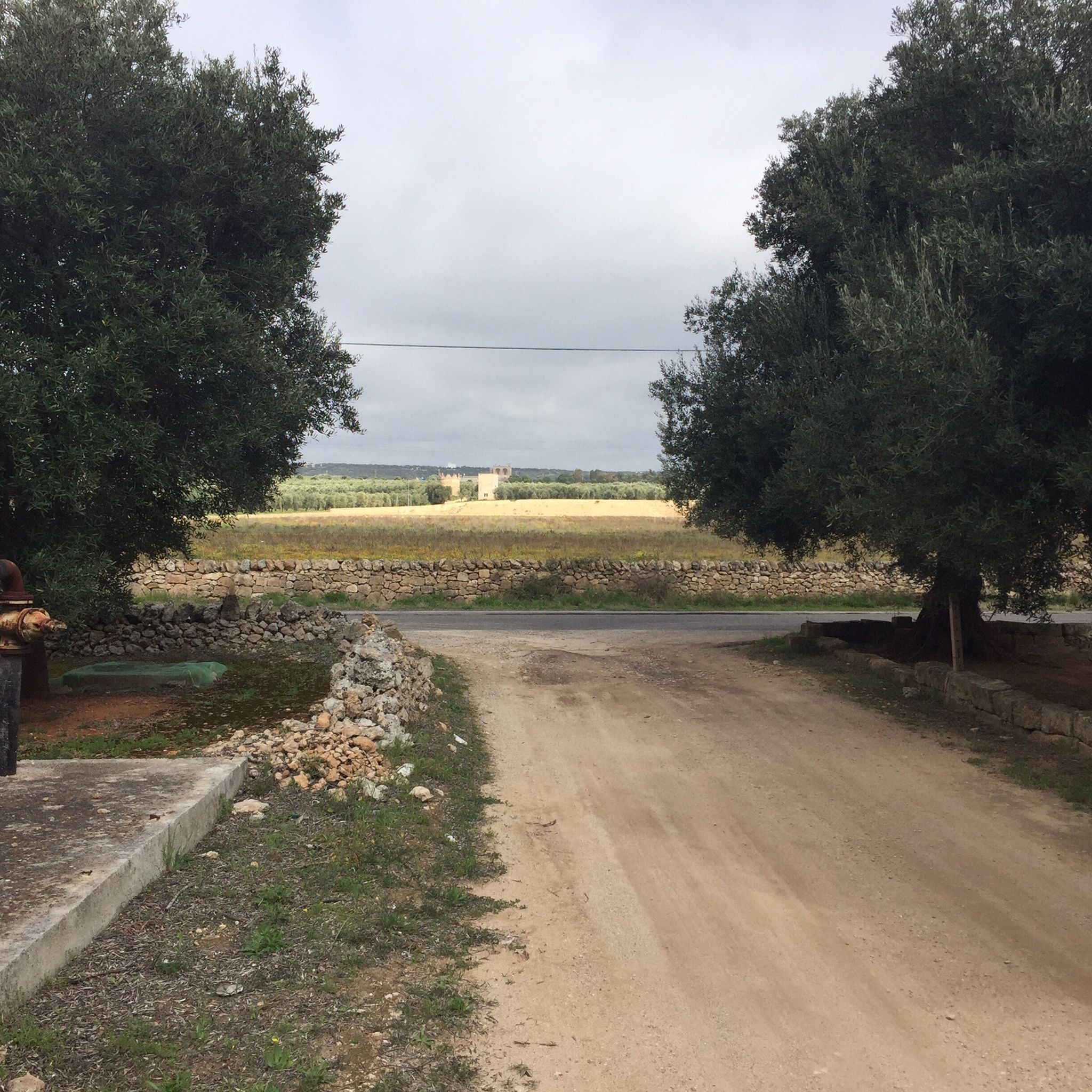
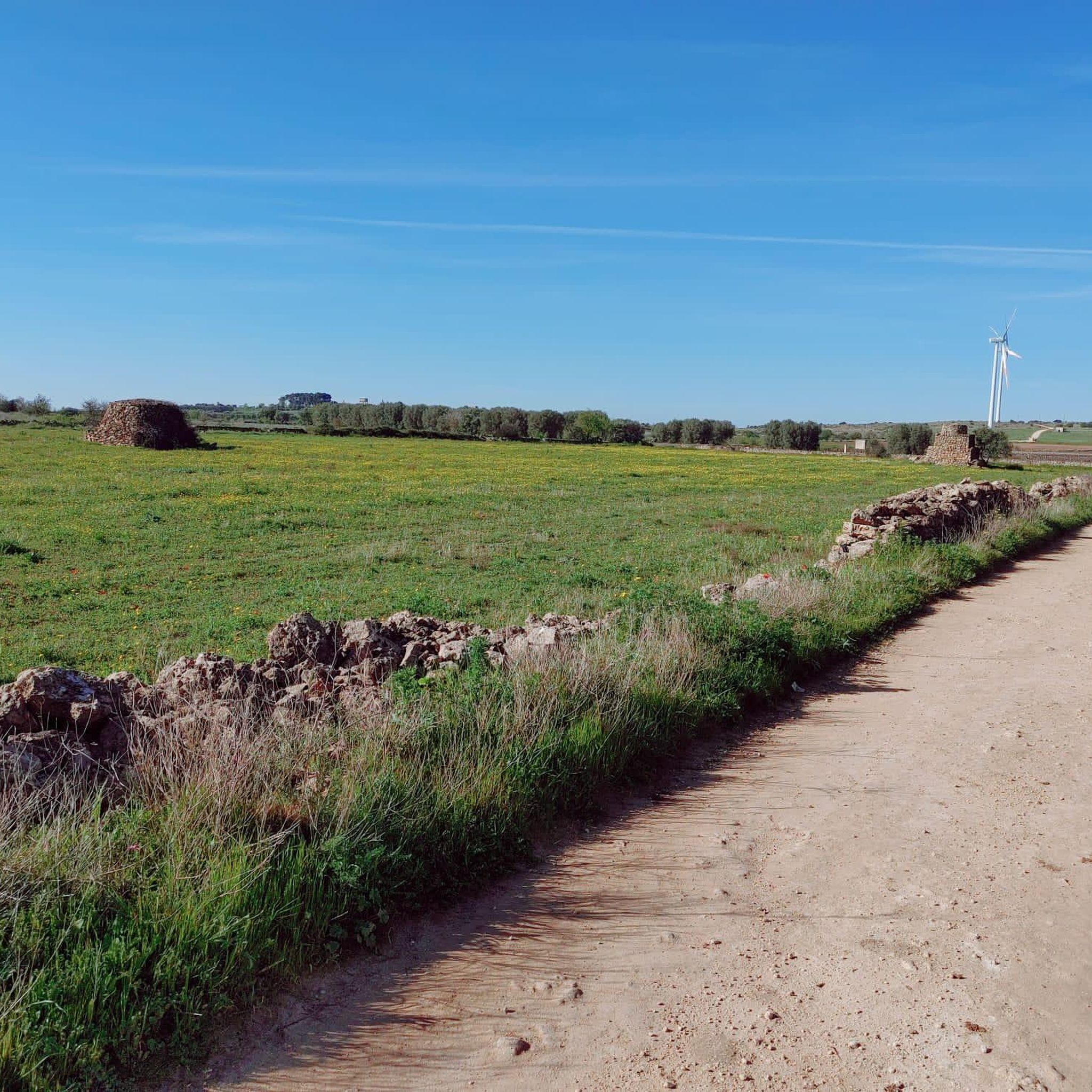
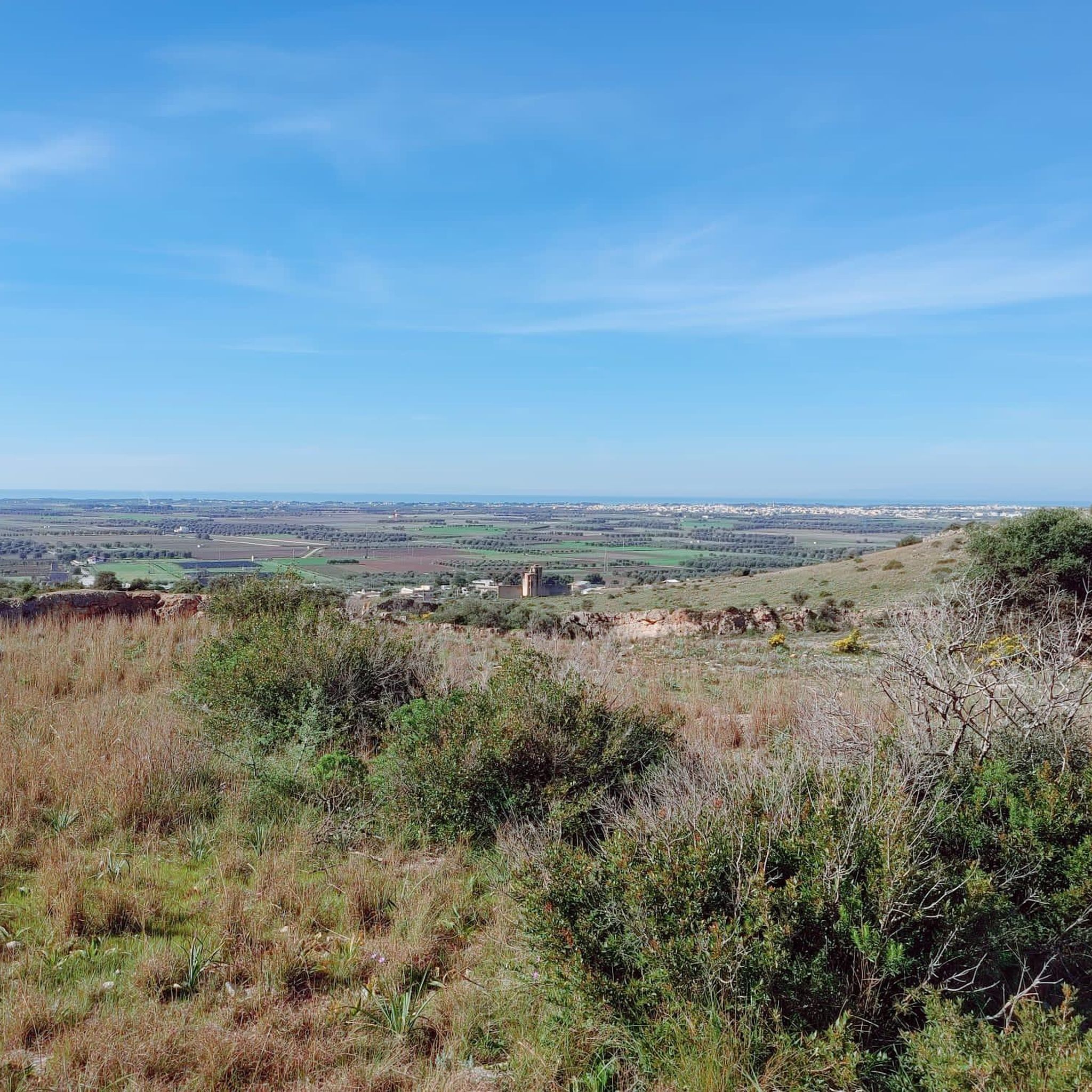
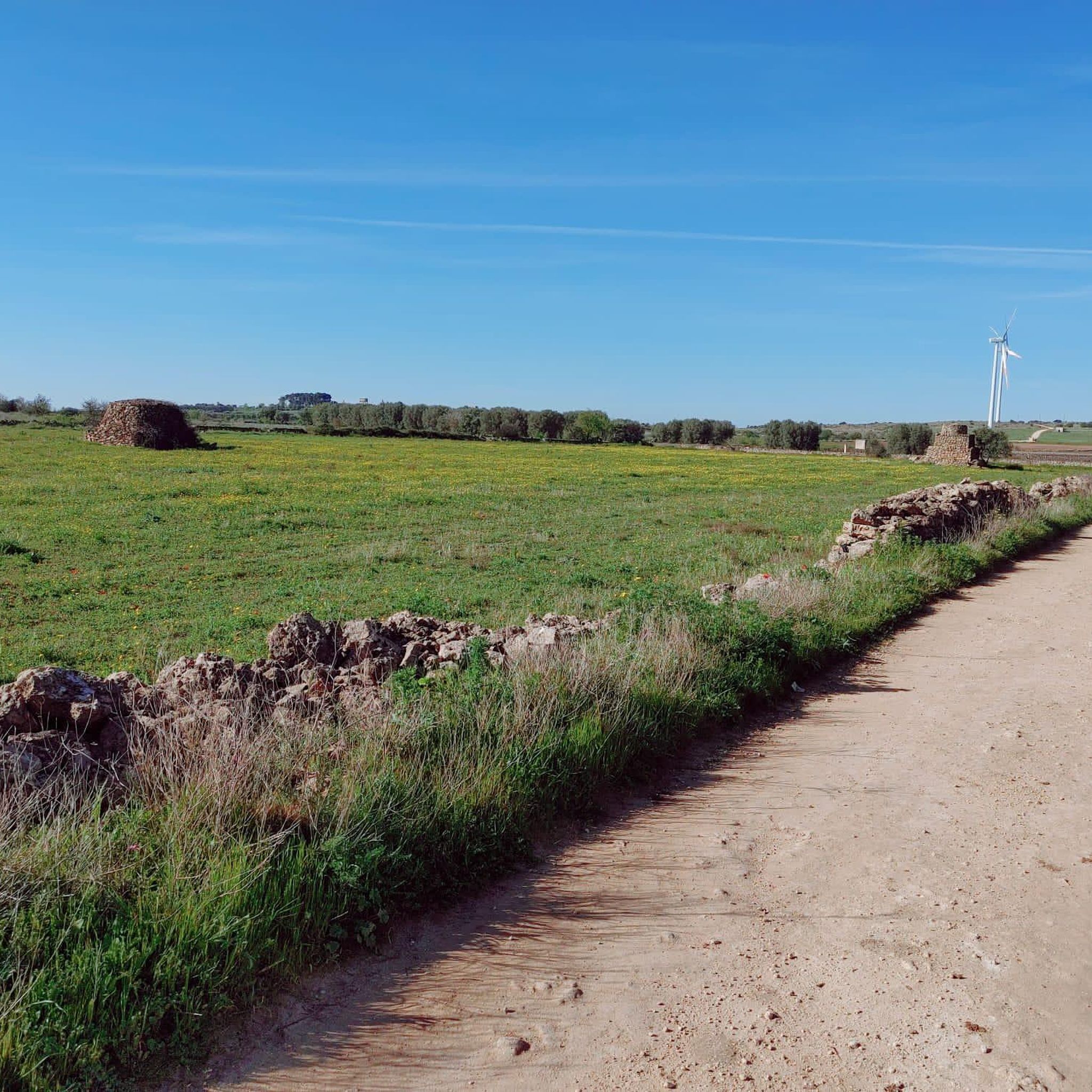
Tips from the Community

Manduria (Greek: Μανδόριος or Μανδόνιον, Latin: Manduria or Manduris, originally Casalnuovo) is a comune (municipality) in the Province of Taranto in the Apulia region of Italy. It has a population of approximately 30,000.
1
0
A small historic town of Manduria in the Italian region of Puglia. A pleasant stop on our trip through Italy
1
0

In some parts the sand on the trail is quite thick: if you are travelling with a very heavy bike it might be better to push it.
0
0

The Salina dei monaci of Torre Colimena is a small earthly paradise located on the Ionian coast of Salento a few kilometers from Porto Cesareo
0
0

be careful, sometimes the barriers don't close when the train passes
0
0

One of the many coastal towers in the area. Among the most beautiful and imposing.
1
0

The famous and popular wine "Primitivo di Manduria" comes from here. Cheers 🍾🍷
0
0

Today we started the lovely walk through the dunes and had lunch in Torri Colimena, on the way back from the roundabout this route is absolutely no longer recommended, first along a road, then the land is plowed and then no good passable path can be found, we are over climbed stone walls and crossed a ditch over metal pipes to get back on the route and finally went straight through blackberry bushes and over a wall with difficulty and ended up back on the road, didn't try the last part anymore, seemed to be overgrown
1
1
Frequently Asked Questions
What kind of terrain can I expect on gravel bike trails around Sava?
The Sava region offers a diverse mix of terrain for gravel biking. You'll find everything from flat riverbanks and floodplains to more challenging hill ascents. Routes often combine paved rural roads with unpaved tracks, traversing extensive forested areas. In Slovenia, you might encounter influences from Alpine, Karst, and Pannonian geographical features, including the Ljubljana Marshes.
What is the typical difficulty level of gravel bike trails around Sava?
The gravel bike trails in the Sava region are generally considered moderate. For example, routes like Litoranea Salentina – Port of Campomarino loop from Manduria and Port of Campomarino – Piazza Garibaldi, Manduria loop from Campomarino di Maruggio are rated moderate, offering varied terrain and elevation gains suitable for experienced gravel bikers. There are also easier options, such as The town of Manduria – Piazza Garibaldi, Manduria loop from Manduria, which is an easy 18.6-mile (29.9 km) path.
Are there family-friendly gravel biking options in the Sava region?
While many routes are moderate, the region does offer paths suitable for families, especially those along the flatter riverbanks. The interactive Sava River Trail, for instance, connects with local paths and can be explored in sections. Look for routes with minimal elevation gain and well-maintained surfaces, often found in urban green areas like Jarun Park and Bundek Municipal Park in Zagreb, or along the D2 cycling route in Slovenia.
What natural features or landmarks can I expect to see while gravel biking along the Sava River?
You'll encounter a rich variety of natural and historical sights. The Sava floodplains, particularly in areas like Lonjsko Polje National Park in Croatia, are significant, characterized by meadows, forests, and abundant wildlife. You might also see alluvial forests, wetlands, and unique animals like the Posaviner horse. In Slovenia, some routes offer stunning views of the Julian Alps. Additionally, you can explore historical sites like the Archaeological Park of the Messapian Walls or religious buildings such as the Sanctuary of Madonna delle Grazie.
Are there many circular gravel bike routes available?
Yes, many gravel bike routes in the Sava region are designed as loops, allowing you to start and end at the same point. Examples include the Salina dei Monaci – Chidro River Mouth loop from Manduria, which is a 29.1-mile (46.9 km) trail, and the View of San Pietro in Bevagna – Scenic Gravel Route loop from Manduria, a 19.5-mile (31.4 km) option. These loops often take you through varied landscapes, ensuring a comprehensive experience.
What is the best time of year for gravel biking in the Sava region?
The best time for gravel biking in the Sava region is typically from spring to early autumn (April to October). During these months, the weather is generally mild and pleasant, making for comfortable riding conditions. Spring brings lush greenery, while autumn offers beautiful foliage. Summer can be warm, especially in July and August, so early morning or late afternoon rides are recommended then.
Can I bring my dog on gravel bike trails in the Sava region?
Many natural areas and trails in the Sava region are dog-friendly, but it's crucial to keep your dog on a leash, especially in protected areas like Lonjsko Polje National Park, due to abundant wildlife including migratory birds and various wild animals. Always check local regulations for specific parks or trails before you go, and ensure your dog is well-behaved around other cyclists and wildlife.
How accessible are the gravel bike trails by public transport or car parking?
Accessibility varies by location. Major cities like Ljubljana, Zagreb, and Belgrade offer better public transport connections to riverside areas. For routes further afield, particularly in national parks or rural areas, driving and parking your car at designated trailheads or nearby villages is often the most convenient option. Many routes, especially loops, start from towns where parking is available.
Are there places to eat or stay along the gravel bike routes?
Yes, especially in and around towns and villages along the Sava River. You'll find cafes, pubs, and restaurants offering local cuisine. Accommodation options range from guesthouses and B&Bs in smaller settlements to hotels in larger cities. It's advisable to plan your route and check for amenities in advance, particularly when venturing into more remote sections of the river basin.
Where can I find scenic viewpoints on gravel bike trails in the Sava region?
The Sava region is rich in scenic beauty. In Slovenia, routes near the Sava Dolinka and Sava Bohinjka rivers often provide stunning views, sometimes even glimpses of the Julian Alps. Along the riverbanks, you'll find numerous spots to enjoy the expansive floodplains and forests. The confluence of the Sava and Danube in Belgrade, overlooked by the Kalemegdan Fortress, also offers a memorable vista.
Are there any less-known or 'hidden' gravel bike trails to explore?
Beyond the more popular routes, the vast network of rural roads and unpaved tracks throughout the Sava basin offers many opportunities for discovery. Exploring the less-trafficked areas of the Sava floodplains or the extensive alluvial forests can lead to unique, quieter gravel biking experiences. Local komoot users often share their favorite lesser-known paths, so checking community-generated tours can reveal hidden gems.
Most popular attractions around Sava

Get inspired with the komoot mobile app


Explore more
Browse the best Gravel rides in other regions.
