Attractions and Places To See in Budapest - Top 20
Best attractions and places to see in Budapest include a diverse range of historical and cultural sites. The city is bisected by the Danube River, with the Buda Hills offering natural landscapes and viewpoints. Budapest features impressive architecture, historical monuments, and numerous thermal springs, providing varied experiences for visitors.
Best attractions and places to see in Budapest
- The most popular attractions is Fisherman's Bastion, a man-made monument that offers panoramic views of Pest, the Parliament, and the Danube. It…
Last updated: August 4, 2026
Fisherman's Bastion
Highlight • Monument
Translated by Google •
Tip by

Matthias Church
Highlight • Religious Site
Translated by Google •
Tip by

Sign up now to discover places like this
Get recommendations on the best single tracks, peaks, & plenty of other exciting outdoor places.
Sign up for free
St. Stephen's Basilica
Highlight • Religious Site
Translated by Google •
Tip by

Front of the Hungarian Parliament Building
Highlight • Monument
Translated by Google •
Tip by

Statue of St. Stephen
Highlight • Monument
Translated by Google •
Tip by

Buda Castle
Highlight • Castle
Translated by Google •
Tip by

Széchenyi Chain Bridge
Highlight (Segment) • Bridge
Translated by Google •
Tip by

Millennium Monument (Millenniumi emlékmű), Heroes' Square
Highlight • Monument
Translated by Google •
Tip by
Chain Bridge
Highlight • Bridge
de.wikipedia.org/wiki/Kettenbr%C3%BCcke_(Budapest)
Translated by Google •
Tip by
Margaret Island
Highlight • Parking
Translated by Google •
Tip by

Sign up for free to discover even more attractions in Budapest.
Sign up for free
Already have an account?
Start today with a free account
Your next adventure awaits.
Login or Signup


Tips from the Community

The equestrian statue of Saint Stephen I (Szent István) is undoubtedly the centerpiece of Fisherman's Bastion in Budapest's Castle District. It is not only a popular photo opportunity but also steeped in symbolism and history. Stephen I was the first king of Hungary (crowned in 1000 or 1001). He is considered the founder of the Hungarian state, uniting the Hungarian tribes and consolidating Christianity in the country. He was canonized in 1083.
1
1

It is very important to remember that although Hungarian wine and palinka are acceptable, they are indecently expensive, even in a below average store. My recommendation is to buy the same products, but from Romanian, Bulgarian or Moldovan producers.
2
0

There are plenty of statues in Budapest.
2
0

The Saint Stephen Monument (Hungarian: Szent István szobra) stands on Castle Hill in Budapest, between the Fisherman's Bastion and Matthias Church on Szentháromság tér. Erected in 1906, it depicts the first Hungarian king, Stephen I, who introduced Christianity to Hungary and founded the kingdom. The bronze equestrian statue was created by the sculptor Alajos Stróbl, while the architect Frigyes Schulek designed the ornate base. The monument depicts Stephen on a proud horse, crowned and holding a cross, symbolizing the connection between secular power and the Christian faith. The stone base is decorated with reliefs depicting scenes from his life—including his coronation and the spread of Christianity. Set against the historic backdrop of the Castle District, the statue is one of Budapest's most famous landmarks and commemorates the canonized king, who is venerated as the founder of the Hungarian state.
2
0
The Saint Stephen's Monument (Szent István-szobor) in Budapest honors Stephen I, the first king of Hungary and founder of the Hungarian state. It is located in the Castle District of Buda, right next to the Fisherman's Bastion and Matthias Church – one of the city's most beautiful squares. The equestrian statue was created in 1906 by Alajos Stróbl, one of Hungary's most important sculptors. It depicts King Stephen (Hungarian: Szent István király) on horseback, wearing the Hungarian St. Stephen's Crown and holding a cross – a symbol of his role in the Christianization of Hungary. The bronze equestrian statue stands on a richly decorated Neo-Romanesque pedestal adorned with reliefs depicting scenes from Stephen's life. The pedestal was designed by the architect Frigyes Schulek, who also designed the neighboring Fisherman's Bastion. Today, the monument is a popular photo motif and commemorates the canonized king, who is venerated as the founder of the Hungarian state and patron saint of Hungary.
2
0
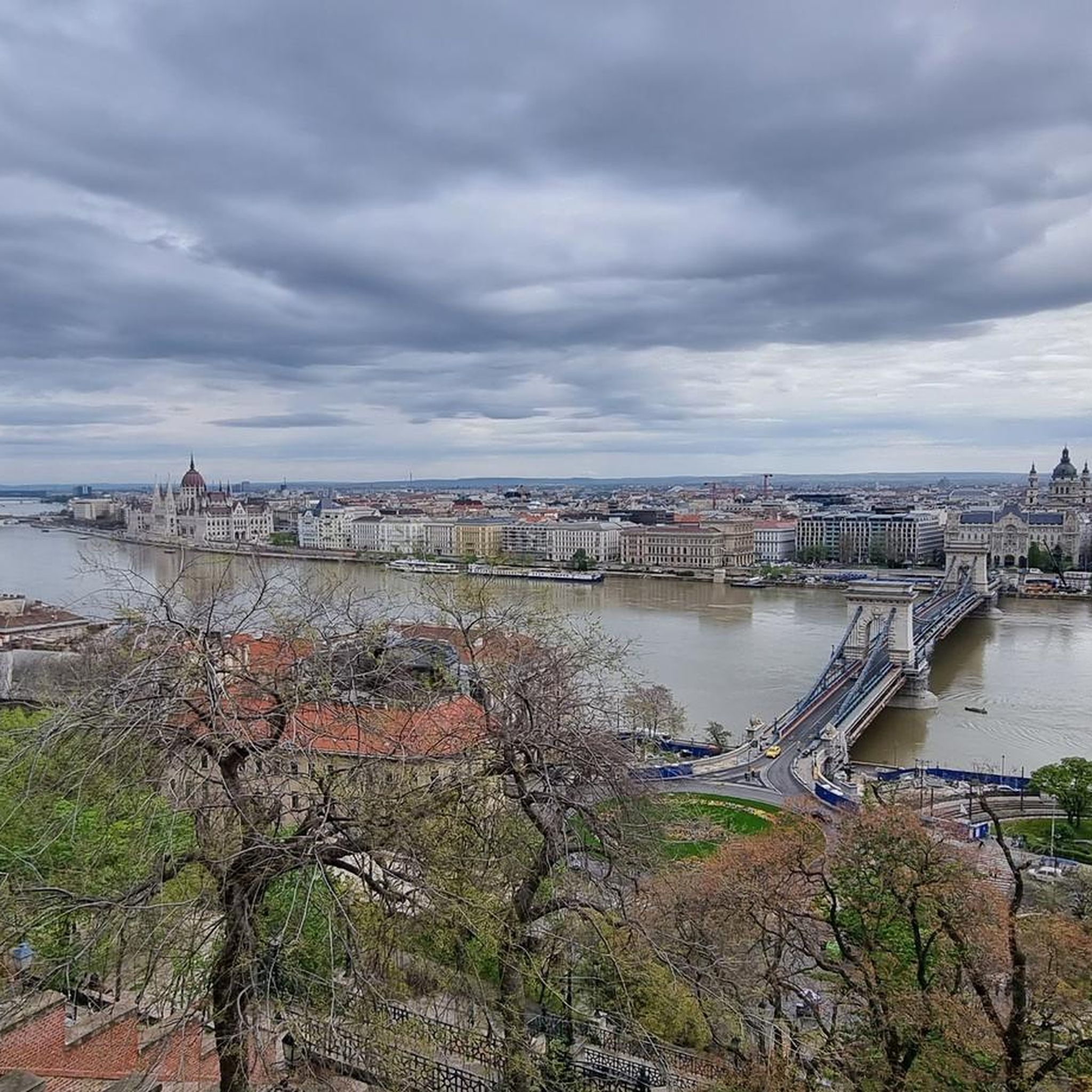
The Chain Bridge in Budapest (Hungarian: Széchenyi Lánchíd) is one of the city's most famous landmarks, connecting the two districts of Buda and Pest across the Danube. It was built in the 19th century on the initiative of the Hungarian statesman István Széchenyi and opened in 1849 – the first permanent bridge across the Danube in Hungary. It thus played a crucial role in the development of Budapest into a unified and modern metropolis. Designed by the English engineer William Tierney Clark and built by Adam Clark, the bridge was a technical masterpiece at the time of its construction. Its striking appearance, with its massive chains and stone lion statues at the bridgeheads, continues to make it a popular subject for photographs. After suffering damage during World War II, the Chain Bridge was rebuilt in 1949 – exactly 100 years after its opening. In recent years, it has undergone extensive restoration and now shines once again in its historical splendor. A walk across the bridge at night is particularly impressive, when it is atmospherically lit and the view of the Danube, the Parliament and Buda Castle is unforgettable.
2
0

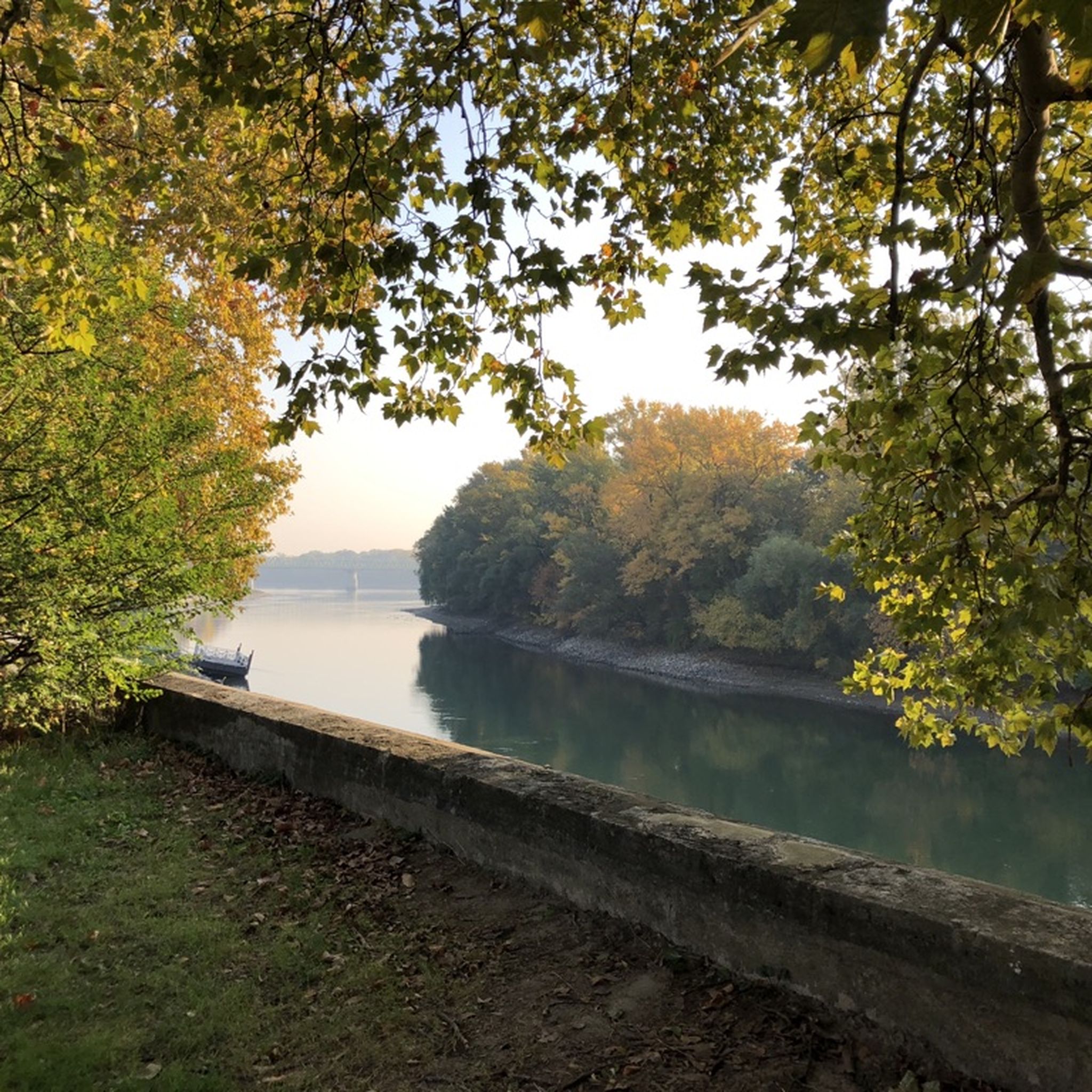
Margaret Island is 2,800 meters long and covers an area of almost 100 hectares.
4
0
After years of hard work, the Chain Bridge was finally inaugurated on November 20, 1849, in a magnificent ceremony,
4
0
Frequently Asked Questions
What are some highly-rated historical and architectural attractions in Budapest?
Budapest is rich in history and architecture. Visitors highly rate the Fisherman's Bastion, a man-made monument offering panoramic views, and the Matthias Church, known for its distinctive tiled roof. Another must-see is St. Stephen's Basilica, the largest church in the city, where a tower climb offers excellent views. The Hungarian Parliament Building is also an iconic neo-Gothic masterpiece.
Are there family-friendly attractions in Budapest?
Yes, many attractions in Budapest are suitable for families. The Fisherman's Bastion, Matthias Church, and St. Stephen's Basilica are all categorized as family-friendly. Buda Castle and Heroes' Square also offer engaging experiences for all ages. Additionally, City Park (Városliget) provides green spaces, a lake, and is home to Vajdahunyad Castle and Széchenyi Baths, making it a great family destination.
What natural features and outdoor spaces can I explore in Budapest?
Budapest offers several beautiful natural escapes. Margaret Island (Margit-sziget) is a verdant oasis in the Danube with gardens and walking trails. Gellért Hill provides green spaces and hiking opportunities with panoramic city views. The Buda Hills, including areas like Normafa, offer picturesque low mountains with hiking trails and forests. City Park (Városliget) is Budapest's largest park, featuring lush green spaces and a lake.
What outdoor activities can I do near Budapest's attractions?
You can enjoy various outdoor activities. For hiking, consider routes like the 'Statue of St. Stephen – Fisherman's Bastion loop' or exploring Margaret Island. If you're interested in gravel biking, there are routes like the 'Hungarian Parliament Building – Virágos-nyereg loop'. You can find more details on these and other routes in the easy hikes in Budapest or gravel biking in Budapest guides.
Are there any wheelchair-accessible outdoor attractions in Budapest?
Yes, several outdoor attractions in Budapest are wheelchair accessible. St. Stephen's Basilica, the Front of the Hungarian Parliament Building, and the Millennium Monument at Heroes' Square are noted for their accessibility. The Liberty Bridge also offers a wheelchair-friendly path.
What is the best time of year to visit Budapest for outdoor sightseeing?
Spring (April-May) and early autumn (September-October) are generally considered the best times for outdoor sightseeing in Budapest. The weather is pleasant, ideal for exploring historical sites, parks, and enjoying river cruises without the intense heat of summer or the cold of winter. Many outdoor cafes and attractions are fully operational during these seasons.
Where can I find unique cultural experiences in Budapest?
Beyond major landmarks, Budapest offers unique cultural experiences. Visit the Dohány Street Synagogue, the second-largest in the world, for a significant site of Jewish heritage. Explore the famous thermal baths like Széchenyi or Gellért for a traditional Hungarian spa experience. The Ruin Bars, set in abandoned buildings, offer a distinctive nightlife and cultural scene.
What are some less crowded outdoor attractions or hidden gems in Budapest?
For a quieter experience, consider exploring Óbuda Island, a nature reserve in the Danube with winding trails, ideal for birdwatching. The Buda Hills, particularly areas beyond the immediate city center like Normafa or János Hill, offer beautiful hiking and panoramic views away from the main tourist crowds. The Gellért Hill Cave also provides an intriguing, less conventional exploration.
What do visitors enjoy most about Budapest's attractions?
Visitors frequently highlight the stunning architecture, especially when illuminated at night, such as the Fisherman's Bastion and the Hungarian Parliament Building. The panoramic views from elevated points like Fisherman's Bastion, Gellért Hill, and the dome of St. Stephen's Basilica are also highly praised. The rich history and the unique atmosphere of places like the Matthias Church also leave a lasting impression.
Can I find any circular walking routes in Budapest's green areas?
Yes, Budapest has several circular walking routes, especially in its green spaces. For example, you can find routes around Margaret Island, such as the 'Japanese Garden – Margaret Island loop'. The Buda Hills also offer various circular trails for different difficulty levels. Check the easy hikes in Budapest guide for specific options.
Are there any free outdoor activities to enjoy in Budapest?
Absolutely. Walking across the Chain Bridge or Liberty Bridge offers great views and is free. Exploring Heroes' Square and the surrounding City Park, including Vajdahunyad Castle from the outside, costs nothing. A stroll along the Danube banks, including visiting the poignant Shoes on the Danube Bank memorial, is also free. Hiking up Gellért Hill provides stunning city panoramas without an entry fee.
Most popular routes in Budapest
Most popular attractions in Budapest

Get inspired with the komoot mobile app


Didn’t find what you were looking for?
Are you keen on exploring more awesome places nearby? Browse our guides:
Explore more
Still not found the Highlight you’re looking for? See guides of the top attractions in other regions:
