Attractions and Places To See in L'Aquila - Top 20
Best attractions and places to see in L'Aquila are found in the heart of Abruzzo, a region characterized by its mountainous terrain and rich history. The city serves as a gateway to the Gran Sasso and Monti della Laga National Park, offering diverse natural landscapes. L'Aquila features a blend of historical landmarks, cultural sites, and access to significant natural features within the Apennine mountains. Visitors can explore both urban architectural heritage and extensive outdoor areas.
Best attractions and places to…
Last updated: August 16, 2026
Campo Imperatore
Highlight • Natural Monument
Showing Translation
Tip by

Duca degli Abruzzi Hut
Highlight • Mountain Hut
Showing Translation
Tip by
Sign up now to discover places like this
Get recommendations on the best single tracks, peaks, & plenty of other exciting outdoor places.
Sign up for free
Abruzzo Astronomical Observatory
Highlight • Monument
Showing Translation
Tip by
Our Lady of Pity
Highlight • Religious Site
Translated by Google •
Tip by

Rocca Calascio Castle
Highlight • Castle
Translated by Google •
Tip by

Monte Aquila Summit
Highlight • Summit
Translated by Google •
Tip by

Vincenzo Sebastiani Mountain Hut
Highlight • Mountain Hut
Source: it.wikipedia.org/wiki/Rifugio_Vincenzo_Sebastiani
Translated by Google •
Tip by

Santo Stefano di Sessanio
Highlight • Settlement
Translated by Google •
Tip by
Gorges of Celano
Highlight (Segment) • Gorge
Translated by Google •
Tip by
Church of Our Lady of the Snow, Campo Imperatore
Highlight • Religious Site
Showing Translation
Tip by
Sign up for free to discover even more attractions in L'Aquila.
Sign up for free
Already have an account?
Start today with a free account
Your next adventure awaits.
Login or Signup
Popular around L'Aquila
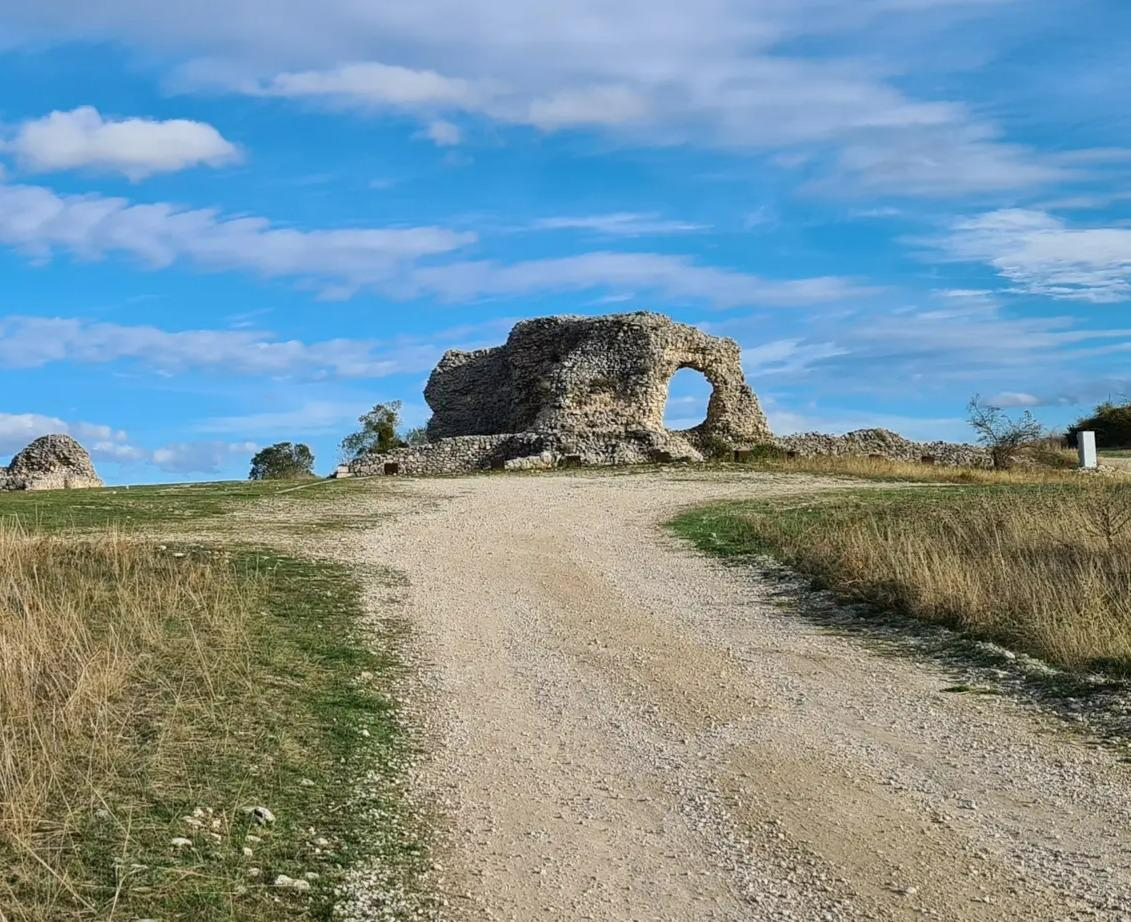
Tratturo Magno – On the roads of transhumance
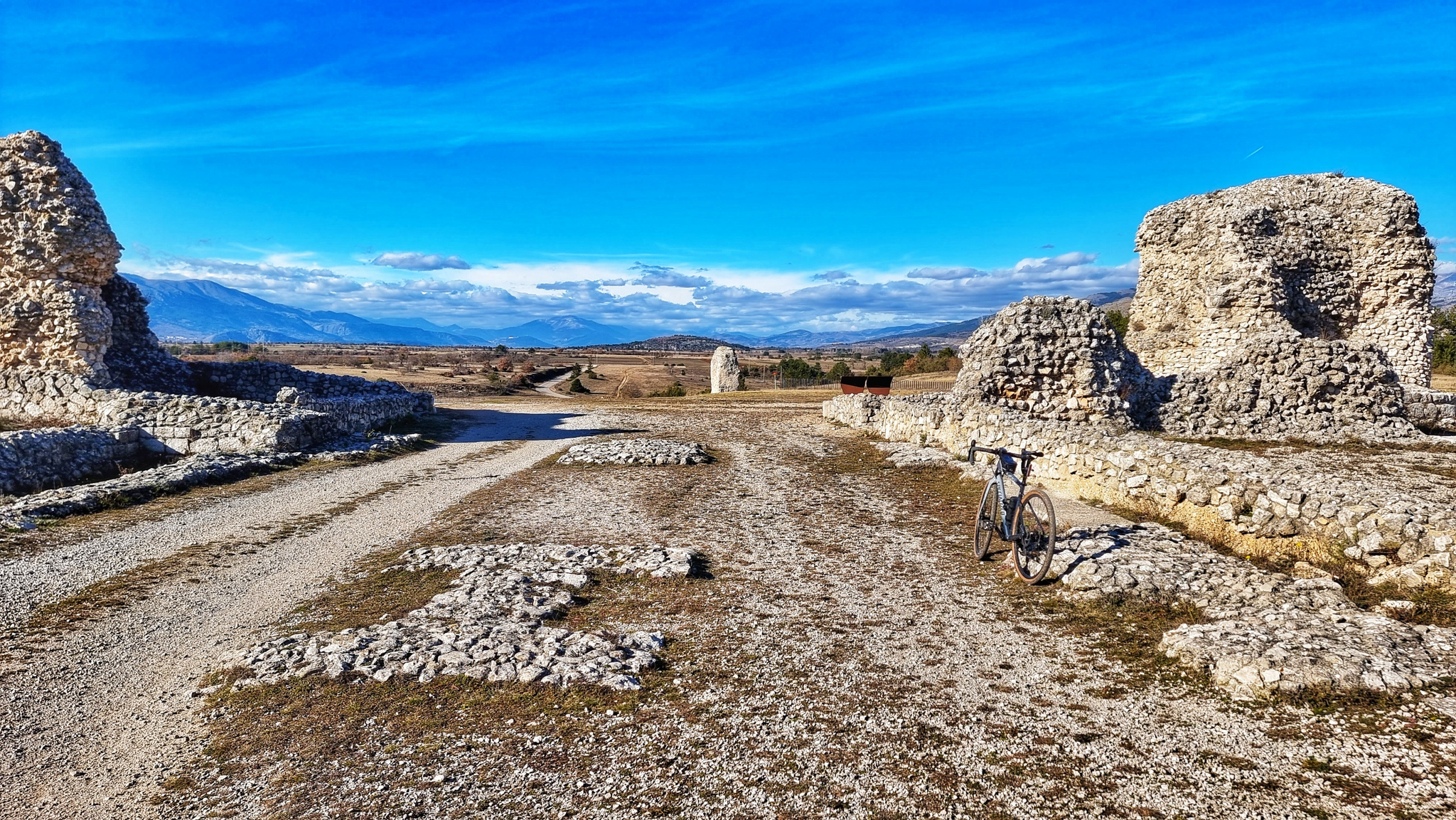
The Tratturo Magno – From the Apennines to the TavoIiere, 300 kilometers
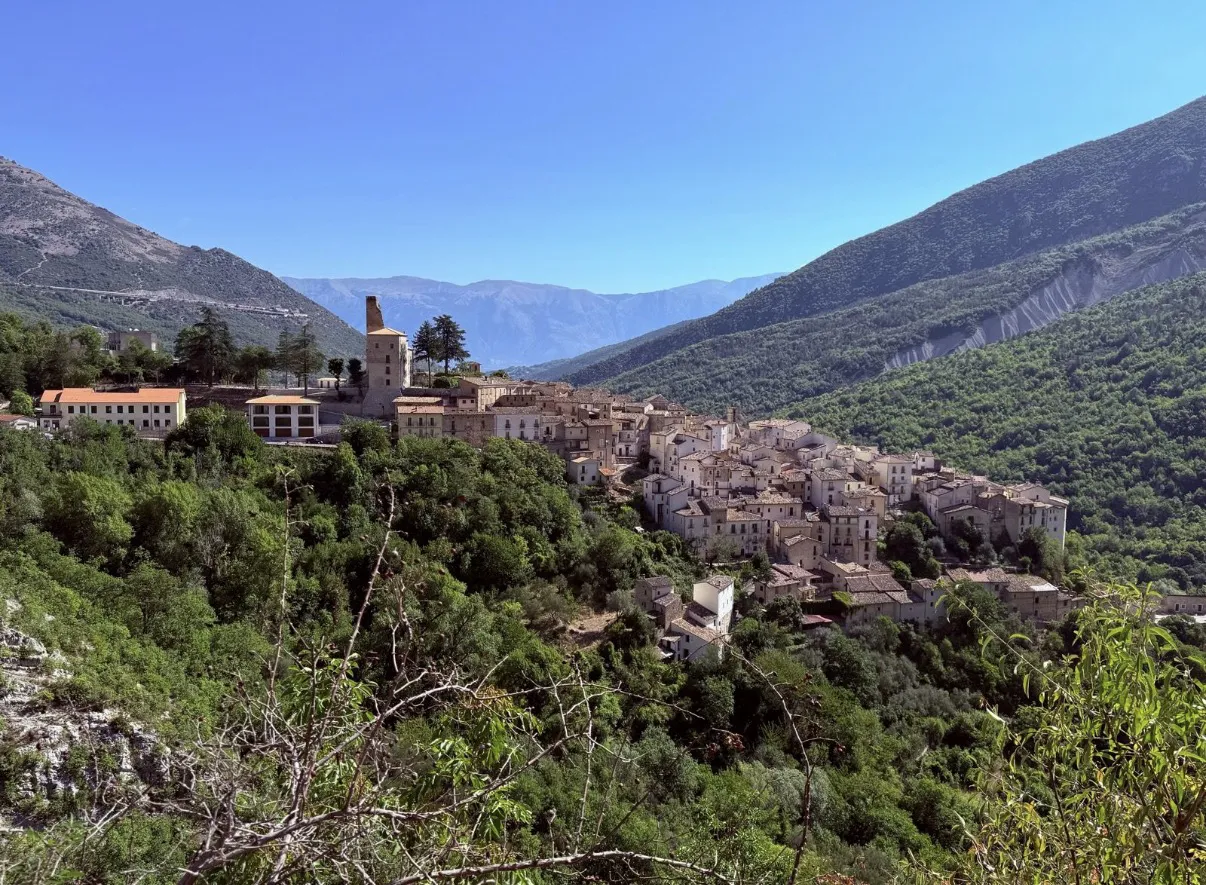
Cycling in Abruzzo – among villages, history and nature
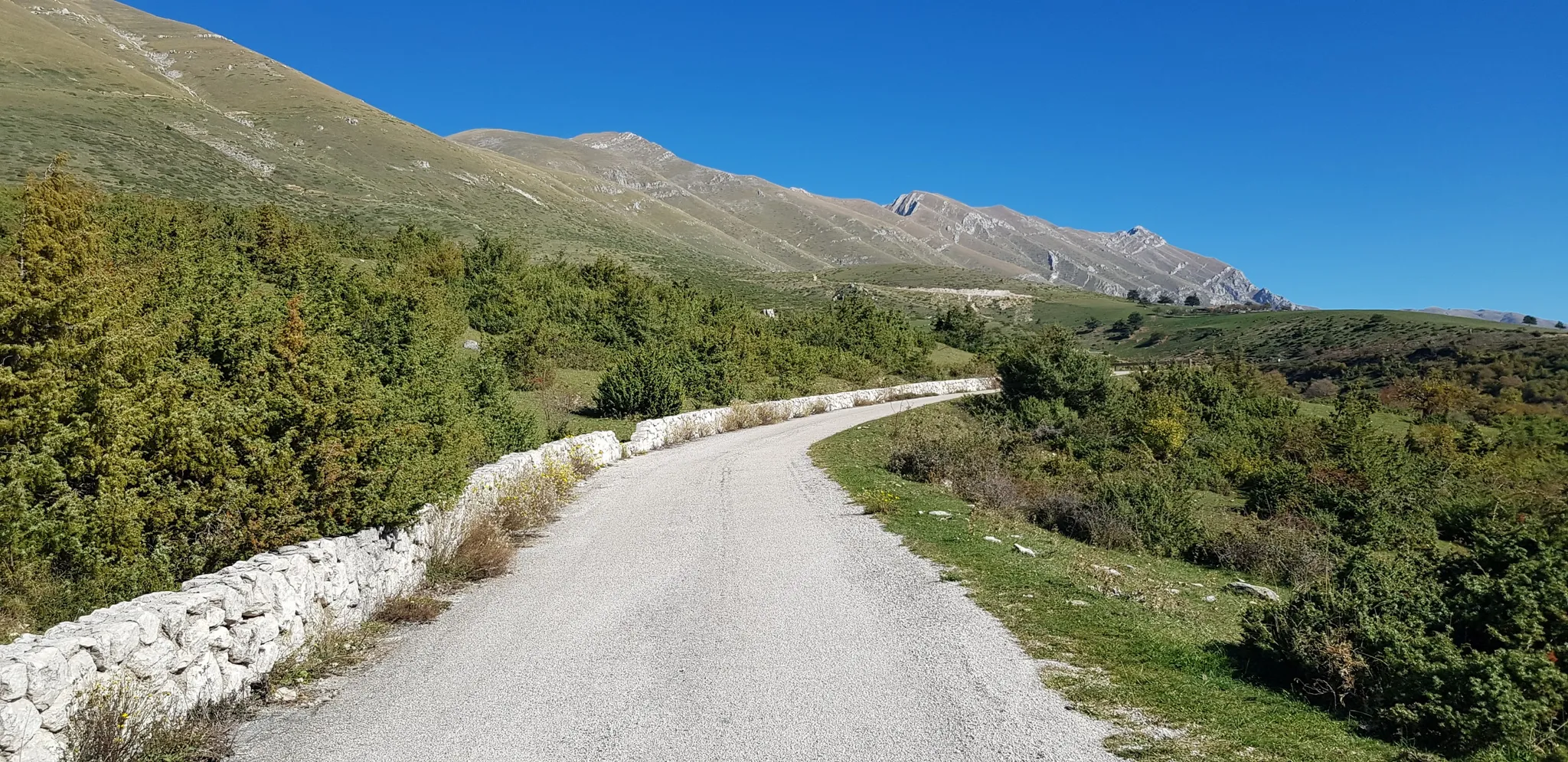
The Apennine Cycleway (Part 2) - From Umbria to Calabria
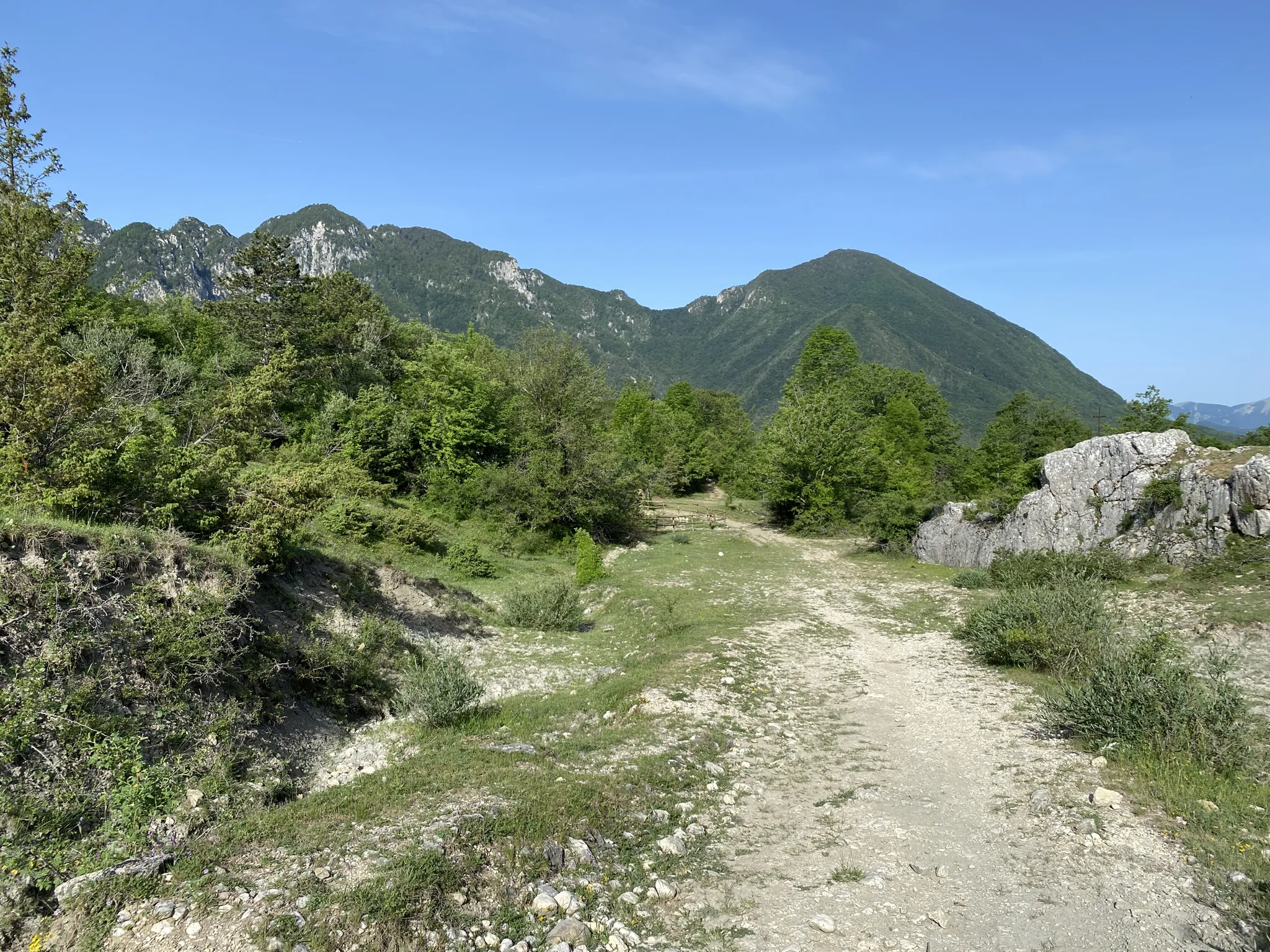
Hike along shepherds tracks in Italy – Via del Tratturo
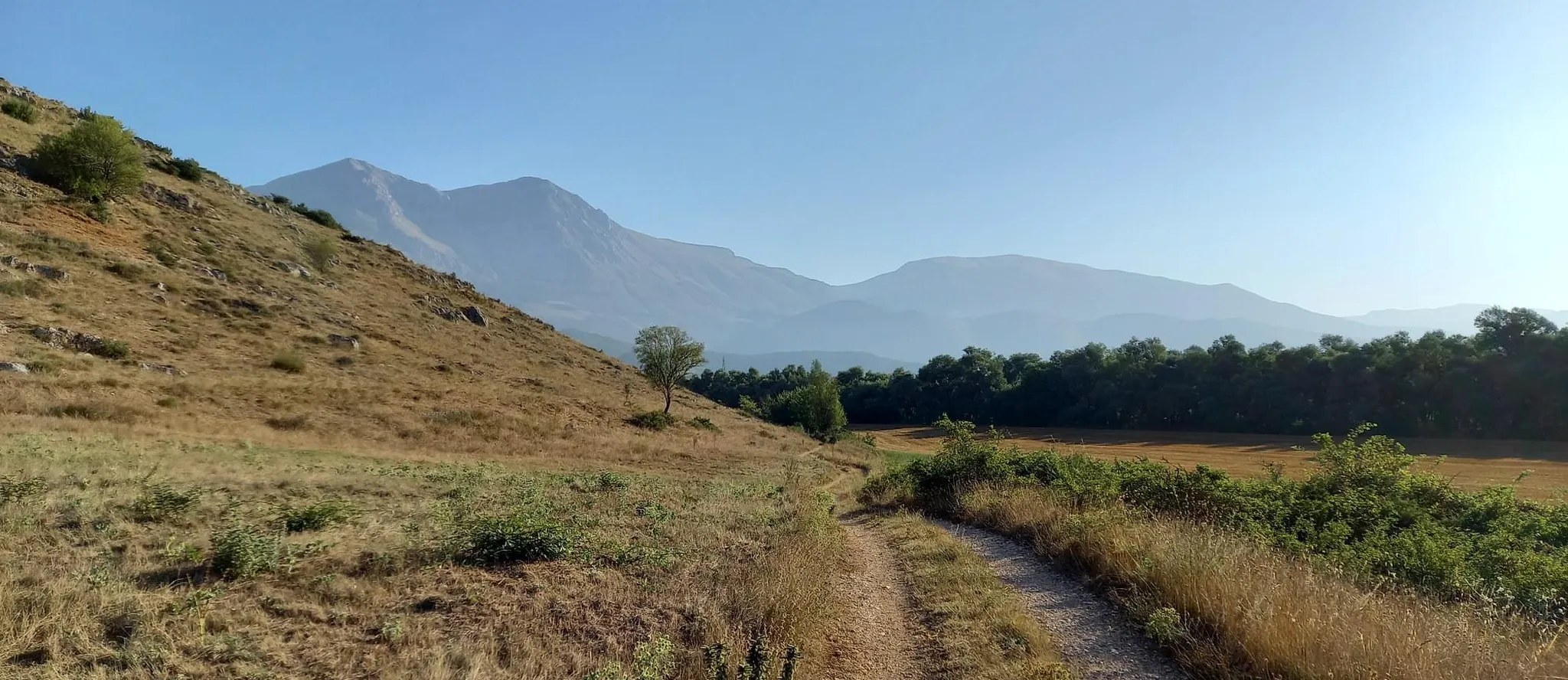
Hike from Rome to the Adriatic Sea – Way of St. Thomas
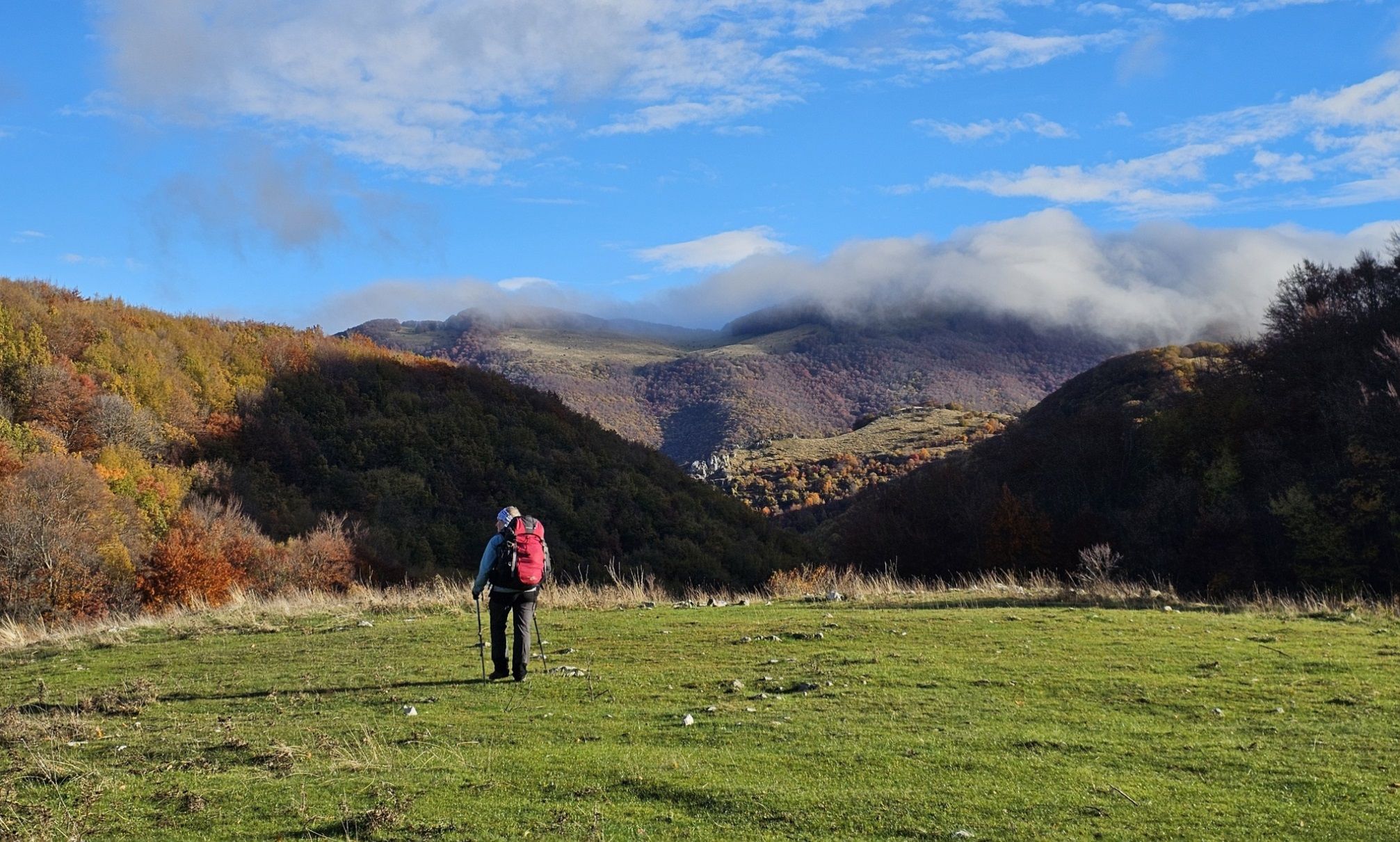
A colourful journey – hike in the Simbruini Mountains
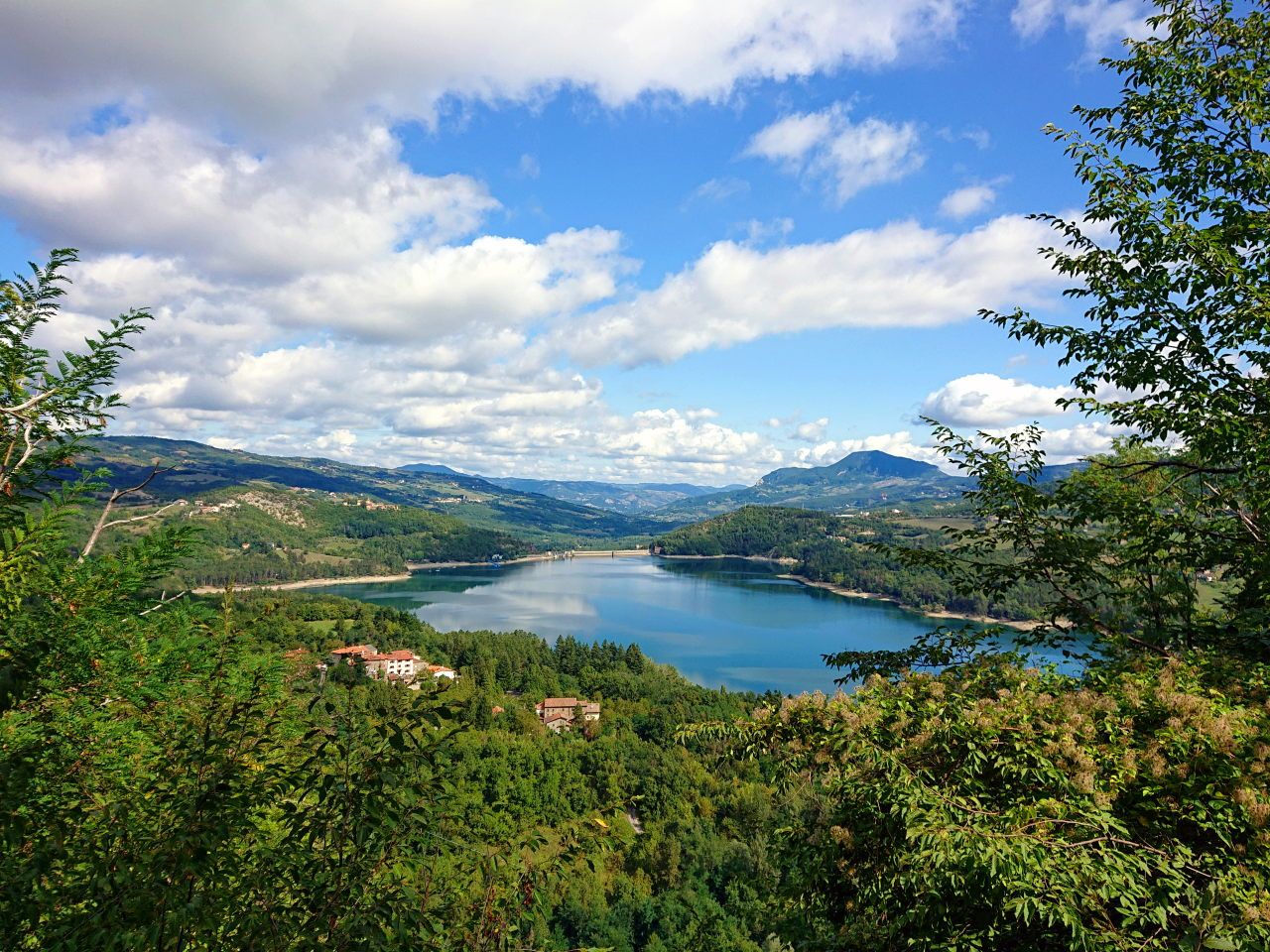
Interiora - A Journey into the Remote Areas of Italy
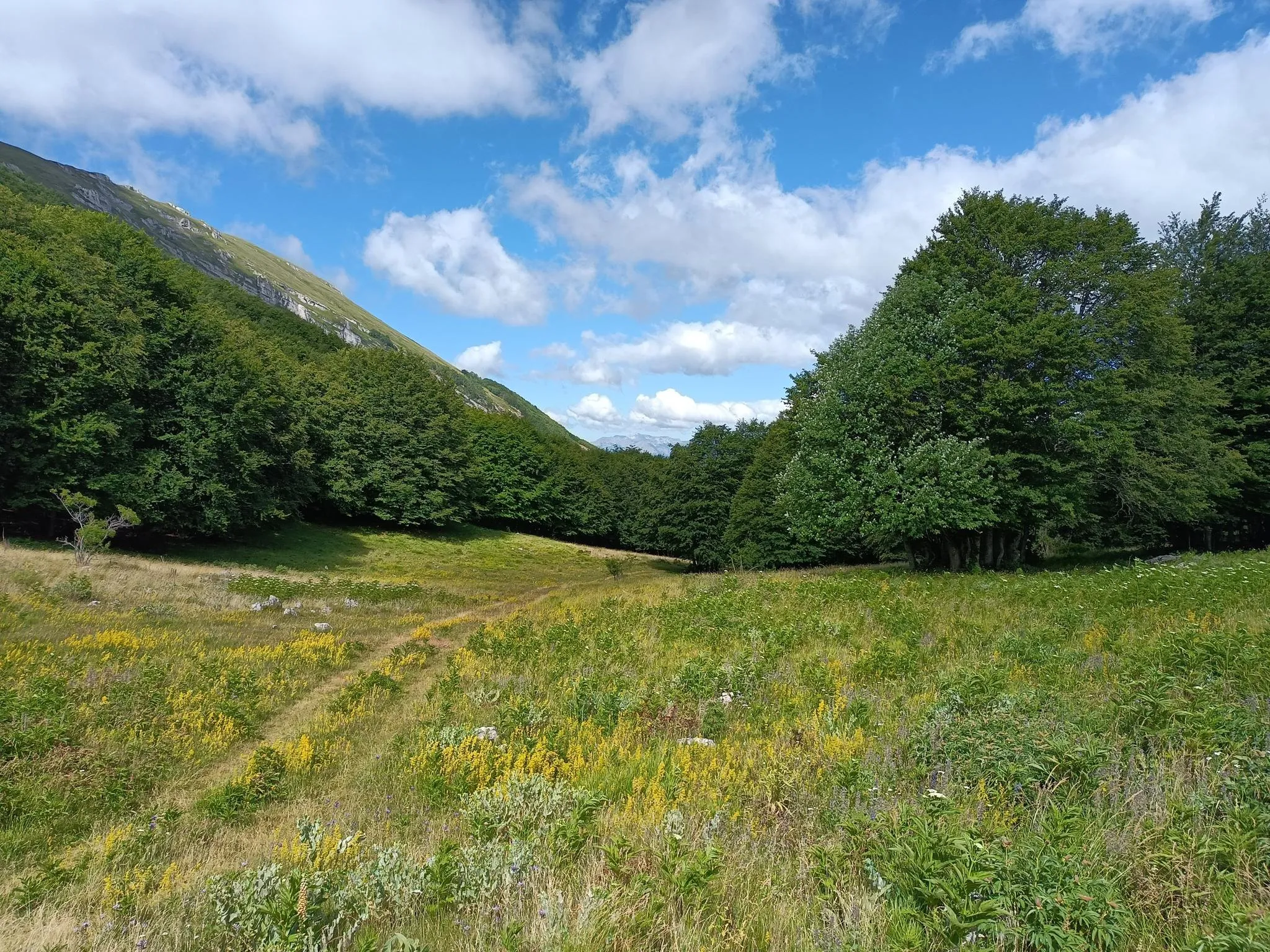
Natural Park Walk – part 4 from Accumoli to L'Aquila
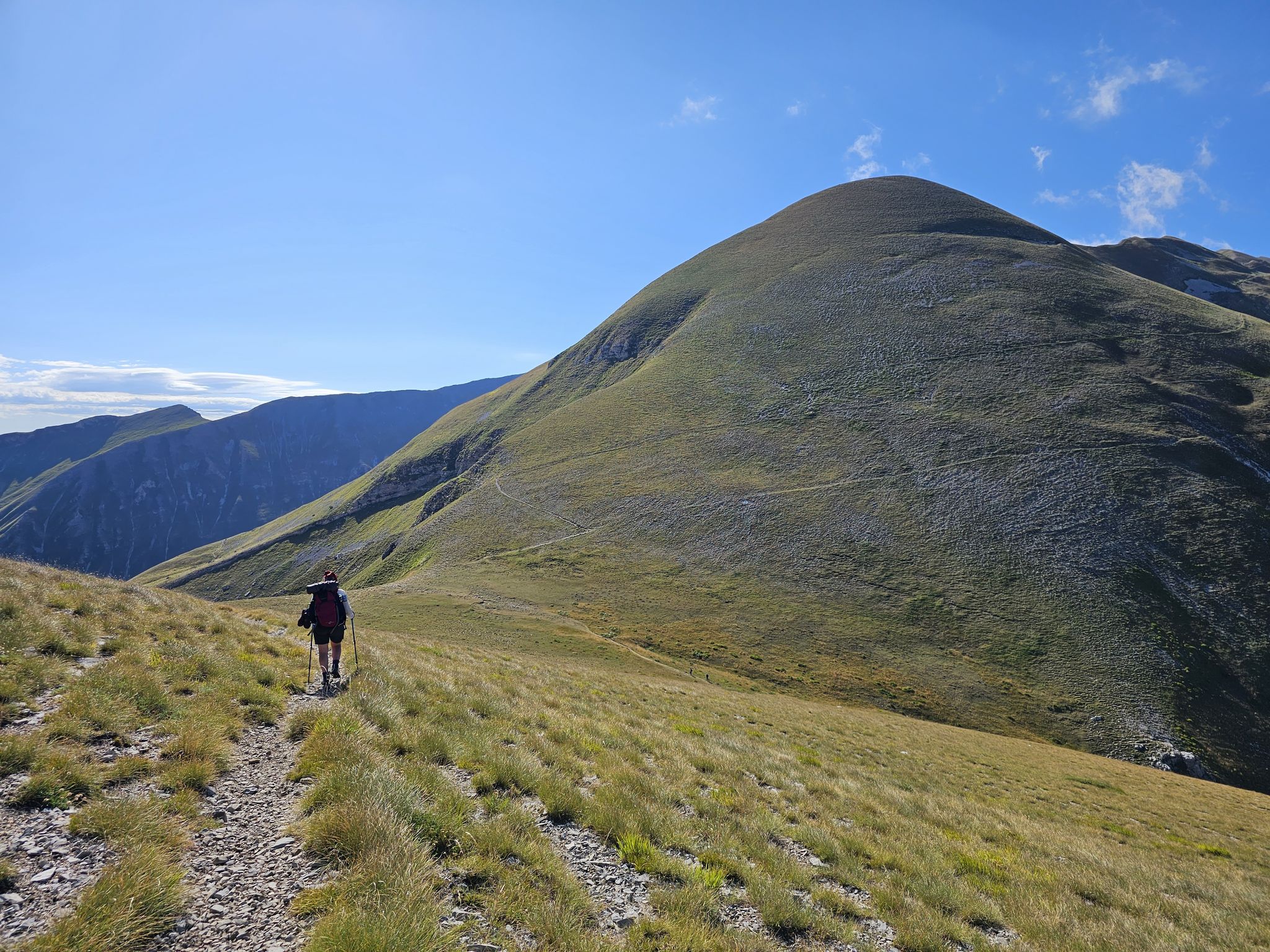
The Sibillini Mountains to Gran Sasso – the Great Apennine Crossing
Other adventures in L'Aquila


Tips from the Community

The night sky from up there enchants and calms the soul.
0
0

The Funivia del Gran Sasso d'Italia (the cable car to Campo Imperatore) was originally opened in 1934 and was recently reopened on June 15, 2026, after a period of significant maintenance. The cable car connects the valley station in Fonte Cerreto (Assergi, at 1,117 meters) with the Campo Imperatore plateau (at 2,130 meters). The cable car to Campo Imperatore has a rich history. The first installation was built in 1934 during the reign of Benito Mussolini and was considered a technical masterpiece and one of the longest cable cars in the world at the time. It also played a role in the spectacular liberation of Mussolini during World War II. The original cabins remained in use until 1985. After a complete modernization, the current cable car was put into operation in 1988. With two cabins for 100 passengers each, it covers a distance of over 3 kilometers and an altitude difference of 1,013 meters in just seven minutes. Following extensive safety works, including the replacement of the support cables, the cable car has been fully operational again since June 2026. Opening hours: During the summer season (until the end of August 2026), the cable car to Campo Imperatore is open daily from 07:30 to 19:30. The cabins depart every 30 minutes. Please note that in case of strong winds or other extreme weather conditions, the cable car may be temporarily taken out of service to ensure the safety of travelers.
6
0
Campo Imperatore is one of Italy's most impressive natural areas. This vast, treeless high plain at an altitude of approximately 2,000 meters is not called 'Little Tibet' for nothing. Surrounded by the rugged peaks of the Gran Sasso massif, it offers a spectacular setting for hikers of all levels. From relaxed walks across the rolling plateau between grazing sheep and horses to challenging climbs of Monte Aquila, the Rifugio Duca degli Abruzzi, or even Corno Grande (2,912 m), the highest peak in the Apennines. Thanks to accessibility by car or cable car, you can start your hike right in the middle of the high mountains, with breathtaking panoramas along the way and a landscape that has served as a backdrop for countless films.
7
1
The Chiesa della Madonna della Neve on Campo Imperatore is the highest consecrated church in Italy. The small stone church is located at an impressive altitude of 2,130 meters in the Gran Sasso massif, right next to the historic hotel. A special story: the praying Pope Although the church originates from the fascist regime, the best-known anecdote is connected to a man of peace: Pope John Paul II. The Polish Pope was an avid hiker and ski enthusiast. To escape the hustle and bustle of the Vatican, he regularly went incognito to the Abruzzo mountains, where he could walk, pray, and enjoy nature in peace. On June 20, 1993, he paid a discreet visit to Campo Imperatore. During that visit, he officially consecrated the Chiesa della Madonna della Neve. For the inhabitants of the region, this was a special moment, as they knew how strongly John Paul II felt connected to these mountains.
5
0
The Abruzzo Astronomical Observatory on Campo Imperatore, officially the Stazione Osservativa di Campo Imperatore, is one of Italy's most special observatories, located at an altitude of 2,150 meters. Since its opening in 1965, astronomers here have benefited from exceptionally clear nights. Thanks to a natural phenomenon, thermal inversion, clouds and artificial light often remain trapped in the valleys, making the night sky above the plateau remarkably dark and clear. Historical tidbit: one of the observatory's most important telescopes has a remarkable history. The AZT-24 infrared telescope was originally intended as a gift from Adolf Hitler to Benito Mussolini during World War II and was known as the "Mussolini telescope." However, due to the fall of the fascist regime, the telescope was never delivered. After the war, the instrument was taken by the Soviet Union to the Pulkovo Observatory. It wasn't until after the end of the Cold War that the telescope returned to Italy, where it finally found a permanent home on Campo Imperatore in 1997. The observatory also played an important role in modern astronomy. Between 2001 and 2004, during the CINEOS project, scientists discovered more than 1,500 new asteroids, including several so-called Near-Earth Objects that approach Earth's orbit. Thus, Campo Imperatore is not only one of the most beautiful places to stargaze but also a location that makes a significant contribution to the research of our solar system and the monitoring of potential space risks.
5
0
OPENING HOURS, always useful to know before you go up! Rifugio Duca degli Abruzzi is open daily for the summer season. The opening hours and seasons are arranged as follows: summer season (continuously open) Period: From June 15 to the end of September, the mountain hut is open non-stop every day. Daytime (kitchen/bar): You can usually go there from approx. 08:30 to 17:00 for drinks, snacks, and lunch. Overnight stay: If you have booked an overnight stay in advance, you can join for dinner in the evening. Autumn, Winter & Spring (limited opening) Period: from October to May. Days: The hut is then in principle only open on weekends (Friday evening to Sunday afternoon), provided the weather and snow conditions allow it safely. Closure: the hut often closes completely in the month of November due to the start of the heavy winter snowfall. Important to know: because the mountain hut is located at an altitude of almost 2400 meters, the opening hours are always dependent on the weather. In case of heavy storms, dense fog, or sudden snowfall, the hut may remain unexpectedly closed. Do you want to be sure whether the manager is present or do you want to book a place to sleep? Check the current status via the official CAI Booking Platform or contact the managers directly via +39 388 186 7703.
6
0
Rifugio Duca degli Abruzzi is located at an altitude of 2,388 meters on Monte Portella and is one of the most beautiful viewpoints in the Gran Sasso massif. The mountain hut, built in 1908 by the Italian Alpine Club (CAI), is named after the famous explorer and mountaineer Luigi Amedeo of Savoy. From the terrace, you can enjoy a spectacular 360° panorama over the Campo Imperatore plateau, the imposing Corno Grande – the highest peak in the Apennines at 2,912 meters – and the rugged Val Maone. The relatively short hike to the hut immediately offers a real high-mountain feeling and is an ideal stopover for lunch or an espresso, but also serves as a starting point for more challenging climbs. Historical fact: just below the mountain hut lies the Hotel Campo Imperatore, where Benito Mussolini was held captive in 1943. From this area, he looked out over the endless peaks of the Apennines until he was freed by a glider during the spectacular German rescue operation, Operation Oak. This combination of impressive nature, mountaineering history, and a remarkable chapter from World War II makes a visit to Rifugio Duca degli Abruzzi extra memorable.
7
0

It’s an enchanted village, walking in those narrow alleys makes you dream, just like the delicacies that Barbara and Andrea expertly prepare in their small restaurant make you dream.
0
0
Frequently Asked Questions
What natural features can I explore near L'Aquila?
L'Aquila is a gateway to stunning natural landscapes. You can explore the vast Gran Sasso and Monti della Laga National Park, home to the highest mountain in the Apennines. Another notable area is Campo Imperatore, an alpine meadow known as 'Little Tibet,' offering high-altitude viewpoints and trails. Don't miss the impressive Gorges of Celano, a natural monument within the Sirente-Velino Regional Park.
Are there historical sites to visit in L'Aquila beyond the main castle?
Absolutely. L'Aquila is rich in history. You can visit the magnificent Basilica of Santa Maria di Collemaggio, a Romanesque-Gothic masterpiece and the site of the first Jubilee. The iconic Fontana delle 99 Cannelle (Fountain of the 99 Spouts) is another must-see, representing the city's founding villages. The 16th-century Forte Spagnolo, housing the Museo Nazionale d'Abruzzo, offers a glimpse into Renaissance military architecture. The historic center itself, with its elegant palazzi and baroque churches, is worth exploring.
What kind of outdoor activities are available in the L'Aquila region?
The L'Aquila region is perfect for outdoor enthusiasts. You can enjoy various activities such as cycling, mountain hiking, and exploring waterfall trails. For cycling, consider routes like the 'Ascent to Campo Imperatore from Calascio' or the 'Tour of Lake Campotosto.' Hikers can tackle challenging trails like the 'Campo Imperatore – Corno Grande loop' or more moderate waterfall hikes such as the 'Camosciara and Nymphs' Waterfall Trail.' You can find more details on these activities in the Cycling in L'Aquila, Mountain Hikes in L'Aquila, and Waterfall hikes in L'Aquila guides.
Are there any notable viewpoints for scenic photography in the area?
Yes, the region offers numerous breathtaking viewpoints. The Duca degli Abruzzi Hut, located at 2388 meters on Monte Portella, provides spectacular views of the valley, often called 'little Nepal.' The Monte Aquila Summit also offers a panoramic vista of the Gran Sasso area, including the rocky Corno Grande and the Campo Imperatore plateau. Additionally, the area around Our Lady of Pity, a religious building near Rocca Calascio, is set in an impressive landscape perfect for photos.
What is the best time of year to visit L'Aquila for outdoor activities?
The best time to visit L'Aquila for outdoor activities largely depends on what you plan to do. For hiking and exploring the national parks, late spring (May-June) and early autumn (September-October) offer pleasant temperatures and vibrant scenery. Summer (July-August) is ideal for high-altitude treks in Gran Sasso and Campo Imperatore, though it can be busier. Winter (December-March) transforms the mountains into a snowy wonderland, suitable for skiing and snowshoeing, but some trails may be inaccessible.
Are there family-friendly attractions or activities in L'Aquila?
While many attractions involve hiking, several sites are suitable for families. The Fontana delle 99 Cannelle is an engaging historical landmark for all ages. Exploring the historic center, with its charming streets and squares like Piazza Duomo, can be a pleasant family activity. For a natural outing, consider a day trip to Lake Scanno, known for its picturesque scenery, or the fascinating Stiffe Caves, which offer an underground adventure.
Where can I find accommodation or refreshment when exploring the Gran Sasso area?
When exploring the Gran Sasso and Monti della Laga National Park, you have options for both refreshment and overnight stays. The Duca degli Abruzzi Hut is a popular mountain refuge offering food, drinks, and beds. Another option is the Vincenzo Sebastiani Mountain Hut, located in the Velino-Sirente range, which also provides meals and accommodation. These huts are typically accessible via marked trails.
What are some unique cultural experiences in L'Aquila?
L'Aquila offers unique cultural experiences rooted in its history. The annual Celestinian Pardon, held at the Basilica of Santa Maria di Collemaggio, is a UNESCO Intangible Cultural Heritage event. The Museo Nazionale d'Abruzzo (MuNDA), housed in the Forte Spagnolo, showcases archaeological artifacts and art, including a prehistoric mammoth skeleton. The city's carefully restored Centro Storico with its elegant palazzi and narrow streets provides a glimpse into its resilient spirit and rich past.
How can I get to Gran Sasso from L'Aquila using public transport?
Accessing Gran Sasso from L'Aquila by public transport is possible, though it often involves a combination of bus services. During peak seasons (summer and winter for skiing), specific bus routes connect L'Aquila to Campo Imperatore, a key access point for the Gran Sasso massif. It's advisable to check local bus schedules, particularly with ARPA (Abruzzo Regional Public Transport) or similar services, as routes and frequencies can vary seasonally. Planning ahead is recommended.
Are there any hidden natural spots in the L'Aquila province worth discovering?
Beyond the well-known parks, the L'Aquila province holds several hidden gems. The Sirente-Velino Regional Park, for instance, features the Aterno River, one of Italy's coldest, and impressive canyons like the Aielli-Celano gorge, as well as the unique Sirente Crater. While further afield, the Maiella National Park, accessible from L'Aquila, boasts extensive hiking trails, ancient cave paintings, and the deep Grotta del Cavallone, offering a less crowded natural experience.
What do visitors enjoy the most about L'Aquila's attractions?
Visitors consistently praise the stunning natural beauty and the rich historical significance of L'Aquila's attractions. Many are captivated by the impressive landscapes surrounding sites like Rocca Calascio Castle, describing it as a 'magical place' with 'expansive views.' The sense of immersion in nature and history, combined with the opportunity for challenging yet rewarding hikes to places like the Duca degli Abruzzi Hut, are frequently highlighted as memorable aspects of their visit.
Most popular routes in L'Aquila
Most popular attractions in L'Aquila

Get inspired with the komoot mobile app


Didn’t find what you were looking for?
Are you keen on exploring more awesome places nearby? Browse our guides:
Explore more
Still not found the Highlight you’re looking for? See guides of the top attractions in other regions:
