The best cycling routes in L'Aquila
4.6
(1245)
19,444
riders
1,186
rides
Touring cycling in L'Aquila offers diverse landscapes, characterized by high mountain peaks, vast plateaus, and lush valleys within Italy's Abruzzo region. The area includes the majestic Gran Sasso d'Italia National Park, known for challenging climbs and high-altitude plains like Campo Imperatore. Cyclists can also explore the varied terrains of Maiella National Park and the extensive network of paths in Sirente-Velino Regional Natural Park. Historic villages and the Aterno Valley further contribute to a varied and engaging cycling experience.
Best touring…
Last updated: August 3, 2026
4.4
(17)
173
riders
65.9km
05:18
1,410m
1,420m
Embark on a difficult touring bicycle journey with the "Ascent to Campo Imperatore from Calascio with gravel sections," covering 41.0 miles (65.9 km). This challenging route takes you from medieval…
4.6
(13)
80
riders
43.0km
03:38
440m
440m
This moderate gravel bike ride from Rocca di Cambio offers a challenging loop tour, covering 26.7 miles (43.0 km) with a significant 1452 feet (443 metres) of elevation gain. You…

Sign up for free
4.7
(14)
84
riders
25.5km
01:54
290m
290m
Embark on the Tour of Lake Campotosto - Gravel Ring, a moderate touring cycling route that circles the largest artificial lake in Abruzzo. This 15.9 miles (25.5 km) journey features…
4.5
(6)
80
riders
41.5km
03:04
910m
920m
The Passo San Leonardo and Campo di Giove Loop offers a challenging touring bicycle experience through the Maiella National Park. You will cover 25.8 miles (41.5 km) and climb a…
4.6
(9)
71
riders
61.0km
04:18
1,150m
1,150m
Embark on a challenging touring bicycle adventure with the L'Aquila and Rocca di Mezzo loop tour, a difficult route spanning 37.9 miles (61.0 km) with a significant 3780 feet (1152…
4.1
(8)
63
riders
65.3km
04:36
1,320m
1,320m
Embark on the Sentiero Italia CAI Cycle Route, a difficult touring cycling adventure spanning 40.6 miles (65.3 km) with a significant 4341 feet (1323 metres) of elevation gain. This challenging…
4.8
(6)
60
riders
27.1km
02:18
550m
550m
Embark on the difficult Pescasseroli and Opi Loop, a challenging touring bicycle route spanning 16.9 miles (27.1 km) with a significant 1792 feet (546 metres) of elevation gain. This ride,…
4.8
(11)
59
riders
12.0km
00:52
80m
80m
Embark on an easy touring cycling adventure through the Altopiano delle Rocche, a route that spans 7.5 miles (12.0 km) with a gentle 252 feet (77 metres) of elevation gain.…
5.0
(4)
35
riders
13.8km
00:52
150m
150m
This easy touring cycling loop, spanning 8.6 miles (13.8 km) with a gentle 488 feet (149 metres) of elevation gain, offers a delightful ride that most can complete in about…
4.6
(7)
32
riders
10.8km
00:52
140m
130m
Embark on an easy touring bicycle ride around Lago di Barrea, a picturesque loop in the Parco Nazionale d'Abruzzo, Lazio e Molise. This route offers tranquil views along the lake's…
Get access to more routes and recommendations from other explorers.
Sign up for free
Already have an account?
Our route recommendations are based on thousands of hikes, rides, and runs completed by other people on komoot.
Start today with a free account
Your next adventure awaits.
Login or Signup
Popular around L'Aquila
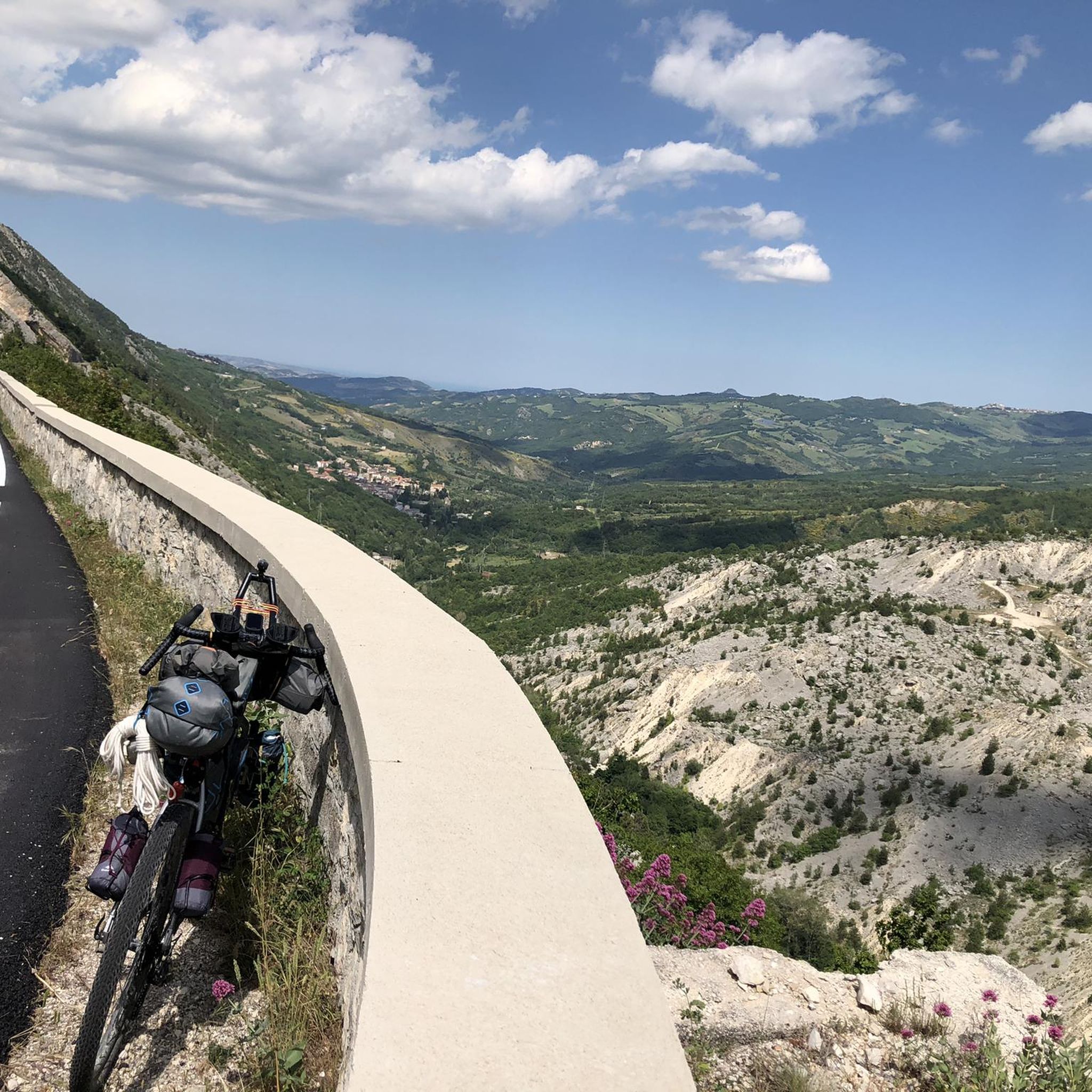
Cycling around Parco Nazionale della Majella
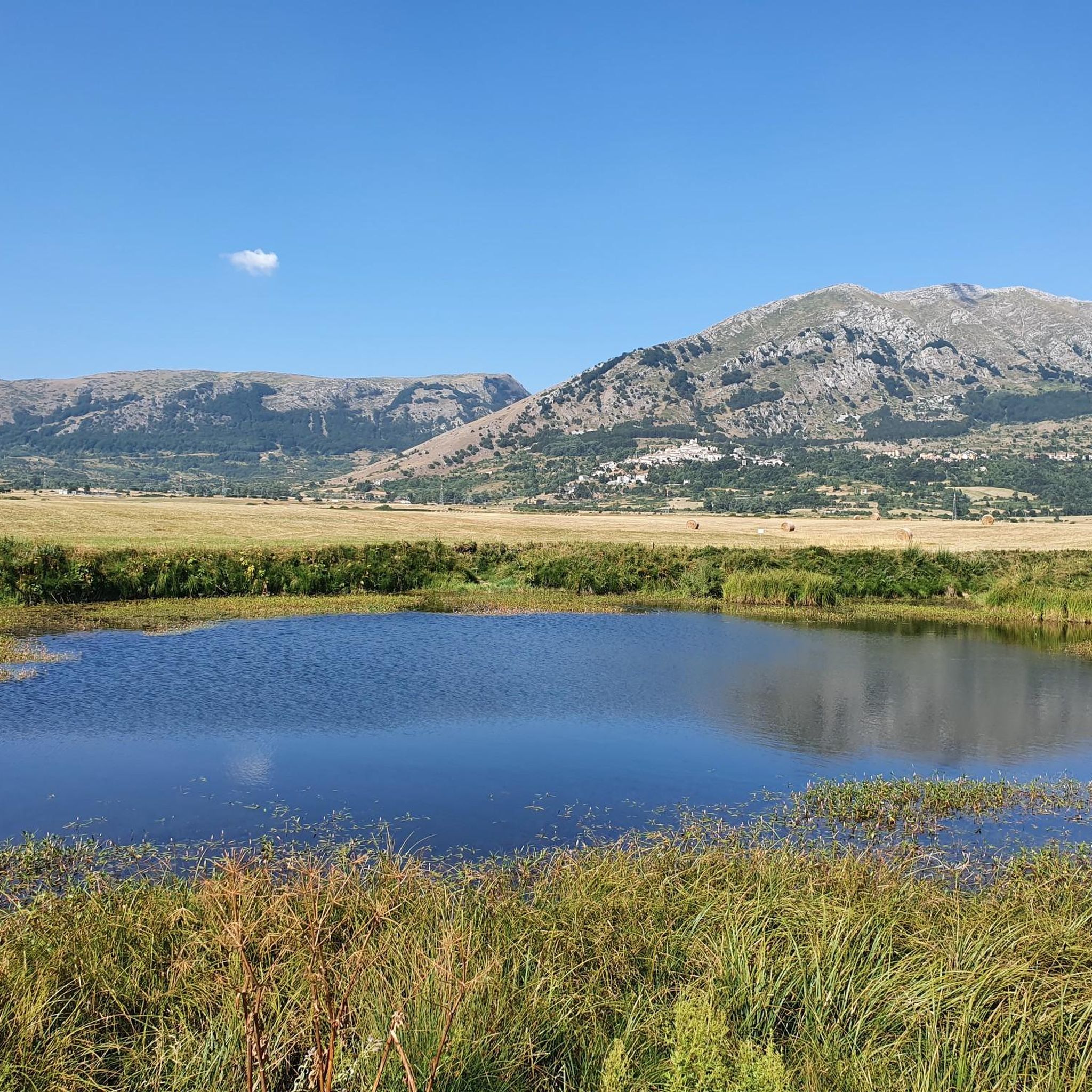
Cycling around Parco naturale regionale Sirente-Velino
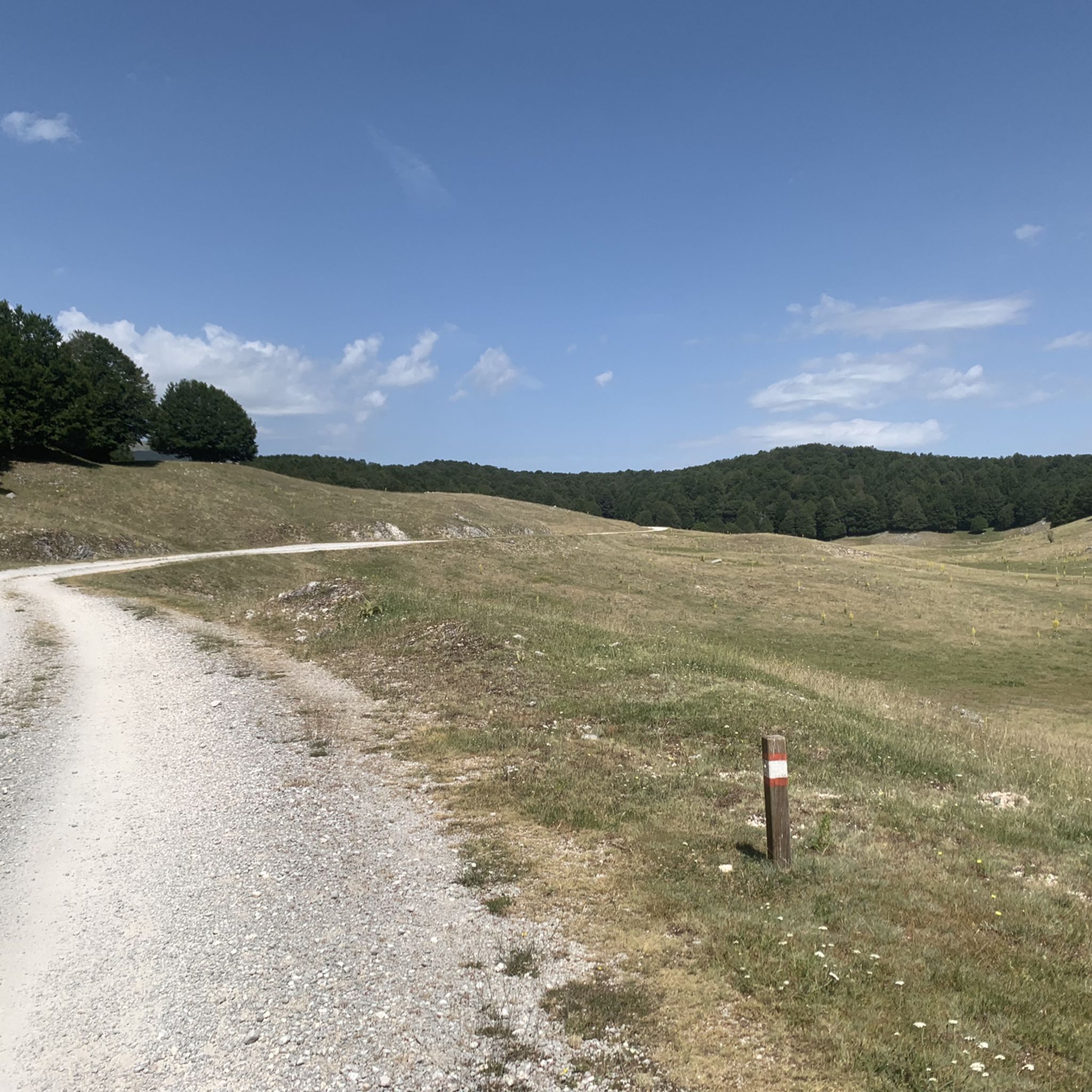
Cycling around National Park of Abruzzo
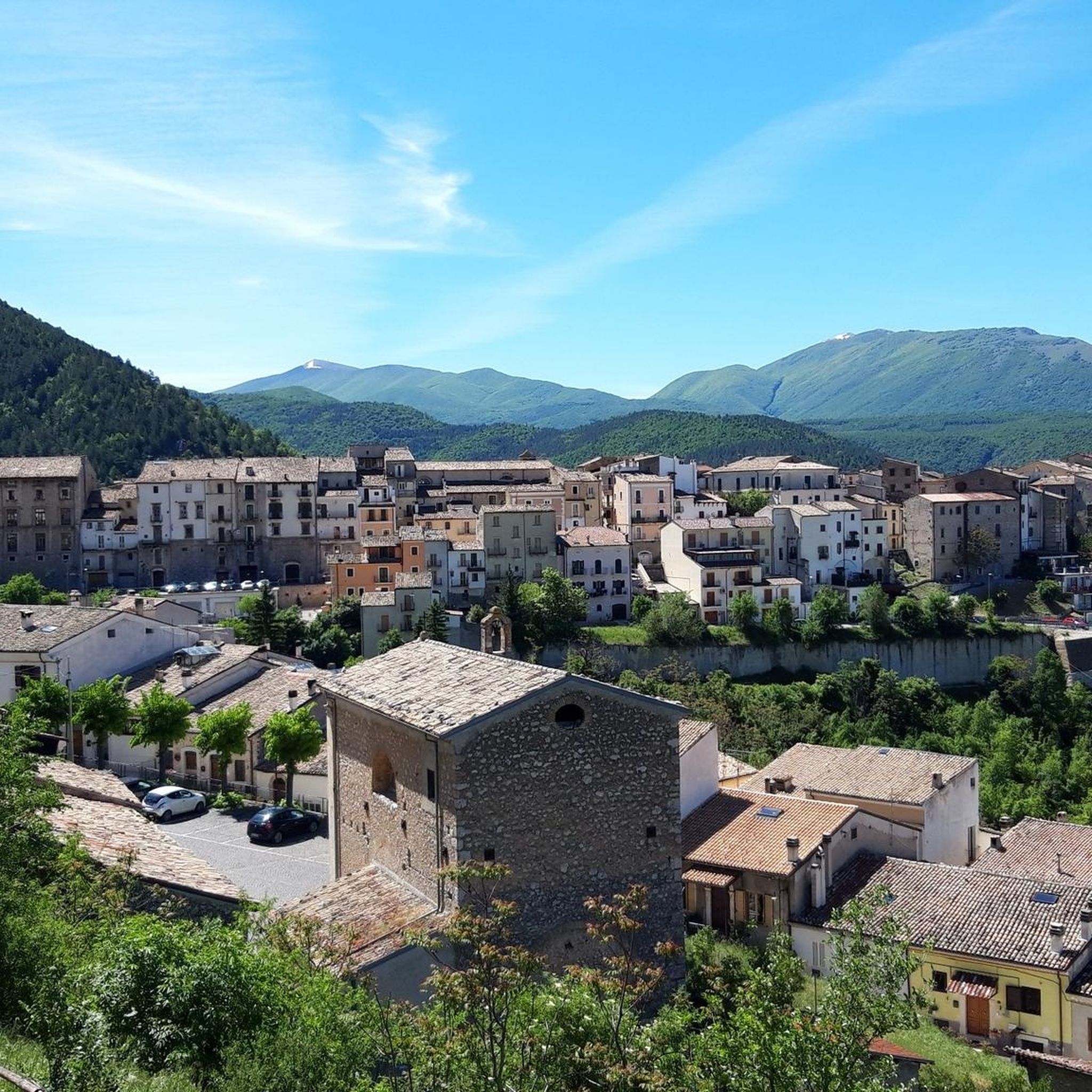
Cycling around Pacentro
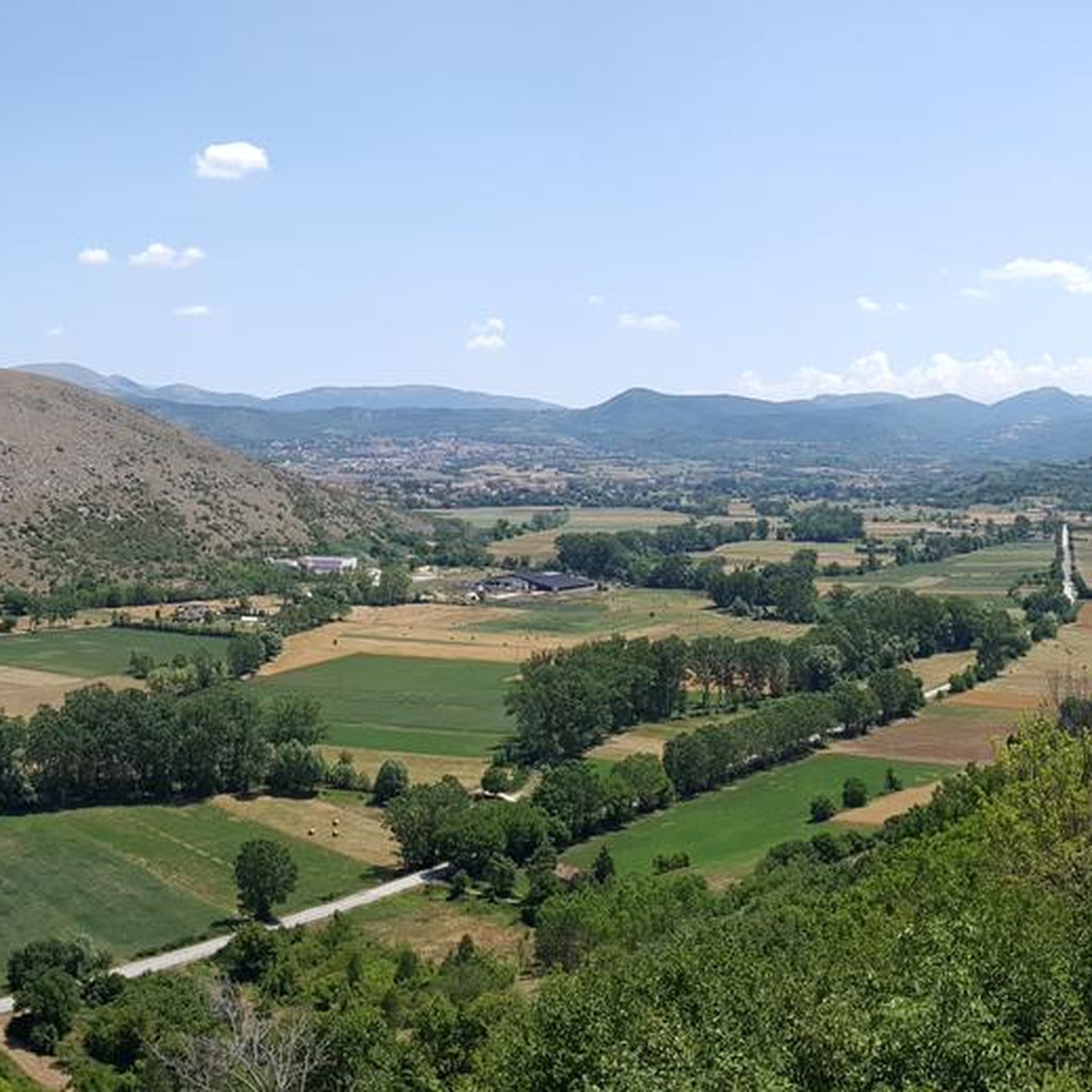
Cycling around Fagnano Alto
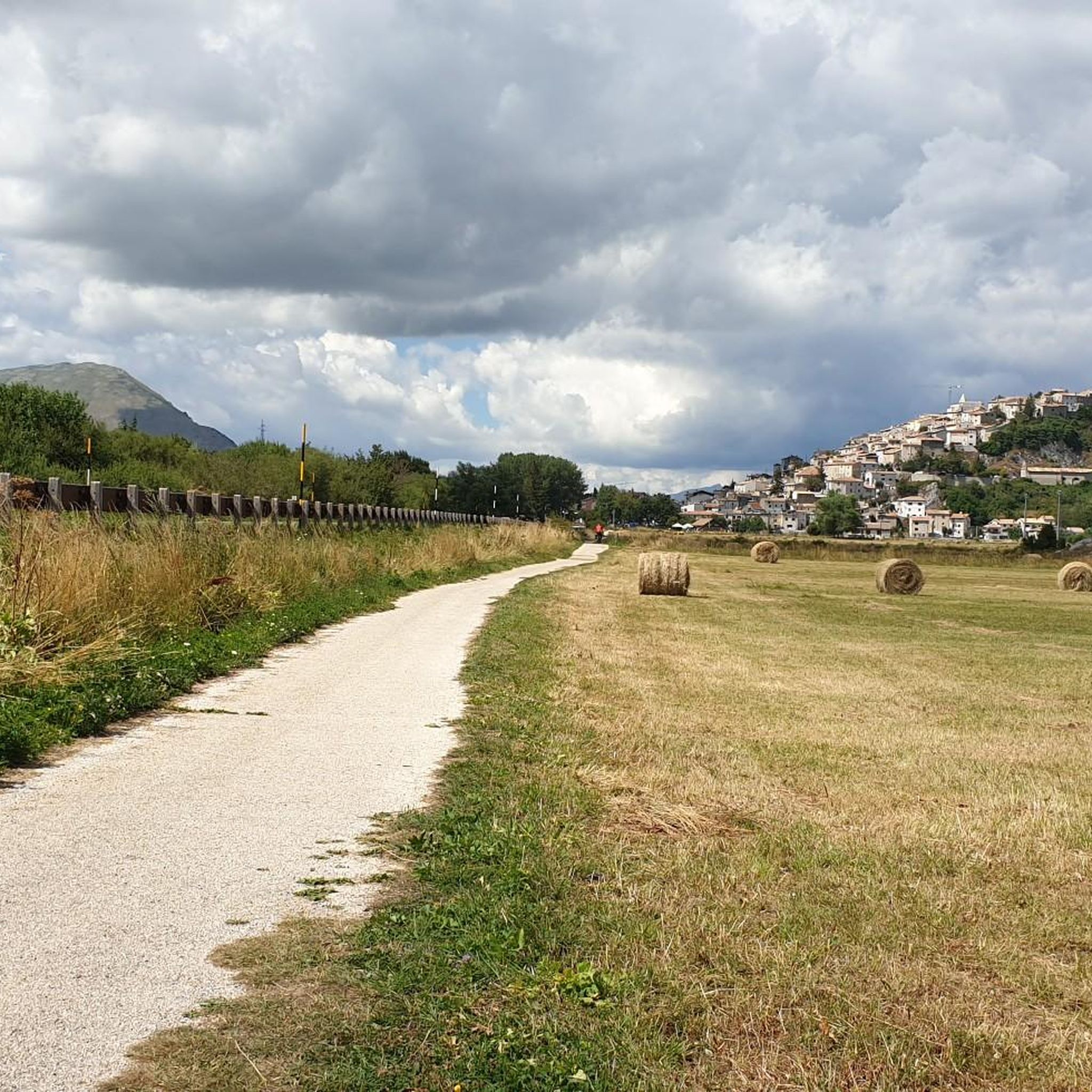
Cycling around Rocca Di Mezzo
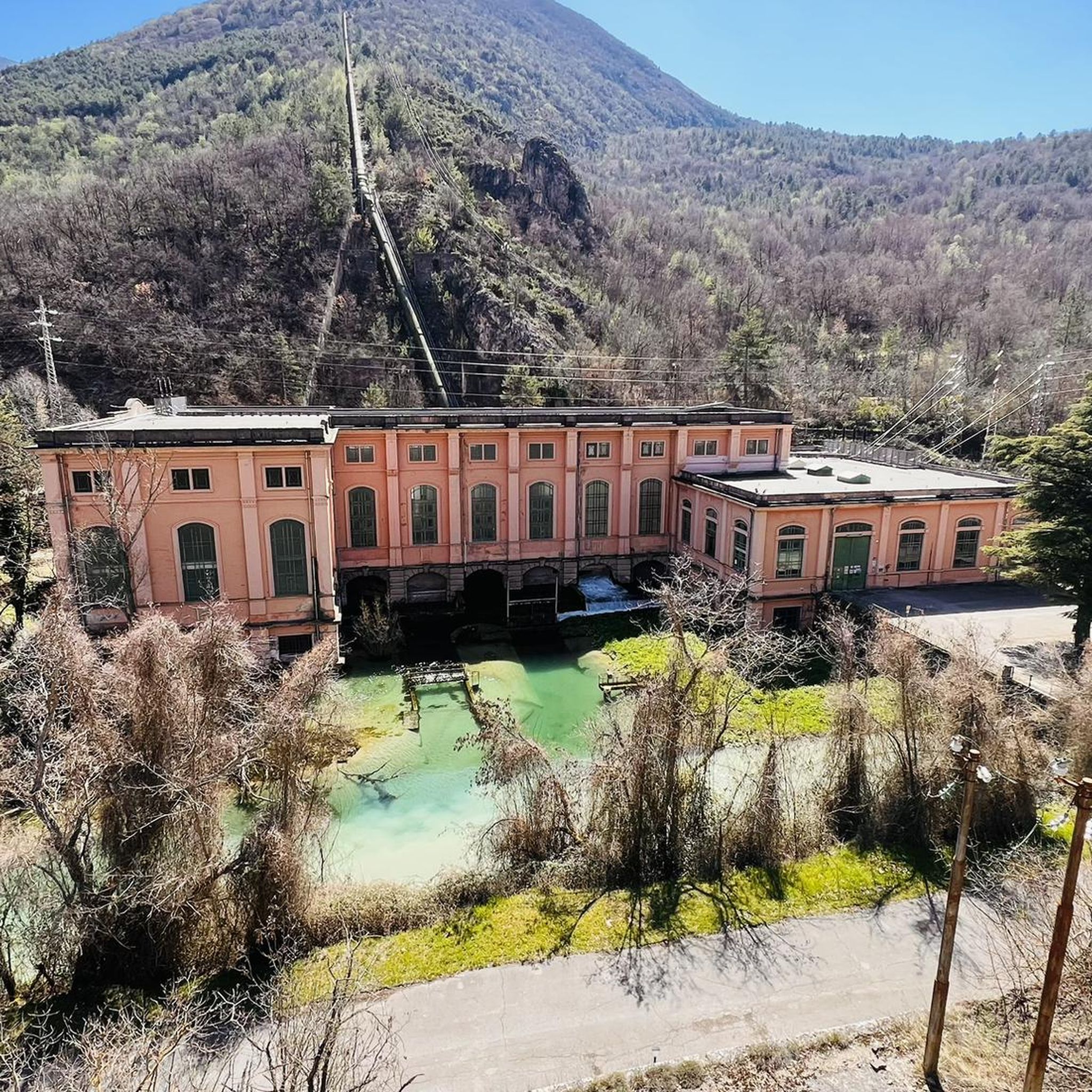
Cycling around Bugnara
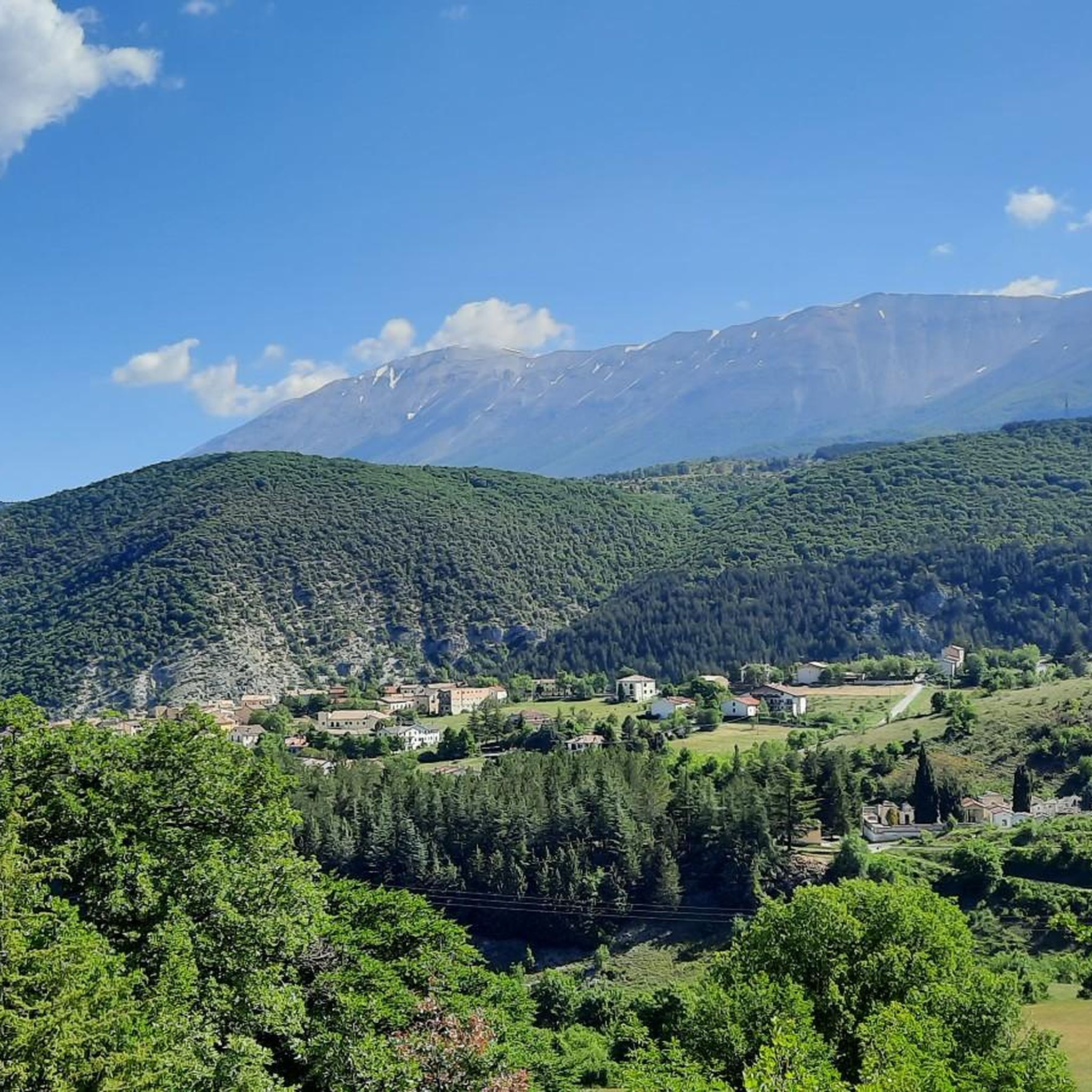
Cycling around Cansano
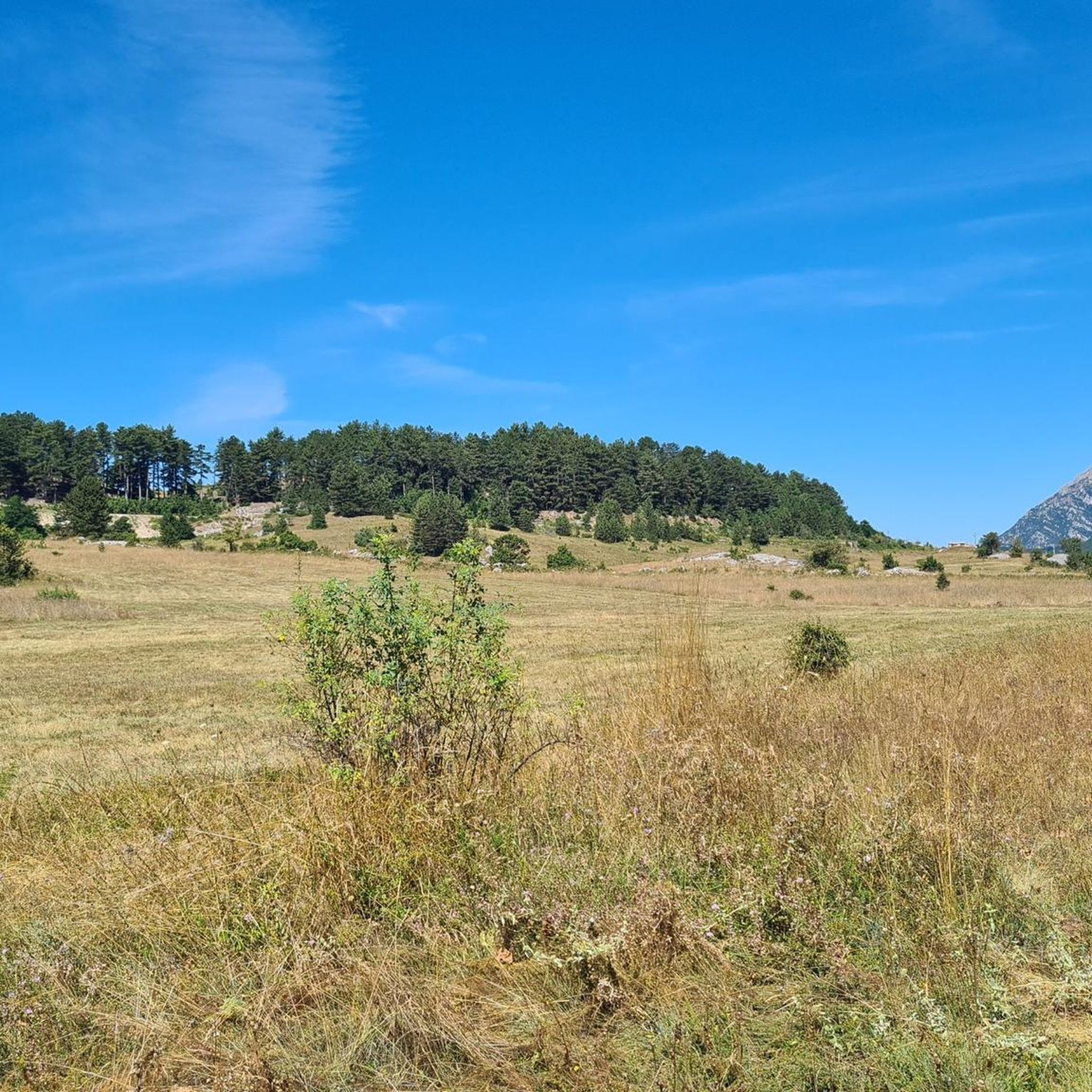
Cycling around Campo Di Giove
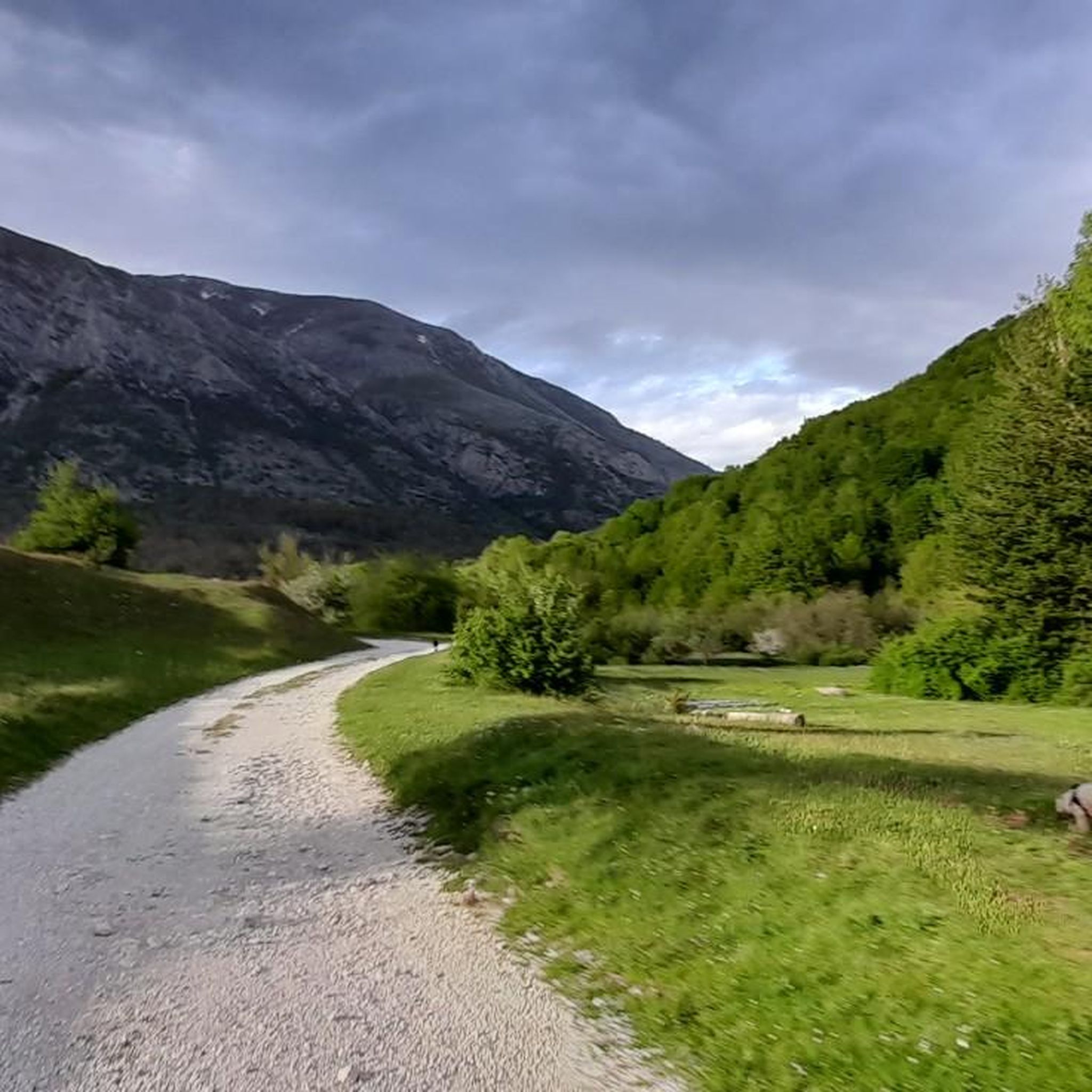
Cycling around Opi
Other adventures in L'Aquila


Tips from the Community

The Chiesa della Madonna della Neve on Campo Imperatore is the highest consecrated church in Italy. The small stone church is located at an impressive altitude of 2,130 meters in the Gran Sasso massif, right next to the historic hotel. A special story: the praying Pope Although the church originates from the fascist regime, the best-known anecdote is connected to a man of peace: Pope John Paul II. The Polish Pope was an avid hiker and ski enthusiast. To escape the hustle and bustle of the Vatican, he regularly went incognito to the Abruzzo mountains, where he could walk, pray, and enjoy nature in peace. On June 20, 1993, he paid a discreet visit to Campo Imperatore. During that visit, he officially consecrated the Chiesa della Madonna della Neve. For the inhabitants of the region, this was a special moment, as they knew how strongly John Paul II felt connected to these mountains.
5
0
Historical tidbit: the pope who said 'no' The pontificate of Pope Celestine V lasted only five months. The simple hermit did not feel at all at home amidst the political intrigues and corruption of Rome. That is why he made a decision that was unprecedented at the time: he voluntarily resigned from his office to return to his humble life in the mountains. He thus became the first pope in history to abdicate of his own accord. After his death, his body was interred in the Basilica of Collemaggio. His impressive crystal mausoleum can still be admired there today. A special link with Pope Benedict XVI After the severe earthquake that struck L'Aquila in 2009, Pope Benedict XVI visited the heavily damaged basilica. At the tomb of Celestine V, he silently laid down his own pallium, the woolen shoulder band he had received at his papal inauguration. At that moment, it seemed like a subdued tribute to his predecessor. Only four years later did this gesture take on a deeper meaning. In 2013, Benedict XVI himself voluntarily resigned as pope, the first since the late Middle Ages. His symbolic tribute to Celestine V proved, in retrospect, to be a remarkable harbinger of his own historic decision. Thus, centuries after Celestine V's abdication, the Basilica of Collemaggio once again closed a special chapter in papal history.
5
0
The Basilica of Santa Maria di Collemaggio is undoubtedly the architectural and spiritual jewel of L'Aquila. Located at the end of an impressive green lawn just outside the city walls, this 13th-century church combines a unique Abruzzian Romanesque-Gothic style with a history that forever changed the Catholic Church. The history of the basilica is closely linked to Pietro da Morrone, a devout hermit who had retreated to the remote mountains of Abruzzo. According to tradition, the Virgin Mary appeared to him with the instruction to build a church on the hill of Collemaggio. Construction began in 1287. A few years later, in 1294, the Church found itself in a deep crisis. After the death of the pope, the cardinals had failed to elect a successor for more than two years. Finally, they appointed the simple hermit Pietro as a compromise. To everyone's surprise, he accepted the choice and was crowned Pope Celestine V in this basilica – and not in Rome. Shortly after his coronation, Celestine V issued the "Bulla del Perdono", a papal bull that granted believers full forgiveness of their sins if, with sincere repentance, they passed through the Holy Door (Porta Santa) of the basilica on August 28 or 29. This created the very first Holy Year or Jubilee in the history of the Catholic Church, six years before Rome introduced its own official jubilee. This special tradition, known as "La Perdonanza Celestiniana", is still celebrated every year and has been recognized as intangible cultural heritage by UNESCO.
5
0
Explanation for the difference in the number of gargoyles! One of the most striking facts about the Fontana delle 99 Cannelle is that the fountain has 99 water jets, but only 93 sculpted mask heads. According to legend, L'Aquila was founded by 99 villages, but historical research indicates that there were actually 93. Therefore, in 1272, architect Tancredi da Pentima equipped the fountain with 93 stone masks. To later complete the famous legend of the 99, six additional gargoyles without mask faces were added. According to tradition, these six simple spouts refer to the six wounds of Christ. Thus, the fountain is not only a magnificent monument, but also a unique blend of history, symbolism, and legend. Moreover, for many visitors, it remains a fun challenge to count all 99 water jets themselves.
5
0
Did you know that the Fontana delle 99 Cannelle legend says it has 99 gargoyles, in tribute to the 99 villages that founded L'Aquila? Those who look closely will see stone masks above the gargoyles, which according to tradition represent castle lords or protective spirits. It is striking that there are only 93 mask heads. Historians believe that the remaining six gargoyles were added later to complete the symbolic number 99. The fountain dates back to 1272, and its five water basins were formerly used as a wash place. Numerous legends also circulate around the fountain: for example, the architect is said to have taken the secret of the water source to his grave, and knights would have ritually cleansed themselves here before entering the Basilica di Collemaggio.
5
0

The Lago di Pio, in the charming village of Villa Lago, is a small jewel immersed in nature, perfect for a relaxing break during your hike. A comfortable circular path allows you to go all the way around the lake, offering tranquil views and several panoramic spots, ideal for stopping on the benches and enjoying the silence. This place has become even more special in recent years: starting from 2020, during the lockdown due to covid, deer (especially females) began to approach the village. Over time, they have become accustomed to human presence and today it is possible to encounter them moving freely through the streets of Villa Lago or along the lake shores. A unique experience that makes this stop even more fascinating and memorable.
1
0

Spectacular dirt road with a view of the Maiella.
0
0

Frequently Asked Questions
What kind of terrain can I expect on touring cycling routes in L'Aquila?
L'Aquila's touring cycling routes offer a diverse range of terrains, from challenging mountain ascents in the Gran Sasso d'Italia National Park to vast, high-altitude plains like Campo Imperatore. You'll also find routes through lush valleys, historic villages, and along the Aterno Valley. Many routes, such as the Ascent to Campo Imperatore from Calascio, incorporate gravel sections, making them suitable for gravel bikes.
Are there any easy touring cycling routes suitable for beginners or families in L'Aquila?
Yes, L'Aquila offers several easy touring cycling routes perfect for beginners or families. For example, the Altopiano delle Rocche Bicycle Trail is a gentle option. Another family-friendly choice is the Scanno, Laggo di Scanno e Villalago – giro ad anello, which offers scenic views around the lake. The Lago di Barrea loop in the Parco Nazionale d'Abruzzo, Lazio e Molise is also an easy and picturesque option.
What are some notable natural features or landmarks I can see along the touring cycling routes?
L'Aquila's routes are rich with natural beauty and historical landmarks. You can cycle through the dramatic landscapes of Gran Sasso d'Italia National Park, including the iconic Campo Imperatore plateau. Other routes might take you past the serene Lake Campotosto, or through the Sirente-Velino Regional Natural Park with its beech woods and rural churches. Keep an eye out for stunning gorges like the Gorges of Celano or the Gorges of San Venanzio, and even waterfalls such as the Fonte degli Innamorati Waterfall.
Are there any circular touring cycling routes in L'Aquila?
Yes, many touring cycling routes in L'Aquila are designed as loops, allowing you to start and end in the same location. Popular circular routes include the Tour of Lake Campotosto - Gravel Ring, the Gravel bike ride from Rocca di Cambio towards Val d'Arno, and the Passo San Leonardo and Campo di Giove Loop. The L'Aquila and Rocca di Mezzo – loop tour also offers a great circular experience.
What is the best season for touring cycling in L'Aquila?
The best season for touring cycling in L'Aquila is generally from late spring to early autumn (May to October). During these months, the weather is typically mild and pleasant, making for ideal cycling conditions. Summer offers warm temperatures, especially suitable for high-altitude routes like Campo Imperatore, while spring and autumn provide cooler temperatures and vibrant landscapes. Always check local weather forecasts before heading out, especially for mountain passes like Passo San Leonardo.
What do other touring cyclists enjoy most about the routes in L'Aquila?
The touring cycling routes in L'Aquila are highly rated by the komoot community, with an average score of 4.6 stars from over 900 reviews. Cyclists frequently praise the region's diverse landscapes, from challenging mountain climbs to serene lake loops, and the opportunity to explore historic villages. The unique, almost 'non-Italian' feel of the Campo Imperatore plateau is often highlighted as an extraordinary experience.
Are there any challenging touring cycling routes for experienced riders?
Absolutely. L'Aquila is known for its challenging routes, particularly those venturing into the Gran Sasso d'Italia National Park. The Ascent to Campo Imperatore from Calascio is a prime example, featuring significant elevation gain and demanding sections. Other difficult routes include the Sentiero Italia CAI Cycle Route and the Pescasseroli and Opi Loop, which offer substantial climbs and rewarding views.
Can I find places to eat or drink along the touring cycling routes?
While specific cafes and pubs vary by route, the region is dotted with medieval hamlets and villages where you can often find local eateries. In areas like Fonte Vetica near Campo Imperatore, you might find opportunities to sample local gastronomy, such as 'arrosticini'. Planning your route with komoot allows you to identify towns and villages where you can stop for refreshments or meals.
Are there any specific viewpoints or panoramic spots along the touring cycling trails?
L'Aquila offers numerous breathtaking viewpoints. The Campo Imperatore plateau itself provides expansive, panoramic vistas, often referred to as 'Little Tibet'. The climb to Campo Imperatore offers continuous spectacular mountain scenery. Additionally, the fortress of Rocca Calascio, perched at 1,460 meters, offers dramatic views of the surrounding mountains and valleys, making it a popular stop for its scenic beauty.
Is public transport available to access touring cycling routes in L'Aquila?
Public transport options in the L'Aquila region can be limited, especially for reaching more remote trailheads in the national parks. While regional buses connect major towns, their capacity for bicycles may vary. It's advisable to check local bus schedules and policies regarding bicycle transport in advance if you plan to use public transport to access your starting point.
Where can I park my car when starting a touring cycling route in L'Aquila?
Parking availability varies depending on the specific starting point of your chosen route. Many towns and villages that serve as gateways to the cycling trails, such as Calascio or Rocca di Cambio, will have designated parking areas. For routes within national parks, look for visitor centers or trailheads which often provide parking facilities. Always check local signage for parking regulations.
Are there any specific mountain passes that are popular for touring cyclists in L'Aquila?
Yes, L'Aquila is home to several iconic mountain passes that are popular among touring cyclists. Passo San Leonardo is a well-known pass, often included in challenging loops like the Passo San Leonardo and Campo di Giove Loop. Other notable passes in the region include Capo la Serra Pass and Maccione Pass, offering significant elevation gains and stunning views.
Most popular routes in L'Aquila
Most popular attractions in L'Aquila

Get inspired with the komoot mobile app


Didn’t find what you were looking for?
Check out more Cycling routes throughout L'Aquila below and find the perfect route in your destination.
