Attractions and Places To See in Venezia - Top 20
Best attractions and places to see in Venezia include a rich array of notable landmarks, cultural sites, and natural features. The city is defined by its intricate waterways, the Grand Canal, and the surrounding Venetian Lagoon, which encompasses various islands. Visitors can explore historical architecture, significant art collections, and unique island communities. Venezia offers a diverse landscape from its urban core to peaceful lagoon islands and protected natural reserves.
Best attractions and places to see in Venezia
- The most popular…
Last updated: August 17, 2026
St. Mark's Square
Highlight • Historical Site
Translated by Google •
Tip by

Rialto Bridge
Highlight • Bridge
Translated by Google •
Tip by

Sign up now to discover places like this
Get recommendations on the best single tracks, peaks, & plenty of other exciting outdoor places.
Sign up for free
Via Pordelio Cycle Path
Highlight (Segment) • Cycleway
Translated by Google •
Tip by

St. Mark's Basilica
Highlight • Religious Site
Translated by Google •
Tip by

Pordelio Cycle Path
Highlight • Cycleway
Translated by Google •
Tip by

Casson Canal Cycle Path
Highlight (Segment) • Cycleway
Translated by Google •
Tip by
Lio Piccolo
Highlight • Religious Site
Translated by Google •
Tip by

Via Pordelio — Elevated Cycle and Pedestrian Path
Highlight • Cycleway
The new panoramic cycle and pedestrian path for safe mobility.
The first 3.5 km long section of the new cycle path will be inaugurated on July 9th.
Translated by Google •
Tip by

Doge's Palace (Palazzo Ducale)
Highlight • Historical Site
Translated by Google •
Tip by
Accademia Bridge
Highlight • Bridge
Translated by Google •
Tip by
Sign up for free to discover even more attractions in Venezia.
Sign up for free
Already have an account?
Start today with a free account
Your next adventure awaits.
Login or Signup
Popular around Venezia

Via Venezia Alpina – hiking across the Alps to the Adriatic Sea

Budapest to Venice via the beautiful Soča Valley

The "Dream Path" hiking trail – From Munich to Venice in 28 stages
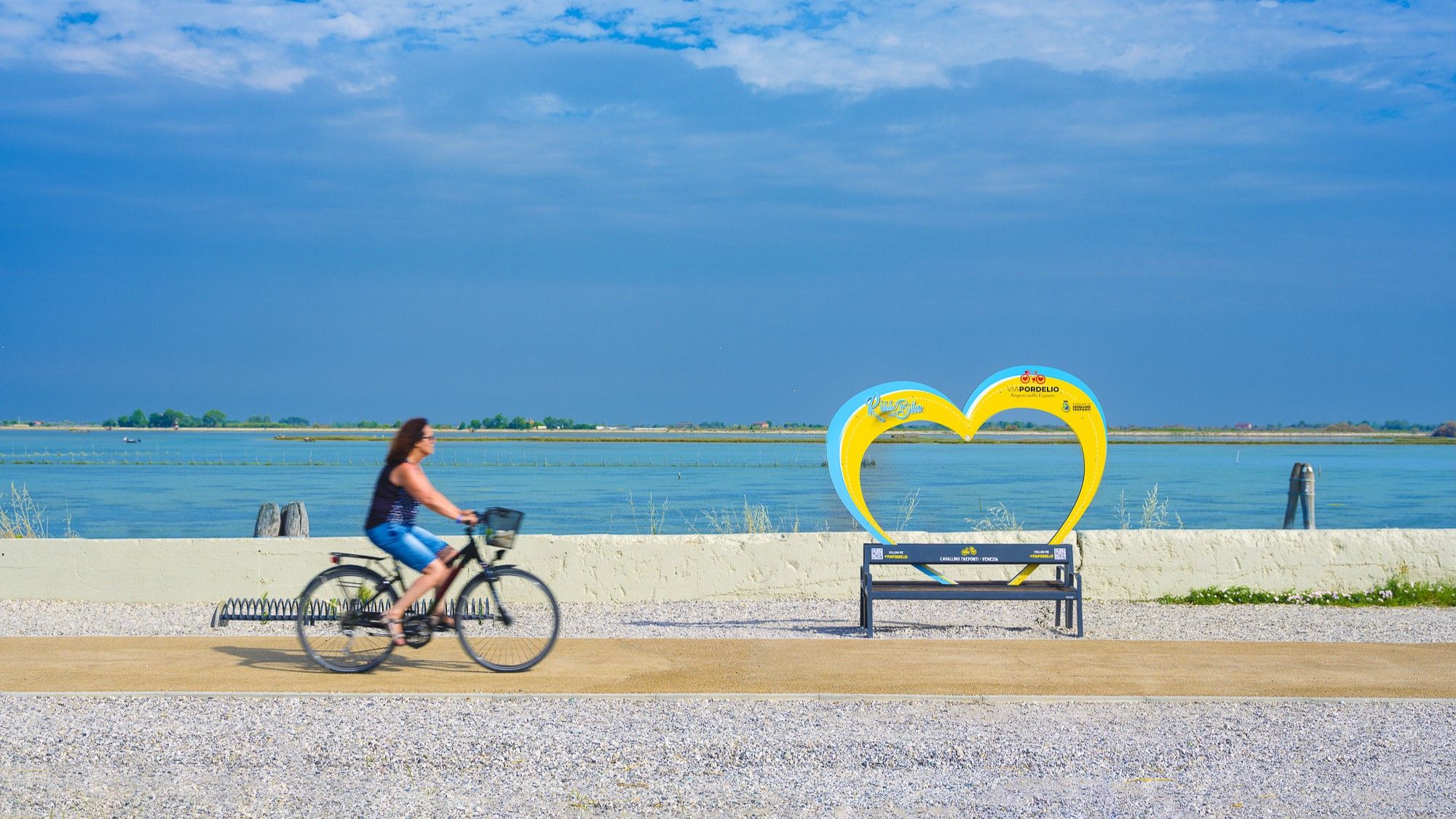
Cavallino Treporti by bike – routes to experience the lagoon
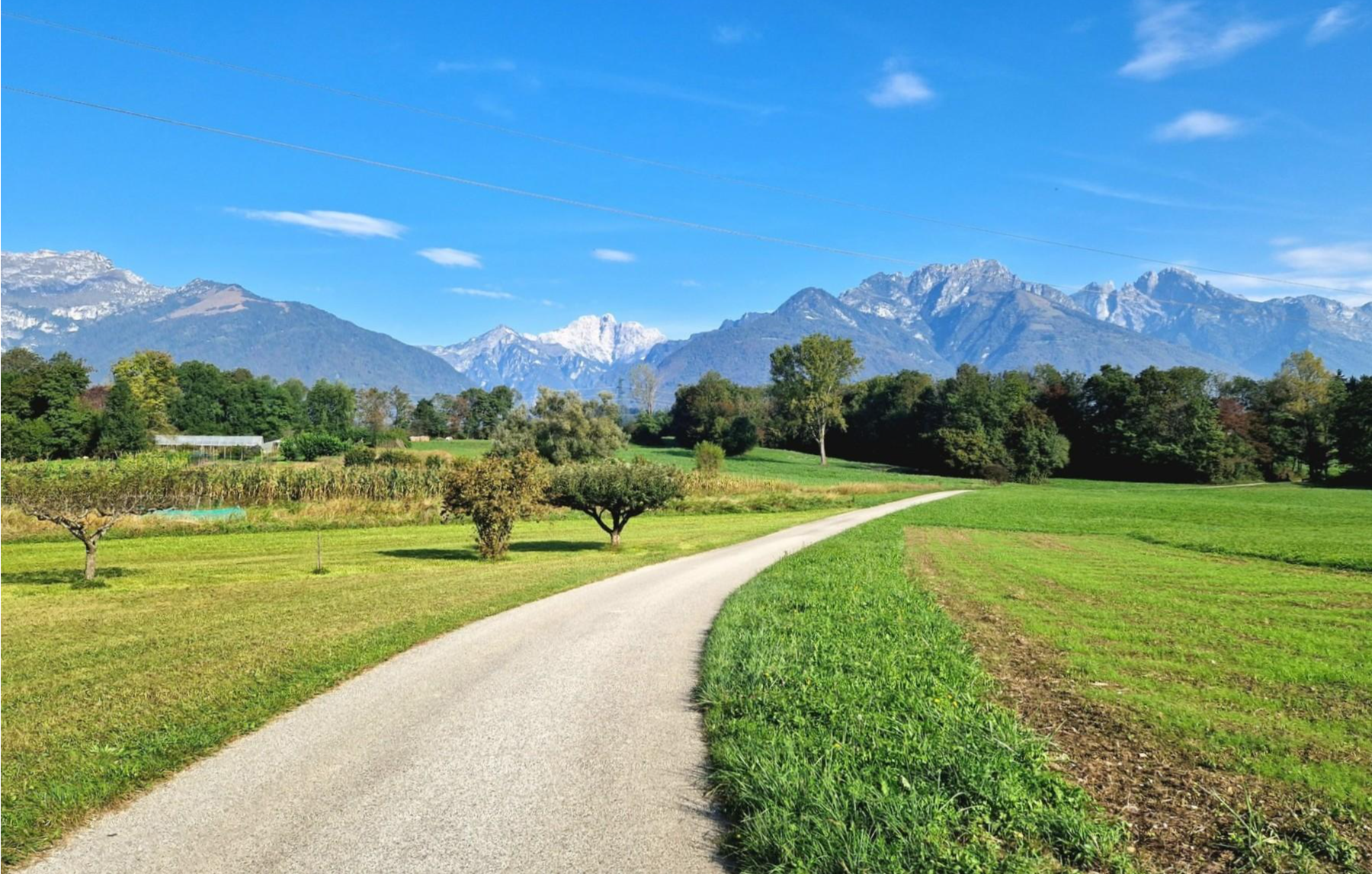
Veneto and Trentino by bike – between the Lagoon and the Dolomites
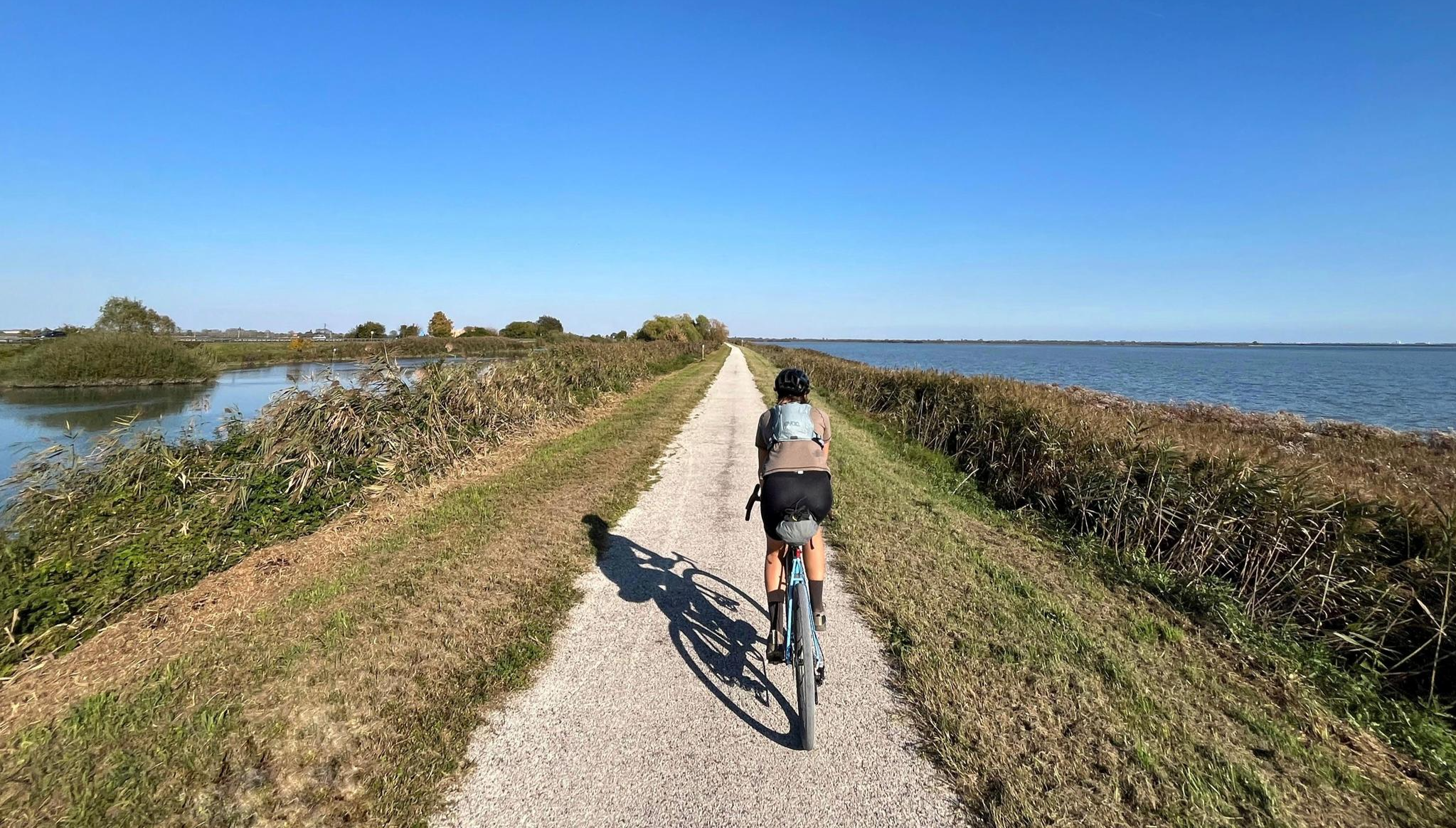
Jesolo Gravel Loop – between sandbanks and archaeology
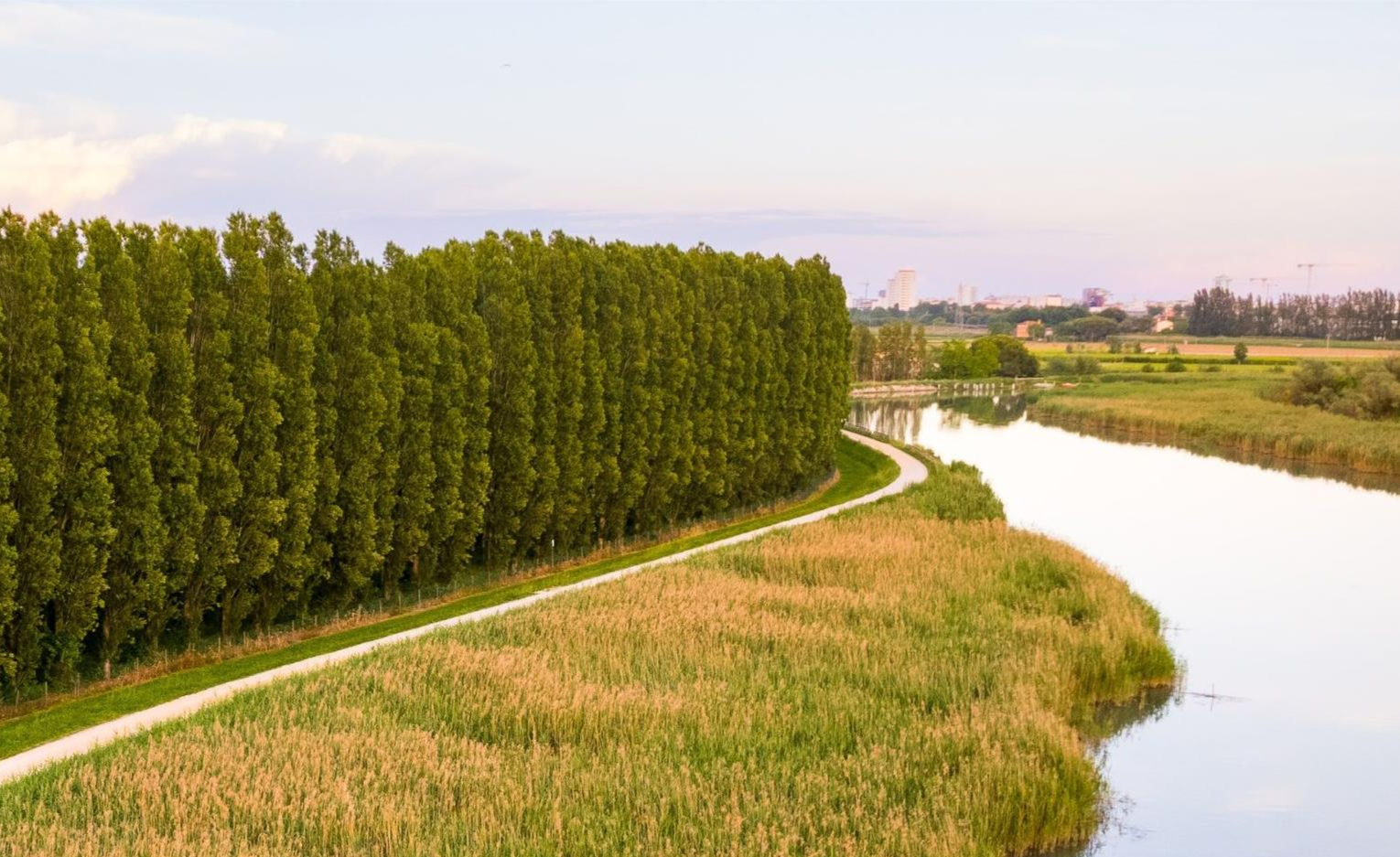
Cycling around Jesolo – between Sile, Piave and lagoon
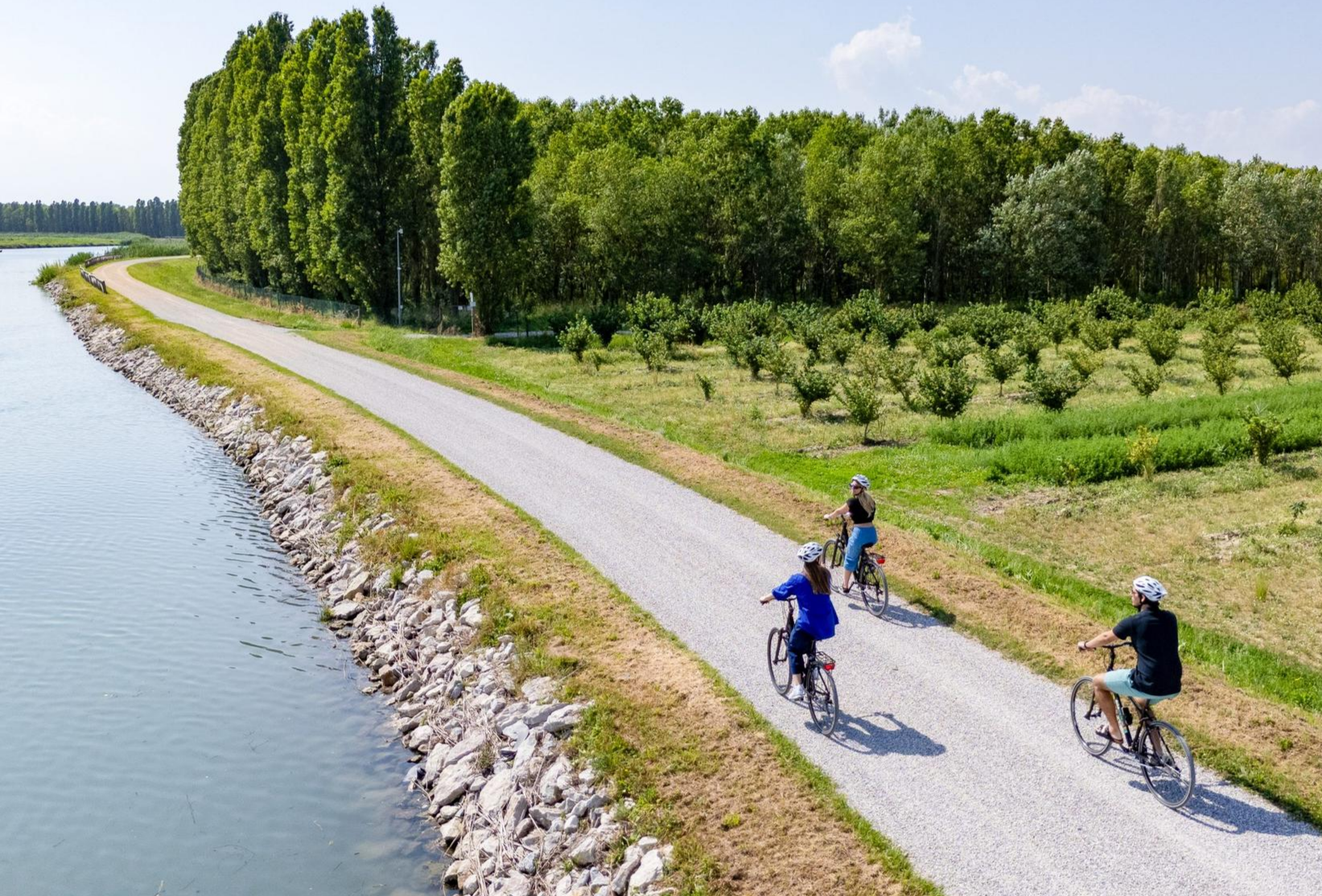
Exploring Jesolo by bike – two wheels, a thousand discoveries
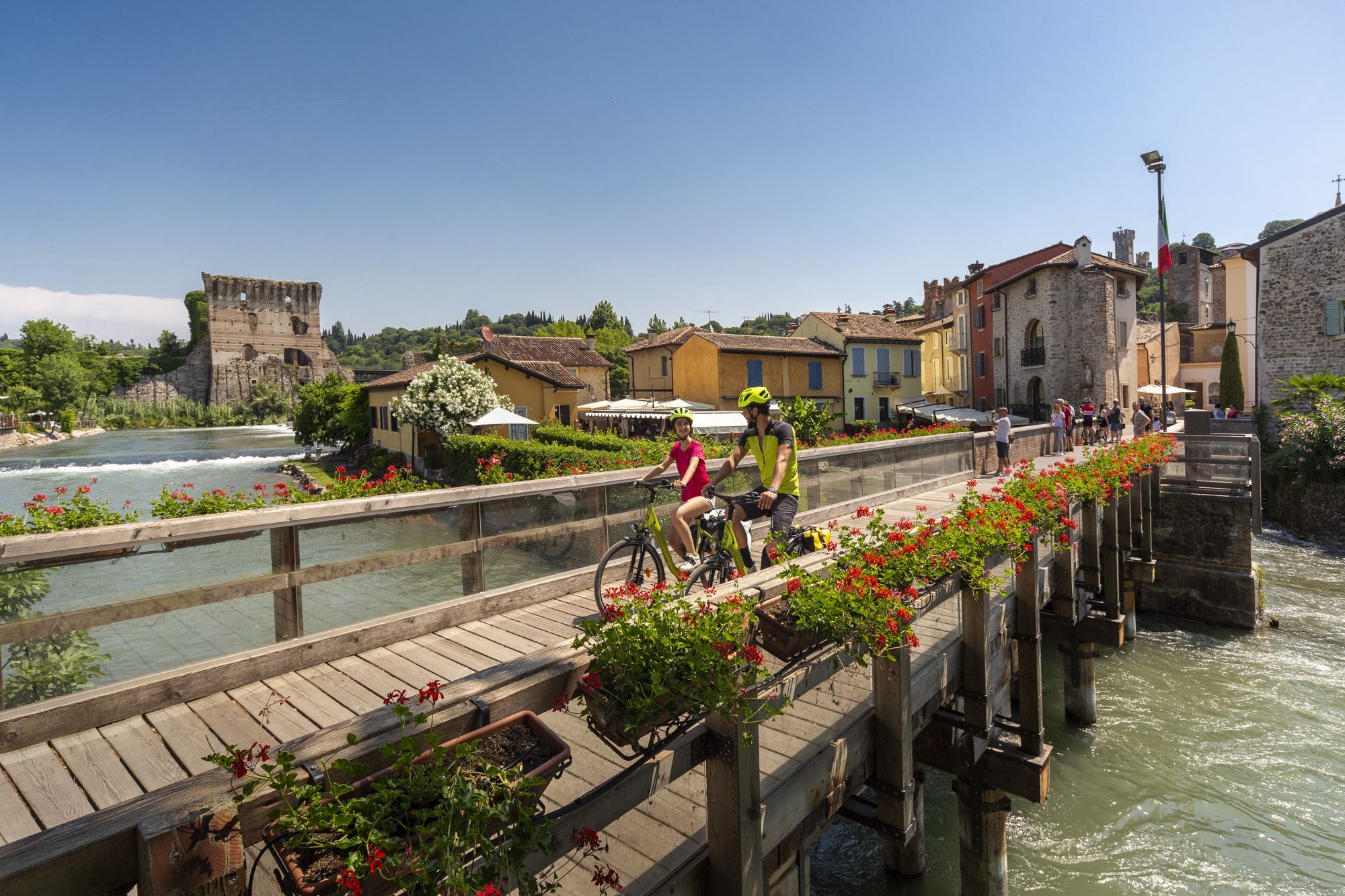
Explore Veneto at a slow pace – day trips by bike
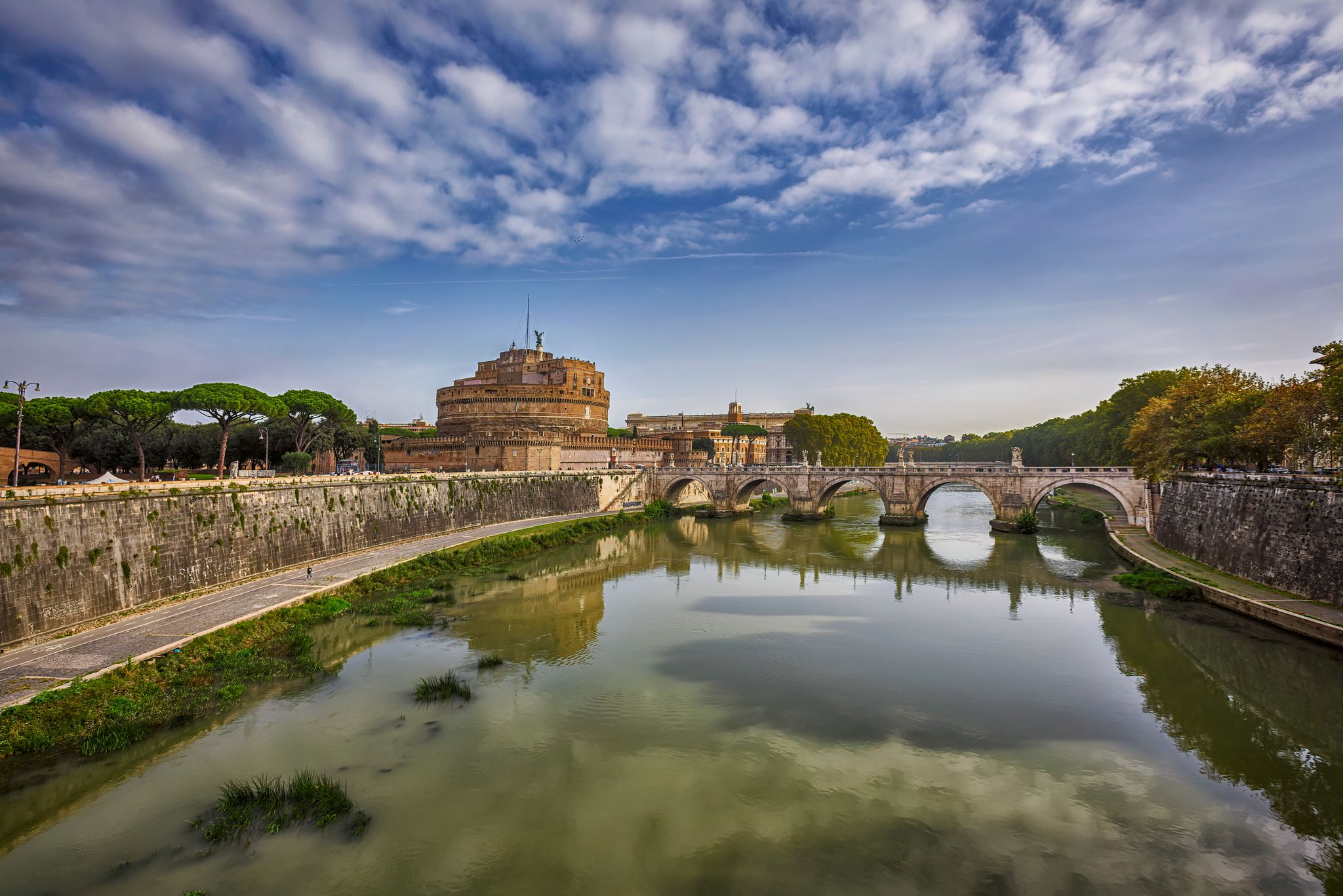
All roads lead to Rome – Romea Tiberina Cycleway
Other adventures in Venezia


Tips from the Community

A sensible construction measure: flood protection and cycle path connected!
1
1

A road that practically runs on the water, beautiful and exciting.
15
0

The square is surrounded by some of the most important buildings in Venice, such as St. Mark's Basilica, the Doge's Palace, the Campanile (St. Mark's bell tower), and the Clock Tower. It is famous for its architectural beauty and rich history, being a meeting point for both locals and tourists.
18
1

The path is well developed and largely (with 2 exceptions) separated from the road and runs along the lagoon. The path is so nice to cycle along that it is very busy. At peak times there is an enormous amount of bicycle traffic, especially with e-bikes. But it is the only path in the area that does not run along the road
2
2

The Doge's Palace – also known as Palazzo Ducale in Italian – is located on Piazza San Marco in Venice. This palace was home to the then head of state of the Republic of Venice. In addition to the head of state himself, there were also several rooms in this palace where offices of political bodies were housed. However, these political bodies no longer play a role, which has created space for a completely different type of layout and filling of the Doge's Palace. Source: https://veelzijdevenetie.nl/dogepaleis.html
8
0

The channel is barely recognizable anymore, it is more like a large lagoon.
12
1
The columns of St. Mark and St. Theodore in Venice are iconic symbols of the city. St. Mark's Column: This column is on the left as you look out toward the lagoon. At the top of this column, you'll find the winged lion of St. Mark, the symbol of the city. You'll see this lion in many places during your tours of Venice. St. Mark's Column was brought from Constantinople and placed in Venice in 1172. St. Theodore's Column: The column of St. Theodore is on the right. At the top of this column, you'll see a figure of St. Theodore treading on a dragon. It's a copy, but the original is in the Doge's Palace. St. Theodore was the patron saint of Venice before the relics of St. Mark were brought. I hope this information is helpful! 😊
15
0

Beautiful cycle path, especially worth it because it is also suitable for children.
3
4
Frequently Asked Questions
What natural features and islands can I explore in Venezia?
Beyond the city's canals, the Venetian Lagoon is home to several unique islands. You can visit Murano, famous for its glass blowing, Burano with its colorful houses and lace-making, or the historically significant Torcello. The Lido of Venice offers a peaceful escape with dune habitats and pine forests, including nature protection oases like San Nicolò and Alberoni. For a serene experience, the island of San Michele serves as Venice's main cemetery, featuring elegant cypress trees.
Are there cycling paths or outdoor activities near Venezia's main attractions?
Yes, Venezia offers several unique cycling opportunities, particularly around the lagoon. The Via Pordelio Cycle Path and the Via Pordelio — Elevated Cycle and Pedestrian Path are notable, with sections cantilevered over the lagoon offering scenic views. The Casson Canal Cycle Path also provides a pleasant route. For more extensive cycling, mountain biking, or running, you can explore various routes listed in the nearby guides, such as Road Cycling Routes in Venezia, MTB Trails in Venezia, and Running Trails in Venezia.
What historical and cultural sites should I visit in Venezia?
Beyond the well-known St. Mark's Square and Basilica, Venezia boasts a rich tapestry of historical and cultural sites. Explore the Doge's Palace, the former seat of Venetian government, or visit the Teatro La Fenice, a stunning opera house. Art enthusiasts will appreciate the Peggy Guggenheim Collection for modern art or the Gallerie dell'Accademia for Venetian masterpieces. The Jewish Ghetto in the Cannaregio district offers a glimpse into a significant historical community, while the Scuola Grande di San Rocco houses an extensive collection of Tintoretto's works.
Are there family-friendly attractions in Venezia?
Venezia offers several family-friendly options. A gondola ride along the Grand Canal is a memorable experience for all ages. Exploring the colorful island of Burano or watching glass-blowing demonstrations in Murano can be engaging for children. The Via Pordelio Cycle Path is also suitable for families looking for an outdoor activity. Many of the city's main landmarks, including St. Mark's Square and the Rialto Bridge, are generally accessible and enjoyable for families to explore together.
What is the best time of year to visit Venezia to avoid crowds?
To avoid the largest crowds, consider visiting Venezia in the early morning or late evening, especially for popular spots like St. Mark's Square. Generally, the shoulder seasons (spring and autumn) or the winter months (excluding Carnival) tend to be less crowded than the peak summer season. March, for instance, can offer clear days with minimal tourist traffic.
Are there any accessible attractions for visitors with mobility challenges?
While Venezia's numerous bridges and steps can pose challenges, some attractions are considered more accessible. St. Mark's Square is a large, flat area. The Rialto Bridge is also listed as wheelchair accessible. Many of the newer cycle paths, such as the Via Pordelio — Elevated Cycle and Pedestrian Path, are designed for safe and sustainable mobility, offering smooth surfaces. It's advisable to check specific accessibility details for individual sites before your visit.
Where can I find the best viewpoints in Venezia?
For panoramic views of Venezia and the lagoon, ascend St. Mark's Campanile. The Rialto Bridge offers classic views of the Grand Canal. For a unique perspective, the Palazzo Contarini del Bovolo is known for its spiral staircase providing impressive rooftop views. The Fondaco dei Tedeschi, a shopping center, also offers free rooftop views over the Rialto Bridge and Grand Canal, though advance booking is recommended. The Basilica di Santa Maria della Salute provides a beautiful view, especially at sunset, from its location at the mouth of the Grand Canal.
What are some unique cultural experiences in Venezia?
Beyond the major museums, Venezia offers unique cultural experiences. Witness traditional glass-blowing in Murano's workshops or learn about Venetian mask making at various ateliers. Explore the art-filled churches like the Frari Church (with masterpieces by Titian) and the Church of San Zaccaria (featuring Bellini's Madonna Enthroned). The Scuola di San Giorgio degli Schiavoni houses Carpaccio's St. George and the Dragon, offering a glimpse into Venetian religious fraternities.
How can I experience Venezia's local life and markets?
To experience local life, visit the Rialto Market near the Rialto Bridge, where you can find fresh produce and local delicacies. The Dorsoduro and Cannaregio districts are known for their more residential and lively atmospheres, offering a glimpse into everyday Venetian life away from the main tourist hubs. You can also find local cafes and pubs in these areas.
What are some lesser-known or 'hidden gems' in Venezia?
For a quieter experience, explore the Castello District, a more residential neighborhood with tranquil canals. The Palazzo Contarini del Bovolo, with its unique spiral staircase, offers impressive views away from the main crowds. The island of Lio Piccolo, a series of small islands in the Venetian lagoon, provides a serene escape with a rural feel. The Giardini della Biennale in Castello also offers a natural setting with views over the canals, especially outside of festival times.
How long does it typically take to visit the Doge's Palace?
A visit to the Doge's Palace can take anywhere from 2 to 4 hours, depending on your interest in Venetian history, art, and architecture. The palace is extensive, offering insights into Venice's political power and housing a museum with Venetian art, weapons, and armor, along with the famous Bridge of Sighs.
What are the best places for a coffee or drink in Venezia?
For a historic experience, visit Caffè Florian, the oldest café in Venezia, located in St. Mark's Square. Nearby, Harry's Bar is famous as the birthplace of the Bellini cocktail. For a more local feel, explore the Dorsoduro and Cannaregio districts, which are known for their vibrant student populations and numerous cafes and pubs.
Most popular routes in Venezia
Most popular attractions in Venezia

Get inspired with the komoot mobile app


Didn’t find what you were looking for?
Are you keen on exploring more awesome places nearby? Browse our guides:
Explore more
Still not found the Highlight you’re looking for? See guides of the top attractions in other regions:
