Top 11 Castles in Leiria
Best castles in Leiria are found throughout the district, each with a distinct history and architectural style. These historical sites are often situated on strategic hilltops, providing views of the surrounding landscape. The region's fortifications reflect centuries of Portuguese history, from military strongholds to royal residences. Leiria offers 10 castles to explore, providing insights into the area's past.
Best castles in Leiria
- The most popular castles is Fort of Saint John the Baptist of the Berlengas, a castle that…
Last updated: October 2, 2026
Óbidos Castle
Highlight • Castle
Translated by Google •
Tip by

Óbidos Castle
Highlight • Castle
Translated by Google •
Tip by
Sign up now to discover places like this
Get recommendations on the best single tracks, peaks, & plenty of other exciting outdoor places.
Peniche Fortress
Highlight • Castle
Translated by Google •
Tip by

Leiria Castle
Highlight • Castle
Translated by Google •
Tip by

Fort of Saint John the Baptist of the Berlengas
Highlight • Castle
Its military structure is the most significant construction in the Berlengas and the most iconic element of the archipelago.
Translated by Google •
Tip by

Porto de Mós Castle
Highlight • Castle
Translated by Google •
Tip by

Óbidos Castle Wall Walk
Highlight • Castle
Translated by Google •
Tip by

Pombal Castle
Highlight • Castle
It stands atop a rocky outcrop beside the Arunca River, overlooking the city of Pombal.
Built between 1156 …
Translated by Google •
Tip by

Fort of Peniche
Highlight • Castle
Translated by Google •
Tip by

Santiago da Guarda
Highlight • Historical Site
Translated by Google •
Tip by

Start today with a free account
Your next adventure awaits.
Popular around Leiria
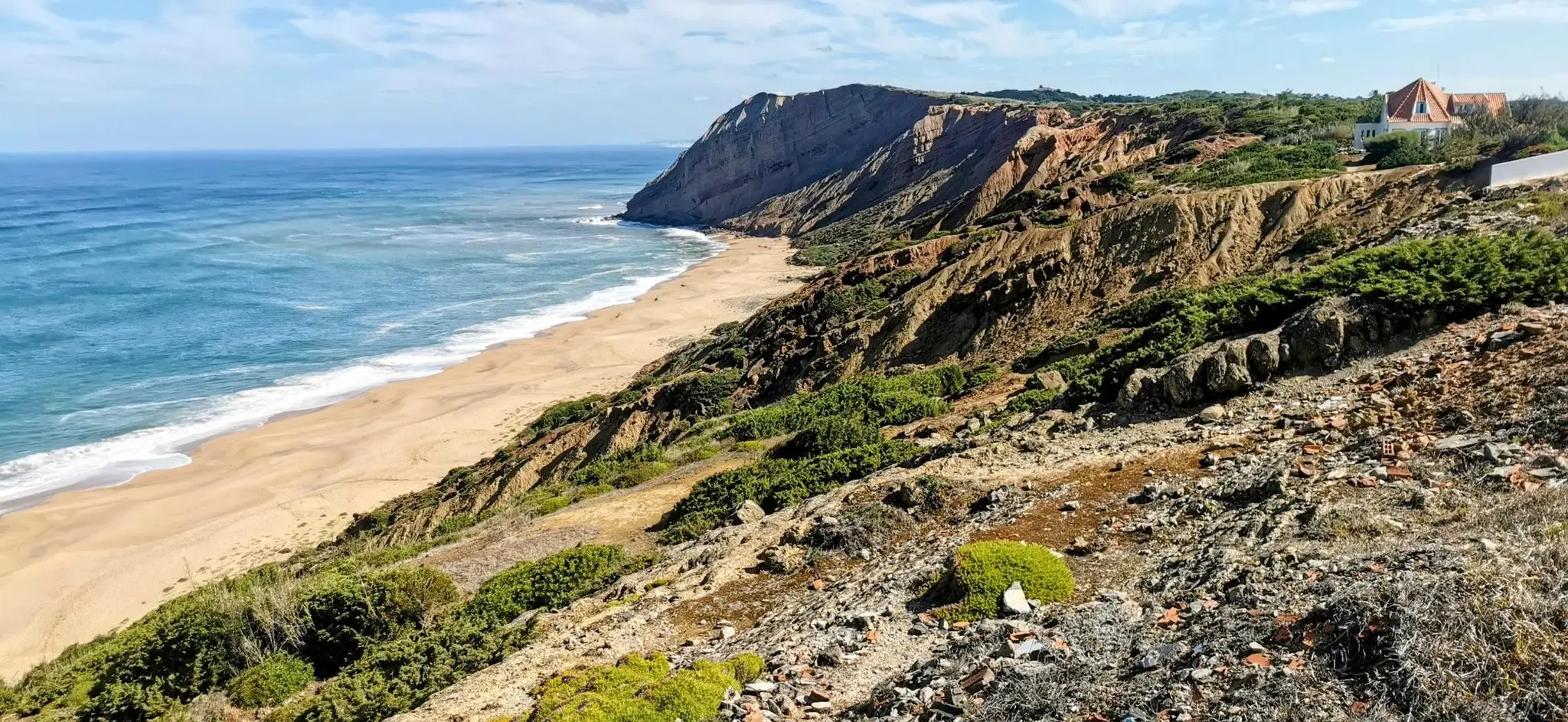
EuroVelo 1 Portugal – Cycle the Atlantic Coast
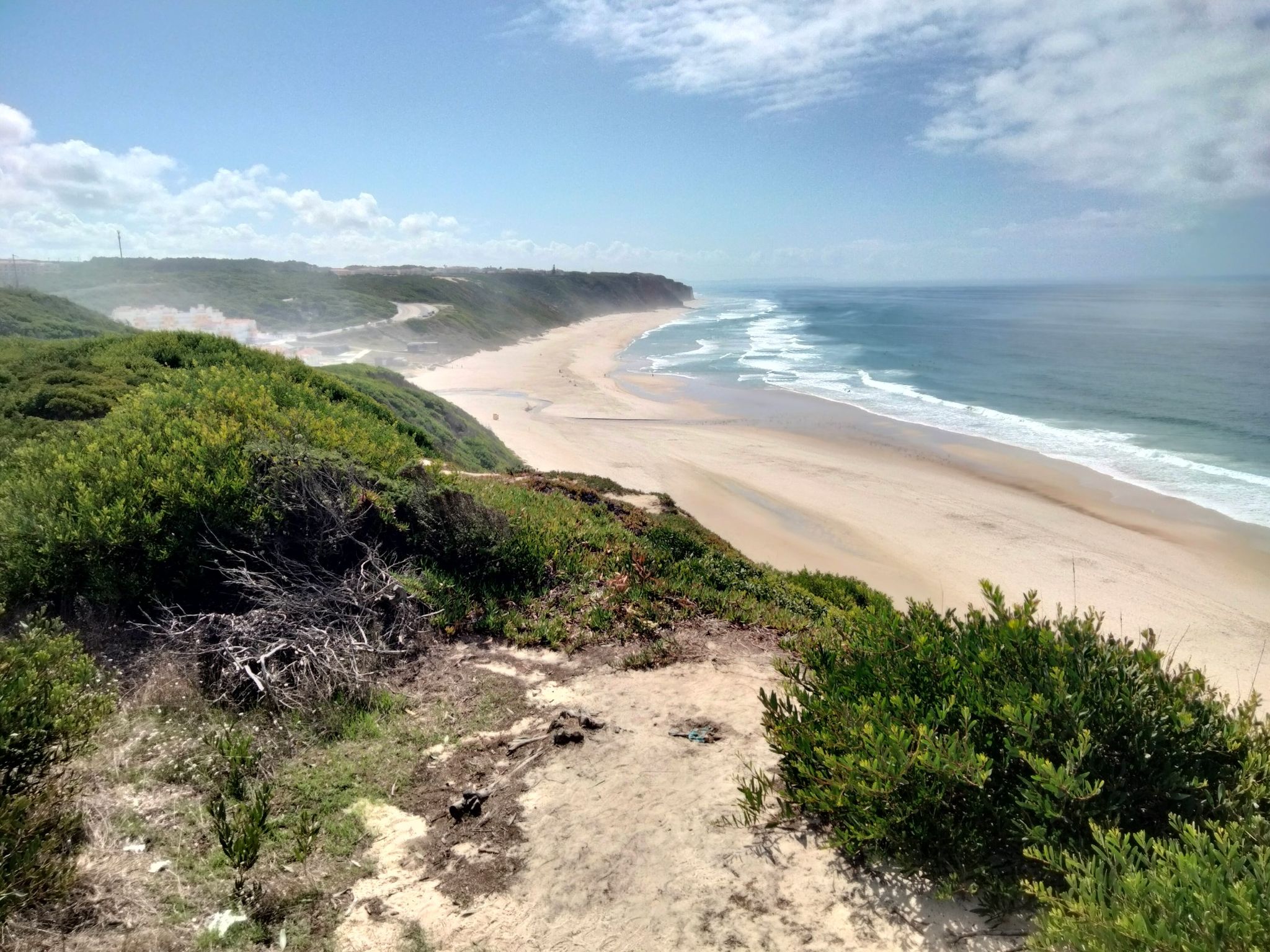
Portugal's Atlantic coast (north) – from Caminha to Lisbon
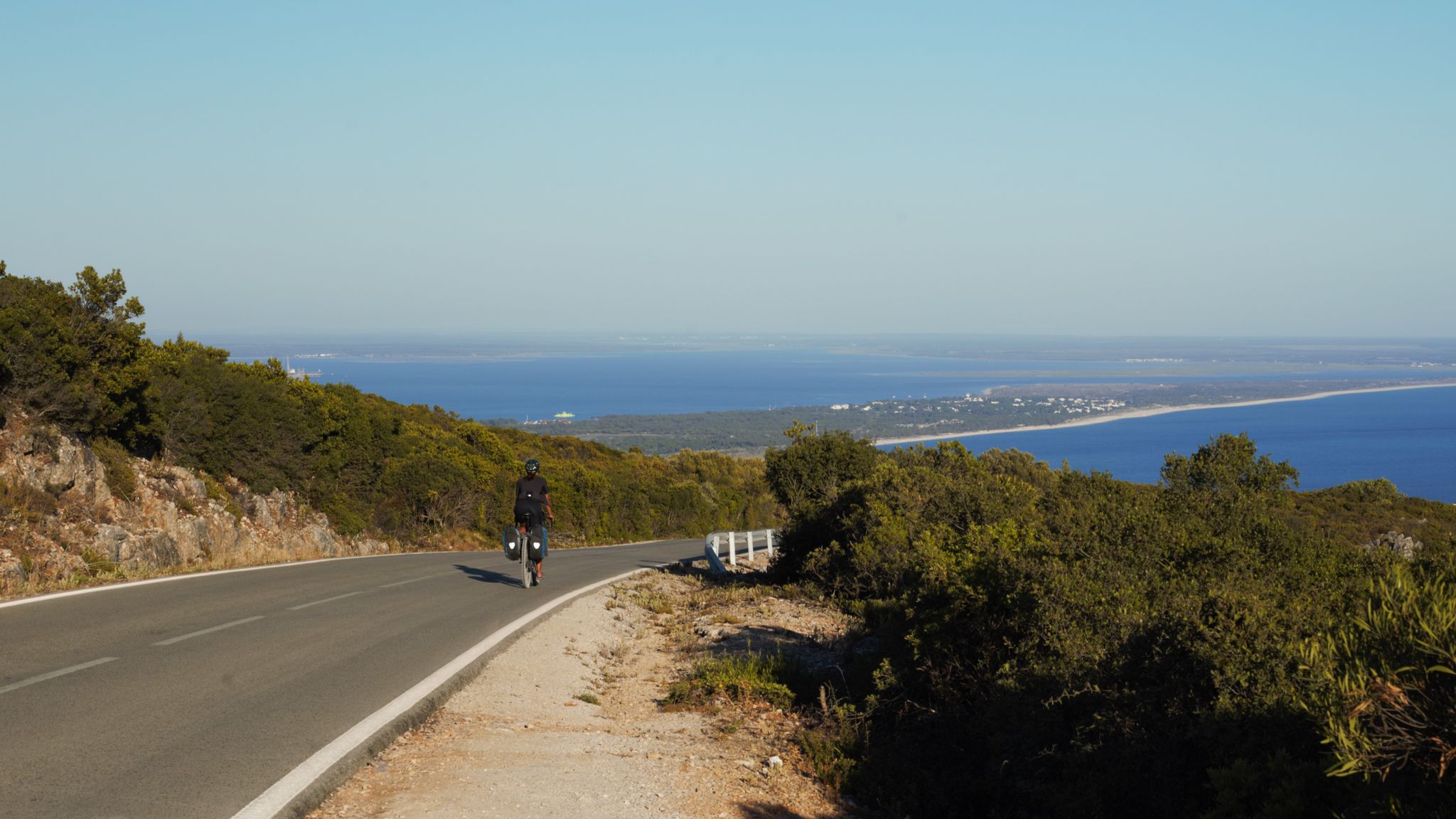
The breaking waves – cycle along the Atlantic coast of Portugal

Bikepacking across the Portuguese mountains
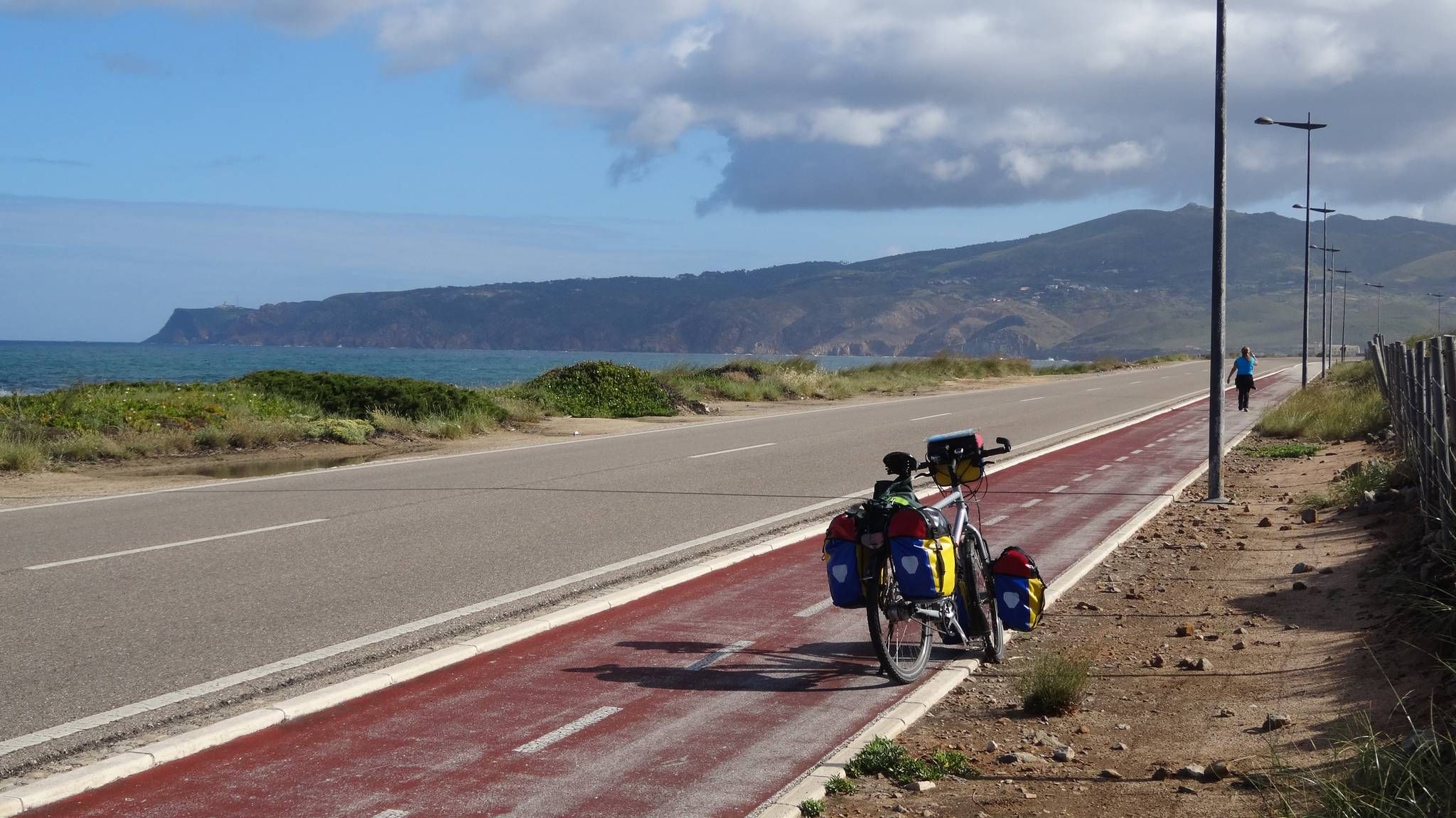
Bike Touring along Portugal's Atlantic Coast from Lisbon to Porto
Terras de Sicó (GR 26) – o Coração Cársico de Portugal
Hiking in Leiria
Cycling in Leiria
Road Cycling Routes in Leiria
Running Trails in Leiria
Other adventures in Leiria


Tips from the Community

Served as a defense for Coimbra and as an outpost against the Moors. The complex was historically never involved in hostilities. Admission is free. Free parking is available directly at the castle.
1
0

The Santiago da Guarda Monumental Complex is an unmissable stop, where history unfolds in layers. Classified as a National Monument, it stands out for its Manueline elegance, its 14th-century manor tower, and the impressive Roman mosaics that reveal an ancient villa from the 4th and 5th centuries. The old road between Tomar and Coimbra passed through here, later used by pilgrims on their way to Santiago. Surrounded by the limestone landscape and oak groves of the Serra de Sicó, the place invites you to slow down and take a deep breath. Take the opportunity to chat with the hospitable people.
1
0
Pombal Castle dominates the landscape and the very history of the city. Built between 1156 and 1171 by the Knights Templar, it formed part of the old Mondego defensive ring, a series of fortresses that protected access to Coimbra after the Reconquista. Over the centuries it suffered attacks, including those from Napoleonic troops, and fell into ruin. Today, the castle has once again become a vibrant and accessible space, a privileged viewpoint and an essential landmark of Pombal's identity.
3
1

Pombal Castle, one of the most important Templar monuments in central Portugal: It stands atop a rocky outcrop beside the Arunca River, overlooking the city of Pombal. Built between 1156 and 1171 by Gualdim Pais, Grand Master of the Knights Templar, on the site of an ancient Roman fort and Arab fortress. It formed part of the Templar defensive line to protect Coimbra and launch offensives against the Muslims.
5
1

A very impressive castle, still well-preserved. The complex includes: Pena Church, the Royal Palace, the garden, an exhibition hall, and a small shop. Renovation work was carried out in 2021. The castle can also be visited free of charge on the following dates in 2025: September 23rd - World Sign Language Day September 27th - World Tourism Day October 1st - International Day of Older Persons October 7th - National Castles Day November 17th - International Students' Day November 24th - National Day of Science Culture and World Science Day December 3rd - International Day of Persons with Disabilities
2
0
At your own risk, you can almost completely circumnavigate the city on the historic dam. Four access points lead to this experience.
5
0

- Construction: The fort was built in the 16th century, during the reign of King John III, to protect the town of Peniche from attacks by pirates and corsairs. - Reconstruction: The fort was rebuilt in the 17th century after being damaged by an attack by the English.
1
0

It's impressive how this fortress sits here in the blue water. It's unimaginable under what difficult conditions it was once built. Nevertheless, it makes for a uniquely beautiful photo opportunity, well worth the climb.
2
0
Frequently Asked Questions
What are some of the most historically significant castles in the Leiria region?
The Leiria region is rich in history, with several castles playing crucial roles. Leiria Castle, for instance, dates back to Afonso Henriques in 1135 and reflects centuries of Portuguese history. Óbidos Castle has Roman origins and was reconquered by the first King of Portugal. The Peniche Fortress, while technically a fortress, is historically significant for its role as a political prison during the Estado Novo regime.
Which castles in Leiria offer the best panoramic views?
Many castles in the Leiria region are strategically located on hilltops, providing impressive views. Leiria Castle, perched atop a hill, offers commanding views of the city and surrounding landscape, especially from its Keep. Ourém Castle also provides impressive views from its hilltop location. The Fort of Saint John the Baptist of the Berlengas offers stunning coastal views from its island setting.
Are there any castles in Leiria that are particularly family-friendly?
Yes, several castles in the Leiria region are suitable for family visits. Leiria Castle is considered family-friendly, with its historical attractions and a Keep Museum. The Peniche Fortress, now a museum, offers an educational experience about Portugal's past. Porto de Mós Castle also hosts cultural events and educational programs that can be engaging for families.
What architectural styles can I expect to see in the castles of Leiria?
The castles in Leiria showcase a diverse range of architectural styles, reflecting their long histories and various modifications. Leiria Castle features a blend of Romanesque, Gothic, and Renaissance elements. Porto de Mós Castle exhibits a unique mix of military, Gothic, and Renaissance influences, including distinctive green pyramidal spires. Ourém Castle, a National Monument, has an irregular triangular plan with towers and a medieval cistern.
Is Leiria Castle accessible for visitors with mobility challenges?
Yes, Leiria Castle has undergone renovations to improve accessibility. It can be easily reached via elevators from both the old town and a large car park near the stadium, making it more convenient for visitors with mobility challenges.
How long should I plan for a visit to Leiria Castle?
A visit to Leiria Castle can typically take a few hours to fully explore its various sections, including the Church of Nossa Senhora da Pena, the Royal Palaces, the Keep, and the Keep Museum. Many visitors find it worthwhile to spend ample time to appreciate its historical and architectural details, as well as the panoramic views.
What unique historical aspects does the Peniche Fortress offer?
The Peniche Fortress is most notable for its role as a high-security political prison during Portugal's Estado Novo regime (1934-1974). Today, it houses a museum dedicated to the resistance against the dictatorship, offering a poignant look into this turbulent period. Visitors can explore the prison environment, including the cell of Álvaro Cunhal, a prominent communist leader who famously escaped from the fortress.
What kind of events or exhibitions are held at Porto de Mós Castle?
Porto de Mós Castle is not just a historical site but also a cultural hub. It frequently hosts various cultural events, including exhibitions, concerts, and educational programs, making it a vibrant place to visit beyond its historical significance.
Can I find hiking or cycling routes near the castles in Leiria?
Yes, the Leiria region offers numerous outdoor activities. You can find various hiking routes, such as the 'Óbidos Castle – Óbidos – Town Gate loop from Óbidos' which is an easy 3.7 km walk. For cycling enthusiasts, there are road cycling routes like the 'Óbidos Castle – View of Óbidos Lagoon loop from Peniche' which is a moderate 62.7 km ride. You can explore more options in the Hiking in Leiria and Road Cycling Routes in Leiria guides.
What do visitors particularly enjoy about Óbidos Castle and its surroundings?
Visitors love Óbidos Castle for its well-preserved medieval town. The town itself is considered one of the best-preserved medieval towns in the world, with colorful houses and a charming atmosphere. Many enjoy walking along its tall fortified walls, offering views of the Óbidos Lagoon and the Usseira Aqueduct. It's often described as a beautiful place well worth spending a day exploring.
Are there any castles located on islands or with unique natural surroundings?
Yes, the Fort of Saint John the Baptist of the Berlengas is uniquely situated on the island of Berlenga Grande, part of the Berlengas archipelago. This military structure is the most significant construction in the archipelago and offers a distinct experience with its coastal setting and beautiful views, often involving a hike with many steps.
What is unique about Ourém Castle's architecture?
Ourém Castle, a National Monument, is considered one of the most beautiful castles in Portugal. Its architecture is unique with an irregular triangular plan and towers at each vertex. A notable feature is its medieval cistern with a Gothic structure at its center. The 15th-century Palace of the Counts (Paço dos Condes), connected to the castle by a covered passage, also boasts Venetian-inspired elements, adding to its distinctiveness.
What is the best way to reach Leiria Castle?
Leiria Castle is conveniently accessible. It can be reached by car, with a large car park available near the stadium. For those using public transport or walking from the old town, elevators are available to take visitors up to the castle, making the ascent easy and quick.
Most popular routes in Leiria
Most popular attractions in Leiria

Get inspired with the komoot mobile app


Didn’t find what you were looking for?
Explore Leiria’s best castles region by region:
Explore more
Looking for the best castles somewhere else? Discover other guides in Leiria:
