Attractions and Places To See in Bragança - Top 20
Best attractions and places to see in Bragança include a blend of historic landmarks, cultural sites, and extensive natural landscapes. This city in northeastern Portugal is characterized by its medieval architecture and proximity to significant protected natural areas. Visitors can explore a rich history alongside diverse outdoor environments, from ancient castles to vast natural parks. The region offers a variety of experiences, combining historical exploration with natural beauty.
Best attractions and places to see in Bragança
- The most popular attraction…
Last updated: August 16, 2026
Bragança Castle
Highlight • Castle
Translated by Google •
Tip by

European chestnut (Castanea sativa)
Highlight • Natural Monument
Translated by Google •
Tip by
Sign up now to discover places like this
Get recommendations on the best single tracks, peaks, & plenty of other exciting outdoor places.
Sign up for free
Rio de Onor Village
Highlight • Settlement
Translated by Google •
Tip by

Olhos do Tua Viewpoint
Highlight • Viewpoint
Translated by Google •
Tip by

The monastery
Highlight • Religious Site
Translated by Google •
Tip by

Biological Park of Vinhais
Highlight • Natural Monument
- Zoo
- Hiking
- Cycling
- Paintball
- Camping
...
parquebiologicodevinhais.com/en/home
Translated by Google •
Tip by

Domus Municipalis de Bragança
Highlight • Historical Site
Translated by Google •
Tip by
The ruin
Highlight • Castle
Translated by Google •
Tip by

Miniature Park of Bragança
Highlight • Structure
Translated by Google •
Tip by
Montesinho Village
Highlight • Settlement
Translated by Google •
Tip by
Sign up for free to discover even more attractions in Bragança.
Sign up for free
Already have an account?
Start today with a free account
Your next adventure awaits.
Login or Signup
Tips from the Community

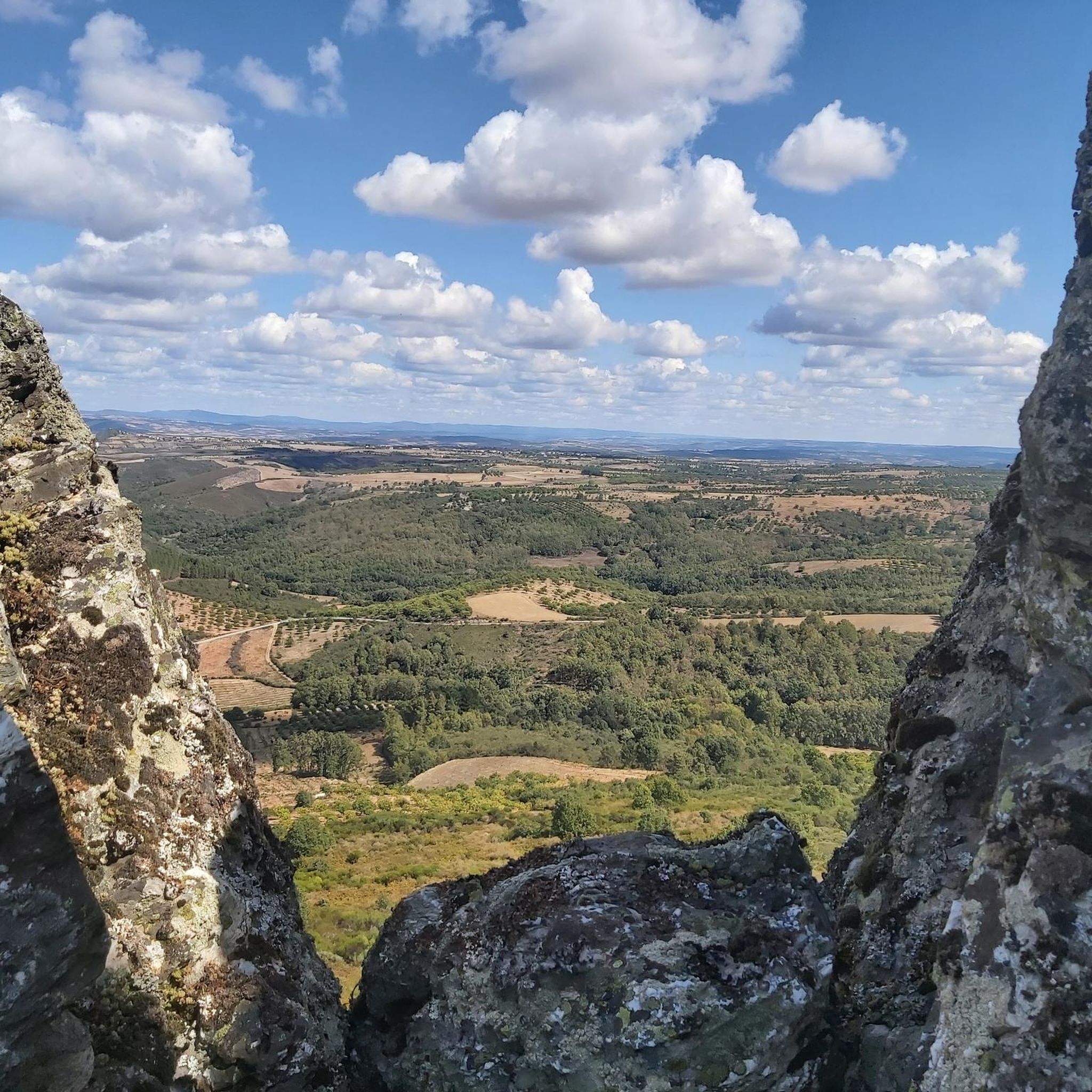
I love discovering viewpoints like Miradouro Olhos do Tua, where dramatic landscapes and panoramic river views make the journey feel worthwhile. The rugged scenery around the Tua River sounds especially impressive for anyone who enjoys nature and exploration. I also enjoy that same sense of movement and adventure when playing https://sloperidergame.com
0
0

The Domus Municipalis of Bragança is one of those unparalleled treasures. It's worth visiting not only because it's a national monument, but because it's a true relic: the only example of Romanesque civil architecture in the entire Iberian Peninsula. If you enjoy history or architecture, you'll quickly understand why this building is so special: 1. An Architectural Rarity (Unique Form) While most Romanesque buildings that have survived to this day are churches or monasteries, this is a civil (non-religious) building. Even more curious is its shape: an irregular pentagon. This is not something you see every day in medieval architecture. 2. The Mysterious Dual Function Upon entering, you'll realize that the building is "two in one". This clever engineering tells a story of the city's survival: The Lower Floor (The Cistern): The building's base is a huge vaulted cistern that collected rainwater and spring water. Since Bragança (and its Citadel) is located on a hill, water was a scarce and vital resource for resisting military sieges. The Upper Floor (The "Town Hall"): Above the cistern, there is a large room with windows all around (letting in plenty of light and air). It is believed that this was where the "good men" of the council met to discuss city affairs. Imagine a medieval town hall, outdoors but covered. 3. Details Not to Be Missed The Light and the Views: As it is an open space with a gallery of arched windows all around, the light enters in a very special way, creating a photogenic environment and allowing you to see the Citadel from various angles. The Modillions (Corners): If you look closely at the cornice (the top of the walls, both inside and out), you'll see small stone sculptures called modillions or corbels. They have curious shapes, ranging from human faces to animals and geometric figures, typical of medieval imagery. It's a quick visit (you can see it in 15-20 minutes), it's free (usually), and it's literally next to the Church of Santa Maria and the Castle. In other words, there's no reason not to go in!
0
0
It's interesting and unusual to find yourself in that place.
1
0
Bragança Castle, located in northeastern Portugal, is one of the most impressive and well-preserved medieval castles in the country. Keep: At 33 meters high, it is one of the most imposing in Portugal. Inside, it houses the Bragança Military Museum, where you can see a vast collection of light weaponry, from the 12th century to the First World War. From the top of the tower, there is a breathtaking view over the old city, the new part of Bragança, and the surrounding mountains (Montesinho, Sanábria). The Princess Tower is an old residential outbuilding (Alcáçova Tower) famous for a tragic love legend. In the citadel, you can stroll through the streets within the walls, where the medieval atmosphere remains almost intact.
3
0
Arrival by bus is possible, 7:45 a.m., 10:20 a.m. from Tua train station. This option returns you to the starting point. Caution: some steep descents.
1
0
Rio de Onor is not just a beautiful village; it's a "living museum" of a way of life that has almost disappeared in Europe. It's worth visiting because it is possibly the village with the most fascinating social history in Portugal. Here are the 4 main reasons to go there: 1. It's a Community Village ("Communitarianism") This is Rio de Onor's great trademark. For centuries, the village lived under a system of total sharing among neighbors, something very rare: Sharing of Goods: The bread oven, the watermill, and even the village bull belonged to everyone. The "Rod of Justice": Decisions and fines for infractions in the village were marked on a wooden rod, managed by the "judge" elected by the people. You can see this history explained at the Casa do Touro (House of the Bull), a small, unmissable museum in the village. 2. One Village, Two Countries Rio de Onor is a village bisected by the international border. On this side is Rio de Onor (Portugal); on the other side is Rihonor de Castilla (Spain). For the inhabitants, the border never really existed: they share land, livestock, and even speak their own dialect (Rionorês), an ancient mixture of Portuguese and Castilian. It's very curious to cross from one country to the other on foot in the middle of the main street. 3. The Schist Landscape and Nature Located in the Montesinho Natural Park, the village is visually stunning. The houses are made of dark schist with wooden balconies, typical of Trás-os-Montes, and are very well preserved. The Onor River, which crosses the village, has clear waters and creates a very pleasant natural river beach in the summer, perfect for picnics. 4. The "Roman" Bridge The old stone bridge (which is actually from the 19th century, despite its popular name) is the village's postcard image. The reflection of the arches in the water with the schist houses in the background creates one of the most photogenic landscapes in Northern Portugal. Visiting Rio de Onor is like stepping back in time and understanding how communities survived in isolation in the mountains, supporting each other. It's a lesson in life and history in an incredible natural setting.
2
0

This viewpoint on the Tua was also built entirely of steel, so the shape we see in this viewpoint represents the keel of a boat, which provides an incredible panoramic view of the river.
3
0

The Vinhais Biological Park is a protected natural area and conservation center located in the municipality of Vinhais, in northern Portugal, within the Montesinho Natural Park. This park plays an important role in the conservation of local biodiversity and in the promotion of environmental education.
0
0
Frequently Asked Questions
What historical landmarks can I explore in Bragança?
Bragança is rich in history, with several notable landmarks. The most iconic is Bragança Castle, a well-preserved medieval fortress housing a Military Museum and offering panoramic views. Within the castle walls, you'll find the unique Domus Municipalis de Bragança, a rare example of Romanesque civil architecture. The Igreja de Santa Maria, also within the citadel, and the Igreja de São Vicente, known for its local legends, are also significant historical sites.
Are there museums in Bragança that showcase local culture and history?
Yes, Bragança offers several museums. The Iberian Mask and Costume Museum celebrates ancient pagan traditions with a collection of masks and costumes. The Abade de Baçal Museum, housed in a former bishop's palace, displays local Celtic art, Roman artifacts, and a Jewish heritage exhibit. You can find several museums concentrated on Abílio Beça Street, also known as Rua dos Museus, including the Graça Morais Contemporary Art Centre.
Where can I experience nature and wildlife near Bragança?
Just at the gates of Bragança lies the vast Montesinho Natural Park, one of Portugal's largest protected natural areas, known for its rich biodiversity, wild landscapes, and traditional villages. Within this park, you can also visit the Biological Park of Vinhais, which focuses on local biodiversity conservation and environmental education. The park is home to various wildlife, including deer, wolves, and numerous bird species.
What kind of outdoor activities, like hiking, are available near these attractions?
The region around Bragança offers diverse outdoor activities, especially hiking. You can explore trails like the moderate PR3 Porto Furado Trail or the longer São João das Arribas Trail. For those interested in waterfalls, there are options like the moderate Cascada del Pozo Airón trail. You can find more details and routes in the Hiking in Bragança guide, the Waterfall hikes in Bragança guide, and the Easy hikes in Bragança guide.
Are there easy hiking trails suitable for beginners or families near Bragança?
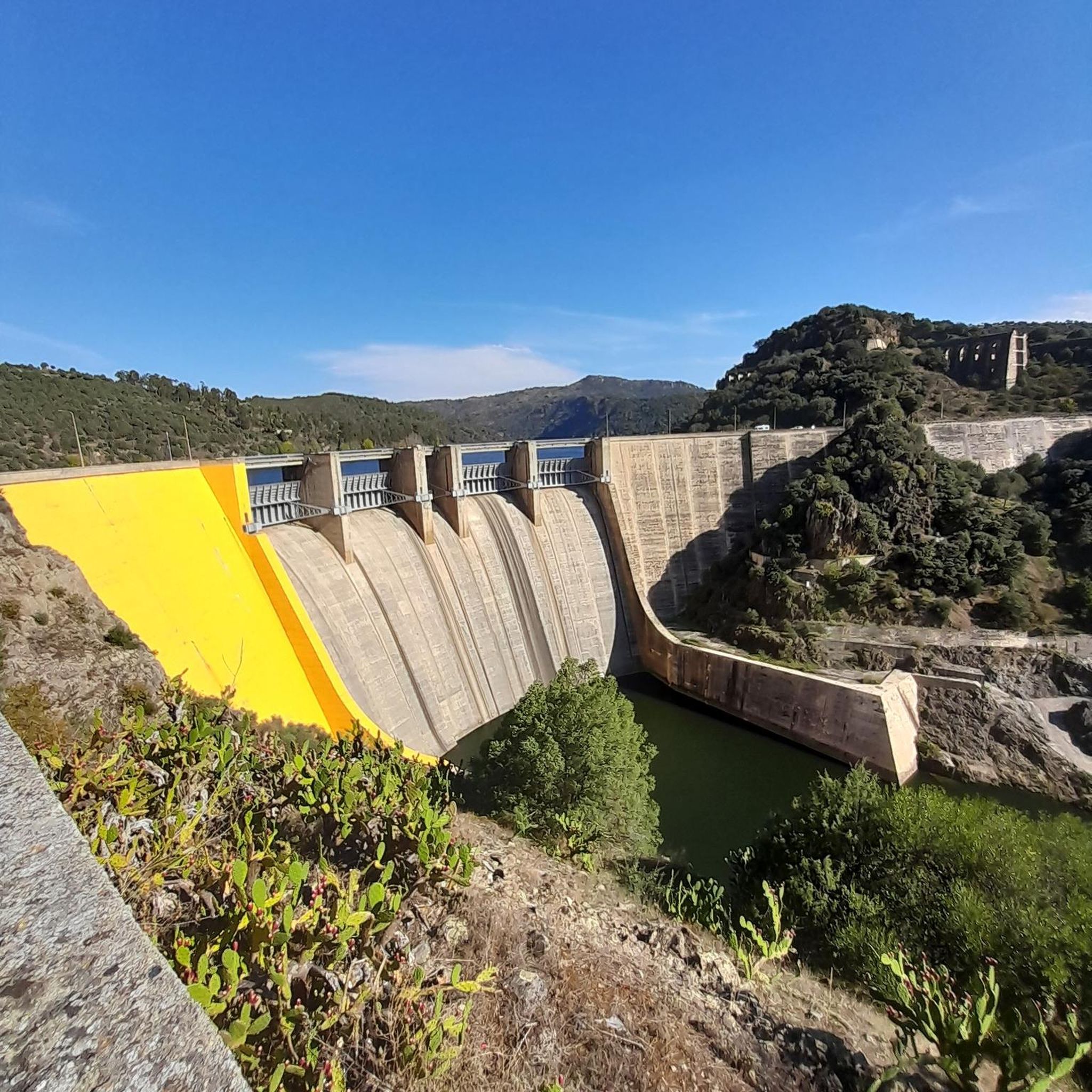
Yes, there are several easy hiking trails suitable for families and beginners. The Prada Dam Trail is an easy option, as is The Portuguese Side of Rio de Onor (PR 11) within the Montesinho Natural Park. Another accessible choice is the Faia da Água Alta Waterfall loop from Lamoso. For more easy routes, consult the Easy hikes in Bragança guide.
What are some family-friendly attractions in Bragança?
Families visiting Bragança can enjoy the Miniature Park of Bragança, which offers engaging exhibits for all ages. The Centro Ciência Viva de Bragança, an interactive science museum, is also a great option. Additionally, exploring traditional villages like Rio de Onor Village and Montesinho Village within Montesinho Natural Park provides a cultural and natural experience for all ages. The Biological Park of Vinhais is also family-friendly, offering insights into local flora and fauna.
What is the best time of year to visit Bragança?
Bragança offers different experiences throughout the year. Spring (April-May) and Autumn (September-October) generally provide pleasant weather for exploring historical sites and hiking in the natural parks, with milder temperatures and beautiful landscapes. Summers can be hot, ideal for river beaches, while winters are colder but offer a unique charm, especially for cultural events.
How long should I plan for a visit to Bragança Castle?
To fully explore Bragança Castle, including its walls, the Keep with the Military Museum, and the panoramic views from the top, you should allocate at least 2 to 3 hours. This allows time to appreciate the historical details and the surrounding citadel, which also houses the Domus Municipalis and Igreja de Santa Maria.
Are there any unique villages to visit near Bragança?
Absolutely. Rio de Onor Village is a picturesque border town known for its unique position straddling the border with Spain and its traditional schist houses. Montesinho Village, located within the Montesinho Natural Park, is another charming settlement offering insight into the region's rural life. Gimonde is also a notable rural village within the park, characterized by its narrow stone streets.
What is the Corredor Verde in Bragança?
The Corredor Verde (Green Corridor) is a pleasant walkway that follows the Fervença River through Bragança. It offers a tranquil escape within the city and connects to attractions such as the Centro Ciência Viva de Bragança and the Casa da Seda, providing a scenic route for walking or cycling.
Are there any scenic viewpoints in the Bragança area?
Yes, Bragança offers several stunning viewpoints. From the top of the Keep at Bragança Castle, you can enjoy panoramic views of the city and the surrounding Montesinho, Sanábria, and Nogueira mountain ranges. The Olhos do Tua Viewpoint, situated along the Senhor da Boa Morte Trail, provides a breathtaking vista of the deep valley and the winding Tua River below.
What is the significance of the Pelourinho de Bragança?
The Pelourinho de Bragança (Pillory of Bragança) is a unique historical monument located within the citadel. It is particularly notable for being supported by a granite pig, which is believed to have been used in ancient Celtic fertility rituals, making it a fascinating blend of medieval justice and pre-Roman cultural heritage.
Most popular routes in Bragança
Most popular attractions in Bragança

Get inspired with the komoot mobile app


Didn’t find what you were looking for?
Are you keen on exploring more awesome places nearby? Browse our guides:
Explore more
Still not found the Highlight you’re looking for? See guides of the top attractions in other regions:
