Attractions and Places To See in León - Top 20
Best attractions and places to see in León include a diverse range of historical landmarks, cultural sites, and natural features within the city and its surrounding province. The region is characterized by its rich history, evident in its Roman and medieval heritage, and its position on the Camino de Santiago. Visitors can explore architectural masterpieces, significant religious buildings, and unique natural formations. The varied terrain offers opportunities for exploration across different landscapes.
Best attractions and places to see in León
- The most popular attractions is Passo Honroso Bridge, a bridge that was the site of a medieval tournament in 1434. This ancient bridge is notable for its length and good condition.
- Another must-see spot is Cathedral of Saint Mary of Astorga, a religious building that occupies the site believed to be the house of Santa Marta. The decorative Gothic style of this cathedral is worth admiring.
- Visitors also love León Cathedral, a religious building renowned for its more than 700 ornate stained-glass windows. It is considered a stylistically pure early Gothic building on Spanish soil.
- León is known for its historical sites, religious buildings, and bridges. The region offers a variety of attractions to see and explore, from ancient Roman structures to significant pilgrimage route landmarks.
- The attractions in León are appreciated by the komoot community, with 423 upvotes and 628 photos shared by visitors.
Last updated: September 26, 2026
León Cathedral
Highlight • Religious Site
Translated by Google •
Tip by

Passo Honroso Bridge
Highlight • Bridge
Translated by Google •
Tip by

Sign up now to discover places like this
Get recommendations on the best single tracks, peaks, & plenty of other exciting outdoor places.
Molinaseca Roman Bridge
Highlight • Bridge
Translated by Google •
Tip by
Cruz de Ferro (Iron Cross)
Highlight • Monument
(Source: wikipedia)
Translated by Google •
Tip by

Cathedral of Saint Mary of Astorga
Highlight • Religious Site
Translated by Google •
Tip by
Episcopal Palace of Astorga (Gaudí Palace)
Highlight • Castle
Translated by Google •
Tip by
Rabanal del Camino — Village and Church
Highlight • Settlement
Translated by Google •
Tip by
Bridge
Highlight • Bridge
Translated by Google •
Tip by
Galicia Border Marker on the Camino de Santiago
Highlight • Monument
However, for our group of pilgrims - and countless others who set off on the "Camino" year after year - the "Credencial" was the only important identification document and pilgrimage routes have always been limitless. Nevertheless, it is of course particularly nice to have (finally) reached Galicia, as you realize that you are slowly but surely approaching the goal of the great pilgrimage: the tomb of the Apostle James the Elder in Santiago de Compostela, Galicia.
Translated by Google •
Tip by

Ponferrada Castle
Highlight • Castle
Translated by Google •
Tip by
Sign up for free to discover even more attractions in León.
Already have an account?
Start today with a free account
Your next adventure awaits.
Popular around León
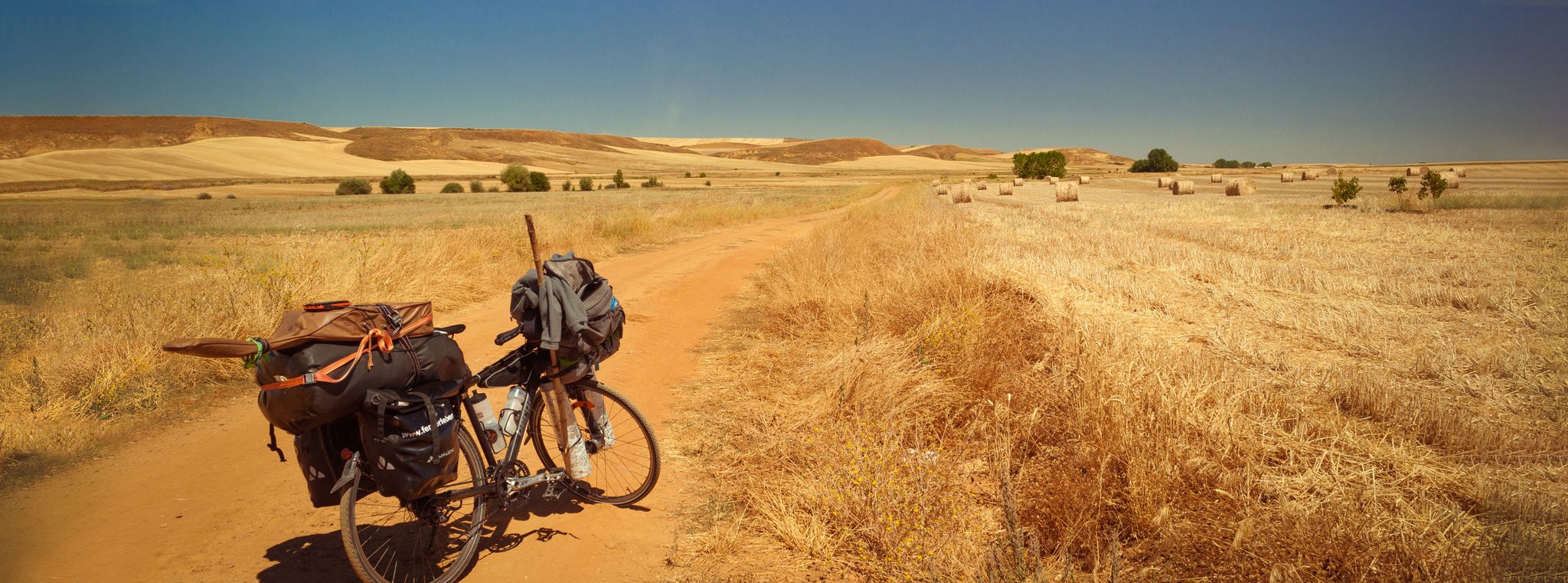
Camino Francés and Camino Finisterre – Cycling pilgrimages in Spain
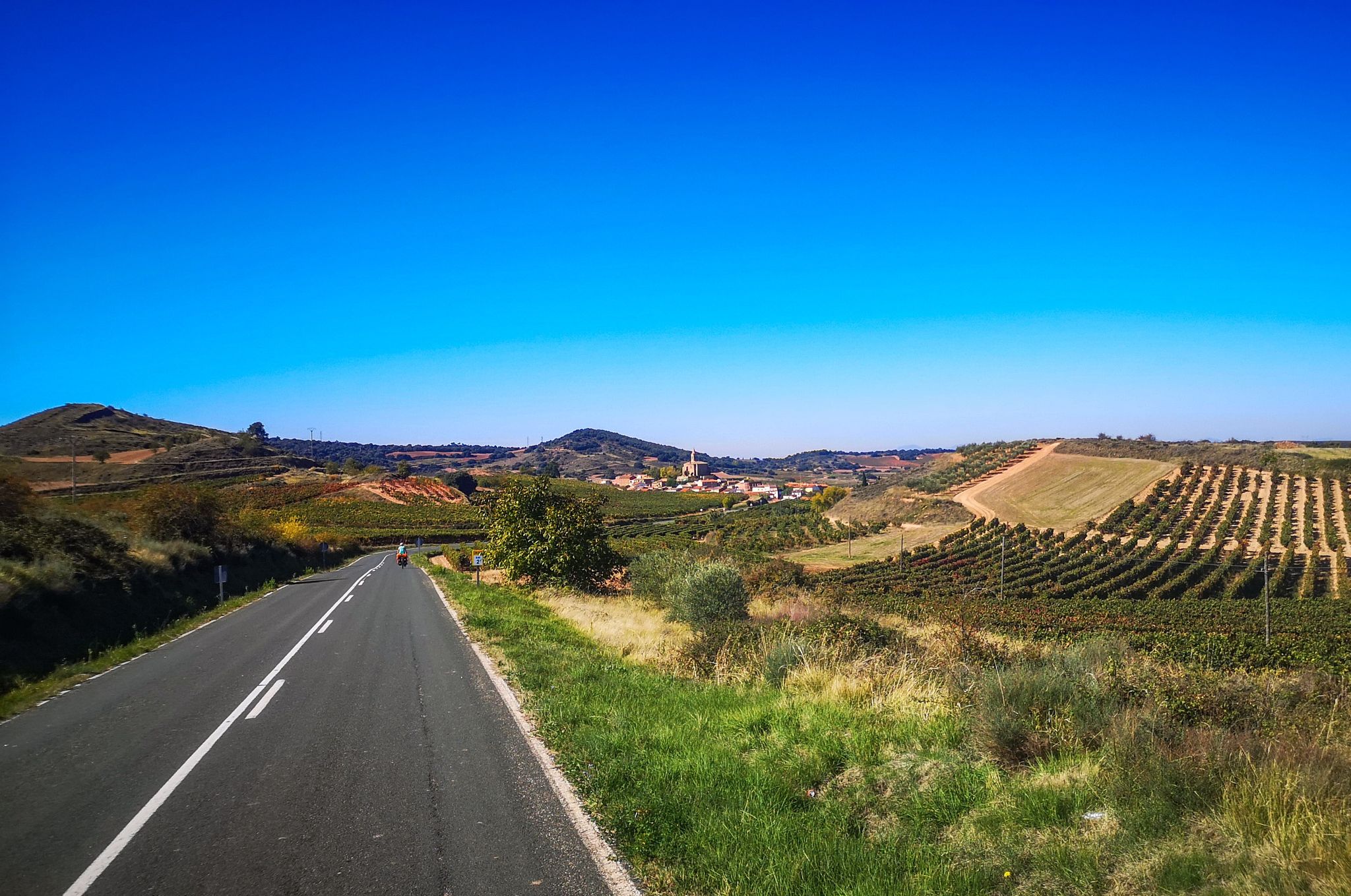
Santiago de Compostela – A journey through northern Spain (10 days)
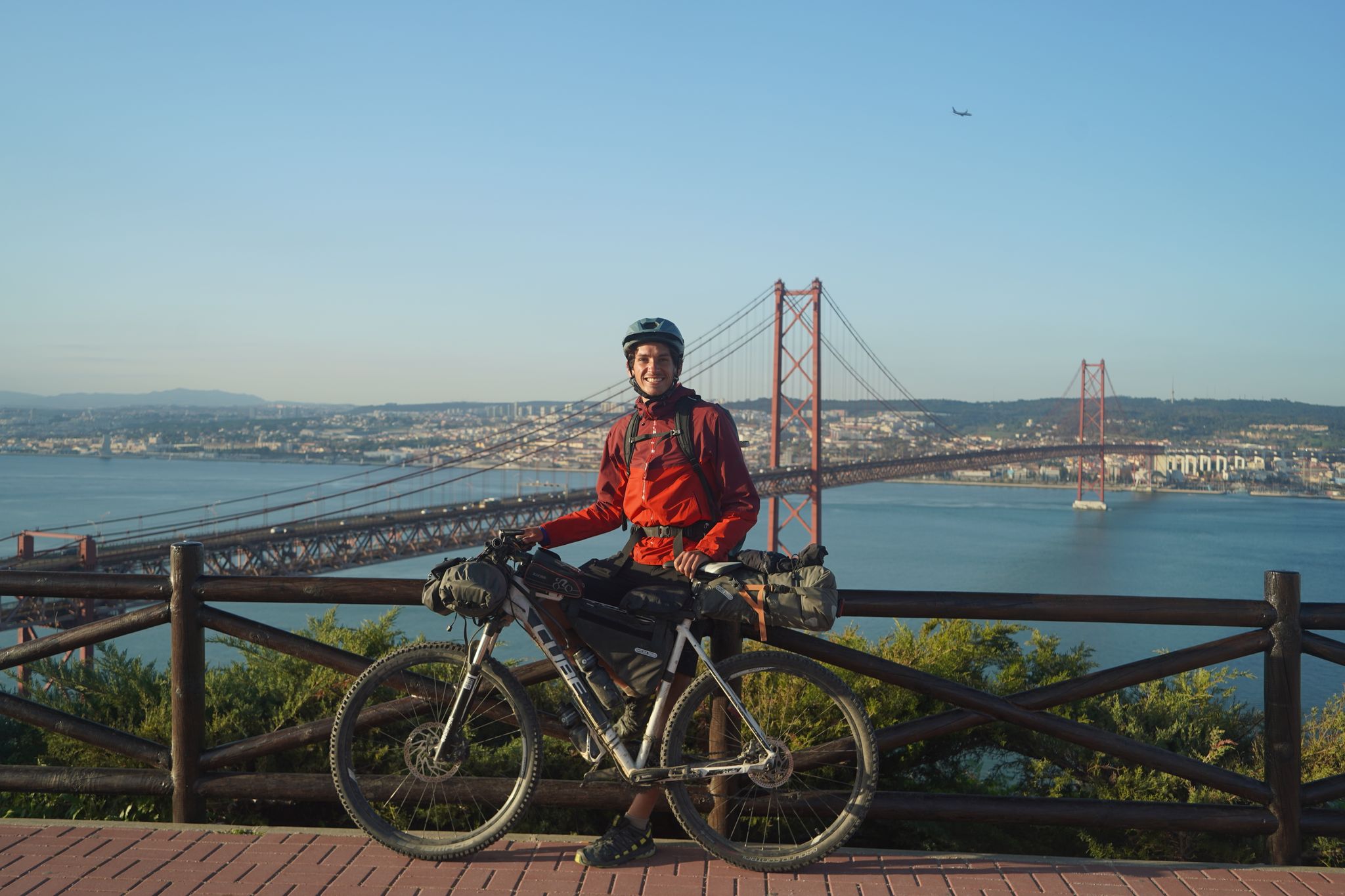
Road to Lisbon – bikepacking the Alps, Pyrenees and Picos de Europa
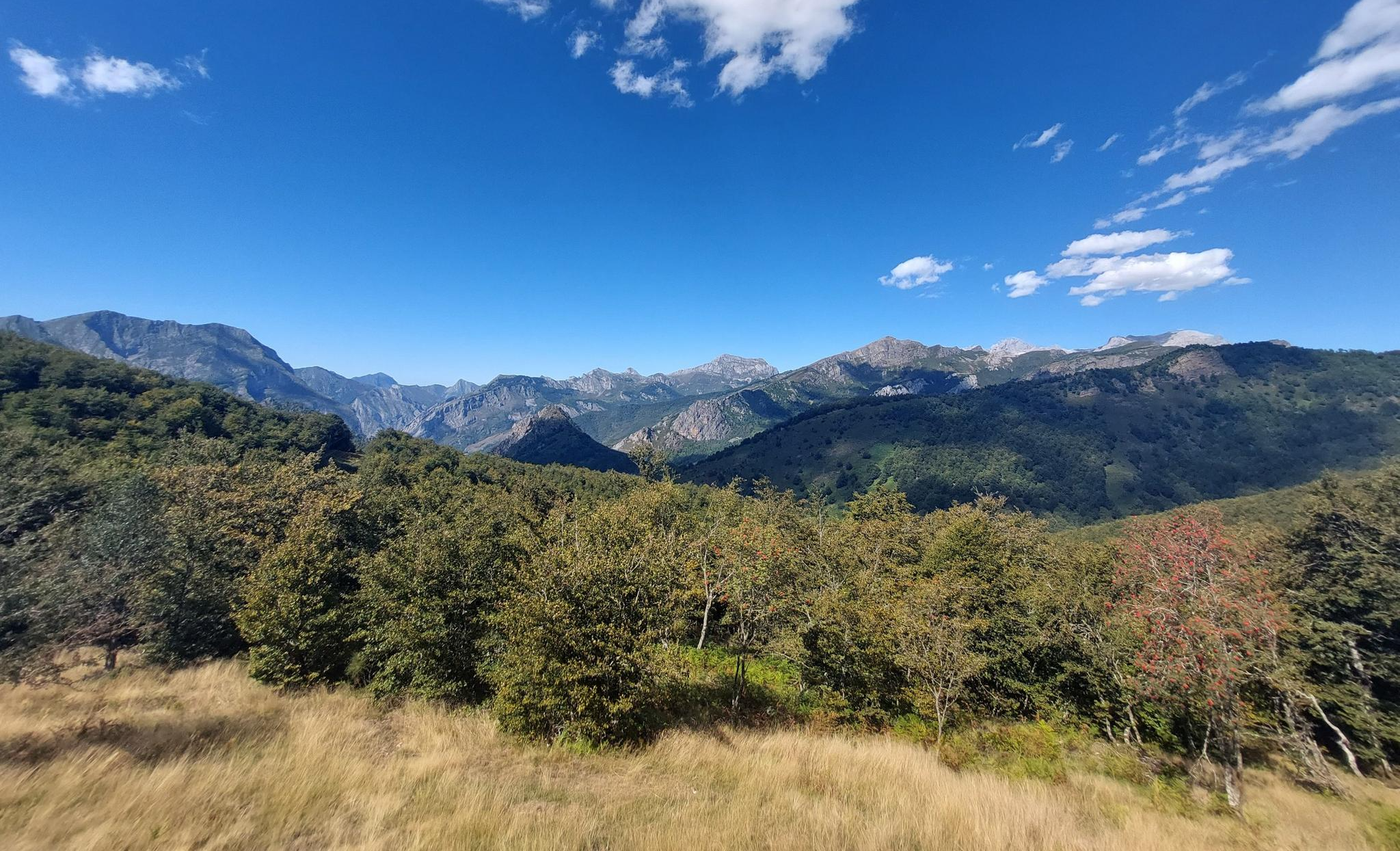
Senda del Arcediano (GR 210) - A historical hike through the Picos del Picos
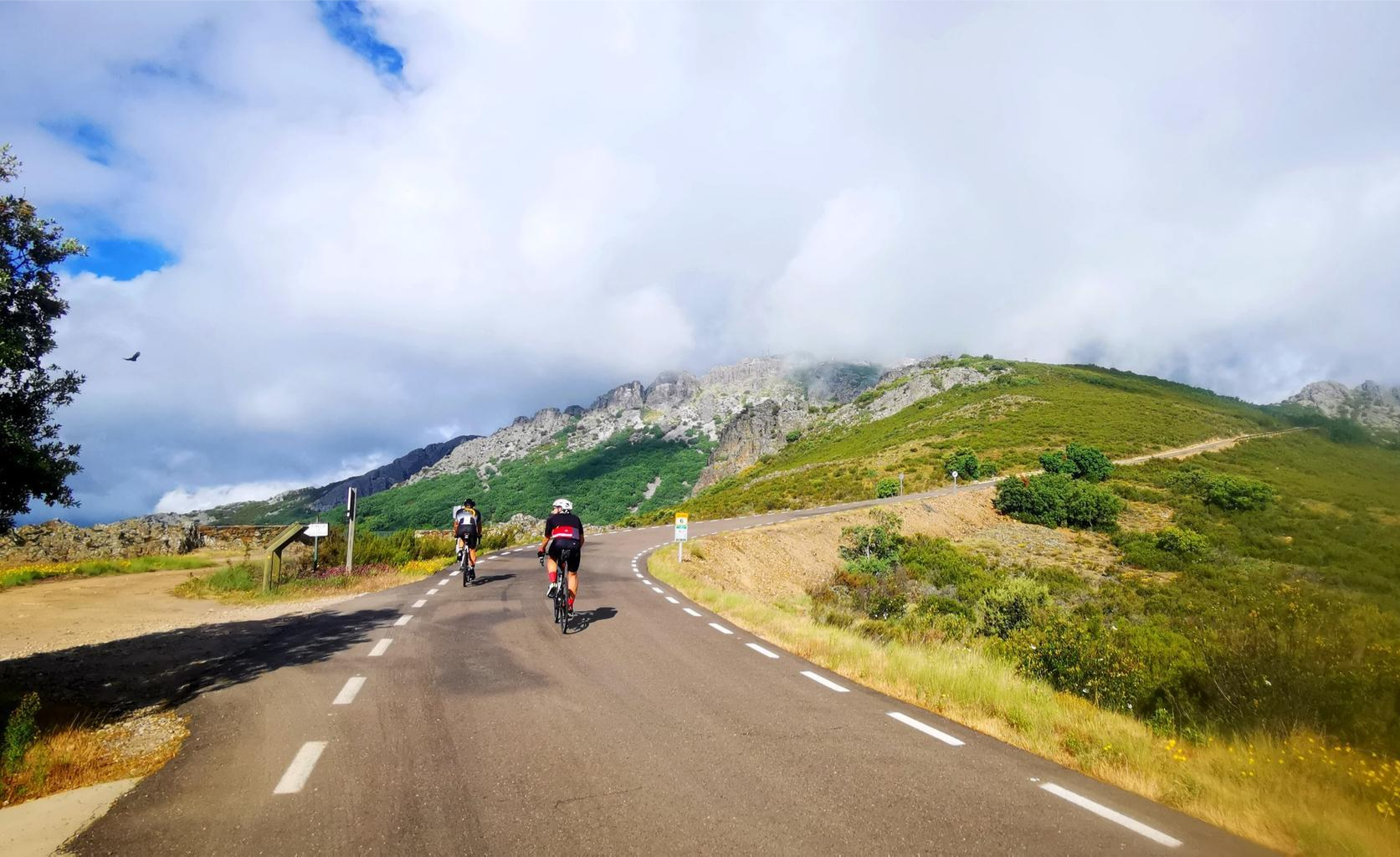
Legendary climbs - Ports of La Vuelta a España
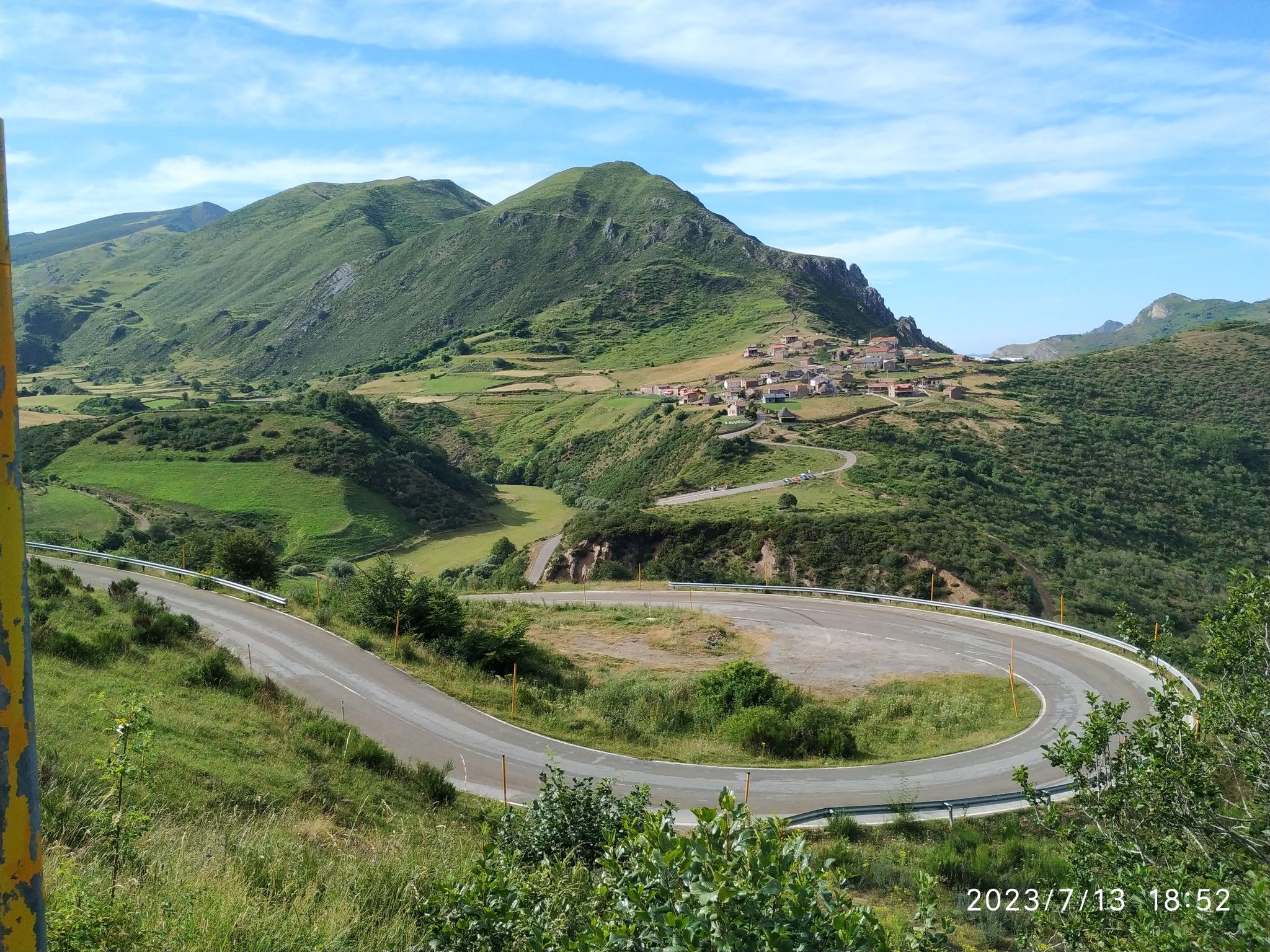
Height Challenges — Ports in Castilla y León
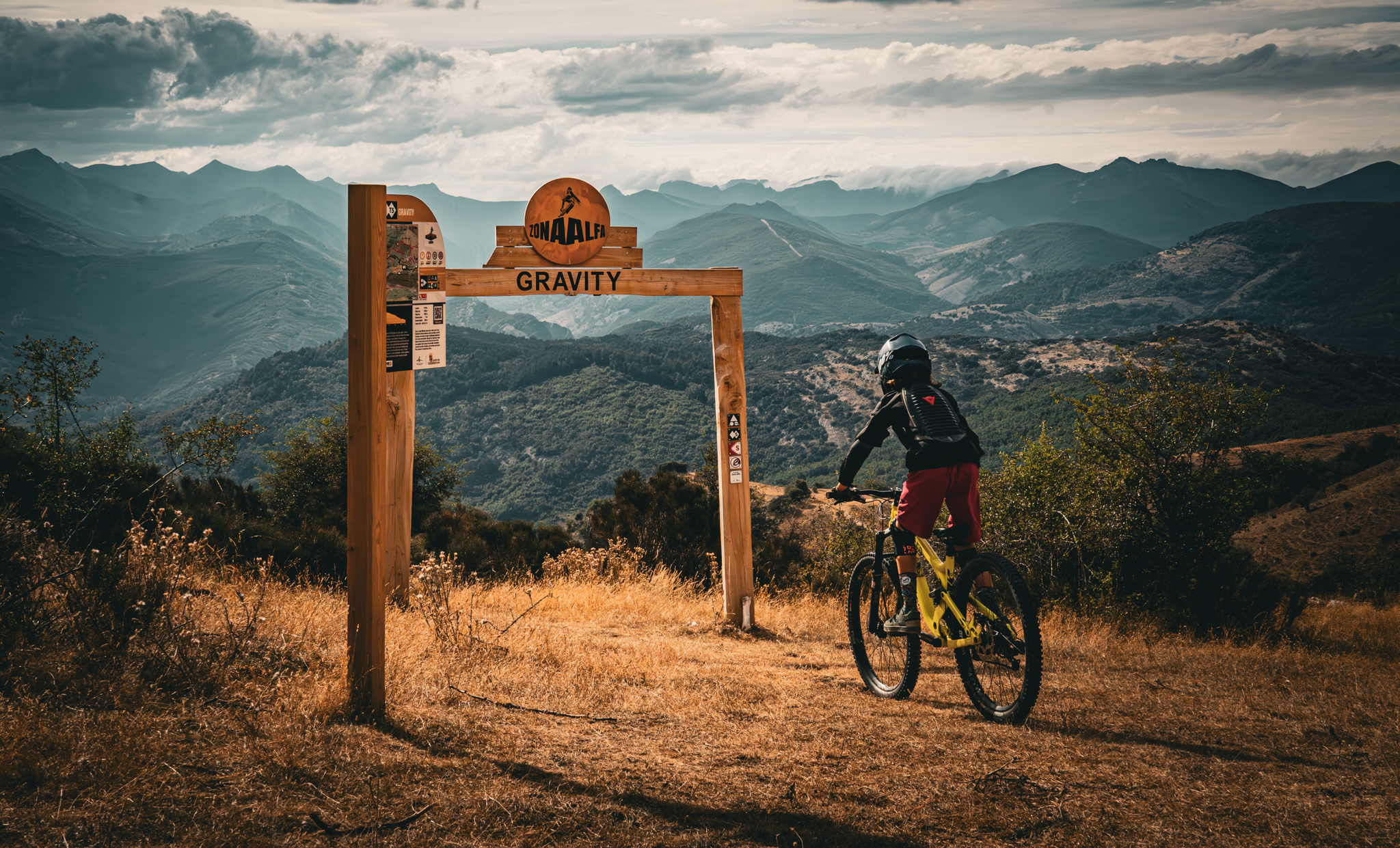
Enduro in the mining basin of León – Zona Alfa
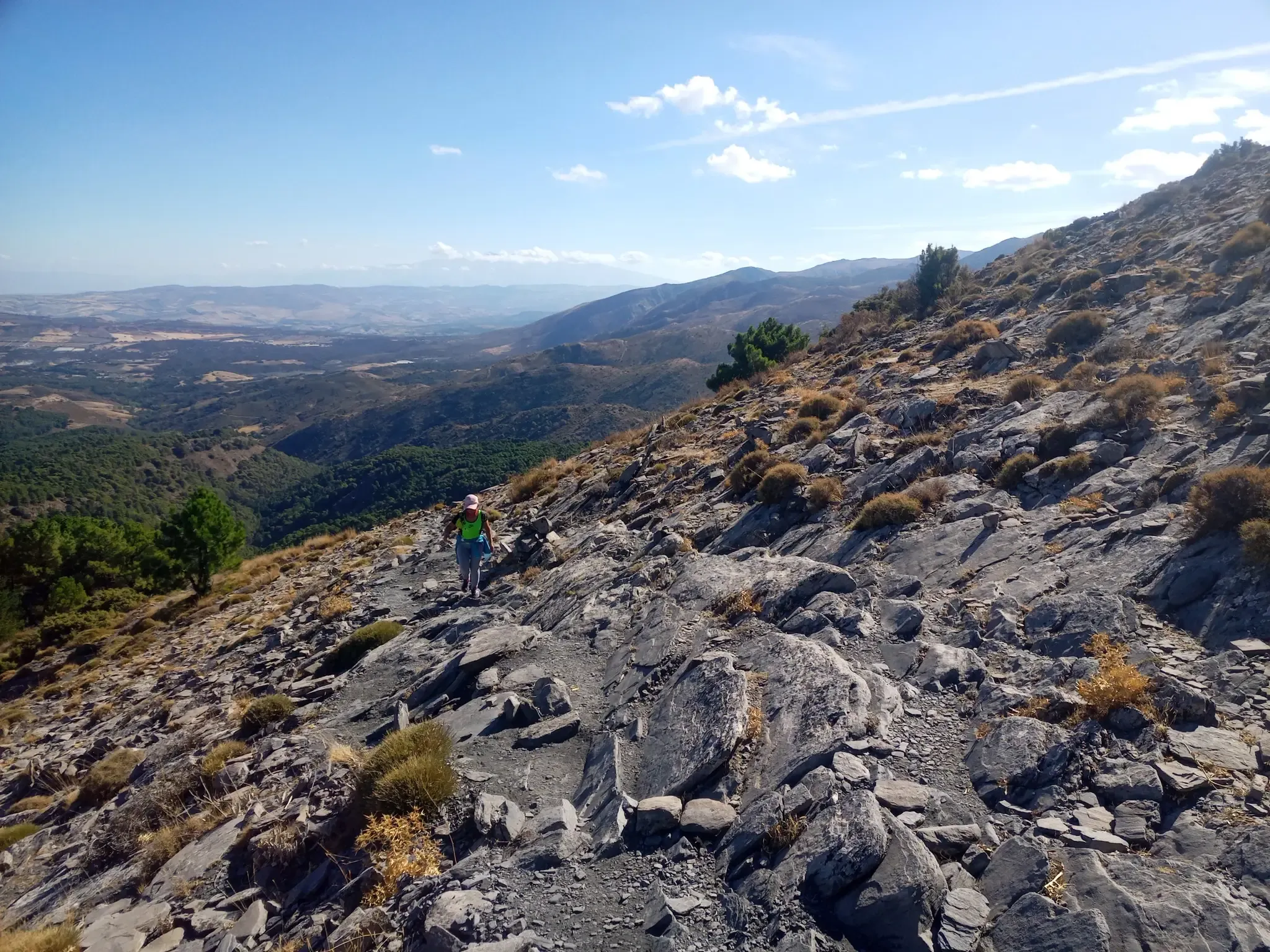
12 hiking gems throughout Spain
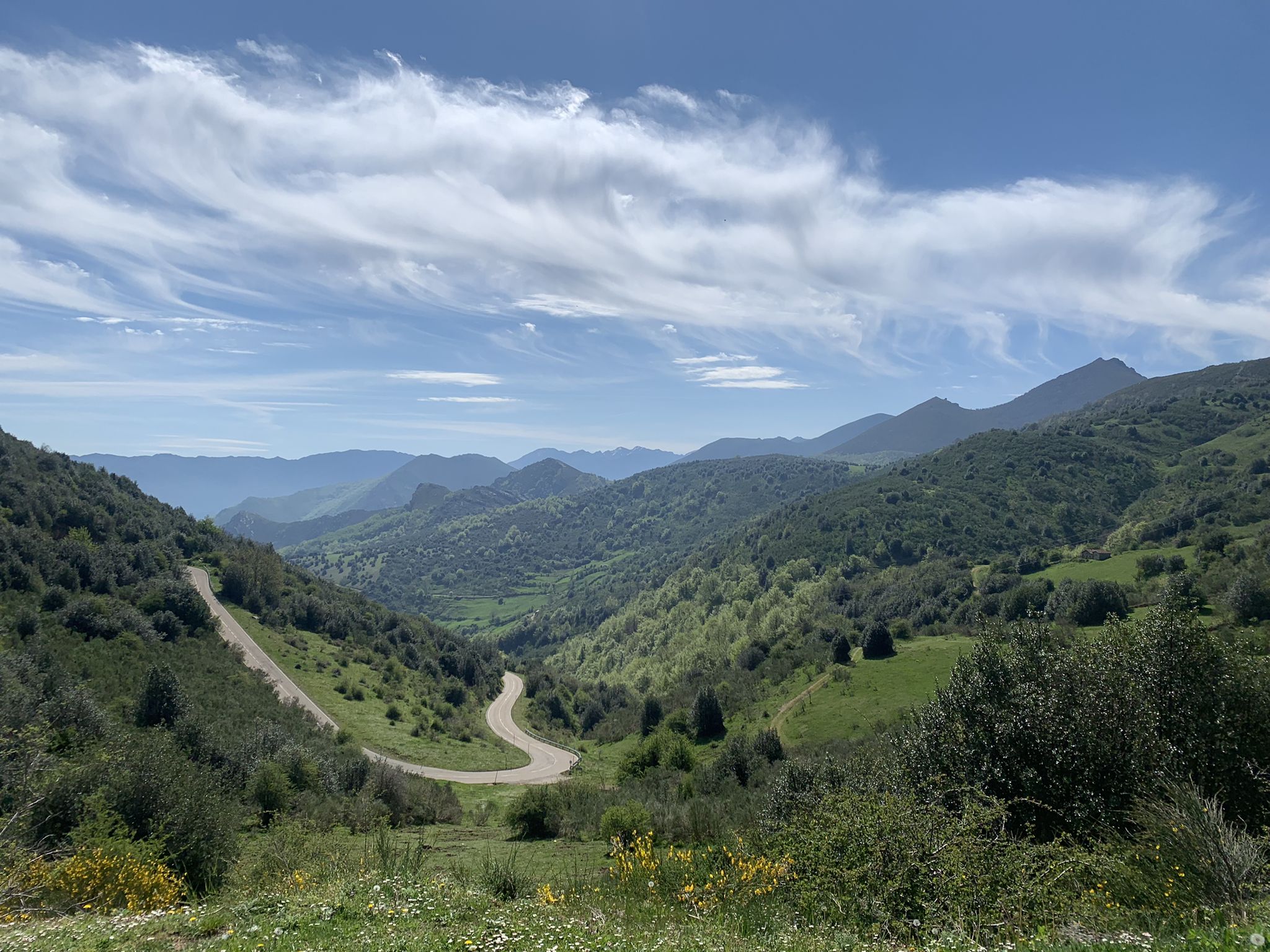
Along a Roman road to Asturias in Spain – Camino Real de la Mesa (GR 101)
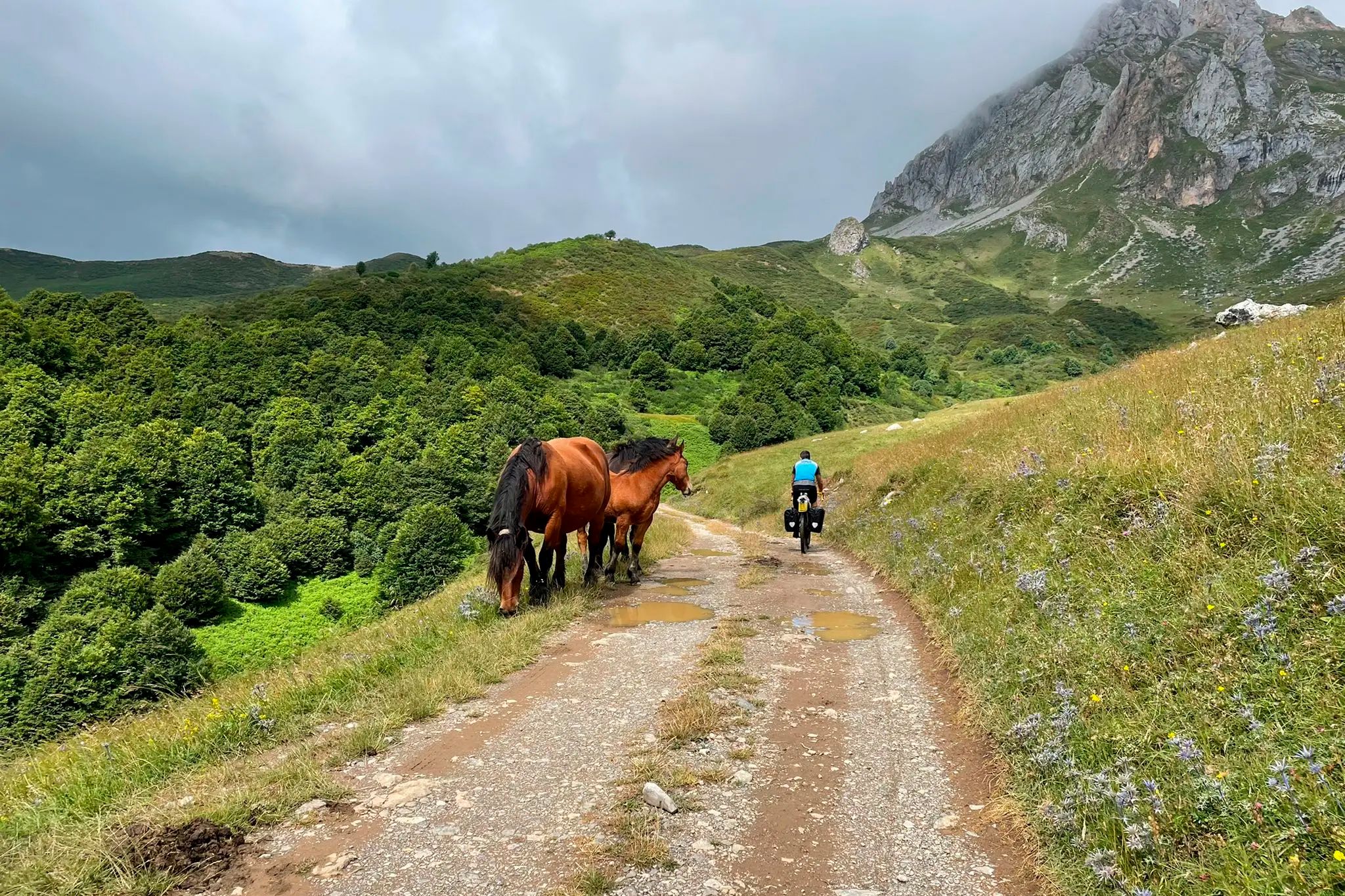
TransCantabrica – Extreme mountain biking in northern Spain
Other adventures in León


Tips from the Community

The Bolín Bridge, in Posada de Valdeón (León), is a small but significant mountain bridge that is part of several hiking trails in the Picos de Europa, especially as an access route to the challenging Canal de Trea. It is located on the outskirts of Posada de Valdeón, towards the Mirador del Tombo and the beginning of the Canal de Trea. It is close to Fuente Prieta and areas such as El Agua Las Huertas, in a natural setting of great beauty.
3
0


Of course, at this border—of which the pilgrim has already crossed several on his long journey through northern Spain—it is especially wonderful to have (finally) reached Galicia. This makes us realize that we are slowly but surely approaching the destination of the great and beautiful, but naturally also strenuous, pilgrimage route: the tomb of the Apostle James the Greater in Santiago de Compostela, Galicia.
2
1

The Bishop's Palace of Astorga is one of only three buildings that Antoni Gaudí built outside Catalonia.
3
0
In the heart of Astorga, right next to the cathedral, lies one of the most unusual bishop's residences on the Iberian Peninsula: the Palacio Gaudi. It was designed and built by the famous Spanish architect of the same name (Antonio Gaudi, 1852-1926). A visit to the museum housed here is worthwhile both for the exhibits on display and, of course, for the imaginative architecture of the building.
2
0

On June 24, 1889, the prelate's name day, the first stone was laid. They had planned to complete the work on the palace in June 1894, but the bishop died in 1893, and this event radically changed the course of the work, paralyzed by the hostility between Gaudí and the Diocesan Council. Finally, Antonio Gaudí resigned from his post as chief architect, very upset by the treatment he received. In 1905, D. Julián de Diego y Alcolea ruled the diocese of Astorga and tried to convince Gaudí to return to the works of the palace, but he did not succeed. Ricardo García-Guereta, diocesan of León, was appointed architect and completed the work on October 12, 1913, as bishop D. Julián de Diego y Alcolea
4
0
Cultural visit The Cathedral of Astorga is a temple that is forever engraved in the memory of those who visit it. It offers a fantastic tour explained through an audio guide system available in different languages. A visit also designed for the little ones, since the cathedral offers a fun audio guide for children.
5
0
Frequently Asked Questions
What historical landmarks should I visit in León?
León is rich in history. Don't miss the stunning León Cathedral, known for its magnificent stained-glass windows. Other significant sites include the Romanesque Basílica de San Isidoro with its royal pantheon, Antoni Gaudí's unique Casa Botines, and the impressive San Marcos Monastery, a former hospital for Camino de Santiago pilgrims. Remnants of the ancient Roman City Walls also offer a glimpse into León's past.
Are there any unique architectural sites in León?
Absolutely. Beyond the Gothic splendor of the León Cathedral, you'll find Antoni Gaudí's distinctive Casa Botines, a neo-Gothic building with modernist touches that now houses a museum. The San Marcos Monastery is another architectural gem, showcasing Spanish Renaissance design.
What natural features can I explore near León?
The province of León offers diverse natural beauty. You can explore parts of the stunning Picos de Europa National Park, known for its dramatic landscapes and mountain villages. The unique, eroded red earth formations of Las Médulas, a UNESCO World Heritage Site and ancient Roman gold mine, are also a must-see. For a simpler natural escape, consider a hike to the picturesque Cascada de la Fervencia waterfall.
What cultural experiences does León offer beyond historical buildings?
León boasts a vibrant cultural scene. Visit MUSAC (Castile and León Museum of Contemporary Art), an award-winning museum with a striking multicolored glass exterior. The Museo de León takes you on a journey through the region's history from the Iron Age. For a lively evening, explore the Barrio Húmedo, famous for its abundant tapas bars and vibrant nightlife.
Are there family-friendly attractions in León?
Many of León's historical sites are suitable for families. The León Cathedral and the Episcopal Palace of Astorga (Gaudí Palace) are listed as family-friendly. Exploring the Roman City Walls or the unique landscape of Las Médulas can also be engaging for children. The city's parks and pedestrian areas like Calle Ancha provide pleasant spaces for family strolls.
What is the significance of the Camino de Santiago in León?
León is a crucial stop on the historic Camino de Santiago pilgrimage route. Its presence has profoundly shaped the city, leaving a legacy of religious buildings, shelters, and a deep-rooted pilgrim culture. You'll encounter pilgrims throughout the city, and sites like the San Marcos Monastery originally served as pilgrim hospitals. The Cruz de Ferro (Iron Cross) is a symbolic point for pilgrims to leave a stone, representing burdens shed on their journey.
What outdoor activities can I do near León's attractions?
The region around León offers excellent opportunities for outdoor enthusiasts. You can find various cycling routes, including easy city tours and challenging loops through the Montes de León. For hiking, explore trails leading to waterfalls or scenic mountain paths. Check out guides like Cycling in León, Waterfall hikes in León, and Gravel biking in León for detailed route information.
Are there any notable towns or cities to visit near León?
Yes, several historic towns are easily accessible from León. Astorga, also on the Camino de Santiago, is home to the impressive Cathedral of Saint Mary of Astorga and Gaudí's Episcopal Palace. Ponferrada, another Camino stop, is known for its Templar castle, Ponferrada Castle, and serves as a gateway to Las Médulas. Castrillo de los Polvazares offers a glimpse into traditional Maragata architecture.
What do visitors enjoy most about León's attractions?
Visitors frequently praise the architectural beauty and historical depth of León. The León Cathedral, in particular, is celebrated for its stunning stained-glass windows and its status as a pure early Gothic building. The Passo Honroso Bridge is appreciated for its historical significance and good condition. The city's rich heritage and its connection to the Camino de Santiago are also highly valued.
Where can I find scenic viewpoints in the León region?
For breathtaking views, consider visiting the Picos de Europa National Park, which offers dramatic mountain vistas. The Cruz de Ferro (Iron Cross), while a symbolic pilgrim site, also offers expansive views from its elevated position. Within the city, the Roman Walls provide elevated perspectives of the historic center.
What is the Barrio Húmedo and why is it popular?
The Barrio Húmedo is León's historic and most vibrant neighborhood, renowned for its lively atmosphere and abundant tapas bars. It's a popular gathering spot for both locals and visitors to enjoy the region's gastronomy, socialize, and experience León's bustling nightlife. It's an essential part of the city's cultural and social fabric.
Are there any Roman-era sites to visit in León?
León has deep Roman roots. You can explore remnants of the ancient Roman City Walls, which date back to the 1st century. The León Cathedral itself stands on the site of ancient Roman baths. Further afield, Las Médulas, a UNESCO World Heritage Site, showcases the impressive scale of Roman gold mining operations.
Most popular routes in León
Most popular attractions in León

Get inspired with the komoot mobile app


Didn’t find what you were looking for?
Are you keen on exploring more awesome places nearby? Browse our guides:
Explore more
Still not found the Highlight you’re looking for? See guides of the top attractions in other regions:
