Top 20 Lakes in Hampshire
Lakes in Hampshire provide varied natural landscapes and historical settings across the region. The area features tranquil nature reserves, historic estate lakes, and heathland ponds, many of which are part of the New Forest National Park. These locations offer opportunities for observing wildlife, walking, and exploring historical sites.
Best lakes in Hampshire
- The most popular lakes include Normandy Lagoon Nature Reserve, a wetland and nature reserve known for its rich wildlife and vibrant blue water. It offers views across the marshland and sea.
- Another must-see spot is Whitten Pond, an other natural feature located within open heathland south of Burley. Visitors can relax on its shoreline and observe ponies and various wildlife.
- Visitors also love Lymington and Keyhaven Marshes Nature Reserve, a viewpoint offering views across mudflats and reedbeds. This reserve is important for numerous bird species, including brent geese and various waders.
- Hampshire is known for its nature reserves, historic estate lakes, and fishing lakes. The region offers a variety of lakes to see and explore, from serene ponds in the New Forest to larger bodies of water popular for angling.
- The lakes in Hampshire are appreciated by the komoot community, with over 120 upvotes and 40 photos shared by users.
Last updated: August 30, 2026
Whitten Pond
Highlight • Natural
Tip by

Hatchet Pond
Highlight • Lake
Tip by

Sign up now to discover places like this
Get recommendations on the best single tracks, peaks, & plenty of other exciting outdoor places.
Sign up for free
Avington Park Mansion and Lake
Highlight • Monument
The estate has been owned by several prominent families throughout the centuries, and it remains a privately-owned property.
It's also famous for its serene lake, situated close to the manor house and Avington Park Lane which is part of National Cycle Network route 23.
Tip by

Normandy Lagoon Nature Reserve
Highlight • Historical Site
Tip by

Lymington and Keyhaven Marshes Nature Reserve
Highlight • Viewpoint
The salty mud creates an idyllic habitat for plants such as yellow-horned poppy, sea campion and sea aster, and healthy fish populations make the marshes a fantastic place for sandwich and little terns, black-headed gulls, and cormorants. Keep your eyes peeled for hunting birds of prey, including marsh harriers, peregrine falcons, and merlins.
hiwwt.org.uk/nature-reserves/lymington-and-keyhaven-marshes-nature-reserve
Tip by

Lymington and Keyhaven Marshes
Highlight (Segment) • Natural
There's a footpath that hugs the shoreline, taking you through the marshes and providing outstanding views. The Solent Way and final stretch of the Bournemouth Coast Path also use this path.
Tip by

Langstone Bridge Cycle Path
Highlight (Segment) • Bridge
Tip by

The Vyne
Highlight • Monument
The Vyne was built for Lord Sandys, King Henry VIII's Lord Chamberlain. The house retains its Tudor chapel, with stained glass. The classical portico on the north front was added in 1654 by Inigo Jones's pupil John Webb. In the mid-eighteenth century, The Vyne belonged to Horace Walpole's close friend John Chaloner Chute, who designed the Palladian staircase, whose magnificent apparent scale belies its actual small size.
The Vyne was bequeathed by its final Chute owner, Sir Charles Chute, to the National Trust in 1956.
Each year a number of concerts, plays and family events are run.
The grounds contain large woodland and a wetlands nesting site populated by swans and common redshanks. There are a number of woodlands, wetland and parkland walking trails. Dogs are welcome into the grounds (on leads), in Morgaston Woods and the Organic Parklands (under direct control).
en.wikipedia.org/wiki/The_Vyne
Tip by

Eyeworth Pond
Highlight • Structure
Tip by

Lymington and Keyhaven Marshes Nature Reserve
Highlight (Segment) • Historical Site
Hampshire County Council began purchasing the area in 1974 when it bought Normandy Farm. Pennington Marshes were bought in 1979 followed in 1984 by Keyhaven Marshes. This far-sighted policy was a response to the rapid rate of development and loss of habitat in previous decades.
Bringing this area into public ownership was the only way to protect it for future generations to enjoy. By 2006 the reserve extended from the mouth of the Lymington River almost to the village of Keyhaven and covered over 500 acres.
The Hampshire & Isle of Wight Wildlife Trust’s involvement in the Lymington area started in 1961, its first year of existence. It entered into an agreement with the Ministry of Public Buildings and Works, to warden an area at the end of Hurst Spit. In the same year 20 acres of salterns at Lymington became a private nature reserve. The Wildlife Trust’s reserve started to expand in 1980 and now encompasses over 700 ha.
Today the combined area of the two reserves covers well over 1200 hectares. It incorporates mudflats, salt marshes, shingle banks, coastal grazing marshes, and saline lagoons. The reserve supports important populations of birds and rare and specialist plants and invertebrates.
Since the construction of the new seawall in the early 1990s the number of visitors to the reserves has increased. Despite this the reserves continue to offer people a great opportunity to enjoy this unique area and its wildlife.
Tip by

Sign up for free to discover even more lakes in Hampshire.
Sign up for free
Already have an account?
Start today with a free account
Your next adventure awaits.
Login or Signup
Popular around Hampshire

Bedtime Adventure Stories for Grown Ups

King Alfred's Way — History, chalk, grassland and forest
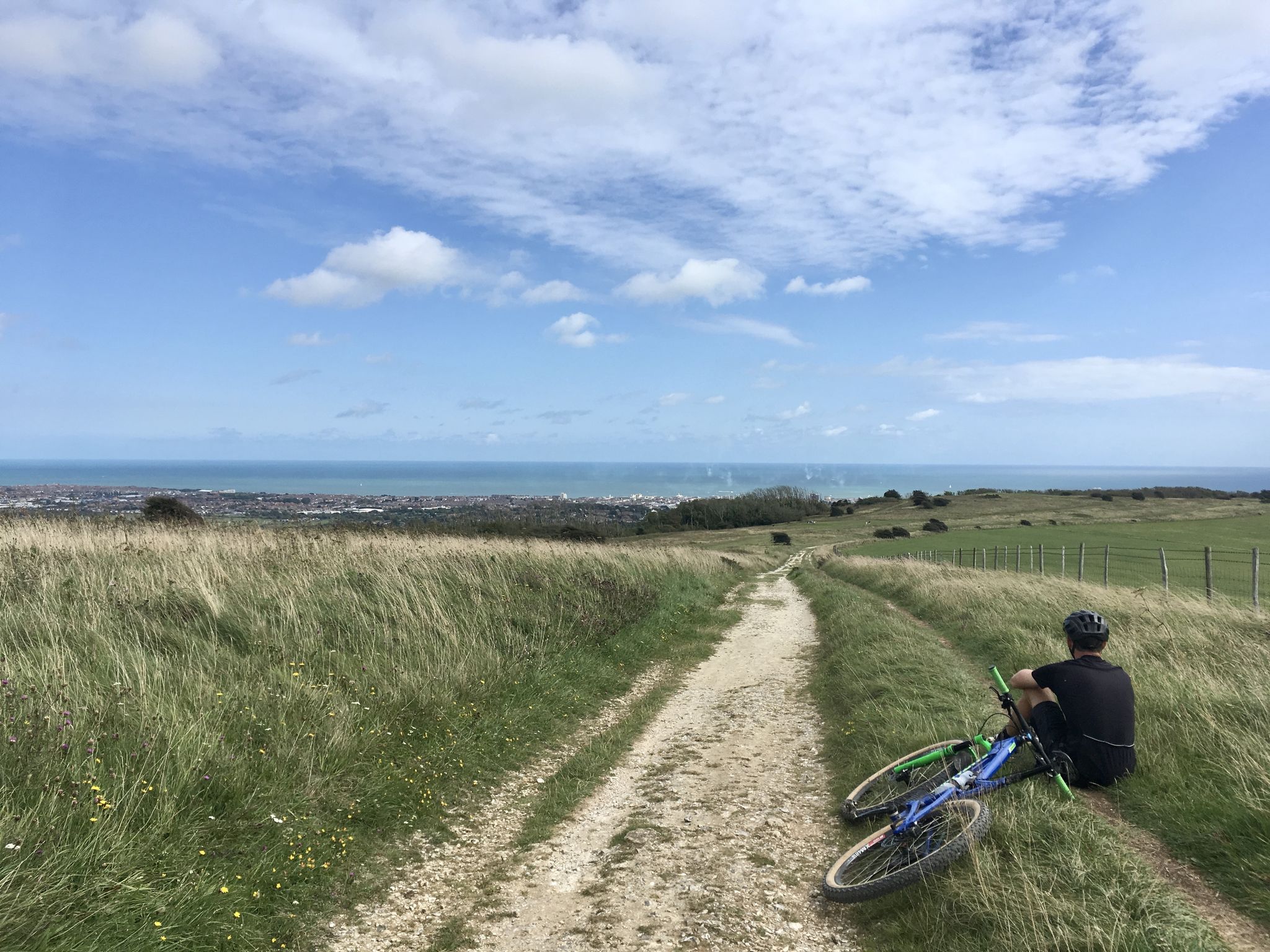
South Downs Way — A Southern off-road utopia
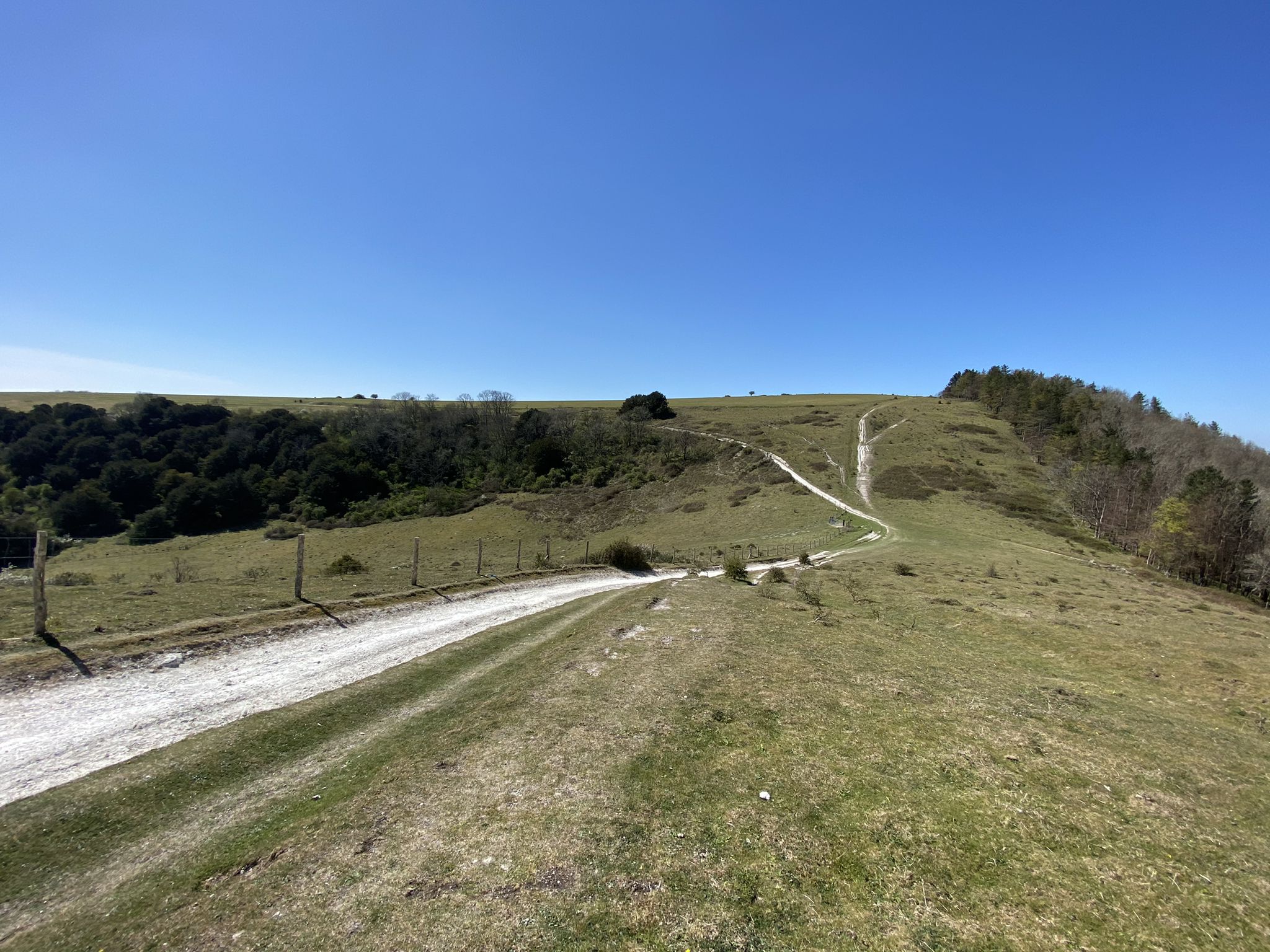
South Downs Way – a 100-mile run across the national park
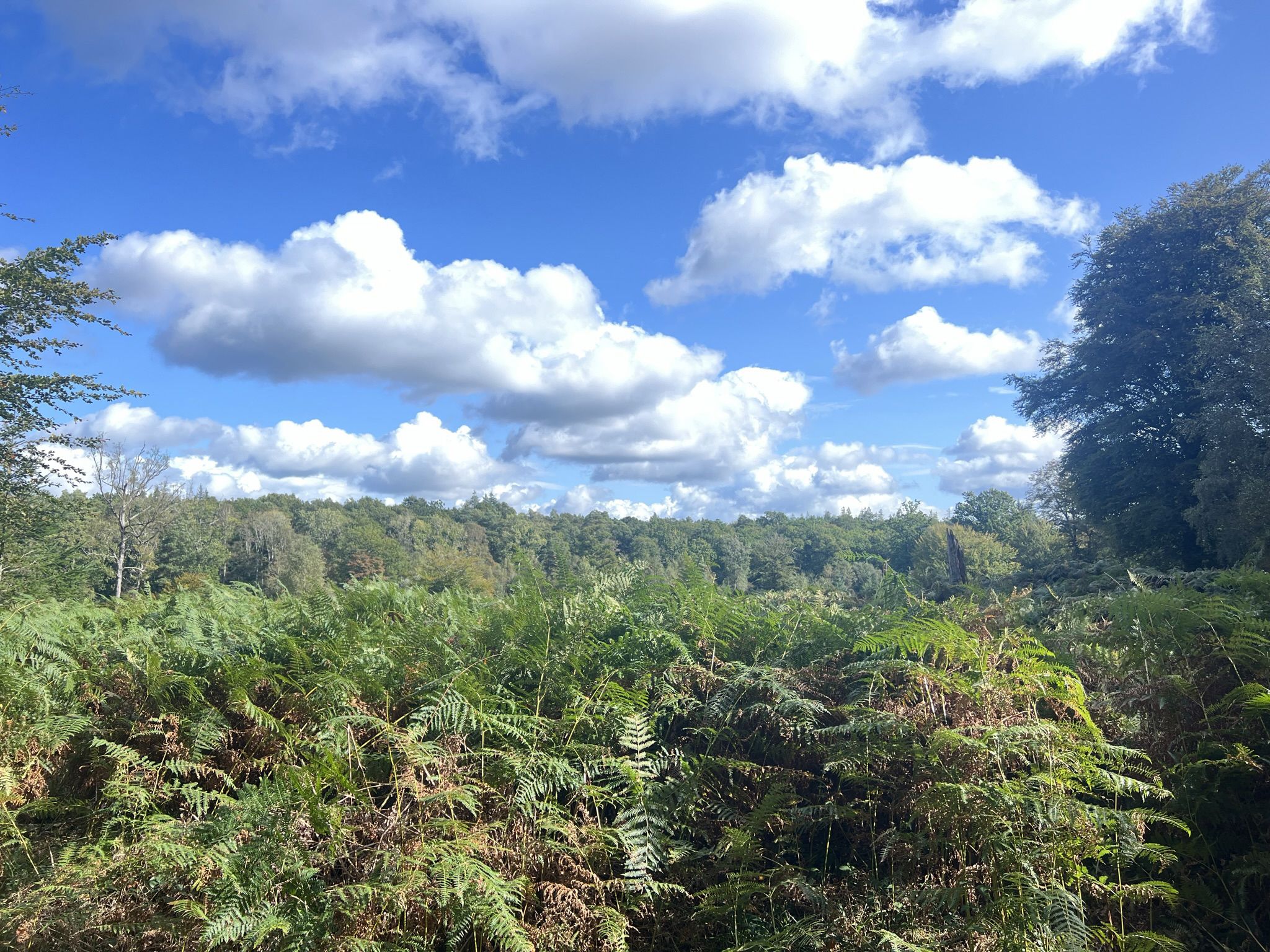
New Forest National Park – A Walk in the Parks
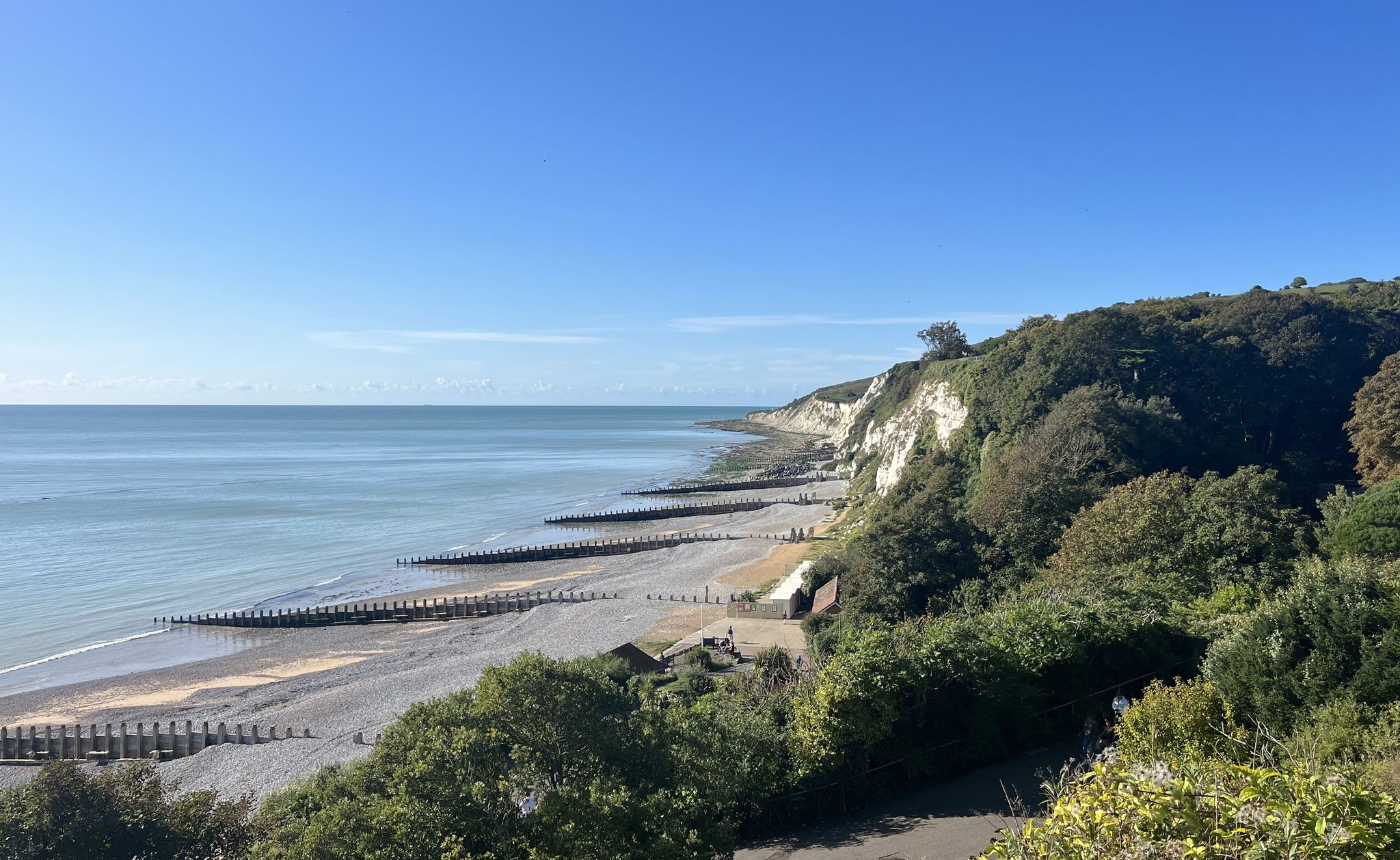
South Downs National Park – A Walk in the Parks
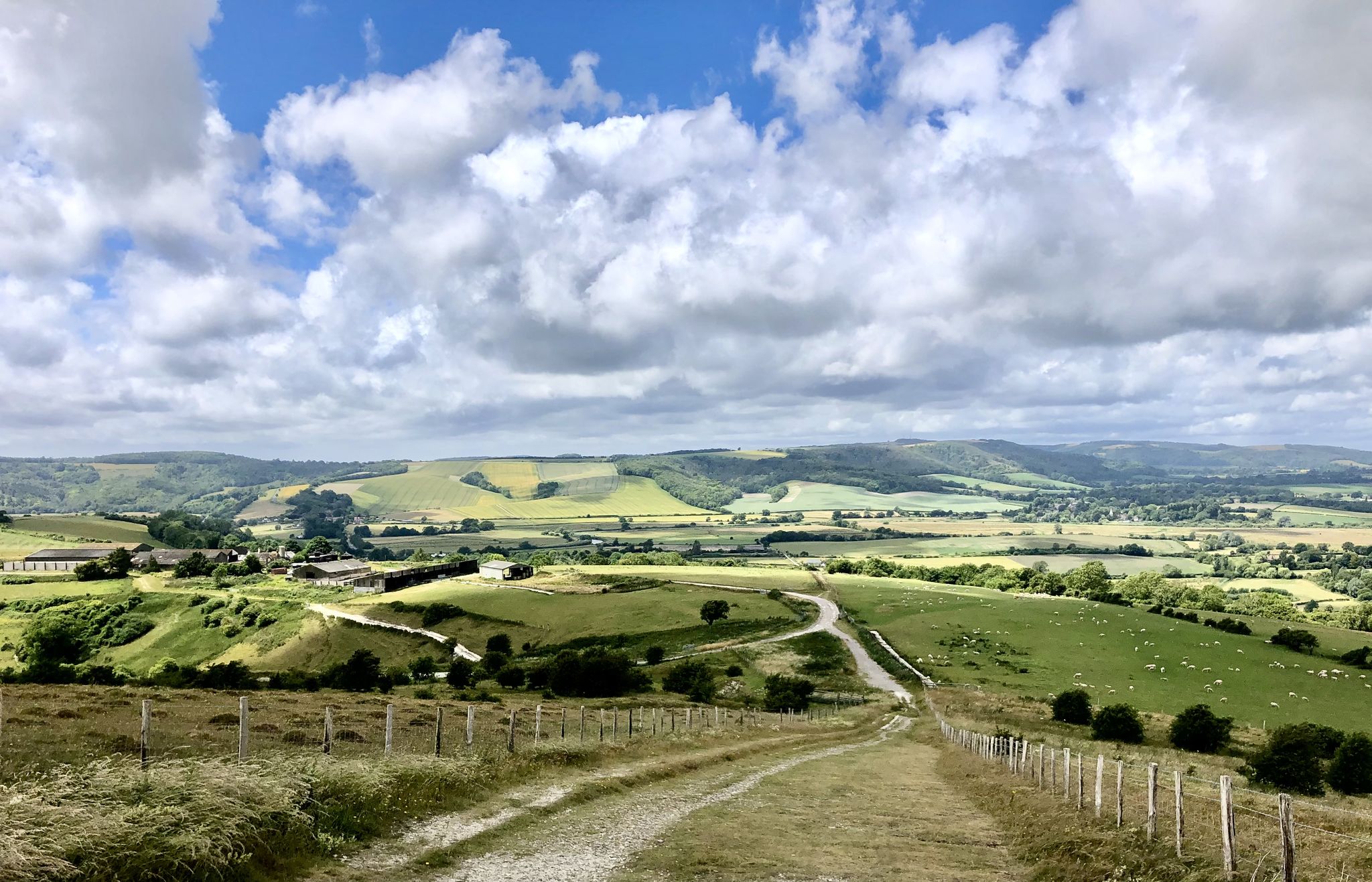
Bikepacking Brighton to Bristol — Ridges, canals and rail paths
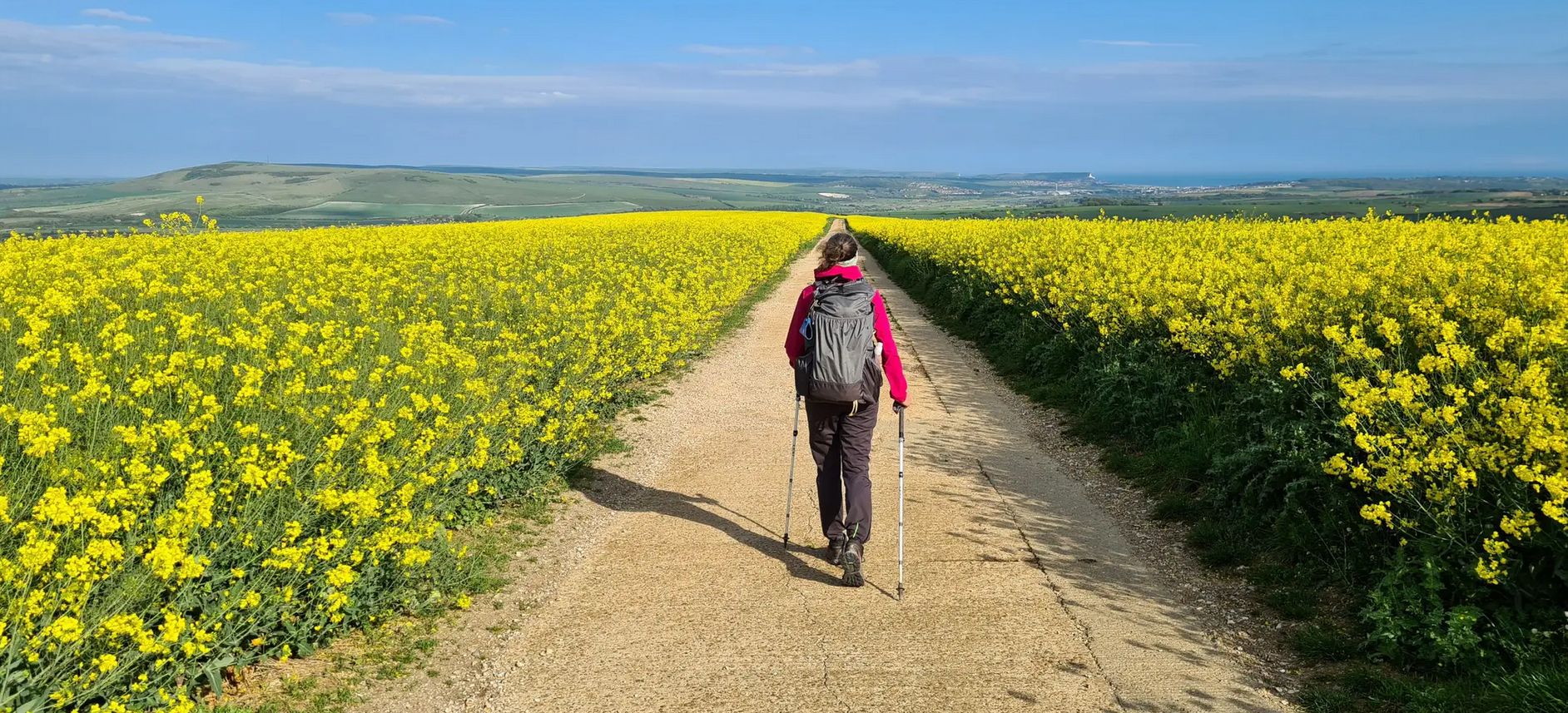
South Downs Way – A captivating hike across Southern England
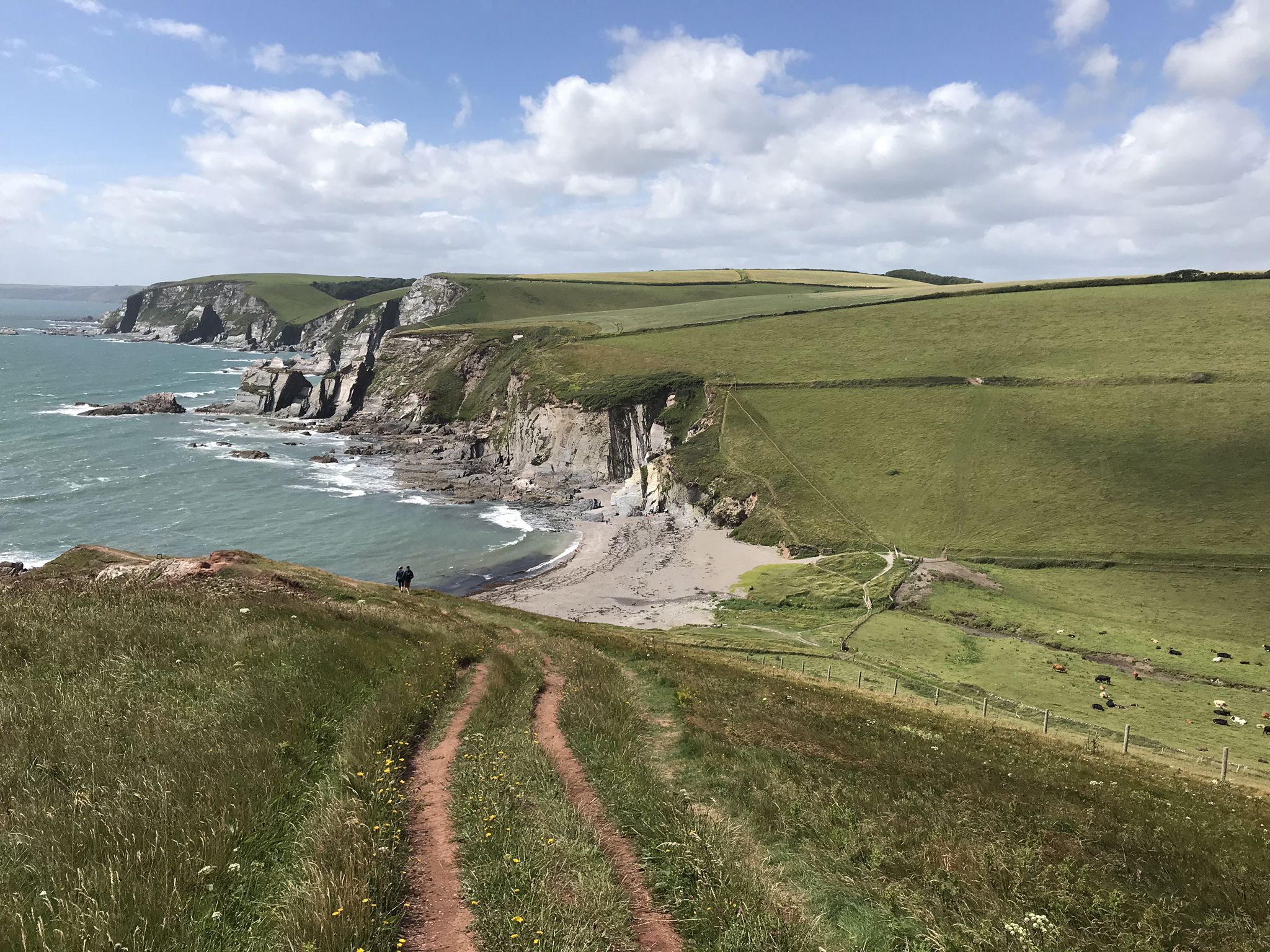
E9 Plymouth to Dover — An epic exploration of England's south coast
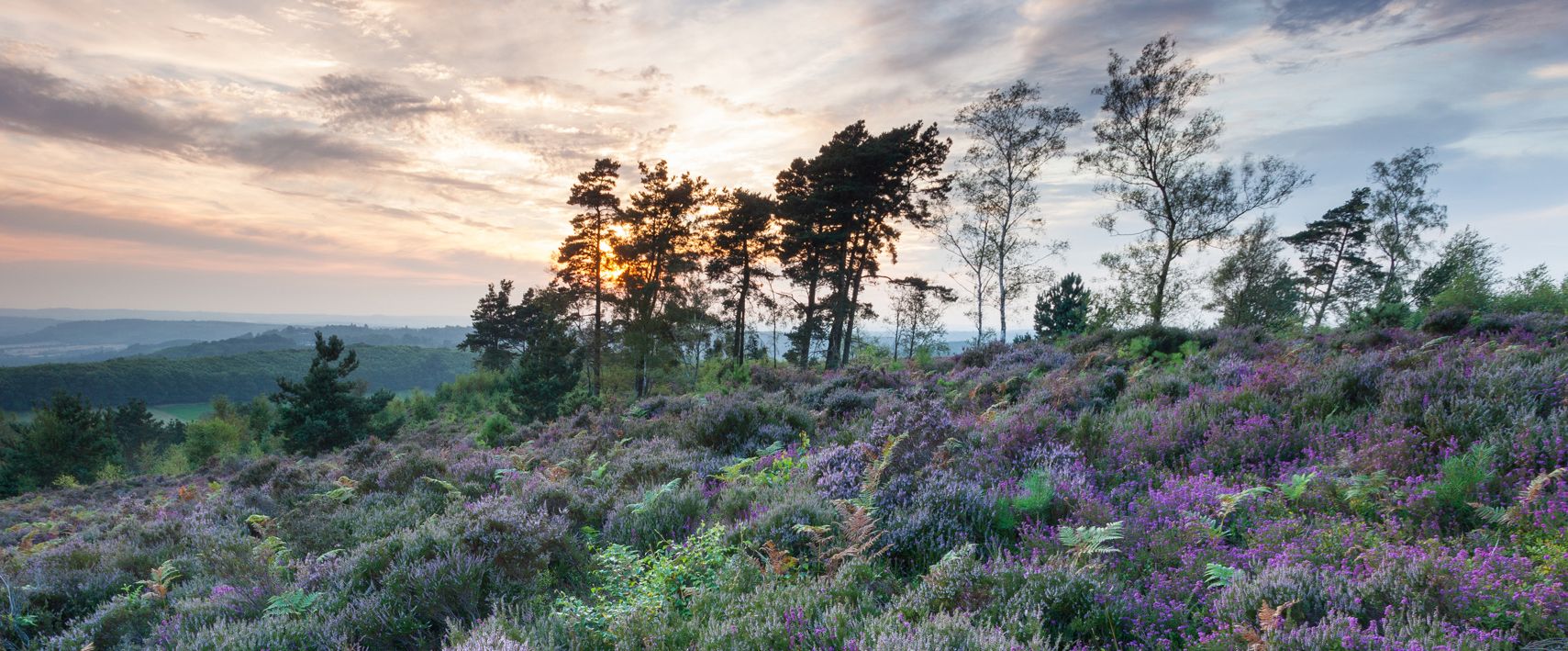
Hiking the Serpent Trail — Snake across Sussex's vibrant Greensand Hills
Other adventures in Hampshire


Tips from the Community

As others have said, the area around this pond is crucially important for endangered birds from April to August and should be avoided during these months to give the wildlife the time and space it needs to safely raise their babies.
0
0

If you're walking with a dog that has a tendency to find mud, I recommend keeping it on a lead on the sea wall if the sea is any distance at all from the wall. Smelly, gloopy mud is present just about anywhere between Lymington and Milford-on-Sea!
0
0
Lovely quiet roads, watch out for the cattle grids
0
0
Walked to this pond early April. Ground comparatively dry due to very low rainfall in March. No signage seen for nesting birds.
0
0

Archaeological finds show that a sea salt industry has operated in the Solent for at least 2000 years. The industry flourished and by medieval times was firmly established at Lymington. Salt was obtained by impounding sea water in shallow lagoons known as salterns, and allowing evaporation during the summer months to remove the water. This activity was undertaken on land that had been reclaimed from the sea through the construction of a series of sea walls. The first reference to a medieval salt industry in the Lymington area comes from the Domesday Book of 1086. Salt remained the principle economic asset of the area throughout the middles ages. By the 17th century records show a flourishing economy in the area. The industry reached its peak early in the 18th century when 163 saltpans were in use at Lymington. Many people were employed during the short late summer/autumn salt making period. The smoke and steam from the boiling houses must have given the marshes the appearance of an industrial landscape. During this period sea salt from Lymington was exported as far as Norway, Newfoundland and the USA. The 19th century saw the decline of the industry. New rail links to the salt mines of Cheshire meant it was cheaper to dig salt from the ground and transport it around the country than extract it from sea water. The final Lymington saltern closed in 1865. Today the reserve features the best preserved example of medieval and later salt workings in southern England including Moses, Maiden and Pennington ‘salt docks’. These docks were used for the importation of coal for the boiling houses and export of salt on barges. Following the demise of the salt industry landowners looked for other sources of income. Most drained their holdings to produce the grazing marshes that exist today. The marshes have been grazed ever since. Parts have had other uses including a short-lived golf course, a rubbish tip and a rifle range.
0
0
Coastal lagoons are bodies of salt or brackish water that are partially connected to the sea through narrow openings or permeable barriers. On the Lymington-Keyhaven marshes the lagoons lie just inside the seawall. They are connected to the sea by sluices. Salt water also percolates through the sands and gravel below. The lagoons vary in size from less that 2m to over 200m in width. For most of their length the lagoons are relatively narrow ditches about 50 cm deep with muddy bottoms. As well as sea water the lagoons receive freshwater as rainwater, runoff from adjacent land and from nearby streams. The amount of freshwater dilutes the sea water reducing the salinity. In hot weather salinity levels can rise as evaporation removes freshwater. Lagoons show a great fluctuation in salinity and temperature making them a hostile environment for most marine species. Some highly specialised organisms have evolved to take advantage of these conditions. These lagoonal specialists have restricted distributions and are rare. Some species that occur on the reserve are the lagoon shrimp, starlet anemone, lagoon cockle and foxtail stonewort. More obvious residents of the lagoons are birds which use them throughout the year. Species including little egret, teal and little tern feed in the lagoons. Waders such as curlew, sandpiper, dunlin and little stint stop off on their long migratory journeys.
0
0
Coastal marshes, lagoons and former salt marshes particularly important for wintering birds. Hampshire County Council began purchasing the area in 1974 when it bought Normandy Farm. Pennington Marshes were bought in 1979 followed in 1984 by Keyhaven Marshes. This far-sighted policy was a response to the rapid rate of development and loss of habitat in previous decades. Bringing this area into public ownership was the only way to protect it for future generations to enjoy. By 2006 the reserve extended from the mouth of the Lymington River almost to the village of Keyhaven and covered over 500 acres. The Hampshire & Isle of Wight Wildlife Trust’s involvement in the Lymington area started in 1961, its first year of existence. It entered into an agreement with the Ministry of Public Buildings and Works, to warden an area at the end of Hurst Spit. In the same year 20 acres of salterns at Lymington became a private nature reserve. The Wildlife Trust’s reserve started to expand in 1980 and now encompasses over 700 ha. Today the combined area of the two reserves covers well over 1200 hectares. It incorporates mudflats, salt marshes, shingle banks, coastal grazing marshes, and saline lagoons. The reserve supports important populations of birds and rare and specialist plants and invertebrates. Since the construction of the new seawall in the early 1990s the number of visitors to the reserves has increased. Despite this the reserves continue to offer people a great opportunity to enjoy this unique area and its wildlife.
0
0
Frequently Asked Questions
What kind of wildlife can I expect to see at Hampshire's lakes?
Hampshire's lakes are rich in wildlife. At Testwood Lakes Nature Reserve, you can spot abundant birdlife including sand martins, great crested grebes, kingfishers, and various egrets. Whitten Pond is known for herds of ponies grazing, alongside birds and other wildlife. Normandy Lagoon Nature Reserve and Lymington and Keyhaven Marshes Nature Reserve are excellent for birdwatching, with species like brent geese, waders, gulls, and terns. You might even spot otters or water voles in the reedbeds.
Are there any historic lakes or estates to visit in Hampshire?
Yes, Avington Park Mansion and Lake is part of a historic country estate dating back to the 10th century, offering a serene lake setting near the manor house. Additionally, the area around Normandy Lagoon Nature Reserve has historical significance, as the marshes were once used as salterns for salt production until the 19th century.
What are some tranquil spots for relaxation around Hampshire's lakes?
For peaceful relaxation, Whitten Pond, located in open heathland south of Burley, is popular for relaxing on its shoreline and enjoying the scenery. Hatchet Pond is another beautiful, serene spot nestled within roadside heathland, ideal for watching the sunset.
Are there good walking or hiking trails around Hampshire's lakes?
Absolutely. Many lakes, such as Testwood Lakes Nature Reserve and Normandy Lagoon Nature Reserve, feature walking trails. The wider Hampshire region offers numerous hiking opportunities. You can find detailed routes and guides for hiking in the area on the Hiking in Hampshire guide, including trails like the Whitefield Moor loop in the New Forest National Park.
Can I go cycling near the lakes in Hampshire?
Yes, cycling is a popular activity. Avington Park Lake is near Avington Park Lane, which is part of National Cycle Network route 23. For more extensive cycling, you can explore various routes in the region. Check out the Cycling in Hampshire guide for routes like the Rhinefield Ornamental Woodland loop or the Beaulieu to Brockenhurst loop in the New Forest National Park.
Are there opportunities for fishing in Hampshire's lakes?
Hampshire is home to several excellent fishing lakes. Notable spots include Orchard Lakes, known for its five picturesque lakes with diverse fish species, and Gold Valley Lakes, popular for carp fishing. Other options include Broadlands Lake, Watmore Farm Fishery, Hordle Lakes, and Headlands Farm Fishery, all offering various angling experiences.
Which lakes in Hampshire are suitable for families?
Several lakes are great for families. Whitten Pond and Hatchet Pond are popular for picnics and enjoying nature, with ponies often seen grazing. Testwood Lakes Nature Reserve offers walking trails and wildlife spotting. Avington Park Mansion and Lake provides a scenic setting, and Lymington and Keyhaven Marshes Nature Reserve is also family-friendly for birdwatching.
Are Hampshire's lakes dog-friendly?
Many of Hampshire's lakes and surrounding areas are dog-friendly, especially those with walking trails. However, it's always best to check specific reserve rules, as some areas might have restrictions during ground-nesting bird seasons (e.g., February to July around Whitten Pond) or require dogs to be on leads to protect wildlife and livestock like the New Forest ponies.
When is the best time to visit the lakes in Hampshire?
The best time to visit depends on your interests. Summer months are popular for places like Whitten Pond and Hatchet Pond for relaxing and picnics. Birdwatching is excellent year-round at nature reserves like Lymington and Keyhaven Marshes Nature Reserve, with migratory birds arriving in autumn/winter. Be prepared for potentially windy and cold conditions at coastal reserves like Normandy Lagoon Nature Reserve in cooler months.
What facilities are available at the lakes in Hampshire?
Facilities vary by location. Many popular spots like Hatchet Pond often have parking available, and you might even find an ice cream van there in summer. Nature reserves typically offer walking trails and viewpoints. For specific amenities like cafes or pubs, it's advisable to check local information for the lake you plan to visit.
What makes Normandy Lagoon Nature Reserve a popular spot?
Normandy Lagoon Nature Reserve is highly regarded for its fantastic wetland and sea views, rich wildlife, and the striking contrast of its vibrant blue water against green woodlands. It's an excellent location for birdwatchers and offers a unique natural experience, though it can be windy and cold in cooler months.
Where can I find mountain biking trails near Hampshire's lakes?
Hampshire offers several mountain biking opportunities, particularly in areas like the New Forest National Park which is home to many lakes. You can explore various routes, such as the Brockenhurst loop or the Bolderwood loop from Lyndhurst. More detailed information and routes can be found in the MTB Trails in Hampshire guide.
Most popular routes in Hampshire
Most popular attractions in Hampshire

Get inspired with the komoot mobile app


Didn’t find what you were looking for?
Find the best lakes in Hampshire per region:
Explore more
Still not found your perfect lake in Hampshire? Check out the guides of these regions to see even more beautiful places.
