Attractions and Places To See in Mtskheta-Mtianeti - Top 20
Best attractions and places to see in Mtskheta-Mtianeti include a blend of historical, cultural, and natural sites. This region, split by the Caucasus Mountains, is home to ancient monasteries, fortresses, and significant religious buildings. Visitors can explore diverse landscapes ranging from high mountain peaks to serene valleys and lakes. The area offers a rich experience for those interested in Georgia's heritage and natural beauty.
Best attractions and places to see in Mtskheta-Mtianeti
- The most popular attractions is Gergeti Holy Trinity…
Last updated: July 20, 2026
Gergeti Holy Trinity Church
Highlight • Religious Site
Translated by Google •
Tip by

Gergeti Trinity Church
Highlight • Religious Site
Tip by

Sign up now to discover places like this
Get recommendations on the best single tracks, peaks, & plenty of other exciting outdoor places.
Sign up for free
Stepantsminda
Highlight • Settlement
Translated by Google •
Tip by

Jvari Monastery
Highlight • Religious Site
Translated by Google •
Tip by

Svetitskhoveli Cathedral
Highlight • Religious Site
Translated by Google •
Tip by
Terek River
Highlight • River
Tip by

Shatili Fortress Village
Highlight • Historical Site
Translated by Google •
Tip by

View of Mount Kazbek and Stepantsminda
Highlight • Viewpoint
Tip by

Mineral Spring and Pond in Truso Valley
Highlight • Natural Monument
Tip by
Statue of Aleksandre Qasbegi
Highlight • Monument
Translated by Google •
Tip by

Sign up for free to discover even more attractions in Mtskheta-Mtianeti.
Sign up for free
Already have an account?
Start today with a free account
Your next adventure awaits.
Login or Signup
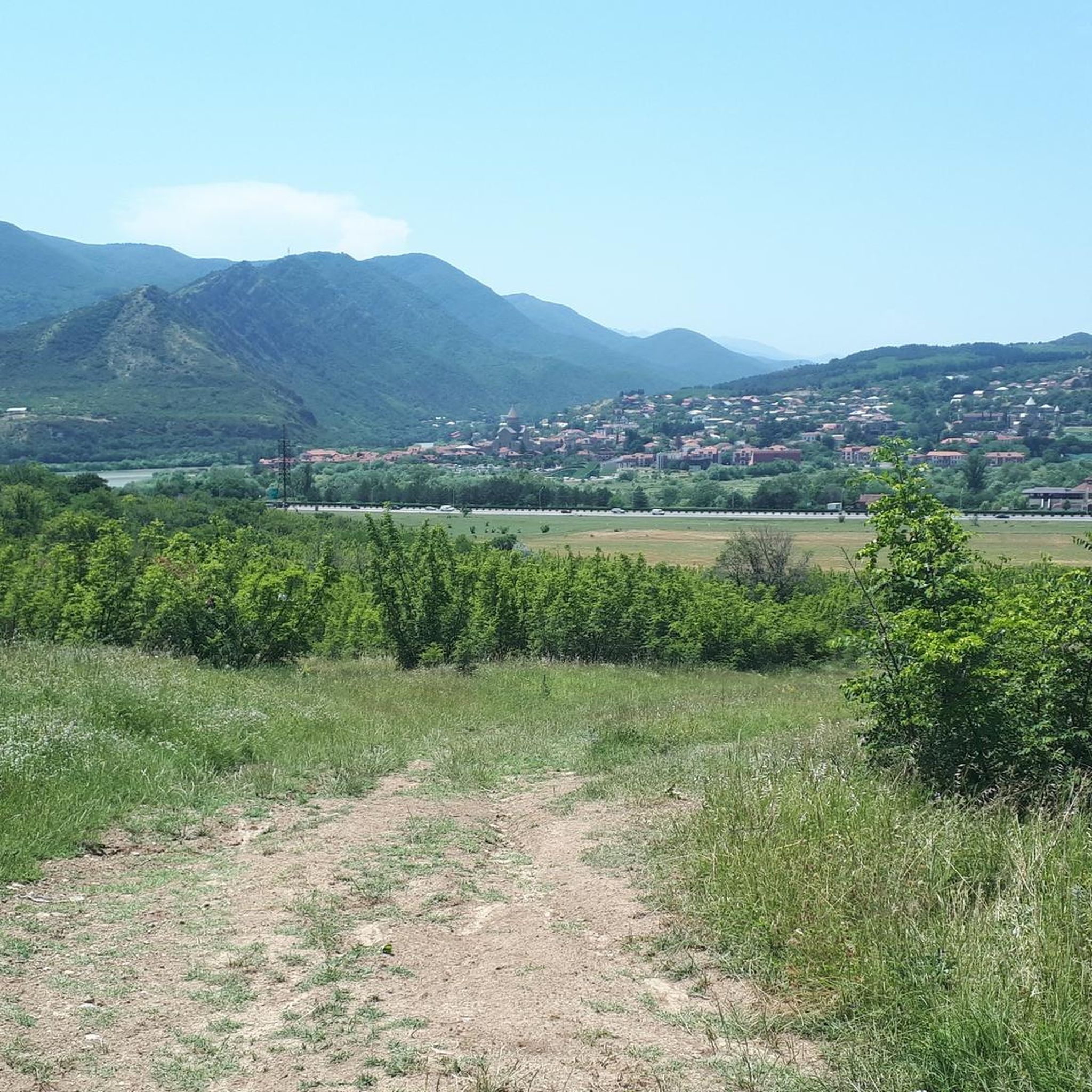
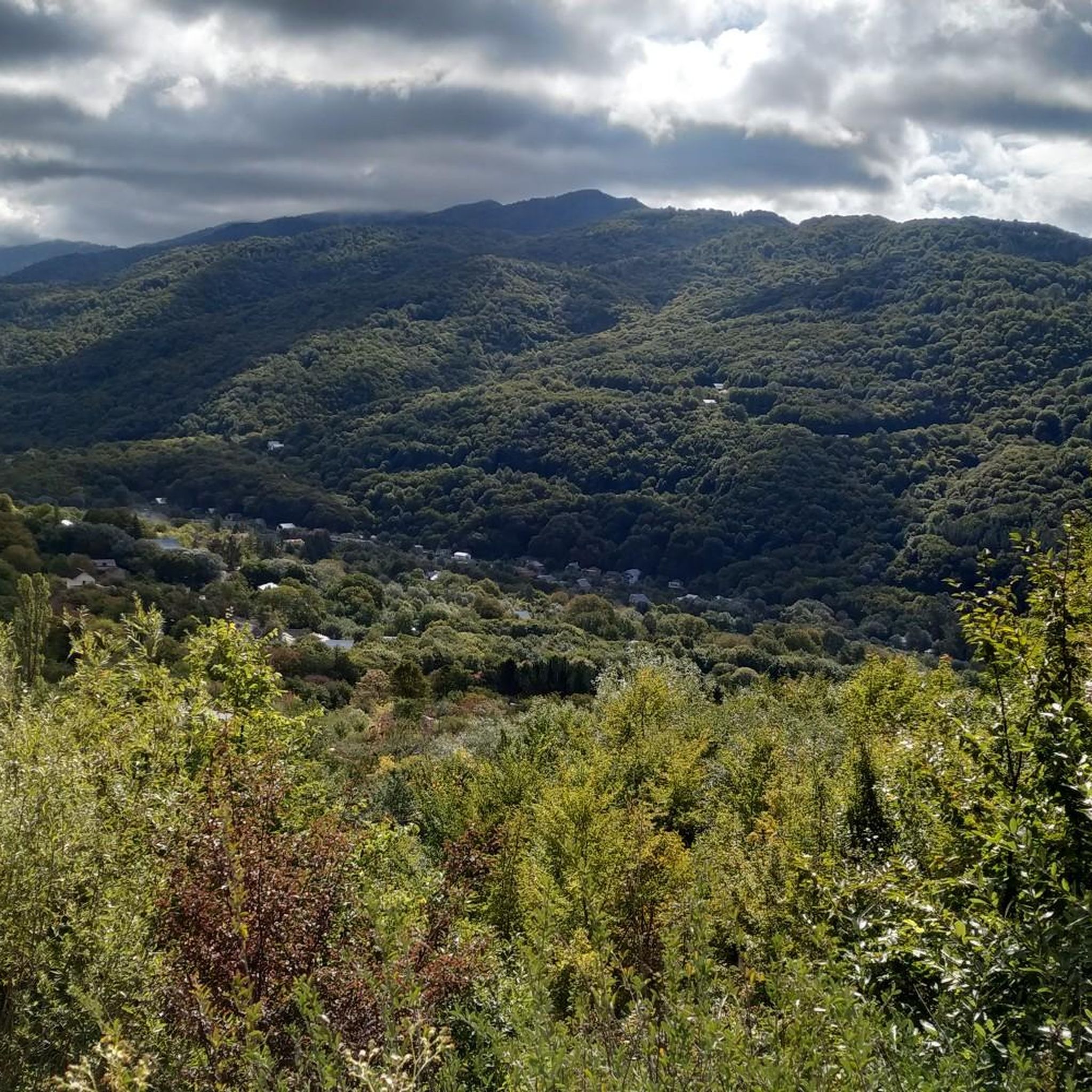


Other adventures in Mtskheta-Mtianeti

Tips from the Community

Mount Kazbek is behind. From the church, they look in the opposite direction to the village.
0
0

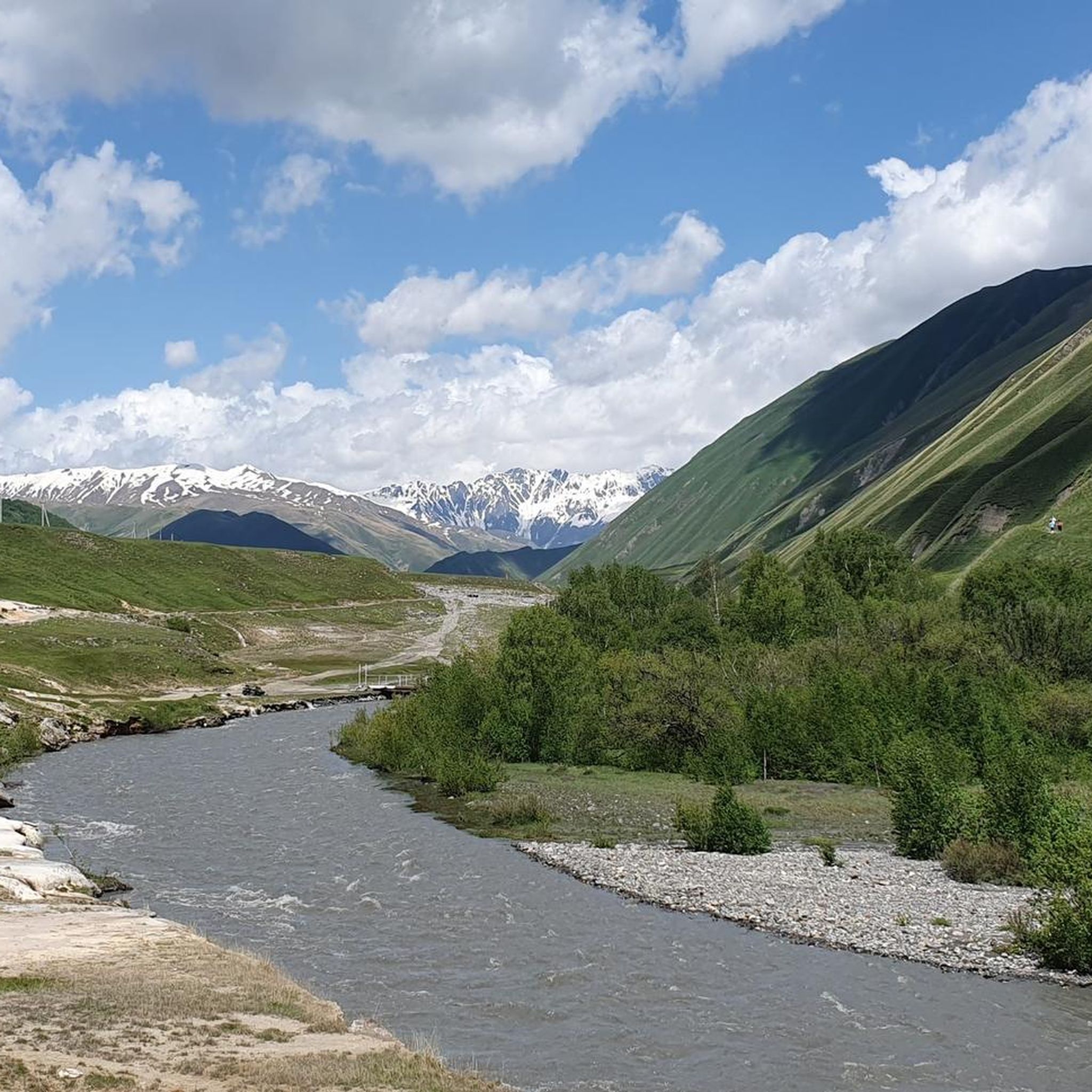
The Terek[a] (/ˈtɛrɪk/) is a major river in the Northern Caucasus. It originates in the Mtskheta-Mtianeti region of Georgia and flows through North Caucasus region of Russia into the Caspian Sea. It rises near the juncture of the Greater Caucasus Mountain Range and the Khokh Range, to the southwest of Mount Kazbek, winding north in a white torrent between the town of Stepantsminda and the village of Gergeti toward the Russian region North Ossetia and the city of Vladikavkaz. It turns east to flow through Chechnya and Dagestan before dividing into two branches which empty into the Caspian Sea. Below the city of Kizlyar it forms a swampy river delta around 100 kilometres (62 mi) wide. The river is a key natural asset in the region, providing irrigation and hydroelectric power in its upper reaches.
0
0

The hike took about 60 mins for me but count on 60-90 mins one way. The Google Map Walk mode is accurate and I followed that. The visitor center also recommended it. It passes the Gergeti Cafe.
1
0

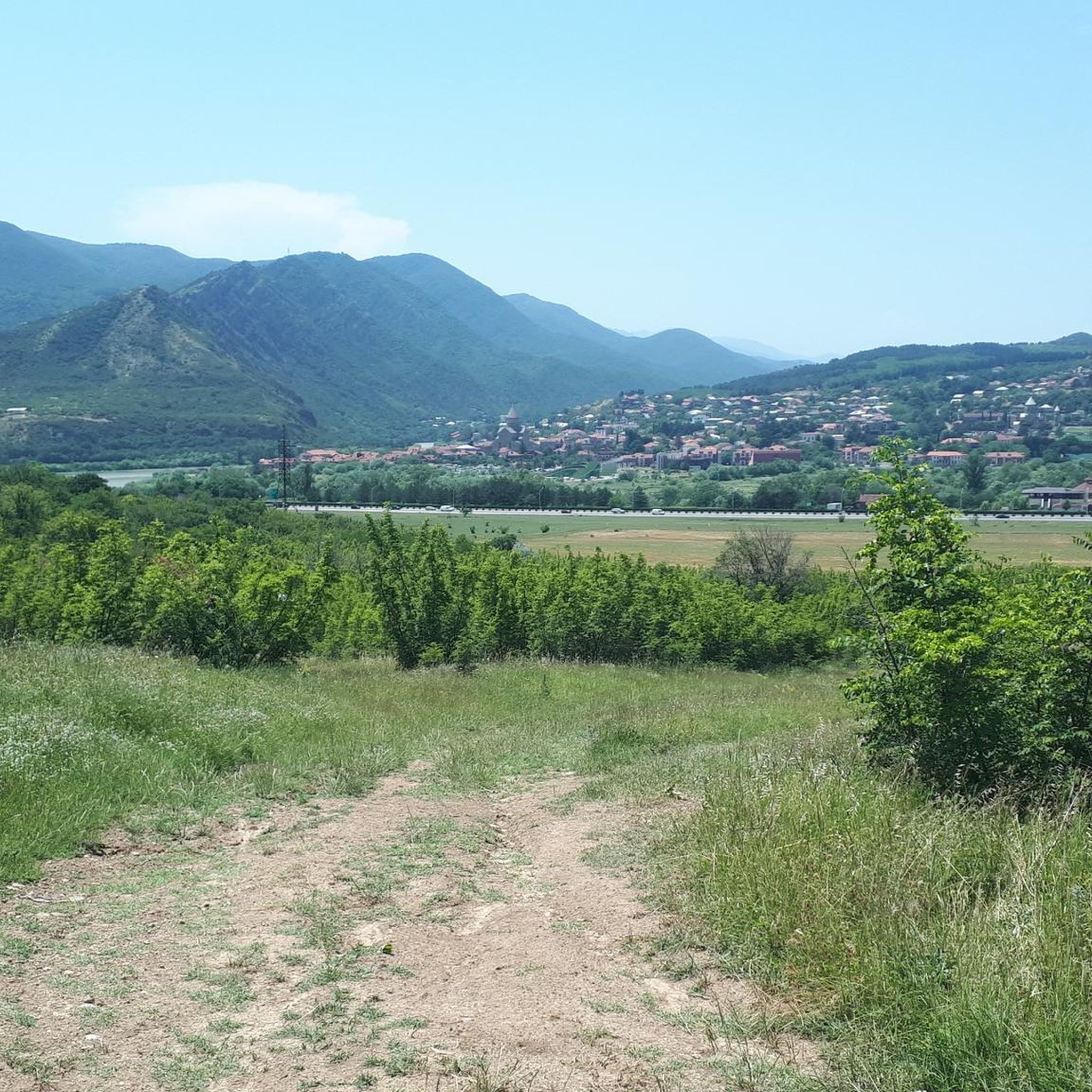
A museum city 20 kilometers from Tbilisi with a population of less than 8,000 people is one of the oldest in Georgia. Attractions: • Svetitskhoveli Cathedral • Samtavro Monastery • Pompey's Bridge • Antioch Church • Jvari Monastery • Bebristsikhe Fortress
1
0

Mtskheta is also home to the medieval Svetitskhoveli Cathedral ("Life-Giving Pillar"). According to legend, an angel helped erect the pillars of the oldest church built in the area. A robe of Christ ("Holy Robe") is venerated as its main relic. The current church, with galleries and a high dome on four massive pillars, was built between 1010 and 1029. For a long time, it was the burial place of the Georgian kings of the Bagratid dynasty. Destroyed by Timur Lenk, it was rebuilt in the 15th century (Wikipedia).
7
0
Jvari Monastery, also known as Jvari Church or Jvari Monastery, is a 6th-century Georgian Orthodox monastery near Mtskheta, the ancient capital of Georgia (Wikipedia).
8
0

A Georgian writer, famous for his 1883 novel The Patricide.
0
0

World Heritage Site, namely in an ensemble: the historic churches and monasteries. The Svetiskhoveli Cathedral was the former main and coronation church of Georgia (built in the 11th century). (Cross-domed church [the preferred construction principle here] means: cross as a floor plan, dome or cone on top.)
1
0
Frequently Asked Questions
What are the most significant historical and religious sites in Mtskheta-Mtianeti?
The region is rich in history and spirituality. Key sites include the UNESCO World Heritage sites of Jvari Monastery, a 6th-century masterpiece overlooking the Mtkvari and Aragvi rivers, and Svetitskhoveli Cathedral in Mtskheta, an 11th-century cathedral believed to house Christ's mantle. Another important site is the Gergeti Holy Trinity Church, a 14th-century church set dramatically against Mount Kazbek.
Are there any family-friendly attractions in Mtskheta-Mtianeti?
Yes, several attractions are suitable for families. The ancient capital of Stepantsminda (Kazbegi) offers a scenic setting and is a good base for exploring. The Svetitskhoveli Cathedral and Jvari Monastery are also considered family-friendly historical sites, offering cultural insights and impressive views. Additionally, the Statue of Aleksandre Qasbegi is easily accessible and family-friendly.
What natural wonders can I explore in the Mtskheta-Mtianeti region?
Mtskheta-Mtianeti boasts stunning natural landscapes. You can visit the unique Mineral Spring and Pond in Truso Valley, known for its distinctive mineral formations. The majestic Mount Kazbek and its surrounding areas, including the Gergeti Glacier, offer breathtaking views. Other natural highlights include Dashbashi Canyon with its dramatic cliffs and waterfalls, the Truso and Dariali Gorges, and the picturesque Sabaduri Forest.
What are the best viewpoints in Mtskheta-Mtianeti?
For spectacular vistas, the Gergeti Holy Trinity Church offers unparalleled views of Mount Kazbek. The Jvari Monastery provides panoramic views of Mtskheta and the confluence of the Mtkvari and Aragvi rivers. Another excellent spot is the View of Mount Kazbek and Stepantsminda, which offers a broader perspective of the iconic mountain and the town.
Are there opportunities for hiking and trekking near these attractions?
Absolutely. The region is a hiker's paradise. Many trails lead to and around attractions like the Gergeti Holy Trinity Church. You can find various routes, from moderate to difficult, for mountain hikes in the area. For more detailed information on routes, including those around Stepantsminda and Mount Kazbek, explore the Mountain Hikes in Mtskheta-Mtianeti guide.
What outdoor activities, besides hiking, are available in Mtskheta-Mtianeti?
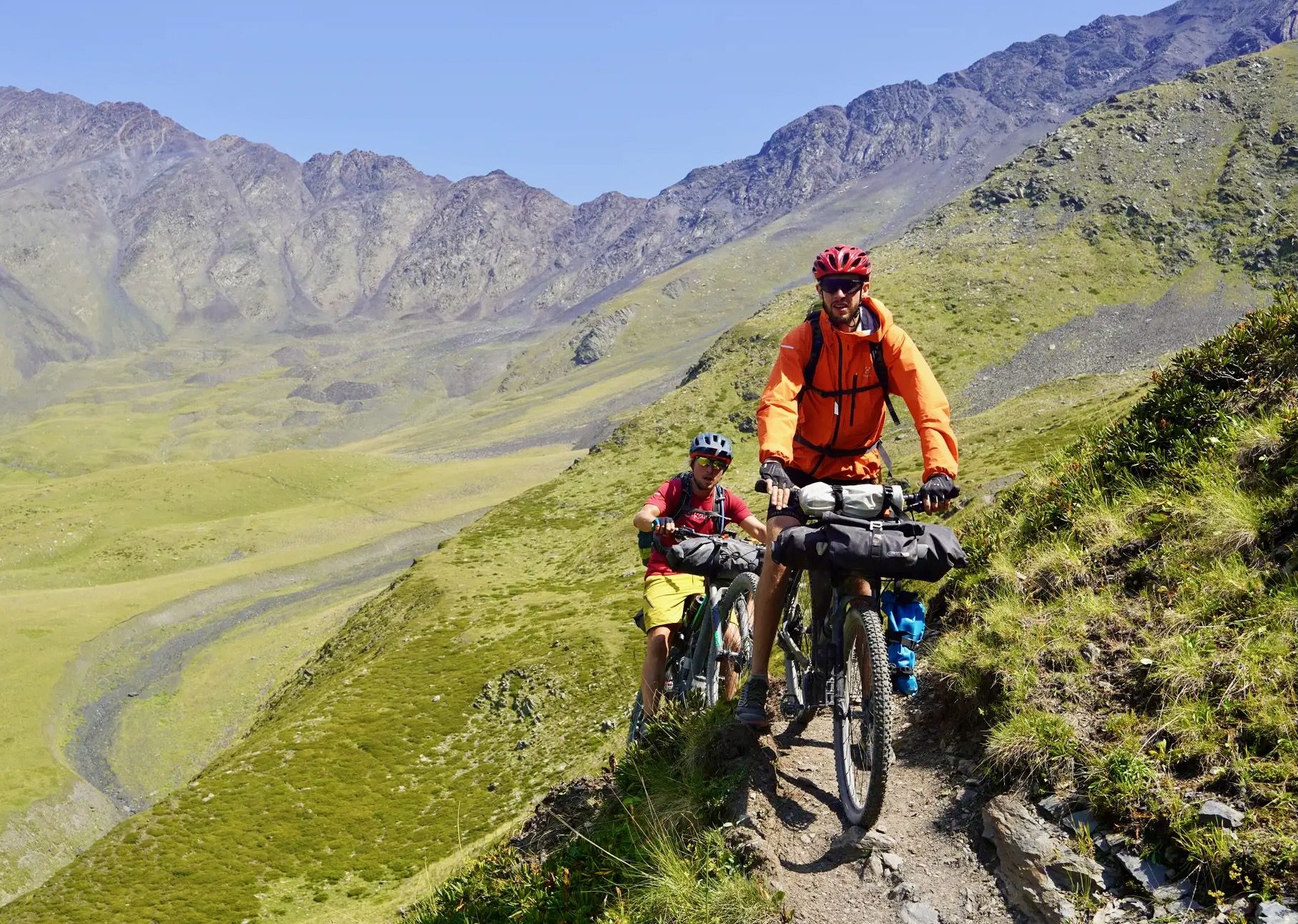
Beyond hiking, the Mtskheta-Mtianeti region offers diverse outdoor activities. In winter, Gudauri is a popular alpine resort for skiing and snowboarding. For cycling enthusiasts, there are numerous routes, including those that pass by historical sites and natural landscapes. You can find more information on cycling routes in the Cycling in Mtskheta-Mtianeti guide, and for mountain biking, check out the MTB Trails in Mtskheta-Mtianeti guide.
What is the best time of year to visit Mtskheta-Mtianeti?
The best time to visit depends on your interests. Spring and autumn offer pleasant weather for sightseeing and hiking, with vibrant foliage in fall, especially in places like Sabaduri Forest. Summer is ideal for high-altitude trekking and enjoying the lakes. Winter transforms Gudauri into a popular ski destination, and the snow-covered landscapes around Kazbegi are stunning, though some roads may be challenging.
Are there any ancient fortresses or castles to visit?
Yes, the region is home to impressive historical fortifications. The Ananuri Fortress Complex, overlooking the Zhinvali Reservoir, is a 16th-century site with medieval towers and churches. Another remarkable example is the Shatili Fortress Village, an excellent example of Georgian medieval architecture where houses are built together to form a protective wall.
What do visitors enjoy most about the attractions in Mtskheta-Mtianeti?
Visitors frequently praise the breathtaking views, especially from sites like the Gergeti Holy Trinity Church, which offers a spectacular panorama of Mount Kazbek. The historical and spiritual significance of the ancient monasteries and cathedrals, such as Jvari Monastery, also leaves a lasting impression. Many appreciate the opportunity to combine cultural exploration with challenging and rewarding hikes in stunning natural settings.
How can I get to Mtskheta and its main attractions?
Mtskheta, being an ancient capital and a UNESCO site, is well-connected. It's a short drive from Tbilisi, and public transport options like marshrutkas (minibuses) are available. Once in Mtskheta, attractions like Svetitskhoveli Cathedral are within the town, while Jvari Monastery is a short drive up a hill, often accessible by taxi or a pleasant walk.
Are there any unique geological features in the region?
Beyond the dramatic canyons and gorges, the region features interesting geological formations. The Mineral Spring and Pond in Truso Valley is notable for its vibrant mineral deposits. Additionally, the region includes volcanic Mount Khorisari, which showcases lava flows and craters, and the intriguing Bethlem Cave in Kazbegi municipality.
Most popular routes in Mtskheta-Mtianeti
Most popular attractions in Mtskheta-Mtianeti

Get inspired with the komoot mobile app


Explore more
Still not found the Highlight you’re looking for? See guides of the top attractions in other regions:
