Attractions and Places To See in Közép-Magyarország - Top 20
Best attractions and places to see in Közép-Magyarország include a concentration of historical landmarks and cultural sites, particularly within Budapest. The region features the Danube River, which flows through the capital and forms the scenic Danube Bend to the north. This area offers a diverse range of experiences, from ancient Roman ruins to significant religious buildings and panoramic viewpoints. Közép-Magyarország is characterized by its blend of urban historical centers and natural landscapes.
Best attractions and places to see in Közép-Magyarország
…Last updated: July 20, 2026
Fisherman's Bastion
Highlight • Monument
Translated by Google •
Tip by

Matthias Church
Highlight • Religious Site
Translated by Google •
Tip by

Sign up now to discover places like this
Get recommendations on the best single tracks, peaks, & plenty of other exciting outdoor places.
Sign up for free
St. Stephen's Basilica
Highlight • Religious Site
Translated by Google •
Tip by

Front of the Hungarian Parliament Building
Highlight • Monument
Translated by Google •
Tip by

Statue of St. Stephen
Highlight • Monument
Translated by Google •
Tip by

Buda Castle
Highlight • Castle
Translated by Google •
Tip by

Széchenyi Chain Bridge
Highlight (Segment) • Bridge
Translated by Google •
Tip by

Danube riverside in Vác
Highlight • River
Translated by Google •
Tip by

Millennium Monument (Millenniumi emlékmű), Heroes' Square
Highlight • Monument
Translated by Google •
Tip by
Margaret Island
Highlight • Parking
Translated by Google •
Tip by

Sign up for free to discover even more attractions in Közép-Magyarország.
Sign up for free
Already have an account?
Start today with a free account
Your next adventure awaits.
Login or Signup
Popular around Közép-Magyarország
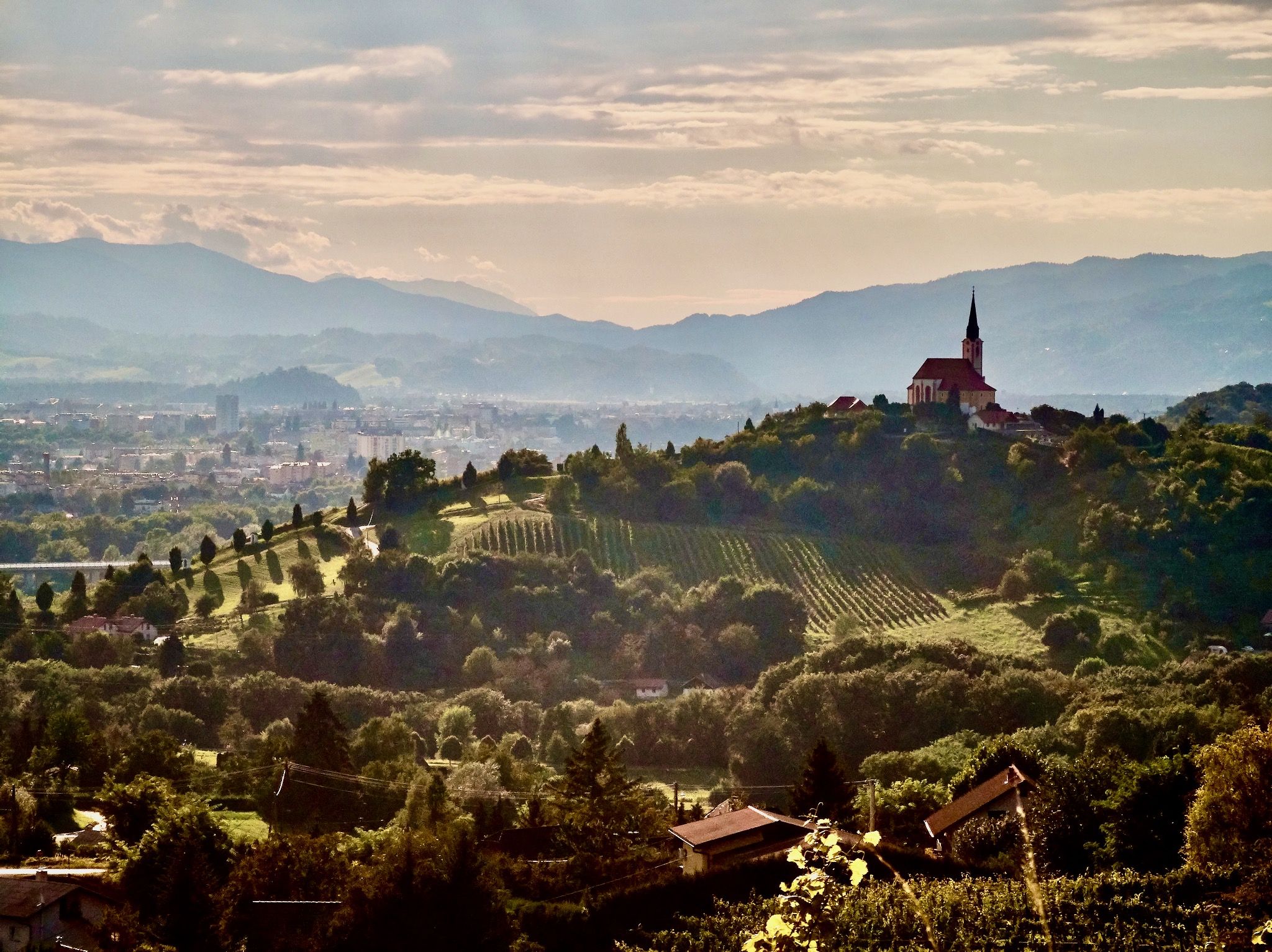
Budapest to Venice via the beautiful Soča Valley
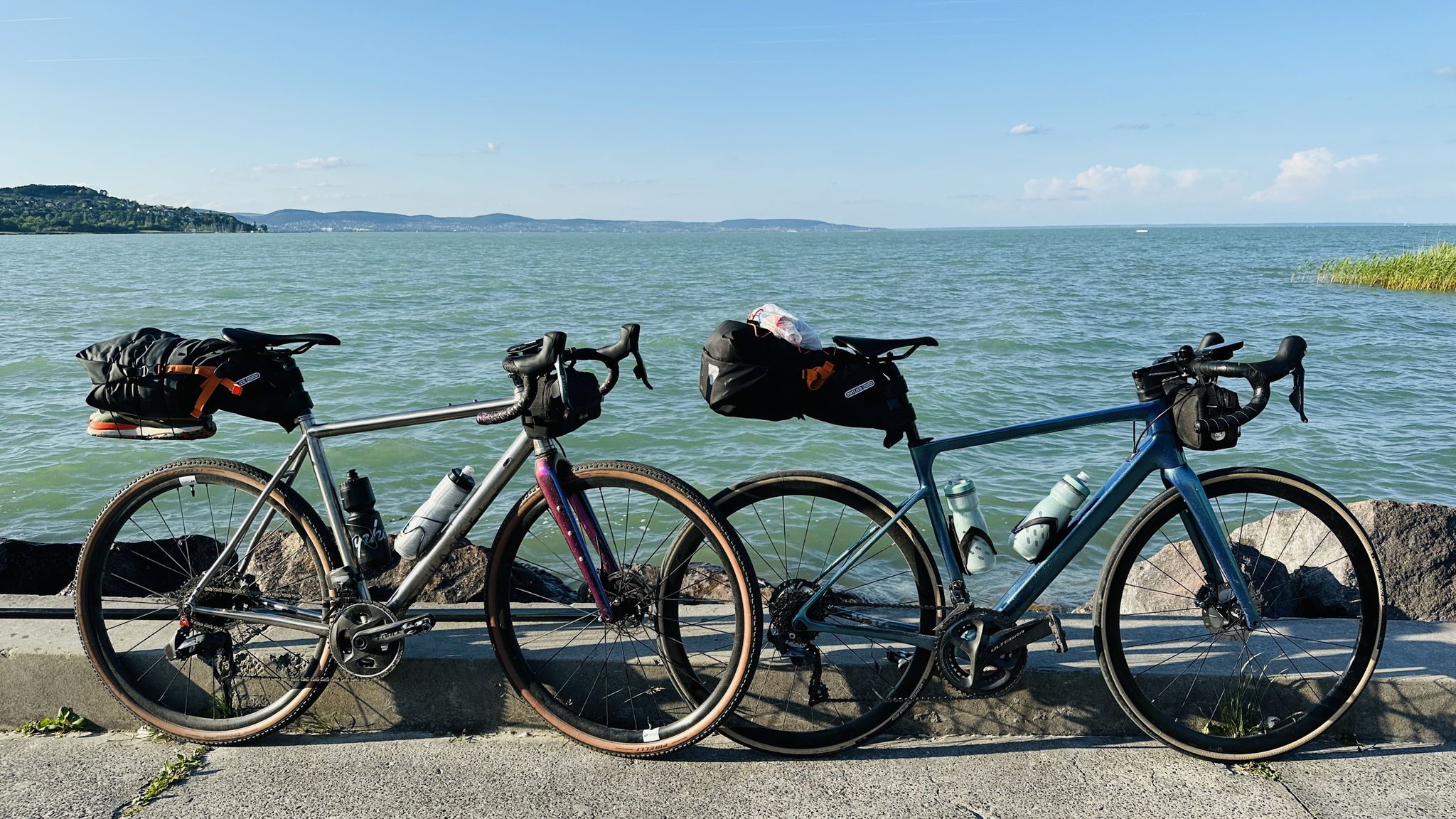
Riding two Koppels through five countries
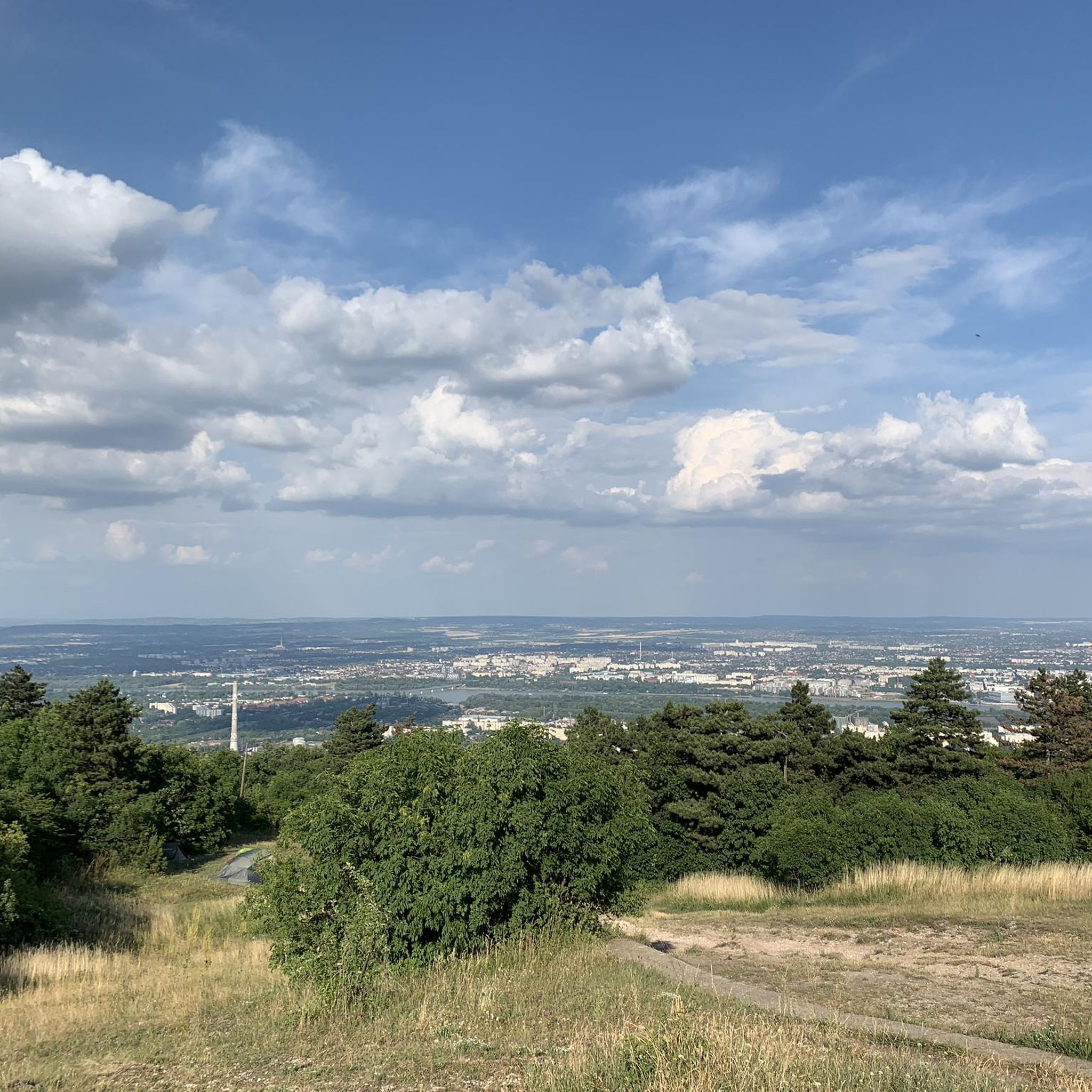
Cycling in Közép-Magyarország
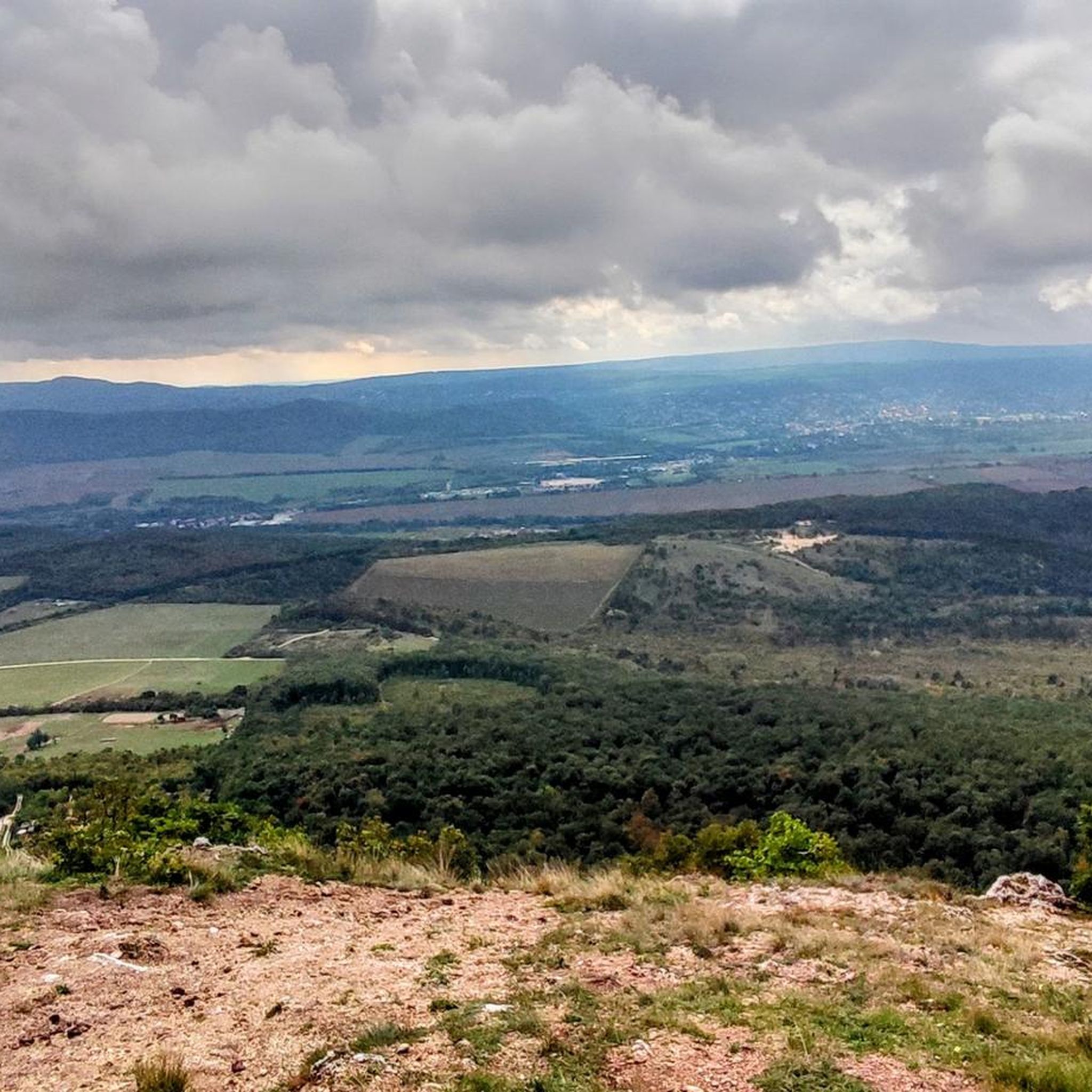
Hiking in Közép-Magyarország
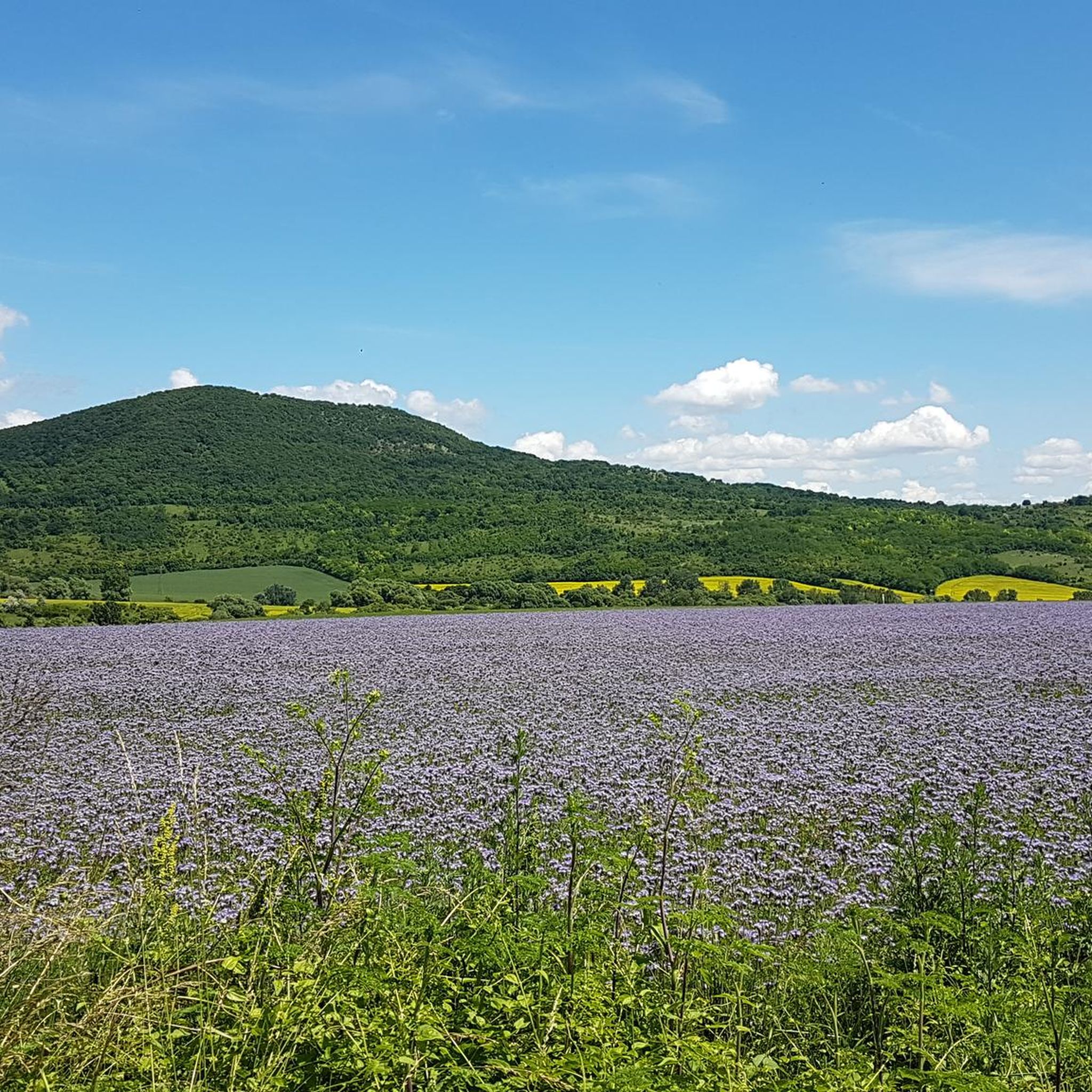
Road Cycling Routes in Közép-Magyarország
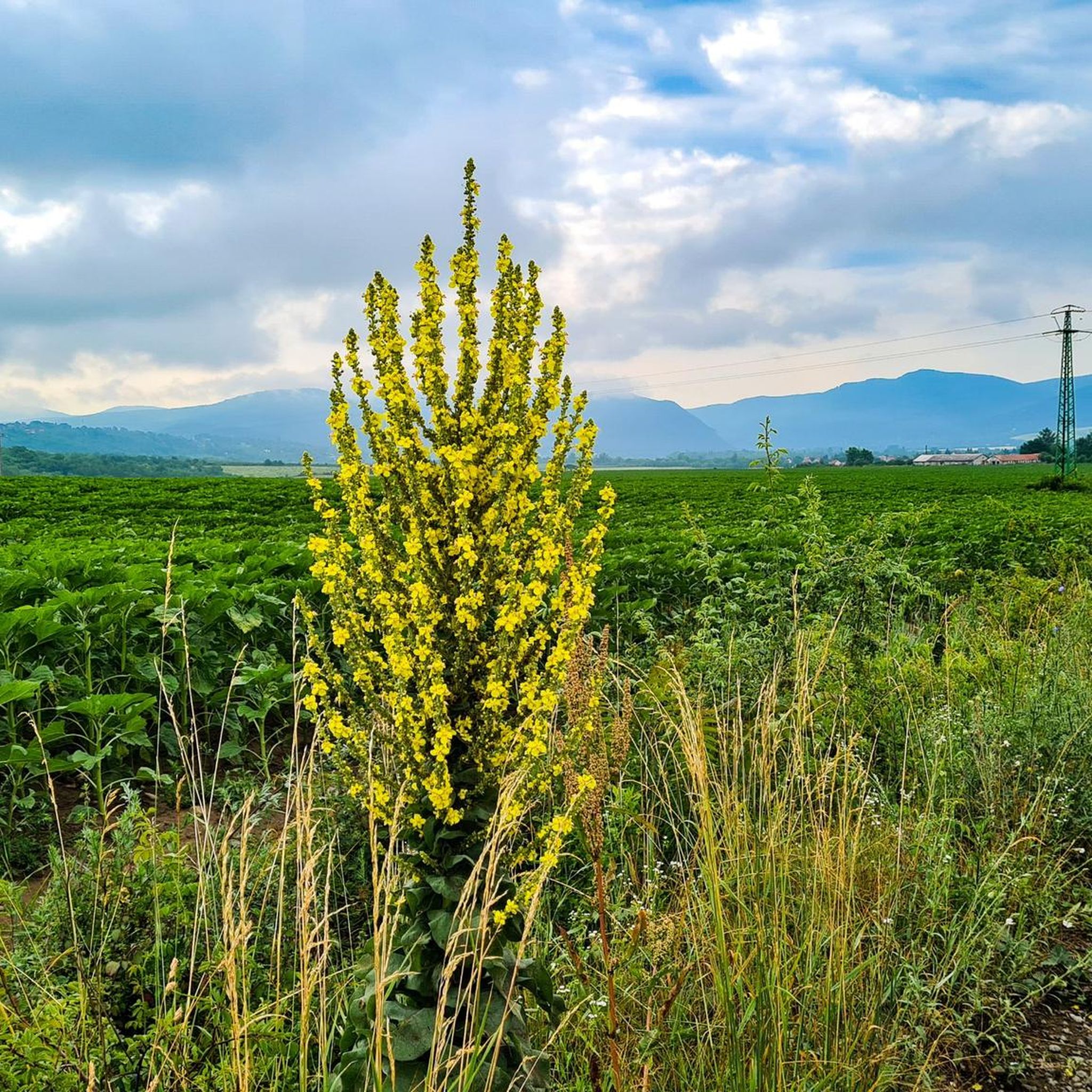
Running Trails in Közép-Magyarország
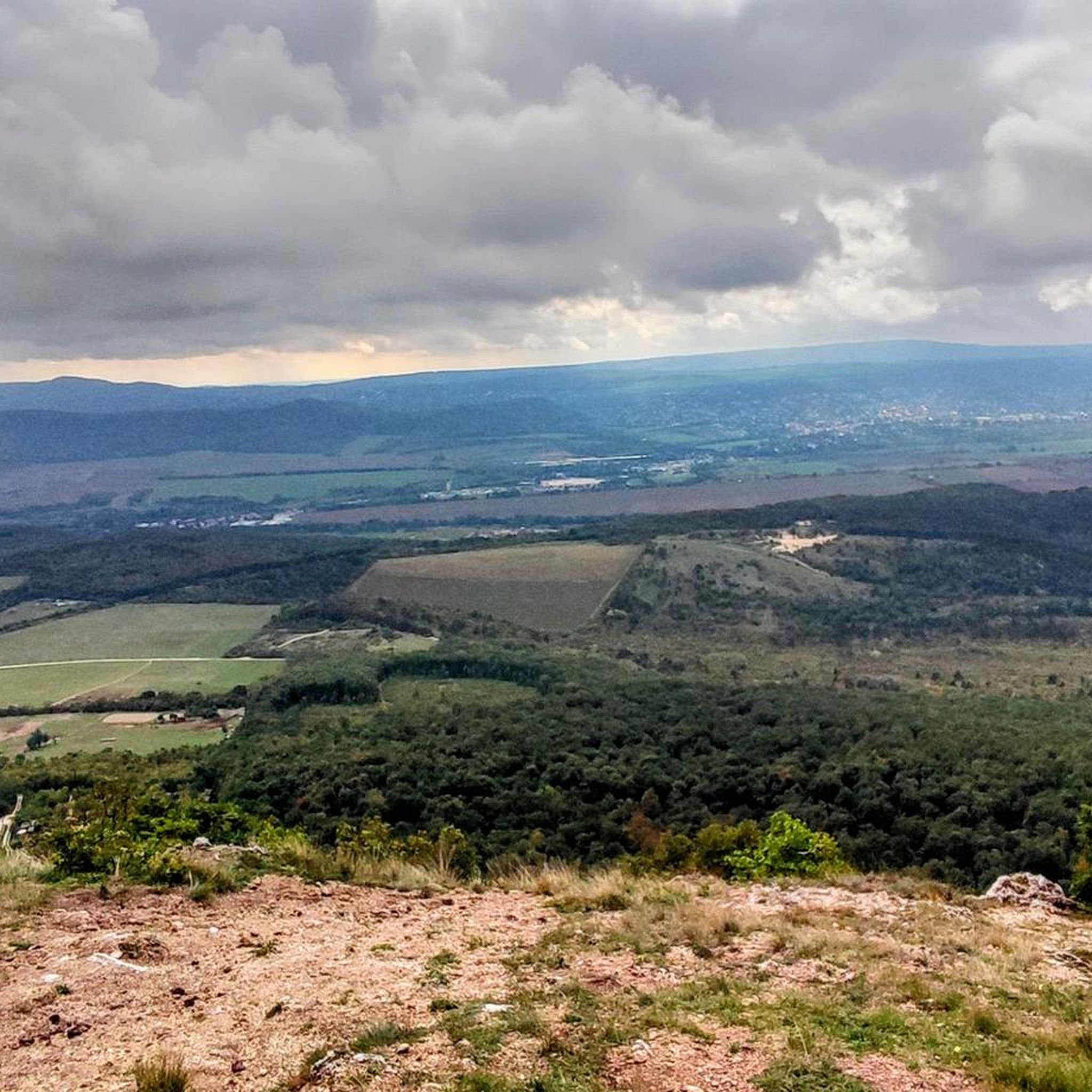
MTB Trails in Közép-Magyarország
Gravel biking in Közép-Magyarország
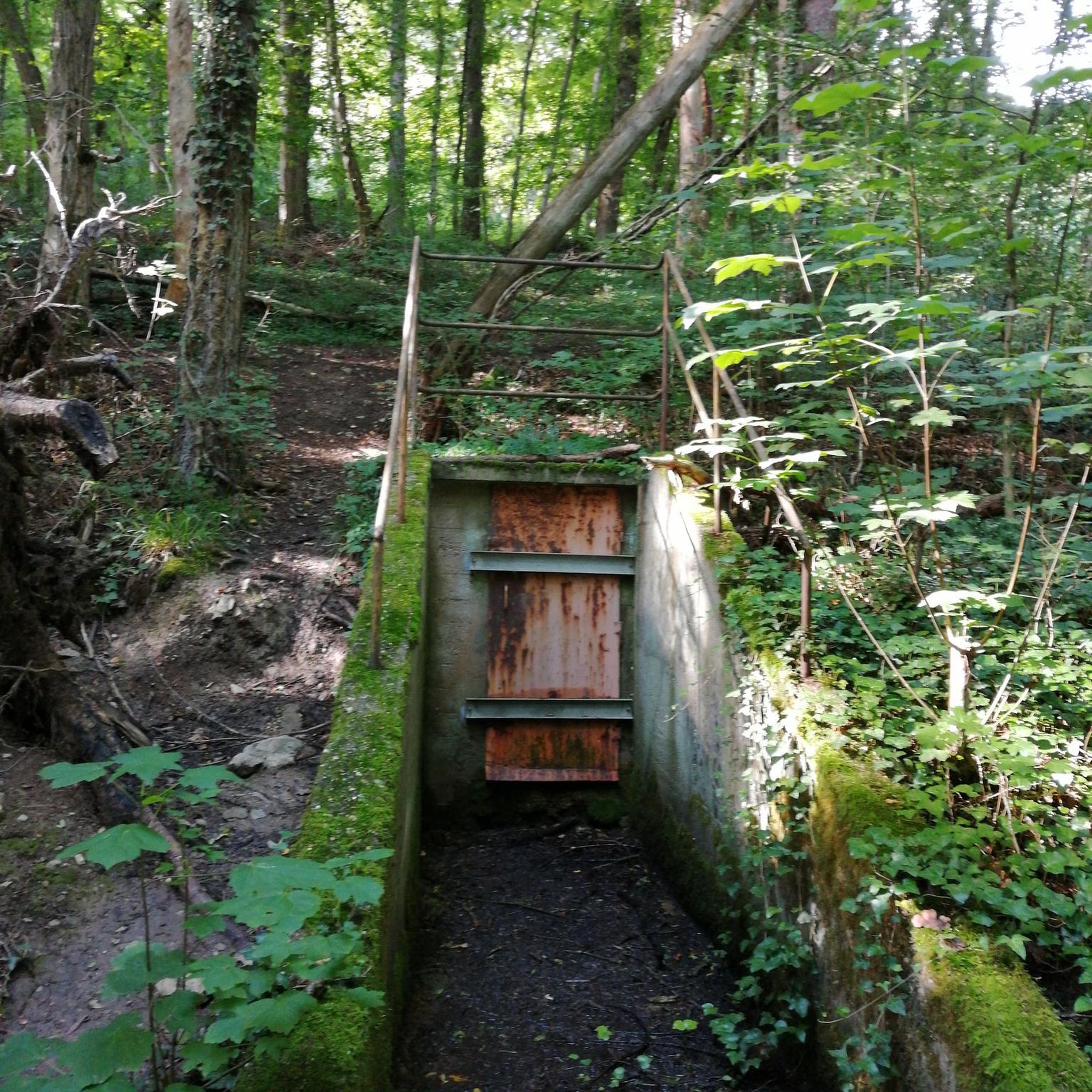
Mountain Hikes in Közép-Magyarország
Other adventures in Közép-Magyarország


Tips from the Community

The Danube bank in Vác (German: Waitzen) is considered one of the most beautiful promenades in the Hungarian Danube Bend. While the opposite bank (Visegrád) is often overcrowded with tourists, Vác offers a more relaxed, almost Mediterranean atmosphere. The riverside promenade is the heart of the city for walkers and cyclists. It is lined with old chestnut trees and offers a wide view of the main arm of the Danube and Szentendre Island.
0
0
The equestrian statue of Saint Stephen I (Szent István) is undoubtedly the centerpiece of Fisherman's Bastion in Budapest's Castle District. It is not only a popular photo opportunity but also steeped in symbolism and history. Stephen I was the first king of Hungary (crowned in 1000 or 1001). He is considered the founder of the Hungarian state, uniting the Hungarian tribes and consolidating Christianity in the country. He was canonized in 1083.
1
1

It is very important to remember that although Hungarian wine and palinka are acceptable, they are indecently expensive, even in a below average store. My recommendation is to buy the same products, but from Romanian, Bulgarian or Moldovan producers.
2
0

There are plenty of statues in Budapest.
2
0

The Saint Stephen Monument (Hungarian: Szent István szobra) stands on Castle Hill in Budapest, between the Fisherman's Bastion and Matthias Church on Szentháromság tér. Erected in 1906, it depicts the first Hungarian king, Stephen I, who introduced Christianity to Hungary and founded the kingdom. The bronze equestrian statue was created by the sculptor Alajos Stróbl, while the architect Frigyes Schulek designed the ornate base. The monument depicts Stephen on a proud horse, crowned and holding a cross, symbolizing the connection between secular power and the Christian faith. The stone base is decorated with reliefs depicting scenes from his life—including his coronation and the spread of Christianity. Set against the historic backdrop of the Castle District, the statue is one of Budapest's most famous landmarks and commemorates the canonized king, who is venerated as the founder of the Hungarian state.
2
0
The Saint Stephen's Monument (Szent István-szobor) in Budapest honors Stephen I, the first king of Hungary and founder of the Hungarian state. It is located in the Castle District of Buda, right next to the Fisherman's Bastion and Matthias Church – one of the city's most beautiful squares. The equestrian statue was created in 1906 by Alajos Stróbl, one of Hungary's most important sculptors. It depicts King Stephen (Hungarian: Szent István király) on horseback, wearing the Hungarian St. Stephen's Crown and holding a cross – a symbol of his role in the Christianization of Hungary. The bronze equestrian statue stands on a richly decorated Neo-Romanesque pedestal adorned with reliefs depicting scenes from Stephen's life. The pedestal was designed by the architect Frigyes Schulek, who also designed the neighboring Fisherman's Bastion. Today, the monument is a popular photo motif and commemorates the canonized king, who is venerated as the founder of the Hungarian state and patron saint of Hungary.
2
0

Margaret Island is 2,800 meters long and covers an area of almost 100 hectares.
4
0

It is best to take photos with a 360° CAM.
3
0
Frequently Asked Questions
What are some notable historical and cultural sites to visit in Közép-Magyarország?
Közép-Magyarország, particularly Budapest, is rich in historical and cultural landmarks. You can explore the impressive Buda Castle, which houses the Hungarian National Gallery and Budapest History Museum. Don't miss the stunning Matthias Church and the nearby Fisherman's Bastion for panoramic city views. Other significant sites include the Neo-Gothic Hungarian Parliament Building, St. Stephen's Basilica, and the historic Millennium Monument at Heroes' Square.
Are there any UNESCO World Heritage Sites in Közép-Magyarország?
Yes, Közép-Magyarország is home to several UNESCO World Heritage Sites. The Buda Castle Quarter, including Buda Castle and Matthias Church, is part of a UNESCO site. Additionally, the Old Village of Hollókő, a traditional Palóc village with a 13th-century castle, is recognized for its preserved rural Hungarian life. For more information on Hungary's UNESCO sites, you can visit visithungary.com.
What natural features and viewpoints can I experience in the region?
The Danube River is a central natural feature, flowing through Budapest and forming the scenic Danube Bend to the north. For remarkable views of Budapest, the Danube, and the Chain Bridge, consider visiting Gellért Hill. The Fisherman's Bastion also offers stunning panoramas. Further afield, the Danube Bend area itself, encompassing towns like Esztergom and Visegrád, is known for its picturesque landscapes.
What outdoor activities are available near the attractions in Közép-Magyarország?
Közép-Magyarország offers various outdoor activities. You can find numerous hiking trails, including easy options like the 'Statue of St. Stephen – Fisherman's Bastion loop' or the 'Waterfall Near Nagykovácsi – Sandstone Rocks loop'. For more challenging mountain hikes, explore routes like 'Nagybükk loop from Pilisszentlászló'. Cycling is also popular, with routes such as the 'Hungarian Parliament Building – Bike Path to Szentendre loop'. You can find more details on these and other routes in the easy hikes guide, cycling guide, and mountain hikes guide for Közép-Magyarország.
Are there family-friendly attractions in Közép-Magyarország?
Yes, many attractions in Közép-Magyarország are suitable for families. Iconic sites like Fisherman's Bastion, Matthias Church, and St. Stephen's Basilica are all considered family-friendly. The Buda Castle area offers space to explore, and the Széchenyi Chain Bridge is an exciting landmark for all ages. Additionally, the Széchenyi Thermal Bath in Budapest's City Park provides a fun and relaxing experience for families.
What is the best time to visit Közép-Magyarország for sightseeing and outdoor activities?
Spring (April-May) and autumn (September-October) are generally considered the best times to visit Közép-Magyarország. The weather is pleasant for exploring historical sites and enjoying outdoor activities like hiking and cycling, with fewer crowds than in peak summer. Summer (June-August) is also popular, especially for enjoying the Danube and thermal baths, but can be hot. Winter offers a different charm, particularly in Budapest with its festive markets, though some outdoor activities might be limited by colder weather.
Can I find ancient Roman ruins in Közép-Magyarország?
Yes, you can explore the ruins of Aquincum, an ancient Roman city located within present-day Budapest. These archaeological sites offer a fascinating glimpse into the Roman Empire's presence in the region and are a unique historical attraction.
What is the significance of the Danube Bend area?
The Danube Bend, located north of Budapest, is a highly scenic and historically significant part of Közép-Magyarország. It's where the Danube River makes a sharp turn, creating picturesque landscapes. This area is home to important historical towns like Esztergom, with its grand Basilica, and Visegrád, known for its medieval castle and commanding river views. It's a popular destination for day trips from Budapest, offering a blend of history, culture, and natural beauty.
Are there any unique architectural or cultural heritage sites related to local traditions?
Beyond the grand city landmarks, Közép-Magyarország offers unique insights into local traditions. The Old Village of Hollókő, a UNESCO World Heritage Site, preserves traditional Palóc village life and architecture. Another distinctive cultural heritage site is the Ócsa Cellars, approximately 160 earth-dug cellars lining the loess hill of Öreg-hegy, which are related to local wine production and represent a unique architectural style.
What do visitors enjoy most about the attractions in Közép-Magyarország?
Visitors frequently praise the stunning architecture and historical depth of the region's attractions. For instance, the Fisherman's Bastion is particularly impressive at night when illuminated, offering breathtaking views. The Matthias Church is admired for its beauty, especially when lit up in the evening. The St. Stephen's Basilica is noted for its impressive size and architecture, with many recommending a tower climb for the great view. The grandeur of the Hungarian Parliament Building is also a highlight, especially when viewed from across the Danube.
Are there any significant religious buildings in Közép-Magyarország?
Közép-Magyarország features several significant religious buildings. The St. Stephen's Basilica in Budapest is one of Hungary's most important, dedicated to the first Christian ruler. The Matthias Church in the Buda Castle district has hosted royal coronations. Additionally, the Dohány Street Synagogue is the largest synagogue in Europe and an architectural masterpiece. Further north, the Esztergom Basilica is the largest church in Hungary and the seat of the Hungarian Catholic Church.
What are some good options for cycling along the Danube River?
The Danube River offers excellent cycling opportunities. You can enjoy routes like the 'Hungarian Parliament Building – Bike Path to Szentendre loop' which takes you along the river. Another option is the 'Danube riverside in Vác – Danube floodplains loop', offering longer distances and scenic views. The Danube riverside in Vác itself is a pleasant spot for a ride. For more cycling routes, refer to the cycling guide for Közép-Magyarország.
Most popular routes in Közép-Magyarország
Most popular attractions in Közép-Magyarország

Get inspired with the komoot mobile app


Explore more
Still not found the Highlight you’re looking for? See guides of the top attractions in other regions:
