The best running trails in Közép-Magyarország
4.5
(242)
12,214
runners
346
runs
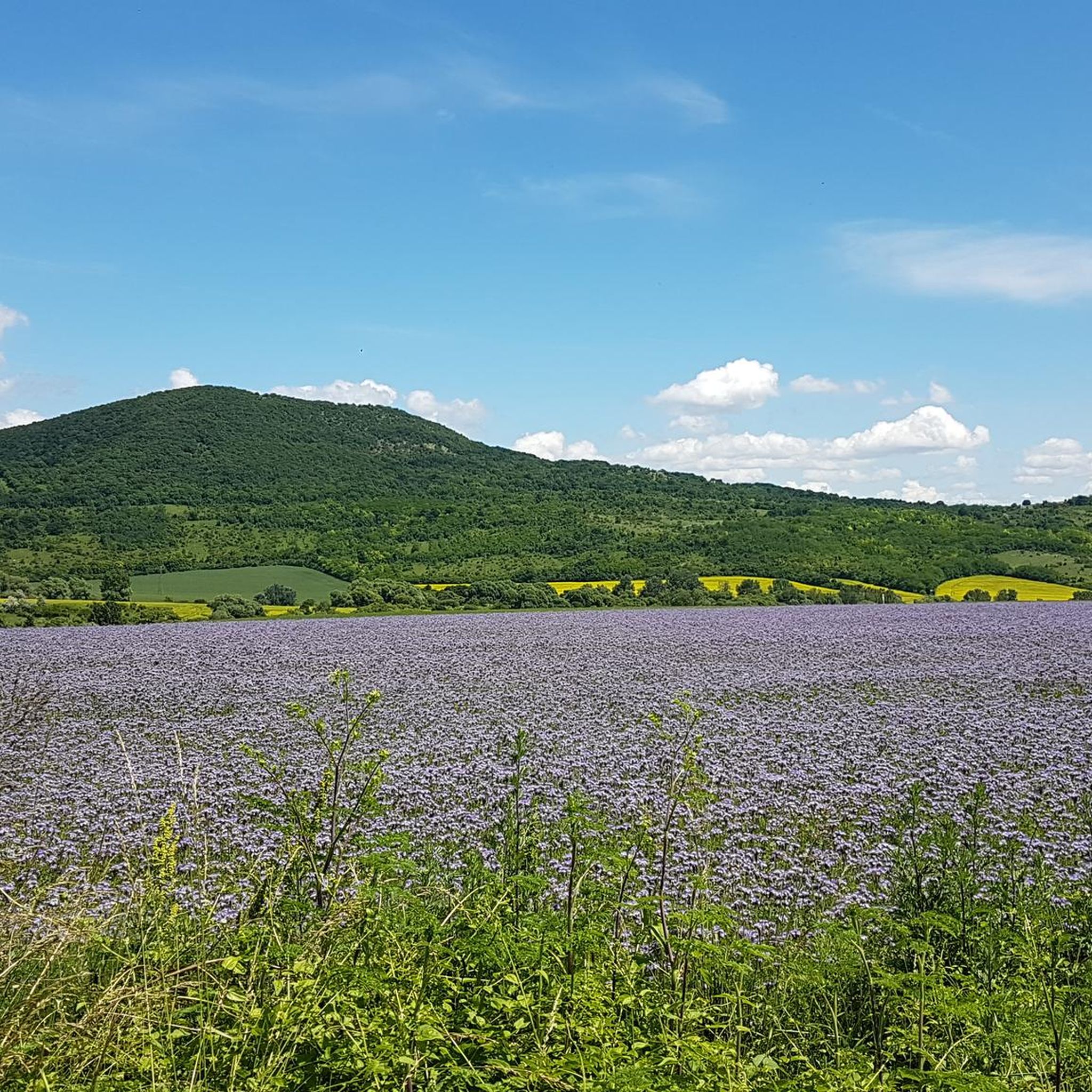
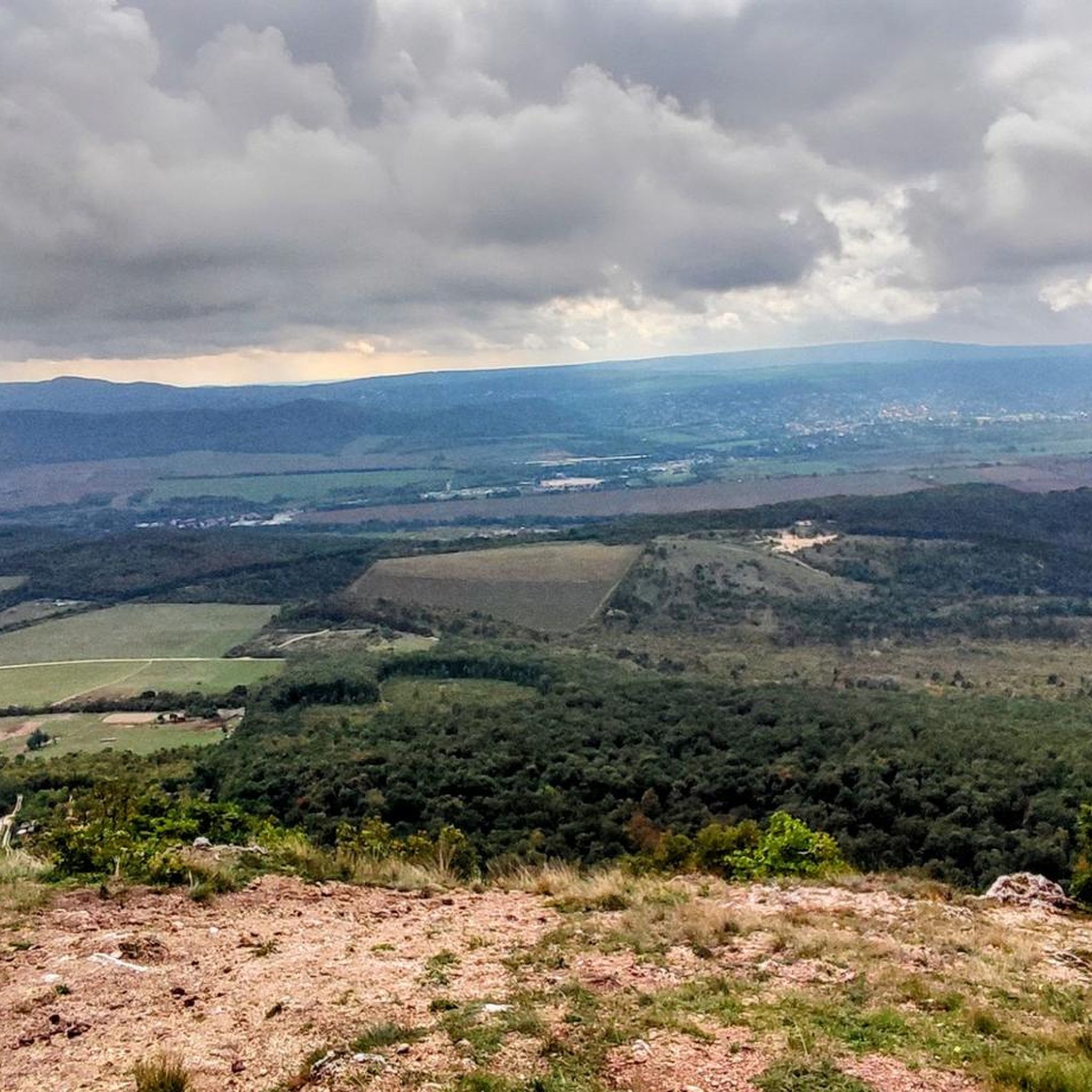
Jogging routes in Közép-Magyarország traverse a diverse landscape, blending urban green spaces with natural protected areas. The region features the flat expanse of the Great Hungarian Plain, the hilly Transdanubian region, and the northern Hungarian Central Mountains, including the Visegrád Mountains and Börzsöny. Budapest itself offers numerous parks and riverbanks for running, while the surrounding areas provide more challenging hilly and mountainous terrains. This geographical variety ensures a range of running experiences from gentle city loops to demanding trail runs.
…Last updated: November 1, 2026
4.8
(34)
2,827
runners
Hard run. Very good fitness required. Mostly runnable paths. Some sure-footedness required.
4.7
(6)
493
runners
12.4km
01:36
380m
380m
Hard run. Very good fitness required. Sure-footedness, sturdy shoes and alpine experience required.

4.5
(2)
289
runners
Moderate run. Good fitness required. Mostly paved surfaces.
5.0
(2)
317
runners
8.10km
00:50
40m
40m
Moderate run. Good fitness required. Mostly paved surfaces.
4.6
(10)
296
runners
Moderate run. Good fitness required. Mostly paved surfaces.
5.0
(5)
288
runners
6.92km
00:43
40m
40m
Moderate run. Good fitness required. Mostly paved surfaces.
5.0
(4)
432
runners
8.29km
00:52
40m
40m
Moderate run. Good fitness required. Mostly paved surfaces.
4.3
(6)
286
runners
Moderate run. Good fitness required. Mostly paved surfaces.
4.0
(2)
222
runners
Moderate run. Good fitness required. Mostly paved surfaces.
4.8
(4)
216
runners
Moderate run. Good fitness required. Mostly paved surfaces.
Get access to more routes and recommendations from other explorers.
Already have an account?
Our route recommendations are based on thousands of hikes, rides, and runs completed by other people on komoot.
Start today with a free account
Your next adventure awaits.
Popular around Közép-Magyarország
Other adventures in Közép-Magyarország


Tips from the Community

The Hungarian State Opera is one of Budapest's most magnificent cultural buildings and ranks among Europe's most important opera houses. It is located on the famous Andrássy Avenue, which is part of the UNESCO World Heritage. The opera house was built to the designs of the Hungarian architect Miklós Ybl in the Neo-Renaissance style. Construction began in 1875, and the building was ceremoniously opened on September 27, 1884. Emperor Franz Joseph I attended the opening. Architecture and Furnishings The facade impresses with its harmonious proportions, richly decorated columns, and numerous sculptures. In front of the entrance stand the statues of two great Hungarian musicians: Ferenc Erkel, founder of the Hungarian National Opera and composer of the Hungarian national anthem, Franz Liszt, one of the most famous pianists and composers of the 19th century. Inside, visitors can expect an exceptionally magnificent space: a gilded staircase, marble columns and elegant boxes, ceiling paintings by Károly Lotz, a richly decorated auditorium with excellent acoustics. The horseshoe-shaped auditorium is considered one of the most beautiful in Europe. The design combines functionality with courtly elegance and reflects Budapest's cultural rise in the 19th century. History and Significance The State Opera was established at a time when Budapest was growing into a modern European metropolis after the unification of Buda, Pest, and Óbuda (1873). It was intended to underscore Hungary's cultural significance and promote its own national opera tradition. Today, the Hungarian State Opera is the country's most important opera stage. Works by Hungarian and international composers are performed, and ballet performances and concerts also take place. With its architecture, rich furnishings, and musical tradition, the Hungarian State Opera is among Budapest's most beautiful sights and a highlight of any cultural trip to the city.
4
0
The Gellértberg (Gellért-hegy) is one of Budapest's most impressive viewpoints. The approximately 235-meter-high hill rises above the Danube on the Buda side and offers one of the most beautiful panoramic views of the Hungarian capital. From the summit, a wide view opens up over: the Danube with its historic bridges, the Parliament building on the Pest bank, the Chain Bridge and the Liberty Bridge, the city center of Pest, the Castle Hill with the Buda Castle District. At the highest point of Gellértberg stands the Budapest Liberty Statue (Szabadság-szobor). The monumental female figure with a raised palm branch was erected in 1947 and originally commemorated the Soviet soldiers who conquered Budapest in World War II. After the political change, the meaning of the monument was reinterpreted and today it generally stands for freedom and hope. Also on the mountain is the Citadel of Budapest, a fortress built by the Habsburgs after the suppression of the Hungarian Revolution of 1848/49. It was originally intended to control the city, but later developed into one of Budapest's most famous viewpoints. The Gellértberg is not only significant for its view, but also for its nature and history. The wooded paths, the historic buildings, and the view of the Danube make it a popular destination for walks, photographers, and visitors who want to experience Budapest from a special perspective. The view is particularly spectacular at sunset or in the evening hours, when the illuminated buildings and bridges of the city form an impressive panorama.
4
0
The Ronald Reagan Statue stands on Szabadság tér (Liberty Square) in the center of Budapest. It was unveiled on June 29, 2011, and commemorates the 40th President of the United States, Ronald Reagan (1981–1989). The life-size bronze statue depicts Reagan in a dynamic walking motion. It symbolizes his commitment to freedom and democracy, as well as his support for democratic movements in Central and Eastern Europe during the Cold War. The initiative to erect the statue came from the Hungarian government. Reagan is particularly appreciated in Hungary because his policies towards the Soviet Union are considered an important contribution to the end of the Cold War and the collapse of the communist system. This also paved the way for political changes in Hungary and other Eastern European states. Sculptor István Máté depicted Reagan as if he were walking across Liberty Square towards the former building of the Soviet embassy – a deliberately chosen symbolism intended to illustrate the transition from communist rule to freedom. Today, the statue is a popular photo opportunity and a frequently visited spot on city tours. Together with the other monuments on Szabadság tér, it commemorates Hungary's turbulent history in the 20th century and the transition from dictatorship to democracy.
4
0

Start early and arrive relaxed.
0
0

The cycle path from Budapest to Vác is one of the most popular sections of the EuroVelo 6 in Hungary. It leads you through the picturesque Danube Bend and offers a mix of nature, culture, and relaxed cycling along the riverbank.
0
0
The Duna Aréna (Danube Arena) in Budapest is one of the most modern and significant water sports centers in the world. It is located in the 13th district directly on the banks of the Danube and has established itself as the "temple of swimming" since its opening in 2017.
0
0
This bridge was built in 2017 as part of the preparations for the FINA World Aquatics Championships. It connects the cycle path along the Danube and provides a crossing-free connection to the Duna Arena complex.
0
0
Margaret Island (Margitsziget) in Budapest is a true paradise for runners and is considered one of the most beautiful inner-city running tracks in Europe. The rubberized running track encircles the entire island and is exactly 5.35 kilometers long.
0
0
Frequently Asked Questions
How many running routes are available in Közép-Magyarország?
Közép-Magyarország offers a wide variety of running routes, with over 350 trails available. These range from easy urban jogs to more challenging trail runs in hilly terrain.
What kind of terrain can I expect on running trails in Közép-Magyarország?
The region boasts diverse terrain, from the flat expanses of the Great Hungarian Plain to the hilly Transdanubian region and the northern Hungarian Central Mountains. You'll find urban green spaces and riverbanks in Budapest, as well as challenging mountainous trails in areas like the Visegrád Mountains and Börzsöny.
Are there easy running routes suitable for beginners?
Yes, there are options for all fitness levels. You can find around 11 easy running routes in Közép-Magyarország, perfect for a gentle jog or for those just starting out. Many urban parks and riverfront paths offer flat, accessible surfaces.
What about more challenging running trails for advanced runners?
For those seeking a challenge, Közép-Magyarország has over 100 difficult running routes. Trails like the Spartacus Trail – Apátkúti Valley loop from Szentendrei járás in the Visegrád Mountains offer significant elevation changes and technical terrain, ideal for experienced trail runners.
Are there scenic running routes with good viewpoints?
Absolutely. Many routes offer stunning views. For example, the Lion Rock – Árpád Lookout loop from Gercse takes you through hilly landscapes with rewarding vistas. In Budapest, János Hill provides trails leading to the Elizabeth Lookout Tower, offering impressive city panoramas. You can also find highlights like the Csergezán Lookout Tower and Boldog Özséb Lookout Tower along various trails.
Are there any running routes near water features or rivers?
Yes, the Danube River is a prominent feature in the region, offering numerous riverside running opportunities. The Chain Bridge – Margaret Island Running Track loop from Filatorigát provides scenic views of the Danube. Other routes like the Bálna, Budapest – Liberty Bridge loop from Közvágóhíd also follow the river, and you can even find routes near the Gellért Hill Waterfall.
What do other runners enjoy most about jogging in Közép-Magyarország?
The running routes in Közép-Magyarország are highly rated by the komoot community, with an average score of 4.6 stars from over 170 reviews. Runners frequently praise the diverse landscapes, from urban green spaces to challenging hilly terrains, and the well-maintained paths that cater to various ability levels.
Are there any long-distance running options in the region?
Yes, for long-distance enthusiasts, Közép-Magyarország is part of the extensive National Blue Trail (Országos Kéktúra) network. This trail system, which meanders through the Northern Mid-Range Mountains including the Pilis and Börzsöny Mountains, offers excellent opportunities for extended trail running adventures.
Can I find circular running routes in Közép-Magyarország?
Many of the running routes in the region are designed as loops, providing convenient circular paths. Examples include the Chain Bridge – Margaret Island Running Track loop and the Lion Rock – Árpád Lookout loop, allowing you to start and finish at the same point.
Are there running routes accessible by public transport in Budapest?
Budapest offers numerous green spaces and riverfront paths that are easily accessible by public transport. Margaret Island, for instance, is a popular running spot with excellent public transport connections. Many city-based routes, such as those starting from Kálvin tér or Arany János utca, are also well-served by the city's transport network.
Are there any historical landmarks or points of interest along the running routes?
Yes, especially within Budapest. Routes often pass by iconic landmarks like the Chain Bridge, Liberty Bridge, and the Hungarian State Opera House. For those interested in history, you might find highlights such as the Gellért Hill Cave Church or the Buda Castle Labyrinth near some urban trails.
Are there running routes suitable for families?
Many of the easier, flatter routes in urban parks and along riverbanks are suitable for families. Green spaces like Margaret Island and City Park in Budapest provide safe and pleasant environments for family jogs. Look for routes marked as 'easy' or 'moderate' for the best family-friendly options.
Most popular routes in Közép-Magyarország
Most popular attractions in Közép-Magyarország

Get inspired with the komoot mobile app


Explore more
Browse the best Running Trails & Routes in other regions.
