Top 20 Castles in Castile and León
Best castles in Castile and León are a prominent feature of this historic Spanish region. Known as the "land of castles," it contains an estimated 300 medieval fortresses. Many of these structures are well-preserved, offering insight into Spain's rich past and diverse architectural styles. These historical sites are scattered across the landscape, providing numerous opportunities for exploration.
Best castles in Castile and León
- The most popular castles is Episcopal Palace of Astorga (Gaudí Palace), a castle that is a…
Last updated: August 4, 2026
Episcopal Palace of Astorga (Gaudí Palace)
Highlight • Castle
Translated by Google •
Tip by

Ponferrada Castle
Highlight • Castle
Translated by Google •
Tip by
Sign up now to discover places like this
Get recommendations on the best single tracks, peaks, & plenty of other exciting outdoor places.
Sign up for free
Villafranca del Bierzo Castle
Highlight • Castle
Translated by Google •
Tip by

Fuensaldaña Castle
Highlight • Castle
Translated by Google •
Tip by
Walls of Ávila
Highlight • Monument
Showing Translation
Tip by

Frías
Highlight • Settlement
Translated by Google •
Tip by

Castrojeriz
Highlight • Settlement
Translated by Google •
Tip by

Castle of Zamora
Highlight • Castle
Translated by Google •
Tip by
Castillo de Simancas
Highlight • Castle
Translated by Google •
Tip by
Coca Castle
Highlight • Castle
Translated by Google •
Tip by
Sign up for free to discover even more castles in Castile and León.
Sign up for free
Already have an account?
Start today with a free account
Your next adventure awaits.
Login or Signup
Popular around Castile and León
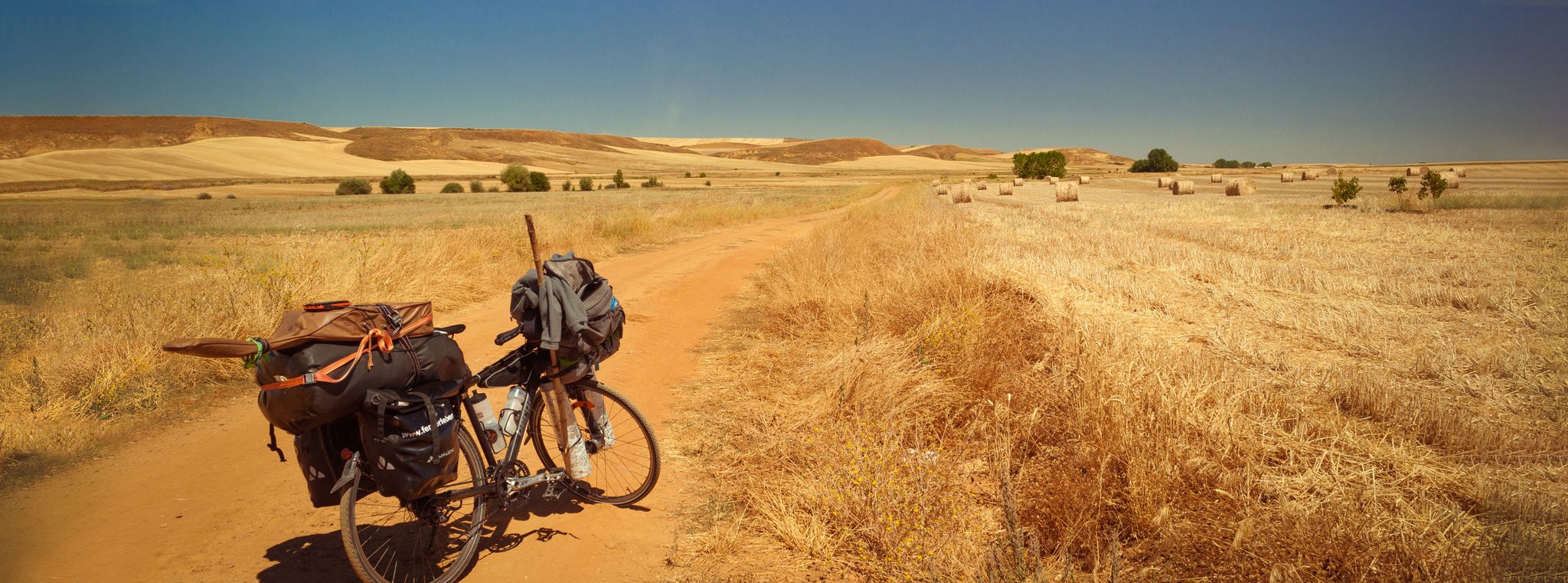
Camino Francés and Camino Finisterre – Cycling pilgrimages in Spain
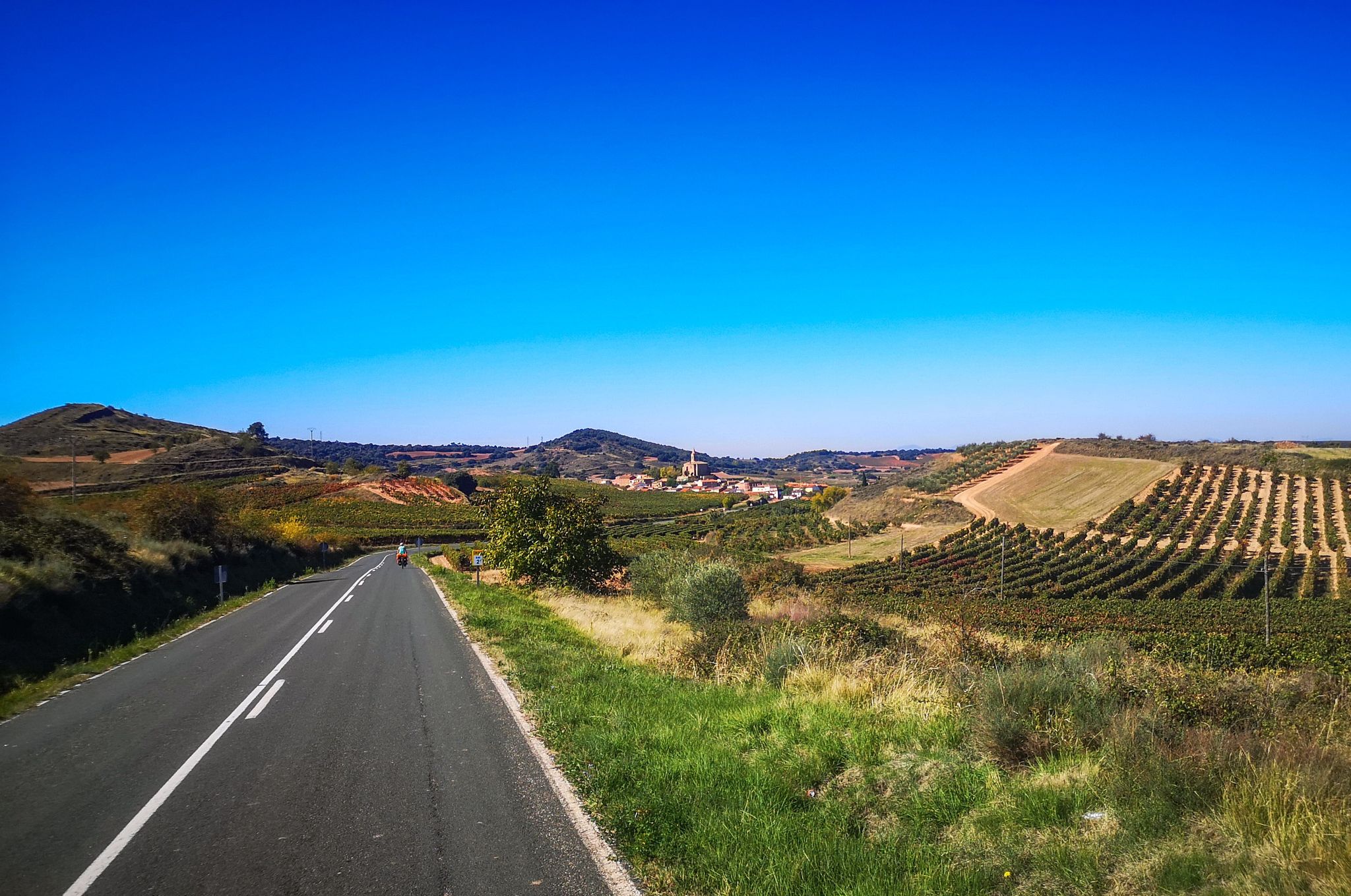
Santiago de Compostela – A journey through northern Spain (10 days)
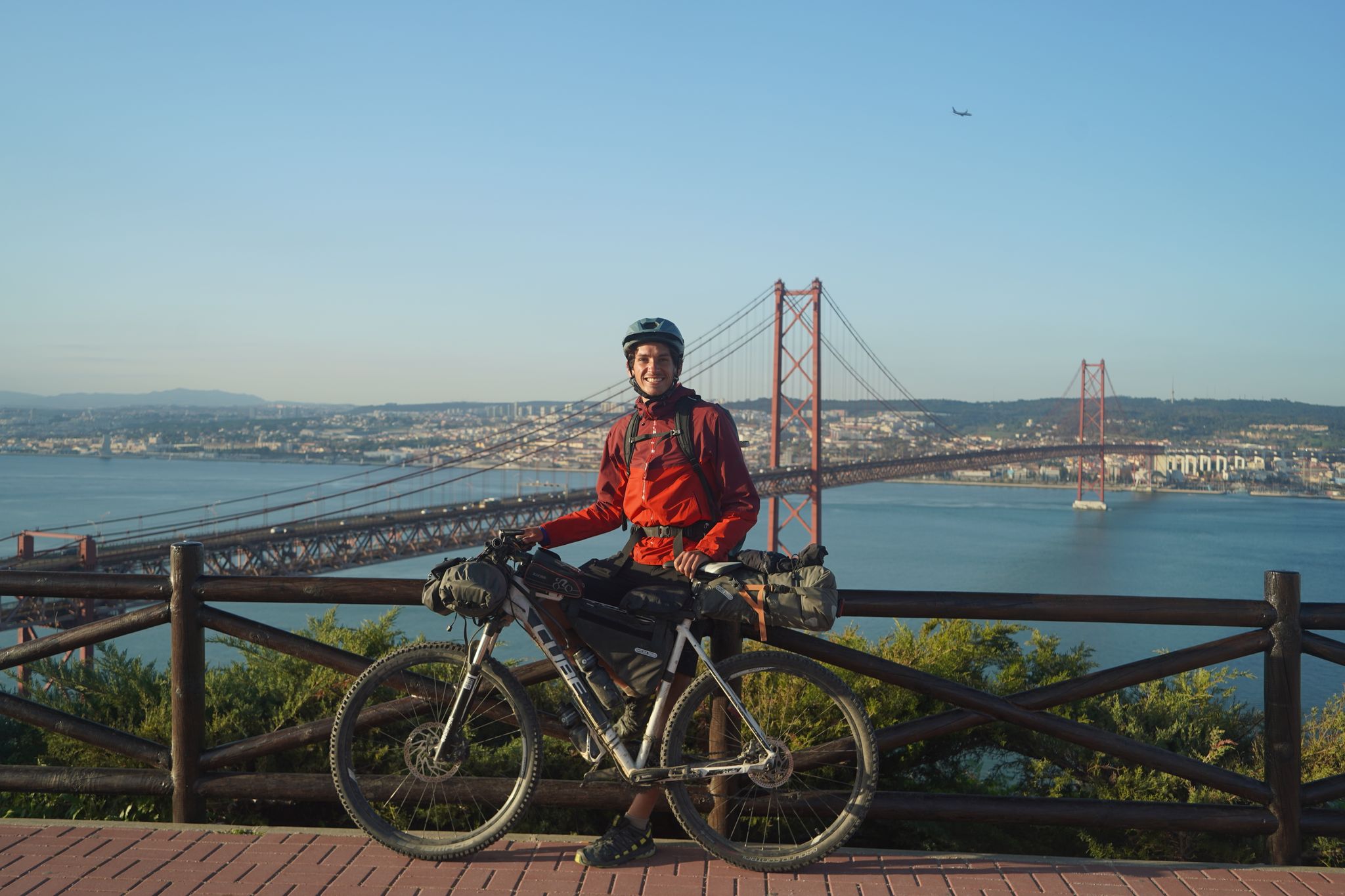
Road to Lisbon – bikepacking the Alps, Pyrenees and Picos de Europa

Around the World in 80 Days
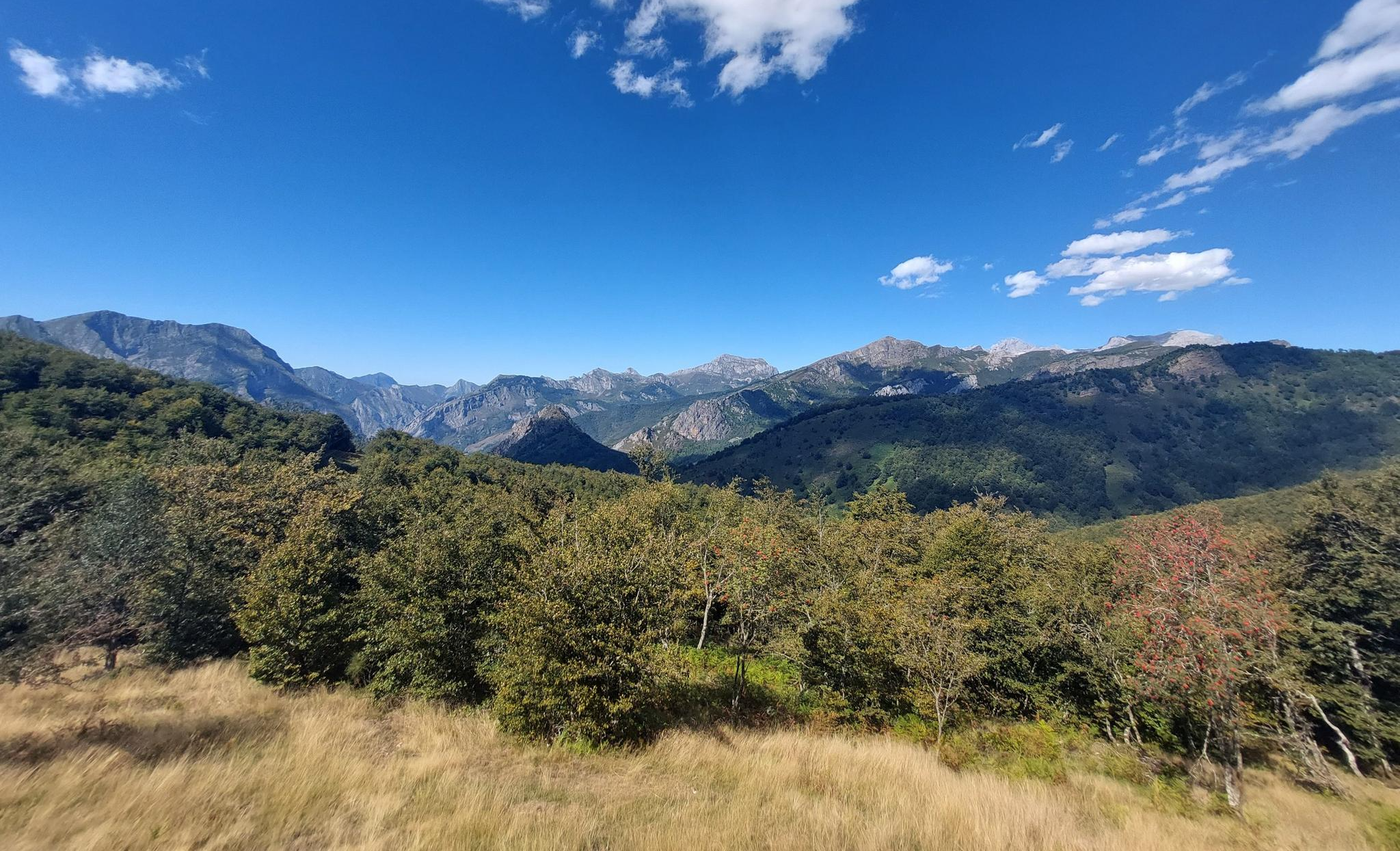
Senda del Arcediano (GR 210) - A historical hike through the Picos del Picos
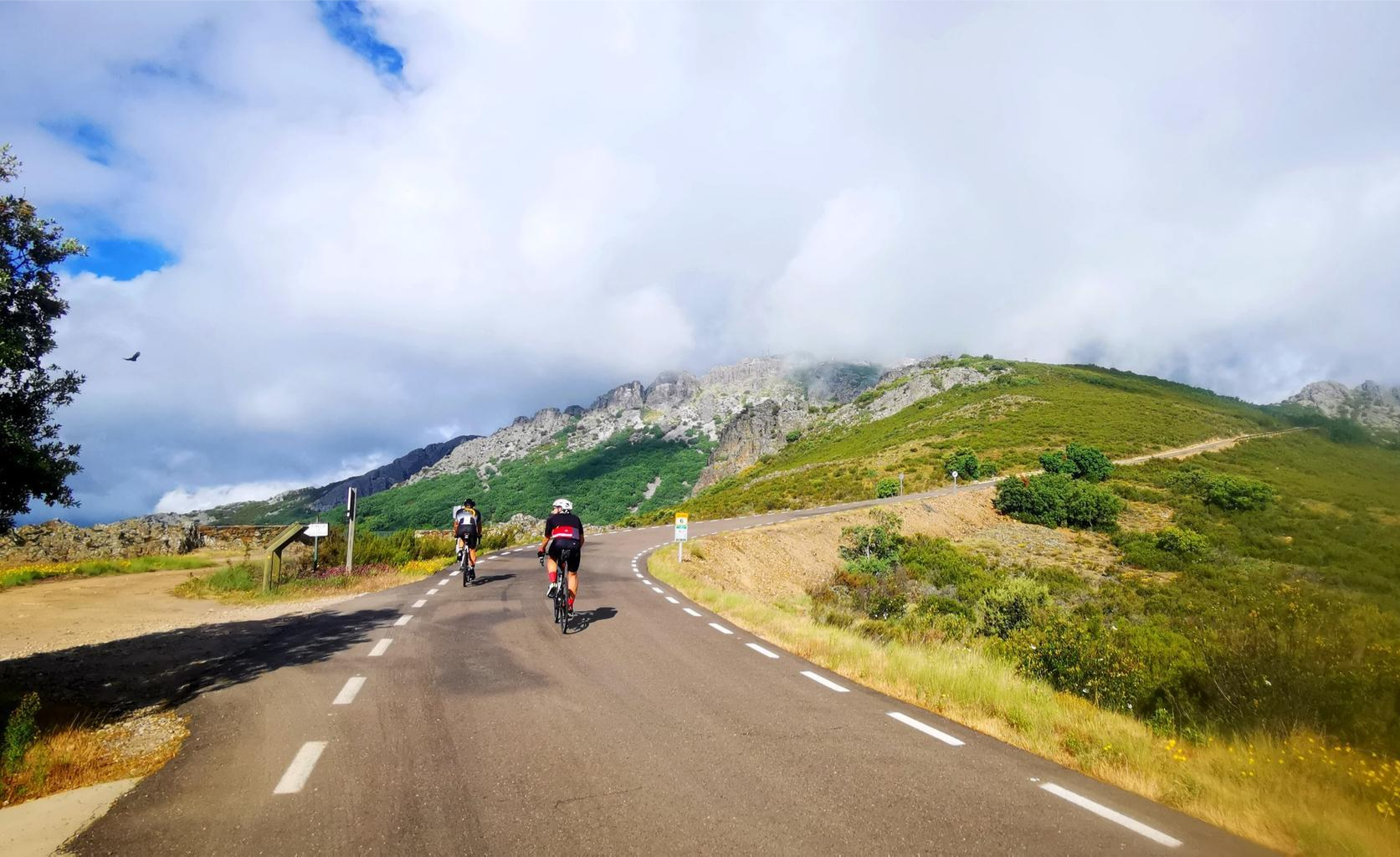
Legendary climbs - Ports of La Vuelta a España
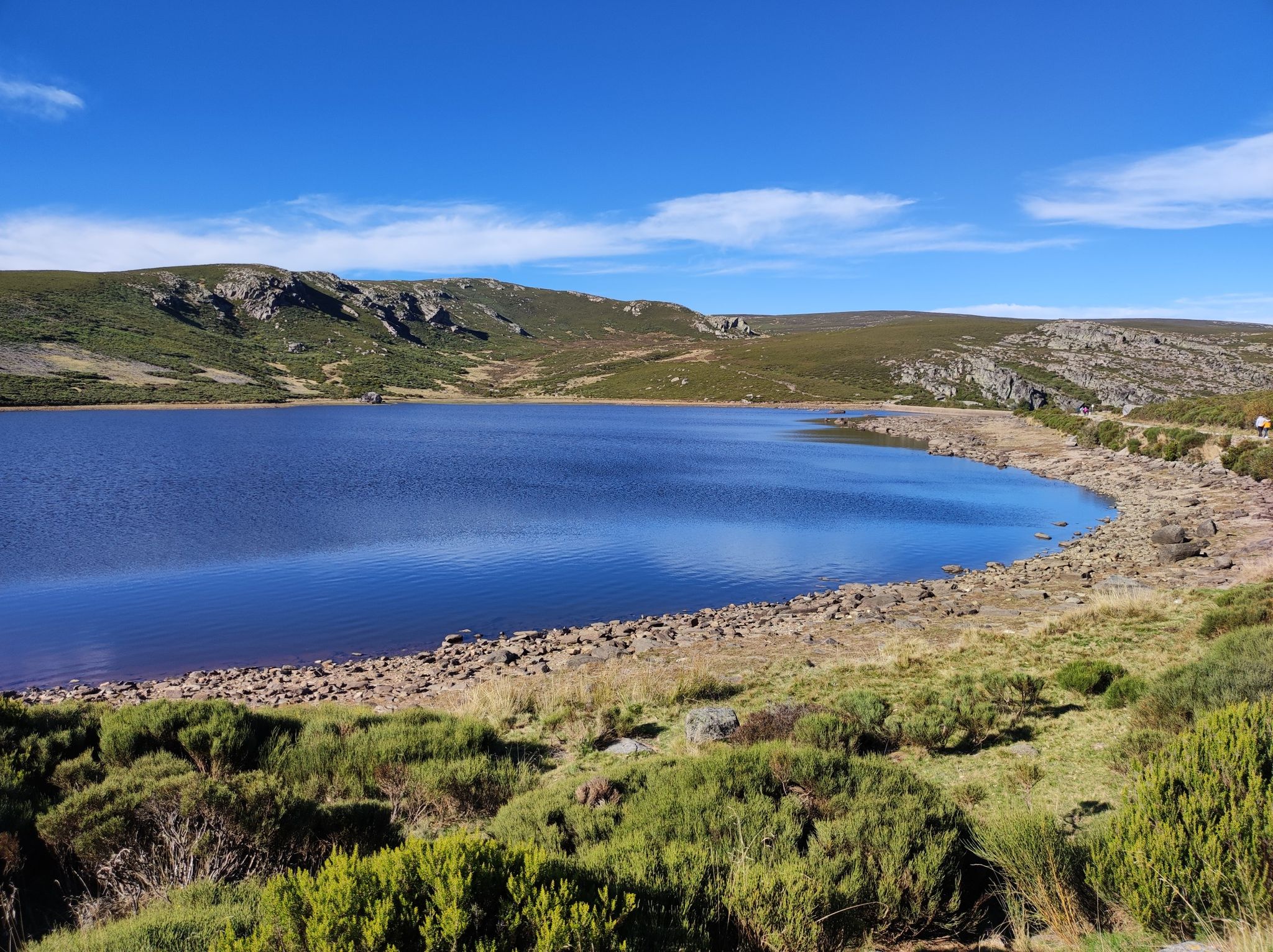
Glacial lagoons and eternal mountains – Montaña de Sanabria (GR 84)
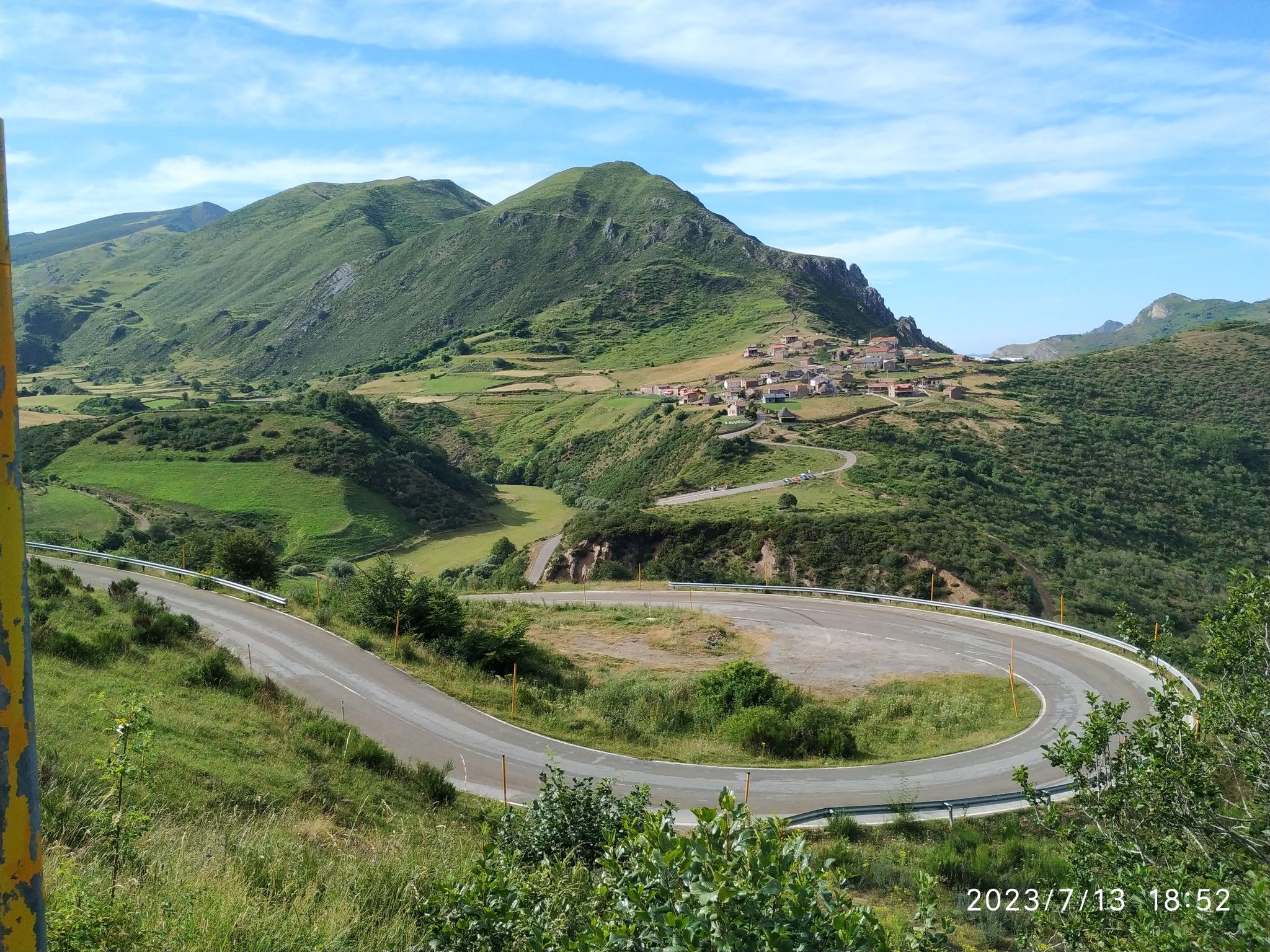
Height Challenges — Ports in Castilla y León
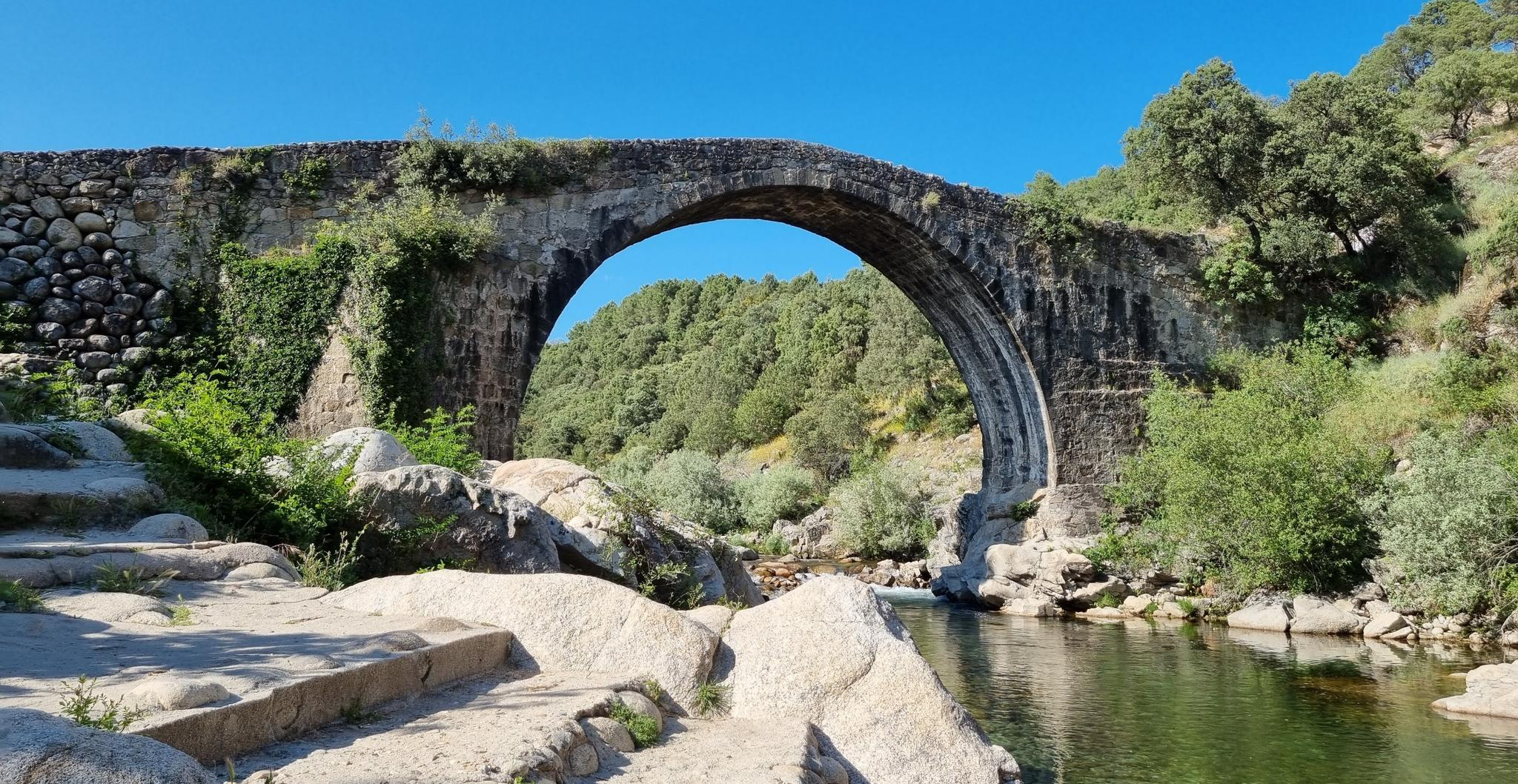
Monumental and Natural History — The Way of La Vera GR-111
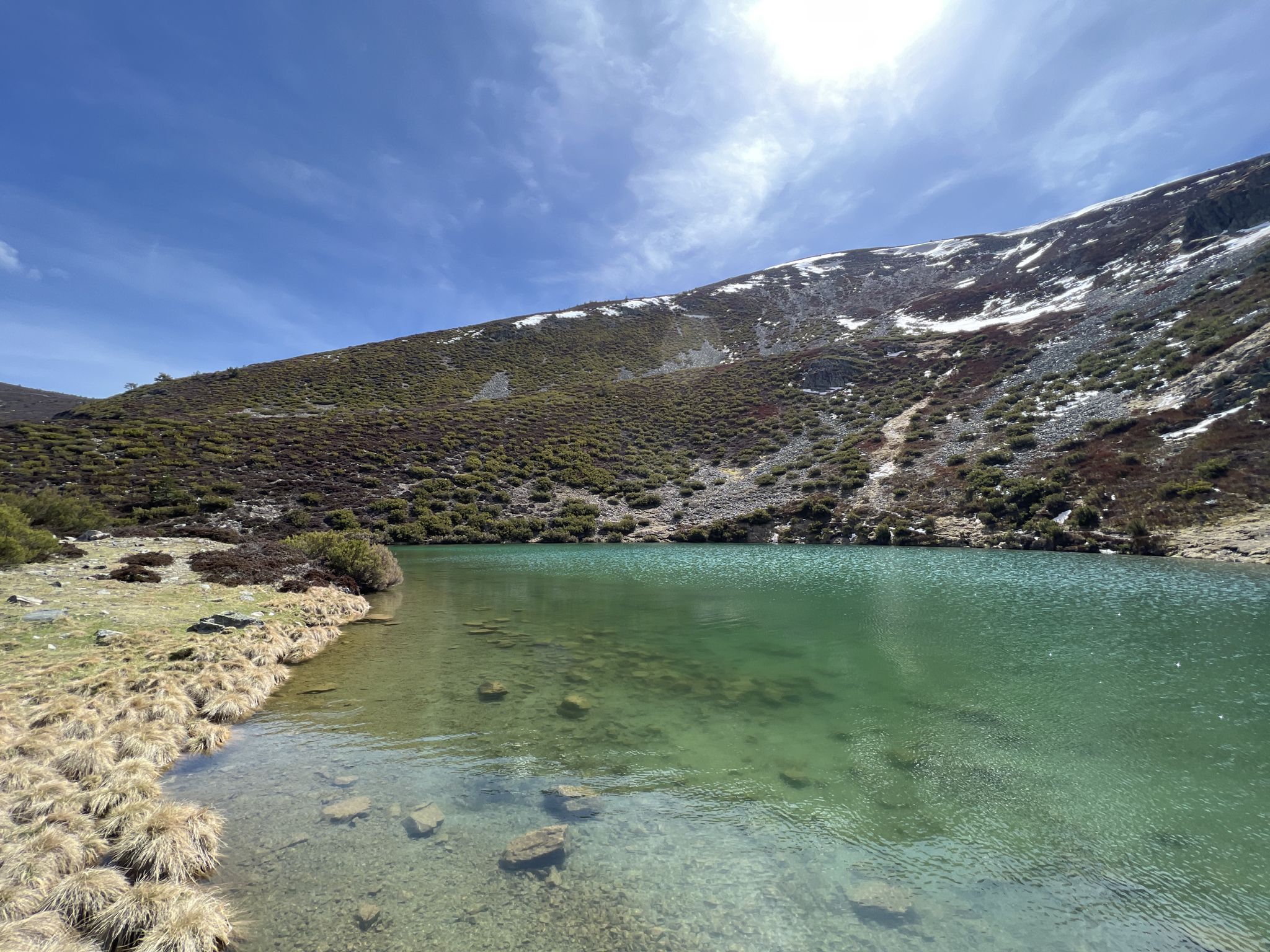
Discover the unknown Burgos - Dos Aguas Trail (GR 290)
Other adventures in Castile and León


Tips from the Community

The city of Frías, declared a Site of Cultural Interest in 2005, a medieval town in Las Merindades Burgalesas. In this town we can see the hanging houses, the Castle of Frías, the church of San Vicente Mártir, the Wall, the medieval bridge, convent of San Francisco, the church of San Vítores, the washhouse and the convent of Vadillo.
2
0

Castrojeriz is a historic town located in the province of Burgos, right on the Camino de Santiago. It is known for its impressive heritage, its ancient history, and its key role as a Jacobean site. Castrojeriz Castle: Located atop a hill, it dominates the town and offers spectacular views of the region. Its origins are Roman, although it was expanded by Arabs and Christians. It suffered severe damage in the Lisbon earthquake of 1755, but its ruins can still be visited.
2
0

very well preserved.
0
0

The Bishop's Palace of Astorga is one of only three buildings that Antoni Gaudí built outside Catalonia.
3
0

Stage of the Camino de Santiago. It goes from the vineyards of Bierzo to the green mountains of the mythical O Cebreiro pass
5
0

Very interesting... especially routes in autumn and spring when it rains so that the transit through the sands of the pine forests is not so complicated.
0
1
Zamora Castle is a historic fortification located in the city of Zamora, in Castile and León. Built in the 11th century, the castle has witnessed numerous historical events and has undergone several modifications over the centuries. It has a rhomboidal plan and is surrounded by a deep moat. Its thick walls and the keep, which is the highest and served as the last defensive redoubt, stand out. The castle is a fascinating place to explore history and enjoy panoramic views of the city.
1
0

In the heart of Astorga, right next to the cathedral, lies one of the most unusual bishop's residences on the Iberian Peninsula: the Palacio Gaudi. It was designed and built by the famous Spanish architect of the same name (Antonio Gaudi, 1852-1926). A visit to the museum housed here is worthwhile both for the exhibits on display and, of course, for the imaginative architecture of the building.
2
0
Frequently Asked Questions
What makes the castles in Castile and León unique?
Castile and León is known as the "land of castles," boasting an estimated 300 medieval fortresses. Many are exceptionally well-preserved, showcasing diverse architectural styles such as Gothic Mudéjar, Romanesque, and neo-Gothic. These castles offer a deep dive into Spain's rich past, particularly during the Reconquista, and have served various roles from royal palaces to military strongholds.
Which castles are particularly family-friendly?
Several castles in the region are great for families. The Episcopal Palace of Astorga (Gaudí Palace), Ponferrada Castle, and Alcázar of Segovia are all listed as family-friendly. Fuensaldaña Castle also offers an interpretation center for castles, which can be engaging for all ages.
Are there any castles with unique architectural styles?
Absolutely. The Episcopal Palace of Astorga (Gaudí Palace) is a stunning example of neo-Gothic architecture designed by Antonio Gaudí. Castillo de Coca is a prime example of the Gothic Mudéjar style, built primarily with brick and featuring a striking pink hue and numerous turrets. The Alcázar de Segovia also showcases a blend of Christian and Mudéjar influences.
Which castles offer the best panoramic views?
For breathtaking views, Ponferrada Castle and Alcázar of Segovia are excellent choices, both listed as viewpoints. Castle of Zamora also provides panoramic city views from its prominent keep. Additionally, Castillo de Peñafiel's central tower rises 34 meters, offering extensive vistas of the surrounding area.
Can I find any castles related to specific historical orders like the Knights Templar?
Yes, Ponferrada Castle has a rich connection to the Knights Templar. Originally a Roman citadel, it was taken over by the Templars in the 12th century and became one of the largest fortresses in northwestern Spain during the Middle Ages. Today, it houses the Templar Library and a Center for Historical Studies.
What outdoor activities can I do near the castles in Castile and León?
The region offers various outdoor activities. You can explore gravel biking routes, such as the "Gravel route of the walled cities" or the "Comarca of Las Merindades in gravel." For hikers, there are mountain hikes like the "Cotos Pass – Peñalara Summit loop" or easy hikes like the "Cares Route Trail" or the "Salamanca Historic Center Trail." Many of these routes are accessible from towns with significant castle presence.
What is the best time to visit the castles in Castile and León?
The best time to visit is generally during spring (April-May) and autumn (September-October) when the weather is mild and pleasant for exploring. Summers can be hot, especially inland, but offer longer daylight hours. Winters are colder, and some attractions might have reduced opening hours, but the castles can be quite atmospheric under a winter sky.
Are there any castles that also house museums or cultural centers?
Yes, several castles have been repurposed into cultural spaces. The Episcopal Palace of Astorga (Gaudí Palace) houses the Caminos Museum. Ponferrada Castle is home to the Templar Library and Ponferrada's Center for Historical Studies. Castillo de Peñafiel uniquely hosts the Provincial Wine Museum, making it a great stop for history and wine enthusiasts. Fuensaldaña Castle has been restored and converted into a medieval museum and interpretation center.
Which castles are known for their well-preserved interiors or unique features?
The Alcázar de Segovia is renowned for its lavishly decorated halls and rooms, featuring intricate tiles, carved arches, and awe-inspiring ceilings. Castillo de Coca boasts a vault of Gothic ribs, a dungeon, and rooms adorned with murals and stucco. Castillo de Ampudia is known as one of the most beautiful palace-castles, offering two-hour tours to explore its secrets and large collection of antiques.
Are there any castles that offer an immersive historical experience?
Castillo de Cuéllar, also known as the Castle of the Dukes of Alburquerque, offers dramatized visits that bring its history to life, providing an immersive experience for visitors. This allows for a deeper connection to the castle's past and its various roles throughout the centuries.
What do visitors enjoy most about the castles in Castile and León?
Visitors frequently appreciate the historical significance and architectural beauty of the castles. Many are impressed by the well-preserved structures and the stories they tell. The panoramic views from castles like Ponferrada Castle and Alcázar of Segovia are also highly rated. The komoot community has shared over 160 photos and given more than 230 upvotes, highlighting the visual appeal and engaging nature of these sites.
Are there any castles that are particularly easy to access or are located within a city?
Yes, Zamora Castle is located within the city of Zamora, making it easily accessible. The Episcopal Palace of Astorga (Gaudí Palace) is also centrally located in Astorga, right next to the cathedral. Torre del Clavero is situated in the historic center of Salamanca, offering easy access within the city.
Most popular routes in Castile and León
Most popular attractions in Castile and León

Get inspired with the komoot mobile app


Didn’t find what you were looking for?
Explore Castile and León’s best castles region by region:
Explore more
Looking for the best castles somewhere else? Discover other guides in Castile and León:
