Top 20 Natural Monuments in Castile and León
Best natural monuments in Castile and León showcase diverse landscapes, from ancient geological formations to high mountain ranges. This region features significant natural areas, including extensive cave systems and dramatic canyons carved by rivers. Its natural heritage offers a blend of geological wonders and ecological significance, providing varied terrain for exploration.
Best natural monuments in Castile and León
- The most popular natural monuments is Seven Peaks, a summit that forms a striking granite ridge in the Sierra de Guadarrama.…
Last updated: July 10, 2026
Seven Peaks
Highlight (Segment) • Summit
Translated by Google •
Tip by

Orellán Galleries
Highlight • Historical Site
Translated by Google •
Tip by
Sign up now to discover places like this
Get recommendations on the best single tracks, peaks, & plenty of other exciting outdoor places.
Sign up for free
Peñalara Peak
Highlight • Summit
Translated by Google •
Tip by
La Encantada Cave and La Cuevona
Highlight • Cave
Translated by Google •
Tip by
Fuente de la Reina
Highlight • Natural Monument
Translated by Google •
Tip by

Boca del Asno Gorge and Waterfalls
Highlight • Gorge
Translated by Google •
Tip by

Gilbo Peak
Highlight • Summit
From …
Translated by Google •
Tip by

Alto de las Guarramillas (Bola del Mundo)
Highlight • Summit
Translated by Google •
Tip by
Hermitage of Saint Bartholomew
Highlight • Religious Site
Translated by Google •
Tip by
Tombo Viewpoint
Highlight • Viewpoint
Translated by Google •
Tip by
Sign up for free to discover even more natural monuments in Castile and León.
Sign up for free
Already have an account?
Start today with a free account
Your next adventure awaits.
Login or Signup
Popular around Castile and León
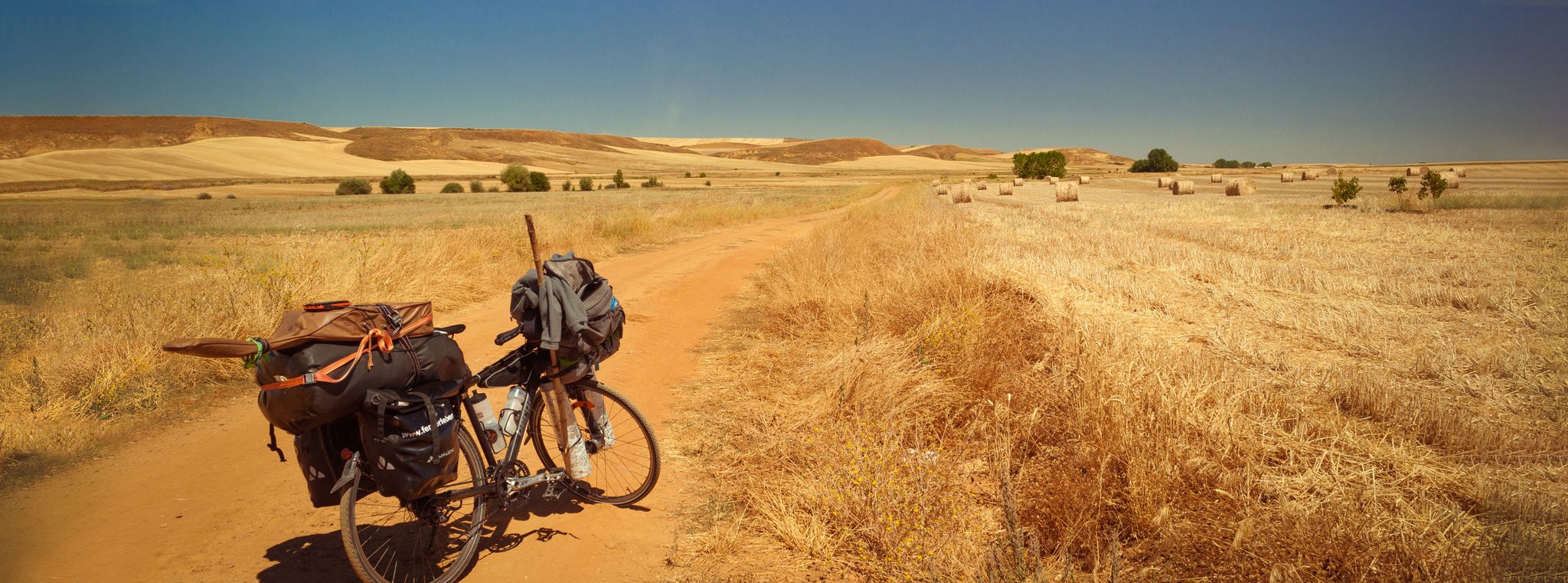
Camino Francés and Camino Finisterre – Cycling pilgrimages in Spain
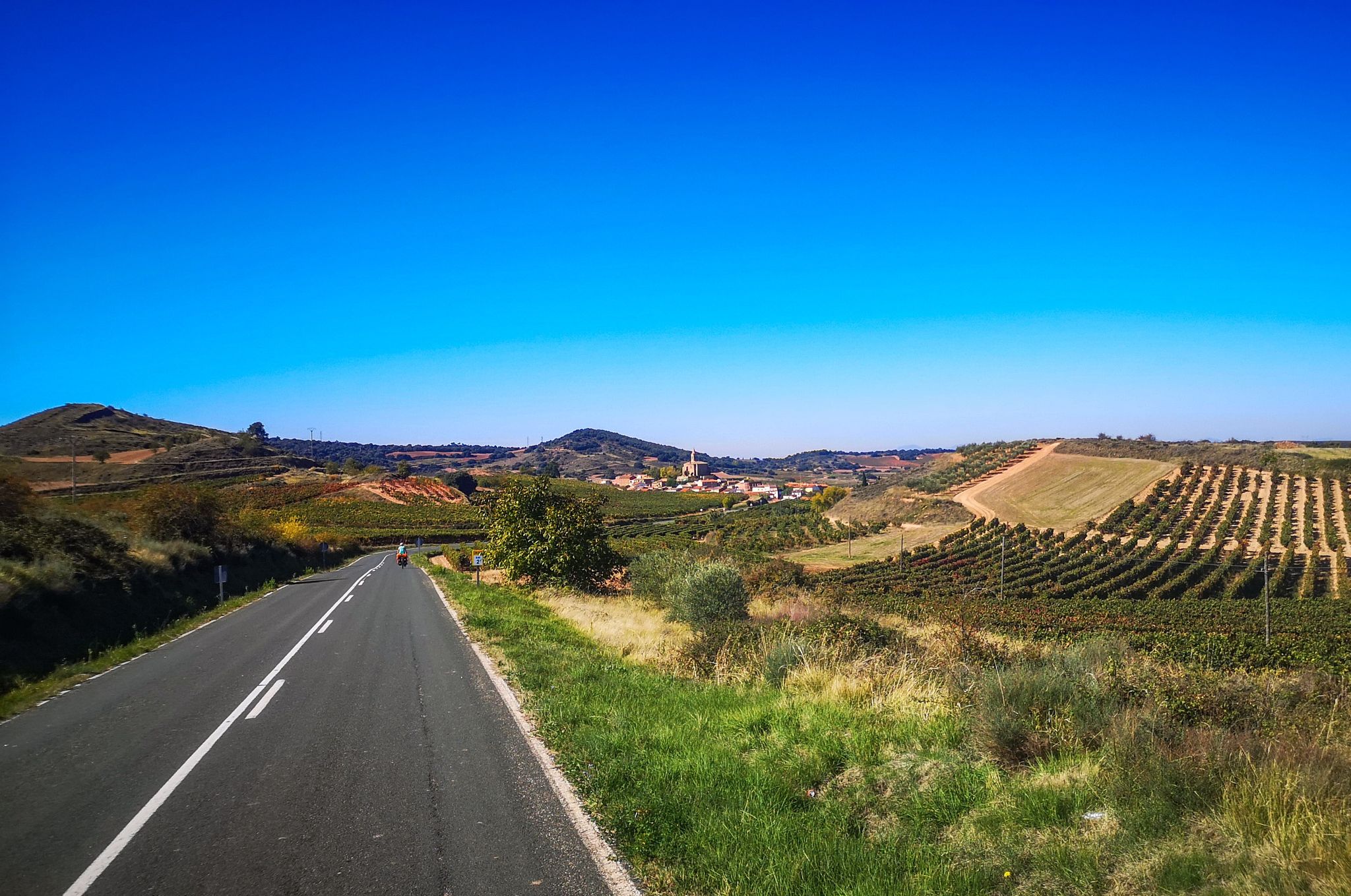
Santiago de Compostela – A journey through northern Spain (10 days)
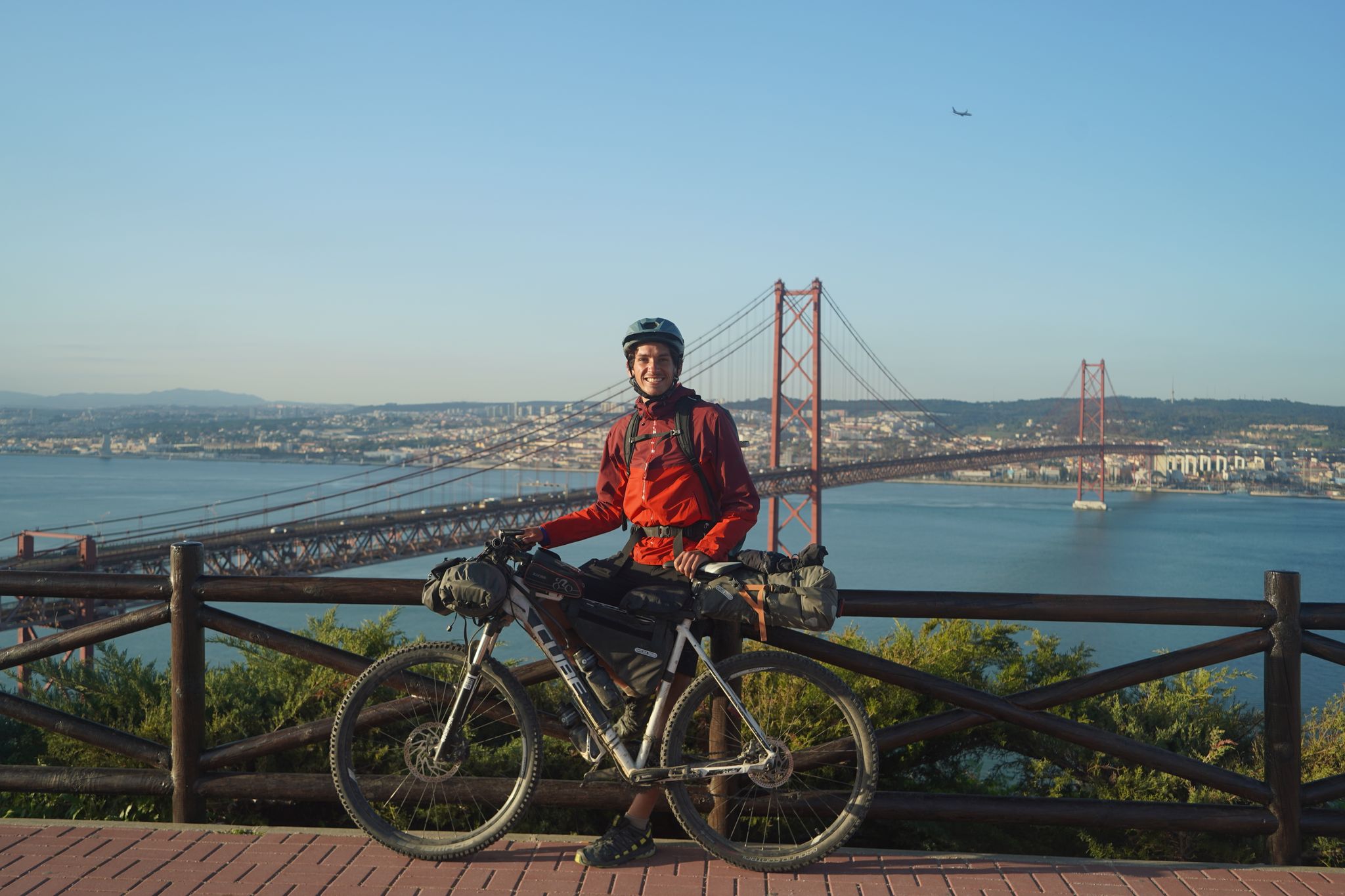
Road to Lisbon – bikepacking the Alps, Pyrenees and Picos de Europa
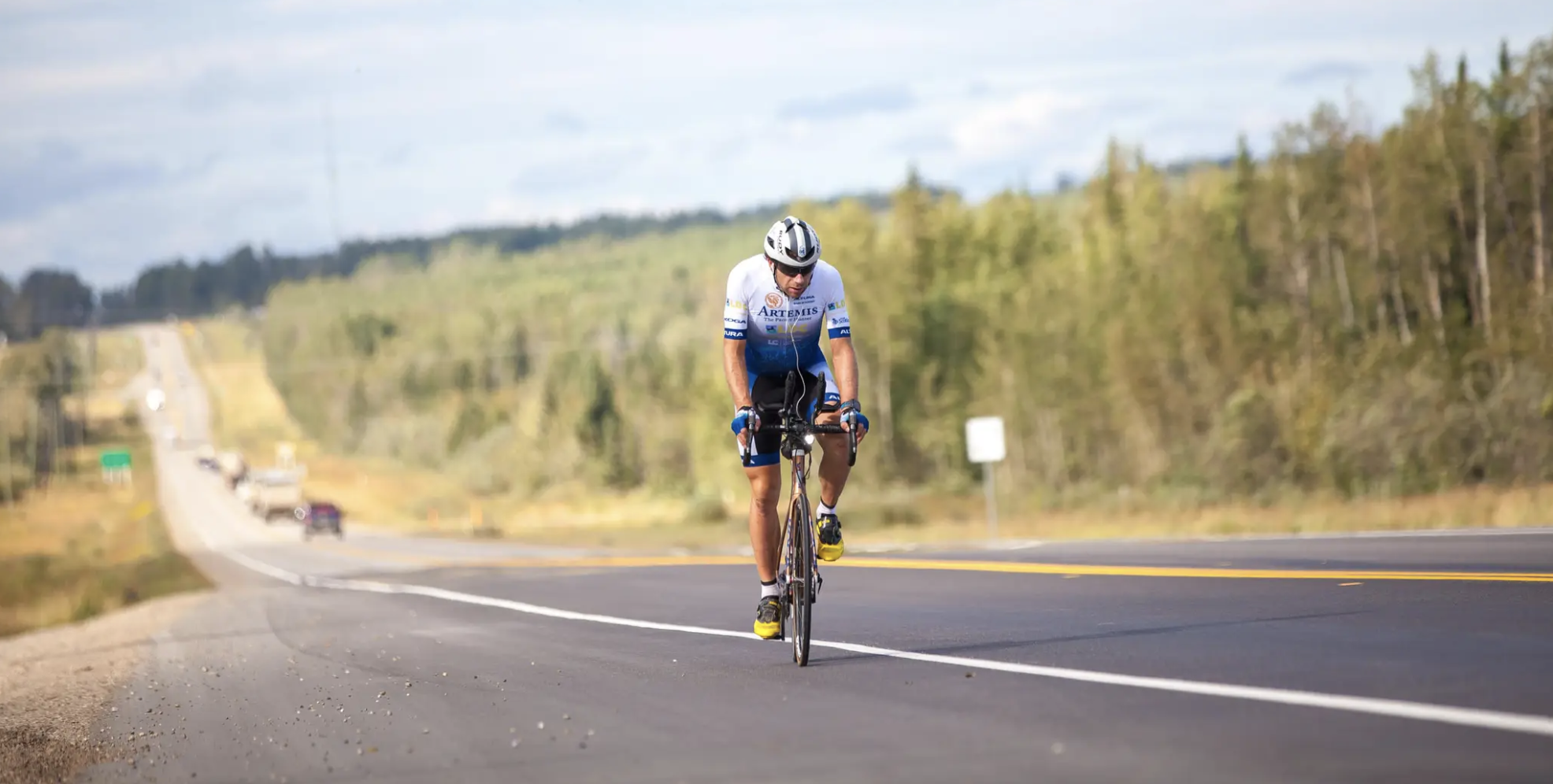
Around the World in 80 Days
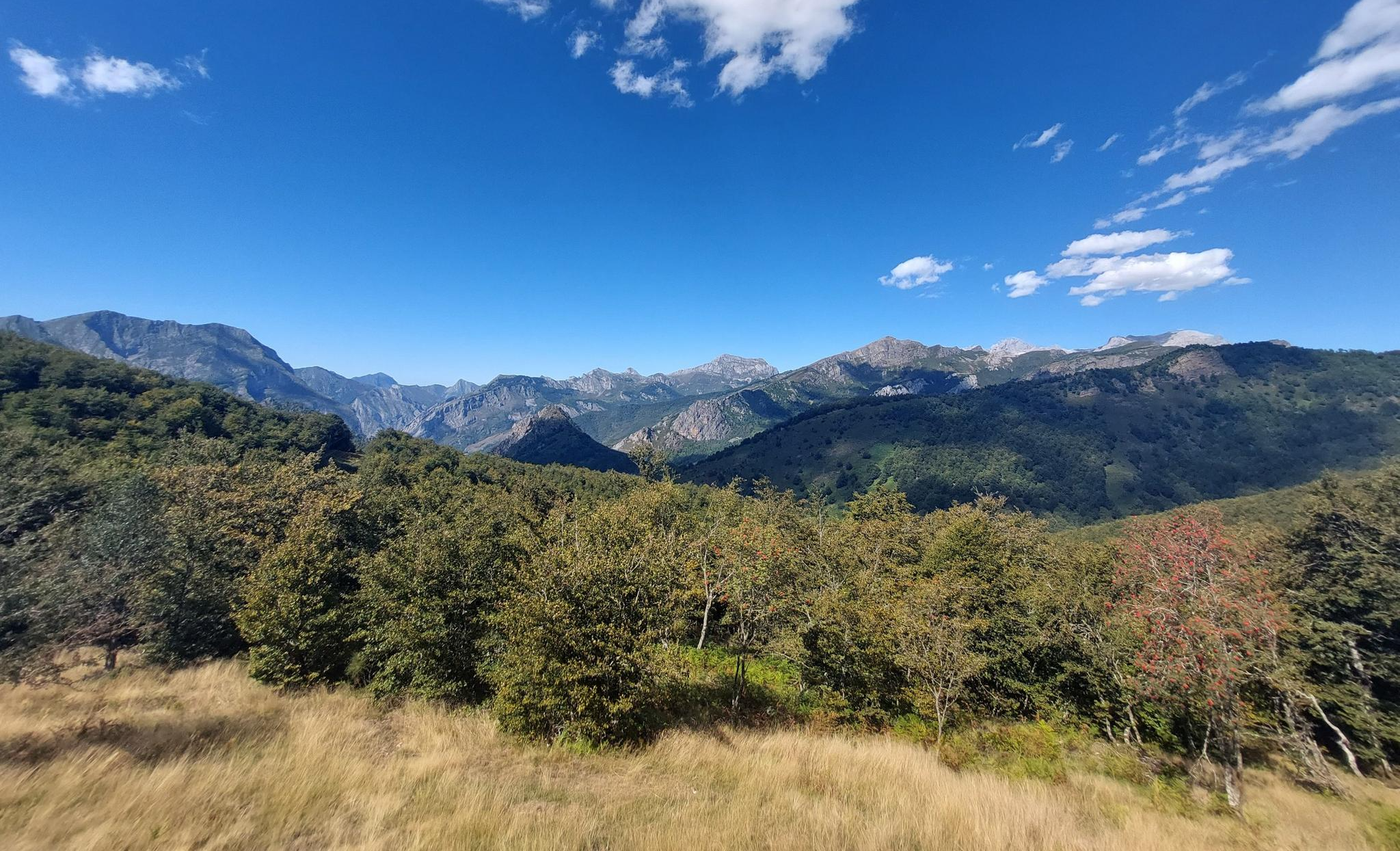
Senda del Arcediano (GR 210) - A historical hike through the Picos del Picos
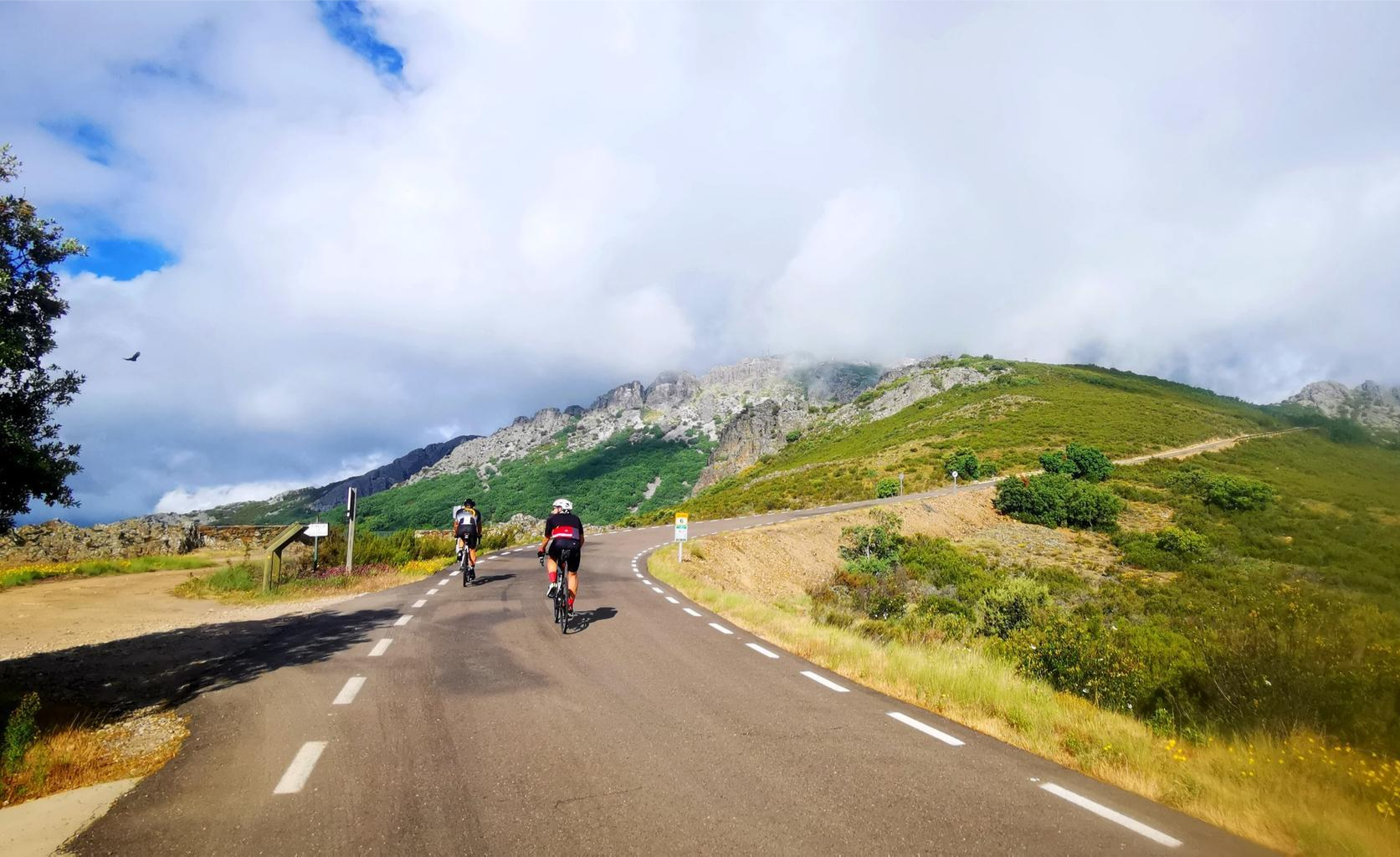
Legendary climbs - Ports of La Vuelta a España
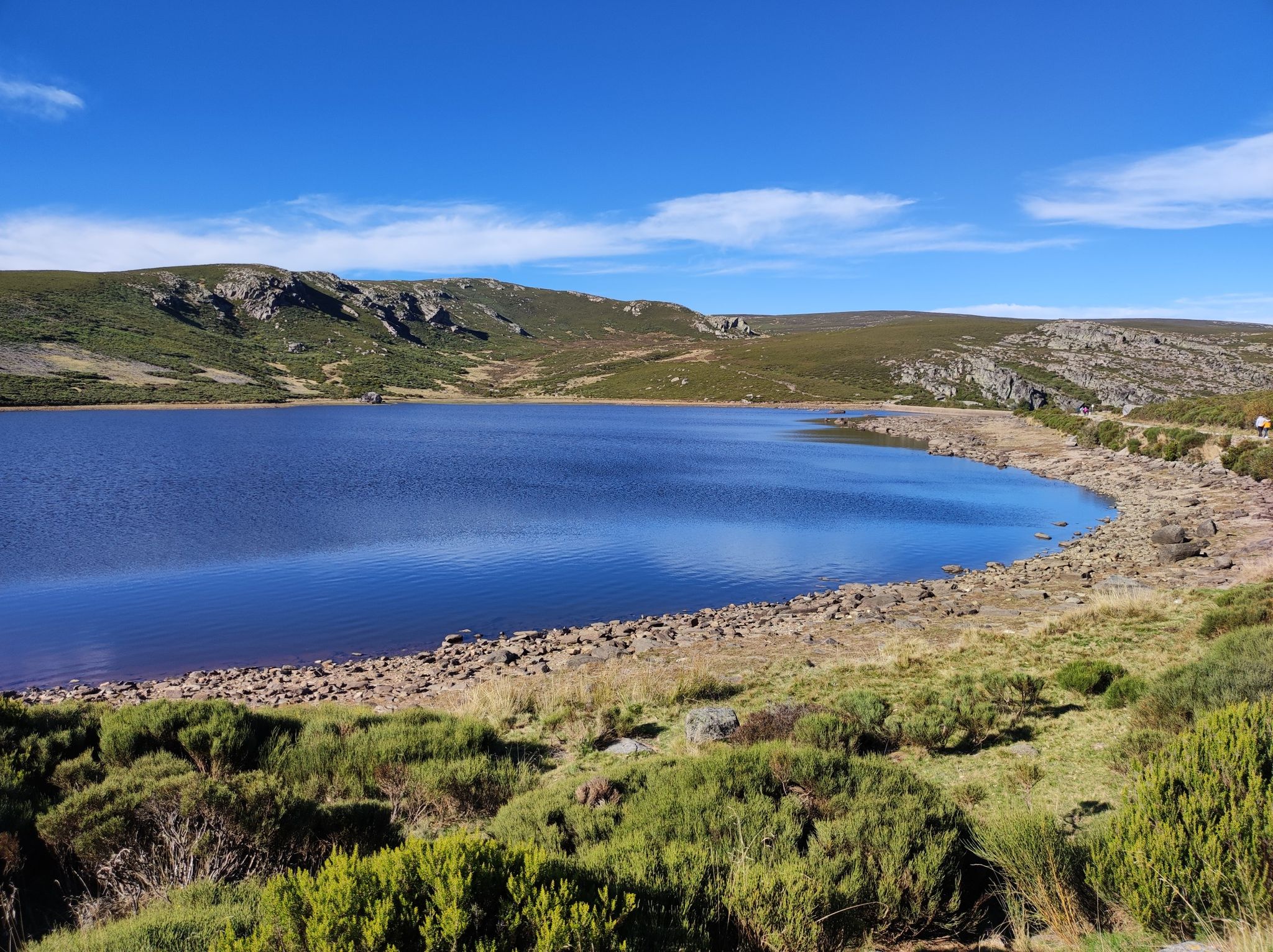
Glacial lagoons and eternal mountains – Montaña de Sanabria (GR 84)
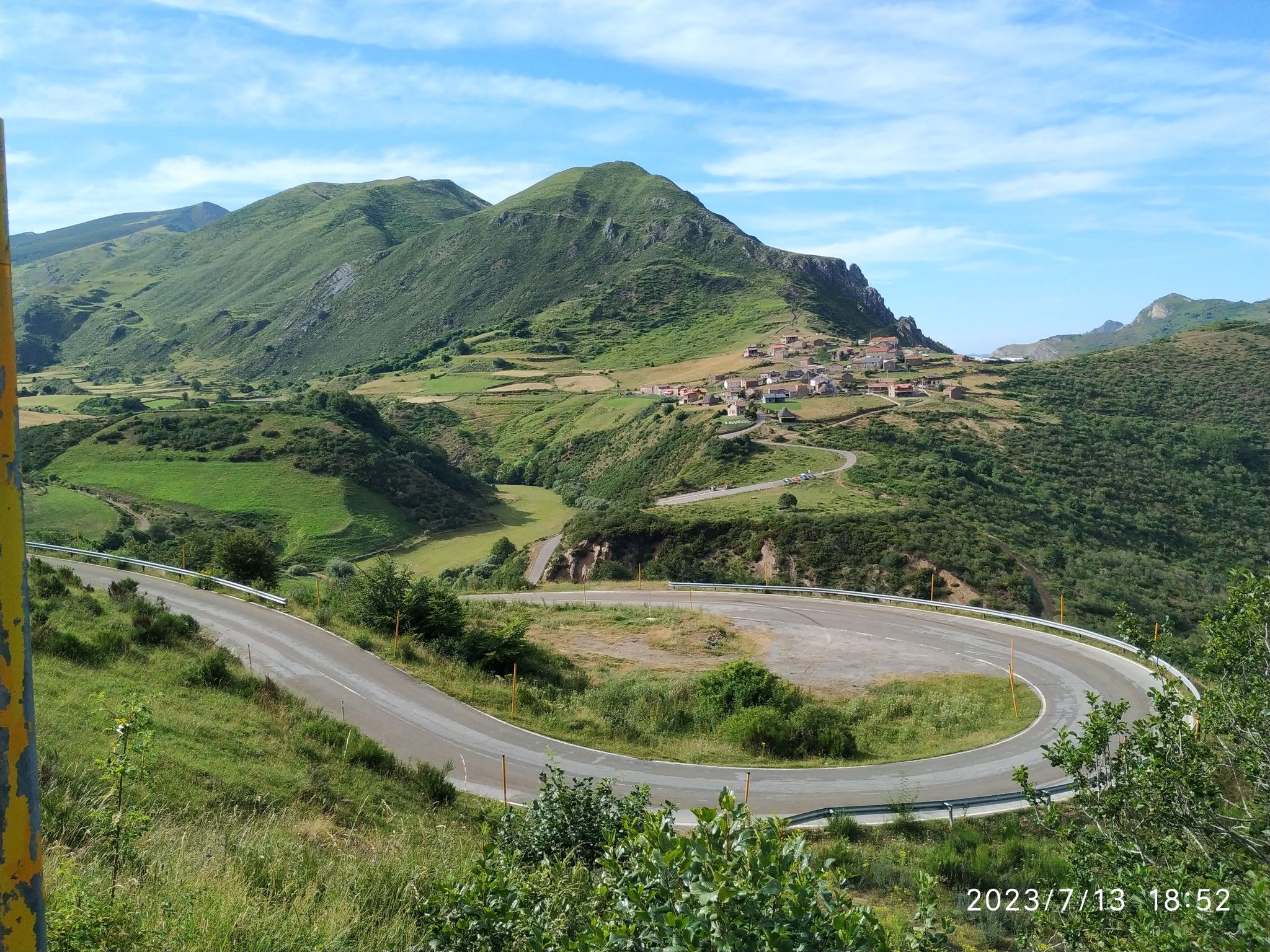
Height Challenges — Ports in Castilla y León
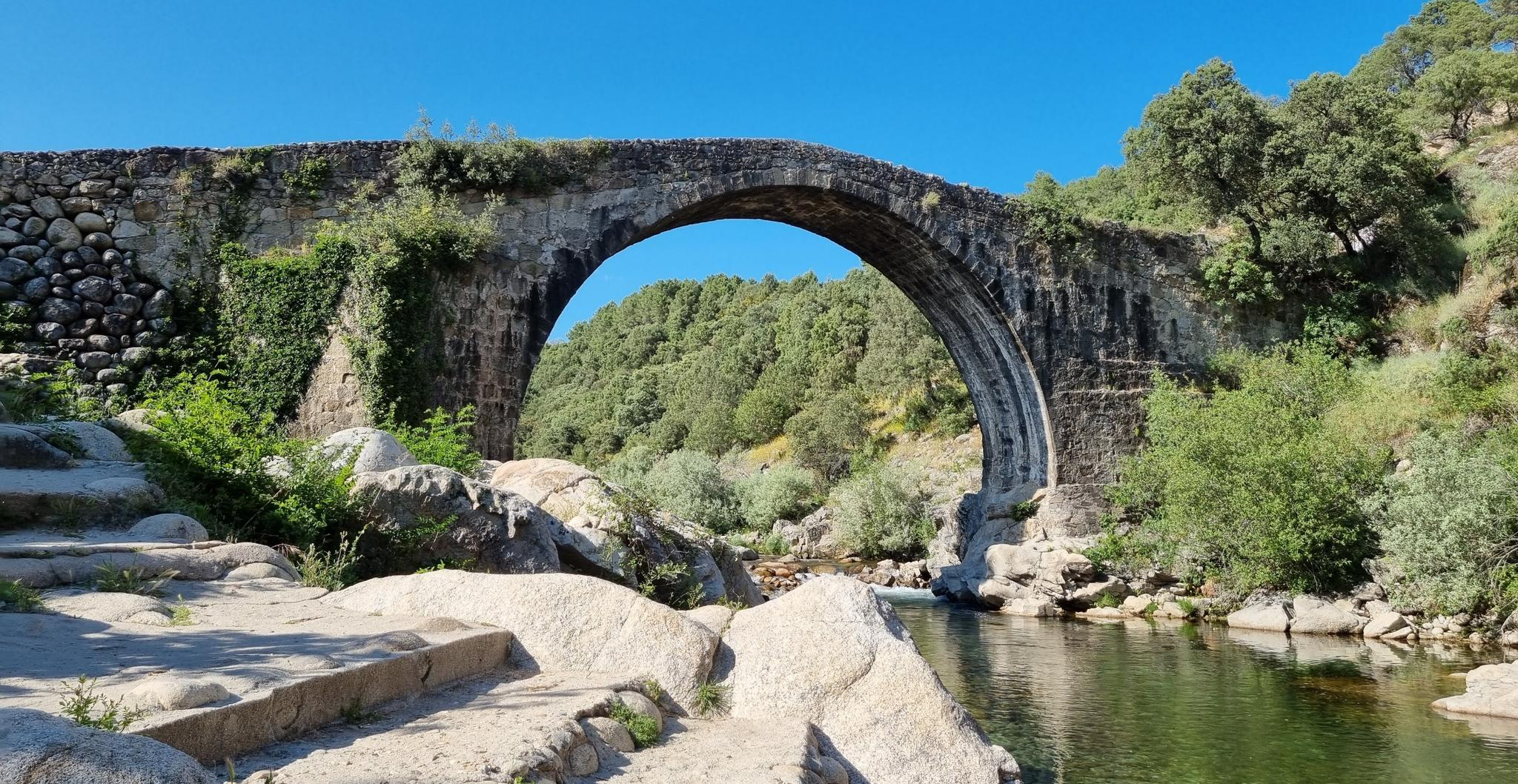
Monumental and Natural History — The Way of La Vera GR-111
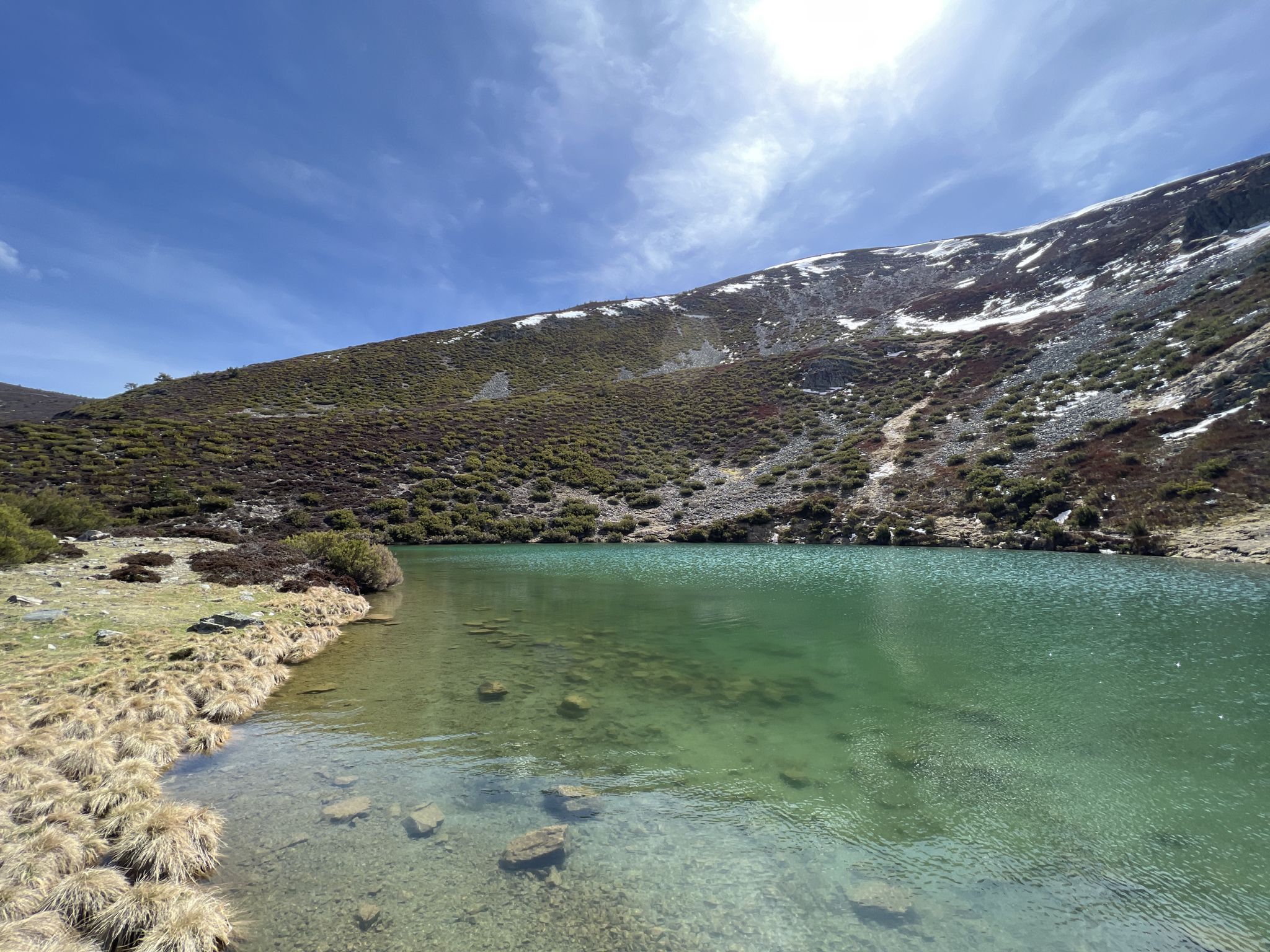
Discover the unknown Burgos - Dos Aguas Trail (GR 290)
Other adventures in Castile and León


Tips from the Community

Brutal landscape, the climb in the last section is a bit tough but doable little by little. Those with vertigo should abstain. Be careful on the descent. Highly recommended!
0
0

The view from the top of Gilbo Peak, known as the Matterhorn of León, is simply spectacular. From its 1,679-meter altitude, you can enjoy breathtaking views of the Riaño reservoir, the León fjords, and the mountains of the Riaño and Mampodre Mountain Regional Park.
1
0
The Mirador del Tombo is one of the most impressive views in the Valdeón Valley, in the Picos de Europa. Located very close to the village of Cordiñanes de Valdeón, it offers spectacular views of the Cares Gorge and the Central Massif of the Picos de Europa.
4
0

If the Queen drank this water, it is because it is good and fresh.
0
1
The Hermitage of San Bartolomé is a fascinating church located in the Cañón del Río Lobos Natural Park, in the communities of Herrera de Soria, Nafría de Ucero, and Ucero. Built in the first quarter of the 13th century, in a style that transitions from Romanesque to Gothic.
4
0
Gilbo Peak, known as the "Leonese Matterhorn," is one of the most popular hikes in the Riaño Mountains, León. It offers spectacular views of the Riaño Reservoir and the "Leonese Fjords."
5
1
The viewing point was opened on 10 August 1964 and features an iron cross and a stone column with a sculpture of a chamois. There is also an engraving listing all the peaks that can be seen from the site, making it easier to identify them.
5
0
Pico Gilbo is an iconic mountain located in the Cantabrian Mountains, near Riaño, in the province of León. With an altitude of 1,679 metres, it is known for its stunning panoramic views and challenging climb.
6
0
Frequently Asked Questions
What kind of natural features can I expect to see in Castile and León's natural monuments?
Castile and León offers a diverse range of natural features. You can explore dramatic river canyons like the one at Boca del Asno Gorge and Waterfalls, extensive cave systems such as Ojo Guareña, and striking geological formations like the reddish pinnacles of Las Médulas. The region also boasts high mountain landscapes, glacial cirques, and serene lakes like Laguna Negra de Urbión.
Are there natural monuments in Castile and León with historical significance?
Yes, many natural monuments in Castile and León are rich in history. Orellán Galleries and La Encantada Cave and La Cuevona at Las Médulas are ancient Roman gold mines showcasing impressive hydraulic engineering. The Ojo Guareña cave system holds significant archaeological value with evidence of human use across millennia, including cave paintings. Additionally, the Hermitage of Saint Bartholomew, nestled within the Cañón del Río Lobos, adds a historical and mystical element to its natural surroundings.
What are some popular hiking trails near the natural monuments in Castile and León?
The region is excellent for hiking. You can find numerous trails, including challenging ascents to summits like Seven Peaks in the Sierra de Guadarrama. For more options, explore the dedicated Hiking in Castile and León guide, which features routes like the circular trail to Peñalara from Cotos in Guadarrama National Park.
Are there family-friendly natural monuments suitable for children?
Absolutely! Several natural monuments are great for families. Fuente de la Reina offers a refreshing stop sheltered by trees. The Boca del Asno Gorge and Waterfalls in the Valsaín pine forests is a popular recreational area with small waterfalls and pools, perfect for young and old alike in summer. The Hermitage of Saint Bartholomew in Cañón del Río Lobos is also considered family-friendly.
What outdoor activities, besides hiking, can I do near these natural monuments?
Beyond hiking, Castile and León offers diverse outdoor activities. The Picos de Europa National Park is excellent for climbing, cycling, and kayaking. You can also find extensive mountain biking opportunities; check out the MTB Trails in Castile and León guide for routes around areas like the Sierra de Guadarrama. For runners, the Running Trails in Castile and León guide provides options, including challenging trail runs to summits like Pico de Urbión.
When is the best time to visit the natural monuments in Castile and León?
The best time to visit depends on the specific monument and your planned activities. Spring and autumn generally offer pleasant temperatures for hiking and exploring. Summer is ideal for enjoying water features like the Boca del Asno Gorge, but some higher mountain areas can be challenging due to heat. Winter provides opportunities for snowshoeing or winter hiking in areas like the Sierra de Guadarrama, but requires appropriate gear and caution.
Can I spot wildlife at the natural monuments in Castile and León?
Yes, wildlife spotting is possible. The Cañón del Río Lobos Natural Park is designated as a Special Protection Area for birds and hosts a large colony of griffon vultures, which are often seen soaring above the canyon. Other areas, particularly in the Sierra de Gredos and Picos de Europa, are home to diverse flora and fauna, including various bird species and mountain animals.
Are there any natural rock formations or unique geological sites to see?
Absolutely. The region is known for its geological wonders. Besides the dramatic pinnacles of Las Médulas, you can visit the Natural Rock Arch of Puentedey, a remarkable natural bridge. The Sierra de Gredos also features impressive glacial cirques and rock formations, while the Ojo Guareña complex showcases vast underground passages carved into the rock over millennia.
What do visitors enjoy most about the natural monuments in Castile and León?
Visitors frequently praise the breathtaking views from summits like Alto de las Guarramillas (Bola del Mundo) and Gilbo Peak. The unique historical insights offered by sites like the Orellán Galleries, which demonstrate Roman mining techniques, are also highly appreciated. Many enjoy the tranquility and natural beauty of places like Laguna Negra de Urbión and the refreshing stops at natural springs such as Fuente de la Reina.
Are there natural monuments near León that are worth visiting?
Yes, near León, you can find the UNESCO World Heritage Site of Las Médulas, which includes the Orellán Galleries and La Encantada Cave and La Cuevona. These sites offer a unique blend of historical significance as ancient Roman gold mines and a dramatic, otherworldly landscape. Additionally, a significant part of the Picos de Europa National Park, renowned for its high mountain scenery, lies within León.
What is the difference between a Natural Monument and a National Park in Castile and León?
In Castile and León, both Natural Monuments and National Parks are protected areas, but they differ in scale and focus. Natural Monuments typically highlight specific, unique natural elements of exceptional value, such as a particular rock formation, cave, or waterfall. National Parks, like Picos de Europa, are much larger areas designated for the conservation of entire ecosystems, landscapes, and their associated flora and fauna, often encompassing a broader range of natural features and allowing for more extensive recreational activities.
Most popular routes in Castile and León
Most popular attractions in Castile and León

Get inspired with the komoot mobile app


Didn’t find what you were looking for?
Find even more amazing natural monuments in Castile and León by checking out the top Highlights region by region:
Explore more
Extend your search for the best caves by checking out these guides of the top ones in Castile and León:
