Attractions and Places To See in Isparta - Top 20
Best attractions and places to see in Isparta blend natural beauty with rich historical and cultural sites. Known for its rose cultivation, Isparta features diverse landscapes including Turkey's fourth-largest lake, Lake Eğirdir, and vast lavender fields. The region offers a mix of ancient ruins, significant historical landmarks, and tranquil natural parks for exploration.
Best attractions and places to see in Isparta
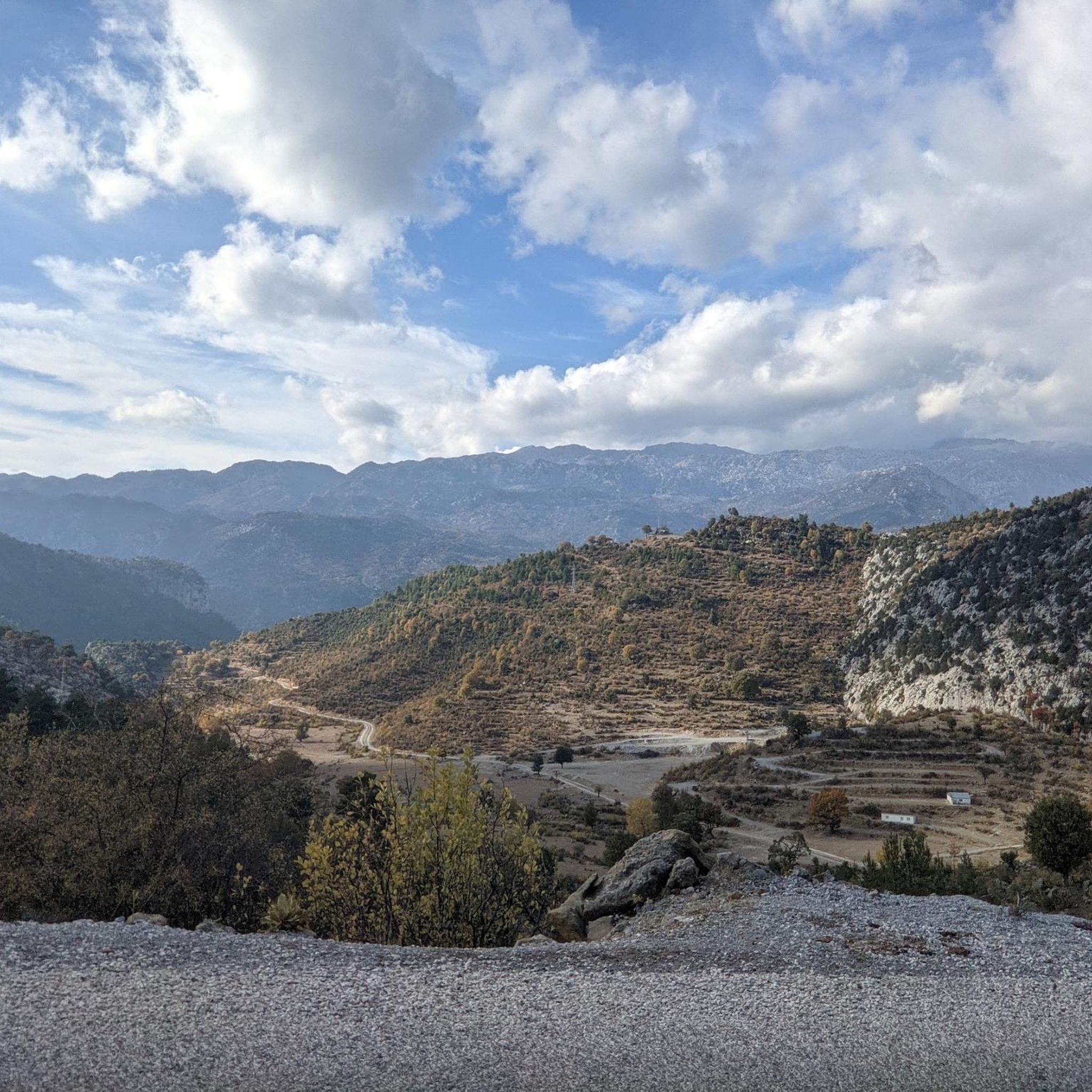
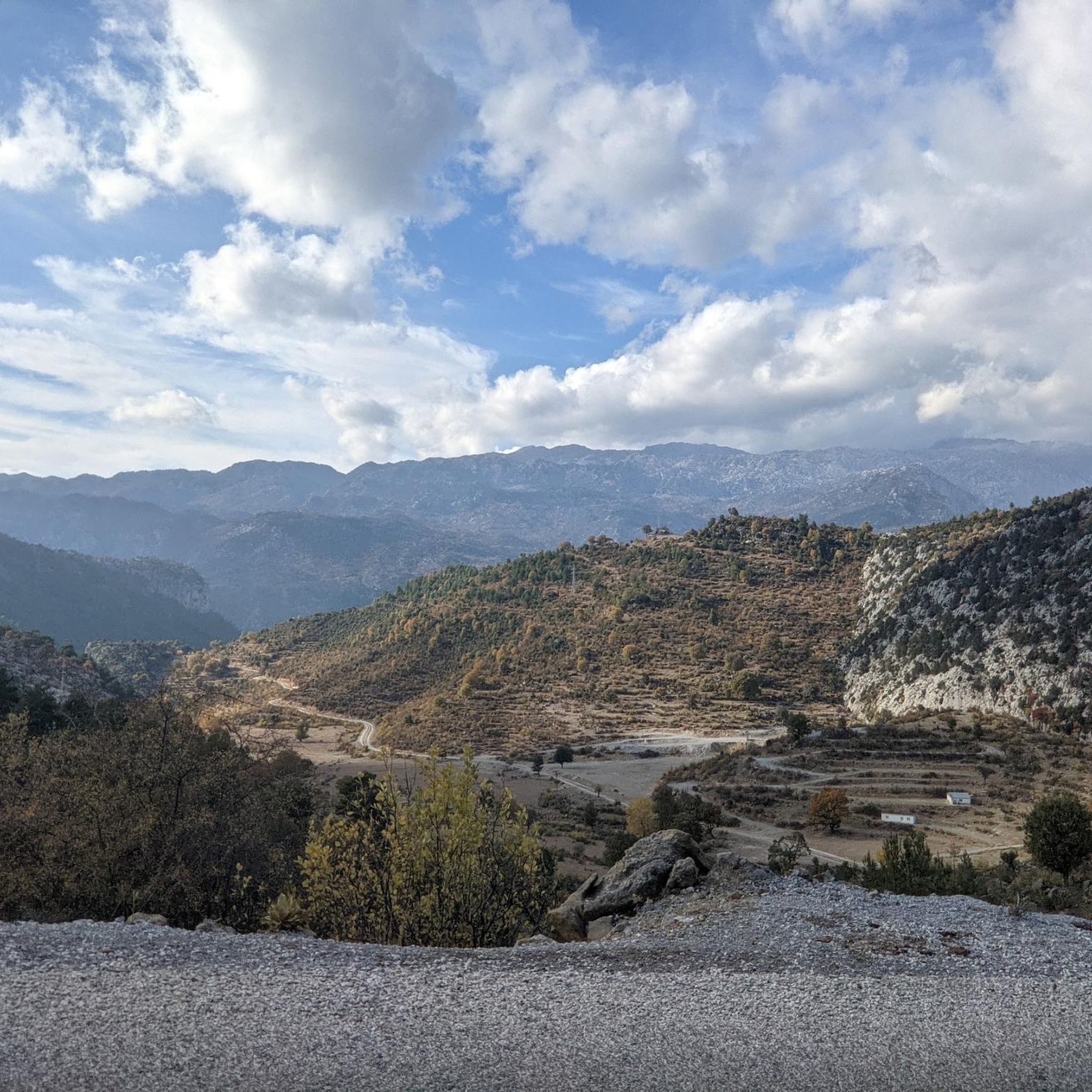
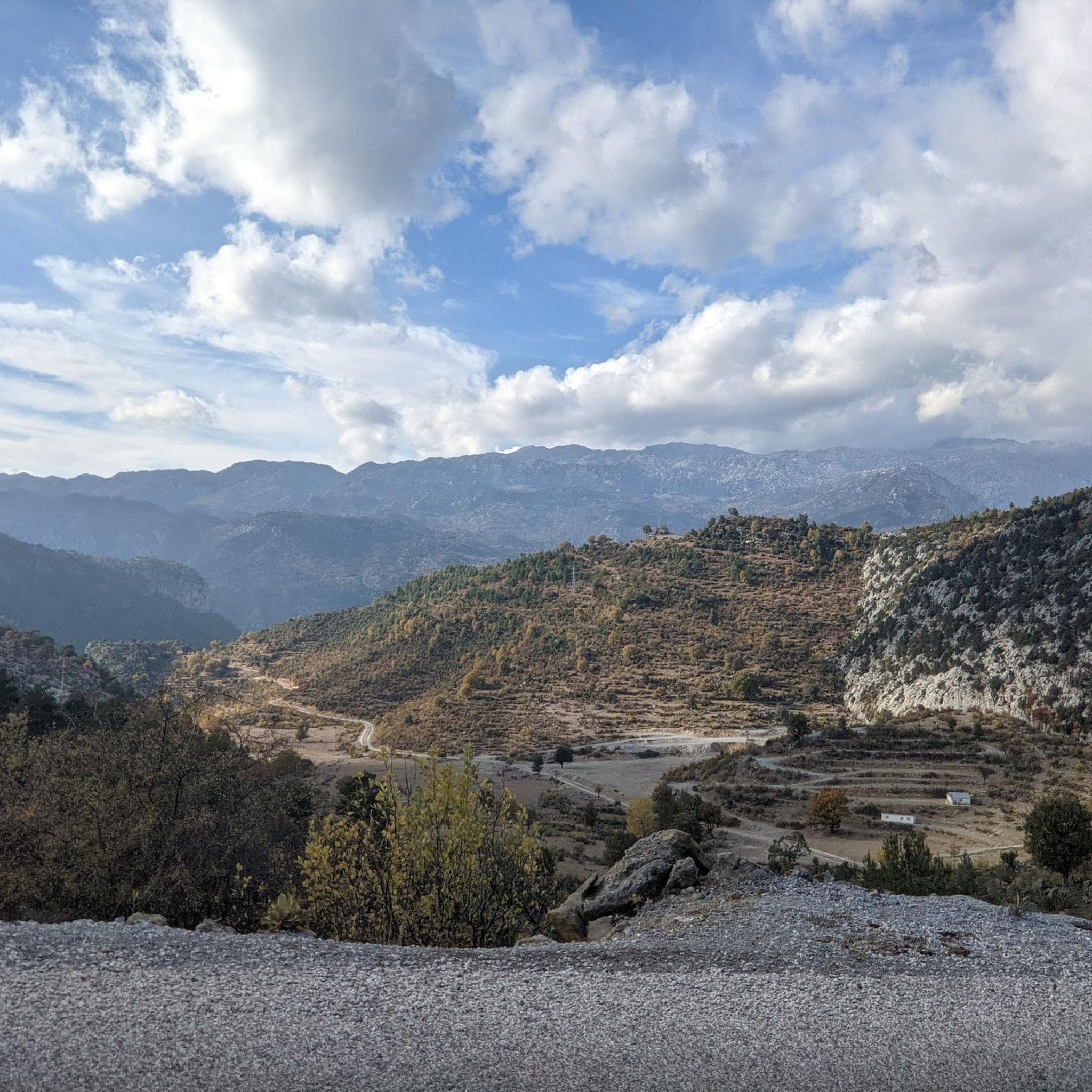
- The most popular attractions is Beyşehir Pass, a mountain pass that offers a steady climb between valleys. It…
Last updated: August 16, 2026
Beyşehir Pass
Highlight (Segment) • Mountain Pass
Translated by Google •
Tip by

St. Paul's Church and 1st-Century Synagogue Ruins
Highlight • Historical Site
Translated by Google •
Tip by

Sign up now to discover places like this
Get recommendations on the best single tracks, peaks, & plenty of other exciting outdoor places.
Sign up for free
Triumphal Arch of Hadrian
Highlight • Historical Site
The gate was built in the 2nd century AD and consecrated by Hadrian in 129 AD while traveling through Asia Minor.
Source: Wikipedia
Translated by Google •
Tip by
Antioch in Pisidia
Highlight (Segment) • Historical Site
Translated by Google •
Tip by
Temple of Augustus
Highlight • Historical Site
Translated by Google •
Tip by
Panoramic Descent from the Pass to Dumanlı
Highlight (Segment) • Mountain Pass
Translated by Google •
Tip by

Eğirdir Castle
Highlight • Castle
Tip by

Ancient Stone Fortification Ruins
Highlight • Historical Site
Tip by

Yalvaç Storytelling Square and Atatürk Monument
Highlight • Monument
Tip by

Nymphaeum
Highlight • Historical Site
Water was brought to the city from the source of Suçıktı in the Sultan Mountains, about 11 km to the northeast of the city. Water from the …
Tip by
Sign up for free to discover even more attractions in Isparta.
Sign up for free
Already have an account?
Start today with a free account
Your next adventure awaits.
Login or Signup
Popular around Isparta
Tips from the Community

Do you think that March is a good weather to climb the summit and cycle around the region?
0
0

Old watchtower and city wall. There are more ruins of buildings towards Sivri Peak. It is unclear if this was the upper city of ancient Prostanna or some ruins - like a military outpost as you can see far in three directions - from a different time period.
0
0
The circular square covers Yalvaç's rich history page by page, serving as a guide through which the city explains itself. Entering the square, which resembles an open-air museum, through the covered entrance with columns on the north side, one enters a circular corridor with wide columns arranged at equal distances on either side. Information panels are placed on the columns on either side of the open-air corridor. The first panel describes the Tokmacık fossil site, with creatures that lived 8 million years ago and representing Yalvaç's earliest history. This is followed by the Sacred Site of Humans from the 4th century BC, the city of Antiocheia from the 3rd century BC, the Roman period, Byzantine period, Seljuk period, Ottoman period, and Republican period up to the present day. By using the front and back sides of the columns, a four-strip panel arrangement was created. The outer circle features a total of 24 panels on 12 pillars; the inner circle features 24 panels on 12 pillars, with a total of 48 panels, providing visual and literary expression. In the center of the square is a 25-meter-wide ceremonial area, and at its southern edge stands the Atatürk Monument. The monument stands proudly, clad in a kalpak, riding costume, and high-heeled boots.
0
0
Nympheum (Monumental Fountain) Water was brought to the city from the source of Suçıktı in the Sultan Mountains, about 11 km to the northeast of the city. Water from the 1465 m high spring was reached to the Nympheum reservoir with a height of 1178 m with solutions (tunnels, canals and aquaducts) that were suitable for the condition of the land. According to the slope of the terrain, the tunnels constructed below 1 m underground are approximately 1 m wide and 1.5 m height. Only 200 meters of aquaducts have been preserved. 3000 cubic meters of water are distributed to the city on average daily. The fountain building, which was built in the form of a large "U", has a dimension of 27x11.76 m. The facade architecture carried with Corinthian capitals is decorated with sculptures and reliefs. The aqueducts and the fountain building should have been built during the early imperial period (1st century BC). The 30X150 m square in front of the fountain should be the area where human traffic is the most intense in daily life. The inscription of the Governor Diogenes, on the eastern edge of the square, indicates that it was used for political propaganda in addition to daily life.
0
0
Temple of Augustus and Sanctuary A temple dominating the Yalvaç plain was built by carving the bedrock by removing the soil of the highest hill of the city. The lower floor (naos) of the cella is completely made of bedrock and the temple is prostylos style with four columns. Ribbed and drum columns are Corinthian heading. The frieze of the bull heads carrying girland was carved on the architrave with three fascia. An acanthus frieze surrouds the upper part of the cella wall. The perimeter of the temple area, which is entered from the propylon, is surrounded by a Doric stoa. The stoa, which is a single storey on the sides, has two storeys in the section forming a semicircle behind the temple. The rectangular nests in the rock are the places where the beams of the second floor are placed. The second floor of the stoa is in lonic order. This area and temple, where traces of the oldest beliefs of Anatolia are seen, were reorganized for the Emperor Augustus during the Roman Imperial Period
0
0
History of The City The city was colonized by the Seleucid Dynasty in the Hellenistic Period (beginning of the 3rd century BC) and was given the name of the Seleucid king Antiochus. The name and the location of Antiocheia before the Hellenistic period hasn't been known. However, the Temple of Men and the Sanctuary which was located in Gemen Grove has documented the pre-classical period of Antioch. Numerous mound settlements around Antiocheia prove that the city's history dates back to the Neolithic Period. The city remained under Seleucid rule until 188 BC and passed to the kingdom of Pergamum with the peace of Apameia and since 129 BC it has been included in Roman territory. The city, which was renamed Colonia Caesereia with the Roman Imperial Period, was granted the right to be lus Italicum (free city) and became the capital of other Roman colonies established in Pisidia. After 395 A.D, the city remained under the rule of Eastern Rome and it was destroyed by the Arab raid in 713.
0
0
St. Paul, together with Saint Barnabas, had come to the city in 46 A. D., and gave his first official sermon in a synagogue in this city. After this visit, due to two more visits of St. Paul to this city, it gained an importance for both church and Antiocheia Christianity world.
0
0
Great Basilica (St. Paulus Church) The church in the west of the city measures 70x27 m and has three naves with a Basilical plan. 13 columns from the narrow naves on both sides separates the middle nave. The outer surface of the semicircular apse is surrounded by a hexagonal wall. The building is designed for sloping terrain and solutions are produced according to the condition of the area. Due to the slope of the land, the apse of the church is two-storey and the other parts are single-storey. The rocks on the south side were straightened by shaving and the south wall was built over these rocks. Between the south wall and the north of the church there are quite a lot of elevation differences. Apart from the main entrance at the Narthex, there is also a large entrance door from the courtyard in the north. The entrance of the lower floor is in the south corner of the apse. A large courtyard was built to the north of the church with a stone floor and covered its surrounding with a stoa.
0
0
Frequently Asked Questions
What are the best natural attractions to visit in Isparta?
Isparta boasts several stunning natural sites. You can explore Beyşehir Pass, known for its high-quality gravel and great views, or enjoy the panoramic descent from the pass to Dumanlı. Other natural highlights include the vast lavender fields of Kuyucak Lavender Village, the serene Lake Eğirdir, and the tranquil Kovada Lake National Park, perfect for hiking and bird watching.
Which historical sites should I prioritize in Isparta?
Isparta is rich in history. A must-see is St. Paul's Church and 1st-Century Synagogue Ruins, a significant archaeological site where Paul preached. Nearby, you'll find the impressive Triumphal Arch of Hadrian, a 2nd-century AD monument, and the ancient city of Antioch in Pisidia with its Roman Theatre and Temple of Augustus.
Are there any family-friendly activities or attractions in Isparta?
Yes, Isparta offers several family-friendly options. The natural parks like Kovada Lake National Park and Kızıldağ National Park provide excellent settings for picnics, nature walks, and enjoying the outdoors. Lake Eğirdir is also great for leisurely activities like swimming and nature walks. The Kuyucak Lavender Village offers a unique experience, especially during blooming season, which children often enjoy.
What is the best time of year to visit Isparta's attractions?
The best time to visit Isparta largely depends on your interests. For experiencing the famous rose gardens and lavender fields, late spring (May-June for roses) and July (for lavender) are ideal. For hiking and outdoor activities, spring and autumn offer pleasant temperatures. Summer can be warm, while winter brings opportunities for activities like skiing on Davraz Mountain, though specific winter attractions are not detailed here.
Where can I find hiking trails near Isparta's attractions?
Isparta offers diverse hiking opportunities. You can find trails around natural attractions like Lake Eğirdir, Kovada Lake National Park, and Kızıldağ National Park. For specific routes, explore the Hiking in Isparta guide, which includes routes like the 'Tea Stop with Panoramic View – Ancient City of Prostanna loop from Eğirdir' and 'Akpınar Mosque – Ancient City of Prostanna loop from Akpınar'.
Are there opportunities for cycling or other outdoor sports in Isparta?
Absolutely. Isparta's varied terrain is suitable for cycling. The Cycling in Isparta guide features routes such as the 'Bike loop from Çünür' and the more challenging 'Hadrian's Nymphaeum – Sagalassos Ancient City loop from Isparta'. The region's mountain passes, like Beyşehir Pass, are popular among cyclists.
What are some unique cultural experiences in Isparta?
Beyond ancient ruins, Isparta offers unique cultural insights. You can visit the Isparta Museum to learn about local history and culture, or the Ethnography Carpet and Kilim Museum for traditional Turkish textiles. The Yalvaç Storytelling Square and Atatürk Monument provides an open-air museum experience detailing local history.
Are there any hidden gems or less-known attractions in Isparta?
While many attractions are well-known, consider exploring the serene Gölcük Lake, surrounded by pine forests, perfect for a quiet picnic. The Zindan Cave in Yenişarbademli district offers an adventure for those interested in natural formations. Additionally, the ancient Stone Fortification Ruins offer historical intrigue with impressive views.
Can I find places to eat or relax near Isparta's main attractions?
Yes, many popular areas have amenities. Near Lake Eğirdir, you'll find cafes and local eateries, especially around Kirazlidere, which is known for fish specialties and panoramic views. In towns like Yalvaç, near ancient sites, there are local restaurants. Kuyucak Lavender Village also has shops selling lavender products and likely small cafes during peak season.
What kind of views can I expect from Isparta's viewpoints?
Isparta offers breathtaking views, particularly from its natural and historical high points. From Beyşehir Pass and the Panoramic Descent from the Pass to Dumanlı, you can see sweeping landscapes. Eğirdir Castle provides panoramic vistas of Lake Eğirdir and its surroundings, while Kirazlidere offers stunning lake views.
Are there any running trails available in Isparta?
Yes, Isparta has several running trails. The Running Trails in Isparta guide lists routes such as the 'Eğirdir Kalesi loop from Camii Mah.' and a 'Running loop from Gölcük Tabiat Parkı', offering options for various difficulty levels.
Most popular routes in Isparta

Get inspired with the komoot mobile app


Explore more
Still not found the Highlight you’re looking for? See guides of the top attractions in other regions:
