The best gravel rides around Ribaute
4.5
(2)
17
riders
4
rides
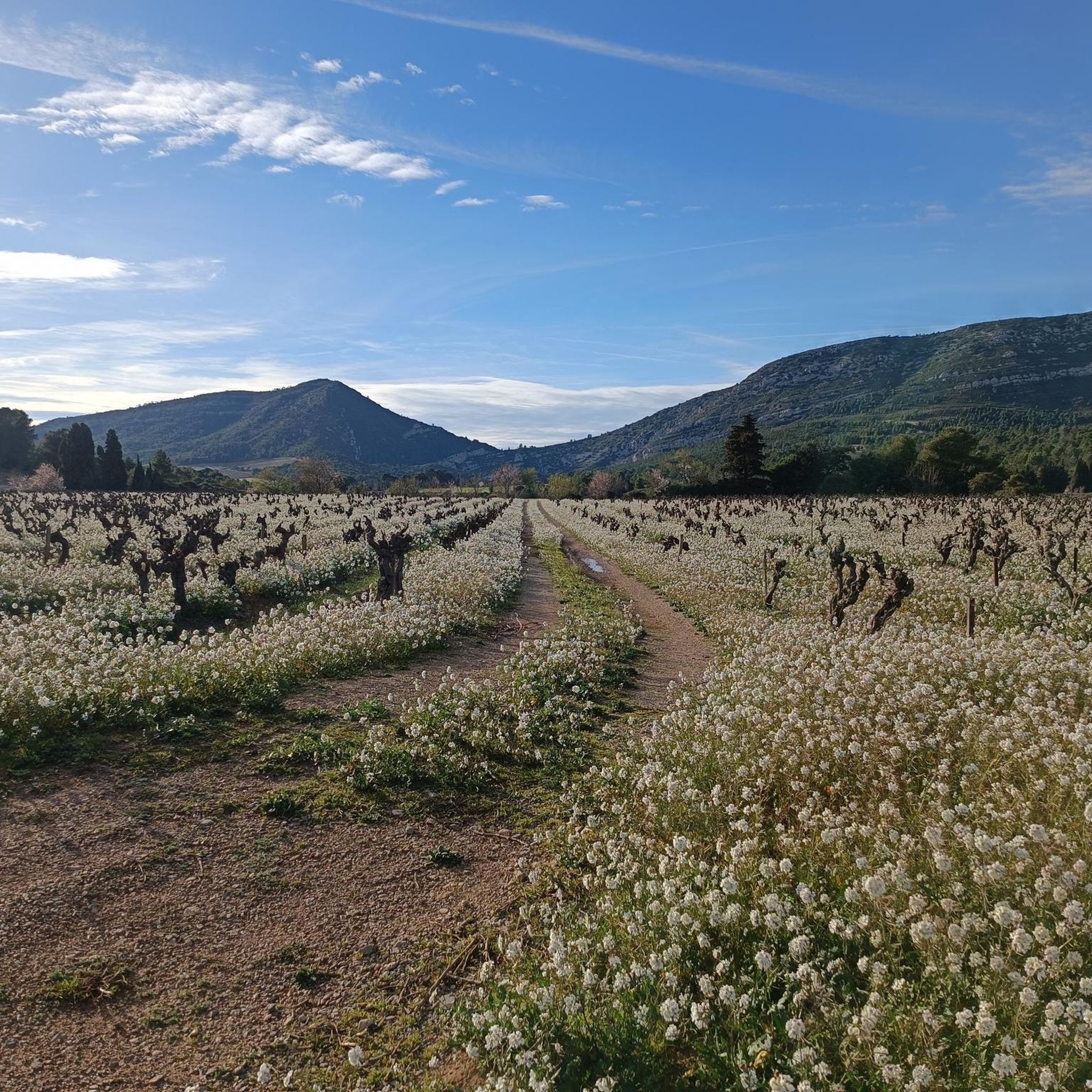
Gravel biking around Ribaute, France, offers diverse terrain within the Aude department, characterized by the Orbieu valley, Congoust gorges, and the presence of Mont Alaric. The region features a mix of dirt tracks, quiet country roads, and rustic dirt roads, providing varied surfaces for gravel cyclists. Riders can explore areas with vineyards and forests, with the Orbieu River also contributing to the natural landscape. This environment allows for exploration away from traditional paved routes, catering to different skill levels.
Best…
Last updated: October 8, 2026
2
riders
Hard gravel ride. Very good fitness required. Mostly paved surfaces. Suitable for all skill levels.
4.0
(1)
4
riders
36.8km
02:23
450m
450m
Moderate gravel ride. Good fitness required. Mostly paved surfaces. Suitable for all skill levels.

5.0
(1)
7
riders
50.8km
03:21
660m
660m
Hard gravel ride. Very good fitness required. Mostly paved surfaces. Suitable for all skill levels.
Our route recommendations are based on thousands of hikes, rides, and runs completed by other people on komoot.
Start today with a free account
Your next adventure awaits.


Tips from the Community

The Trèbes locks are a flight of locks composed of three basins. Built around 1674, it is located downstream from the port of Trèbes at the exit of the town in the direction of the village of Marseillette. Taking advantage of the significant drop in the flight of locks, intense milling activity was established on the left bank of the lock. A first upper mill was built at the end of the 17th century. It is crossed by a diversion of the Canal du Midi which ensures its operation; it is described as having four millstones with a stable and a shed. A transformation of this first mill was carried out in 1867 to make it a mill with 6 millstones. This new building, later enlarged in the 1930s, consists of a basement and 4 floors at its highest point. It has today been converted into a restaurant.
0
0
The Trèbes locks are a flight of locks composed of three basins. Built around 1674, it is located downstream from the port of Trèbes at the exit of the town in the direction of the village of Marseillette. Taking advantage of the strong difference in level of the flight, an intense milling activity was established on the left bank of the lock. A first upper mill was built at the end of the 17th century. It is crossed by a diversion of the Canal du Midi which ensures its operation; it is described as having four millstones with a stable and a shed. A transformation of this first mill was carried out in 1867 to make it a flour mill comprising 6 millstones. This new building, later enlarged in the 1930s, consists of a base and 4 floors at its highest point. Today it has been converted into a restaurant.
0
0
The pond covers an area of 2000 ha, and is shared between the municipalities of Marseillette, Aigues-Vives, Saint-Frichoux and Puichéric. In the past, it supplied the region with fish. From the 12th century onwards, people began to talk about draining this stagnant body of water, a source of death and misery for Marseillette and the surrounding villages, which were becoming depopulated. In 1605, Henry IV issued a royal decree to drain the Pond. But it wasn't until 1804 and the purchase of the Pond by an Irishwoman, Madame de Lawless, that it was drained, thanks to a vast construction project. The pond was then cultivated and developed to use the waters of the Aude, with an original irrigation system consisting of perpendicular canals allowing the flooding of the land. Today, vines, apples, and rice are the main products found there. Its quiet and flat paths are very pleasant for hiking or cycling, in a typical landscape.
0
0
Le Canal du Midi, formerly Canal Royal, is a 17th-century technical feat designed by Pierre-Paul Riquet to connect the Atlantic to the Mediterranean. Today, it is above all a place for relaxation and discovery, where heritage, nature, and conviviality blend.
0
0
The Canal du Midi, formerly the Royal Canal, is a 17th-century technical feat designed by Pierre-Paul Riquet to connect the Atlantic to the Mediterranean. Today, it is above all a place for relaxation and discovery, where heritage, nature, and conviviality blend together.
0
0
The Canal du Midi, formerly Canal Royal, is a 17th-century technical feat designed by Pierre-Paul Riquet to connect the Atlantic to the Mediterranean. Today, it is above all a place for relaxation and discovery, where heritage, nature, and conviviality blend together.
0
0

A lovely bridge in an unusual, old-fashioned style!
0
0

beautiful old town - not to be missed
0
0
Frequently Asked Questions
How many gravel bike trails are available around Ribaute?
There are 4 gravel bike trails around Ribaute, offering a variety of experiences for different skill levels. These routes are highly rated by the komoot community, with an average score of 4.0 stars.
What kind of terrain can I expect on the gravel bike trails in Ribaute?
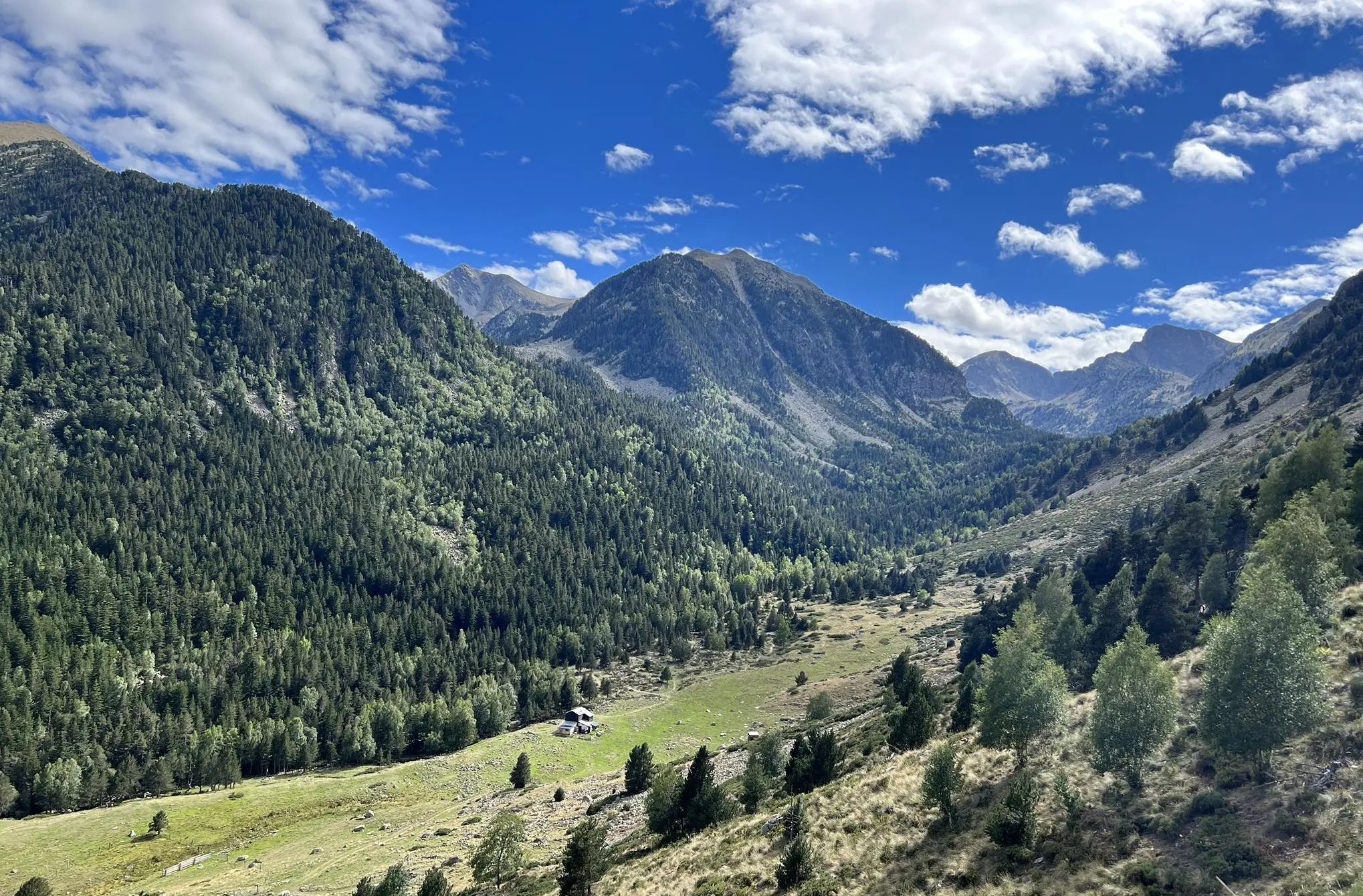
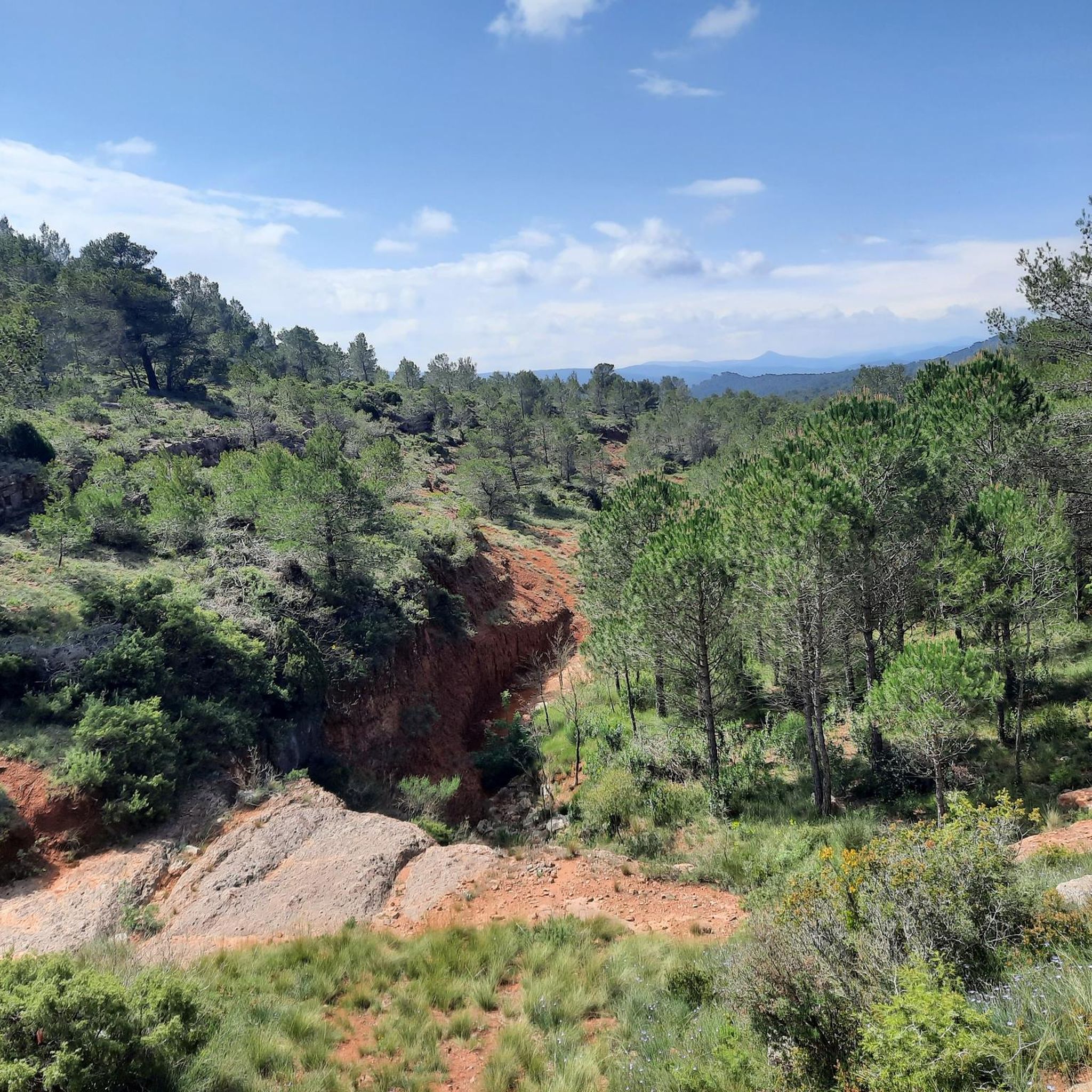
The terrain around Ribaute is diverse, featuring a mix of dirt tracks, quiet country roads, and rustic dirt roads. You'll encounter varied landscapes, including the picturesque Orbieu valley, the dramatic Congoust gorges, and the slopes of Mont Alaric, as well as areas with vineyards and forests.
Are there any family-friendly gravel biking options in Ribaute?
While the guide primarily lists moderate to difficult routes, the region offers diverse terrain that can be adapted for family outings. The Orbieu valley and areas along the Orbieu River provide scenic and potentially flatter sections suitable for leisurely rides. For specific family-friendly routes, it's best to check individual tour details for elevation and surface types.
What natural landmarks or viewpoints can I expect to see on the gravel trails?
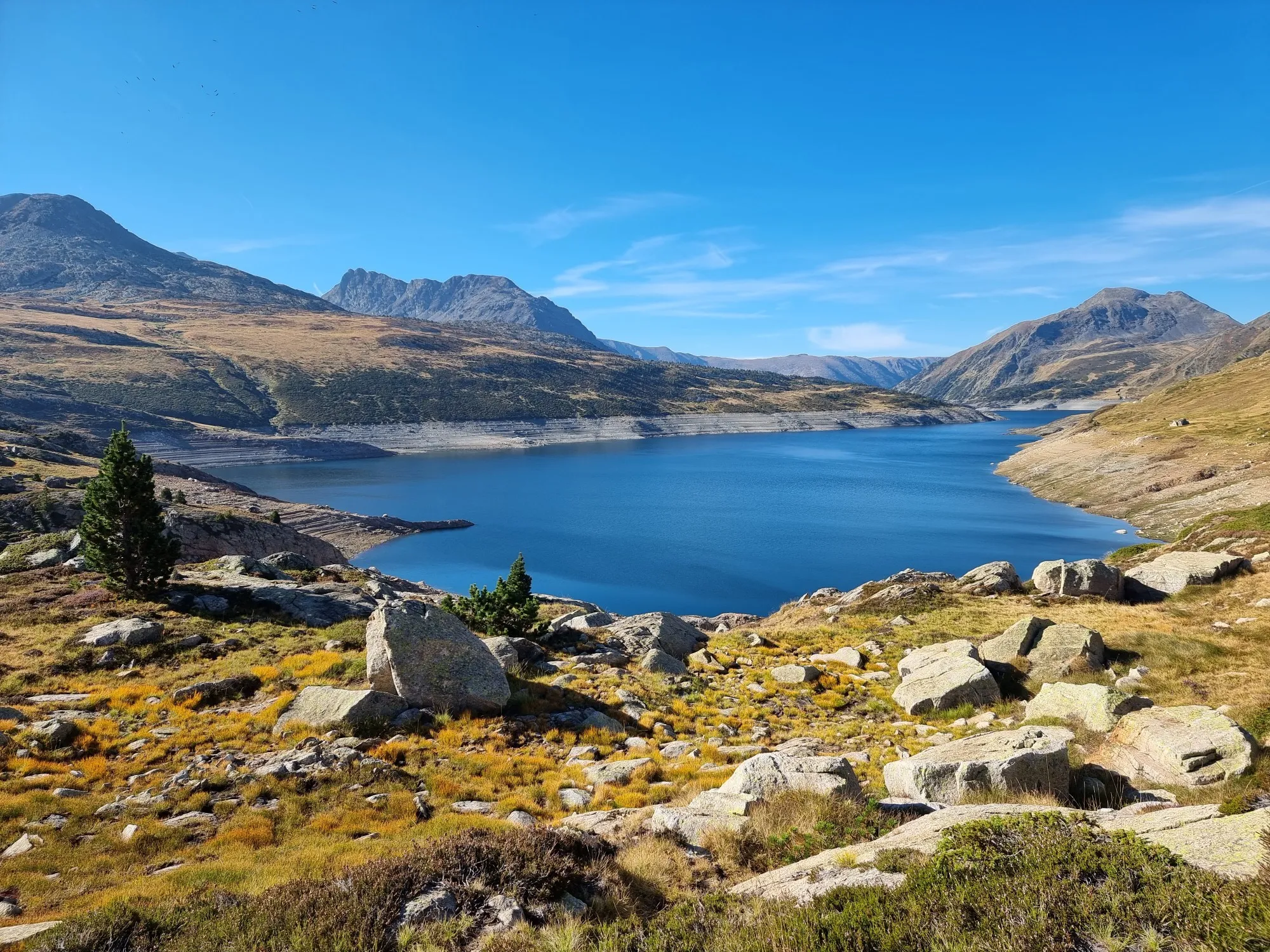
Many routes offer stunning natural scenery. You can expect views of the Orbieu River, the Congoust gorges, and the surrounding vineyards. The Signal of Alaric, at 500 meters, provides breathtaking panoramic views of the Montagne Noire, Corbières massif, Canigou massif, and the Aude plain.
What historical or cultural attractions are near the gravel biking routes?
The region is rich in history. You might pass by the ancient Lagrasse, a medieval village known for its abbey and market hall. Other attractions include Saint-Pierre d'Alaric Priory and the Villerouge-Termenès Castle I. The area also features charming villages and vineyards.
What is the best time of year for gravel biking in Ribaute?
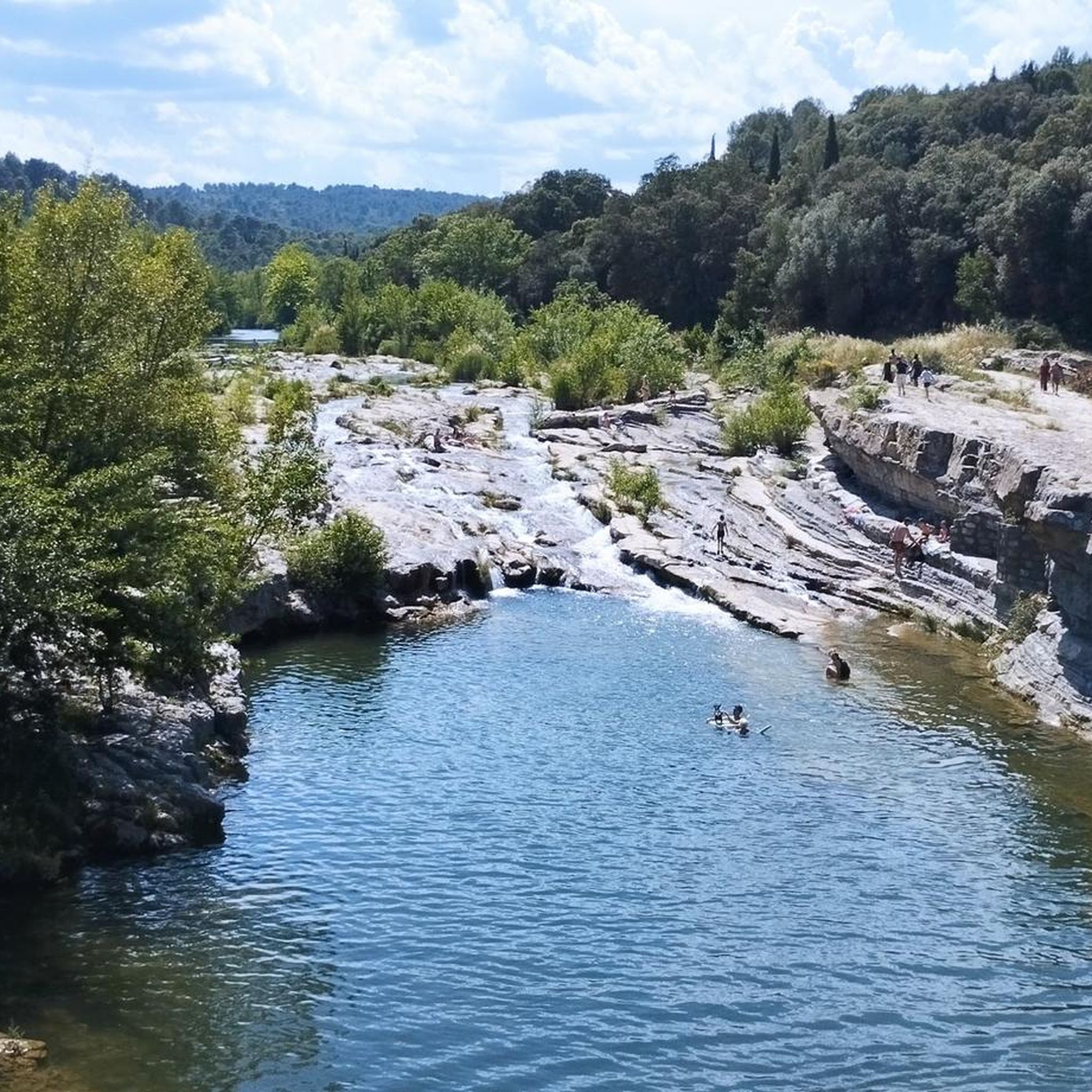
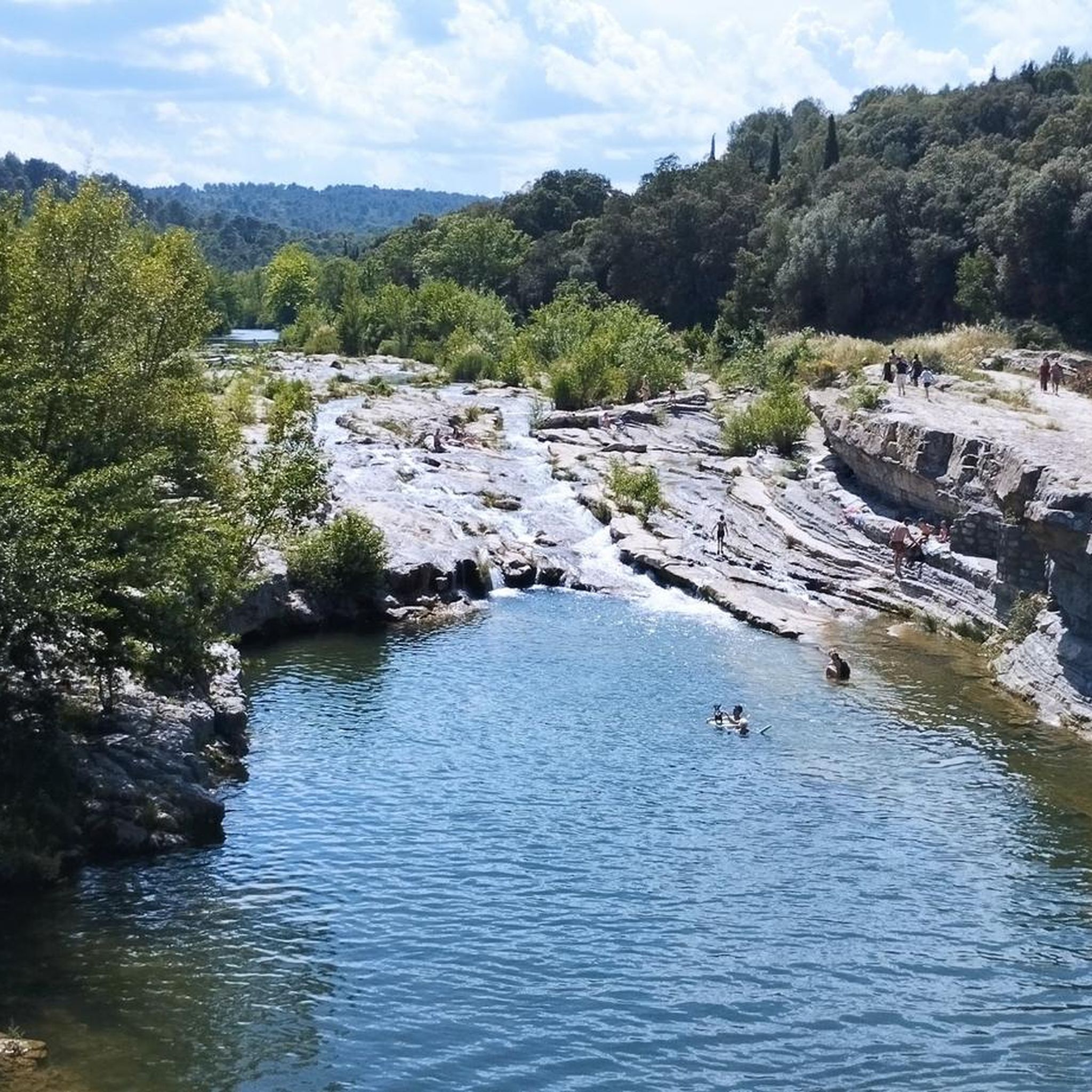
The Occitanie region generally offers pleasant conditions for outdoor activities for much of the year. Spring and autumn typically provide mild temperatures and beautiful scenery, ideal for gravel biking. Summers can be warm, but the Orbieu River and natural pools like those at Les Fargues lake offer refreshing swimming spots to cool down after a ride.
Are the gravel trails around Ribaute dog-friendly?
While specific regulations for dogs on trails can vary, many natural areas in France are generally welcoming to well-behaved dogs on a leash. Given the mix of country roads and natural paths, it's often possible to bring dogs. However, always check local signage and ensure your dog is comfortable with the distance and terrain of your chosen route.
Is there parking available for gravel bikers in Ribaute?
Yes, parking is generally available in and around Ribaute and the starting points of many routes. For example, routes like the Canal du Midi at Marseillette – Trèbes Triple Locks loop from Val-de-Dagne often have designated parking areas near their starting points in villages or rural settings. It's advisable to check the specific tour details on komoot for parking recommendations.
Can I reach Ribaute's gravel trails by public transport?
Ribaute is a charming village in a rural area, and public transport options might be limited. While some larger towns in the Aude department are accessible by train or bus, reaching Ribaute itself or specific trailheads often requires a car. It's recommended to check regional bus schedules or consider driving to the starting points of the routes.
Are there places to eat or stay near the gravel trails in Ribaute?
Ribaute and nearby villages like Lagrasse offer amenities for visitors. You can find local markets, cafes, and restaurants. Lagrasse, in particular, is known for its medieval charm and places to eat. For accommodation, there are guesthouses and B&Bs in the area. The region is also famous for its Corbières vineyards, offering opportunities for wine tasting.
How long are the gravel bike trails around Ribaute, and what kind of elevation gain can I expect?
The gravel bike trails around Ribaute vary in length and elevation. For instance, the Jonquieres little church loop from Thézan-des-Corbières is about 36.9 km (22.9 miles) with around 449 meters of elevation gain, making it a moderate ride. Other routes, like the Lagrasse – Lagrasse loop from Comigne, can be longer, reaching over 50 km (31 miles) with more than 660 meters of climbing, categorized as difficult.
Most popular attractions around Ribaute

Get inspired with the komoot mobile app


Explore more
Browse the best Gravel rides in other regions.
