Top 12 Huts and Cabins in Moësa
Huts in Moësa are found within the Val Mesolcina, an Italian-speaking alpine valley in the canton of Graubünden, Switzerland. Carved by the Moesa River, this region offers a selection of mountain huts that provide shelter and sustenance for hikers. These huts often serve as starting points for treks and offer panoramic views of the surrounding alpine landscape.
Best huts in Moësa
- The most popular huts is Buffalora Hut, a hut that is a guarded hut in the Calanca Valley…
Last updated: September 27, 2026
Rifugio Pian Grand
Highlight • Mountain Hut
Tip by

Buffalora Hut
Highlight • Mountain Hut
Showing Translation
Tip by

Sign up now to discover places like this
Get recommendations on the best single tracks, peaks, & plenty of other exciting outdoor places.
Alp de Confin
Highlight (Segment) • Viewpoint
Translated by Google •
Tip by

Alp de Rog
Highlight • Mountain Hut
Translated by Google •
Tip by

Eagles' Hut
Highlight • Mountain Hut
Translated by Google •
Tip by

Curciusa Valley Bivouac and Toilet
Highlight • Mountain Hut
Translated by Google •
Tip by
Cascina Pian de Vignit
Highlight • Mountain Hut
Translated by Google •
Tip by

Capanna Alp de Comun
Highlight • Mountain Hut
Showing Translation
Tip by

Alpe d'Aion
Highlight • Mountain Hut
Translated by Google •
Tip by
Alp de Naucal
Highlight • Mountain Hut
Showing Translation
Tip by

Sign up for free to discover even more huts and cabins in Moësa.
Already have an account?
Start today with a free account
Your next adventure awaits.
Popular around Moësa
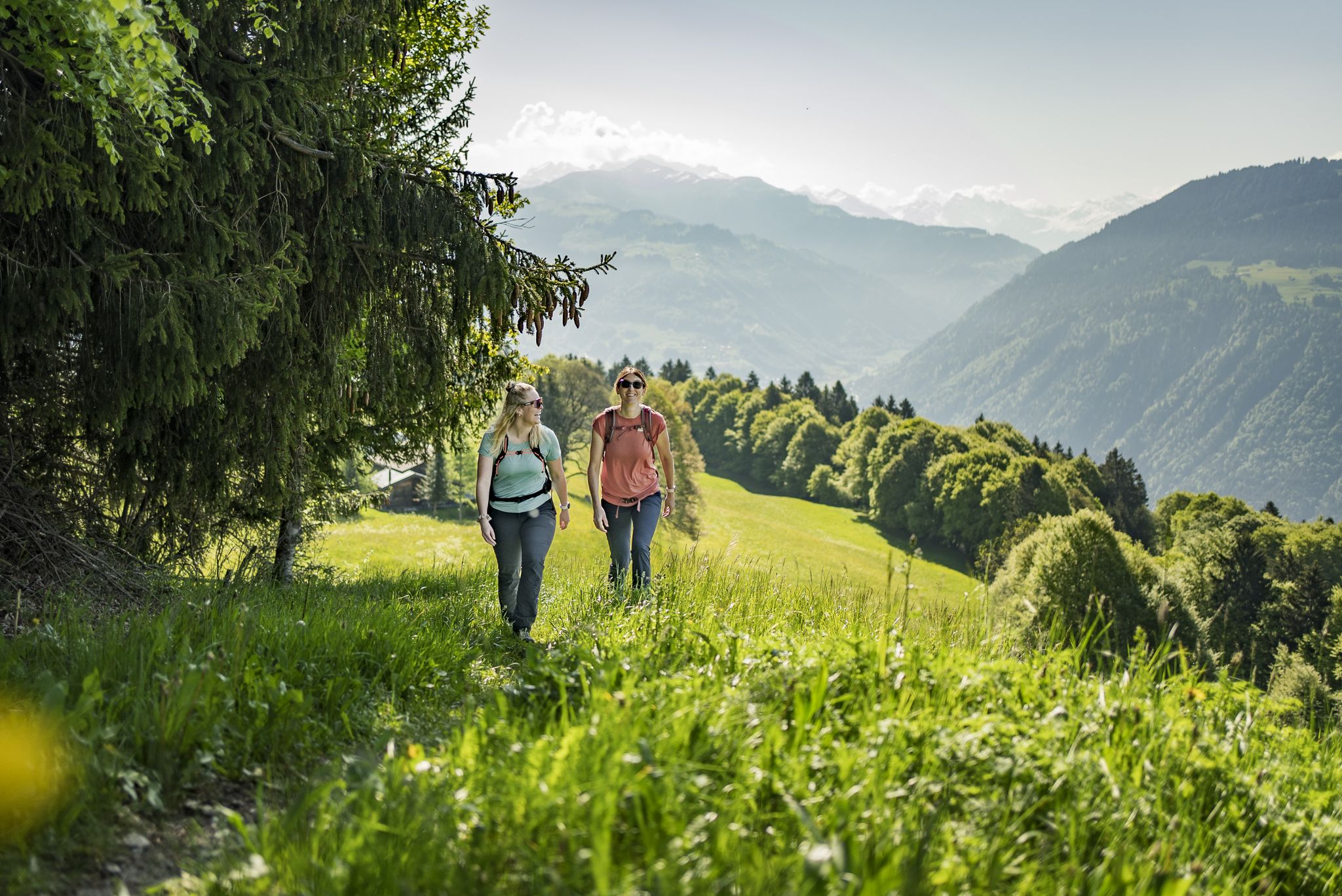
Step into the hiking season – spring routes in Graubünden
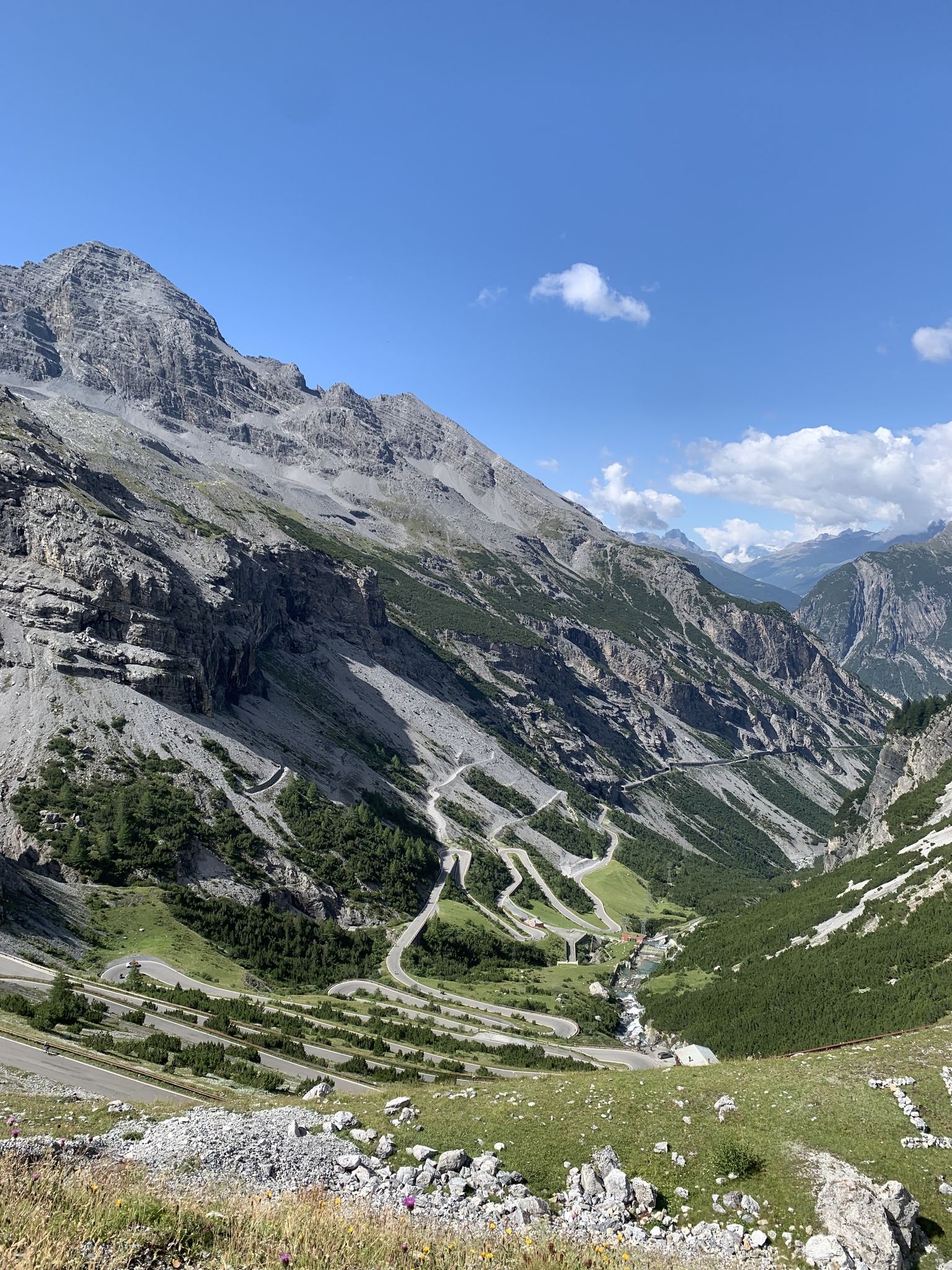
Transcontinental Race No9 2023
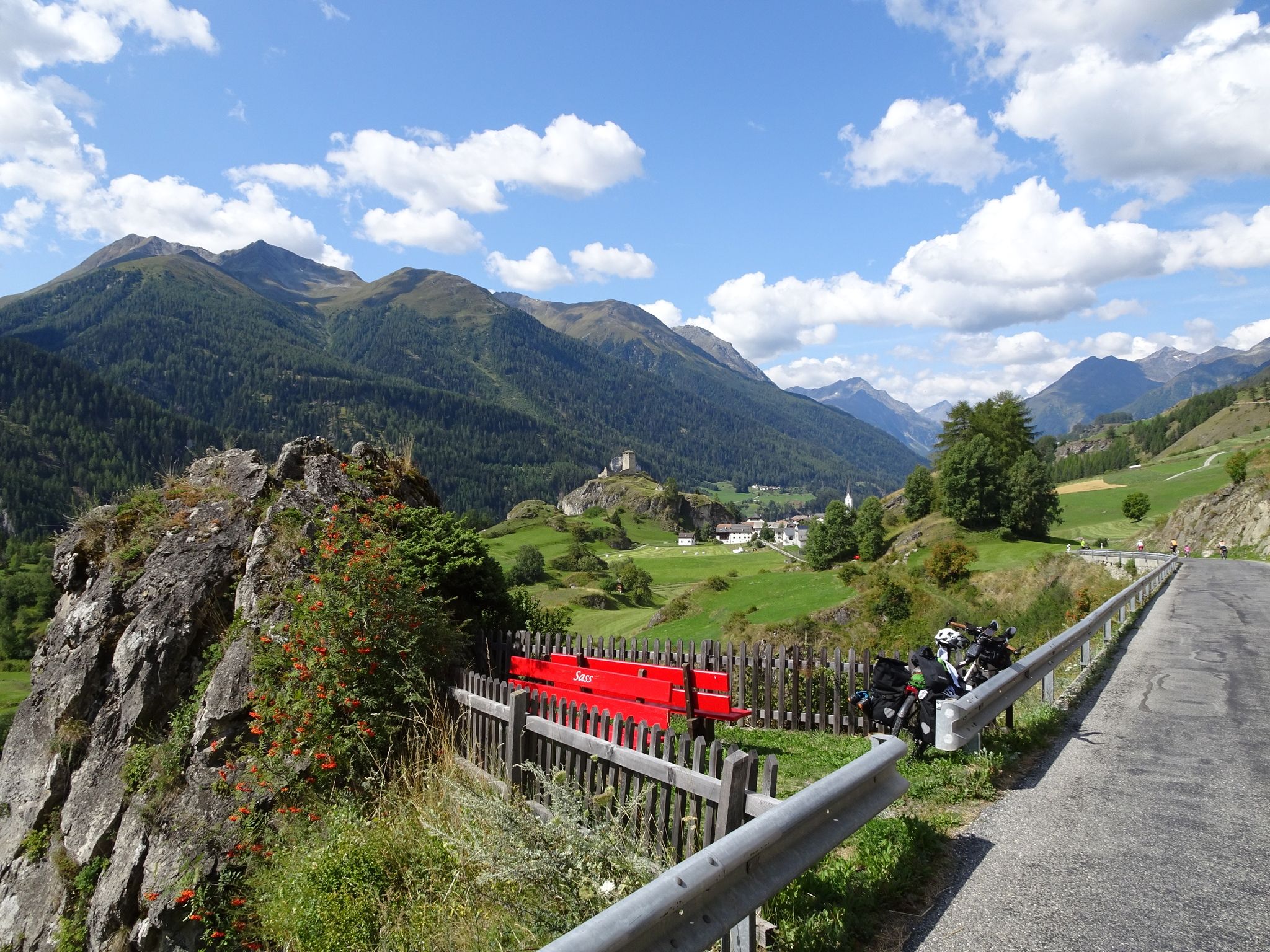
Breathtaking Alps - by bike on the Graubünden Route
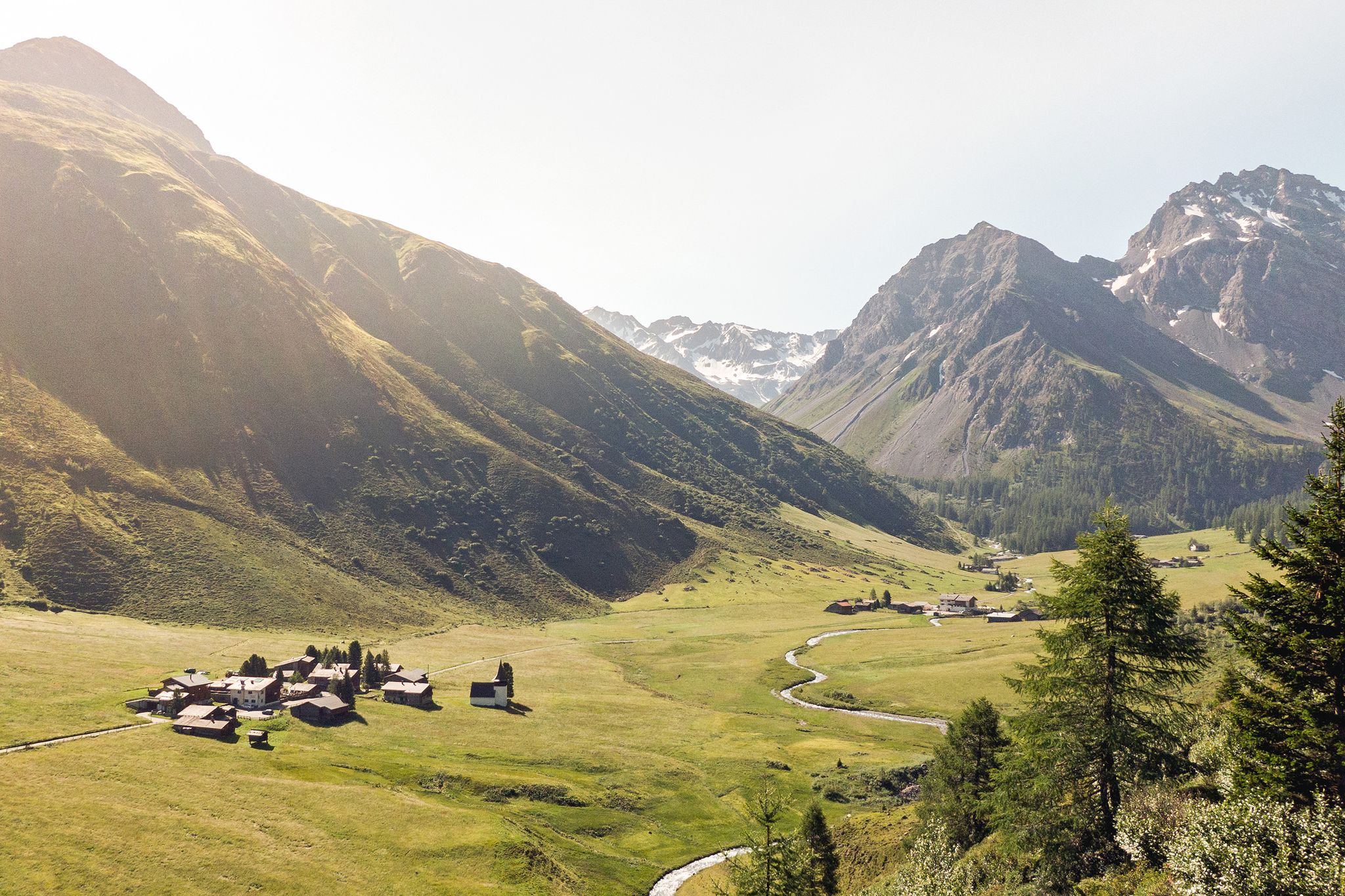
Kultur und Natur – Weitwandern im Kanton Graubünden
Wandern im Moesano: Weite Wege und stille Täler im Schweizer Süden
Hiking in Moësa
Running Trails in Moësa
Cycling in Moësa
MTB Trails in Moësa
Road Cycling Routes in Moësa
Other adventures in Moësa


Tips from the Community

There are goats at the alpine pasture. During grazing, they are supervised by dogs and, according to the signs, it is best to avoid passing near the flock.
0
0

This hut is located in the middle of Val Leggia along the path and is a good place for a short break. Surrounded by pine trees, you can gather new energy here during the ascent or descent.
0
0

The mountain pasture came back to life in 2019 on the initiative of the «Bergwaldprojekt», an association founded in 1987 in Trin, in the canton of Grisons, with the aim of promoting the conservation, maintenance and protection of the forest and the cultural landscape of the mountain areas.
0
0

Vast mountain pasture from which to admire Pizzo Uccello among streams and waterfalls.
0
0
Alpe d'Aion came back to life in 2019 on the initiative of the «Bergwaldprojekt», an association that aims to promote the conservation, maintenance and protection of the forest and the cultural landscape of mountain areas.
1
0
Alp de Rog is a mountain pasture located at 1,812 meters in Val Curciusa.
0
0
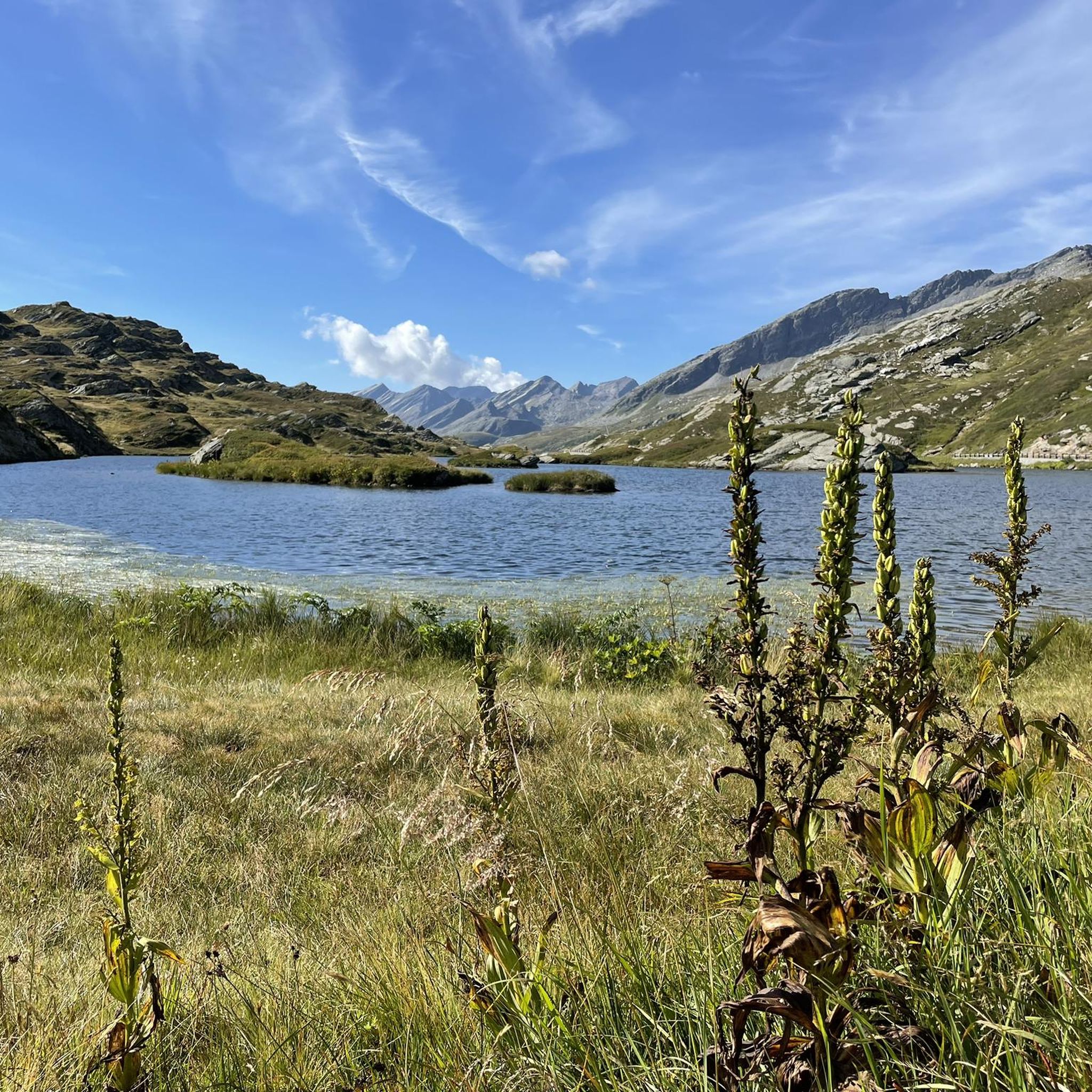
Plateau at the foot of Rodond with a spectacular view of the Moesa Valley and the mountains in front. Rich in lakes and streams to cool off.
1
0
At the foot of the Motta you find yourself immersed in a magnificent wild landscape
0
0
Frequently Asked Questions
What types of huts can I expect to find in the Moësa region?
The Moësa region offers a diverse range of mountain huts, from rustic self-catering bivouacs to guarded huts with more services. You'll find options like the two self-catering bivouac huts at Rifugio Pian Grand, which provide basic amenities for an authentic alpine experience, to guarded huts like Buffalora Hut, which offers beds, meals, and a common room during summer months. Some huts, such as Alp de Rog, also serve as bases for alpine farming.
Are there any family-friendly huts or easy walks to huts in Moësa?
While many routes to huts in Moësa can be challenging, some options are more accessible. The Curciusa Valley Bivouac and Toilet is listed as family-friendly. For easier walks, consider exploring the 'Easy hikes in Moësa' guide, which features routes like the Lake San Bernardino – Lake Isola loop. You can find more details on these routes at komoot.com/guide/3619696/easy-hikes-in-moesa.
What natural landmarks or viewpoints can I see near the huts?
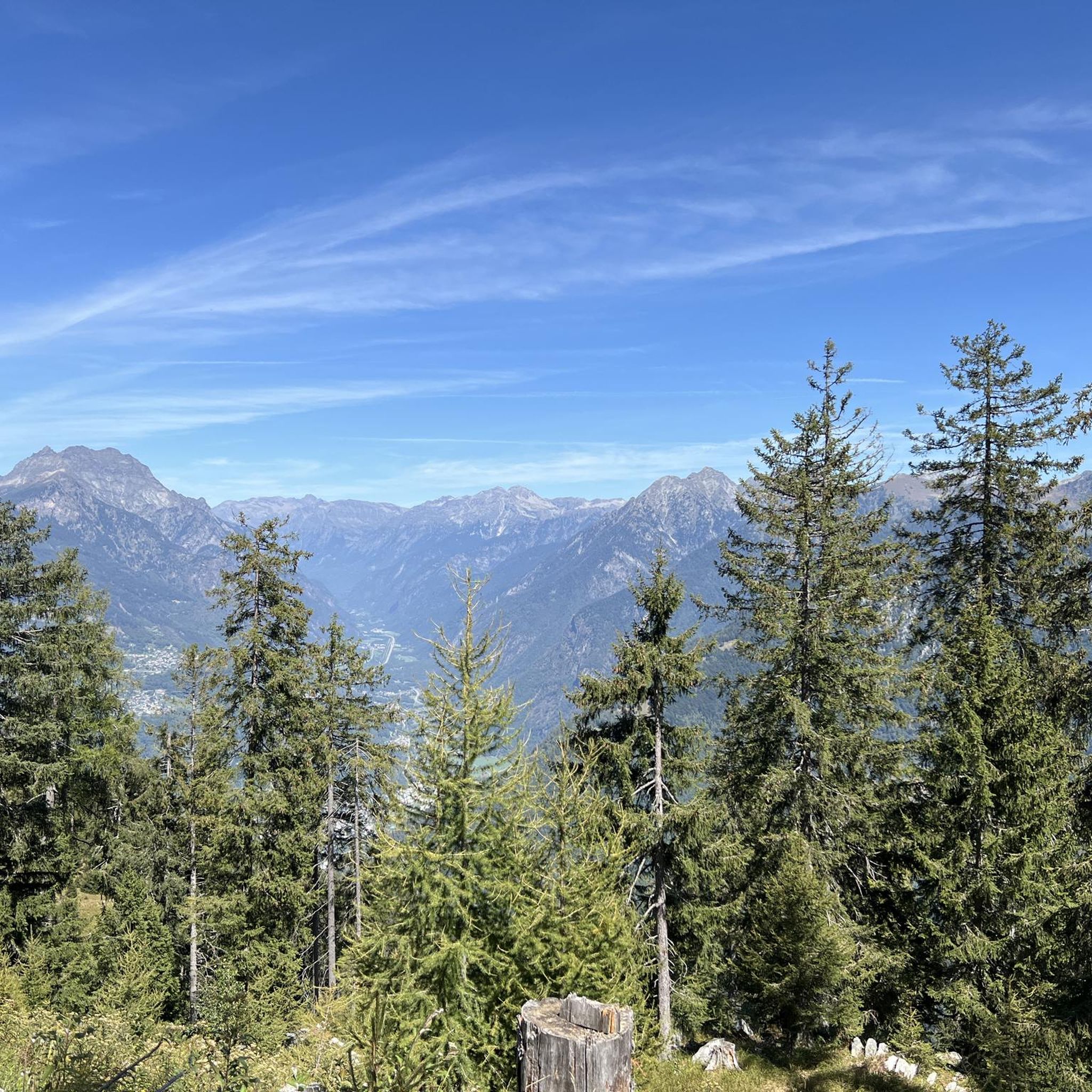
The Moësa region is rich in natural beauty. Many huts offer stunning panoramic views of the alpine landscape. For instance, Alp de Confin provides a spectacular view of the Moesa Valley and surrounding mountains, with numerous lakes and streams. The area around Capanna Buffalora is known for beautiful pastures, larch forests, and is near the heart-shaped Calvaresc Lake. Rifugio Pian Grand also boasts unique landscapes and views towards Pian San Giacomo.
When is the best time of year to visit the huts in Moësa?
The summer months, typically from June to October, are generally the best time to visit the huts in Moësa, as many are guarded and fully operational during this period. For example, Buffalora Hut is guarded during the summer. During winter, some huts may be closed or only accessible as self-catering bivouacs, requiring more experience and equipment.
Are there any unique hut experiences or features in the Moësa region?
Yes, the Moësa region offers several unique hut experiences. Alp de Lagh, for example, is situated on a beautiful mountain lake in Val Cama and offers rustic overnight accommodation where guests can enjoy fresh goat's milk cheese produced on-site. The path to Alp de Lagh is only accessible on foot, adding to its secluded charm. Rifugio Pian Grand is notable for its distinctive 'Toblerone'-shaped structures and a 'panoramic toilet' with unique views.
What outdoor activities can I do near the huts in Moësa?
The Moësa region offers a variety of outdoor activities around its huts. Hiking is a primary activity, with huts often serving as bases for treks, including sections of the Sentiero Alpino Calanca. You can also find numerous mountain biking trails, such as those listed in the 'MTB Trails in Moësa' guide at komoot.com/guide/44028/mtb-trails-in-moesa. For those interested in scenic walks, there are also dedicated waterfall hikes in the region, detailed at komoot.com/guide/3518959/waterfall-hikes-in-moesa.
How can I access the huts in Moësa, and is parking available?
Access to many huts in Moësa is primarily on foot, adding to their secluded charm. For example, Alp de Lagh is only accessible by hiking. Information on parking and public transport to specific trailheads leading to huts can vary. It's advisable to research the specific hut you plan to visit for detailed access information. Reservations are often required, especially during peak season.
Are there any historical or cultural sites near the huts?
The Moësa region, also known as Val Mesolcina, has a rich alpine history. While the huts themselves are often functional shelters, some, like La Motta Alpine Hamlet, are settlements with historical significance. The traditional alpine farming practices, such as those at Alp de Rog, also offer a glimpse into the region's cultural heritage.
What amenities are typically available at the huts?
Amenities vary significantly between huts. Guarded huts like Buffalora Hut offer services such as a common room, kitchen, bar, cold running water, WC, and lighting, with half-board options. Self-catering bivouacs, such as those at Rifugio Pian Grand, typically provide gas cookers, crockery, woolen blankets, and mattresses, with water available from nearby pipelines. It's always best to check specific hut details before your visit.
What do visitors enjoy most about the huts in Moësa?
Visitors frequently praise the stunning natural landscapes and the sense of peace and disconnection offered by the Moësa huts. The unique views, such as those from Rifugio Pian Grand looking down into the valley, are often highlighted. The authentic alpine experience, whether it's enjoying fresh local produce at an alpine farm or the rustic simplicity of a bivouac, also contributes to a memorable visit.
Do I need to make reservations for hut stays in Moësa?
Yes, it is highly recommended to make reservations in advance for hut stays in the Moësa region, especially during peak season. For self-catering huts like Rifugio Pian Grand, reservations are often required and can be made through specific websites like sentiero-calanca.ch. Guarded huts also benefit from prior booking to ensure availability.
Are there any huts near lakes or with water features?
Yes, the Moësa region features huts in proximity to beautiful water bodies. Alp de Lagh is uniquely situated on a stunning mountain lake in Val Cama. Additionally, Alp de Confin is located on a plateau rich in lakes and streams, offering opportunities to cool off. The area around Capanna Buffalora is also near the picturesque heart-shaped Calvaresc Lake.
Most popular routes in Moësa
Most popular attractions in Moësa

Get inspired with the komoot mobile app


Didn’t find what you were looking for?
See even more amazing huts in Moësa with these guides per region:
Explore more
Find more beautiful huts and cabins in Moësa by checking out the top ones in these nearby places:
