The best gravel rides around Saint-Martial
3.5
(2)
31
riders
2
rides
Gravel biking around Saint-Martial offers routes through varied terrain characterized by rolling hills and rural landscapes. The region features moderate elevation changes, providing both challenging climbs and enjoyable descents for gravel cyclists. These routes often traverse agricultural areas and woodlands, connecting small villages.
Best gravel bike trails around Saint-Martial
- The most popular gravel bike trail is From Langon to Bordeaux, a 42.0 miles (67.6 km) trail that takes 3 hours 44 minutes to complete. This route features a mix of surfaces and moderate climbs.
- Another top favourite among local gravel bikers is Verdelais – Saint-Martin Church of Arbi loop from Coirac, a difficult 42.3 miles (68.1 km) path. This route includes significant elevation gain through the local countryside.
- Local gravel bikers also love the Cadillac Gate – Chemin de jugnac loop from Loupiac, a 18.3 miles (29.5 km) trail leading through rural landscapes and vineyards, often completed in about 2 hours 29 minutes.
- Gravel biking around Saint-Martial is defined by rolling hills, agricultural fields, and quiet country roads, offering a diverse riding experience. The network offers options for different ability levels, from moderate to more advanced routes.
- The routes in Saint-Martial are highly rated by the komoot community with an average score of 3.9 stars from 8 reviews. More than 40 gravel bikers have used komoot to explore Saint-Martial's varied terrain.
Last updated: May 13, 2026
4.0
(1)
6
riders
67.6km
03:45
310m
320m
Hard gravel ride. Good fitness required. You may need to push your bike for some segments of this route.
16
riders
68.3km
04:40
1,000m
1,000m
Hard gravel ride. Very good fitness required. Mostly paved surfaces. Suitable for all skill levels.

Sign up for free
3.0
(1)
6
riders
28.5km
02:04
360m
360m
Moderate gravel ride. Good fitness required. Mostly paved surfaces. Suitable for all skill levels.
5
riders
33.9km
02:10
310m
310m
Moderate gravel ride. Good fitness required. Mostly paved surfaces. Suitable for all skill levels.
Our route recommendations are based on thousands of hikes, rides, and runs completed by other people on komoot.
Start today with a free account
Your next adventure awaits.
Login or Signup
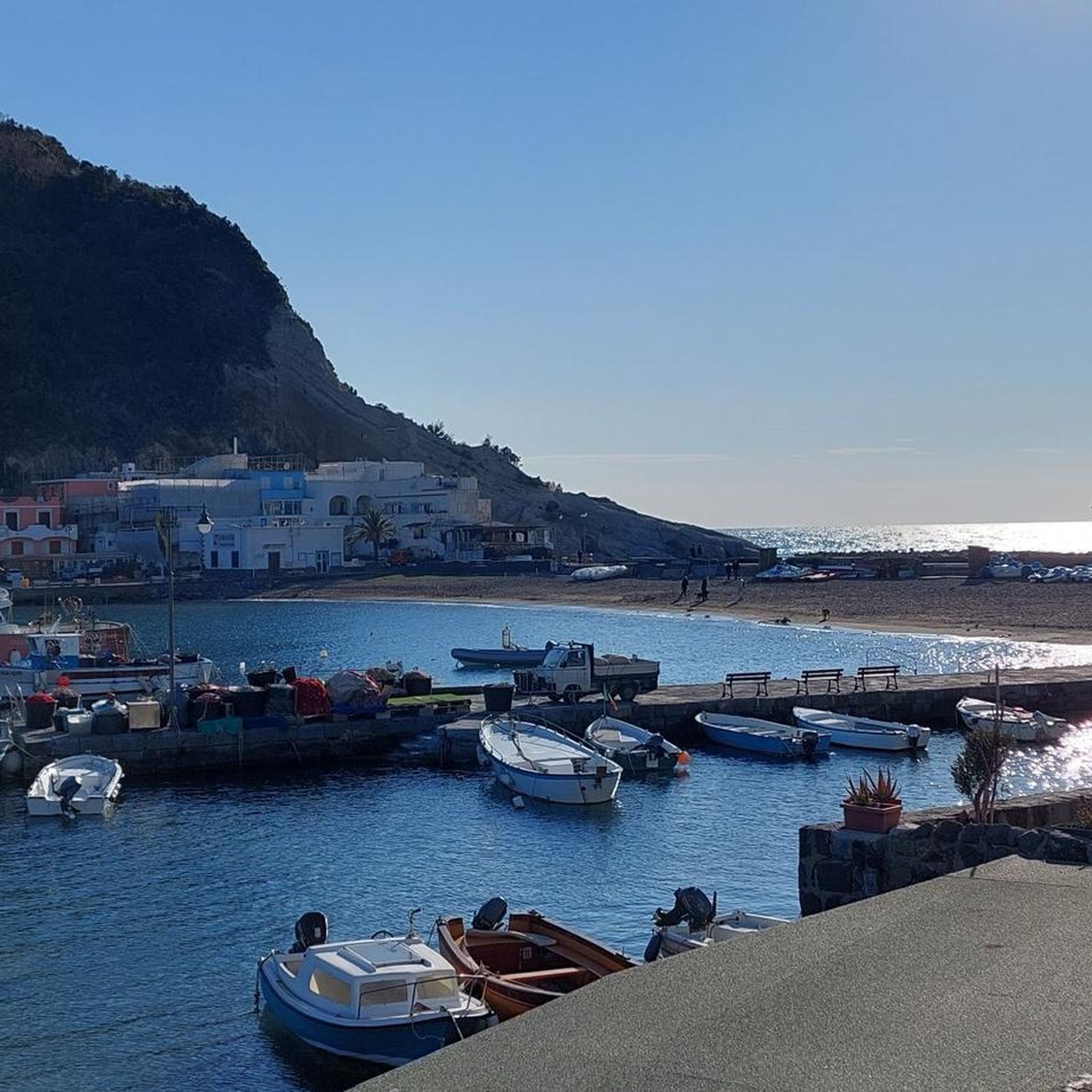
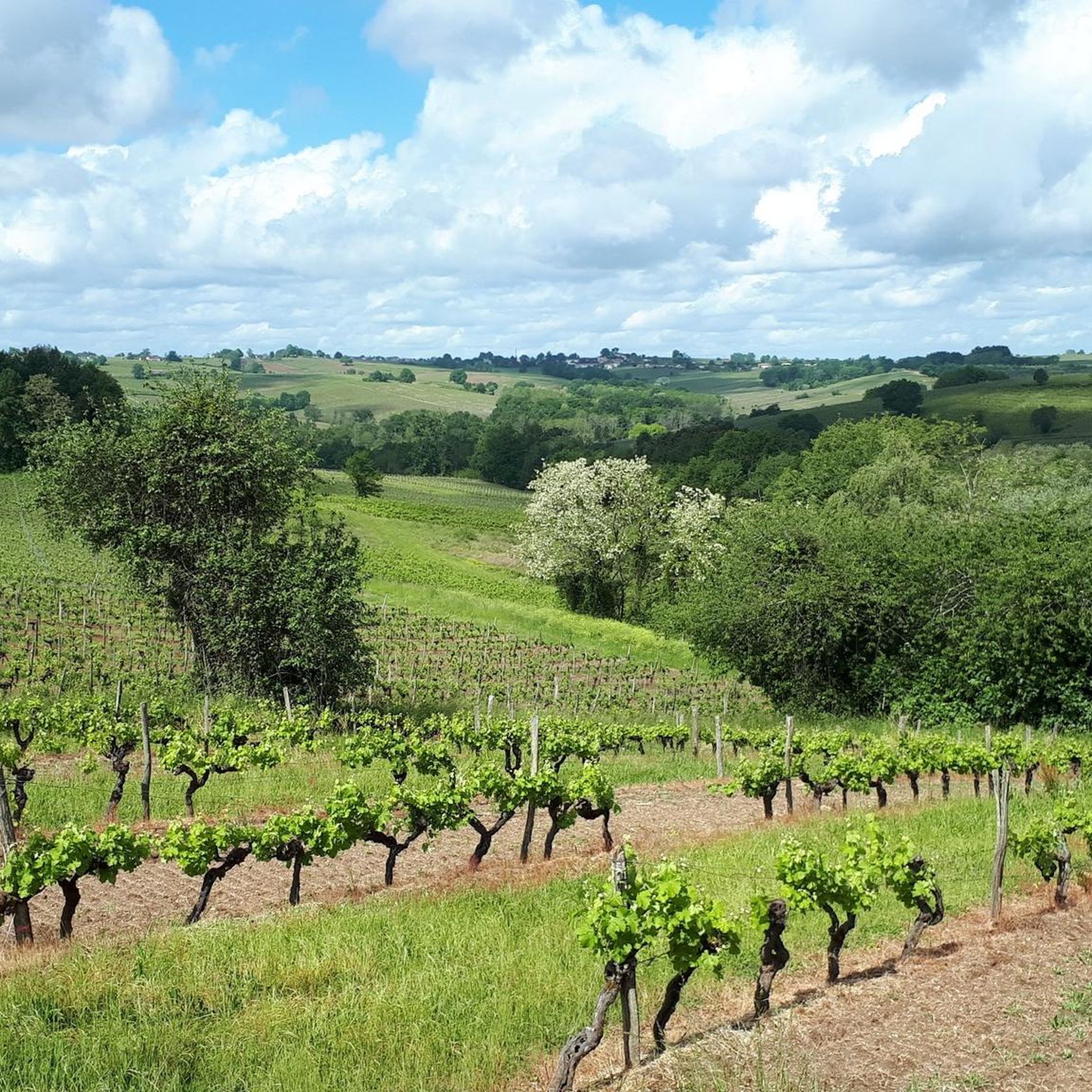
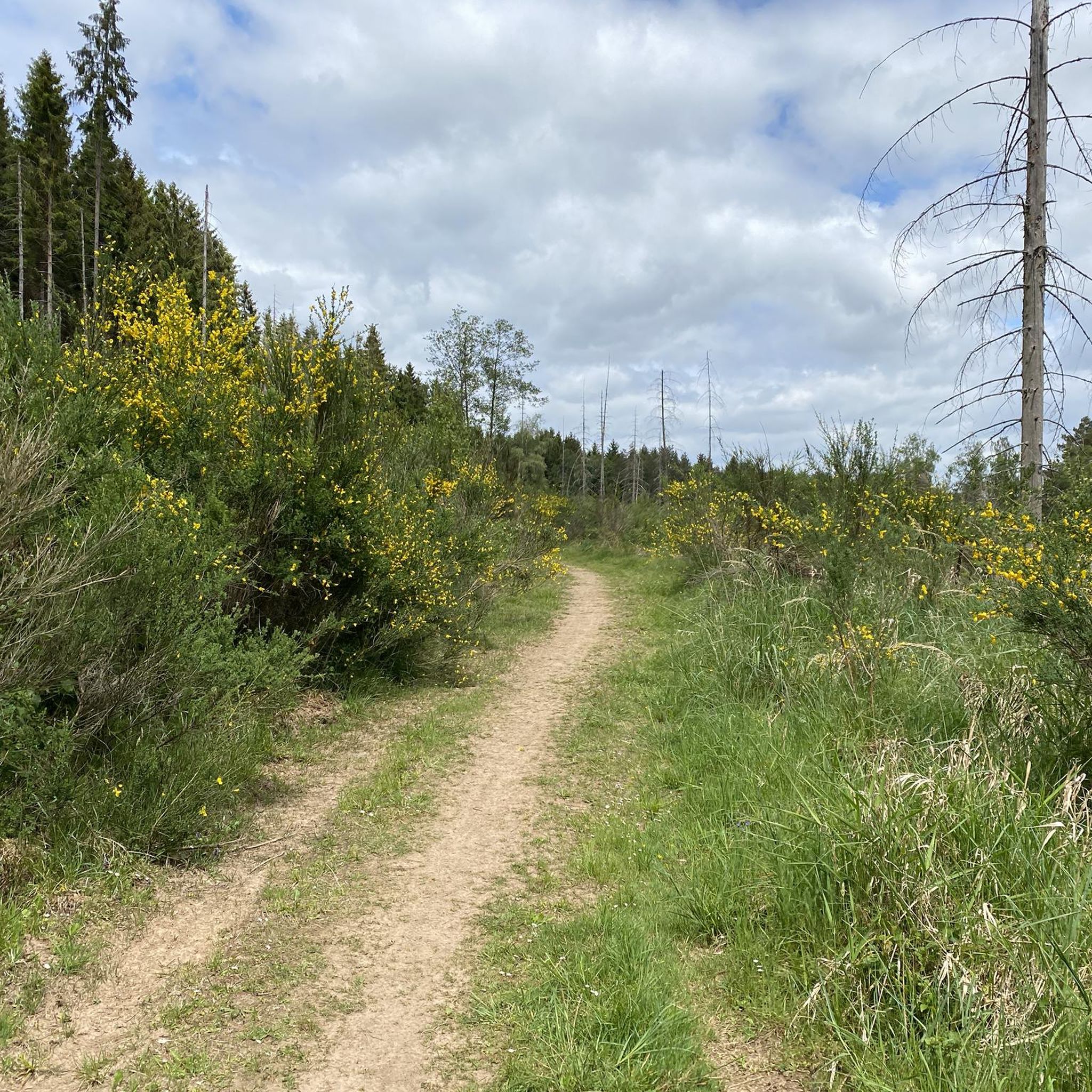
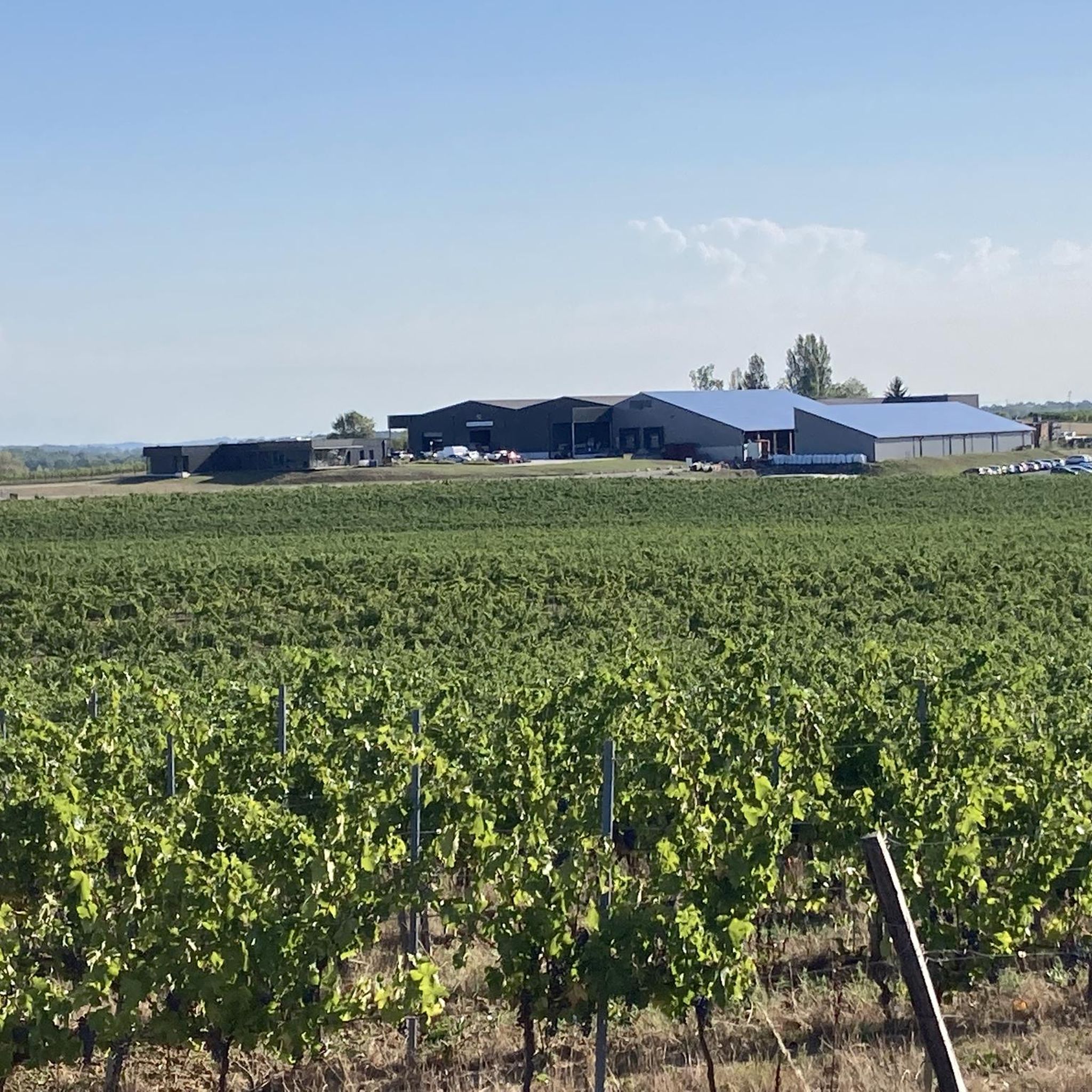

Tips from the Community

Built by John Lackland, Duke of Normandy (1199-1204), Duke of Aquitaine (1199-1216) and King of England from 1199 to 1216, the castle was built on a rock occupied since antiquity. Witness to the Hundred Years' War, the castle of Rauzan was taken twice by the French, including by Bertrand Du Guesclin in 1377. Classified as a historic monument in 1862, it was only revived in people's minds from the 1970s onwards when the municipality of Rauzan, owner since 1900, and some enthusiasts of medieval architecture undertook clearing and restoration work. (sources Wikipedia)
0
0

Very beautiful place with a nice viewpoint
0
0

Budos Castle is the work of Raymond Guilhem de Budos, nephew of Pope Clement V. Largely supported by his uncle, he rebuilt the old family castle in 1306, adopting the architectural features of the neighboring Château de Villandraut, as evidenced by the following document from King Edward I, written from Wynten on March 9, 1306, to the Seneschal of Gascony[4]: "The Knight of Budos, nephew of Clement V, Sovereign Pontiff, has begged us to allow him to crenellate his house in Budos, to surround it with walls, towers, moats, and finally to fortify it. Out of respect for the Sovereign Pontiff, and because a fortress of this nature will protect not only our possessions in this part of Guienne, but also the subjects of the Pope's nephew, we grant the aforementioned Raymond permission to fortify his castle and we grant it to him, his heirs, and successors in perpetuity, and we undertake not to disturb him in any way in this possession." In 1422-23, the King of England took possession of the castle and placed Pons, Lord of Castillon, in charge. Around 1433, Henry VI granted the lands and the castle to the Duke of Gloucester. In 1446-47, Budos was given to Gaston IV of Foix-Béarn, Count of Foix, following the death of the Earl of Gloucester. After the conquest of Guyenne, the Budos family, which had supported the cause of France, regained possession of its lordships in Guyenne. Purchased from the Budos family by Raymond de La Roque in 1571, Budos Castle suffered a severe assault in 1652 during the Fronde Wars. Lasserre ransacked, pillaged, and burned its archives. The Budos lordship remained in the La Roque family until the Revolution, which nearly destroyed it. It was sold as national property and used as a quarry to build dikes on the Ciron. In 1841, the Gironde Historical Monuments Commission was informed of this by Léo Drouyn. In 1860, it became the property of Léon de Brivazac, son of Delphine Catherine de La Roque de Budos (born at the castle in 1789). Five descendants (including Savary de Beauregard) entrusted it to the Adichats association, which brings together young people to enhance and preserve what can be preserved. The castle was registered as a historic monument in 1988
0
0

Interesting village for its medieval castle and the Célestine cave...
0
0

Very beautiful medieval gate tower. Definitely worth a visit
1
0

There is no parking at the starting point. Parking could be towards the bottom of the hill near the soccer field.
0
0
The source that feeds this washhouse never dries up even in heat waves.
1
0

Small church of Arbi in a green setting at the edge of a stream.
1
0
Frequently Asked Questions
What kind of terrain can I expect on gravel bike trails around Saint-Martial?
Gravel biking around Saint-Martial features routes through varied terrain, characterized by rolling hills and rural landscapes. You'll encounter moderate elevation changes, providing both challenging climbs and enjoyable descents. Routes often traverse agricultural areas, woodlands, and connect small villages, offering a diverse riding experience.
Are there gravel bike trails suitable for beginners in Saint-Martial?
While the guide highlights routes with moderate to difficult ratings, the region's network offers options for different ability levels. For a moderately challenging ride through rural landscapes and vineyards, consider the Cadillac Gate – Chemin de jugnac loop from Loupiac, which is about 18.3 miles (29.5 km) long.
What are some challenging gravel bike routes in the Saint-Martial area?
For experienced gravel bikers seeking a challenge, the Verdelais – Saint-Martin Church of Arbi loop from Coirac is a difficult 42.3 miles (68.1 km) path with significant elevation gain through the local countryside. Another option is the From Langon to Bordeaux route, a 42.0 miles (67.6 km) trail featuring a mix of surfaces and moderate climbs.
What is the typical distance of gravel bike routes in Saint-Martial?
The gravel bike routes in Saint-Martial vary in length. You can find shorter loops like the Cadillac Gate – Chemin de jugnac loop from Loupiac at 18.3 miles (29.5 km), or longer, more demanding rides such as the Verdelais – Saint-Martin Church of Arbi loop from Coirac, which spans 42.3 miles (68.1 km).
Are there any circular gravel bike routes available?
Yes, several routes in the area are designed as loops. For example, the Cadillac Gate – Chemin de jugnac loop from Loupiac and the Verdelais – Saint-Martin Church of Arbi loop from Coirac are both excellent circular options for exploring the region.
What can I see along the gravel bike trails around Saint-Martial?
Along the gravel bike trails, you can discover various points of interest. Highlights include the historic Le Moulin de Loubens, the charming bastide town of Sauveterre-de-Guyenne, and sections of the Roger Lapébie track. You might also encounter the Garonne Lateral Canal and the Castets Lock, no. 53.
What do other gravel bikers enjoy most about Saint-Martial?
The gravel biking experience in Saint-Martial is highly rated by the komoot community, with an average score of 3.9 stars from 8 reviews. Riders often praise the quiet country roads, the diverse terrain of rolling hills and agricultural fields, and the well-maintained paths that connect small villages.
Is Saint-Martial a good destination for family-friendly gravel biking?
The region offers a mix of routes, and while some are more challenging, the general character of quiet country roads and rural landscapes can be enjoyable for families. Look for routes described as moderate, such as the Château de Rauzan – Rauzan Castle loop from Baigneaux, which is 33.9 km long and offers a pleasant ride through the area.
When is the best time of year for gravel biking in Saint-Martial?
The best time for gravel biking in Saint-Martial is typically during spring and autumn when the weather is mild and comfortable. Summers can be warm, but early mornings or late afternoons can still offer pleasant riding conditions. Winters are generally mild, but some paths might be muddy after rain.
Are there any routes that pass by historical sites or castles?
Yes, the Château de Rauzan – Rauzan Castle loop from Baigneaux is a great option if you're interested in historical sites, as it takes you past the impressive Rauzan Castle. Additionally, the region is dotted with charming villages and bastides like Sauveterre-de-Guyenne, which you can explore.
How many gravel bike routes are available in the Saint-Martial area?
Komoot features several gravel bike routes around Saint-Martial, offering a variety of distances and difficulty levels. More than 40 gravel bikers have used komoot to explore the region's varied terrain, indicating a good selection of paths to discover.
What are the typical weather conditions for gravel biking in Saint-Martial?
Saint-Martial generally experiences a temperate climate. Expect pleasant conditions in spring and autumn, with comfortable temperatures. Summers can be warm and sunny, while winters are typically mild, though rain can occur, potentially making some gravel paths muddy. Always check the local forecast before heading out.
Most popular routes around Saint-Martial
Most popular attractions around Saint-Martial

Get inspired with the komoot mobile app


Explore more
Browse the best Gravel rides in other regions.
