Top 15 Castles around Flarchheim
Best castles around Flarchheim are found in the surrounding Thuringia region, offering a glimpse into medieval history. While Flarchheim itself is known for the Battle of Flarchheim in 1080, the nearby areas feature significant historical fortifications. Visitors can explore well-preserved medieval city walls and impressive castle ruins. The region provides a historical landscape for those interested in Germany's past.
Best castles around Flarchheim
- The most popular castles is Frauentor, Rabenturm and the City Wall of Mühlhausen, a historical site…
Last updated: November 20, 2026
Frauentor, Rabenturm and the City Wall of Mühlhausen
Highlight • Historical Site
Translated by Google •
Tip by

Mühlhausen City Wall
Highlight • Historical Site
Translated by Google •
Tip by

Sign up now to discover places like this
Get recommendations on the best single tracks, peaks, & plenty of other exciting outdoor places.
Inneres Frauentor Mühlhausen
Highlight • Historical Site
Translated by Google •
Tip by

Haineck Castle Ruins
Highlight • Castle
Translated by Google •
Tip by

Seebach Bird Protection Station
Highlight • Structure
Monday - Thursday 8:00 a.m. - 3:30 p.m.
Friday 8:00 a.m. - 12:00 p.m.
from May to October
Guided tours on Saturdays, Sundays and public holidays at 2 p.m.
Translated by Google •
Tip by

Sign up for free to discover even more castles around Flarchheim.
Already have an account?
Start today with a free account
Your next adventure awaits.
Popular around Flarchheim
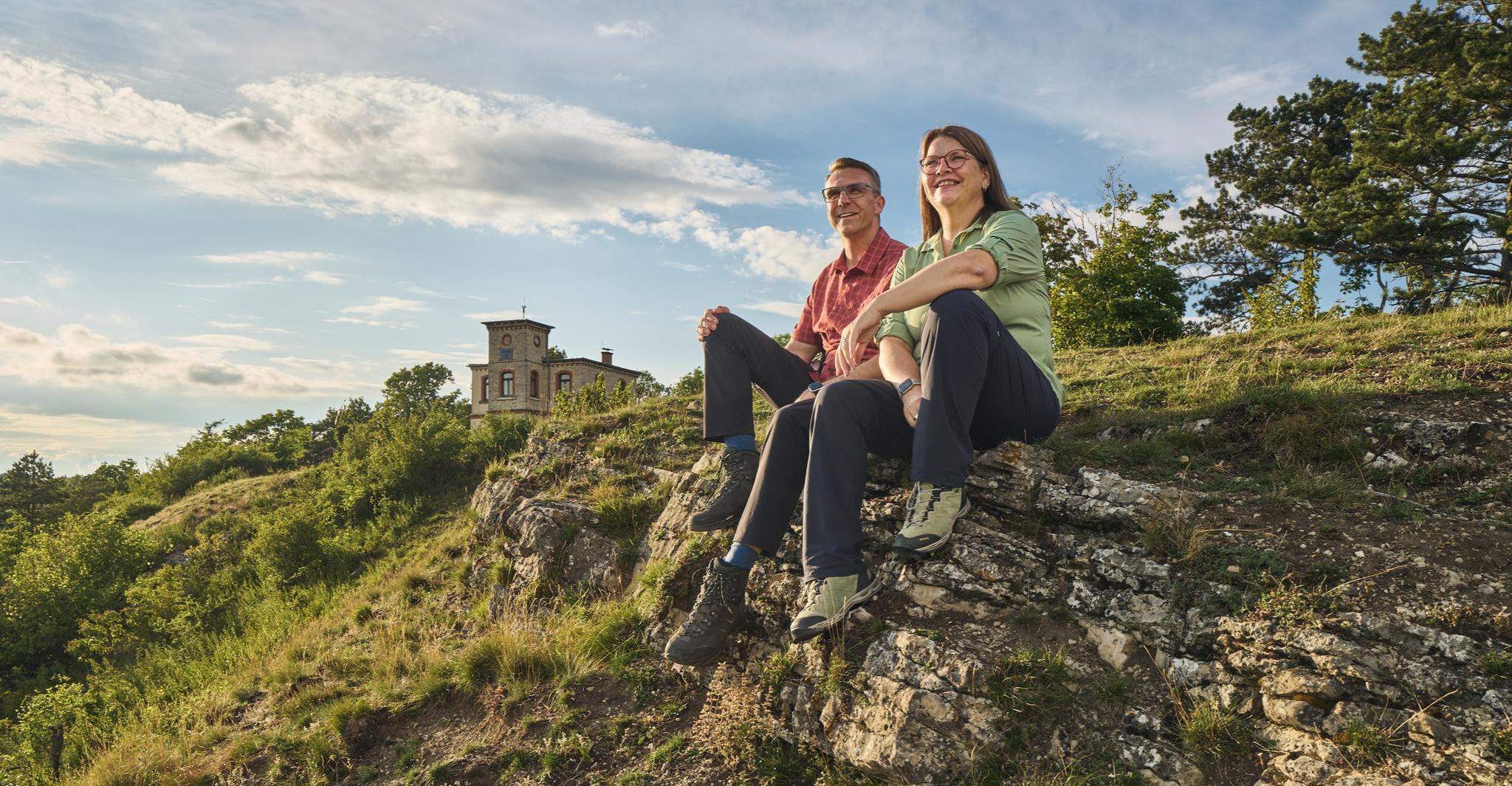
Autumn Hiking with a view – 7 WOW Tours between Wartburg and Hainich
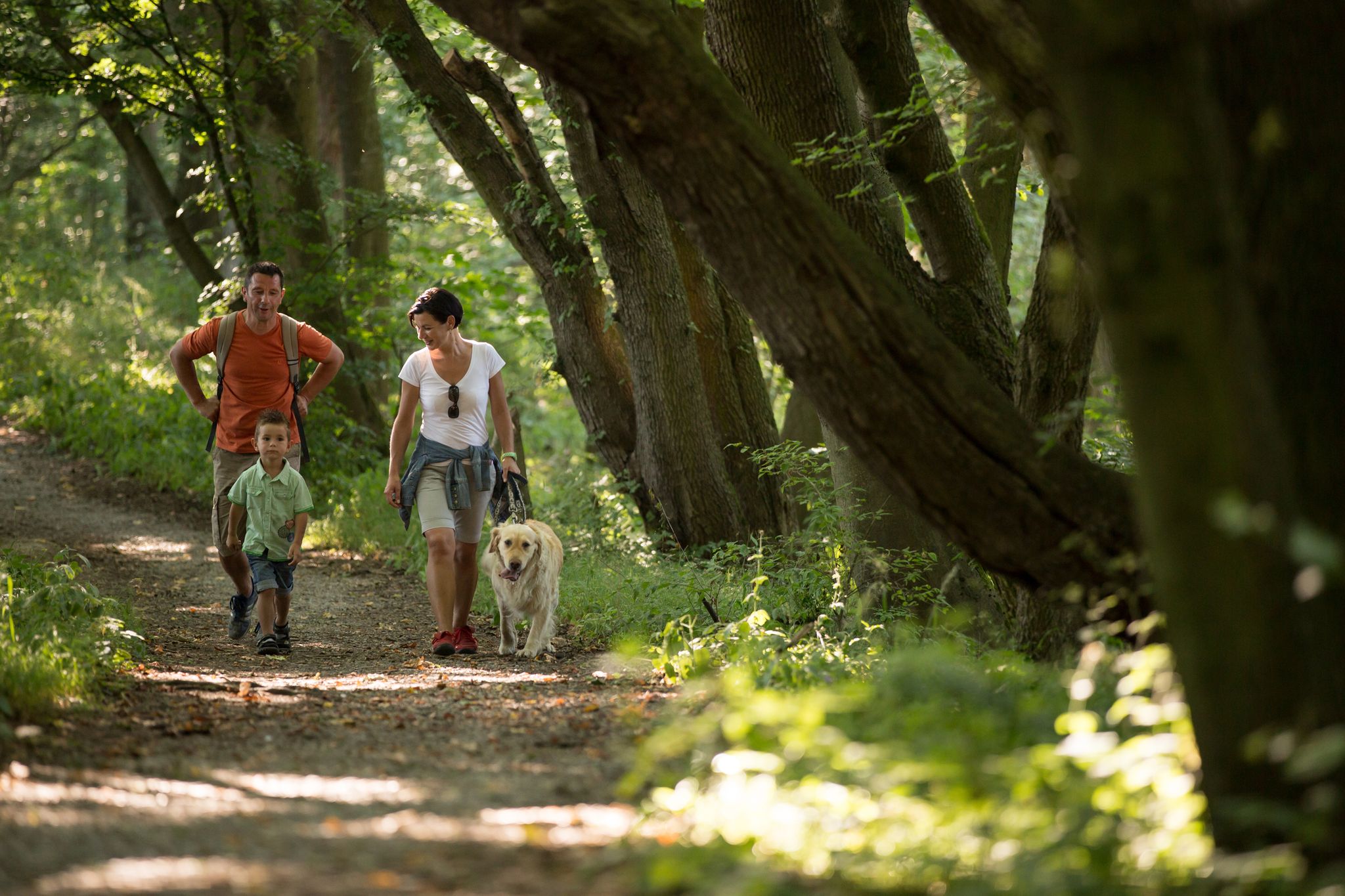
Hiking tips for Hainich National Park

The most beautiful family hikes through the jungle
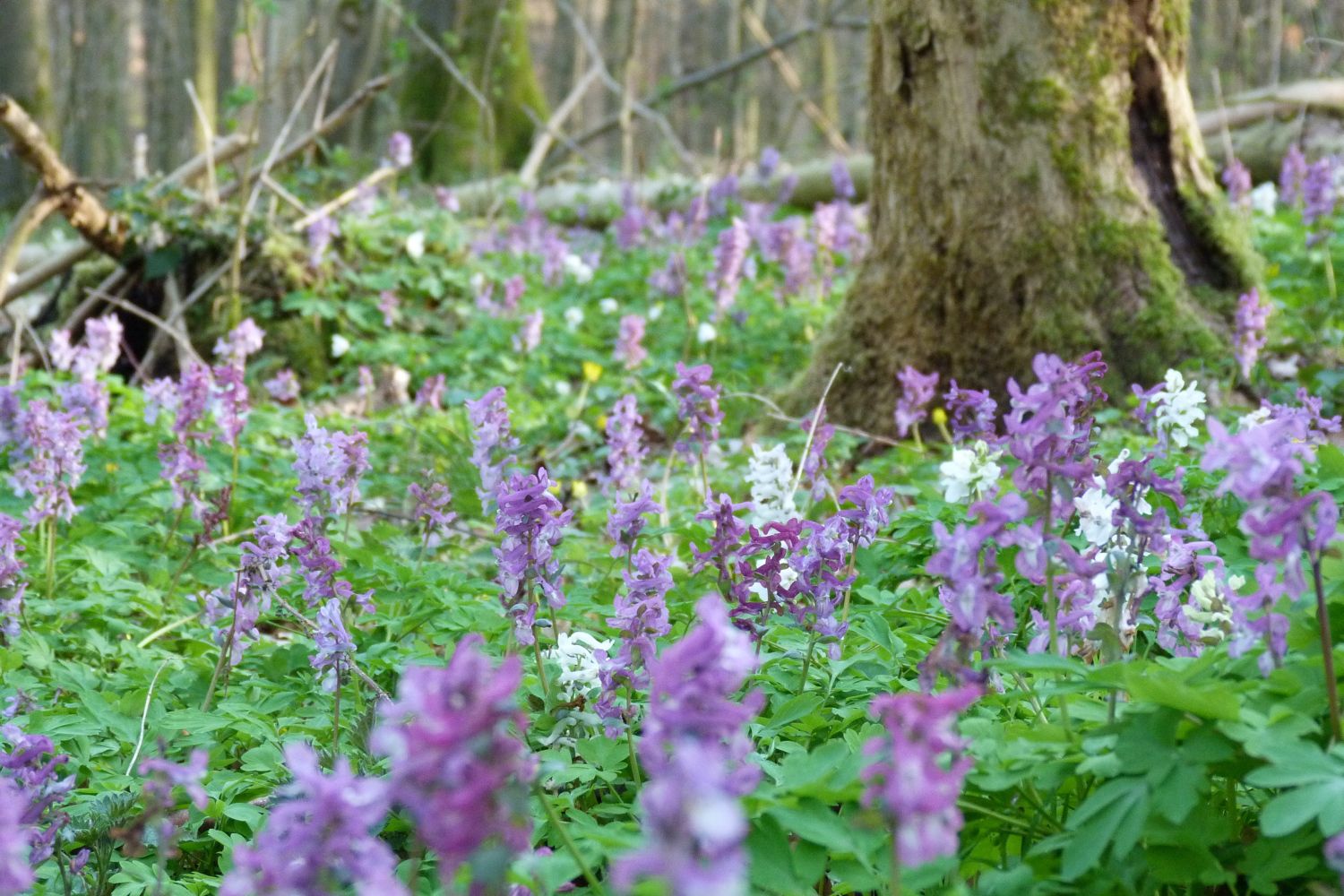
Spring in the Primeval Forest - on the trail of the flower carpet
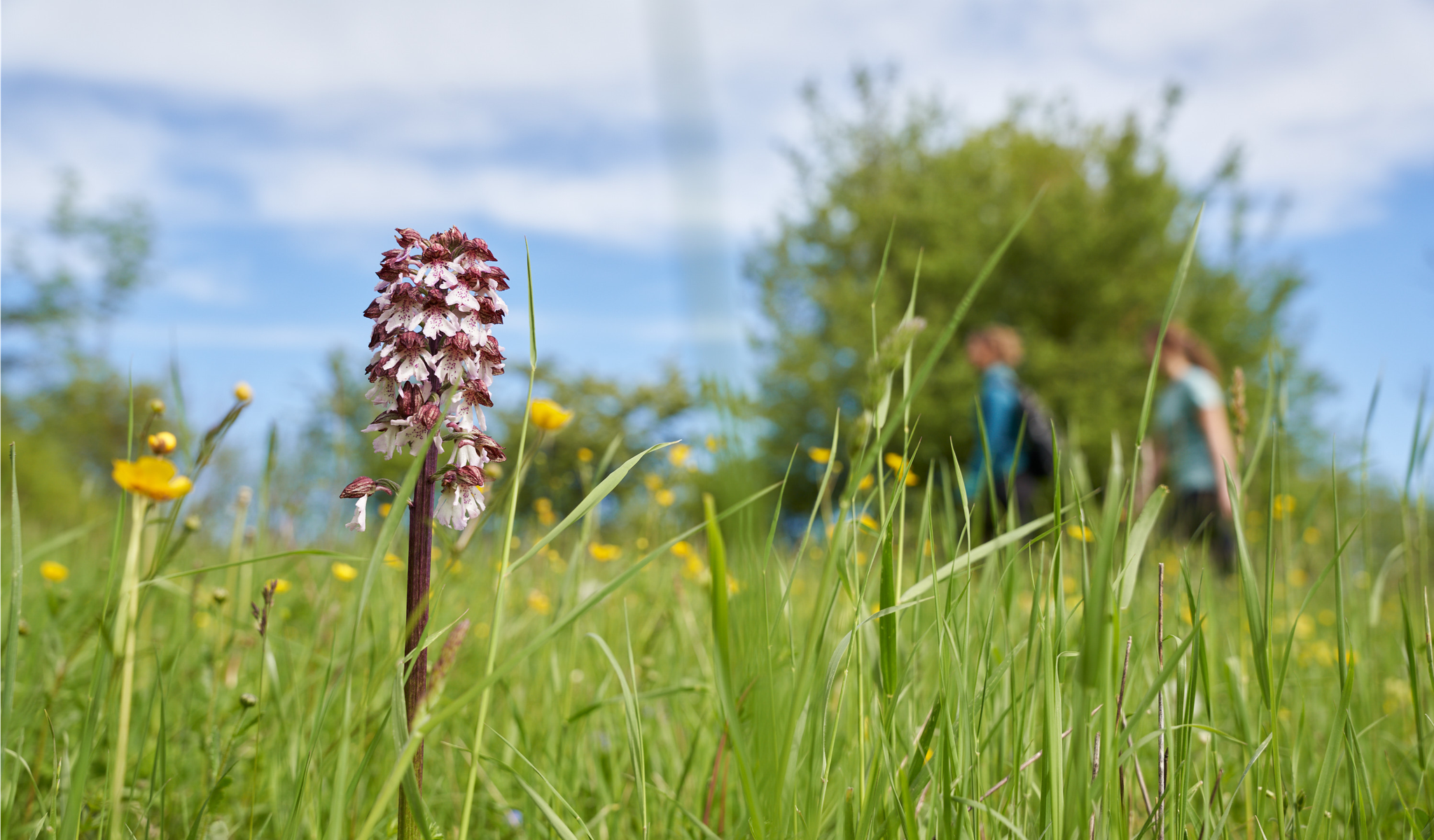
Hier blüht dir was – Blühende Vielfalt auf unseren Wanderwegen
Hiking around Flarchheim
Cycling around Flarchheim
MTB Trails around Flarchheim
Road Cycling Routes around Flarchheim

Gravel biking around Flarchheim
Other adventures around Flarchheim


Tips from the Community

The Inner Frauen Gate (Innere Frauentor) in Mühlhausen is an important relic of the medieval city fortifications and one of the city's most significant historical structures. It is located in the northwest of the old town and formerly served as one of the central entrances to the city. Merchants, travelers, and visitors entered the city through this gate, thus playing an important role both economically and militarily. The Frauen Gate owes its name to the street that led directly to St. Mary's Church, the so-called Frauenkirche (Church of Our Lady). Architecturally, it is a so-called double gate system, consisting of a high gate tower and a gatehouse situated in front of it. Between these two parts was a narrow, specially secured area known as the zwinger. This construction method served defensive purposes, as attackers could be trapped between the gates in an emergency and repelled more easily. The original gate was built in the Middle Ages, presumably in the 13th century. After a city fire, it was rebuilt in 1655 in the form in which it can still be seen today. Over time, the city structure changed, and parts of the fortifications were demolished or added to. For example, another Frauen Gate disappeared in 1830, the outline of which is still indicated in the street paving today. Today, the Inner Frauen Gate is the only preserved gate of Mühlhausen's inner city wall and thus a particularly valuable testimony to the city's history. It is part of one of the best-preserved medieval city fortifications in Germany and attracts many visitors. Together with the remaining sections of the wall, it provides a vivid impression of how strongly fortified and organized medieval cities once were.
1
0

The very well-preserved Frauentor (Women's Gate) in the city wall is also worth seeing.
0
0

A very beautiful facility that you can visit. The exhibition in the bird sanctuary is extremely interesting and very educational.
0
0

A beautiful piece of contemporary history! Highly recommended!
1
0

A well-restored and well-maintained castle ruin. Everything is secure, the tower is accessible via a staircase and there is even a toilet. The view from the tower is very beautiful.
6
0

A stork nests on the roof.
0
0

In the northwest, the Frauentor was one of the four main gates of the inner city wall that led into the free and imperial city of Mühlhausen. Like all main gates, it was designed as a double gate system with a moat. The inner Frauentor - originally designed as a multi-storey tower - had a lower gatehouse in front of it. In between, parapet walls flanked the Torgasse. The "middle" Frauentor, so named to distinguish it from the gate of the outer city wall, was demolished in 1830. Its floor plan is shown in the road surface. The inner Frauentor received its current appearance in 1655 after a city fire. The walled-up city coat of arms comes from the former Pfortentor. In the 19th and 20th centuries, three gates were broken into the city wall next to the gate to accommodate the constantly increasing volume of traffic.
1
1
The Frauentor is the only one of the former city gates of the inner city wall in Mühlhausen that has been preserved. In the immediate vicinity, from Herren-/Holzstraße, is the entrance to the city wall, which is accessible for a length of around 370 meters. The climb up the Rabenturm is rewarded with a wonderful panoramic view of the city and the surrounding area. Further information at www.mhl-kultur.de and www.tourismus.muehlhausen.de.
2
1
Frequently Asked Questions
What historical fortifications can I explore near Flarchheim?
While Flarchheim itself is known for the Battle of Flarchheim in 1080, the surrounding region in Thuringia offers impressive medieval sites. You can visit the well-preserved Frauentor, Rabenturm and the City Wall of Mühlhausen, which features a walkable section of medieval defenses. Another significant site is the Haineck Castle Ruins, an impressive medieval ruin with an accessible tower offering scenic views.
What makes Mühlhausen's city wall a significant historical site?
Mühlhausen boasts one of Germany's most complete medieval city wall systems. The Frauentor is the sole remaining original city gate of the inner wall, and a significant portion of the wall, approximately 370 meters, is accessible for visitors to walk along. The Rabenturm, part of the fortifications, offers a wonderful panoramic view of Mühlhausen and the surrounding area from its 34.2-meter-high viewing platform.
What is the history behind Haineck Castle Ruins?
Haineck Castle Ruins is believed to be one of the last medieval castles constructed in Thuringia, built around 1392 by Landgrave Balthasar. Its strategic purpose was to protect against raids and secure the northwestern border of the Landgraviate of Thuringia. Today, its elevated position provides picturesque views, and the ruins are open to the public, offering a tangible link to medieval conflict and territorial control.
Are there other notable castles or historical buildings in the Flarchheim area?
Yes, beyond Mühlhausen and Haineck, you can also explore Berka Castle. Originally a moated castle from the 12th century, its current building has been adapted over centuries and now serves as a municipal administration, though its foundations date back to medieval times. The region offers a variety of historical structures, from defensive fortifications to former moated castles.
Can I walk along the medieval city walls in Mühlhausen?
Yes, a significant portion of Mühlhausen's inner city wall, approximately 370 meters, is accessible to visitors. You can walk along the ancient battlements, gaining a unique perspective on the city's medieval defenses. The Rabenturm, accessible from the wall, also offers expansive views.
Are there hiking opportunities around Haineck Castle Ruins?
Absolutely. Haineck Castle Ruins is situated on a ridge of the Hainich and is directly located on the Hainichland Trail and the Haineck cycle path, making it easily accessible for hikers and cyclists. The area offers various routes with some steep but mostly moderate climbs, providing fantastic views in all directions from the castle tower.
What outdoor activities are available near the castles around Flarchheim?
The region around Flarchheim offers a variety of outdoor activities. You can find numerous hiking trails, including easy options like the 'Quick trip to Huenenteich' or the 'Germanic Cult Path'. For cyclists, there are touring bicycle routes, and mountain biking enthusiasts can explore trails such as the 'Totenkopf Shelter – Hainichbaude at Craulaer Kreuz loop'. You can find more details on these activities in the easy hikes around Flarchheim guide, cycling around Flarchheim guide, and MTB Trails around Flarchheim guide.
Are the castles near Flarchheim suitable for families?
Yes, several historical sites in the area are considered family-friendly. The Frauentor, Rabenturm and the City Wall of Mühlhausen offers an engaging walk along medieval defenses. Haineck Castle Ruins is also family-friendly, with an accessible tower and a well-maintained site. Berka Castle is another option for families interested in history.
Can I visit the castles near Flarchheim with my dog?
While specific dog policies can vary for indoor areas or specific sections of historical sites, outdoor areas like the walkable sections of the Mühlhausen City Wall and the grounds around Haineck Castle Ruins are generally accessible for dogs, often on a leash. It's always advisable to check local regulations or specific site information before your visit.
What is the best time of year to visit the castles around Flarchheim?
The spring and autumn months typically offer pleasant weather for exploring the outdoor historical sites and enjoying the surrounding nature. Summer can also be a good time, though it might be busier. Visiting in winter can offer a unique, quieter experience, especially if you enjoy crisp air and potentially snow-dusted landscapes, but some facilities or access might be limited.
How can I get to the castles near Flarchheim by public transport?
Public transport options to the castles around Flarchheim, particularly to Mühlhausen, are available. Mühlhausen is a larger town with better connections. For more remote sites like Haineck Castle Ruins, public transport might be less direct, often requiring a combination of bus services and a walk. It's recommended to check local bus schedules for the Unstrut-Hainich-Kreis region prior to your trip for the most up-to-date information.
Are there good viewpoints near the castles in the Flarchheim area?
Yes, there are excellent viewpoints. The Rabenturm in Mühlhausen offers a fantastic panoramic view of the city and its surroundings from its 34.2-meter-high platform. Similarly, the accessible tower at Haineck Castle Ruins provides beautiful vistas over the surrounding landscape, including the Hainich region.
Most popular routes around Flarchheim
Most popular attractions around Flarchheim

Get inspired with the komoot mobile app


Explore more
Looking for the best castles somewhere else? Discover other guides around Flarchheim:
