The 20 Most Amazing Peaks around Geisa
Best mountain peaks around Geisa are found within the Rhön Mountains, a low mountain range characterized by rolling hills and volcanic origins. This region, located in the Wartburg district of Germany, offers numerous elevated points and natural attractions. While Geisa itself does not feature towering peaks, the surrounding area provides diverse landscapes and historical sites. Visitors can explore a variety of summits and viewpoints that offer panoramic vistas and insights into the region's geology and history.
Best mountain peaks around…
Last updated: July 21, 2026
Milseburg Summit and Crucifixion Group
Highlight • Summit
Translated by Google •
Tip by

Buchschirmberg summit and Kreuz des Ostens (Cross of the East)
Highlight • Summit
Translated by Google •
Tip by

Sign up now to discover places like this
Get recommendations on the best single tracks, peaks, & plenty of other exciting outdoor places.
Sign up for free
Öchsenberg Summit and Celtic Cross
Highlight • Summit
Translated by Google •
Tip by

Gläserberg Summit and Dermbach Hut
Highlight • Summit
Translated by Google •
Tip by

Soisberg Observation Tower
Highlight • Viewpoint
Translated by Google •
Tip by

Sign up for free to discover even more peaks around Geisa.
Sign up for free
Already have an account?
Start today with a free account
Your next adventure awaits.
Login or Signup
Popular around Geisa
Rhön Cycleway in Germany – Cycling in the Land of Open Distances
BahnRadweg Hessen — castles, palaces & beautiful nature
Wonderful Green Band
Extra tours North - excellent premium hiking trails of Rhön
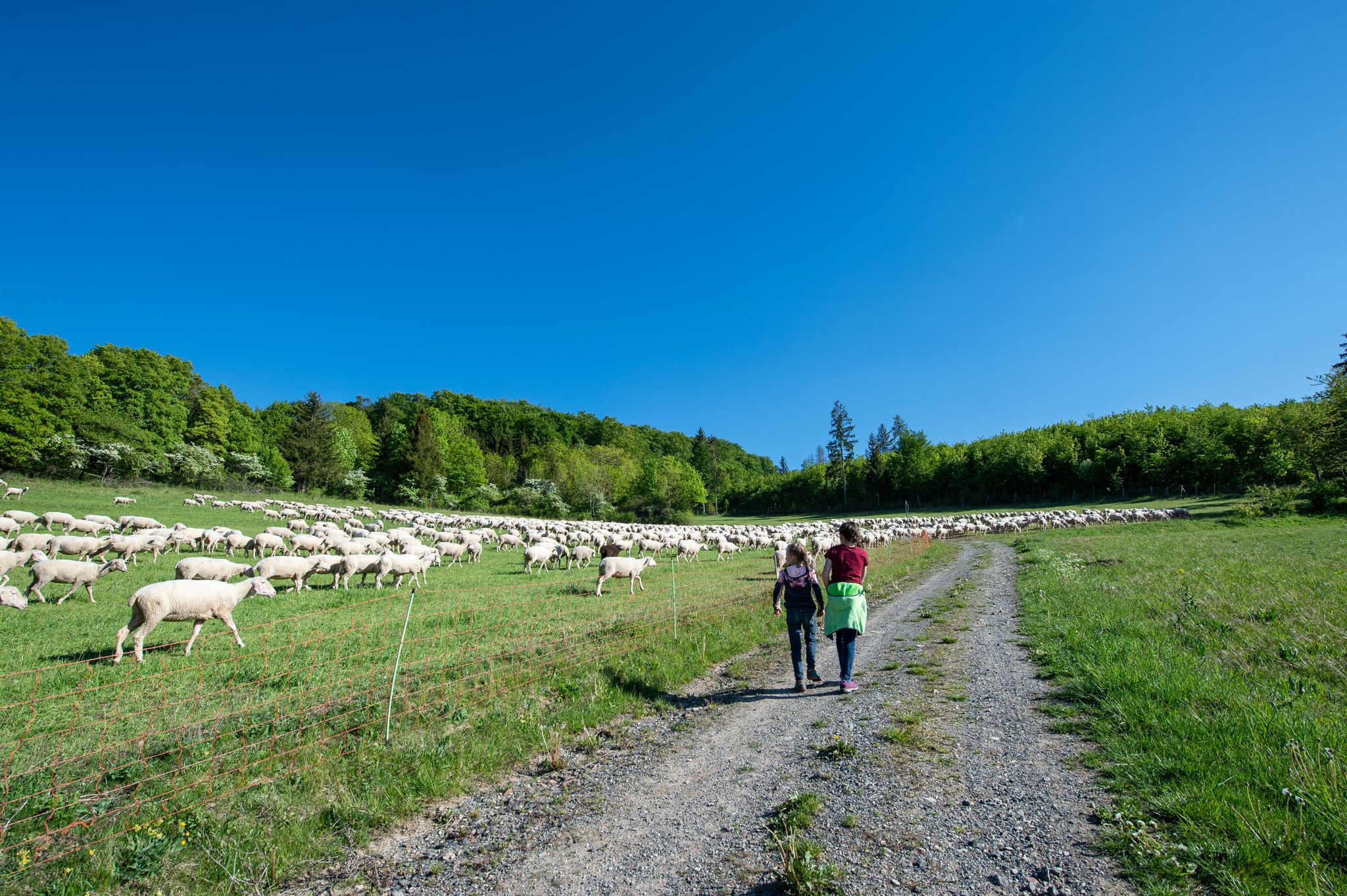
Family paths - on the way with kids in the Rhön
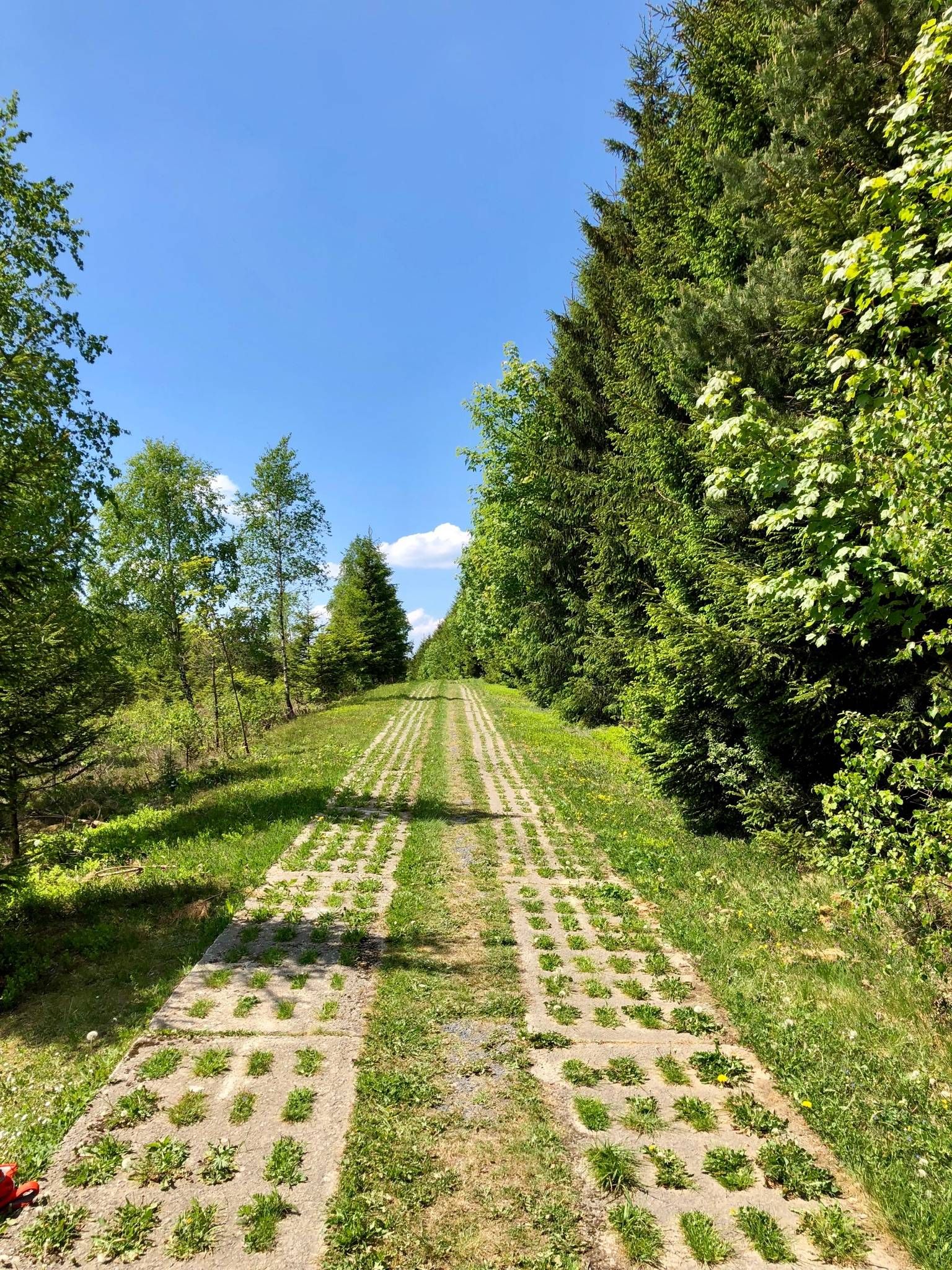
Experience history – day Tours at the Green Belt in Thuringia
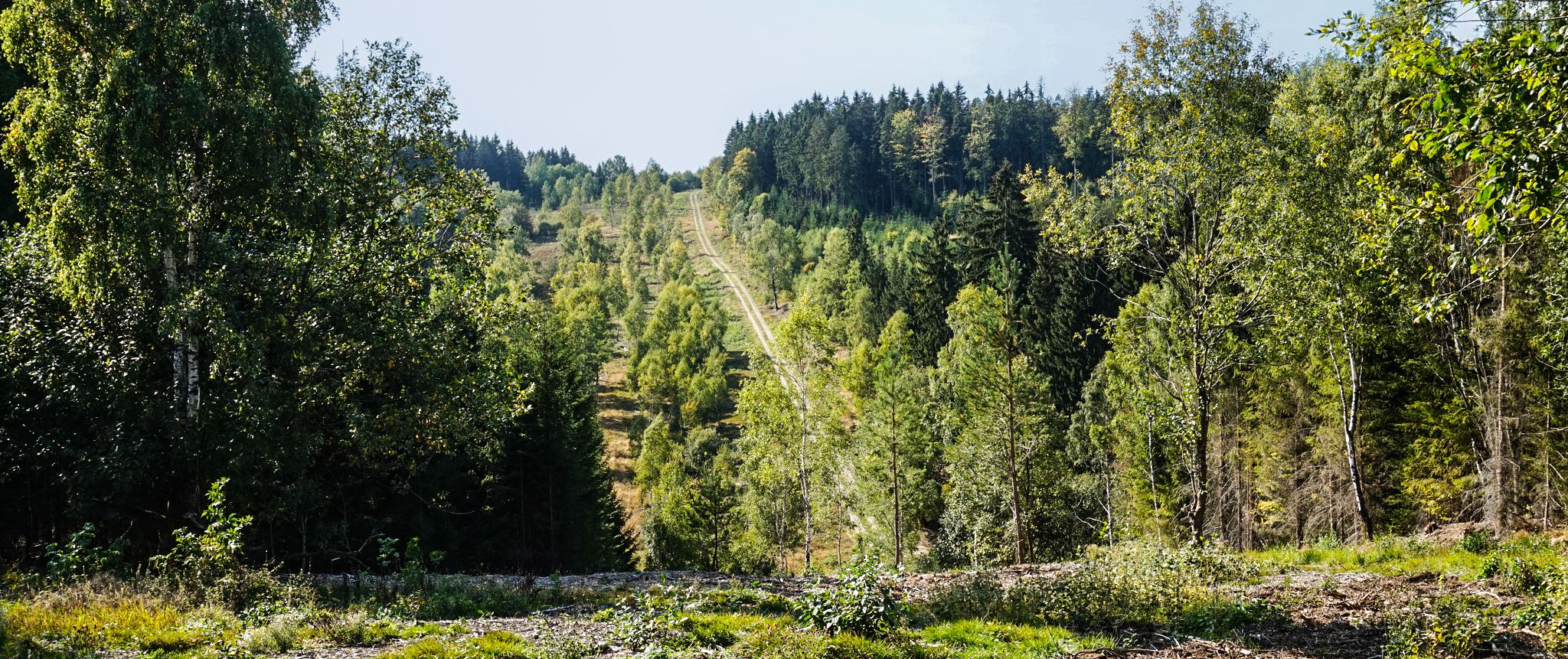
Discover the nature along the “Greenbelt” together with the BUND
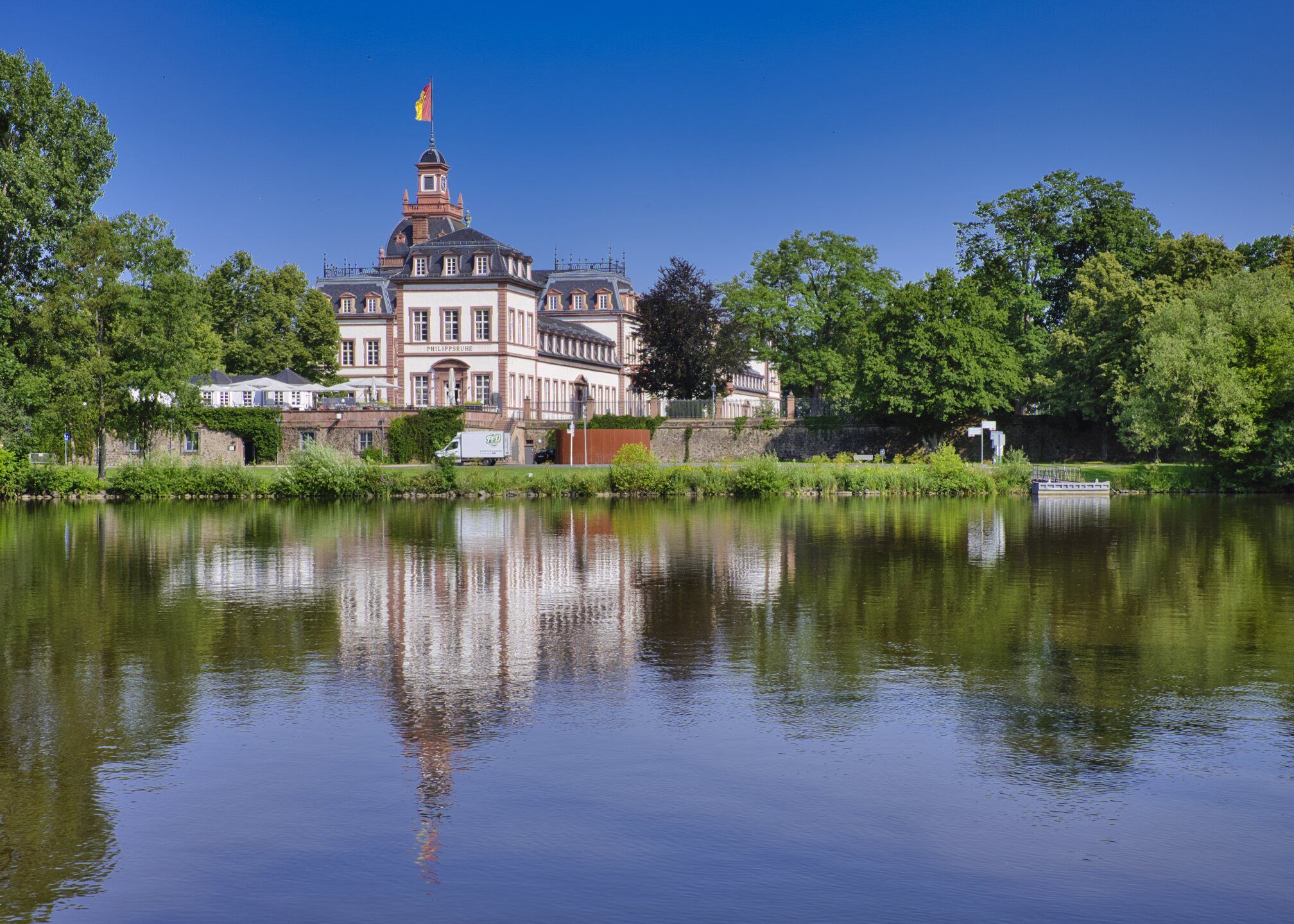
Rad-Kurzurlaube im RMV – Einfach mal raus!
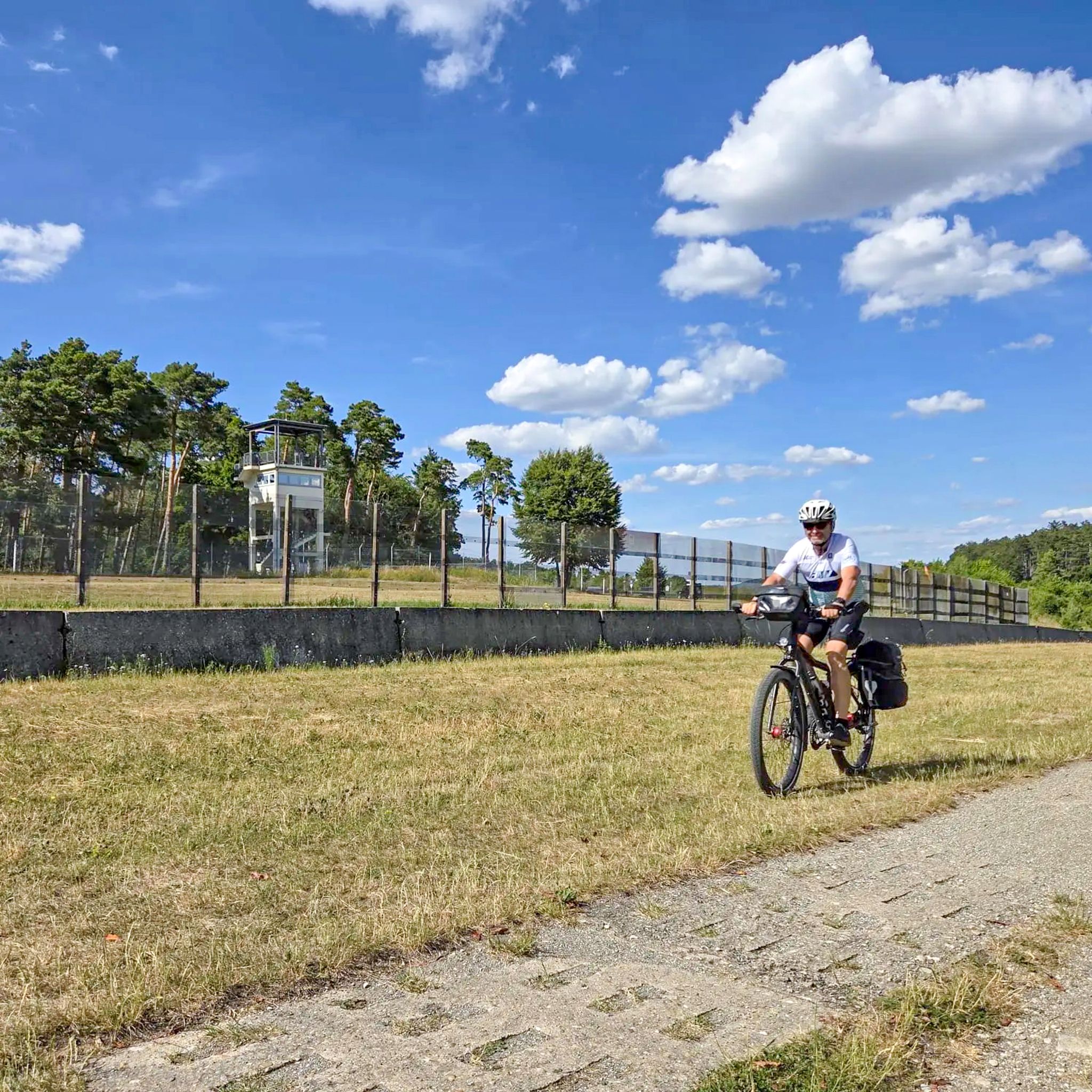
Radtouren zum Tag der Deutschen Einheit – Unterwegs im Fulda-Gap
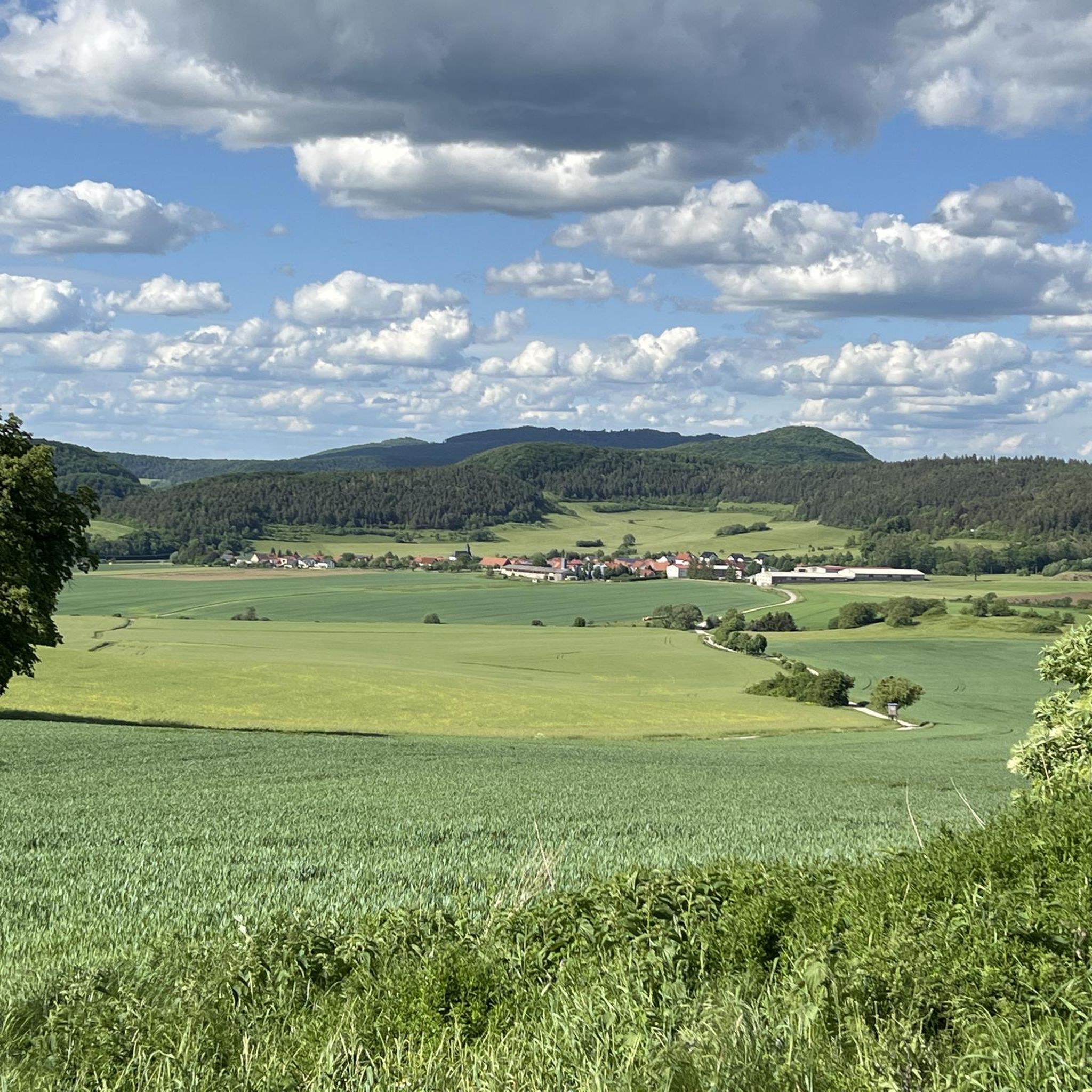
Hiking around Geisa
Other adventures around Geisa


Tips from the Community

This view is unparalleled and makes hikers pause in awe on the summit of the Gläserberg. No tree, no bush obscures the view from the bare mountaintop, which greets visitors from afar. Anyone who has managed the climb to the 671-metre-high Gläserberg is rewarded with a fantastic panoramic view. A panorama that stretches far beyond the borders, with the Wartburg (34 km) in the north, the Schneekopf (47 km) in the east, the Heidelstein (26 km) in the south and the Rößberg (14 km) in the west at the hiker's feet. A beautiful spot on earth, which was sung about in the Gläserlied long ago with the words: "Happy hikers will flock from all over the wide Rhön to look out into the distant lands from your proud heights!" Source:https://www.rhoenforum.de/tourismus-tipps/wanderh%C3%BCtten/dermbacher-h%C3%BCtte-gl%C3%A4serberg/
12
1

Wonderful view of the Thuringian Rhön.
14
2
Great view of the Rhön.
10
0

It always pulls me up here. Pure relaxation.
7
3

An absolute hiking highlight that needs to be explored here
14
1
On the round unmistakable rock mountain… the crucifixion group is visible from afar
19
0

The mountain hut location has an eventful history. The destruction after the Second World War and the long years of being in a restricted area meant that the Gläserberg and Dermbacher Hütte lived on for almost 50 years only in the memories of the locals in the surrounding areas. All the better that the new log cabin has been crowning the summit since 1994 and invites you to stop by on Sundays and public holidays.
6
0
Important rules for using the tower. The technical data are also very interesting.
12
0
Frequently Asked Questions
What are some of the most notable elevated points and natural features in the Rhön Mountains near Geisa?
While Geisa itself is nestled in a low mountain range without towering peaks, the surrounding Rhön region offers several significant elevated points. These include the Wasserkuppe, the highest mountain in the Rhön, known for its panoramic views and aviation history; the Kreuzberg, famous for its monastery and monastic beer; and the distinctive basalt cone of Milseburg, with its ancient Celtic ringfort remains. Other notable spots include Heidelstein for its expansive views over the 'Lange Rhön', and the historically significant elevated area of Point Alpha.
What makes the Rhön Mountains unique compared to other mountain ranges?
The Rhön Mountains, where Geisa is located, are characterized as a low mountain range with distinctive rolling hills and volcanic origins, rather than jagged peaks. This unique geology contributes to its expansive natural beauty and diverse biotopes, making it part of the Rhön Biosphere Reserve. The landscape offers a different kind of mountain experience, focusing on panoramic vistas, historical sites, and unique recreational activities like gliding.
Are there any historically significant elevated sites or monuments near Geisa?
Yes, the region boasts several sites with rich history. Point Alpha is a crucial historical observation post from the Cold War, now a memorial with original border fortifications and a museum. The Milseburg Summit features the remains of a Celtic ringfort, indicating its ancient significance. Additionally, the Öchsenberg Summit is home to a Celtic Cross, shaped by decades of basalt mining, and the Kreuzberg hosts a historic Franciscan monastery.
Where can I find the best panoramic views around Geisa?
For breathtaking panoramic views, consider visiting the Wasserkuppe, which offers vistas of the entire Rhön region. The Soisberg Observation Tower provides a perfect 360-degree view. From Buchschirmberg summit, you can see the Wasserkuppe, Milseburg, and the Ulster Valley. The Gläserberg Summit also offers a fantastic panoramic view stretching to the Thuringian Forest and Rennsteig.
Are there family-friendly hiking options among the peaks near Geisa?
Yes, several elevated points and their surrounding trails are suitable for families. The Gläserberg Summit is noted as family-friendly, offering rewarding views. The Soisberg Observation Tower is also easily accessible for families, with circular routes available. For a dedicated family experience, consider the 'Family hiking trail Geisböckchenweg' which is an easy route around Geisa. You can find more family-friendly routes in the Hiking around Geisa guide.
What kind of outdoor activities can I do near these mountain peaks?
The region around Geisa offers a variety of outdoor activities. Hiking is very popular, with trails like the 'Extratour Point Alpha Weg' and routes around the 'Spahler Höhen'. For cycling enthusiasts, there are numerous MTB trails, such as the 'Martinrodaer Hut – Pond by the Ulster Cycle Path loop'. Running trails are also available, including routes around Geisa Castle. You can explore more options in the Hiking around Geisa, MTB Trails around Geisa, and Running Trails around Geisa guides.
Are there specific hiking trails that lead to these peaks?
Absolutely. Many peaks are integrated into well-marked hiking trails. For instance, the 'Extratour Point Alpha Weg' provides opportunities to explore the historical landscape around Point Alpha. The Öchsenberg Summit is a highlight of the 'Celtic Path' hiking route. The Soisberg can be reached via various routes, including a circular path from Ufhausen. You can find detailed routes in the Hiking around Geisa guide.
What do visitors enjoy most about the mountain peaks and elevated points near Geisa?
Visitors frequently highlight the rewarding panoramic views after an ascent, such as those from the Soisberg Observation Tower and Gläserberg Summit. The historical significance of sites like Point Alpha and the ancient remains on Milseburg are also highly appreciated. Many enjoy the unique experience of visiting the monastery brewery at Kreuzberg and the overall serene natural environment of the Rhön.
Can I find food or refreshments near the hiking trails and peaks?
Yes, there are options for refreshments. The Kreuzberg is famous for its Franciscan monastery and associated brewery, offering monastic beer. At the Gläserberg Summit, the Dermbacher Hütte is a popular stop for hikers, open on Sundays and public holidays. The Öchsenberg Summit also has a hut that is open on weekends.
What kind of wildlife can be spotted in the Rhön Mountains around Geisa?
The Rhön Mountains are part of a Biosphere Reserve, known for its diverse biotopes and rare species. While specific wildlife sightings can vary, the region's varied landscapes, from forests to open grasslands, support a range of birds, small mammals, and insects. Keep an eye out for local bird species and the unique flora that thrives in this low mountain range environment.
Are there any unique geological features to explore in the Rhön Mountains near Geisa?
Yes, the Rhön Mountains are known for their volcanic origins. The Milseburg is a distinctive basalt cone, a striking example of the region's volcanic past. The Öchsenberg Summit also showcases the impact of basalt mining, with its unique formations. These features offer insights into the geological history of the area.
What is the best time of year to visit the mountain peaks around Geisa?
The Rhön Mountains offer beauty throughout the year. Spring and autumn are particularly popular for hiking, with pleasant temperatures and vibrant natural colors. Summer provides longer daylight hours for extended exploration and outdoor activities. Even winter hiking can be rewarding, offering a serene, snow-covered landscape, though weather conditions should always be checked beforehand.
Most popular routes around Geisa
Most popular attractions around Geisa

Get inspired with the komoot mobile app


Explore more
See even more amazing summits around Geisa with these guides:
