The best waterfall hikes and walks in Brescia
4.4
(47440)
260,822
hikers
81
hikes
Waterfall hiking trails in Brescia traverse a diverse landscape characterized by mountains, lakes, and natural parks. The region features the Brescia and Garda Prealps, offering varied terrain from lakeside paths to higher alpine routes. Valleys such as Val Camonica, Valle Trompia, and Valle Sabbia provide numerous trails, often with significant elevation changes. This varied topography supports a wide range of waterfall hiking experiences, from gentle walks to challenging ascents.
Best waterfall hiking trails in Brescia
- The most popular waterfall hiking…
Last updated: October 10, 2026
4.4
(58)
186
hikers
10.0km
03:15
440m
440m
Moderate hike. Good fitness required. Mostly accessible paths. Sure-footedness required.
4.8
(47)
385
hikers
17.6km
06:36
1,090m
1,090m
Hard hike. Very good fitness required. Mostly accessible paths. Sure-footedness required.

4.8
(37)
146
hikers
18.9km
06:53
1,020m
1,020m
Hard hike. Very good fitness required. Sure-footedness, sturdy shoes and alpine experience required.
4.8
(271)
775
hikers
12.6km
04:16
560m
560m
Hard hike. Good fitness required. Sure-footedness, sturdy shoes and alpine experience required.
3.5
(2)
4
hikers
15.8km
06:14
1,040m
1,040m
Hard hike. Very good fitness required. Mostly accessible paths. Sure-footedness required.
Get access to more routes and recommendations from other explorers.
Already have an account?
Our route recommendations are based on thousands of hikes, rides, and runs completed by other people on komoot.
Start today with a free account
Your next adventure awaits.
Popular around Brescia
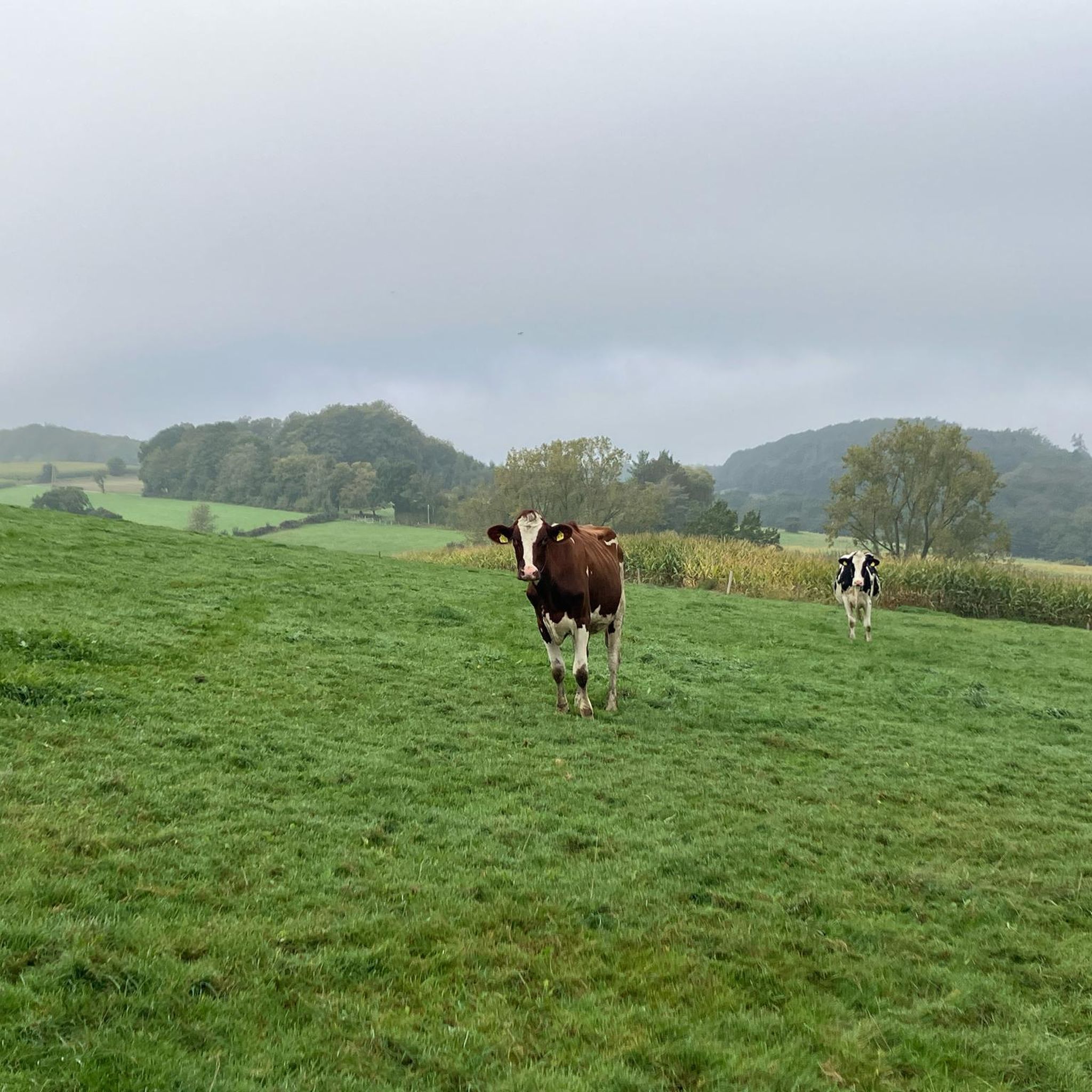
Waterfall hikes around Lake Valvestino

Waterfall hikes around Parco naturale dell'Alto Garda Bresciano

Waterfall hikes around Parco regionale dell'Adamello

Waterfall hikes around Lake Moro

Waterfall hikes around Lago d'Idro
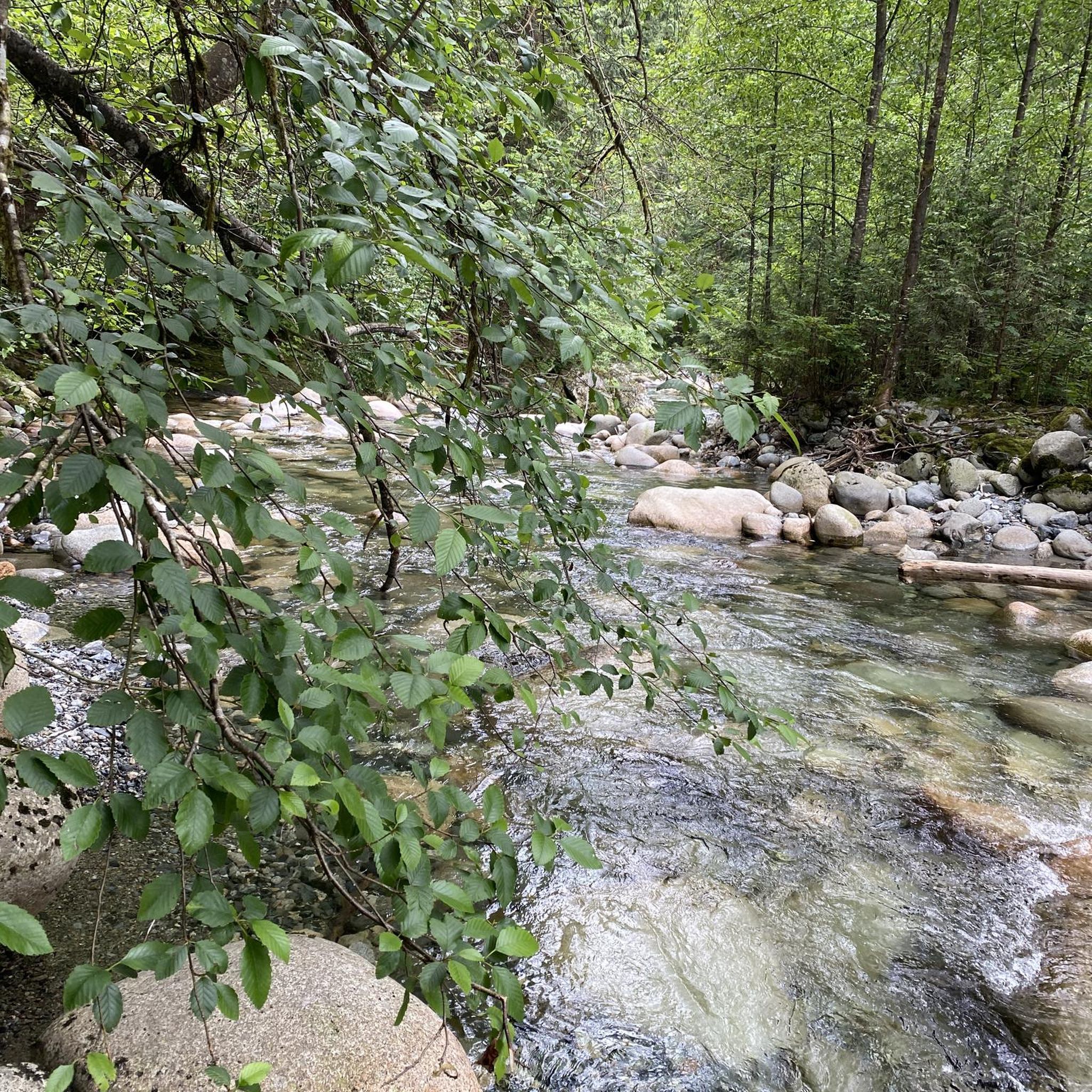
Waterfall hikes around Lake della Vacca
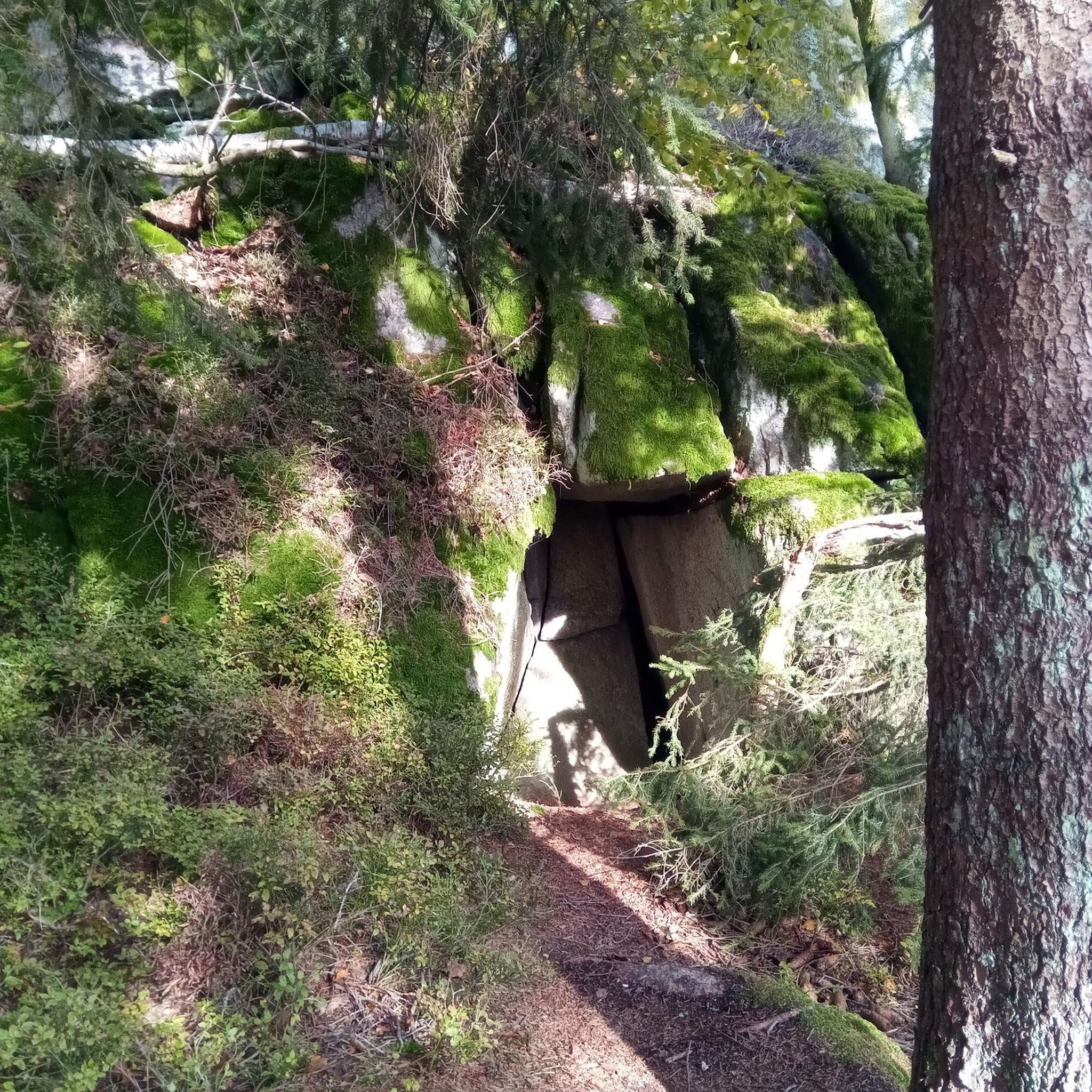
Waterfall hikes around Fiume Mella
Waterfall hikes around Parco delle Colline di Brescia
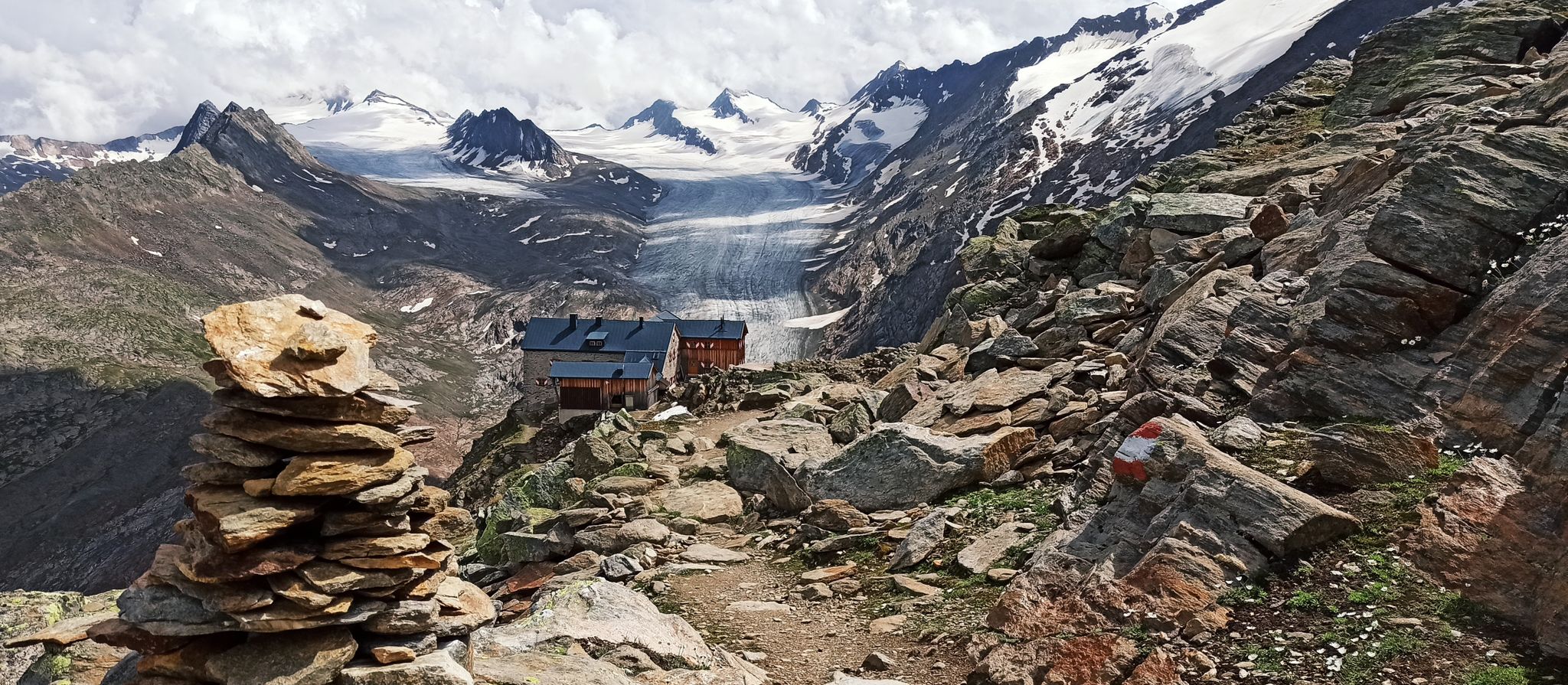
L1 from Garmisch to Brescia – Far from the classic Alpine crossings
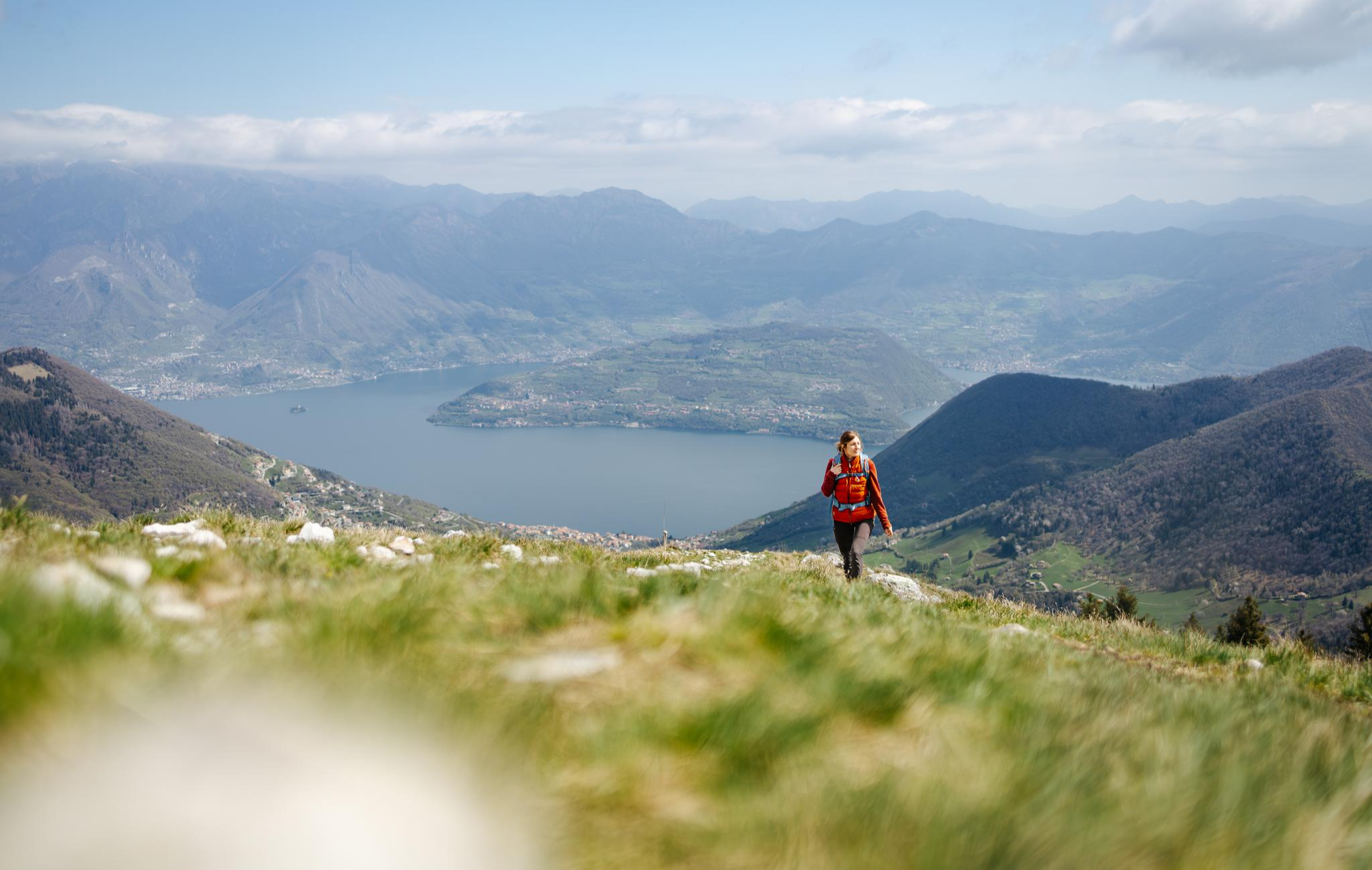
From the lake to the peaks - hiking on Lake Iseo
Other adventures in Brescia


Tips from the Community

Located within the historic center of Piovere, a hamlet of Tignale, in a dominant position with a wonderful view of Lake Garda and Monte Baldo in a very quiet context. Well-kept outdoor garden, small village but full of discoveries, full of narrow streets with unique glimpses leading to surrounding trails.
0
0


rather treacherous stretch to reach the first waterfall, steep descent and if it rains be careful .. slippery ground due to the numerous stones.
0
0

🏞️ Lago di Lova — Borno (Valle Camonica) 📌 Identity and characteristics Lago di Lova is a small alpine lake located at about 1300 m altitude, in a glacial basin between: Pizzo Camino (2491 m) Monte Mignone (1742 m) It is fed by two small streams and flows downstream, forming the San Fiorino stream. The environment is typical of the Lombard Prealps: red fir woods on the south side, wide pasture on the north side, luminous and very peaceful atmosphere. 🚶♂️ How to get there From Borno – Navertino (the most classic) Elevation gain: about 400 m Time: 1 h – 1 h 15’ Path initially asphalted up to Trattoria Navertino, then dirt and steep in some sections. Mixed terrain: cobblestone, dirt, dense forest. From Ossimo Superiore Steep mule track up to Baleggie, then a flat traverse towards the lake. From Villa (Lozio) Ascent to Colle del Mignone (1526 m) and descent towards the lake. All routes are for pedestrians or MTB only: motorized vehicles are prohibited. 🏡 Services and atmosphere Near the lake is Chalet Lova, highly appreciated for its sandwiches and typical dishes, with outdoor tables and a picnic area. The place is ideal for: families, hikers, photographers, scenic breaks before heading up towards Mignone or Varicla. 🔗 Hiking connections Lago di Lova is a central hub for several CAI routes: Colle Mignone → Monte Mignone → loops towards Agol, Averta, Varicla Rifugio Laeng (route 110/182) Malga Mignone (steep but direct ascent) Rifugio San Fermo (upper part of CAI 82) ⭐ Why it's special It is one of the most iconic and accessible places on the plateau. It offers a perfect mix of forest, water, and pastures. It is a starting point for more challenging routes but also an ideal destination for a short trip. It has a serene and bright atmosphere, much loved by families and photographers. Reviews describe it as "an enchanted place" and "a short but always pleasant walk".
0
0
The Sentiero Alto della Val Moren is one of the most spectacular sections of the entire Borno – San Fermo – Varicla – Laeng area. It is a panoramic mid-mountain path, suspended between the Corna di San Fermo and the glacial amphitheater of Val Moren, with continuous changes in perspective and a more "alpine" character compared to its moderate altitude. Below you will find a complete, precise, and source-based summary. 🏔️ What is the Sentiero Alto della Val Moren It is the section of CAI 82 (or 106/182 depending on variants) that connects: Rifugio San Fermo → Val Moren → ruins of Rifugio Coppellotti → Rifugio Gualtiero Laeng It develops mid-mountain, below the walls of the Corna di San Fermo, crossing gravel gullies, suspended pastures, and the large moraine basin. 📌 Technical characteristics Difficulty: E with short EE sections (exposed but wide, without technical passages) Total elevation gain: variable (part of longer itineraries) Average time: San Fermo → Val Moren: ~1h Val Moren → Laeng: ~45–60 min Terrain: narrow path, sections on scree, panoramic mid-mountain path Views: Val di Scalve, Concarena, Pizzo Camino, Cima Moren 🗺️ Route description (from San Fermo towards Laeng) From Rifugio San Fermo, follow the ridge north to a pool. Turn right: here the Sentiero Alto officially begins. The trail crosses the base of the Corna di San Fermo, with short exposed sections. You enter Val Moren, a wide and bright glacial basin. In the middle of the amphitheater, you intersect path 82b which climbs to Cima Moren. Continuing, the path descends towards the Conca di Varicla, skirting the ruins of Rifugio Coppellotti. Final descent to Rifugio Laeng. ⭐ Why it's a special trail It offers continuous and varied panoramas. It is a trail with "character", more alpine than its altitude suggests. It connects two historic refuges: San Fermo and Laeng. It passes through Val Moren, one of the most evocative environments on the plateau. It allows for spectacular loops: Borno → Lova → San Fermo → Sentiero Alto → Laeng → Borno 🧭 Variants and connections Cima Moren (82b): steep and more technical detour. Monte Arano: reachable by continuing beyond Val Moren. Pozza Torane – Varicla: connections to longer itineraries.
0
0
Monte Arano is one of the most scenic and surprising peaks in the Borno–Lova–Varicla area: a mountain that is "modest" only on paper, because in reality it offers vast views, a bright environment, and a path that combines sparse woods, pastures, and open ridges. Below you will find a complete and reliable summary, based on the sources I consulted. 🏔️ Monte Arano — 1941/1943 m Location: above Borno, between Colle Mignone, Pozza Torane, Rifugio Laeng, and the Pizzo Camino ridge. It is a grassy and open summit, perfect for summer and winter hiking (snowshoes). 📌 Main features Altitude: 1941–1943 m Environment: grassy slopes, scenic ridge, sparse woods in the lower part Panorama: Pizzo Camino in the foreground Cima Moren, Monte Sossino, Concarena Adamello (Cornone di Blumone, Frerone) Camunian Prealps and Borno plateau 🚶♂️ Main itineraries 1) From Borno – Navertino → Lago di Lova → Colle Mignone → Monte Arano The most classic and frequented. Elevation gain: ~940 m Ascent time: 2h30’ – 3h Difficulty: E Trail: mule track → Lago di Lova → Colle Mignone → steep climb in the woods → final ridge. 2) From Borno – Via San Fermo → Navertino → Lova → Colle Mignone → Arano CAI Borno version, very well marked. Elevation gain: ~900 m Length: 12.5 km round trip Total time: 4h45’ 3) Loop from San Fiorino → Lova → Colle Mignone → Pozza Torane → Arano → Laeng → return Longer and more varied itinerary, passing near Pozza di Torane and Rifugio Laeng. ❄️ In winter (snowshoes) Monte Arano is a much-loved destination with stable snow: Low avalanche risk, but pay attention to orientation in the woods above Colle Mignone. Itinerary identical to the summer one, with winter variants marked on Kompass maps. ⭐ Why it's worth the climb Extraordinary panorama for the effort required. Bright and open environment, ideal for photographs. Connections with Laeng, San Fermo, Pozza Torane, Mignone. Perfect for a complete loop of the Lova–Varicla area.
0
0
🏚️ Former Rifugio Nino Cappellotti at Varicla Altitude: approx. 1828 m Location: Foppo di Varicla, above Borno, slightly west of the current Rifugio Gualtiero Laeng. This is one of the most evocative historical sites in the Pizzo Camino area: a ruin full of memories, immersed in a stark and bright environment, between high pastures and dolomite walls. 📜 Origins and history The sources agree on a few key points: Construction and destruction The refuge was built in the 1930s and dedicated to the mountaineer Francesco “Nino” Coppellotti, known for his ascents in the Prealps and his role in World War I. During World War II, it was occupied by the Germans due to its strategic position, overlooking Val Burnega and Val di Lozio. Following clashes with partisan groups, the refuge was blown up by the Germans themselves to prevent its use as a resistance base. After the war In 1964, the CAI (Italian Alpine Club) decided to relinquish ownership, given the impossibility of recovering it. 🏞️ What you see today The ruins are still clearly recognizable: Central building (former command post) Remains of dormitories, kitchen, stables Trenches, walkways, and lookout posts It is a true open-air museum, where military history intertwines with a landscape of great power: the walls of Pizzo Camino, Monte Sossino, the Varicla basin. 📍 Location Coordinates: 45.98022 N, 10.19134 E Altitude: 1828 m Just 200 m from Rifugio Laeng 🥾 How to get there The most common way is via the Sentiero Alto 82, which connects: Rifugio Laeng → Former Rifugio Cappellotti → Rifugio San Fermo It is a scenic stretch, with ups and downs and some rocky passages, classifiable between E and EE depending on the conditions. ⭐ Why it's a special place It is a rare historical testament to the war in an alpine environment. It offers an extraordinary view of the “little Dolomites of Scalve”. It is a perfect transit point in the loops connecting Laeng, San Fermo, Lova, and Varicla. It has a suspended, almost cinematic atmosphere.
1
0
🏔️ Rifugio Gualtiero Laeng — Conca di Varicla, Borno Rifugio Laeng (1760 m) is one of the two refuges in the Pizzo Camino group, along with San Fermo. It is located in the splendid Conca di Varicla, a bright, open environment rich in rare botanical species. It is an essential, silent place, managed with a spirit of solidarity by volunteers from Operazione Mato Grosso. 📜 Identity and history Dedicated to Gualtiero (Walther) Laeng, a mountaineer and scholar who in 1909 officially reported the Camunian rock carvings. It stands where Rifugio Coppellotti once was, destroyed by the Germans in 1944 as retaliation. It is owned by CAI Cedegolo and entirely managed by OMG volunteers, who donate the proceeds to missions in Latin America. 🏡 Refuge characteristics Altitude: 1760 m Management: Operazione Mato Grosso Beds: 12 in dormitory + 5 in winter room Opening hours: July–August: daily June and September: weekends Dining room: about 30 seats Refuge phone: 338 238 1283 Email: rifugiolaeng@gmail.com 🚶♂️ Main accesses From Borno – Path 82 / 82a ⏱️ 2h20’ ⬆️ 750 m Difficulty: E (Hiking) Classic itinerary: road towards Lago di Lova → deviation onto 82 → final climb on 82a. From Villa di Lozio – Path 136 ⏱️ 2h15’ ⬆️ 800 m Difficulty: E (Hiking) Steeper climb in the upper part, passing through Malga Varicla. 🌄 Environment and panoramas The refuge is framed by the limestone walls of Pizzo Camino and Cima Moren, with a view that embraces the entire basin. The area is known for its botanical richness: rare flowers, bright meadows, light-colored rocks that reflect the light. 🔗 Connections and itineraries Sentiero Alto 82 → Rifugio San Fermo ⏱️ 1h30’ Difficulty: E/EE (Hiking/Difficult Hiking) Panoramic stretch, with ups and downs and some passages over rocky sections. Pizzo Camino (2491 m) – Path 82a ⏱️ 2h from the basin Difficulty: EE (Difficult Hiking) Exposed sections and loose scree: helmet and a sure footing recommended.
0
0
Frequently Asked Questions
How many waterfall hiking trails are there in Brescia?
Brescia offers a wide selection of waterfall hiking trails, with over 70 routes available for exploration. These trails range in difficulty, ensuring there's something for every hiker.
What is the best time of year to visit waterfall hikes in Brescia?
The best time to experience the waterfall hikes in Brescia is typically during spring (April-June) when snowmelt feeds the waterfalls, making them particularly powerful, and the surrounding nature is lush. Autumn (September-October) also offers beautiful scenery with vibrant foliage. Summers can be warm, but higher altitude trails provide cooler temperatures.
Are there easy waterfall hikes suitable for beginners or families in Brescia?
Yes, Brescia has several easy waterfall hikes perfect for beginners and families. While many trails involve varied terrain, there are 8 routes specifically categorized as easy. These often feature less elevation gain and shorter distances, allowing for a more relaxed experience. For example, the region around Lake Moro Park offers gentle walks with rich biodiversity.
What kind of terrain can I expect on waterfall trails in Brescia?
The terrain on waterfall trails in Brescia is incredibly diverse, reflecting the region's landscape of mountains, lakes, and valleys. You can expect paths ranging from well-maintained lakeside routes to more rugged, rocky ascents in the Prealps. Trails often feature significant elevation changes, especially on moderate to difficult routes, and may include forest paths, open meadows, and sections near streams or rivers.
Are there circular waterfall hikes available in Brescia?
Yes, several waterfall hikes in Brescia are designed as circular routes, allowing you to start and end at the same point. A notable example is the Dasdana Waterfalls Loop, a moderate 6.2-mile (10.0 km) trail that takes about 3 hours 15 minutes to complete, offering scenic views of the waterfalls within a loop.
What do other hikers enjoy most about waterfall trails in Brescia?
The komoot community highly rates the waterfall trails in Brescia, with an impressive average score of 4.4 stars from over 39,000 reviews. Hikers frequently praise the stunning natural beauty, the refreshing experience of being near the waterfalls, and the diverse landscapes that offer both challenging ascents and serene walks. The variety of trails catering to different skill levels is also a common highlight.
Can I bring my dog on waterfall hikes in Brescia?
Many trails in Brescia are dog-friendly, but it's always advisable to check specific route regulations or local signage, especially within protected natural parks. Ensure your dog is on a leash and that you carry waste bags. Some trails might have challenging sections or require crossing streams, so consider your dog's fitness and comfort.
Is parking typically available near waterfall hiking trails in Brescia?
Parking availability varies by trail. For popular trailheads, you can often find designated parking areas, sometimes paid, especially near major attractions or villages. For more remote trails, parking might be limited to roadside spots. It's recommended to research specific trailheads beforehand or consider carpooling.
Are there any challenging waterfall hikes for experienced trekkers in Brescia?
Absolutely. Brescia offers numerous challenging waterfall hikes for experienced trekkers. For instance, the Climbing to Mount S. Emiliano and the Redocla Waterfalls — Ring tour is a difficult 9.8-mile (15.8 km) route with significant elevation gain, providing a strenuous but rewarding experience with impressive waterfall views.
What natural features or landmarks can I see near waterfall hikes in Brescia?
Beyond the waterfalls themselves, the Brescia region is rich in natural beauty. Many trails offer views of major lakes like Lake Garda and Lake Iseo. You might encounter highlights such as Monte Tremalzo, offering panoramic vistas, or the unique geological formations of the Piramidi di Zone Nature Reserve. The Alto Garda Bresciano Park also features diverse Mediterranean and mountainous landscapes.
Are there any historical sites or points of interest close to the waterfall trails?
Yes, Brescia's history is deeply intertwined with its landscape. While exploring waterfall trails, you might find yourself near historical sites such as the World War I Tunnels of Tremosine, offering a glimpse into the past. Val Camonica, a UNESCO Biosphere Reserve, is renowned for its ancient rock carvings, and various trails pass through areas with historical significance or traditional villages.
Where can I find waterfall trails with unique views in Brescia?
For unique views, consider trails that ascend into the Prealps or those overlooking the major lakes. The Piovere Waterfall – View of Lake Garda loop from Tignale offers not only a waterfall experience but also stunning vistas of Lake Garda. Many viewpoints, like View of Lake Garda from Bocca dei Larici, are accessible from various hiking paths in the region.
Most popular routes in Brescia
Most popular attractions in Brescia

Get inspired with the komoot mobile app


Didn’t find what you were looking for?
Check out more Hikes throughout Brescia below and find the perfect route in your destination.
Explore more
Browse the best Hikes in other regions.
