Hetter-Millinger Bruch
Hetter-Millinger Bruch
The best gravel rides in Hetter-Millinger Bruch
4.7
(10)
108
riders
14
rides
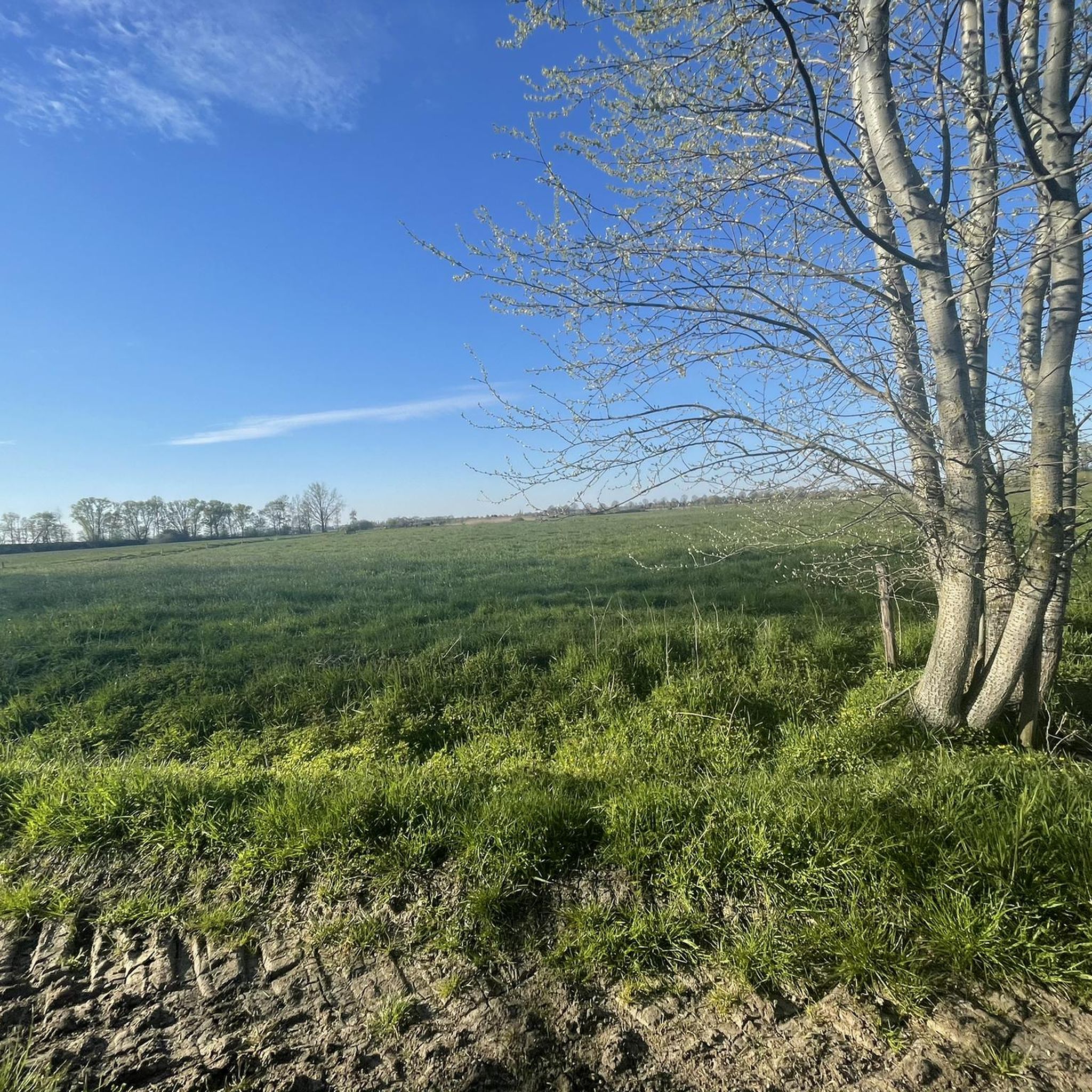
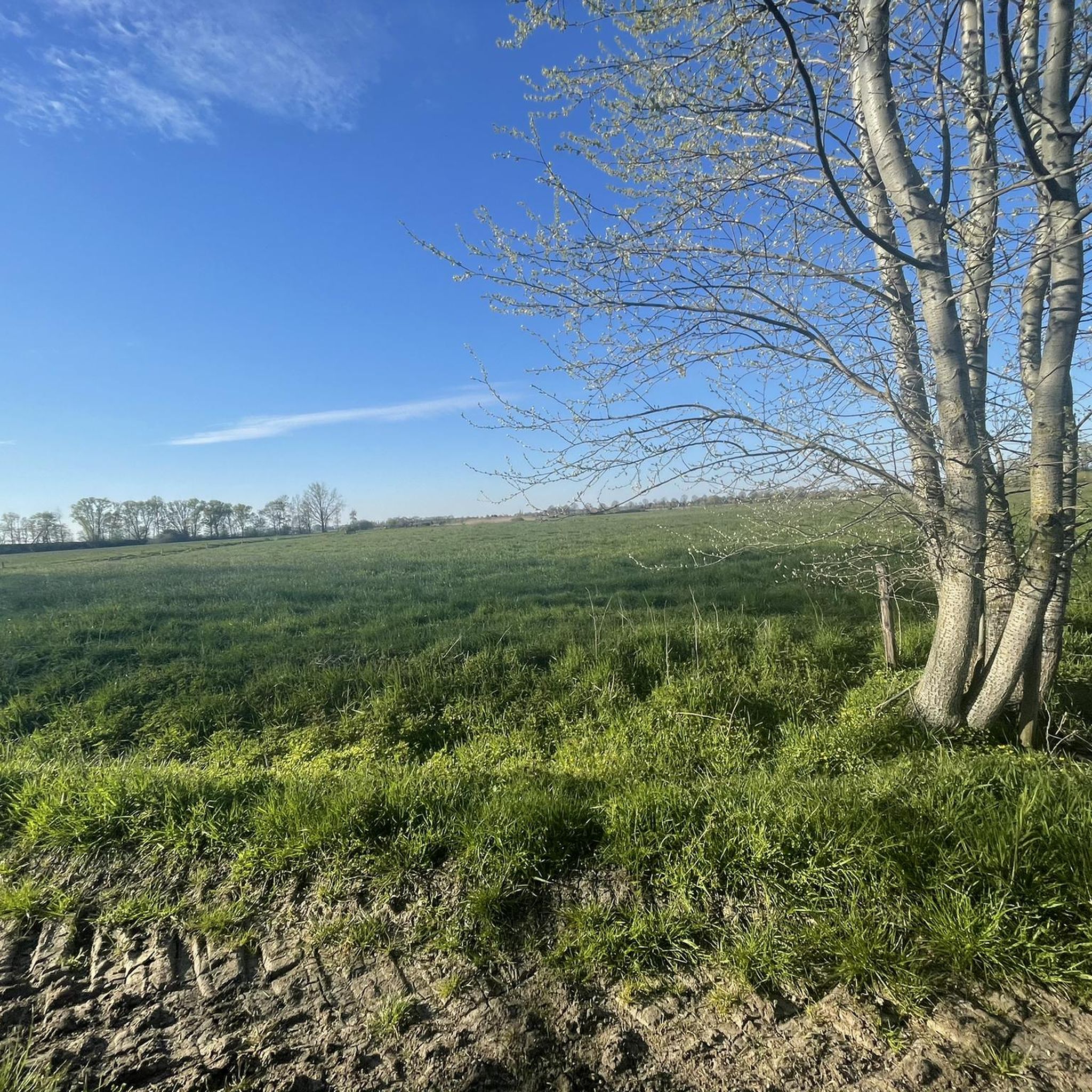
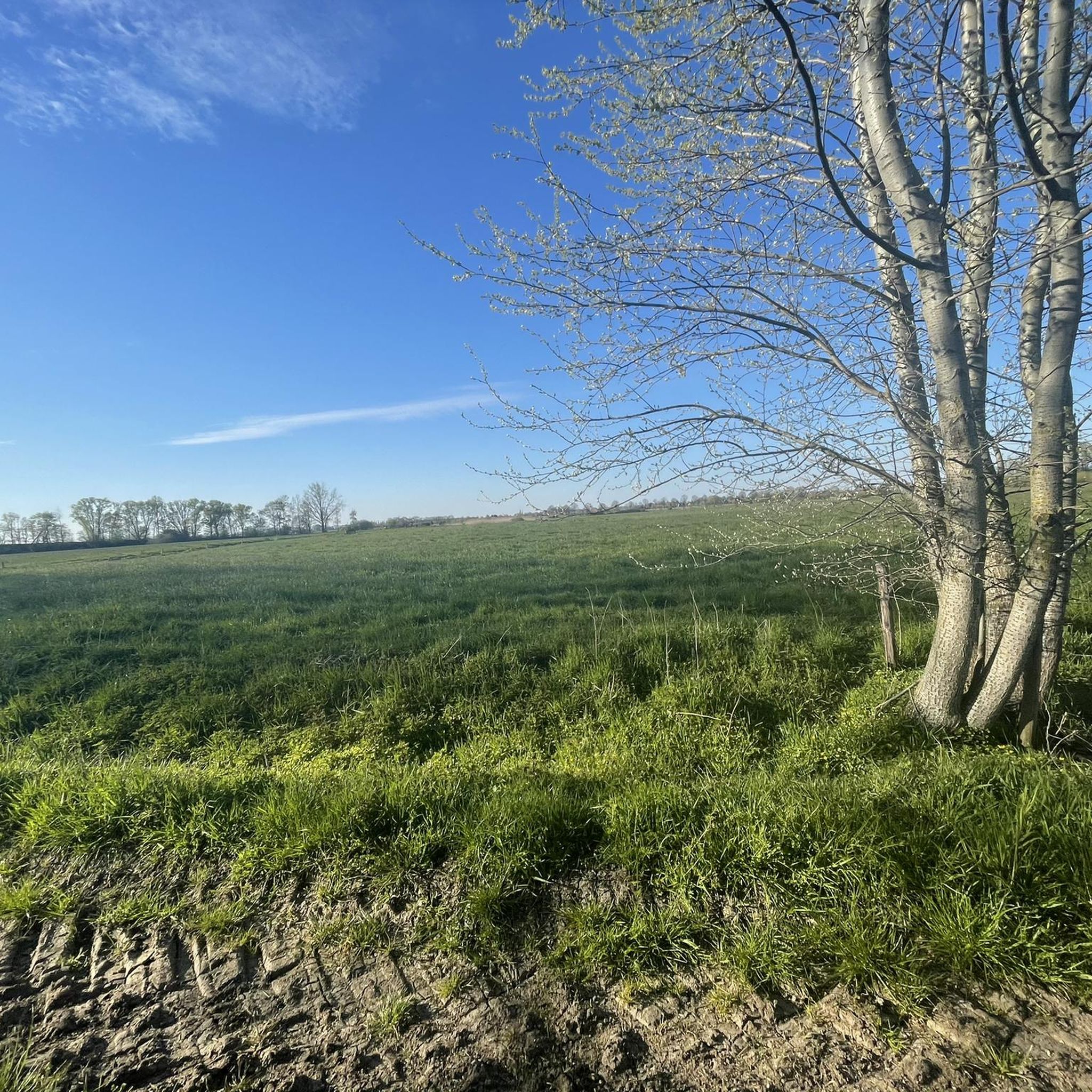
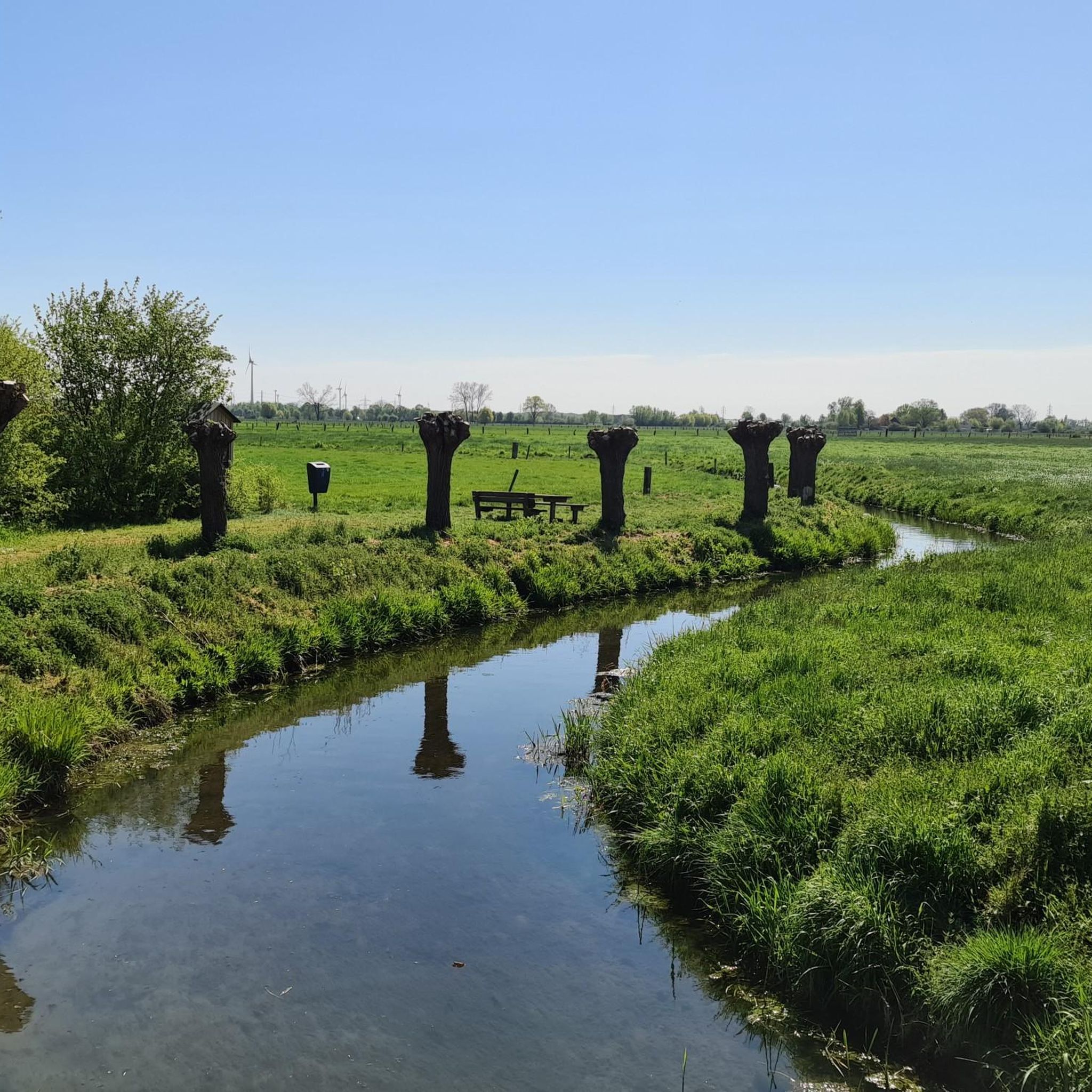
Gravel biking in Hetter-Millinger Bruch offers routes through a flat meadow landscape characterized by wet meadows, depressions, and a structured hedgerow landscape. The region, an internationally important protected wetland, features a network of field paths and ditches, providing varied terrain for gravel cyclists. These paths extend across the area, including into nearby Dutch villages, offering a mix of unpaved and lightly paved surfaces. The terrain is generally flat, making it accessible for various skill levels.
Best gravel bike trails in…
Last updated: June 6, 2026
5.0
(2)
14
riders
42.6km
02:22
40m
40m
Moderate gravel ride. Good fitness required. Mostly paved surfaces. Suitable for all skill levels.
5.0
(1)
15
riders
30.1km
01:30
30m
30m
Hard gravel ride. Great for any fitness level. You may need to push your bike for some segments of this route.

Sign up for free
5
riders
Hard gravel ride. Very good fitness required. You may need to push your bike for some segments of this route.
8
riders
26.4km
01:21
30m
30m
Easy gravel ride. Great for any fitness level. Mostly paved surfaces. Suitable for all skill levels.
4.8
(4)
17
riders
37.9km
02:06
40m
30m
Moderate gravel ride. Good fitness required. Mostly paved surfaces. Suitable for all skill levels.
Get access to more routes and recommendations from other explorers.
Sign up for free
Already have an account?
Our route recommendations are based on thousands of hikes, rides, and runs completed by other people on komoot.
Start today with a free account
Your next adventure awaits.
Login or Signup
Tips from the Community


VOORST GRAIN MILL In 1866, Willem Stapelbroek had a grain mill built near his farm, "Klein Immink." His son, Bernard, was the first miller. In 1899, Johannes Hermanus (Jannus) van Hal took over the mill and married Stapelbroek's heiress that same year. The mill was severely damaged in the war in 1945 and subsequently shut down. Milling continued in the adjacent barn using electrically powered millstones. After the now dilapidated mill was further damaged by a lightning strike in the 1950s, the cap and sails were removed for safety reasons. Following the establishment of the "Grain Mill Voorst" Foundation in 1999, the first steps toward restoring the mill were taken. On November 27, 2010, the restored mill was officially reopened by Trees van Hal-Knaven and Bertus van Hal, the great-grandson of Willem Stapelbroek. (Source: Information sign at the mill; www.korenmolenvoorst.nl) RESTAURANT VAN HAL The Van Hal Restaurant in Voorst (Achterhoek) was founded in 1905 as a café by Jannes van Hal next to the grain mill built in 1866. The brand became famous for its "half chickens," introduced in the early 1950s by Riek and Frans van Hal, of which more than 1 million have now been sold. A large bronze rooster sculpture stands as a symbol next to the entrance.
4
0

Very beautiful nature here.
1
0
Nice walking trail. It's a shame cyclists are allowed here too.
1
0


The name Slangenburg has nothing to do with snakes, but with the Slingebeek stream that meanders through the landscape here. It was once called the "Slingeburcht," but over time, this was corrupted to Slangenburg. Thus, the estate bears the name of the stream that has been winding its way through here for centuries.
8
0

Frequently Asked Questions
What is the typical terrain and difficulty level for gravel biking in Hetter-Millinger Bruch?
The Hetter-Millinger Bruch region is characterized by an expansive, flat meadow landscape with numerous field paths and ditches. This makes for generally accessible gravel biking, with routes ranging from easy to difficult, catering to various skill levels. You'll encounter a mix of unpaved and lightly paved surfaces, often through structured hedgerow landscapes and along waterways.
Are there any family-friendly gravel bike routes in Hetter-Millinger Bruch?
Yes, the flat terrain of Hetter-Millinger Bruch makes it suitable for family-friendly gravel biking. Routes like the Weir on the Aa – View of the Aa River loop from Voorst are generally easy and offer pleasant rides through meadow landscapes, ideal for families looking for a relaxed outing.
What kind of natural features or landmarks can I expect to see while gravel biking here?
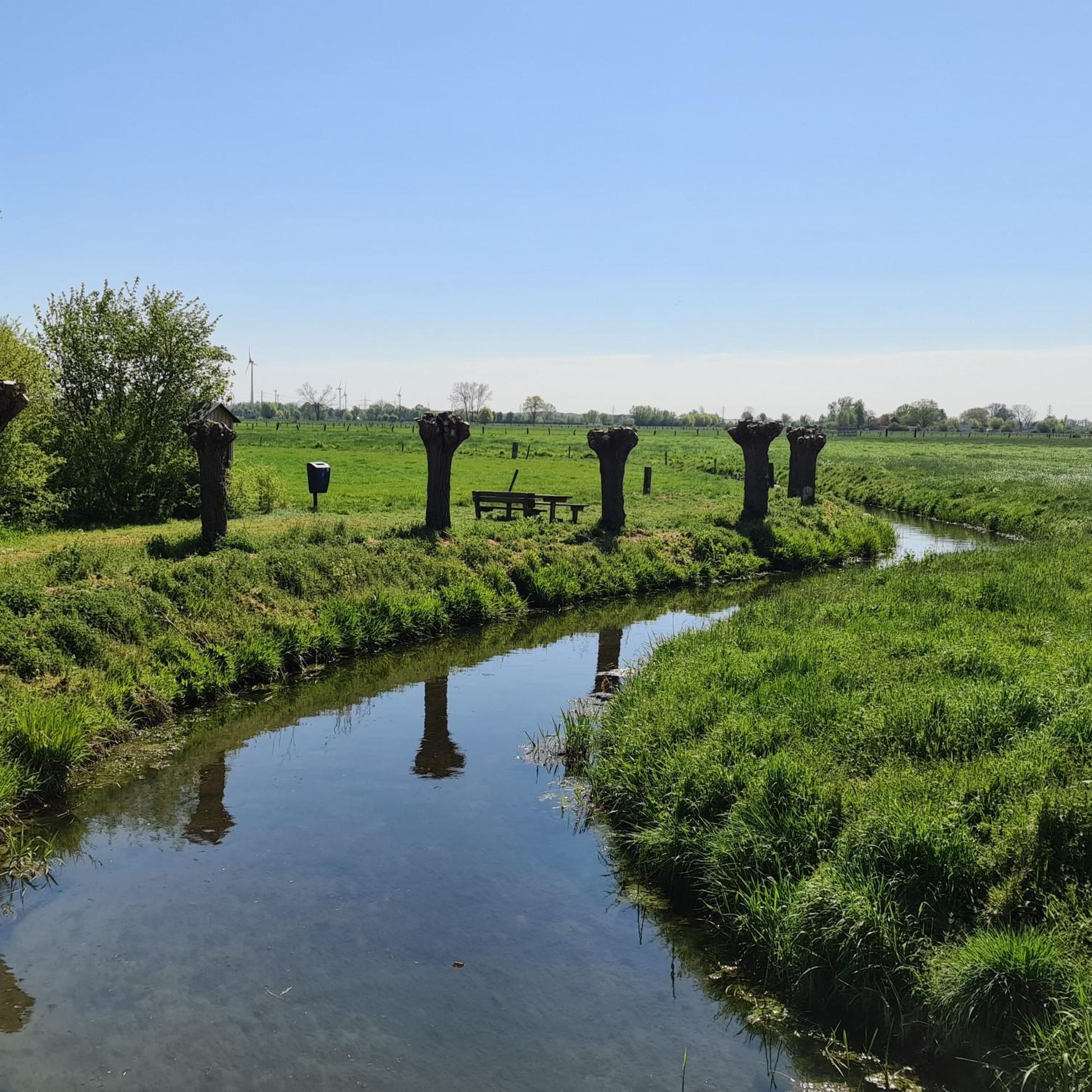
You'll experience a unique landscape of flower-rich wet meadows, depressions, and hollows, especially vibrant with marsh marigolds and ragged-robin. The area is also known for its structured hedgerow landscape with numerous pollard trees and many ditches, including the Millinger Landwehr. A walkable and cyclable border bridge near Megchelen also serves as an interesting point of interest.
Is Hetter-Millinger Bruch a good place for wildlife spotting while cycling?
Absolutely. Hetter-Millinger Bruch is an internationally important protected area, vital for numerous endangered animal and plant species. It's a significant resting and wintering ground for arctic wild geese and various migratory birds. Keep an eye out for meadow birds like godwit, redshank, curlew, and snipe, especially in the 'Großer Hetterbogen' section, which is a crucial breeding ground for godwits in North Rhine-Westphalia.
How long are the gravel bike trails in Hetter-Millinger Bruch?
The gravel bike trails in Hetter-Millinger Bruch vary in length. For example, the Weir on the Aa – View of the Aa River loop from Voorst is about 18.8 miles (30.3 km), while longer routes like the Bridge over the Oude IJssel – Beautiful cycle path loop from Millingen (bei Rees) extend to 47.5 miles (76.5 km). There are routes to suit both shorter excursions and longer rides.
Are there any circular gravel bike routes available?
Yes, many of the gravel bike routes in Hetter-Millinger Bruch are designed as loops. Examples include the popular Bridge over the Oude IJssel – Beautiful cycle path loop from Millingen (bei Rees) and the Small waterway along the Loordijk – Slangenburg Castle loop from Gendringen, allowing you to start and finish at the same point.
What do other gravel bikers say about the routes in Hetter-Millinger Bruch?
The gravel biking routes in Hetter-Millinger Bruch are highly rated by the komoot community, with an average score of 4.5 stars from over 30 reviews. Cyclists often praise the expansive flat meadow landscapes, the quiet field paths, and the unique hedgerow scenery that defines the region.
Are there any routes that extend into the Netherlands?
Yes, the network of field paths in Hetter-Millinger Bruch extends across the border into nearby Dutch villages like Megchelen. This allows for interesting cross-border rides, such as the Small waterway along the Loordijk – Slangenburg Castle loop from Gendringen, which navigates through characteristic landscapes on both sides of the border.
What is the best time of year to go gravel biking in Hetter-Millinger Bruch?
The spring and summer months are particularly beautiful for gravel biking in Hetter-Millinger Bruch, as the wet meadows burst with flowers like marsh marigolds and ragged-robin. However, the flat terrain makes it accessible for cycling throughout much of the year, with autumn offering colorful hedgerows and winter providing a serene, quiet experience, especially for wildlife observation.
Are there any more challenging gravel routes for experienced riders?
While much of the region is flat, there are routes that offer a more challenging experience due to their length or varied surfaces. For instance, the Wooden Bridge and Gravel Path – Slangenburg Castle loop from Oude IJsselstreek is a longer, more demanding route that covers over 95 km, providing a good test for advanced gravel bikers.
Can I find routes that offer views of waterways?
Yes, many routes in Hetter-Millinger Bruch incorporate waterways into their paths. The region is crisscrossed by many ditches, including the Millinger Landwehr and Löwenberger Landwehr. Routes like the On the dike – Marina at Xantener Nordsee loop from Rees offer extensive views along waterways and dikes, providing a scenic cycling experience.
Most popular routes in Hetter-Millinger Bruch

Get inspired with the komoot mobile app


Explore more
Browse the best Gravel rides in other regions.
