Hetter-Millinger Bruch
Hetter-Millinger Bruch
The best cycling routes in Hetter-Millinger Bruch
4.5
(6866)
32,050
riders
751
rides
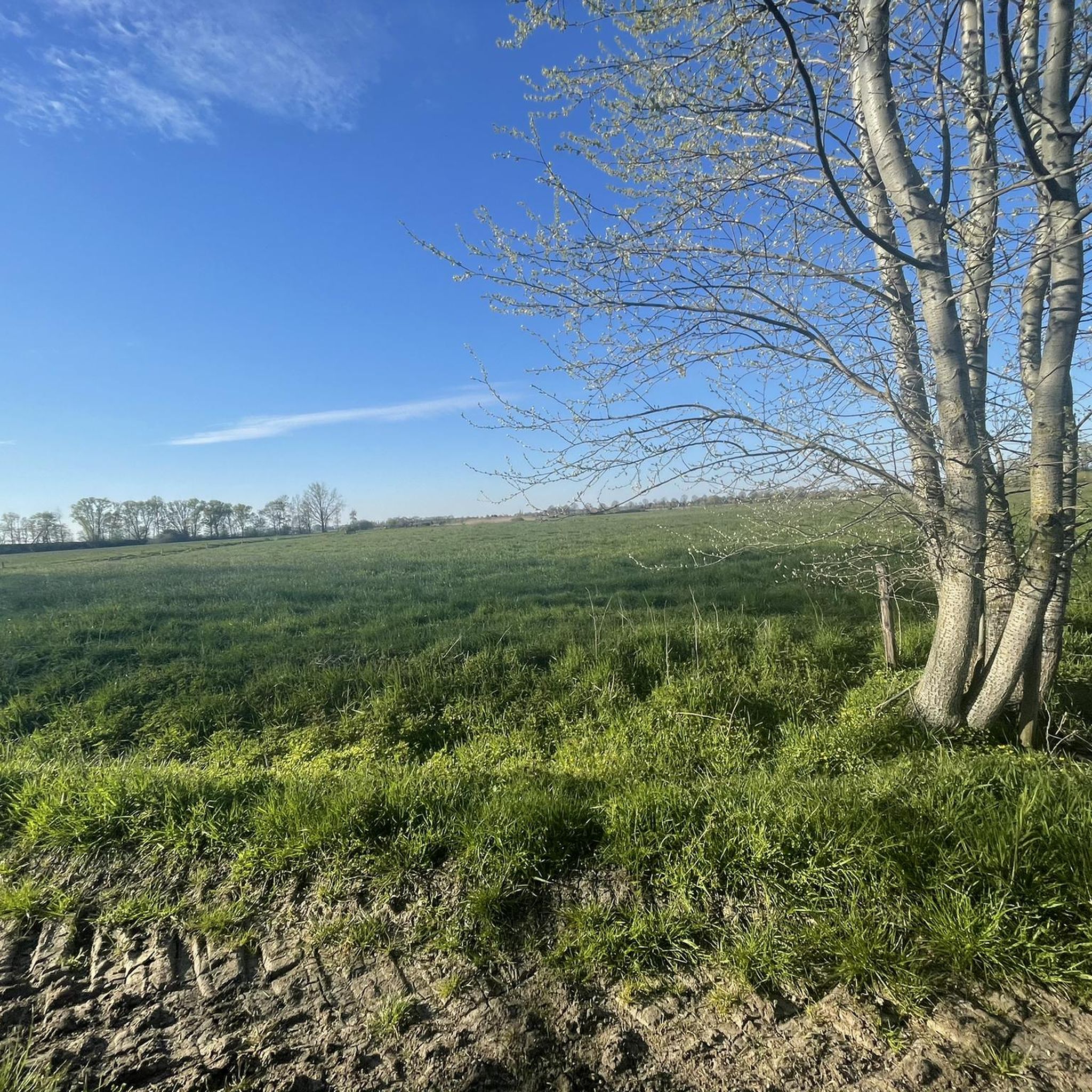
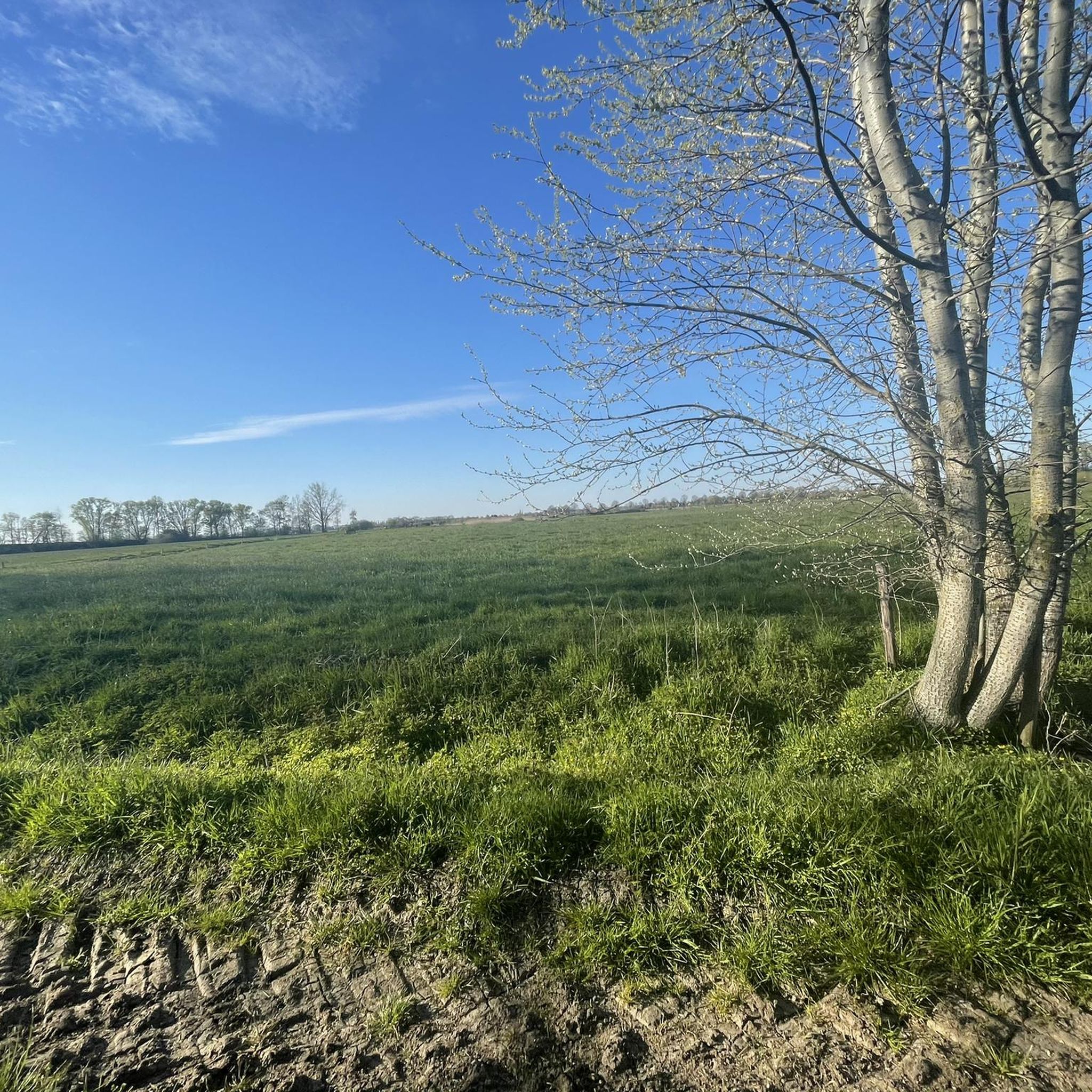
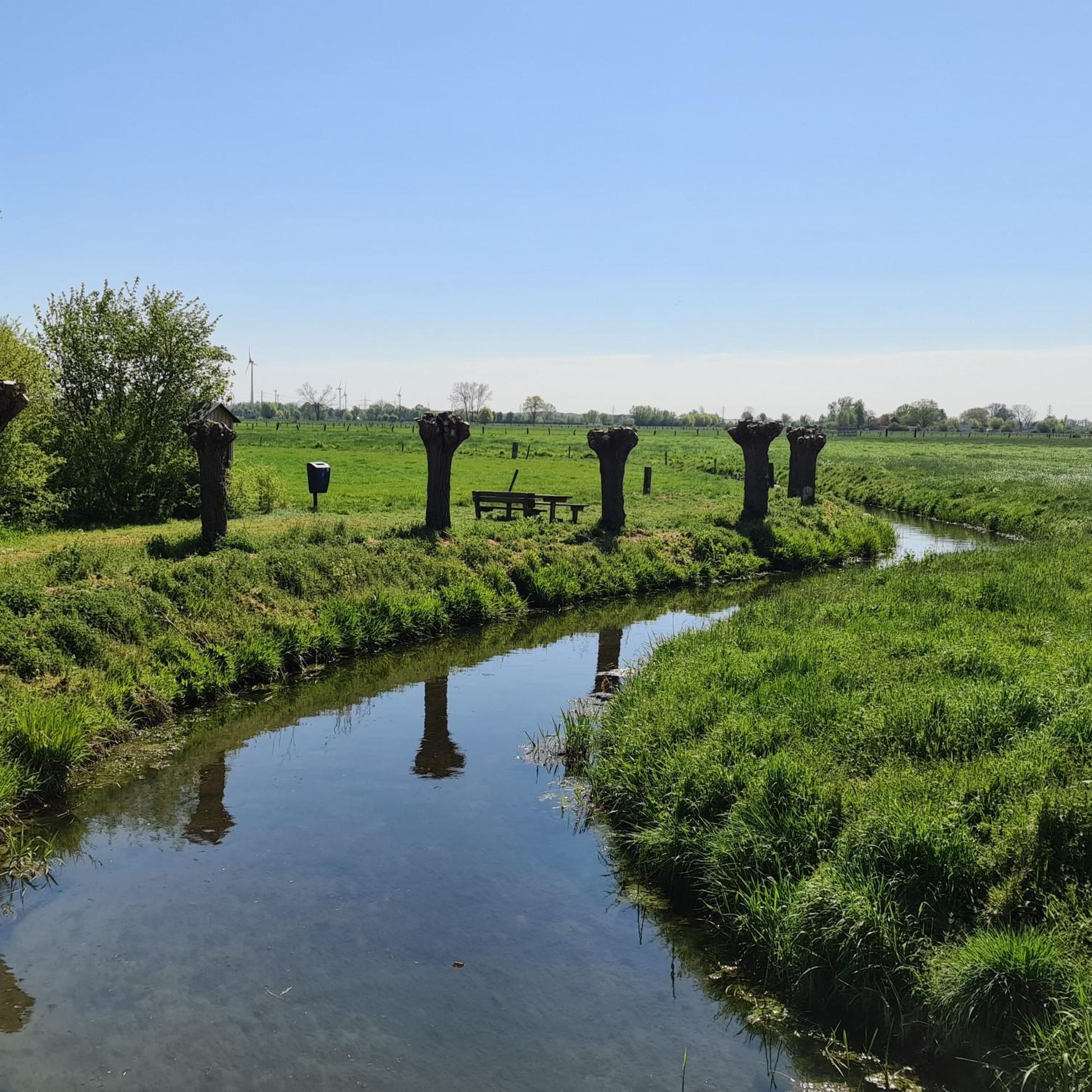
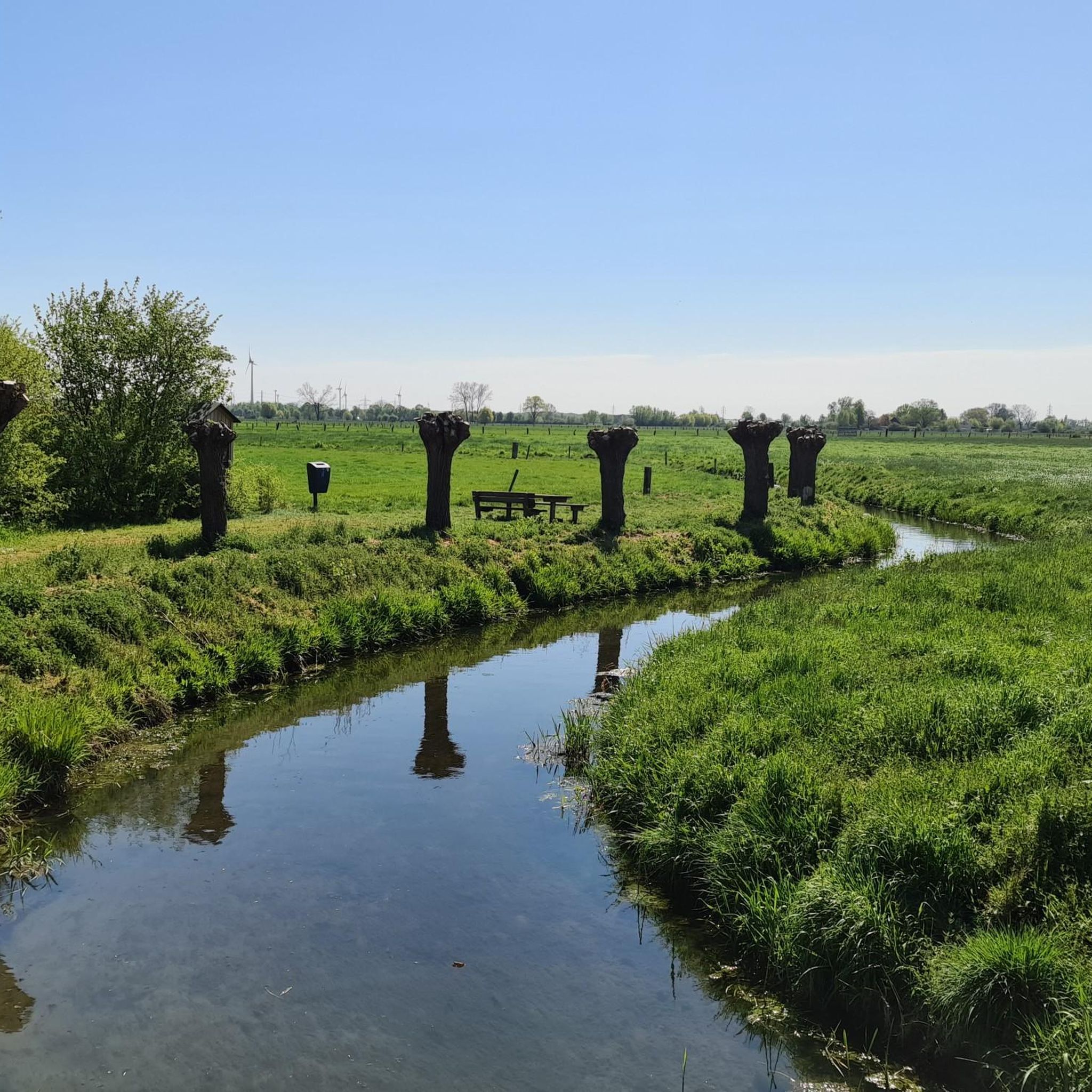
Touring cycling in Hetter-Millinger Bruch offers routes through a predominantly flat and expansive landscape, ideal for relaxed cycling. This 660-hectare nature reserve, bordering the Netherlands, is characterized by extensive wet meadows, a structured hedgerow landscape with pollard willows, and numerous drainage ditches and canals. The terrain is generally low-lying, with minimal elevation changes, making it accessible for a wide range of cyclists.
Best touring cycling routes in Hetter-Millinger Bruch
- The most popular touring cycling route is Vehlinger Windmill – Old…
Last updated: August 8, 2026
4.4
(41)
158
riders
Moderate bike ride. Good fitness required. Mostly paved surfaces. Suitable for all skill levels.
4.4
(11)
95
riders
Easy bike ride. Great for any fitness level. Mostly paved surfaces. Suitable for all skill levels.

Sign up for free
4.7
(23)
74
riders
29.4km
01:50
30m
30m
Easy bike ride. Great for any fitness level. Mostly paved surfaces. Suitable for all skill levels.
3.7
(3)
88
riders
Easy bike ride. Great for any fitness level. Mostly paved surfaces. Suitable for all skill levels.
4.8
(9)
21
riders
19.3km
01:08
20m
20m
Easy bike ride. Great for any fitness level. Mostly paved surfaces. Suitable for all skill levels.
Get access to more routes and recommendations from other explorers.
Sign up for free
Already have an account?
Our route recommendations are based on thousands of hikes, rides, and runs completed by other people on komoot.
Start today with a free account
Your next adventure awaits.
Login or Signup

Tips from the Community

There are a lot of storks to marvel at here.
2
0
Many animal species, which particularly delight children's hearts.
2
0
A nice excursion spot for the whole family.
3
0

2026: Still recommendable, this gravel strip is also doable by road bike
0
0

A beautiful path along the border - there's also a bench for resting.
2
0

VOORST GRAIN MILL In 1866, Willem Stapelbroek had a grain mill built near his farm, "Klein Immink." His son, Bernard, was the first miller. In 1899, Johannes Hermanus (Jannus) van Hal took over the mill and married Stapelbroek's heiress that same year. The mill was severely damaged in the war in 1945 and subsequently shut down. Milling continued in the adjacent barn using electrically powered millstones. After the now dilapidated mill was further damaged by a lightning strike in the 1950s, the cap and sails were removed for safety reasons. Following the establishment of the "Grain Mill Voorst" Foundation in 1999, the first steps toward restoring the mill were taken. On November 27, 2010, the restored mill was officially reopened by Trees van Hal-Knaven and Bertus van Hal, the great-grandson of Willem Stapelbroek. (Source: Information sign at the mill; www.korenmolenvoorst.nl) RESTAURANT VAN HAL The Van Hal Restaurant in Voorst (Achterhoek) was founded in 1905 as a café by Jannes van Hal next to the grain mill built in 1866. The brand became famous for its "half chickens," introduced in the early 1950s by Riek and Frans van Hal, of which more than 1 million have now been sold. A large bronze rooster sculpture stands as a symbol next to the entrance.
4
0
The name Landfort refers to a ford (a place fordable) in the Oude IJssel river. Landfort Manor was first mentioned in 1434. Since then, the size of the estate and the exterior of the buildings have changed regularly. When the Amsterdam ophthalmologist and botanist Johann Albert Luyken (1785-1867) acquired Landfort Manor in 1823, he had ambitious renovation plans. In 1825, he commissioned the renowned landscape architect Jan David Zocher Jr. (1791-1870) to design a landscaped park. The manor house itself was also redesigned, according to a plan by the Anholt court architect Johann Theodor Übbing (1786-1864), which included curved wings. J.T. Übbing also designed the oriental-style dovecote. Landfort Manor was severely damaged in 1945. In 1970, "Stichting Geldersch Landschap & Kasteelen" acquired the external site. In 2017, "Stichting Erfgoed Landfort" took over the island and the surrounding land on a long-term leasehold basis.
4
0
The island with its small country estate is called "Het Kleine Erf" (Little Erf). When the Amsterdam ophthalmologist and botanist Johann Albert Luyken (1785-1867) acquired Landfort House in 1823, he had ambitious renovation plans. In 1825, he commissioned the renowned landscape architect Jan David Zocher Jr. (1791-1870) to design a landscape park. Jan David Zocher designed the island of "Het Kleine Erf" and the entire park. Today, several old and remarkable trees from that era still stand on the island. There are winding paths, embankments, flowerbeds, flowering shrubs, and numerous surprising vistas. Het Kleine Erf is accessible via two distinctive bridges. One is the cast-iron bridge from 1873. This bridge was built at the Isselburg Ironworks in Germany and was restored in 2019 by order of the "Stichting Erfgoed Landfort" (Landfort Heritage Foundation). The monumental bridge at the head of Het Kleine Erf dates from the early 20th century and was designed by a member of the Luyken family.
6
0
Frequently Asked Questions
What is the general terrain like for touring cycling in Hetter-Millinger Bruch?
The Hetter-Millinger Bruch region is characterized by a predominantly flat and expansive landscape, making it ideal for relaxed touring cycling. There are minimal elevation changes, ensuring an accessible experience for a wide range of cyclists.
Are there many touring cycling routes available in Hetter-Millinger Bruch?
Yes, komoot lists over 670 touring cycling routes in Hetter-Millinger Bruch. These routes cater to various preferences, from easy riverside paths to longer loops through the characteristic wet meadows and hedgerow landscapes.
What kind of natural features can I expect to see while cycling in Hetter-Millinger Bruch?
Cyclists will encounter extensive wet meadows, especially vibrant during blooming seasons, and a distinctive hedgerow landscape with numerous pollard willows. The area is also crisscrossed by many drainage ditches and canals, contributing to its unique wetland ecosystem. It's also an internationally important protected area for migratory and meadow birds.
What do other touring cyclists enjoy most about cycling in Hetter-Millinger Bruch?
The area is highly rated by the komoot community, with an average score of 4.6 stars from over 6,100 reviews. Cyclists often praise the flat, accessible terrain, the scenic wet meadows, and the well-maintained paths that make for a pleasant and immersive outdoor experience.
Are there any family-friendly cycling routes in Hetter-Millinger Bruch?
Yes, many routes in Hetter-Millinger Bruch are suitable for families due to the flat terrain and well-maintained paths. For example, the Bridge over the Issel – View of Stork Nest loop from Millingen (bei Rees) is an easy 11.4 km route, perfect for a leisurely family outing.
Can I bring my dog on the cycling routes in Hetter-Millinger Bruch?
Many of the cycling routes in Hetter-Millinger Bruch are suitable for cycling with dogs, especially those on wider paths and through open landscapes. Always ensure your dog is on a leash and that you respect local wildlife, particularly in nature reserve areas known for birdlife.
What is the best time of year to go touring cycling in Hetter-Millinger Bruch?
The spring and summer months are particularly beautiful for cycling in Hetter-Millinger Bruch, when the wet meadows are in bloom and birdlife is abundant. The flat terrain and well-maintained paths also make it enjoyable in milder autumn weather. Winter cycling is possible, but be prepared for potentially wet or muddy conditions on unpaved sections.
Are there any circular cycling routes in the area?
Yes, many routes in Hetter-Millinger Bruch are designed as loops, offering convenient circular tours. An example is the Reeser Meer – View of the Rhine near Rees loop from Millingen (bei Rees), an easy 29.3 km route that brings you back to your starting point.
What kind of path surfaces can I expect on the cycling routes?
The region offers a mix of path surfaces. Many routes feature beautiful, wide pedestrian and cycle paths that are either paved or covered with gravel, making them easily usable even in varying weather conditions. Some sections might include natural paths through meadows or along waterways.
Are there any specific landmarks or points of interest along the cycling routes?
While the natural landscape is the primary attraction, routes often connect local points of interest. For instance, the Vehlinger Windmill – Old IJssel Bridge loop from Millingen (bei Rees) connects local landmarks, and the Emmerich on the Rhine Promenade – Schloss Hueth loop from Millingen (bei Rees) offers scenic views along the Rhine and past historical sites like Schloss Hueth.
How long do the touring cycling routes typically take to complete?
Route durations vary depending on distance and your cycling pace. For example, the Bocholter Aa River Path – Vehlinger Windmill loop from Millingen (bei Rees), a 26.1 km trail, typically takes about 1 hour 30 minutes, while longer routes can take 3 hours or more.
Is public transport available to access the cycling trails in Hetter-Millinger Bruch?
Information on specific public transport connections directly to trailheads is best checked with local transport providers. However, the region is generally accessible, and many routes start from towns like Millingen (bei Rees), which may have public transport links.
Most popular routes in Hetter-Millinger Bruch

Get inspired with the komoot mobile app


Explore more
Browse the best Cycling routes in other regions.
