The best gravel rides in Glastener Forst
4.7
(15)
78
riders
13
rides
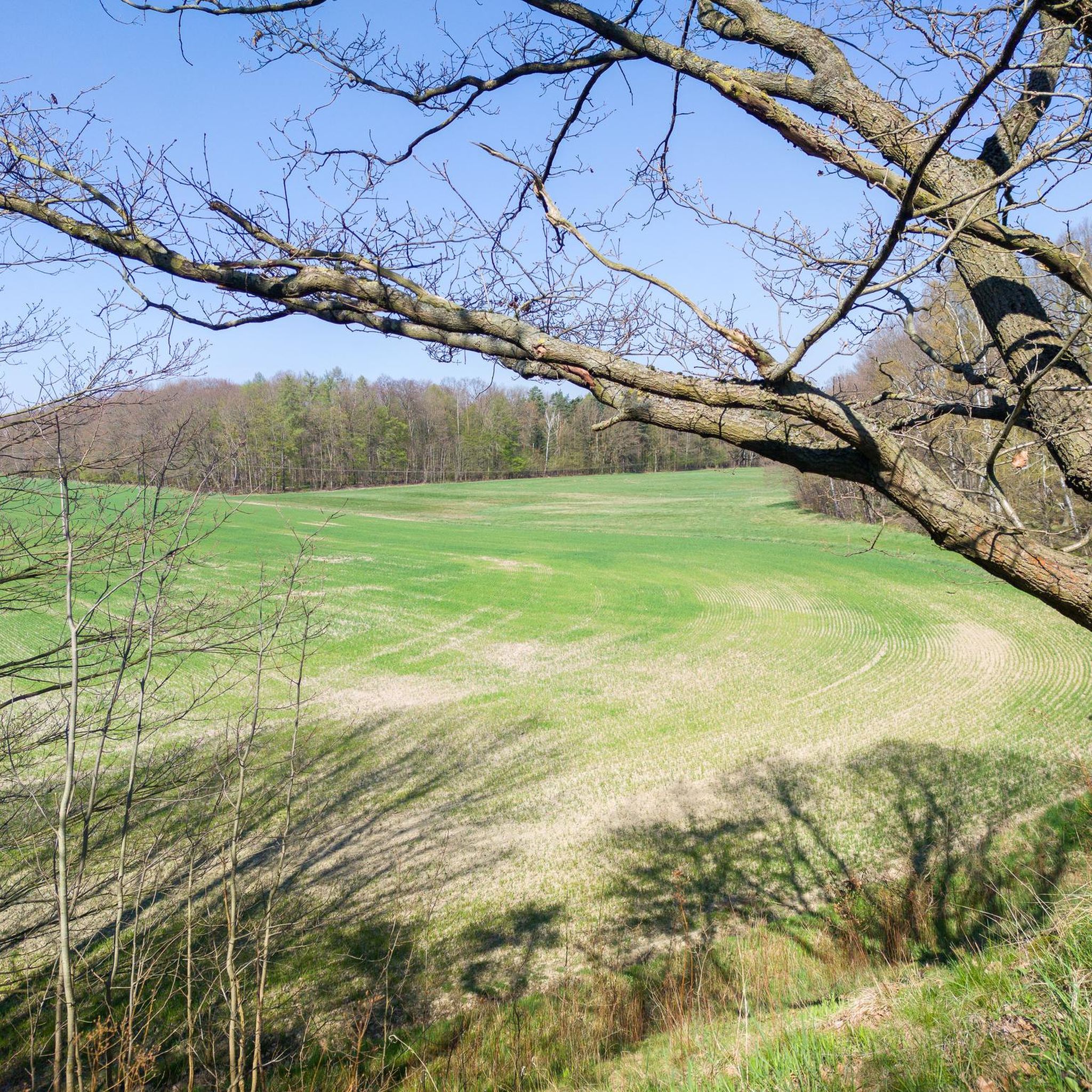
Gravel biking in Glastener Forst offers a network of trails through varied terrain, characterized by forested areas and proximity to the Mulde River. The region features routes that combine woodland paths with riverside sections. Elevation changes are generally moderate, with some routes featuring gradual climbs. The landscape provides a mix of surfaces from compacted earth to gravel paths.
Best gravel bike trails in Glastener Forst
- The most popular gravel bike trail is Mulde Cycle Path – Mulde River near Kössern…
Last updated: October 6, 2026
4.7
(6)
23
riders
25.3km
01:27
150m
150m
Moderate gravel ride. Good fitness required. Mostly paved surfaces. Suitable for all skill levels.
4.3
(3)
6
riders
26.0km
01:31
240m
240m
Moderate gravel ride. Good fitness required. Mostly paved surfaces. Suitable for all skill levels.

4.5
(2)
5
riders
26.3km
01:41
160m
160m
Moderate gravel ride. Good fitness required. Mostly paved surfaces. Suitable for all skill levels.
7
riders
Moderate gravel ride. Good fitness required. Mostly paved surfaces. Suitable for all skill levels.
5.0
(2)
18
riders
49.7km
03:04
430m
430m
Moderate gravel ride. Good fitness required. Mostly paved surfaces. Suitable for all skill levels.
Get access to more routes and recommendations from other explorers.
Already have an account?
Our route recommendations are based on thousands of hikes, rides, and runs completed by other people on komoot.
Start today with a free account
Your next adventure awaits.
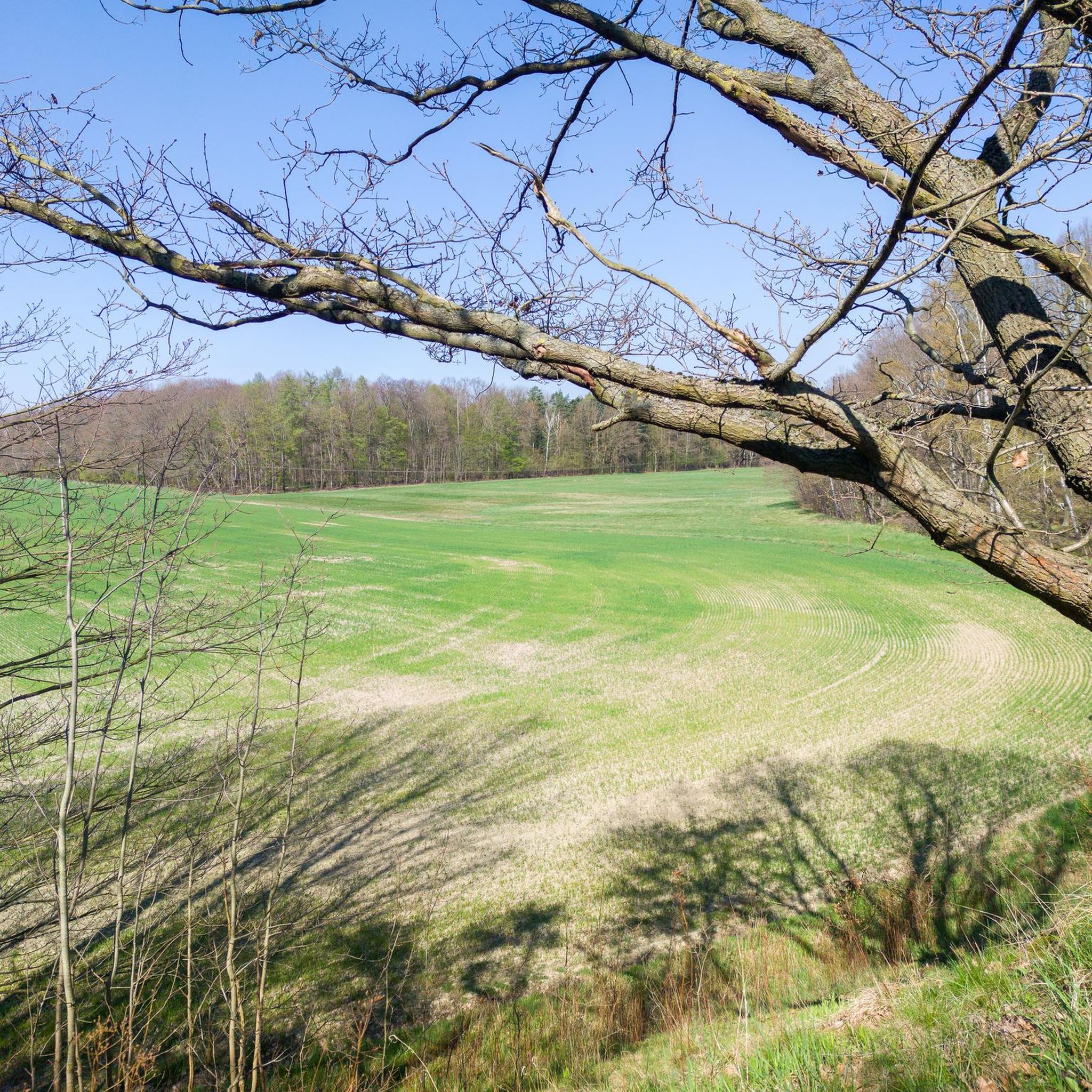
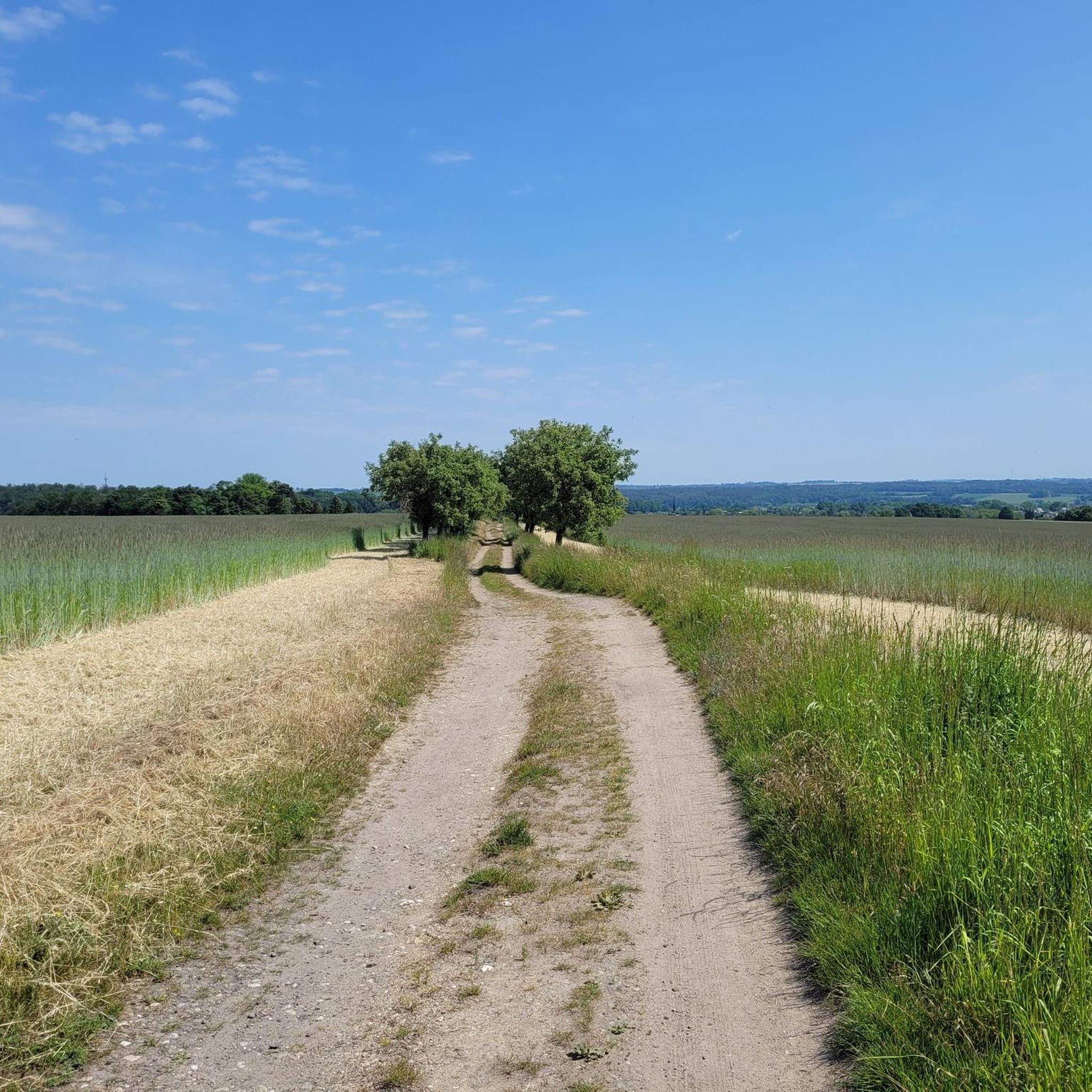
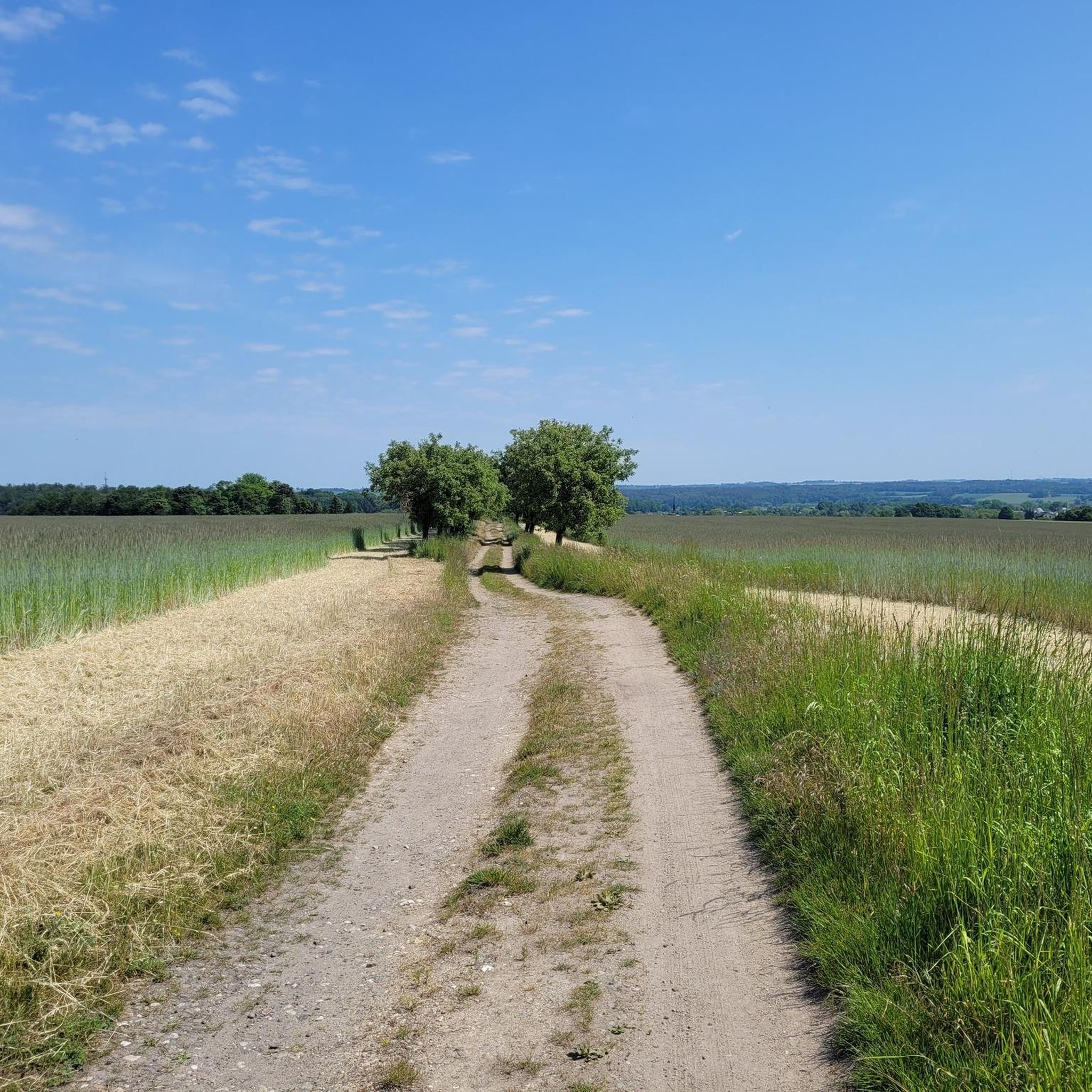
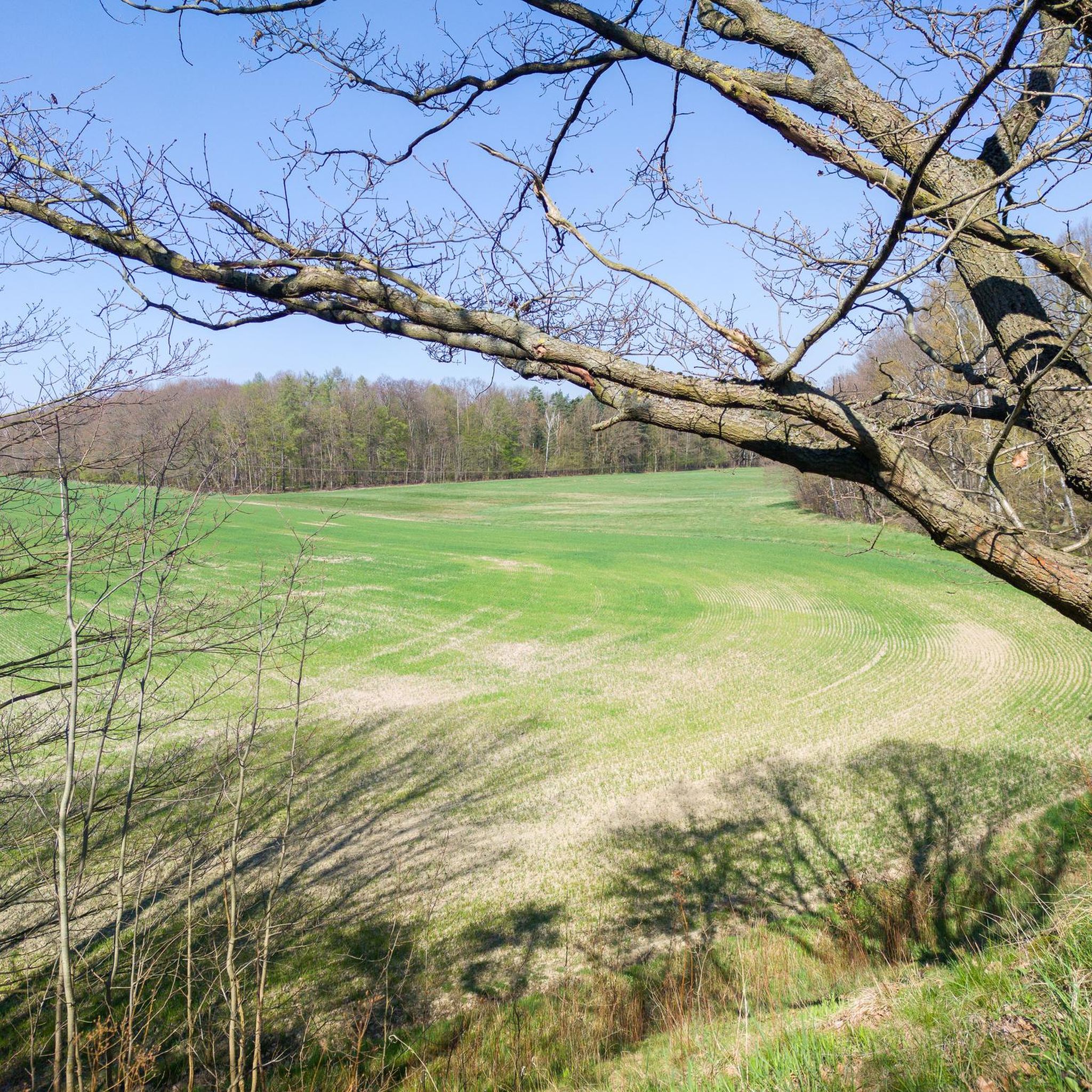
Tips from the Community

0
0

The Nimbschen Monastery (Marienthron) is a former Cistercian nunnery, located immediately south of Grimma in the Saxon district of Leipzig on the Mulde river. It existed between 1243 and 1536/42 and, after its dissolution, was part of the property of the Fürstenschule in Grimma or the St. Augustin Gymnasium in Grimma as a state school estate between 1550 and 1948. From the material of the monastery, which fell into disrepair after its dissolution, the new monastery estate was built in 1810, which is now used as a hotel. Next to the monastery, the settlement of Nimbschen was established on the neighboring Klosterholz.
0
0
The places along the Mulde are particularly threatened by floods. During the August 2002 flood, Grimma was one of the most severely affected municipalities in Saxony, with damage totaling 250 million euros. The June 2013 flood also left behind millions in damages. In 2002, the first plans for flood protection, such as those that occur statistically every 100 years, began in Grimma. In total, the Free State of Saxony and the European Union are investing around 60 million euros in flood protection. The new flood protection facility for Grimma is technically and aesthetically very demanding. The goal was to skillfully combine flood protection, monument protection, and urban development. To find a suitable construction variant, the city was rebuilt on a 1:50 scale, and the model was flooded to simulate water currents. An underground sealing wall, reaching twelve meters deep, influences the natural groundwater flow. Eight wells control groundwater communication.
0
0

The Altstadtblick (Old Town View) is one of the most beautiful panoramas in Grimma. The view from the Köhleraussicht (Charcoal Burner's View) in the city forest is particularly impressive. From there, your gaze sweeps across the Mulde river to the historic old town with its red roofs, the Renaissance town hall, the towers of the Frauenkirche (Church of Our Lady) and Grimma Castle. Those who want to explore Grimma on foot can choose the approximately two-hour tour "Grimma von oben" (Grimma from Above). It connects the most beautiful viewpoints, including Köhleraussicht, Hängebrücke (Suspension Bridge) and Tempelberg (Temple Mountain), with impressive views of the old town and the Mulde river.
4
0
The view of the suspension bridge in Grimma is one of the city's most famous photo motifs. The suspension bridge, built in 1924, spans the Mulde river for a length of 80 meters and connects the old town with the city forest. From the bridge, you can enjoy a wide view of the Mulde, the historic city silhouette, and the Gattersburg located above. Schloss Püchau, on the other hand, is located about 10 kilometers northwest of Grimma in the village of Püchau, directly on the Mulde river. The historic castle with its park is situated in a quiet river landscape and also offers beautiful views of the Mulde valley. However, it is not visible from the Grimma suspension bridge, as the two locations are several kilometers apart.
4
0

There is also a swimming area here - at your own risk!
0
0
The monastery tavern was formerly the monastery's blacksmith shop
1
0

Frequently Asked Questions
How many gravel bike trails are available in Glastener Forst?
Glastener Forst offers a diverse network of over 20 gravel bike trails. These routes cater to various skill levels, including easy, moderate, and difficult options, ensuring there's something for every rider.
Are there any beginner-friendly gravel bike routes in Glastener Forst?
Yes, Glastener Forst has several routes suitable for beginners. These trails typically feature moderate elevation changes and a mix of compacted earth and gravel paths. While specific 'easy' routes aren't highlighted in the data, many of the moderate trails, especially those along the Mulde River, are generally accessible for those new to gravel biking. Always check the route details on komoot for the most current difficulty ratings.
What are the options for advanced gravel bikers in Glastener Forst?
Experienced gravel bikers can challenge themselves on more difficult routes in Glastener Forst. For instance, the Mulde Cycle Path – Grimma Suspension Bridge loop from Grimma oberer Bahnhof is a challenging 61 km (37.9 mi) trail with significant elevation gain, offering a longer and more demanding ride through varied terrain.
What is the typical length of gravel bike trails in Glastener Forst?
The gravel bike trails in Glastener Forst vary in length. Many popular routes are around 25-26 km (15-16 mi) long, such as the Mulde Cycle Path – Mulde River near Kössern loop from Großbardau. However, you can also find longer, more challenging options like the 61 km (37.9 mi) difficult route mentioned above.
Are there any family-friendly gravel biking routes in Glastener Forst?
Glastener Forst offers routes that are suitable for families, particularly those with moderate difficulty and less steep climbs. Trails that follow the Mulde River, with their generally flatter profiles and scenic views, are often a good choice for family outings. Always review the route's elevation profile and surface type on komoot to ensure it matches your family's comfort level.
What kind of viewpoints or scenic spots can I expect along the gravel routes?
The gravel routes in Glastener Forst often provide scenic views, especially along the Mulde River and through dense woodlands. You can find highlights like the Scenic Cycle Route Between Glasten and Großbothen and the Winding forest road between Großbardau and Großbothen, which offer picturesque sections. Many routes also pass through charming old towns, providing historical points of interest.
Are there any circular gravel bike routes in Glastener Forst?
Yes, many of the gravel bike trails in Glastener Forst are designed as circular routes, allowing you to start and end at the same point. Examples include the popular Mulde Cycle Path – Mulde River near Kössern loop from Grimma and the Grimma Suspension Bridge – Old Town View loop from Grimma oberer Bahnhof, both offering convenient loop options.
What is the best time of year for gravel biking in Glastener Forst?
Gravel biking in Glastener Forst is enjoyable throughout much of the year. Spring and autumn offer pleasant temperatures and beautiful scenery with changing foliage. Summer is also popular, though some forest sections can be humid. Winter riding is possible, but be prepared for potentially muddy or icy conditions, especially on less-maintained paths.
What are the typical trail conditions for gravel biking in Glastener Forst?
The trails in Glastener Forst feature a mix of surfaces, including compacted earth, gravel paths, and some paved sections, particularly along the Mulde Cycle Path. The forested areas provide natural, unpaved surfaces. Conditions can vary with weather; expect some mud after rain, especially in woodland sections.
Are there cafes or places to stop for refreshments along the gravel routes?
While specific cafes aren't listed directly on the routes, many trails pass through or near towns like Grimma and Großbardau. These towns offer opportunities to find cafes, restaurants, or shops for refreshments and breaks. It's always a good idea to plan your stops in advance or carry sufficient supplies.
What do other gravel bikers enjoy most about Glastener Forst?
The komoot community highly rates gravel biking in Glastener Forst, with an average score of 4.9 stars from over 20 reviews. Riders often praise the varied terrain, combining riverside paths with dense woodlands, and the well-maintained gravel surfaces. The region's natural beauty and the availability of routes for different skill levels are frequently highlighted.
Is there public transport access to the gravel biking trails in Glastener Forst?
Access to the gravel biking trails in Glastener Forst is possible via public transport, particularly to towns like Grimma. Grimma has a train station (Grimma oberer Bahnhof) which serves as a convenient starting point for several routes, including the Mulderadweg Riverside Path – Old Town View loop from Grimma oberer Bahnhof. Check local train and bus schedules for the best connections.
Most popular routes in Glastener Forst
Most popular attractions in Glastener Forst

Get inspired with the komoot mobile app


Explore more
Browse the best Gravel rides in other regions.
