The best gravel rides around Osieck
4.8
(24)
77
riders
14
rides
Gravel biking around Osieck offers a network of trails through varied terrain, characterized by woodlands, river valleys, and open landscapes. The region features gentle elevation changes, with most climbs under 200 meters, making it accessible for different skill levels. These routes often traverse natural reserves and rural areas, providing a mix of surfaces suitable for gravel bikes.
Best gravel bike trails around Osieck
- The most popular gravel bike trail is Czarny Dół Nature Reserve – Devil's Hollow Peat Lake loop…
Last updated: July 17, 2026
5.0
(2)
12
riders
85.4km
05:19
240m
240m
Hard gravel ride. Very good fitness required. You may need to push your bike for some segments of this route.
5.0
(1)
9
riders
45.6km
02:58
120m
120m
Moderate gravel ride. Good fitness required. Mostly paved surfaces. Suitable for all skill levels.

Sign up for free
4.6
(10)
22
riders
24.7km
01:35
80m
80m
Easy gravel ride. Great for any fitness level. Mostly paved surfaces. Suitable for all skill levels.
4.6
(10)
22
riders
20.9km
01:22
70m
70m
Easy gravel ride. Great for any fitness level. Mostly paved surfaces. Suitable for all skill levels.
5.0
(1)
8
riders
27.5km
01:43
80m
80m
Easy gravel ride. Great for any fitness level. Mostly paved surfaces. Suitable for all skill levels.
Get access to more routes and recommendations from other explorers.
Sign up for free
Already have an account?
Our route recommendations are based on thousands of hikes, rides, and runs completed by other people on komoot.
Start today with a free account
Your next adventure awaits.
Login or Signup
Tips from the Community

As we read on the information board, the shrine was erected in 2004 on the initiative of the residents of Karczew, and the wooden figure was consecrated on November 17, 2004. For over twenty years, the sculpture has welcomed walkers, cyclists, and all forest lovers, becoming a place for reflection, silent prayer, and contemplation. This representation holds a special place in Polish tradition. Chrystus Frasobliwy (the Sorrowful Christ) was one of the most frequently repeated motifs in roadside shrines. It is in such simple, forest and field corners that one can most strongly see how spirituality, folk art, and landscape have intertwined over the centuries into a single story. The author of the sculpture is Stefan Lisowski (1928–2010) – an artist and sculptor, also associated with Mazovia. According to the board, he was the initiator of the "Roadside Shrine" series of works and wanted to restore the motif of the wooden shrine to the Mazovian landscape. The Karczew figure is one such work – made from a single piece of wood.
1
0
Railway station located in Celestynów in the municipality of Celestynów. The station is located on the Vistula railway line from Warsaw East to Dorohusk (railway line No. 7). In the area of the station, there is a historic building with a ticket office and waiting room of Koleje Mazowieckie. In the area of the station, there is also the Celestynów (Cl) signal box building.
1
0
Łowisko Całowanie is a popular fish pond complex located directly on the edge of the Całowanie Marsh (Mazovian Landscape Park), about 40 km southeast of the center of Warsaw. It is an excellent place for both anglers and those seeking an escape into nature.
1
0
Obelisk commemorating afforestation actions 1931-1934
0
0
As we read on the information board, the shrine was erected in 2004 on the initiative of the residents of Karczew, and the wooden figure was consecrated on November 17, 2004. For over twenty years, the sculpture has welcomed walkers, cyclists, and all forest lovers, becoming a place for reflection, quiet prayer, and contemplation. This representation holds a special place in Polish tradition. Christ the Sorrowful was one of the most frequently recurring motifs in roadside shrines. It is in such simple, forest and field nooks that one can most strongly see how spirituality, folk art, and landscape have intertwined over the centuries into a single narrative. The author of the sculpture is Stefan Lisowski (1928–2010) - an artist and sculptor, also associated with Mazovia. According to the board, he was the initiator of the "Roadside Shrine" series of works and wanted to restore the motif of the wooden shrine to the Mazovian landscape. The Karczew figure is one such work - made from a single piece of wood. This is one of those places that one can pass by without knowing its history. Yet, it holds local memory, beautiful tradition, and the trace of a person who wanted to leave something lasting behind.
1
0
Jewish cemetery in Karczew-Anielin (colloquially called the cemetery in Anielin) to distinguish it from the actual cemetery in Karczew) – a cemetery founded in the 19th century. During World War II, it was devastated by the Germans, but on an area of 1.7 hectares, about 900 matzevot have been preserved. Jews permanently residing in Otwock were usually buried in the cemetery in Karczew, and those who were patients of Otwock hospitals and sanatoriums – in the cemetery in Karczew-Anielin. Among others, the writer Urke Nachalnik, shot by the Germans in October 1939, was buried in the cemetery, but the exact location of his grave is unknown. During the PRL period, many tombstones were destroyed, graves were plundered, and a high-voltage line was run through the cemetery. In recent years, the Social Committee for the Memory of Jews from Otwock and Karczew has been carrying out cleanup work on the cemetery grounds. In August 2007, heavy boulders began to be laid along the cemetery borders. This made it possible to fence off half of its area.
1
0
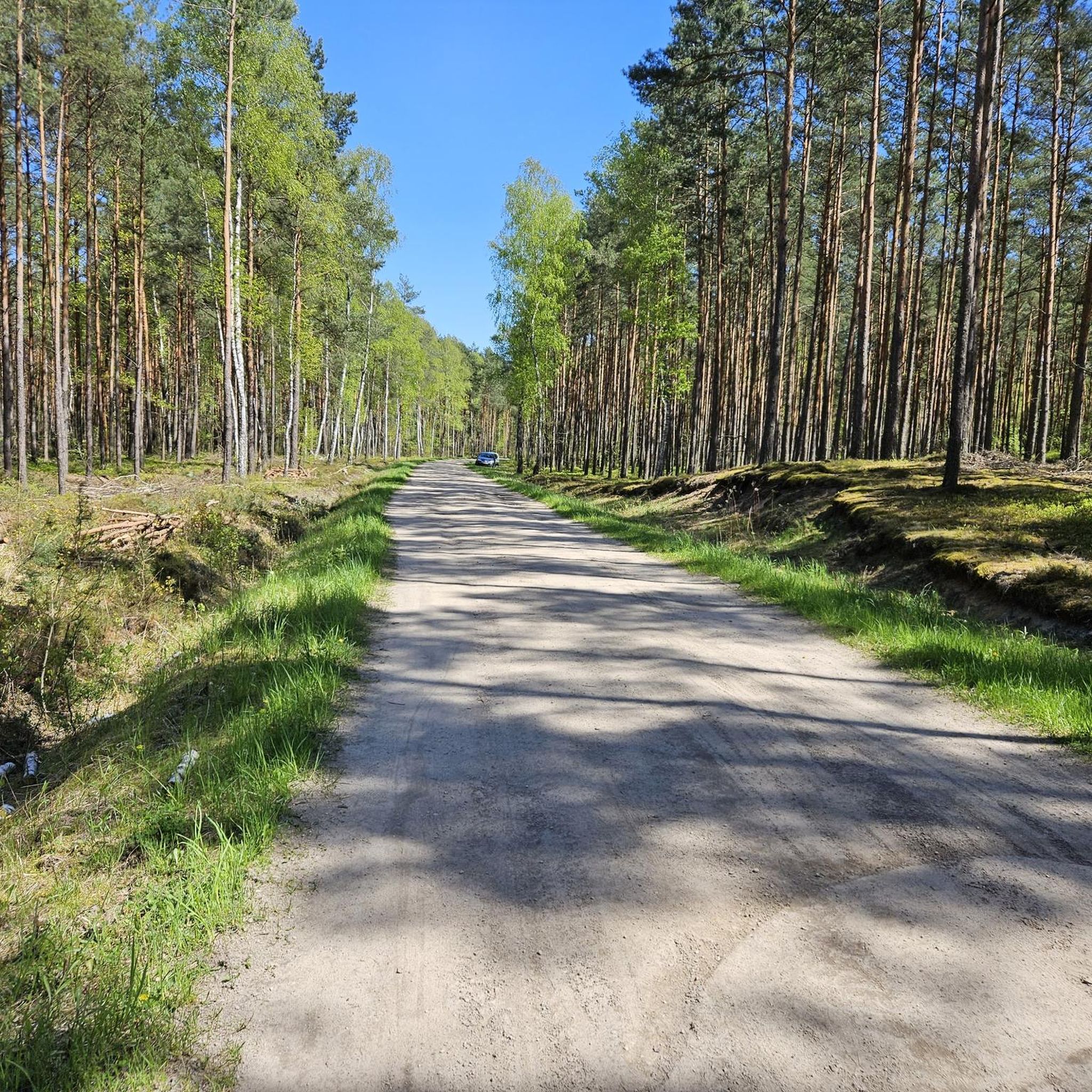
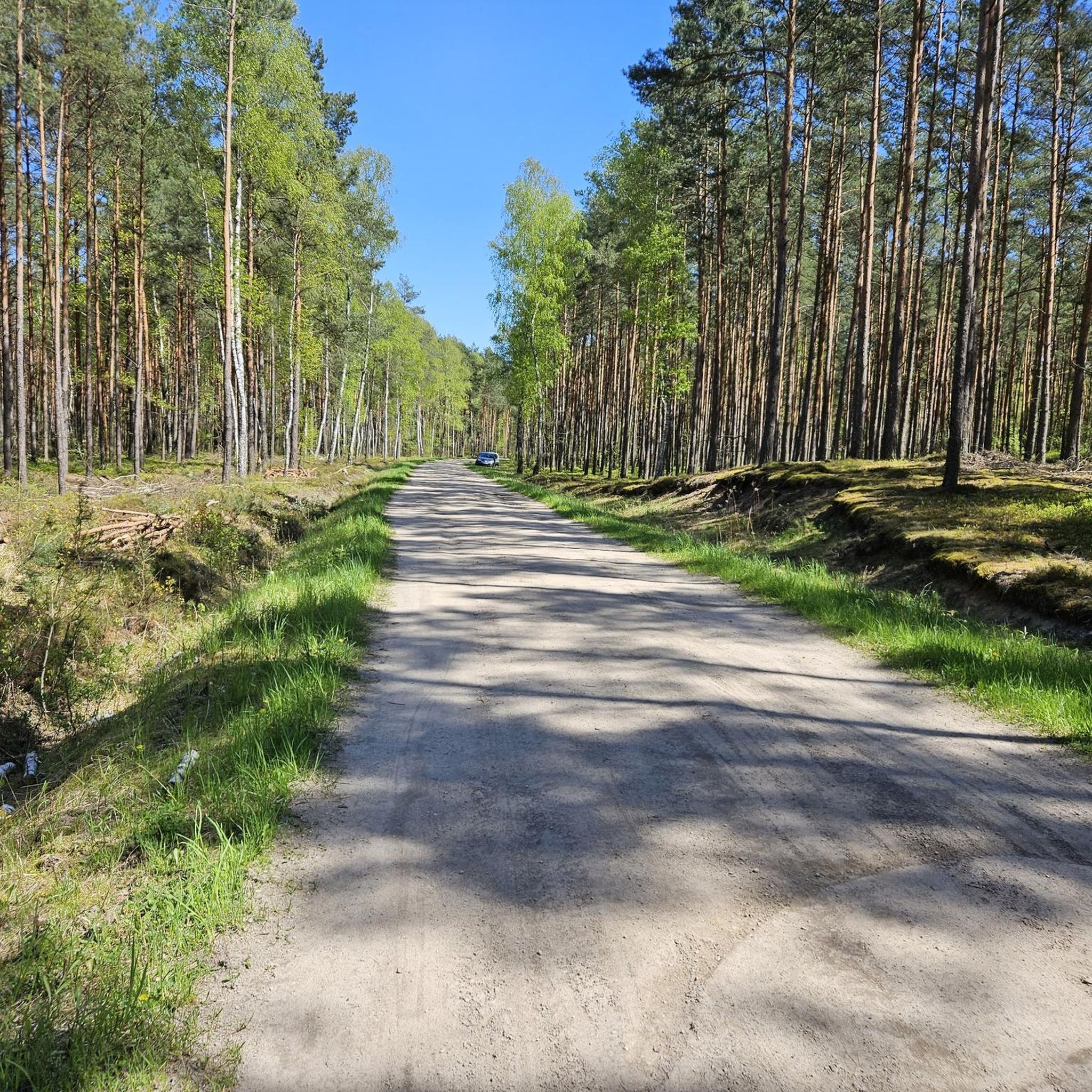
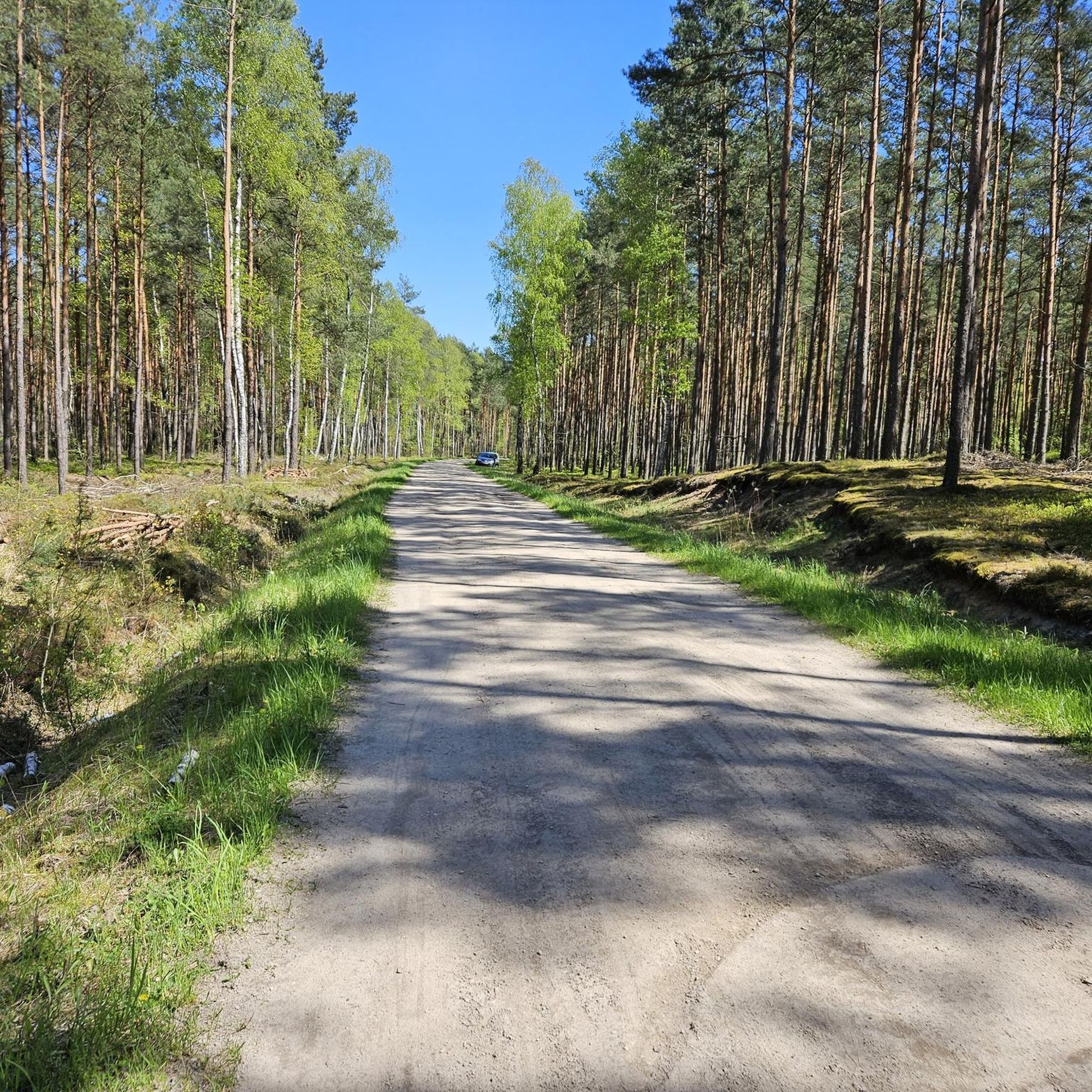
Otherworldly red gravel road, ideal for gravel
1
0
The bunkers in Dąbrowiecka Górka are among the best-preserved military objects from World War I and II in the Masovian Landscape Park. Additionally, they belong to the fortifications trail of the Warsaw Bridgehead 1915-1944.
1
0
Frequently Asked Questions
What types of gravel bike trails can I expect around Osieck?
Gravel biking around Osieck offers a diverse network of trails through woodlands, river valleys, and open landscapes. You'll find routes with gentle elevation changes, mostly under 200 meters, suitable for various skill levels. Many paths traverse natural reserves and rural areas, providing a mix of surfaces ideal for gravel bikes.
Are there easy gravel bike routes suitable for beginners or families in Osieck?
Yes, Osieck has several easy gravel bike routes perfect for beginners or families. An excellent option is the Christ at Rest Wayside Shrine – Bunkers on Dąbrowiecka Góra loop from Celestynów, which is 24.8 km long and takes about 1 hour 36 minutes. Another easy choice is the Christ at Rest Wayside Shrine – Beautiful red gravel loop from Otwock County, a shorter 13.2 km route.
Are there any longer or more challenging gravel bike trails in the Osieck area?
For those seeking a more challenging ride, the Czarny Dół Nature Reserve – Devil's Hollow Peat Lake loop from Gózd is a difficult route spanning 84.9 km and typically takes around 6 hours 35 minutes to complete. It features a mix of forest paths and open sections, offering a demanding experience.
What are the typical durations for gravel bike tours around Osieck?
Gravel bike tours around Osieck vary in duration depending on the route and your pace. Easy routes like the Christ at Rest Wayside Shrine – Bunkers on Dąbrowiecka Góra loop from Celestynów can be completed in about 1 hour 36 minutes. Moderate routes, such as the Świder River Bridge loop from Celestynów, take around 3 hours. Longer, more difficult routes can extend to over 6 hours.
Are there any circular gravel bike routes available in Osieck?
Yes, many gravel bike routes in Osieck are designed as loops, allowing you to start and end at the same point. Examples include the Świder River Bridge loop from Celestynów, the Christ at Rest Wayside Shrine – Bunkers on Dąbrowiecka Góra loop from Celestynów, and the Celestynów Railway Station – Abram Gurewicz Guesthouse loop from Celestynów.
What kind of natural attractions can I see along the gravel bike trails near Osieck?
The gravel bike trails around Osieck often pass through areas rich in natural beauty. You can explore natural monuments like the Czarny Dół Nature Reserve and the Bagno Bocianowskie Nature Reserve. Many routes also feature picturesque lakes such as Turtle Pond and Czarne Jeziorka.
What do other gravel bikers enjoy most about the trails in Osieck?
The gravel biking experience in Osieck is highly rated by the komoot community, with an average score of 4.9 stars from nearly 20 reviews. Riders often praise the varied terrain, which includes river valleys, dense woodlands, and open rural paths, as well as the options available for different ability levels.
Are there any trails that follow riverbanks or offer scenic water views?
Yes, the Świder River Bridge loop from Celestynów is a popular moderate route that follows the Świder River, providing scenic views along its banks. The region's character is defined by its river valleys, making water features a common and enjoyable part of many rides.
How many gravel bike routes are available in the Osieck region?
There are over 19 gravel bike routes available around Osieck, offering a wide range of options for different skill levels and preferences. This includes 10 easy, 7 moderate, and 2 difficult routes.
What is the best time of year for gravel biking in Osieck?
While specific seasonal recommendations depend on local weather, generally spring and autumn offer the most pleasant conditions for gravel biking in Osieck, with milder temperatures and beautiful natural scenery. Summer can be good, but be prepared for potentially warmer weather. Winter riding is possible but may involve colder temperatures and potentially snow or ice on trails.
Are there any historical sites or landmarks along the gravel bike routes?
Yes, some routes incorporate historical elements. For instance, the Christ at Rest Wayside Shrine – Bunkers on Dąbrowiecka Góra loop from Celestynów leads through forested areas and past historical sites, including bunkers. You might also encounter various wayside shrines and other local landmarks.
Most popular attractions around Osieck

Get inspired with the komoot mobile app


Explore more
Browse the best Gravel rides in other regions.
