The best cycling routes around Osieck
4.6
(272)
1,320
riders
204
rides
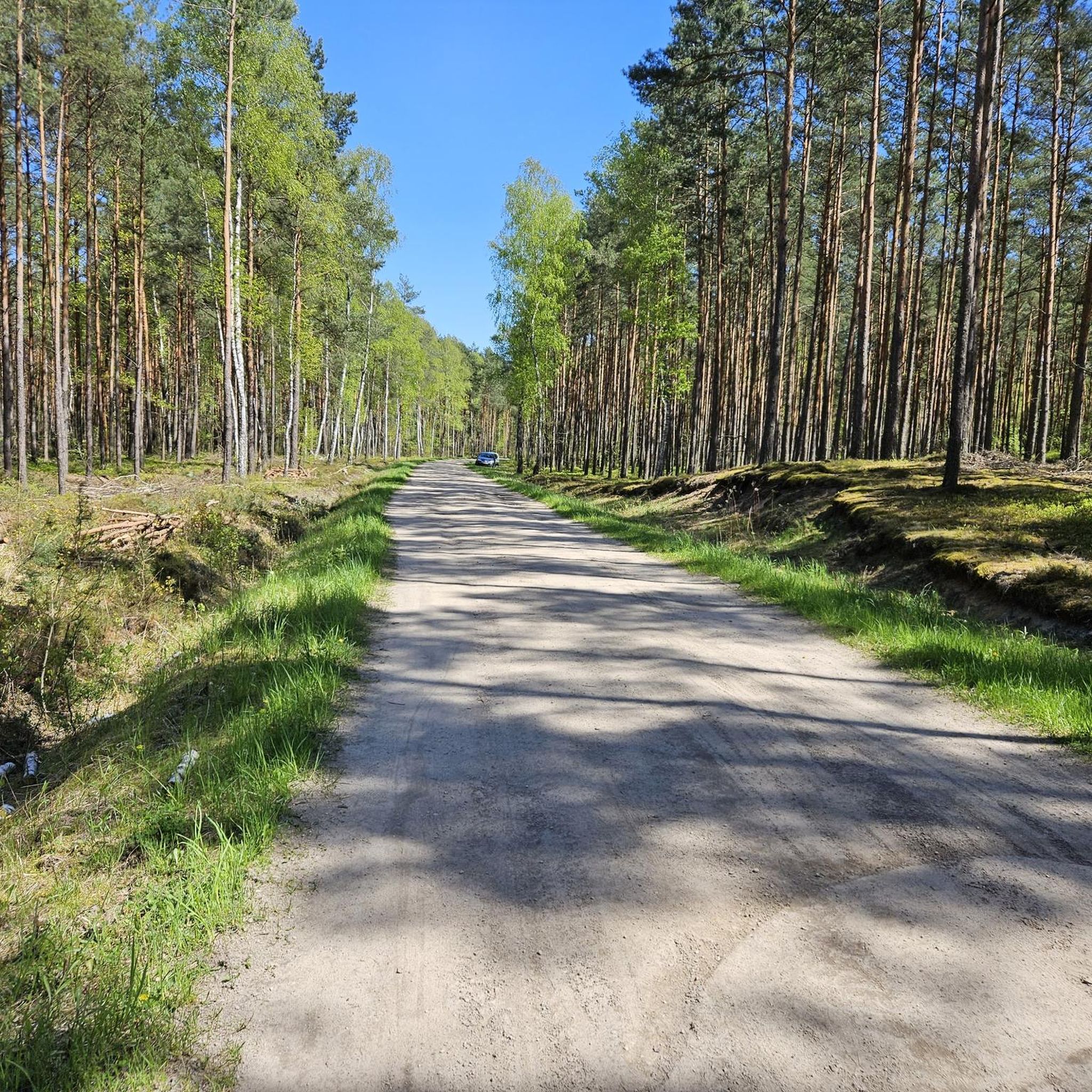
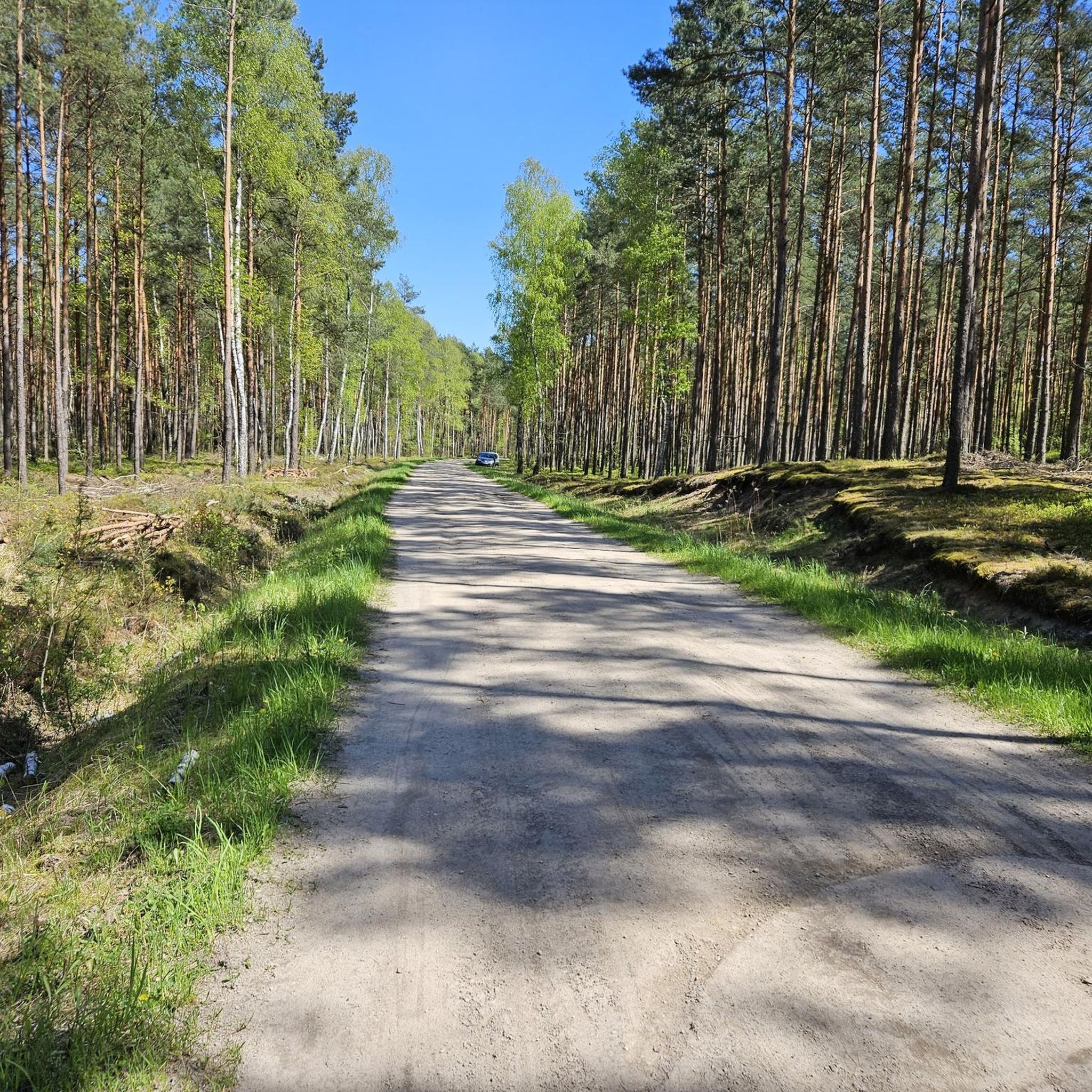
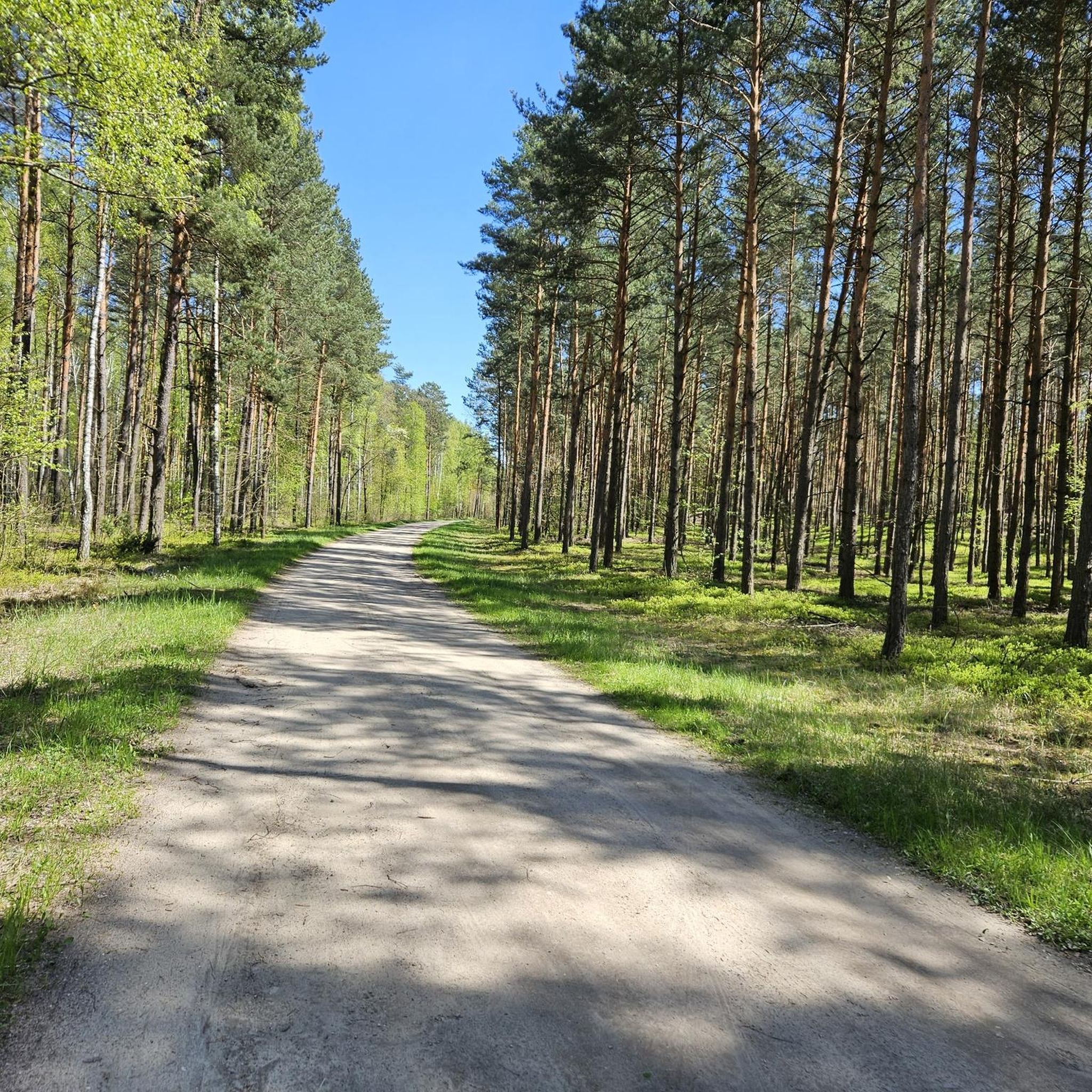
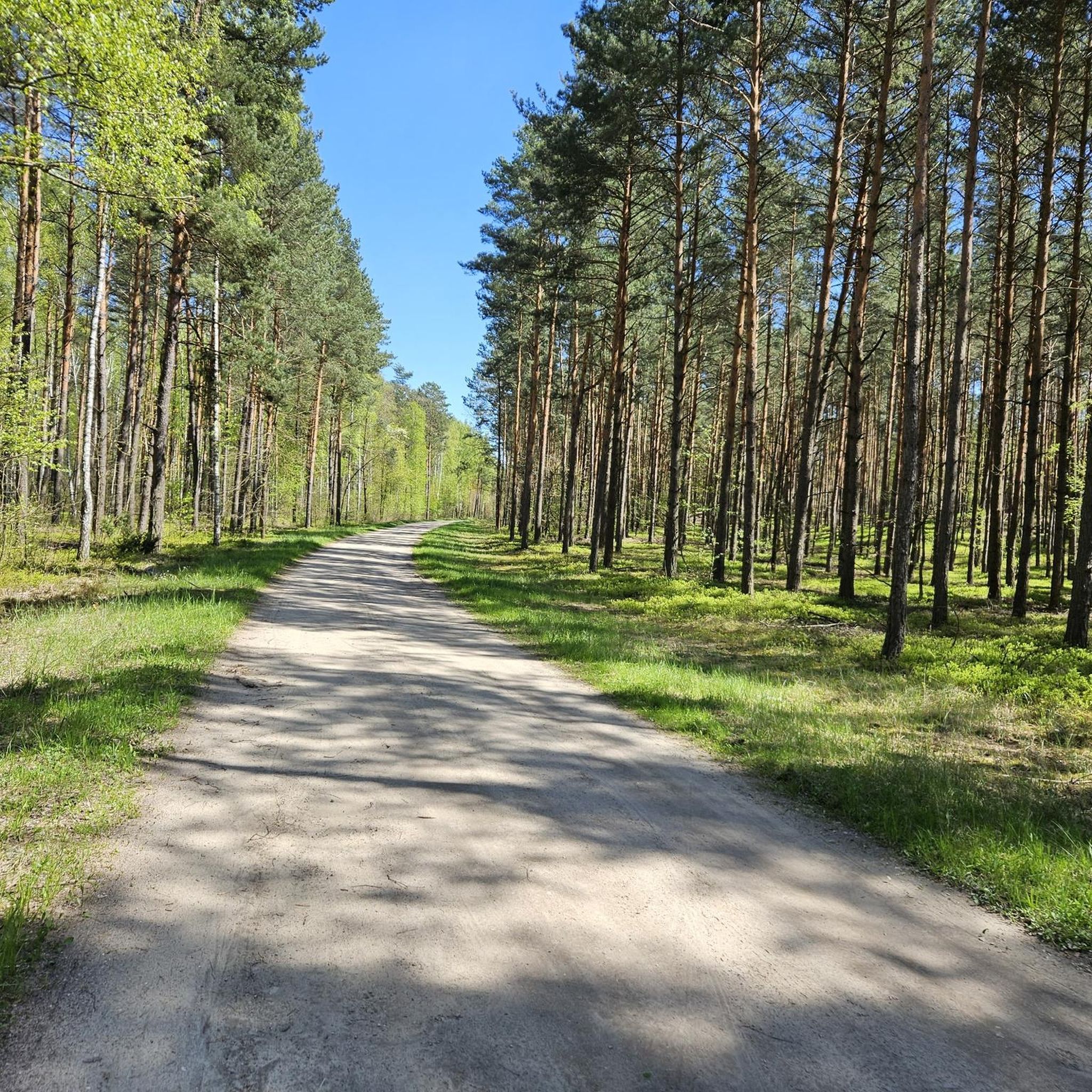
Touring cycling around Osieck offers routes through a landscape characterized by significant forested areas, primarily consisting of pine and oak trees. The region features the Vistula River, which provides scenic vistas, particularly near the Castle of the Masovian Dukes in Czersk. Over 20% of the area is covered by forests, creating numerous opportunities for cycling through natural settings. The terrain includes gentle elevations suitable for various touring cycling routes.
Best touring cycling routes around Osieck
- The most popular touring cycling…
Last updated: September 27, 2026
9
riders
31.1km
02:43
170m
170m
Hard bike ride. Good fitness required. You may need to push your bike for some segments of this route.
5.0
(1)
5
riders
50.1km
03:16
150m
150m
Moderate bike ride. Good fitness required. Mostly paved surfaces. Suitable for all skill levels.

4
riders
Moderate bike ride. Good fitness required. Mostly paved surfaces. Suitable for all skill levels.
3
riders
17.6km
01:30
80m
80m
Easy bike ride. Great for any fitness level. Mostly paved surfaces. Suitable for all skill levels.
1
riders
16.8km
01:13
50m
50m
Easy bike ride. Great for any fitness level. Mostly paved surfaces. Suitable for all skill levels.
Get access to more routes and recommendations from other explorers.
Already have an account?
Our route recommendations are based on thousands of hikes, rides, and runs completed by other people on komoot.
Start today with a free account
Your next adventure awaits.

Tips from the Community


The Forest Education Centre in Celestynów is one of the largest forest education centers in Poland. The complex includes the main center building with an exhibition and conference room, a campsite, a canteen, and a shelter for 70 people. The facility is owned by State Forests.
1
0
The brickyard in Radzin was established around 1850 as part of the local manor. Initially, bricks were produced solely for the manor's needs, but over time the plant expanded its operations – residents of the surrounding villages began to buy bricks. In 1928, the characteristic brick chimney, towering over the trees, was erected, which dominated the area for years. Residential barracks for workers and their families were also built at the plant. The construction of the massive structures, especially between 1890 and 1930, was a laborious process involving the precise manual laying of hundreds of bricks, layer by layer, on increasingly higher wooden scaffolding. Specialist bricklayers, often risking their lives without adequate safety measures, ensured the perfect verticality and roundness of the structure, using lime mortar and occasionally steel hoops for increased stability. Such height was not an architect's whim – it was a key technological element, ensuring a strong, natural draft necessary for efficient combustion in brick kilns and for dispersing smoke and pollutants far from the plant, which, in the understanding of the time, was intended to protect the environment and human health in the immediate vicinity. The brickyard operated successfully until the tragic December of 1939, when history added a tragic chapter to its story. During the German occupation, in December 1939, an attack occurred in Celestynów on the home of the German Zommer family. In response, German gendarmes carried out a brutal reprisal. It was assumed that the perpetrators of the attack were residents of the settlement near the brickyard. 18 men were arrested (many of them former employees of the plant). The detainees were gathered near the train station. As we read in the memoirs of Władysław Święch, "among them was also Father Banasiewicz". Mrs. Zdziechowska, a resident of Celestynów and German by birth, who knew the priest, attempted to secure his release. In a dramatic gesture, she threw herself at the feet of a German officer, begging for mercy. Her desperate pleas were successful, as the priest was released, but the other men were led into the forest along Osiecka Street, where an execution took place. After this tragedy, the brickyard never resumed its operations.
1
0
Railway station located in Celestynów in the municipality of Celestynów. The station is located on the Vistula railway line from Warsaw East to Dorohusk (railway line No. 7). In the area of the station, there is a historic building with a ticket office and waiting room of Koleje Mazowieckie. In the area of the station, there is also the Celestynów (Cl) signal box building.
1
0
The footbridge on Goździkowy Swamp in Mazowiecki Landscape Park (near Celestynów and Otwock) is a picturesque, wooden route about 300 meters long, ideal for a short, relaxing walk.
2
0

the tree from the photos is not "that" linden tree (which can also be ascertained by comparing with photos from the blog). the correct object is located about 300-400 meters northeast of the marked spot - the easiest way to reach it is by driving south along Turystyczna street from Reguta, turning right after the small bridge onto an unmarked path. edit: location updated
0
0

Established in 1984 to protect peat bogs.
0
0
Jezioro Żółw (Regut, gmina Celestynów) Quiet, forest lake in the Mazovian Landscape Park, surrounded by peat bogs and forest. The name supposedly comes from the shape of the reservoir resembling a turtle. Currently dried up.
1
0
Frequently Asked Questions
How many touring cycling routes are available around Osieck?
There are nearly 200 touring cycling routes in the Osieck area. The majority, over 130, are rated as easy, with a good selection of moderate and difficult routes also available for more experienced cyclists.
What kind of terrain can I expect on touring cycling routes near Osieck?
The terrain around Osieck is characterized by significant forested areas, primarily pine and oak, covering over 20% of the region. You'll find routes with gentle elevations and scenic vistas, especially near the Vistula River. The area offers a mix of paved and unpaved segments, suitable for various touring cycling preferences.
Are there any family-friendly touring cycling routes in Osieck?
Yes, Osieck offers many easy routes suitable for families. For a pleasant and relaxed outing, consider the Playground – Wild Apple Tree loop from Pilawa. This 12.3-mile (19.8 km) path provides a gentle ride through local landscapes.
What are some notable natural features or viewpoints I can see while cycling?
While cycling, you can enjoy the extensive forests of pine and oak trees. The Vistula River is a prominent natural feature, offering scenic vistas, particularly from the hill overlooking the Castle of the Masovian Dukes in Czersk. You might also encounter highlights like Turtle Pond or the Czarny Dół Nature Reserve.
Are there any historical sites or attractions along the cycling routes?
Yes, the region is rich in historical sites. The impressive 14th-century ruins of the Castle of the Masovian Dukes in Czersk are a significant landmark. You can also explore the Dąbrowiecka Góra Fortified Skansen, which features a renovated bunker.
Are there any circular touring cycling routes in the area?
Many routes around Osieck are designed as loops, allowing you to start and end at the same point. An example is the Kołbiel railway station (PKP) – Celestynów Railway Station loop from Chrosna, which is 12.1 miles (19.5 km) long and leads through varied landscapes.
Where can I find refreshments or a break during my ride?
The Góra Café is known for its cycling-friendly atmosphere and offers a pleasant stop for refreshments, coffee, and cheesecake, catering specifically to touring cyclists.
What do other touring cyclists enjoy most about cycling in Osieck?
The area is highly rated by the komoot community, with an average score of 4.6 stars from over 200 reviews. Over 1000 touring cyclists have explored Osieck's varied terrain, often praising the extensive forests, the scenic Vistula River, and the diverse range of routes catering to different ability levels.
What is a good route for a more challenging touring cycling experience?
For a more challenging ride through varied natural scenery, consider the Turtle Pond – Beautiful tree! loop from Zabieżki. This route is 21.5 miles (34.7 km) long and is rated as difficult, offering a rewarding experience for advanced cyclists.
Is it possible to access touring cycling routes using public transport?
Yes, some routes are accessible via public transport. For instance, the Kołbiel railway station (PKP) – Celestynów Railway Station loop from Chrosna starts near railway stations, making it convenient for those arriving by train.
Are there any shorter, easy routes for a quick ride?
Absolutely. If you're looking for a shorter, easy ride, the Park Pond in Pilawa – New asphalt on DW 805 loop from Pilawa is an excellent choice. It's only 5.4 miles (8.8 km) long and offers a gentle cycling experience.
Most popular attractions around Osieck

Get inspired with the komoot mobile app


Explore more
Browse the best Cycling routes in other regions.
