The best gravel rides around Nazaré
3.3
(3)
14
riders
6
rides
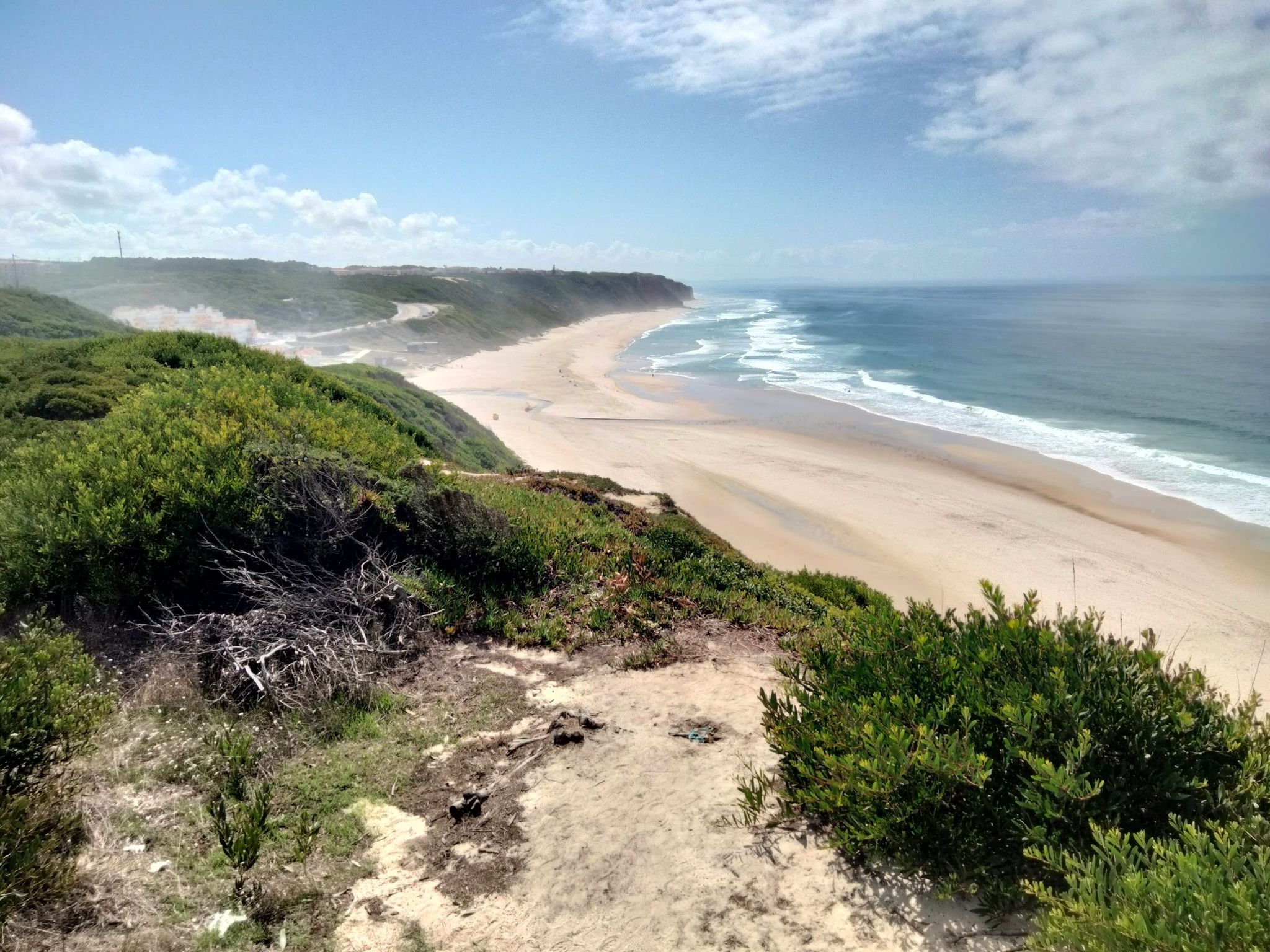
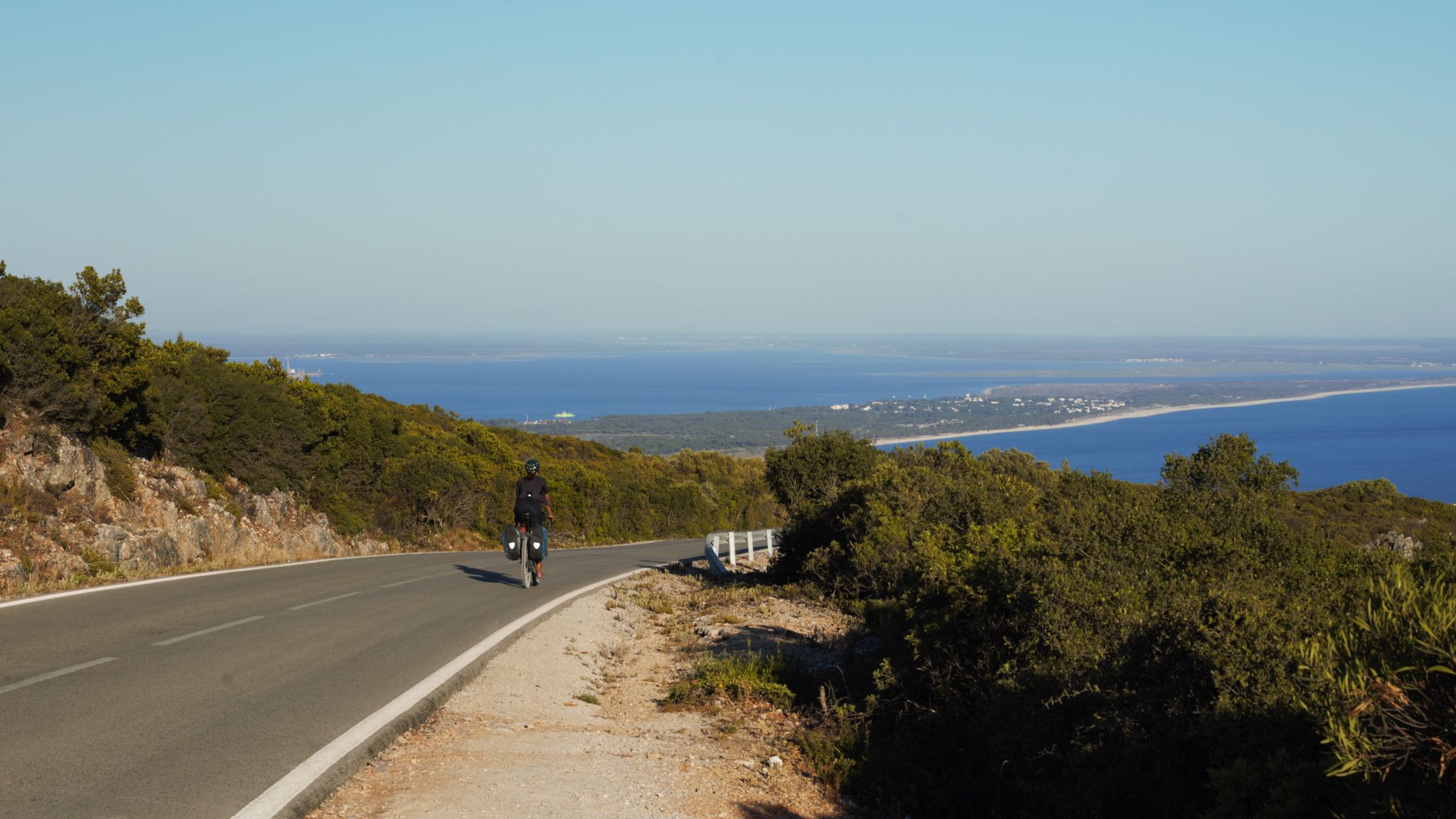
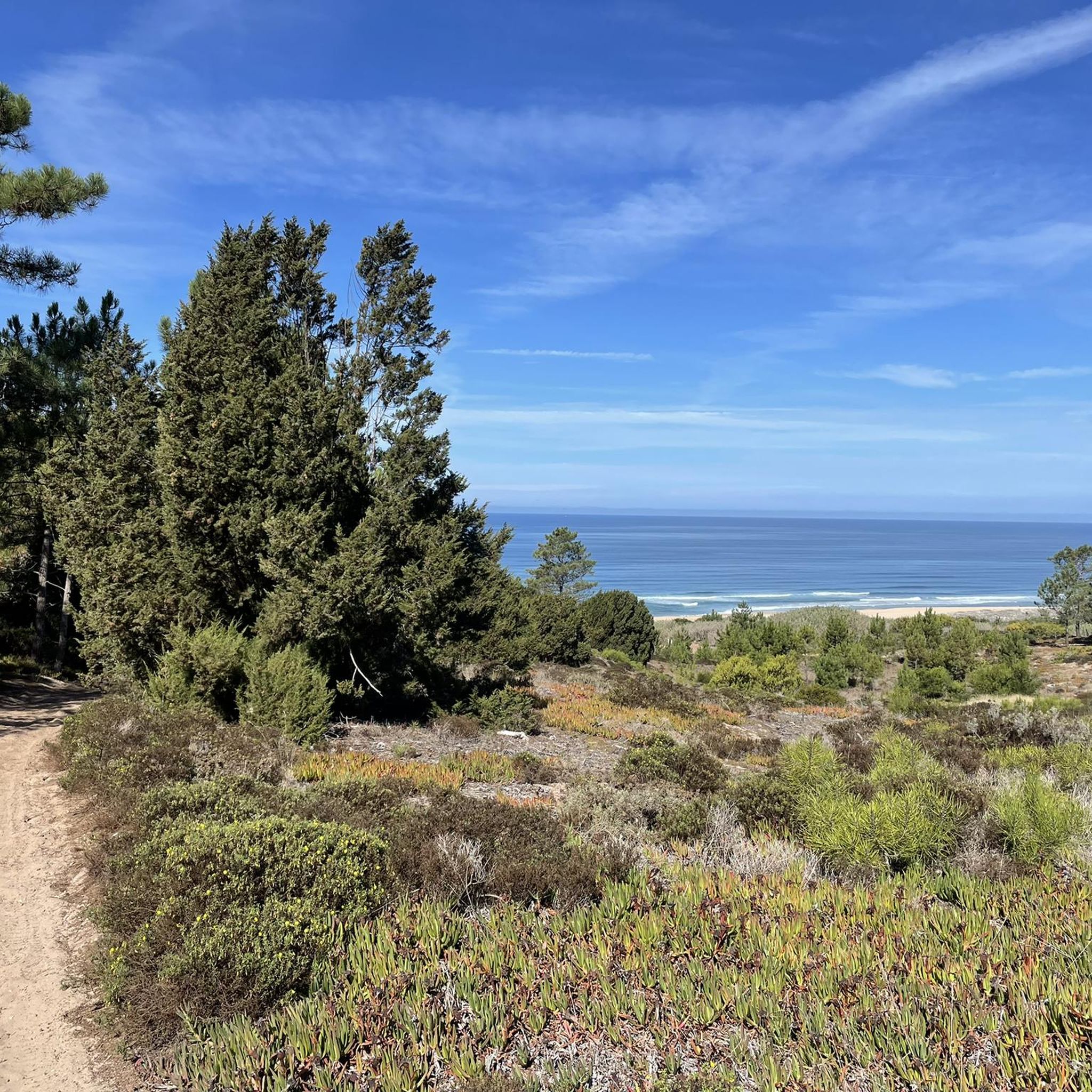
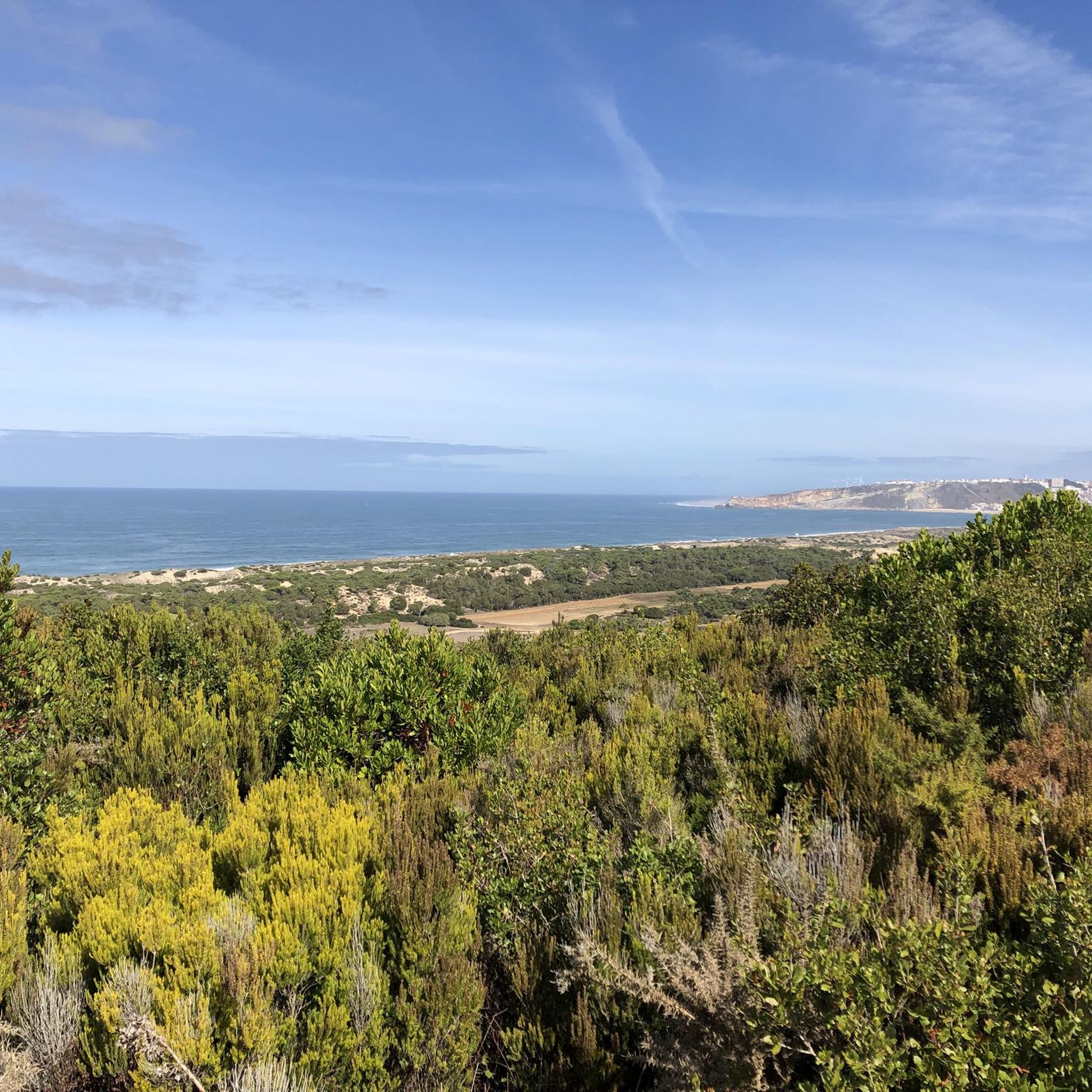
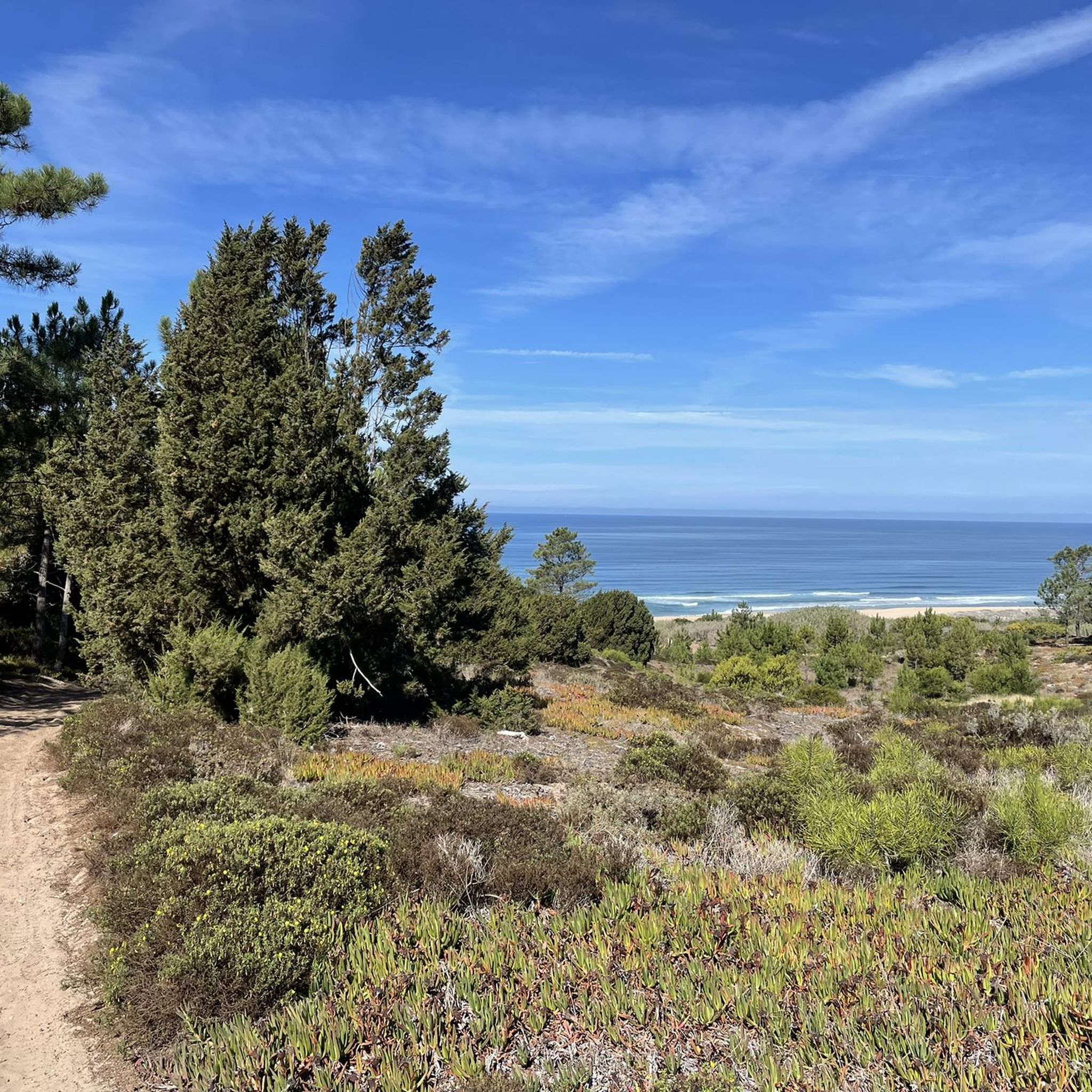
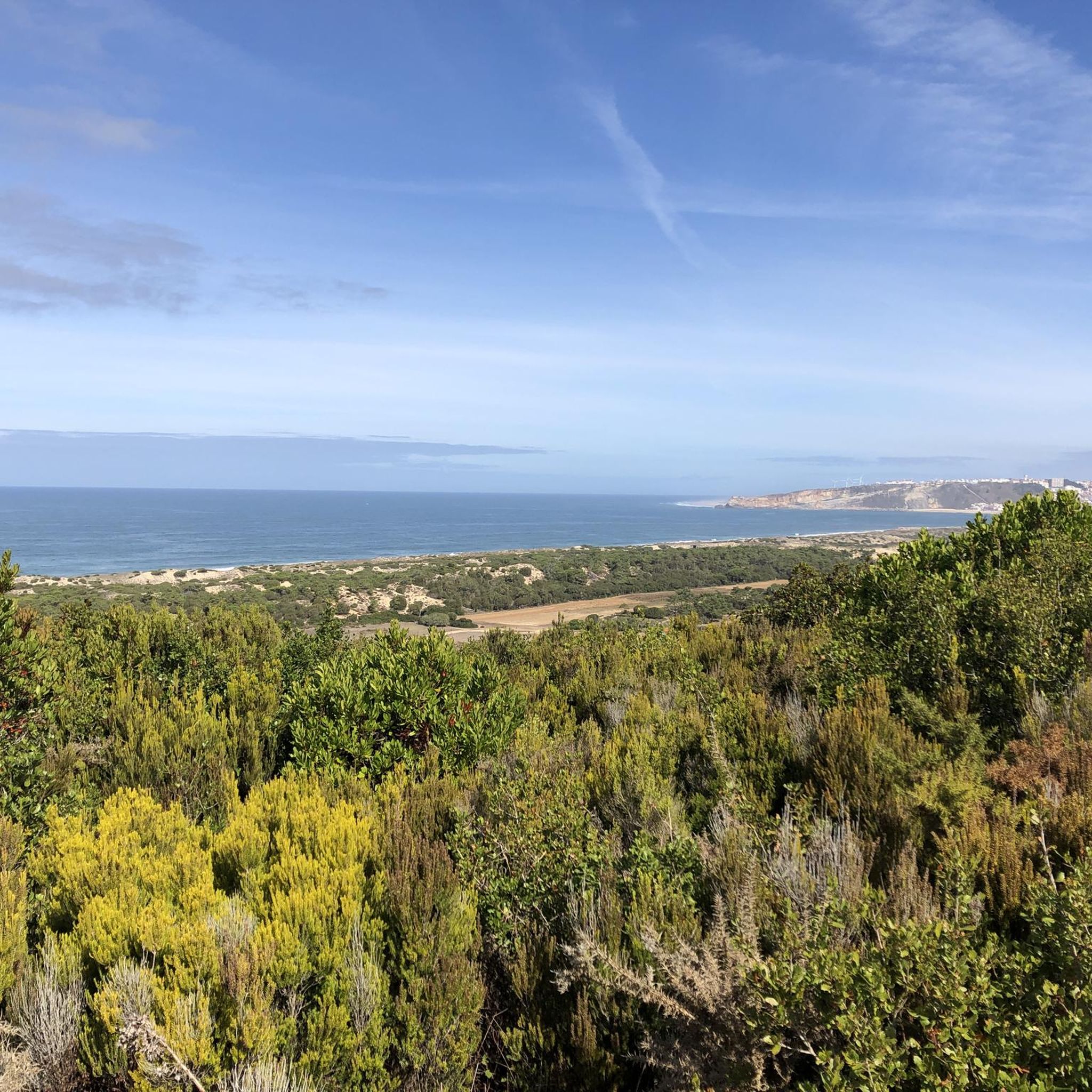
Gravel biking around Nazaré offers a diverse landscape characterized by its dramatic coastline, extensive beaches, and nearby natural parks. The region features routes along the Atlantic Coast, through pine forests, and into rolling hills. This varied terrain provides options ranging from coastal paths with ocean views to more challenging inland trails with significant elevation changes.
Best gravel bike trails around Nazaré
- The most popular gravel bike trail is Nazaré road to the top – Atlantic Coast Cycle Path loop from…
Last updated: November 16, 2026
4.0
(1)
5
riders
46.7km
03:03
450m
450m
Moderate gravel ride. Good fitness required. Mostly paved surfaces.
2
riders
28.2km
01:58
250m
250m
Moderate gravel ride. Good fitness required. Mostly paved surfaces.

2
riders
43.2km
02:44
500m
500m
Hard gravel ride. Very good fitness required. Mostly paved surfaces.
1.0
(1)
3
riders
54.7km
03:29
590m
590m
Hard gravel ride. Very good fitness required. Mostly paved surfaces.
1
riders
27.5km
01:53
410m
410m
Moderate gravel ride. Good fitness required. Mostly paved surfaces.
Our route recommendations are based on thousands of hikes, rides, and runs completed by other people on komoot.
Start today with a free account
Your next adventure awaits.


Tips from the Community

The Monastery of Santa Maria de Cós is one of Portugal’s most important Cistercian female monasteries, located in the parish union of Cós, Alpedriz, and Montes, in the municipality of Alcobaça, Leiria District Founded in 1279 by Friar Fernando under the will of King D. Sancho II, it became a wealthy convent for noblewomen and pious widows under the Cistercian Rule. The first known abbess was D. Maria Peres (1337) It flourished in the 16th century after reforms by King D. João III and Cardinal Infante D. Afonso The current church dates from the 17th century, with Baroque finishes in the early 18th century . The monastery suffered major loss after the 1755 earthquake and the 1834 suppression of religious orders, but the church remains the main preserved structure The monastery’s 1671 portal features sculptures of St. Benedict and St. Bernard . Inside, the church shows 1st Portuguese Baroque decorations, a coffered dome with 18th‑century sacred painting, and a gilded main altar with the Holy Family. The nave is tiled with 16th–17th century azulejos, including a tile series depicting St. Bernard of Clairvaux’s life. The cloister’s gilded wood grid and 106 nun’s chairs are notable Tiled ceilings in the church and sacristy — rare among Cistercian abbeys in Portugal and Spain Mortuary urns of King Pedro I and D. Inês de Castro Life‑size altarpiece of Mary, Joseph, and Jesus Classified as a National Monument in 2021 The monastery is both a religious and cultural treasure, blending medieval foundations with Baroque artistry, and offering insight into women’s religious life in 16th–17th century Portugal. In short: It’s a “hidden gem” — modest from outside, rich in art and history inside — ideal for visitors to Alcobaça, especially those interested in Cistercian heritage and Baroque decoration.
0
0


Opening Hours: The sanctuary is open every day, generally from 9 am to 6 pm. It is a place of worship, therefore masses are also held regularly. Price: Entry to the sanctuary is free. Accessibility: It has wheelchair accessible parking. How to Get There: Access to the site can be made by car or by the Nazaré Elevator (funicular), which connects the beach to the upper part of the city and provides a scenic route.
2
0
The Legend: The story of the image is told through the paintings in the church and sacristy, which allude to the miracle that occurred near the cliff. Location: The sanctuary is next to the famous Miradouro do Sítio da Nazaré (or Suberco), which offers a fantastic view of the beach and the village of Nazaré.
2
0
Architecture and History: The church was built on the site where, according to legend, the Virgin Mary saved the knight D. Fuas Roupinho from falling off the cliff. The facade has inscriptions in Latin, including "Deiparae Virgini a Nazareth" ("Virgin of Nazareth, Mother of God"). The interior houses the Sacred Image of the Black Virgin, carved in wood and which, according to tradition, was brought to the site in the year 711.
2
0
The Sanctuary of Our Lady of Nazaré is located in Sítio da Nazaré, the upper part of the town of Nazaré, in Portugal. It is a place of great religious and historical importance, intimately linked to the legend that gave rise to the devotion to Our Lady of Nazaré.
2
0

Gorgeous views! The climb to Alqueidão da Serra is tough for beginners.
1
0

From the chapter house on the ground floor, a staircase leads up to the dormitory. This staircase was rediscovered during renovations beginning in 1930. Located on the first floor, the dormitory extends 66.5 meters in length and 21.5 to 17.5 meters in width along the entire east side of the medieval part of the abbey, thus covering an area of almost 1,300 square meters. In its current form, restored through renovation, it presents itself in its original medieval state. At the southern end, the dormitory opens with a large round-arched doorway to the northern transept of the church. A staircase formerly led down from there, as the Cistercian rule required two separate entrances to the communal sleeping quarters. At the northern end of the dormitory were the latrines, which—again according to a general rule of the order—had to be separated from the sleeping quarters by a separate room. The wastewater flowed into the abbey's garden on the north side. The monks slept together in the dormitory, fully clothed, separated from their neighbors only by a movable partition. The abbot alone had his own cell, located on the south side facing the church. This arrangement is typical of most Cistercian monasteries of this period. A narrow door in the center of the western side leads to a narrow spiral staircase, which today provides access to the kitchen, but in the Middle Ages led to the calefactory (warming room, see below). This staircase also provided access to the upper cloister. https://de.wikipedia.org/wiki/Kloster_Alcoba%C3%A7a
3
0
Frequently Asked Questions
What kind of terrain can I expect on gravel bike trails around Nazaré?
Gravel biking around Nazaré offers a diverse landscape. You'll find routes along the dramatic Atlantic Coast with stunning ocean views, trails winding through extensive pine forests, and paths leading into rolling hills. The terrain varies from moderate coastal loops to more challenging inland routes with significant elevation gains, providing a mix of paved and unpaved surfaces.
What are the typical distances and elevation gains for gravel routes in Nazaré?
Gravel routes in Nazaré vary in length and elevation. For example, the Nazaré road to the top – Atlantic Coast Cycle Path loop from Centro covers 46.6 km with an elevation gain of approximately 447 meters. A shorter option like the Fonte de Fanhais loop from Pataias is 28.2 km with about 246 meters of ascent.
When is the best time of year for gravel biking in Nazaré?
Nazaré offers good conditions for gravel biking for much of the year. The region's mild climate means you can enjoy the trails outside of peak summer heat. Spring and autumn generally provide pleasant temperatures and less crowded routes, while winter can still offer rideable days, especially along the coast, though it's wise to check local weather conditions.
Are there any family-friendly gravel bike trails in the Nazaré area?
While many routes offer varied terrain, some of the more moderate loops can be suitable for families with older children or those comfortable with mixed surfaces. The region provides options for different ability levels, so looking for routes described as 'moderate' or with lower elevation gains would be a good starting point for family outings.
What natural features and landmarks can I see along the gravel bike trails?
Many gravel routes offer access to Nazaré's stunning natural beauty. You can expect breathtaking ocean views along coastal paths, especially from elevated viewpoints around Sítio. Inland, trails often pass through serene pine forests. Notable natural attractions in the wider area include the Nazaré — Giant Waves viewpoint and the Salir do Porto Dune.
Are there any historical or cultural landmarks accessible by gravel bike?
Yes, several routes can lead you to significant historical sites. For instance, the Alcobaça Monastery – Alcobaça Castle loop from Alcobaça takes you past the impressive Alcobaça Monastery. Another route, the Monastery of Santa Maria de Coz – Prévia Trail loop from Pisões, explores historic and natural areas.
What do other gravel bikers enjoy most about riding in Nazaré?
The gravel biking experience in Nazaré is highly rated by the komoot community, with an average score of 4.7 stars. Reviewers often praise the diverse landscapes, from dramatic coastal views to tranquil pine forests, and the variety of routes that cater to different skill levels. The opportunity to combine challenging rides with scenic exploration is a common highlight.
Are there any loop routes for gravel biking in Nazaré?
Yes, many of the gravel bike trails around Nazaré are designed as loops, allowing you to start and finish at the same point. Examples include the popular Nazaré road to the top – Atlantic Coast Cycle Path loop from Centro and the Batalha Monastery – Porto de Mós Castle loop from Pataias.
Where can I find parking and trailhead information for gravel bike routes?
Trailhead information and parking availability often depend on the specific route. Many routes start from towns or villages like Nazaré, Pataias, or Alcobaça, where public parking is generally available. It's advisable to check the individual route details on komoot for specific starting points and any recommended parking areas.
Are there cafes or viewpoints along the gravel bike trails in Nazaré?
Yes, many routes offer opportunities for stops. Coastal trails often feature stunning viewpoints, such as those around Sítio, which provide panoramic vistas of Nazaré and the Atlantic. In towns and villages along the routes, you can typically find cafes and restaurants to refuel. Some trails might pass through more remote areas, so planning your stops is recommended.
How many gravel bike trails are there in the Nazaré region?
The Nazaré region offers a selection of gravel bike trails, with at least 7 distinct routes documented on komoot. These range in difficulty from moderate to difficult, ensuring options for various experience levels.
Most popular attractions around Nazaré

Get inspired with the komoot mobile app


Explore more
Browse the best Gravel rides in other regions.
