The best gravel rides around Floure
4.5
(60)
395
riders
18
rides
Gravel biking around Floure features a landscape shaped by the Canal du Midi, offering routes that follow its historic waterways and locks. The region includes gentle elevations and open countryside, providing diverse terrain for gravel cyclists. Paths often traverse agricultural areas and connect small villages, with some routes incorporating minor hills. This area is characterized by its network of canal-side trails and rural roads suitable for gravel bikes.
Best gravel bike trails around Floure
- The most popular gravel bike trail…
Last updated: October 5, 2026
4.4
(18)
134
riders
94.6km
05:37
250m
250m
Hard gravel ride. Very good fitness required. Mostly paved surfaces. Suitable for all skill levels.
4.6
(12)
76
riders
74.4km
04:27
290m
290m
Moderate gravel ride. Good fitness required. Mostly paved surfaces. Suitable for all skill levels.

4.3
(10)
64
riders
47.4km
03:12
130m
130m
Moderate gravel ride. Good fitness required. Mostly paved surfaces. Suitable for all skill levels.
4.5
(12)
44
riders
43.2km
02:23
130m
130m
Moderate gravel ride. Good fitness required. Mostly paved surfaces. Suitable for all skill levels.
4.6
(5)
51
riders
29.1km
01:37
110m
110m
Easy gravel ride. Great for any fitness level. Mostly paved surfaces. Suitable for all skill levels.
Get access to more routes and recommendations from other explorers.
Already have an account?
Our route recommendations are based on thousands of hikes, rides, and runs completed by other people on komoot.
Start today with a free account
Your next adventure awaits.
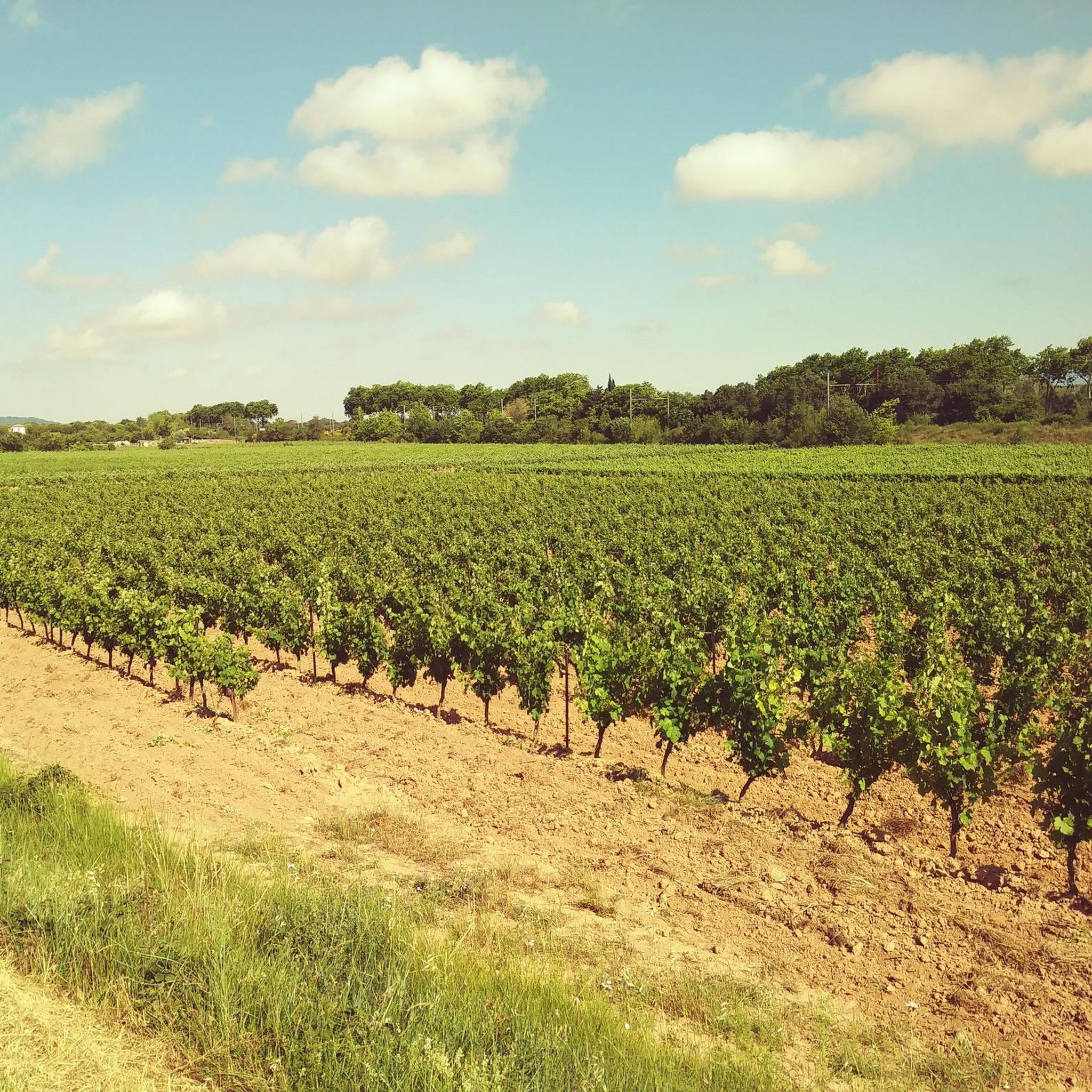
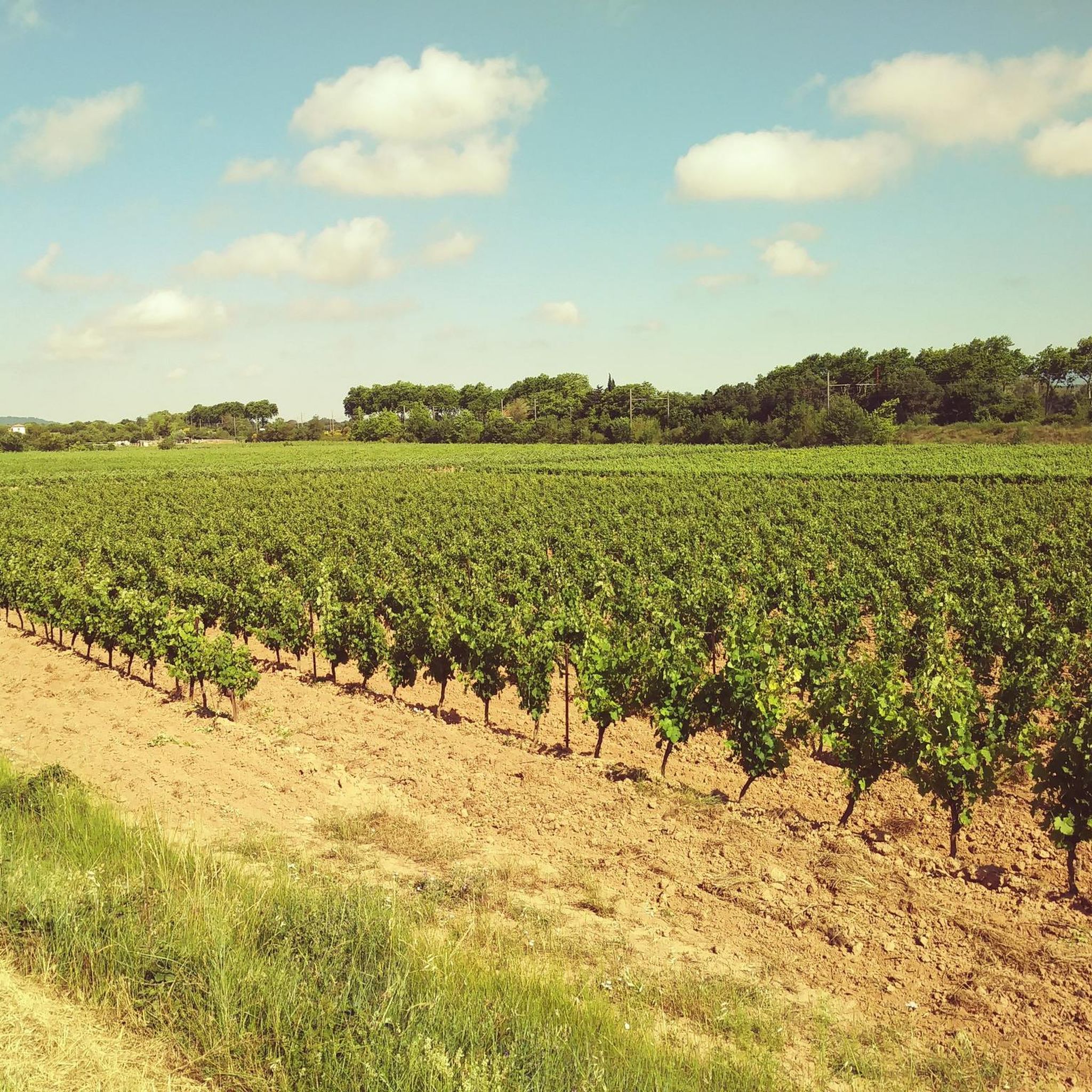
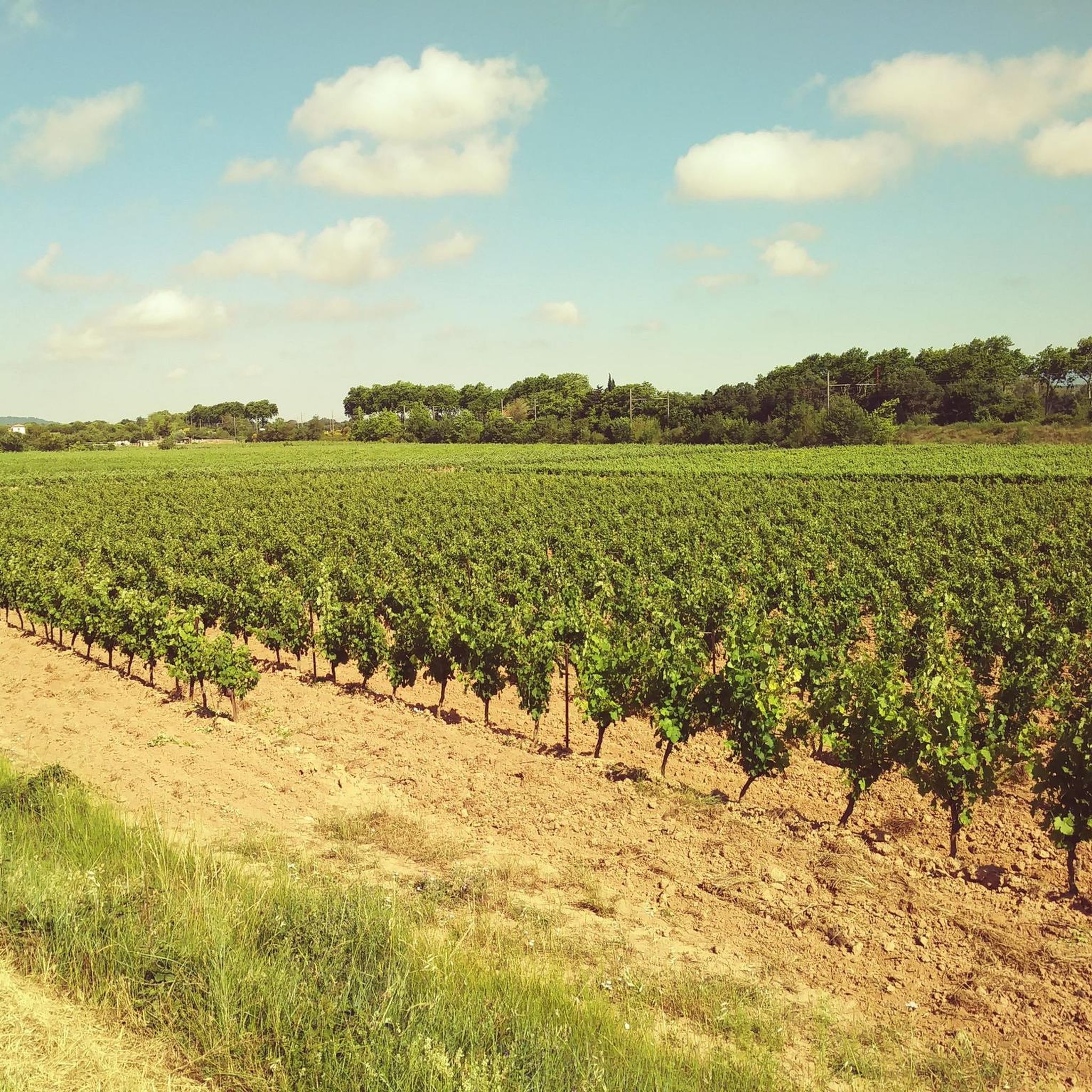
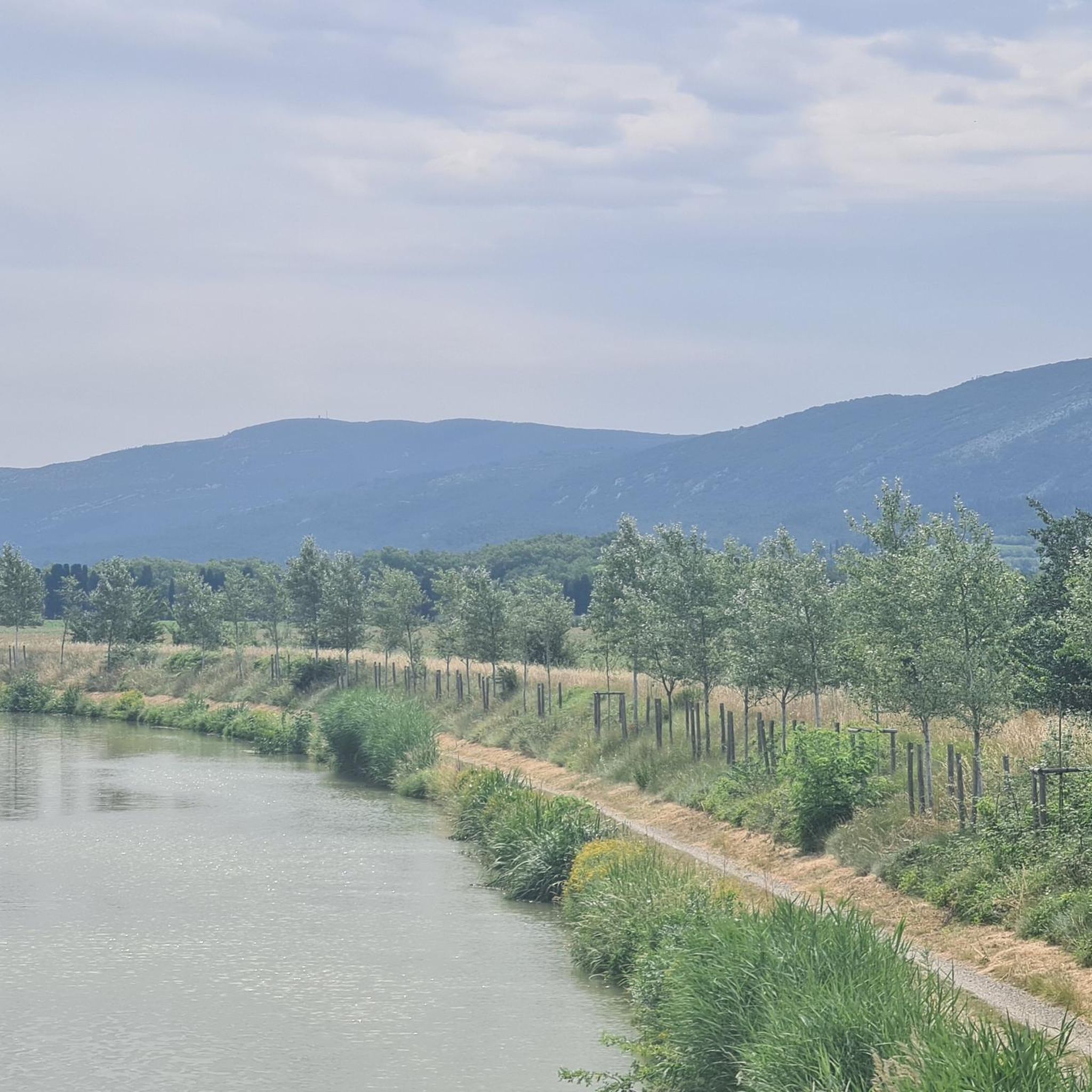
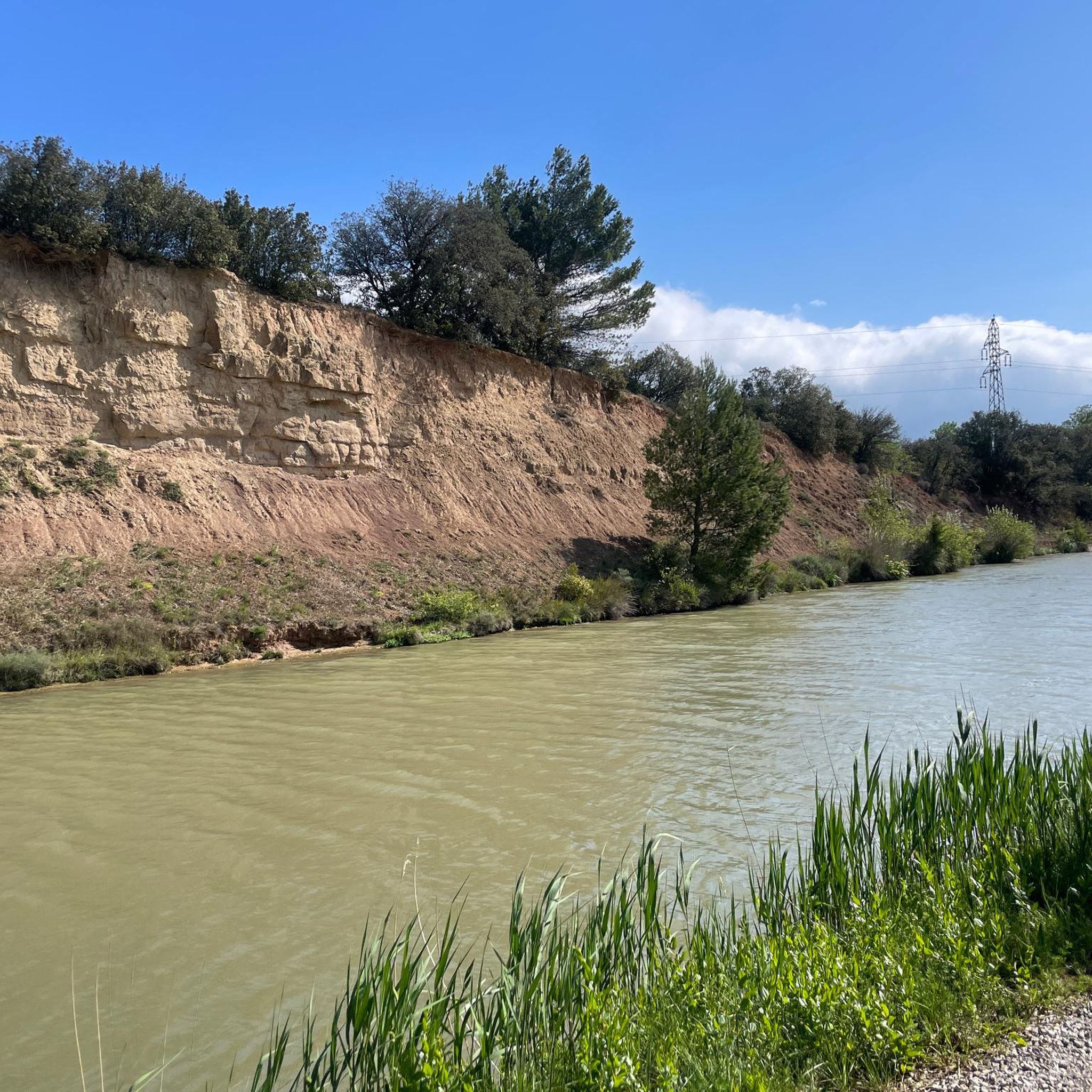
Tips from the Community

The Trèbes locks are a flight of locks composed of three basins. Built around 1674, it is located downstream from the port of Trèbes at the exit of the town in the direction of the village of Marseillette. Taking advantage of the significant drop in the flight of locks, intense milling activity was established on the left bank of the lock. A first upper mill was built at the end of the 17th century. It is crossed by a diversion of the Canal du Midi which ensures its operation; it is described as having four millstones with a stable and a shed. A transformation of this first mill was carried out in 1867 to make it a mill with 6 millstones. This new building, later enlarged in the 1930s, consists of a basement and 4 floors at its highest point. It has today been converted into a restaurant.
0
0
The Trèbes locks are a flight of locks composed of three basins. Built around 1674, it is located downstream from the port of Trèbes at the exit of the town in the direction of the village of Marseillette. Taking advantage of the strong difference in level of the flight, an intense milling activity was established on the left bank of the lock. A first upper mill was built at the end of the 17th century. It is crossed by a diversion of the Canal du Midi which ensures its operation; it is described as having four millstones with a stable and a shed. A transformation of this first mill was carried out in 1867 to make it a flour mill comprising 6 millstones. This new building, later enlarged in the 1930s, consists of a base and 4 floors at its highest point. Today it has been converted into a restaurant.
0
0
Le Canal du Midi, formerly Canal Royal, is a 17th-century technical feat designed by Pierre-Paul Riquet to connect the Atlantic to the Mediterranean. Today, it is above all a place for relaxation and discovery, where heritage, nature, and conviviality blend.
0
0
The Canal du Midi, formerly the Royal Canal, is a 17th-century technical feat designed by Pierre-Paul Riquet to connect the Atlantic to the Mediterranean. Today, it is above all a place for relaxation and discovery, where heritage, nature, and conviviality blend together.
0
0
The l'Aiguille lock is a double lock on the Canal du Midi located in the commune of Puichéric.
0
0
L'Epanchoir de l'Argent Double, classified as a historic monument: started in 1677 and completed in 1694 according to Vauban's plans, it allows the canal to discharge its excess water.
0
0
The Canal du Midi, formerly Canal Royal, is a 17th-century technical feat designed by Pierre-Paul Riquet to connect the Atlantic to the Mediterranean. Today, it is above all a place for relaxation and discovery, where heritage, nature, and conviviality blend together.
0
0
L'Epanchoir de l'Argent Double, classified as a historic monument: started in 1677 and completed in 1694 according to Vauban's plans, it allows the canal to evacuate its excess water.
0
0
Frequently Asked Questions
How many gravel bike trails are available around Floure?
There are over 20 gravel bike trails in the Floure area, offering a range of experiences from moderate to difficult. The region is known for its canal-side paths and rural roads.
Are there any easy gravel bike routes suitable for beginners in Floure?
While many routes in Floure are rated moderate to difficult, there are a few easier options. For instance, the area offers 3 routes specifically categorized as easy, providing a good starting point for those new to gravel biking in the region.
What kind of terrain can I expect on gravel bike trails around Floure?
Gravel biking around Floure is characterized by a mix of canal-side paths, rural roads, and gentle hills. You'll often find yourself traversing agricultural areas and connecting small villages, with some routes incorporating minor elevations.
Are there any long-distance gravel routes near Floure?
Yes, Floure offers several longer gravel routes. For example, the Trèbes Triple Locks – Canal du Midi Bridge loop from Villedubert is a challenging 58.7-mile (94.5 km) trail, and the Fresquel Lock – Old Bridge of Carcassonne loop from Badens covers 45.3 miles (73.0 km).
What are some notable landmarks or attractions I can see while gravel biking in Floure?
Many routes in Floure follow the historic Canal du Midi, allowing you to see its locks and bridges. You can also explore attractions like the Count's Castle, the Canal du Midi between Trèbes and Carcassonne, and the Orbiel Aqueduct.
What do other gravel bikers enjoy most about the trails in Floure?
The gravel bike trails in Floure are highly rated by the komoot community, with an average score of 4.2 stars from over 40 reviews. Riders often praise the diverse terrain, the scenic canal-side paths, and the opportunity to explore historic sites like the Trèbes Triple Locks.
Are there any loop trails for gravel biking in Floure?
Yes, many of the gravel routes around Floure are designed as loops. Popular options include the Trèbes Triple Locks – Canal du Midi Bridge loop from Trèbes and the Fresquel Lock – Trèbes Triple Locks loop from Trèbes, offering convenient circular rides.
What is the best time of year for gravel biking around Floure?
The region around Floure, with its Mediterranean climate, generally offers good gravel biking conditions from spring through autumn. Spring and early autumn provide pleasant temperatures, while summer can be warm, making early morning or late afternoon rides ideal.
Are there any advanced or challenging gravel trails in Floure?
Yes, for experienced gravel bikers seeking a challenge, Floure offers several difficult routes. The Col du Poteau – Post collar loop from Palaja, for instance, features significant elevation gain over its 61.5 km distance, providing a demanding ride.
Can I find gravel bike routes that pass by cafes or places to stop for refreshments?
Many gravel routes in Floure connect small villages along the Canal du Midi. These villages often have local cafes or small shops where you can stop for refreshments. Planning your route to include these stops can enhance your ride experience.
Is public transport accessible for reaching gravel trails in Floure?
While specific public transport connections to trailheads can vary, the town of Floure and nearby larger towns like Carcassonne are generally served by regional buses or trains. It's advisable to check local transport schedules to plan your access to specific starting points.
Where can I find parking for gravel biking trails near Floure?
Parking is typically available in the villages and towns that serve as starting points for these gravel routes, such as Villedubert, Badens, or Trèbes. Look for designated public parking areas, especially near canal access points or village centers.
Most popular attractions around Floure

Get inspired with the komoot mobile app


Explore more
Browse the best Gravel rides in other regions.
