The best gravel rides around Sant Iscle De Vallalta
4.5
(42)
909
riders
86
rides
Gravel biking around Sant Iscle De Vallalta offers a network of routes traversing varied terrain. The region features a mix of coastal proximity, forested hills, and elevated passes, providing diverse landscapes for gravel riders. Routes often include climbs through natural parks and descents towards the Mediterranean coast. The area's topography supports both challenging ascents and scenic paths through rural settings.
Best gravel bike trails around Sant Iscle De Vallalta
- The most popular gravel bike trail is Three Borders Cross –…
Last updated: November 2, 2026
5.0
(1)
15
riders
51.7km
04:18
1,150m
1,150m
Hard gravel ride. Very good fitness required. Mostly paved surfaces.
5.0
(1)
27
riders
41.7km
03:04
690m
690m
Hard gravel ride. Very good fitness required. You may need to push your bike for some segments of this route.

4.0
(1)
12
riders
38.0km
02:54
640m
650m
Hard gravel ride. Very good fitness required. Mostly paved surfaces.
11
riders
38.9km
03:12
950m
950m
Hard gravel ride. Very good fitness required. Mostly paved surfaces.
6
riders
33.8km
03:06
800m
800m
Hard gravel ride. Very good fitness required. Mostly paved surfaces.
Get access to more routes and recommendations from other explorers.
Already have an account?
Our route recommendations are based on thousands of hikes, rides, and runs completed by other people on komoot.
Start today with a free account
Your next adventure awaits.
Tips from the Community

If you pass by the Can Valls path, it's worth stopping to look at these three strange structures. They are not modern kilns: they are traditionally dated to the 9th–10th centuries, and one of them is still practically whole. Here, pine and oak stumps and wood were slowly baked to obtain "pega", a kind of vegetable tar used to waterproof boats and containers, and also for lighting. What's curious is to think that more than a thousand years ago, people were already working this forest and exploiting its resources right at this spot. A small stop that, if you don't know what you're looking at, goes completely unnoticed.
1
0
This small hermitage, lost in the woods, was born out of a promise, not a whim. In 1885, the Prats family paid for its construction after their daughter Fermina recovered from an illness. The first mass was held that same year. And here comes the good part: it's next to the Font de la Salut, and this whole area has long been associated with stories of healing waters and the famous dones d’aigua, the mysterious water women from the legends of Sant Iscle. Small, hidden, and without great pretension. But if someone builds an entire hermitage because their daughter gets cured, it at least deserves you to stop your bike for five minutes.
0
0
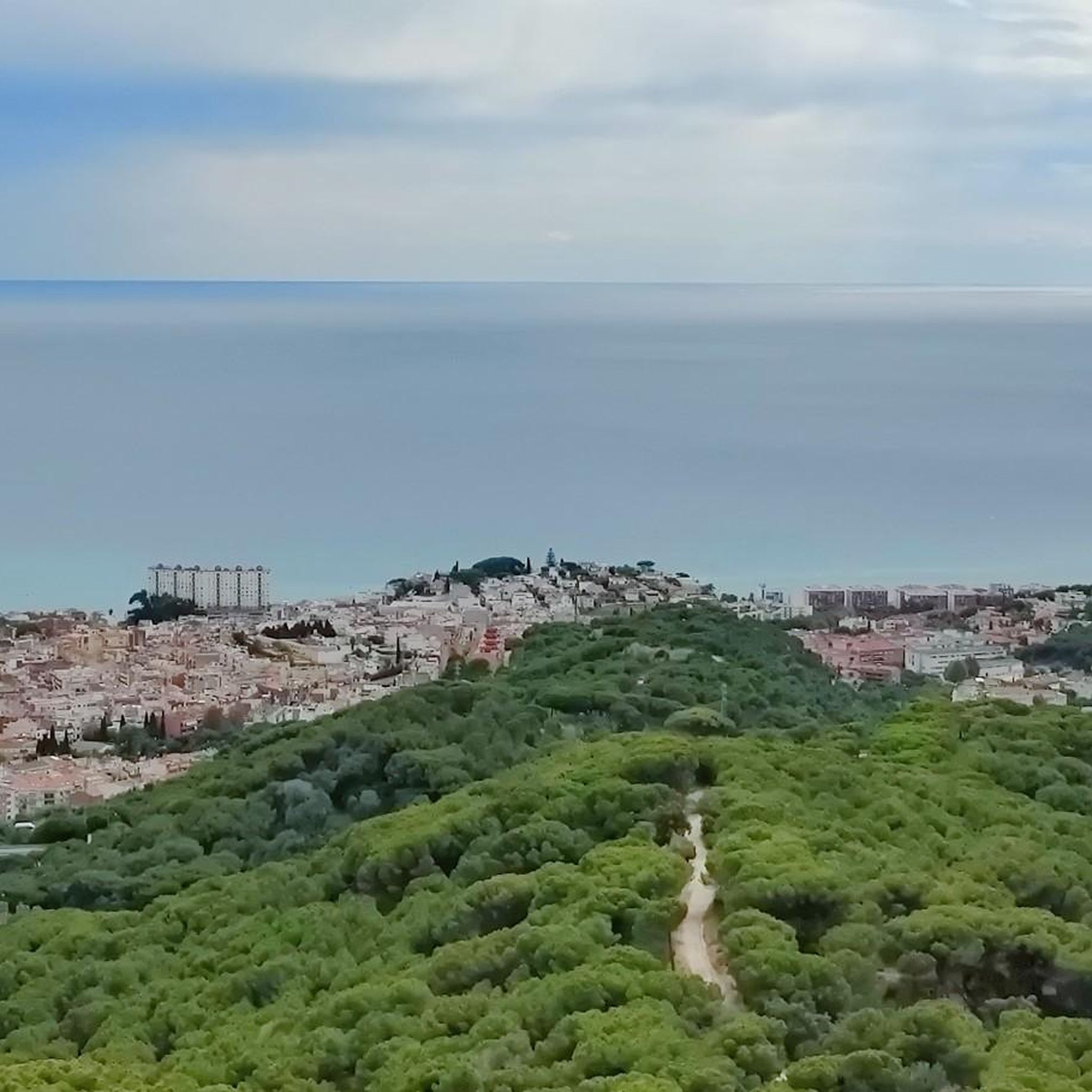
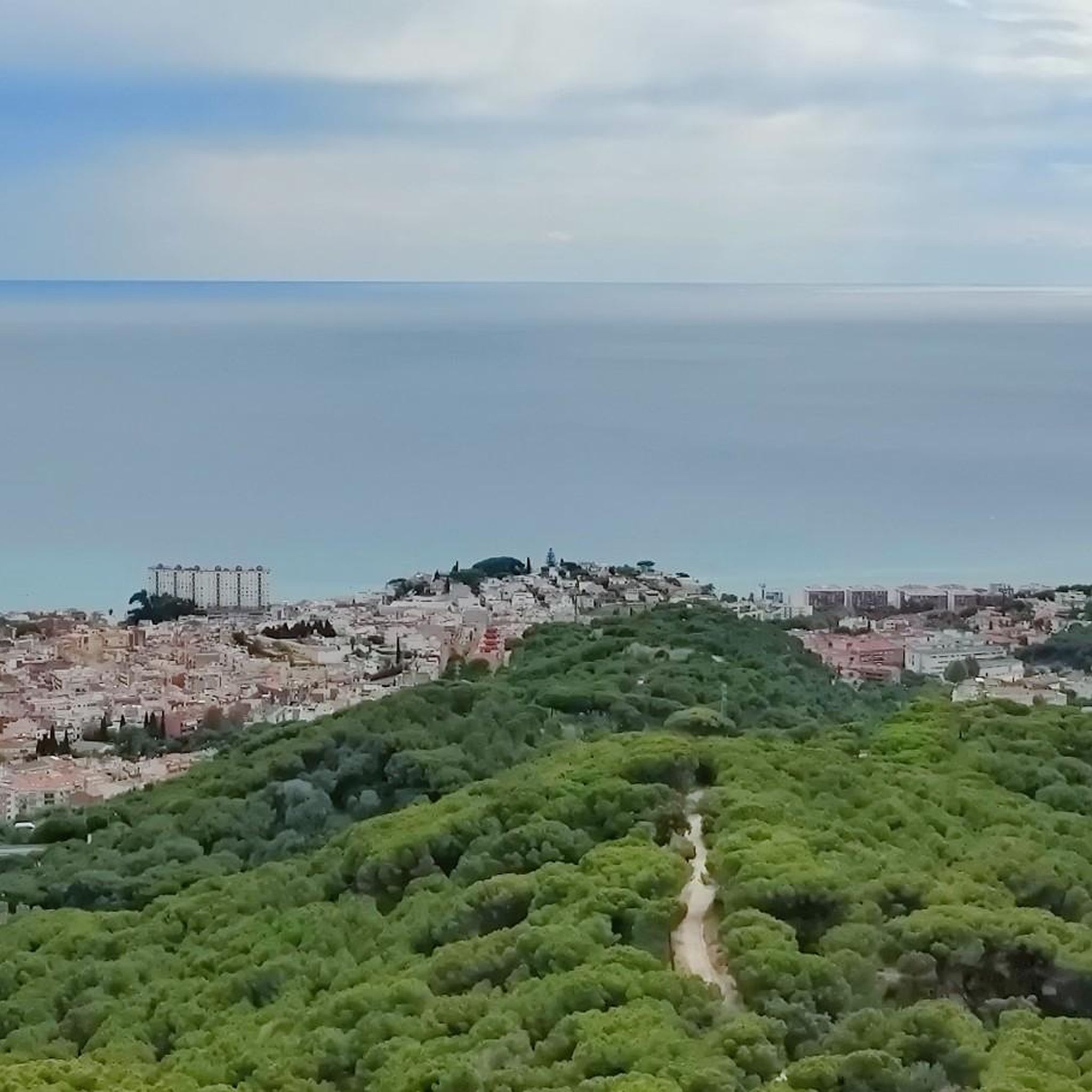
Curious pass between Calella and Sant Cebrià de Vallalta. Today it is a large open expanse in the middle of the forest with views towards the Mediterranean, but it has a much less beautiful past: during the second half of the 20th century it ended up being converted into a landfill. In the year 2000 the environment was recovered and restored. Now it is hard to imagine: you arrive by bike, leave the forest and this huge clearing appears dominating the valley and the coast. From dump to viewpoint. There are places that improve a lot with the years.
0
0
One of those places where it's worth slowing down a bit and looking around. Towering trees, dense forest, and a light that, when it filters through the canopy, makes this stretch spectacular. In summer, the shade is also greatly appreciated. And you're in Vallgorguina, land of forests, dolmens, and old witch stories. Very close by, in Pedra Gentil, tradition says that covens and witch gatherings were held. I don't know if any remain, but if you pass through here with this light, you perfectly understand why so many legends were born in these woods. A beautiful stretch to enjoy by bike without rushing.
0
0

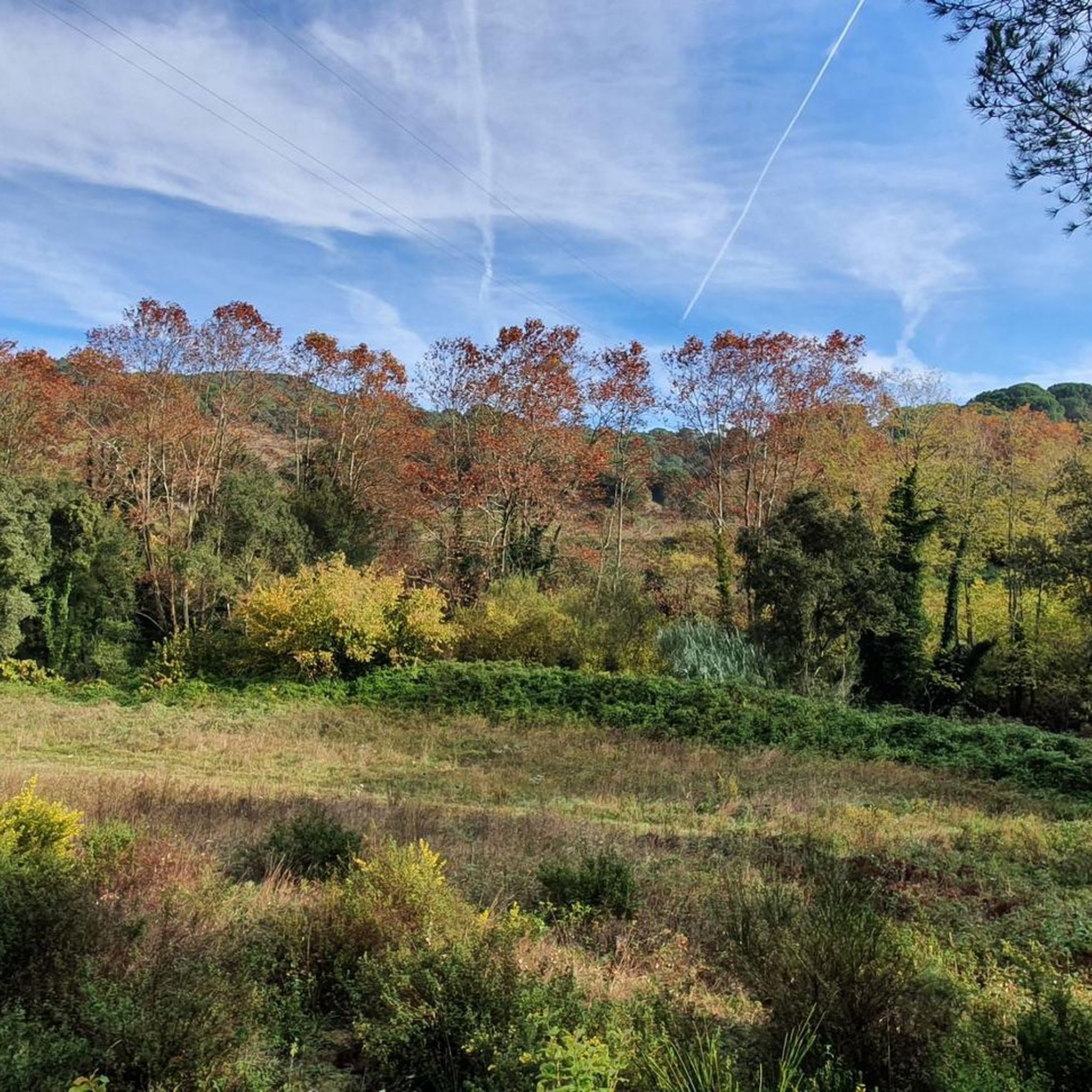
It is a very pleasant stretch of road thanks to the shade of the vegetation and the low traffic. In winter it tends to be damp, so I recommend caution.
1
0

Parc i Font de la Llorita Aquest indret, molt a la vora del centre urbà, va ser des dels anys cinquanta un lloc d'esbarjo per a molts llavanerencs. Al costat de la riera i a l'ombra de les alzines i altres arbres centenaris, es va construir una font i diversos bancs; durant alguns anys, també s'hi instal·lava, a l'estiu, un petit "merendero". Eren moltes, les colles d'amics que als vespres d'estiu es portaven les taules i cadires per anar a sopar sota la fresca dels arbres. També s'hi organitzaven ballades de sardanes i altres actes festius i també era un lloc habitual per als infants de les escoles que hi anaven, la tarda del dijous gras o altres dies, a fer una excursió i berenar. Font: Ajuntament de Sant Andreu de Llavaneres
1
0

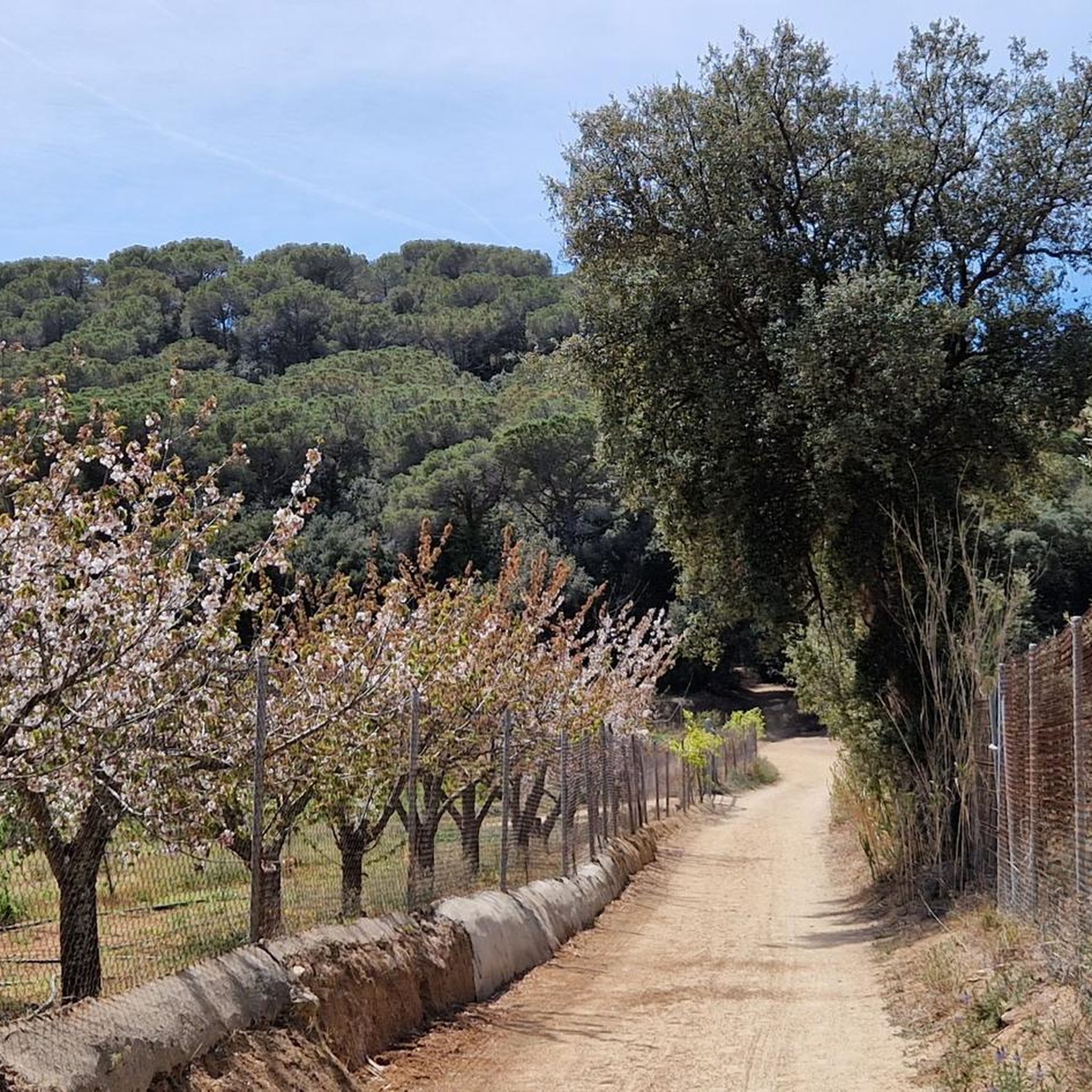
A monumental tree planted when the estate still functioned as a fortified house, and what's less known is that for decades it served as a landmark for the farmers and charcoal burners of the valley: "If you see the cedar, you're already close to Can Valls." Its exaggerated size is no accident: it was used to break the wind that came down from Montseny and protect the crops in the orchards. It still bears old marks from metal fastenings where tools or work ropes were hung. A discreet giant with a true farmhouse history.
0
0
Frequently Asked Questions
How many gravel bike trails are available around Sant Iscle De Vallalta?
There are over 75 gravel bike trails around Sant Iscle De Vallalta, offering a wide range of options for different skill levels and preferences. The region is known for its mix of coastal proximity, forested hills, and elevated passes.
Are there any easy or beginner-friendly gravel bike routes in Sant Iscle De Vallalta?
While many routes in Sant Iscle De Vallalta are rated as difficult, there are 17 moderate trails suitable for those with some gravel biking experience. These routes often feature varied scenery without the most extreme elevation gains. For example, the La Musclera Beach – Rupit Cross loop from Canet de Mar offers a mix of coastal views and inland climbs.
What kind of terrain can I expect on gravel bike trails in this region?
Gravel biking around Sant Iscle De Vallalta is characterized by diverse terrain. You'll encounter forested hills, sections with coastal views, and mountain passes. Routes often include climbs through natural parks and descents towards the Mediterranean coast, providing both challenging ascents and scenic paths through rural settings.
Are there any long-distance gravel routes for experienced riders?
Yes, for experienced riders looking for a longer challenge, routes like the Three Borders Cross – Can Benet Pass loop from Canet de Mar cover over 30 miles (50 km) with significant elevation gain, typically taking over 4 hours to complete. Another option is the Pont de Can Plana – Pega Kilns, Can Valls loop from Canet de Mar, which is nearly 30 miles long.
What are some notable viewpoints or landmarks I can see along the gravel bike routes?
Many gravel routes offer scenic viewpoints and pass by interesting landmarks. You might encounter the Corredor Sanctuary, the Rupit Cross, or the Can Benet Pass. The Les Llobateres Bird Observatory also offers great views.
Are there circular gravel bike routes available?
Yes, many of the gravel bike routes in Sant Iscle De Vallalta are designed as loops, allowing you to start and end at the same point. Examples include the Corredor Sanctuary – Canet Cross Viewpoint loop from Canet de Mar and the Pass of Mòra's threshing floor – Three Borders Cross loop from Canet de Mar.
What is the best time of year for gravel biking in Sant Iscle De Vallalta?
Given the Mediterranean climate, spring (April-May) and autumn (September-October) are generally the most pleasant times for gravel biking in Sant Iscle De Vallalta. Temperatures are milder, and the natural landscapes are vibrant. Summers can be hot, especially at midday, while winters are generally mild but can have more unpredictable weather.
What do other gravel bikers enjoy most about the trails in Sant Iscle De Vallalta?
The gravel biking routes in Sant Iscle De Vallalta are highly rated by the komoot community, with an average score of 4.4 stars from over 30 reviews. Riders often praise the diverse landscapes, combining challenging climbs through natural parks with scenic descents towards the coast, and the well-maintained paths through forested areas.
Are there any historical or cultural points of interest along the routes?
Beyond natural beauty, you can find historical points of interest such as the Ice Well of Canyamars, which offers a glimpse into the region's past. Many routes also pass through charming rural settings that reflect local culture.
What are the typical durations for gravel bike rides in this area?
Gravel bike rides in Sant Iscle De Vallalta vary significantly in duration depending on the route and your pace. Shorter, moderate routes might take around 2-3 hours, while longer, more difficult trails can extend to 4-5 hours or more. For example, the Pass of Mòra's threshing floor – Three Borders Cross loop is often completed in about 2 hours 48 minutes.
Most popular routes around Sant Iscle De Vallalta
Most popular attractions around Sant Iscle De Vallalta

Get inspired with the komoot mobile app


Explore more
Browse the best Gravel rides in other regions.
