The best road cycling routes around Sant Iscle De Vallalta
4.1
(175)
11,252
riders
70
rides
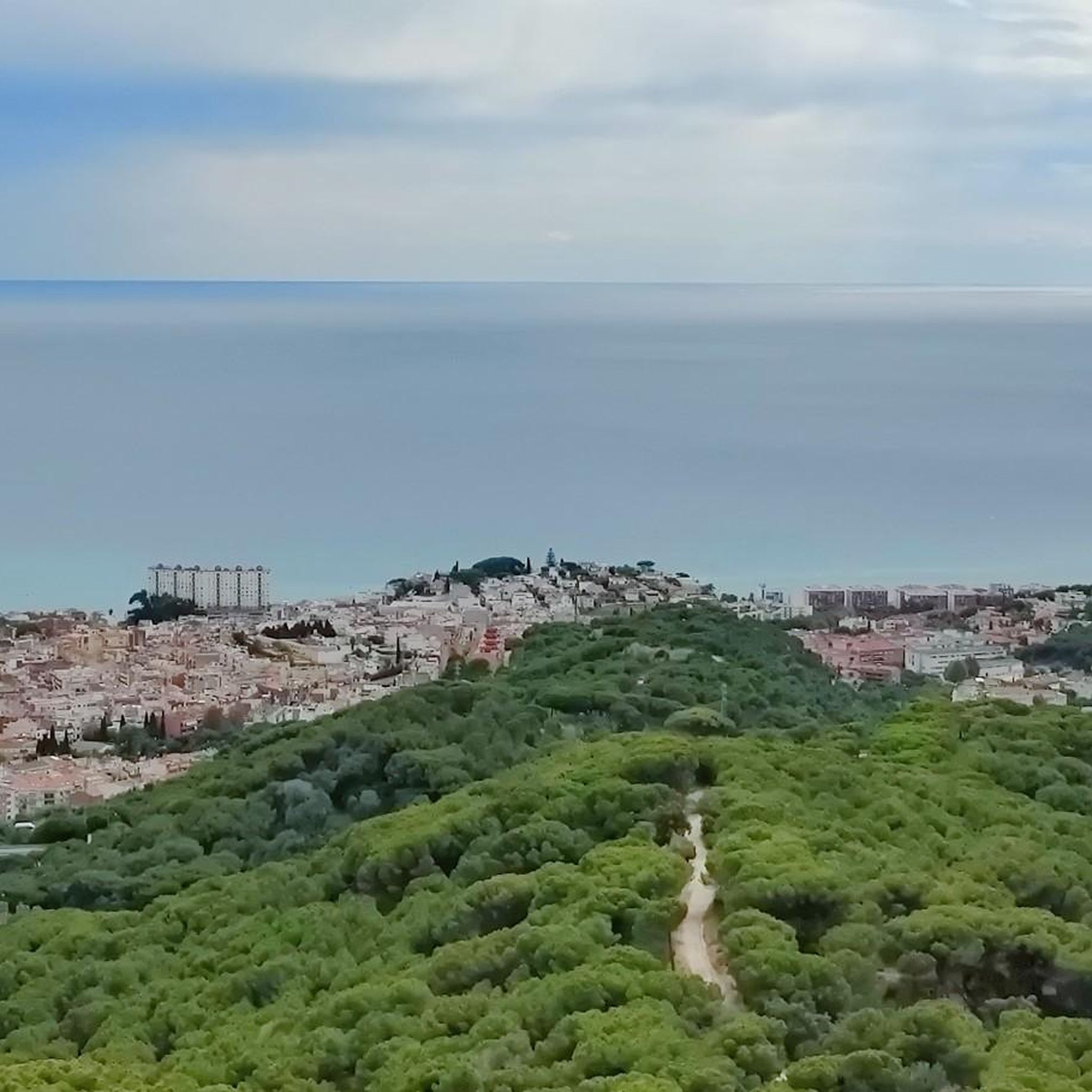
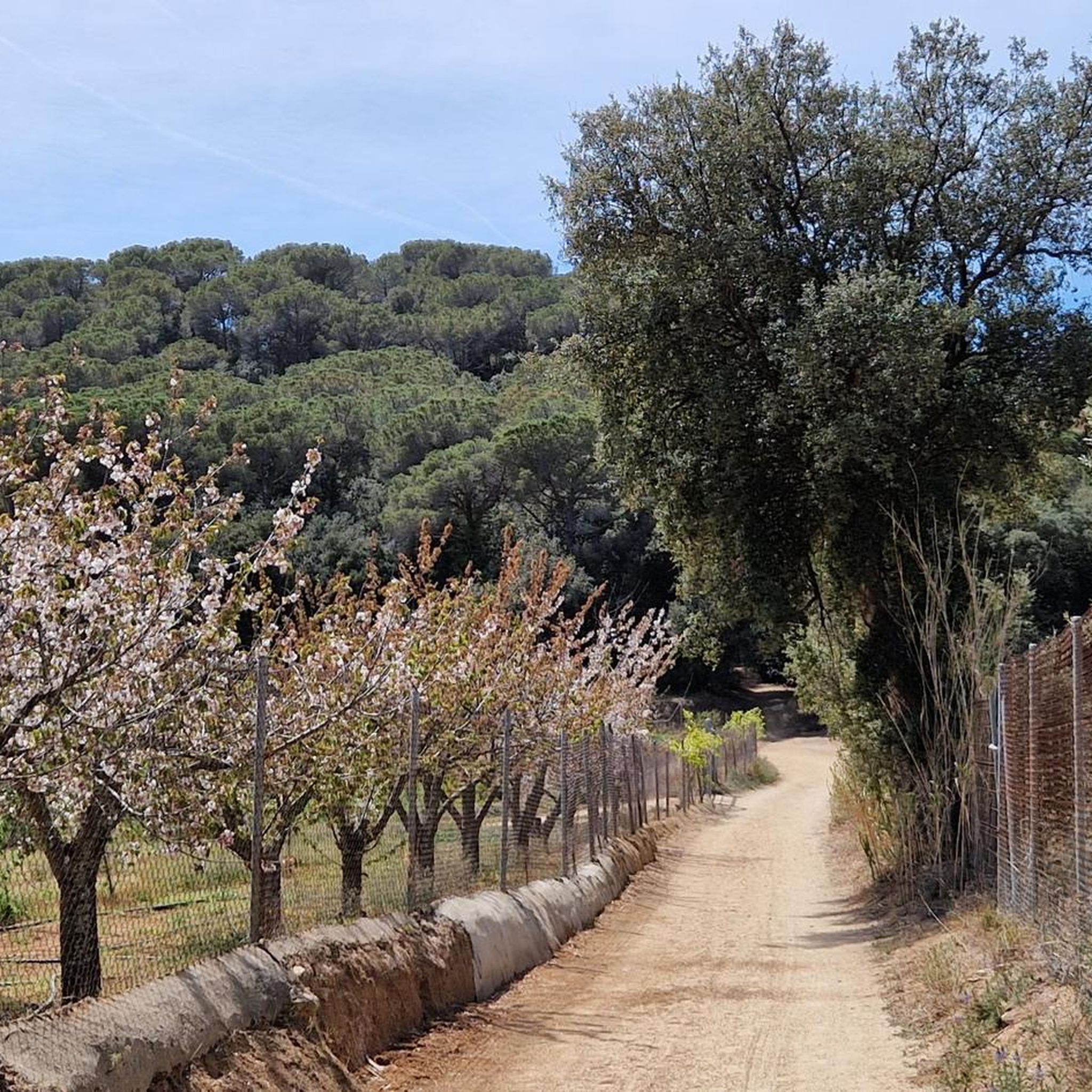
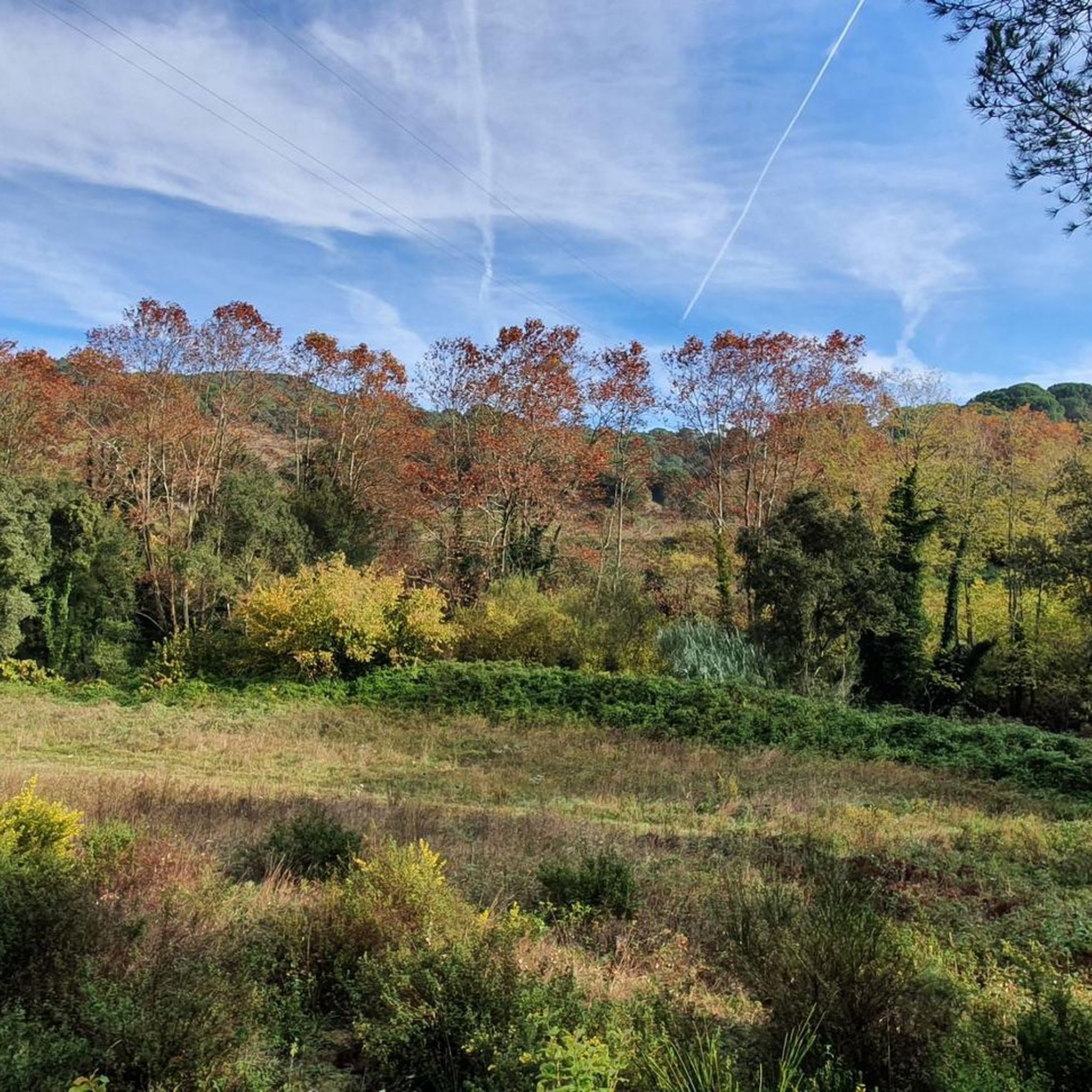
Road cycling around Sant Iscle De Vallalta is characterized by its diverse terrain, nestled within the Riera de Vallalta valley and framed by the Montnegre mountain range. The region features dense pine and oak forests on higher slopes, transitioning to riverside woodlands in the valleys. Cyclists encounter mountainous terrain with numerous passes, offering both challenging climbs and scenic descents.
Best road cycling routes around Sant Iscle De Vallalta
- The most popular road cycling route is Canet de Mar - Sant…
Last updated: November 5, 2026
4.0
(8)
177
riders
24.2km
01:15
280m
280m
4.6
(16)
1,067
riders
57.2km
02:46
580m
580m
Moderate road ride. Good fitness required. Some segments of this route may be unpaved and difficult to ride.

4.5
(2)
266
riders
142km
06:37
1,610m
1,610m
Hard road ride. Very good fitness required. Some segments of this route may be unpaved and difficult to ride.
3.0
(1)
28
riders
26.8km
01:35
530m
530m
Moderate road ride. Good fitness required. Mostly well-paved surfaces and easy to ride.
5.0
(2)
19
riders
16.7km
00:53
310m
310m
Moderate road ride. Good fitness required. Mostly well-paved surfaces and easy to ride.
Get access to more routes and recommendations from other explorers.
Already have an account?
Our route recommendations are based on thousands of hikes, rides, and runs completed by other people on komoot.
Start today with a free account
Your next adventure awaits.

Tips from the Community

The parish of Sant Andreu is already documented in 1083, but this church is not that one: the current one began to be built in 1825 and was inaugurated in 1848 because the town had grown and the medieval temple had been left away from the center. The curious thing is inside: it preserves a 16th-century baptismal font, probably from the old church. And the image of Sant Andreu that currently presides over the altar is also not the original: it is from after the Civil War. So the building is about 200 years old, the font about 500, and the parish almost 1,000. One of those places that seem to have nothing special until you start to scratch a little.
0
0
Quiet little town nestled between Montnegre and the sea, but with a history much tougher than it appears. Its church was fortified in the 19th century and still retains loopholes for firing from the apse. Another curiosity: part of the 16th-century church was paid for thanks to fishermen whom the bishop allowed to fish on Sundays in exchange for contributing to the works. And in the past, some farmhouses left land uncultivated so they could detect the arrival of possible invaders in time. Today you come by bike, cross a quiet town and continue your route. A few centuries ago, they looked towards the roads here to see who the hell was coming.
0
0

Sant Cebrià de Vallalta is a quiet municipality in Maresme, in the province of Barcelona, surrounded by forests with views of the Mediterranean Sea. Its natural environment and rural landscapes make it an ideal starting point for hiking and cycling routes.
0
0

It is a very pleasant stretch of road thanks to the shade of the vegetation and the low traffic. In winter it tends to be damp, so I recommend caution.
1
0
An iconic point that marks the entrance to Mataró. Laia l’Arquera, created by local artist Josep Maria Rovira i Brull in 1998, stands 34 meters tall as a symbol of the city. It represents a prehistoric woman with a bow, but with a key detail: it points towards Burriac castle, connecting the present with the Iberian origins of the territory. More than a decorative figure, its creator conceived it as a kind of goddess linked to the land and the identity of the place. A good stopping point to look up for a moment before continuing to ride.
0
0

Beautiful wrought iron statue
1
0

Ascent to Forat del Vent from the Barcelona slope, passing through the Mundet and Valldaura viewpoints.
1
1
The road from Horta to Cerdanyola connects the Vallés with Baecelona and the northern part of Collserola. At the col del forat del vent it connects with the passeig de les Aigües.
1
1
Frequently Asked Questions
What kind of terrain can I expect when road cycling around Sant Iscle de Vallalta?
Road cycling around Sant Iscle de Vallalta offers a diverse and engaging experience. The region is characterized by its mountainous terrain, featuring numerous 'collados' (mountain passes) that provide both challenging climbs and exhilarating descents. You'll cycle through dense pine and oak forests on higher slopes, transitioning to serene riverside woodlands in the valleys, all framed by the Montnegre mountain range.
Are there road cycling routes suitable for beginners in Sant Iscle de Vallalta?
Yes, Sant Iscle de Vallalta offers road cycling routes for various skill levels, including options suitable for beginners. While the region is known for its mountainous terrain, there are 11 easy routes available. An example of a moderate route that offers a mix of coastal and inland scenery is the Canet de Mar - Sant Pol de Mar - Arenys de Munt Loop, which is 15.0 miles (24.2 km) long.
What are some notable viewpoints or scenic spots along the road cycling routes?
The region boasts several scenic viewpoints. A significant highlight for cyclists is the Coll de Can Benet (Can Benet Pass), which provides panoramic vistas of the Maresme coast. Additionally, locations like Casa Nova in Montnegre offer expansive views across the entire valley. Many routes guide cyclists through picturesque corners that might otherwise remain undiscovered.
How many road cycling routes are available in Sant Iscle de Vallalta?
There are over 70 road cycling routes available around Sant Iscle de Vallalta. These routes cater to a wide range of abilities, with 11 easy, 34 moderate, and 29 difficult options, ensuring there's a suitable ride for every cyclist.
What is the best time of year to go road cycling in Sant Iscle de Vallalta?
The Mediterranean climate of Sant Iscle de Vallalta makes it conducive for cycling for much of the year. With mild winters and warm, sea-breeze-tempered summers, you can enjoy road cycling comfortably during most seasons. Spring and autumn often provide ideal conditions with pleasant temperatures.
Are there any challenging climbs for experienced road cyclists?
Absolutely. The mountainous terrain and numerous 'collados' (mountain passes) make Sant Iscle de Vallalta particularly attractive for experienced road cyclists seeking challenging climbs. The region features 29 difficult routes, such as the Conreria Pass – Cerdanyola Viewpoint loop from Canet de Mar, an 88.0 miles (141.6 km) trail leading through demanding mountainous terrain.
What kind of natural features can I explore while cycling?
While cycling, you can explore a rich tapestry of natural features. The region transitions from dense pine and oak forests on higher slopes to riverside woodlands in the valleys. You'll also discover hidden valleys, abundant streams, and springs, including the notable Font del Borrell. The area is cradled by the foothills of the Montnegre mountain range, leading into the Montnegre-Corredor Natural Park.
What do other road cyclists say about the routes in Sant Iscle de Vallalta?
The road cycling routes in Sant Iscle de Vallalta are highly rated by the komoot community, with an average score of 4.1 stars from over 120 reviews. Cyclists often praise the diverse terrain, the mix of coastal and inland scenery, and the challenging yet rewarding climbs.
Are there any historical landmarks or attractions near the cycling routes?
Yes, there are several interesting landmarks and attractions. You can visit the Corredor Sanctuary, a late Gothic-style sanctuary offering excellent landscape views within the Montnegre-Corredor Natural Park. Another historical landmark is the Montpalau Castle, which adds a touch of history to the scenic surroundings.
Are there any circular road cycling routes available?
Yes, many of the road cycling routes in Sant Iscle de Vallalta are designed as loops, offering circular journeys. For instance, the Collsacreu – Font de Vallgorguina loop from Vallgorguina is a moderate 26.8 km route, and the Sant Pol de Mar – Canet de Mar Beach loop from Canet de Mar provides a longer, scenic coastal loop.
Where can I find parking for road cycling routes in Sant Iscle de Vallalta?
While specific parking areas for each route are not detailed, Sant Iscle de Vallalta, being a local town, generally offers public parking options. It's advisable to check local parking regulations upon arrival, especially near popular starting points for routes, to ensure convenient access to your chosen cycling adventure.
Can I access the cycling routes using public transport?
Sant Iscle de Vallalta is nestled inland within the Maresme comarca. While the region is accessible, public transport options for reaching specific trailheads with a bike might require some planning. It's recommended to research local bus or train services that connect to the town and then cycle from there to your desired route starting point.
Most popular routes around Sant Iscle De Vallalta
Most popular attractions around Sant Iscle De Vallalta

Get inspired with the komoot mobile app


Explore more
Browse the best Road cycling routes in other regions.
