The best gravel rides in Beja
4.5
(19)
136
riders
27
rides
Gravel biking in Beja offers diverse landscapes across an extensive network of unpaved roads in the Alentejo region of Portugal. The area features rugged, scenic views, smooth forest roads, and hard-packed riverside paths. Rolling countryside vistas and forest-canopied gravel roads provide a varied terrain for gravel bikers.
Best gravel bike trails in Beja
- The most popular gravel bike trail is Milfontes – Costa Vicentina Natural Park, a 67.3 miles (108.3 km) trail that takes 9 hours 45 minutes to…
Last updated: October 10, 2026
2
riders
108km
09:46
930m
930m
Hard gravel ride. Very good fitness required. You may need to push your bike for some segments of this route.
1
riders
87.1km
08:49
1,710m
1,710m
Hard gravel ride. Very good fitness required. You may need to push your bike for some segments of this route.

1
riders
126km
11:40
1,080m
1,080m
Hard gravel ride. Very good fitness required. Mostly paved surfaces. Suitable for all skill levels.
1
riders
78.2km
07:37
990m
990m
Hard gravel ride. Very good fitness required. You may need to push your bike for some segments of this route.
1
riders
16.7km
01:46
350m
340m
Moderate gravel ride. Good fitness required. Mostly paved surfaces. Suitable for all skill levels.
1
riders
113km
10:13
1,090m
1,090m
Hard gravel ride. Very good fitness required. Mostly paved surfaces. Suitable for all skill levels.
25.3km
02:22
220m
220m
Moderate gravel ride. Good fitness required. Mostly paved surfaces. Suitable for all skill levels.
15.2km
01:30
150m
150m
Easy gravel ride. Great for any fitness level. Mostly paved surfaces. Suitable for all skill levels.
5
riders
Hard gravel ride. Very good fitness required. Mostly paved surfaces. Suitable for all skill levels.
4
riders
64.3km
04:27
710m
710m
Hard gravel ride. Very good fitness required. Mostly paved surfaces. Suitable for all skill levels.
Get access to more routes and recommendations from other explorers.
Already have an account?
Our route recommendations are based on thousands of hikes, rides, and runs completed by other people on komoot.
Start today with a free account
Your next adventure awaits.
Popular around Beja

Gravel biking around Odemira
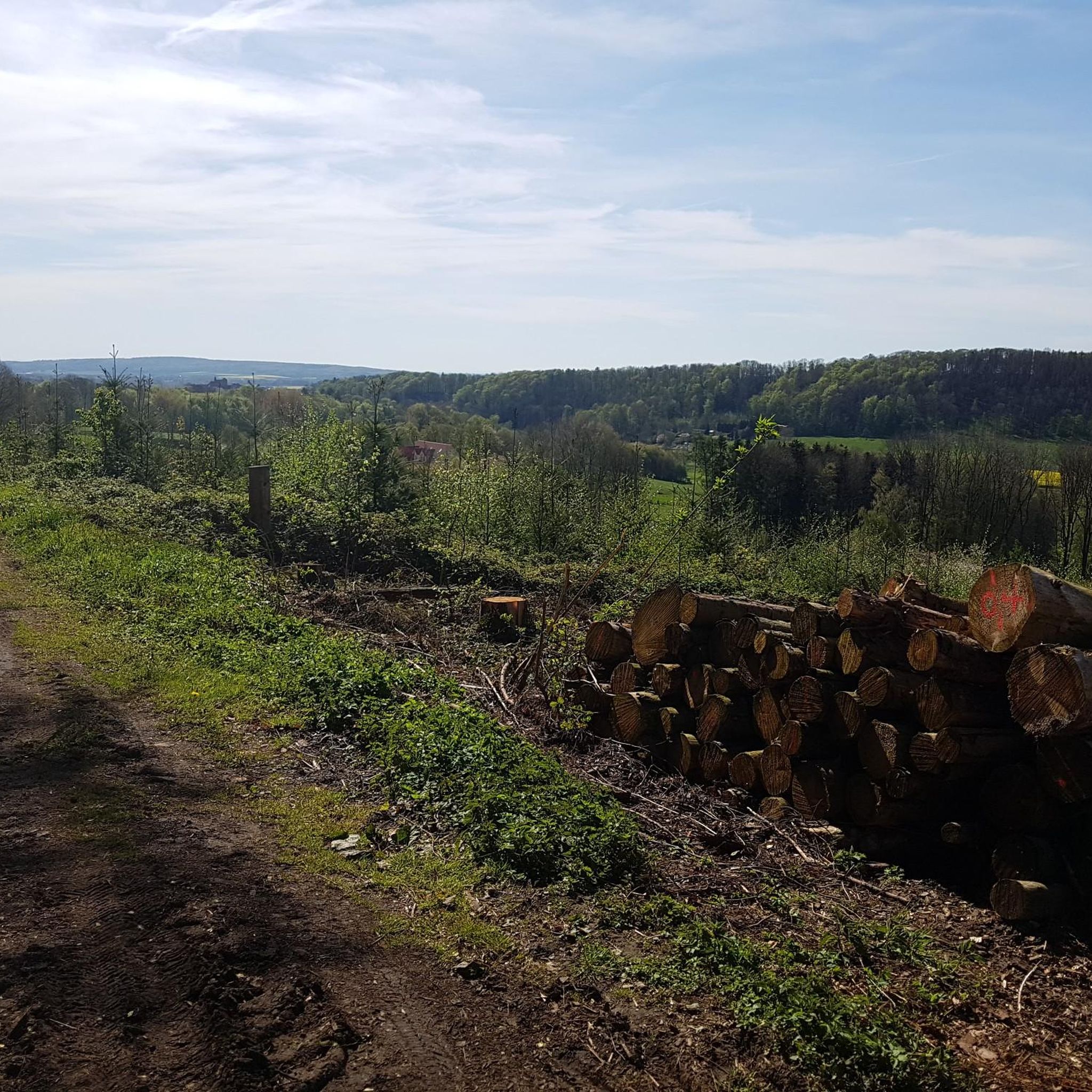
Gravel biking around Luzianes-Gare

Gravel biking around Ourique
Gravel biking around São Teotónio
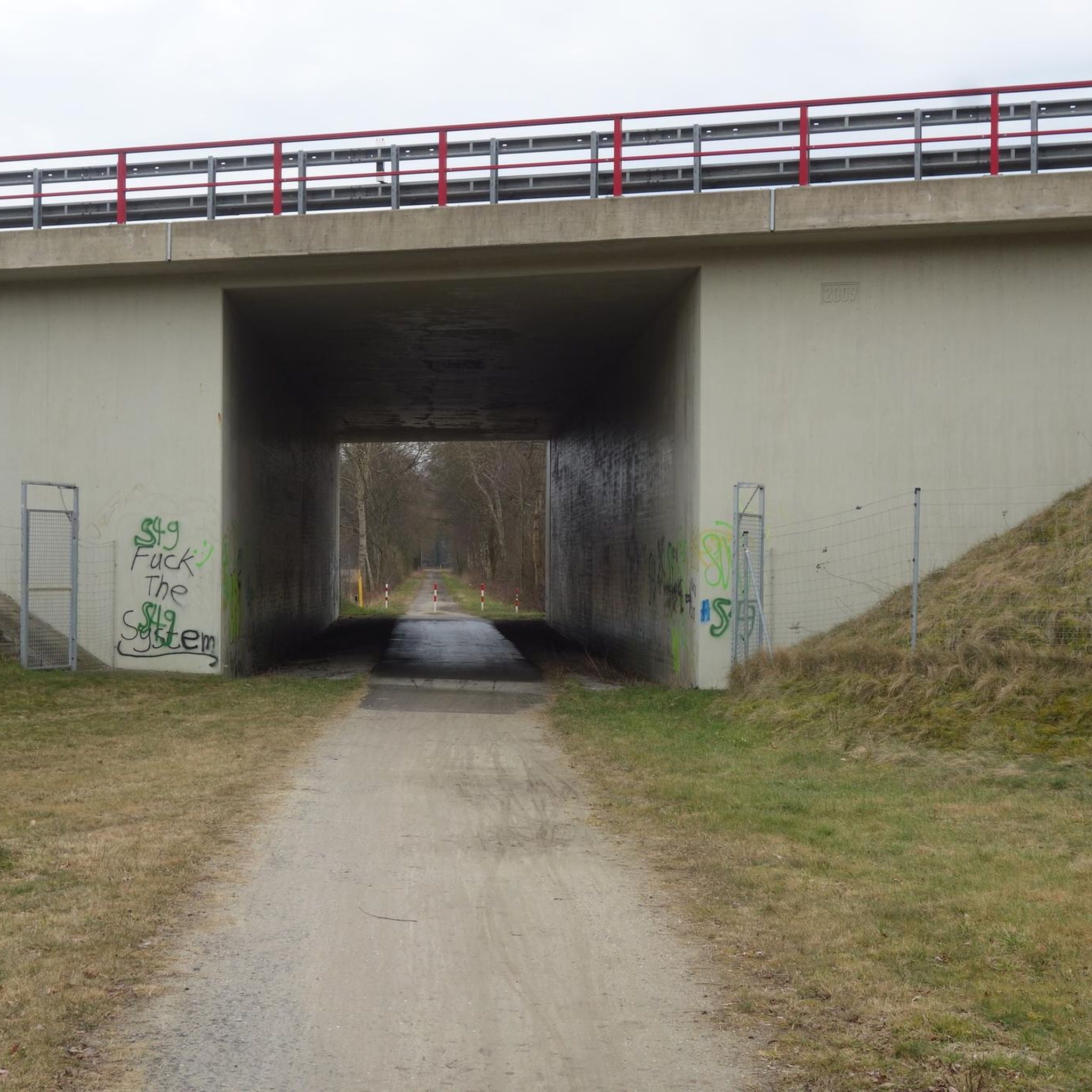
Gravel biking around Almodôvar

Gravel biking around Ourique
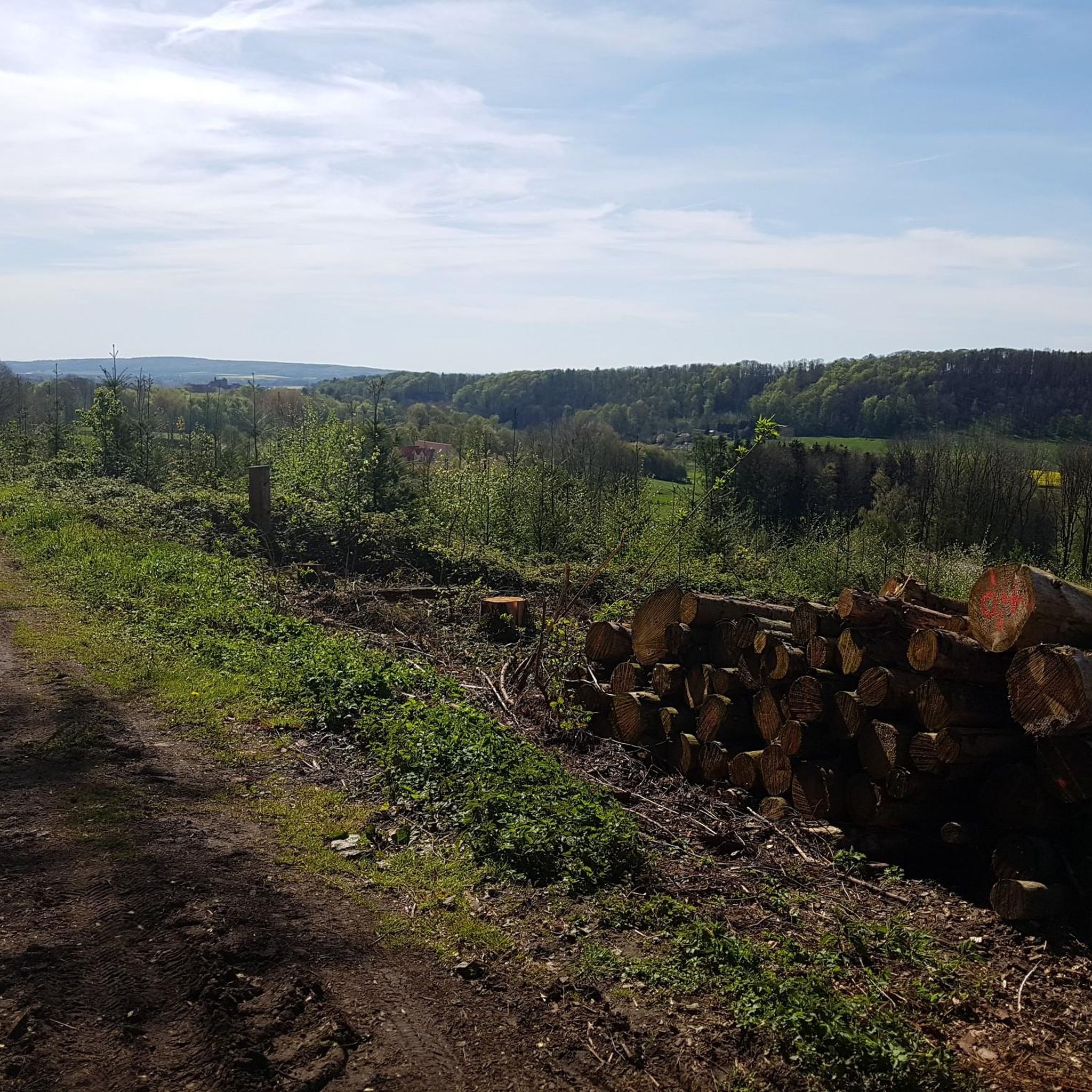
Gravel biking around Relíquias

Gravel biking around Castro Verde

Gravel biking around Rosário

Gravel biking around Castro Verde e Casével e Casével e Casével
Other adventures in Beja


Tips from the Community

Praia do Almograve is a magnificent and wild Atlantic beach in Portugal, located in Alentejo within the Costa Vicentina Natural Park, between Vila Nova de Milfontes and Zambujeira do Mar. It offers fine sand, high reddish and black cliffs, and natural pools at low tide.
0
0
The Santa Clara Dam (Barragem de Santa Clara) is located in Portugal, in the Alentejo region (near Santa Clara-a-Velha), and is surrounded by hills and scenic dirt trails ideal for hiking and mountain biking.
0
0
Odemira is a Portuguese municipality of about 26,000 inhabitants located in the district of Beja, in the Alentejo region. With its 1,719 km² area, it is the largest municipality in all of Portugal. [1, 2] The main town stands on a hill overlooking the Mira River, characterized by typical white houses with red tiled roofs and narrow cobbled streets. The surrounding territory is extraordinarily varied and extends from the rural and hilly hinterland to the spectacular cliffs of the Atlantic coast.
0
0
L'Alentejo, in southern Portugal, offers beautiful trails and fast gravel roads (estradões) ideal for gravel biking, nestled among hills, cork oak forests, and historic villages. Among the best-known events and routes are the UCI Gravel World Series stage in Ourique, and the Rota Vicentina bikepacking route that connects the hinterland to the coast.
0
0
The river crossing in the ZPE (Special Protection Area) of Castro Verde is located along a dirt track between Entradas and Salto. It is crossed by a usually dry riverbed or with a small bridge, easily passable even after heavy rains, ideal for bike or walking tours in the Portuguese Alentejo steppe.
0
0
Monte Ronceiro is a typical rural estate (mountain) located in the municipality of Castro Verde, in the district of Beja, in the Alentejo region of Portugal. The area is renowned in cycling and gravel circuits for its landscapes of meadows, gentle hills, and dirt tracks immersed in nature.
0
0
Entradas (Portugal): It is a parish (freguesia) located in the municipality of Castro Verde, in the district of Beja in Portugal.
0
0
The Rio Mira is a 145 km long Portuguese river. It has the rare peculiarity of flowing entirely from south to north. It originates in the hills of the Serra do Caldeirão at about 470 meters above sea level. It flows into the Atlantic Ocean with a wide estuary near the renowned tourist resort of Vila Nova de Milfontes. A significant part of its basin is protected and is part of the Southwest Alentejo and Vicentine Coast Natural Park.
0
0
Frequently Asked Questions
How many gravel bike trails are available in Beja?
There are over 25 gravel biking routes in Beja, offering a diverse range of experiences. These include paths suitable for various skill levels, from easy rides to more challenging adventures across the Alentejo region.
What kind of landscapes can I expect to see while gravel biking in Beja?
Beja's gravel routes traverse rugged Alentejo landscapes, featuring extensive networks of unpaved roads, smooth forest roads, and hard-packed riverside paths. You'll encounter rolling countryside vistas and forest-canopied sections, providing a picturesque backdrop for your ride. Highlights include views around the Santa Clara Reservoir and through the Parque Natural do Sudoeste Alentejano e Costa Vicentina.
Are there gravel routes suitable for beginners or families in Beja?
Yes, Beja offers routes suitable for various skill levels. While many are challenging, there are also easy and moderate options. For a relatively easier experience, consider routes like the Enxara – Loop tour from Amoreiras-Odemira, which is rated easy and covers about 15 km. The region's smooth forest roads and hard-packed riverside paths are generally more accessible.
What are some of the more challenging gravel bike routes in Beja?
For experienced gravel bikers seeking a challenge, Beja offers several difficult routes. The Milfontes – Costa Vicentina Natural Park trail, at over 108 km, explores varied terrain. Another demanding option is the Santa Clara Reservoir Loop, a 87 km path with significant elevation gain. The Castro Verde Cycling Center Loop is also a substantial 126 km ride through the Alentejo countryside.
What attractions or points of interest can I find along the gravel bike routes in Beja?
Many gravel routes in Beja pass by charming natural and historical attractions. You might encounter historic towns like Mértola, known for its medieval character, or Pias, where you can explore cobblestone streets. The region also features the Castro da Cola Archaeological Park, an Iron Age hillfort. For natural sights, some routes offer views of the Santa Clara Dam (Santa Clara Dam) and the Odivelas Reservoir (Odivelas Reservoir). While less common directly on gravel routes, the region also has waterfalls like Pulo do Lobo (Pulo do Lobo Waterfall) and Snakes' Waterfall (Snakes' Waterfall) nearby.
Are there any circular gravel bike routes in Beja?
Yes, many of the gravel routes in Beja are designed as loops, allowing you to start and end at the same point. Examples include the challenging Santa Clara Reservoir Loop, the extensive Castro Verde Cycling Center Loop, and the Loop tour from Serpa. These circular routes are great for exploring the region without needing return transport.
What is the best time of year for gravel biking in Beja?
The Alentejo region, including Beja, generally experiences hot, dry summers and mild winters. Spring (March to May) and Autumn (September to November) are often considered the best seasons for gravel biking. During these periods, temperatures are more moderate, and the landscape is vibrant, making for more comfortable and scenic rides. Summers can be very hot, especially in July and August.
What do other gravel bikers enjoy most about the trails in Beja?
The gravel biking routes in Beja are highly rated by the komoot community, with an average score of 4.4 stars from over 10 reviews. Riders often praise the diverse landscapes, the extensive network of quiet, unpaved roads, and the sense of immersion in nature. The combination of challenging terrain and serene countryside views is frequently highlighted as a major draw.
Are there any routes that pass through towns or villages where I can stop for refreshments?
Yes, several routes in the Beja area are designed to pass through or near charming towns and villages. For instance, the region research mentions towns like Mértola and Pias, where cyclists can find places to rest, enjoy local cuisine, and recharge. While specific cafes aren't listed for every route, planning your ride to include these settlements is a good strategy for breaks.
What is the typical length and duration of gravel bike trails in Beja?
Gravel bike trails in Beja vary significantly in length and duration. You can find shorter routes like the Santa Bárbara de Padrões Route, which is about 25 km and takes around 2.5 hours. Longer, more challenging tours can extend over 100 km, such as the Ourique BTT Route P56 (78 km, ~7.5 hours) or the Dirt road through the mines loop from Parque Estacionamento da Praia fluvial da Tapada Grande (121 km, ~9.5 hours). This variety allows riders to choose routes that match their fitness and available time.
Can I expect to see wildlife on the gravel bike routes in Beja?
The quiet and remote nature of many unpaved roads in Beja, particularly those passing through natural areas like the Parque Natural do Sudoeste Alentejano e Costa Vicentina, increases the chances of encountering local wildlife. The Alentejo region is known for its diverse ecosystems, so keep an eye out for various bird species, rabbits, and other small mammals native to the area.
Most popular routes in Beja
Most popular attractions in Beja

Get inspired with the komoot mobile app


Didn’t find what you were looking for?
Check out more Gravel rides throughout Beja below and find the perfect route in your destination.
Explore more
Browse the best Gravel rides in other regions.
