The best cycling routes in Beja
3.9
(254)
1,378
riders
111
rides
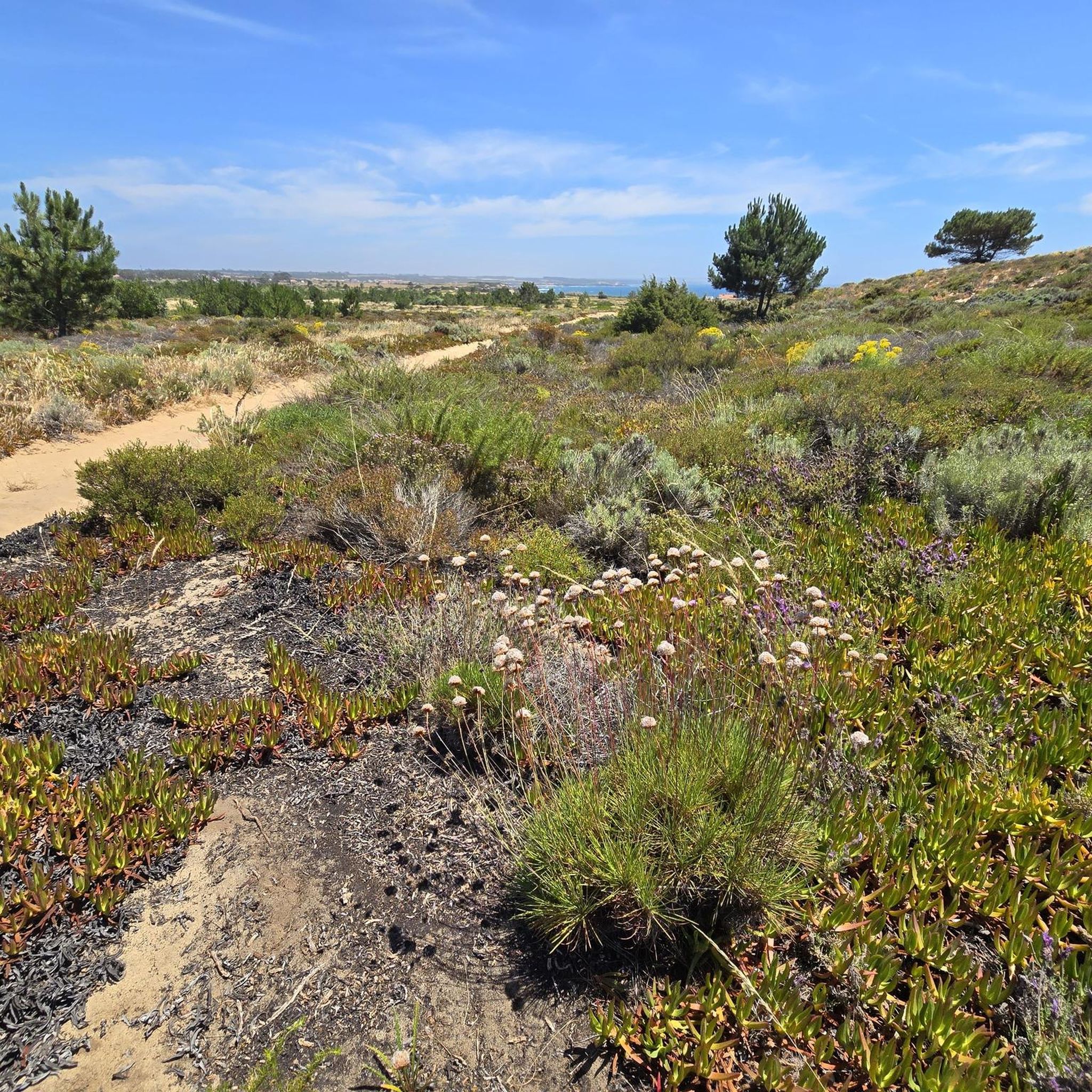
Touring cycling in Beja offers diverse terrain across Portugal's Alentejo region, characterized by quiet roads and a blend of rolling hills and vast plains. The landscape features extensive vineyards, olive orchards, and cork oak forests, providing varied scenery for cyclists. This region's topography ranges from gentle undulations to more challenging climbs, making it suitable for different cycling preferences.
Best touring cycling routes in Beja
- The most popular touring cycling route is Serpa MTB Trail P2, a 19.9 miles (32.0…
Last updated: November 20, 2026
7
riders
32.0km
02:21
370m
370m
1
riders
13.7km
01:02
110m
110m
Easy bike ride. Mostly paved surfaces.

3.6
(39)
210
riders
36.7km
02:24
200m
200m
Moderate bike ride. Good fitness required. Mostly paved surfaces.
4.1
(15)
78
riders
26.1km
01:52
310m
310m
Moderate bike ride. Good fitness required. Mostly paved surfaces.
4.3
(14)
78
riders
15.7km
01:01
140m
140m
Easy bike ride. Mostly paved surfaces.
3.9
(13)
63
riders
Moderate bike ride. Good fitness required. Mostly paved surfaces.
4.3
(6)
43
riders
27.2km
02:07
160m
160m
Moderate bike ride. Good fitness required. Mostly paved surfaces.
4.0
(8)
43
riders
21.9km
01:32
290m
290m
Moderate bike ride. Good fitness required. Mostly paved surfaces.
4.8
(15)
30
riders
35.1km
02:38
280m
280m
Moderate bike ride. Good fitness required. Mostly paved surfaces.
3.4
(7)
29
riders
19.0km
01:20
120m
120m
Easy bike ride. Mostly paved surfaces.
Get access to more routes and recommendations from other explorers.
Already have an account?
Our route recommendations are based on thousands of hikes, rides, and runs completed by other people on komoot.
Start today with a free account
Your next adventure awaits.
Other adventures in Beja


Tips from the Community


The Church of Nossa Senhora da Cola (in Portuguese Igreja de Nossa Senhora da Cola or Ermida de Nossa Senhora da Cola) is an important pilgrimage sanctuary located in the municipality of Ourique, in the Baixo Alentejo region of Portugal.
0
0

Thank you for the photos you left here.🙏👍🥾
0
0

Swinging!
0
0
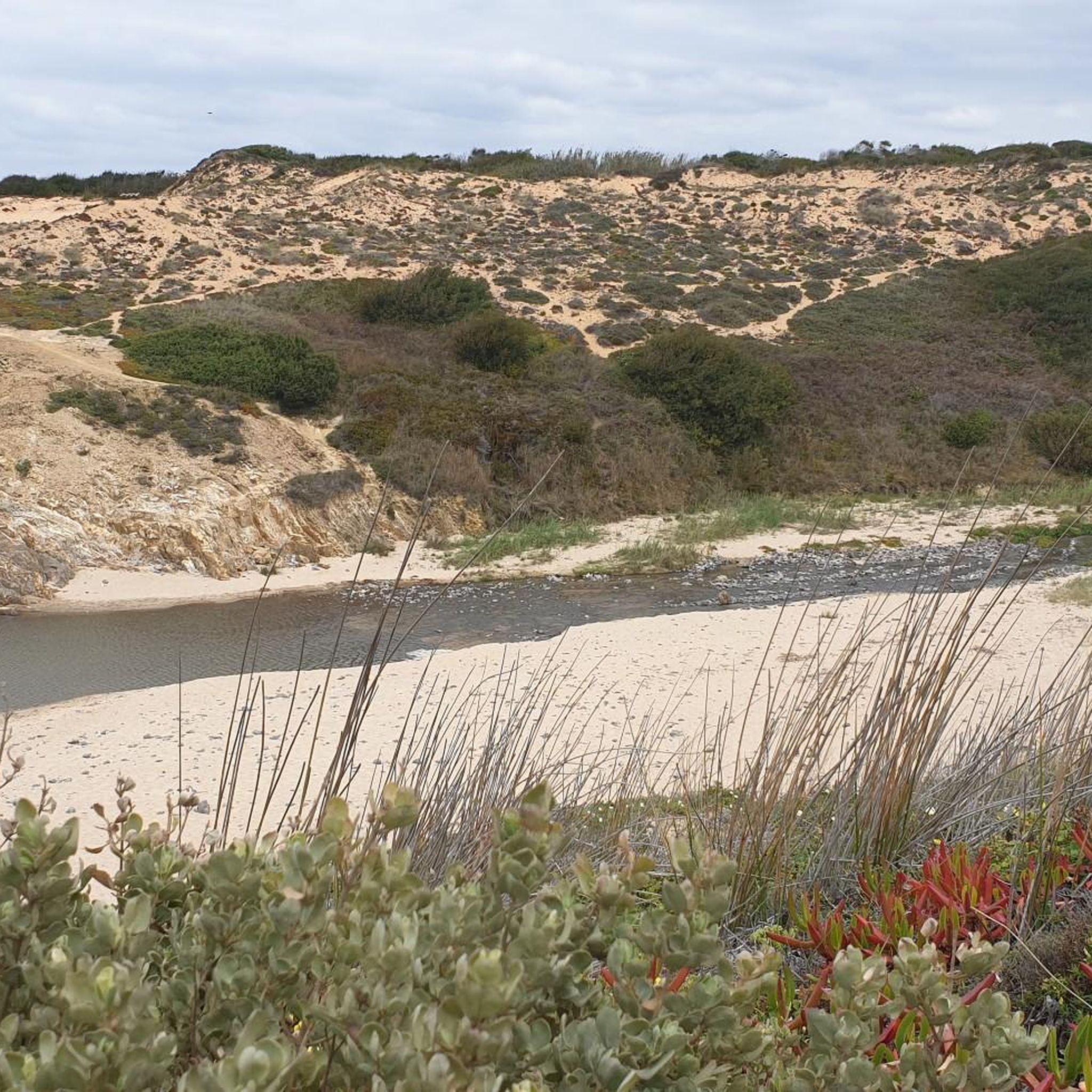
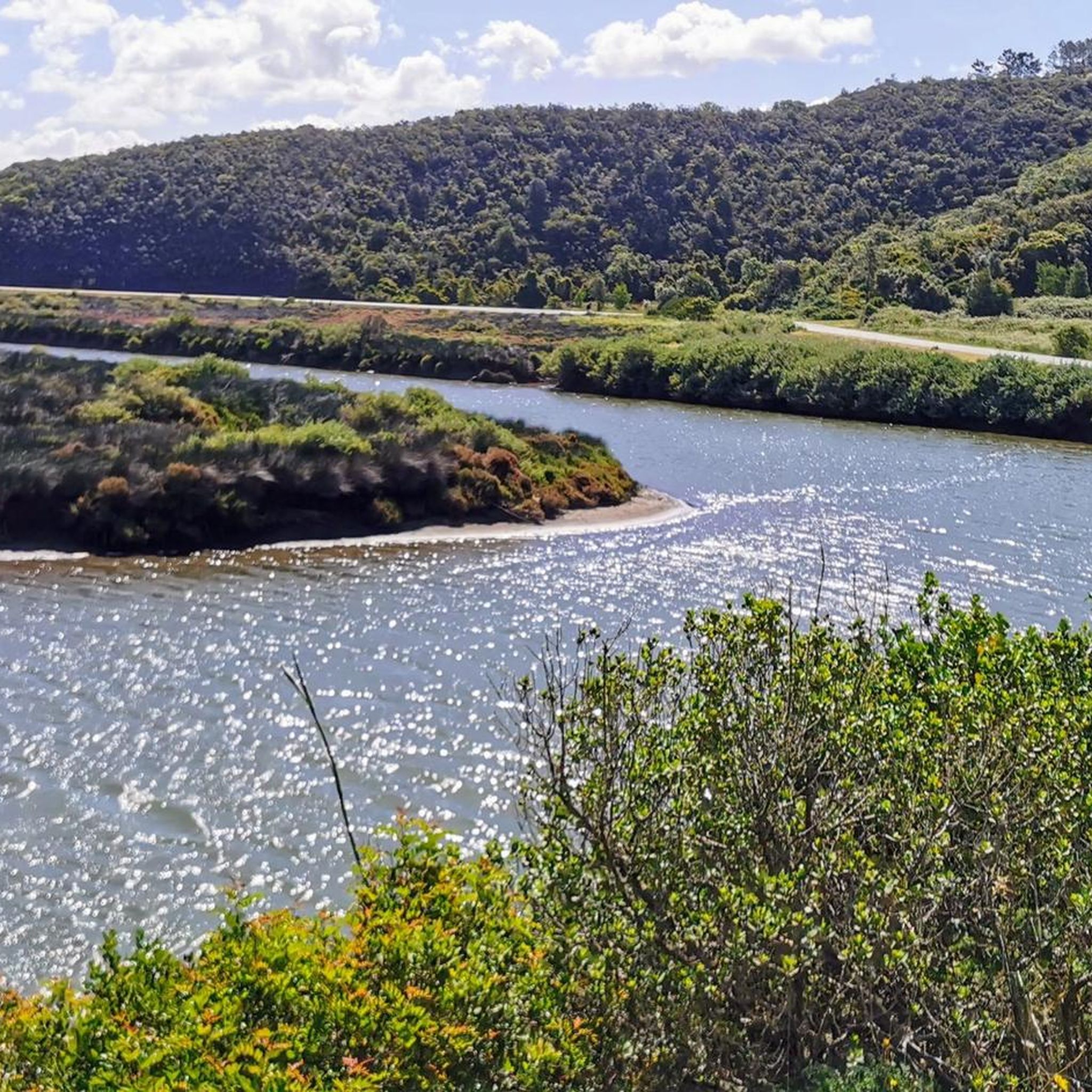
The Rio Mira is a 145 km long Portuguese river. It has the rare peculiarity of flowing entirely from south to north. It originates in the hills of the Serra do Caldeirão at about 470 meters above sea level. It flows into the Atlantic Ocean with a wide estuary near the renowned tourist resort of Vila Nova de Milfontes. A significant part of its basin is protected and is part of the Southwest Alentejo and Vicentine Coast Natural Park.
0
0


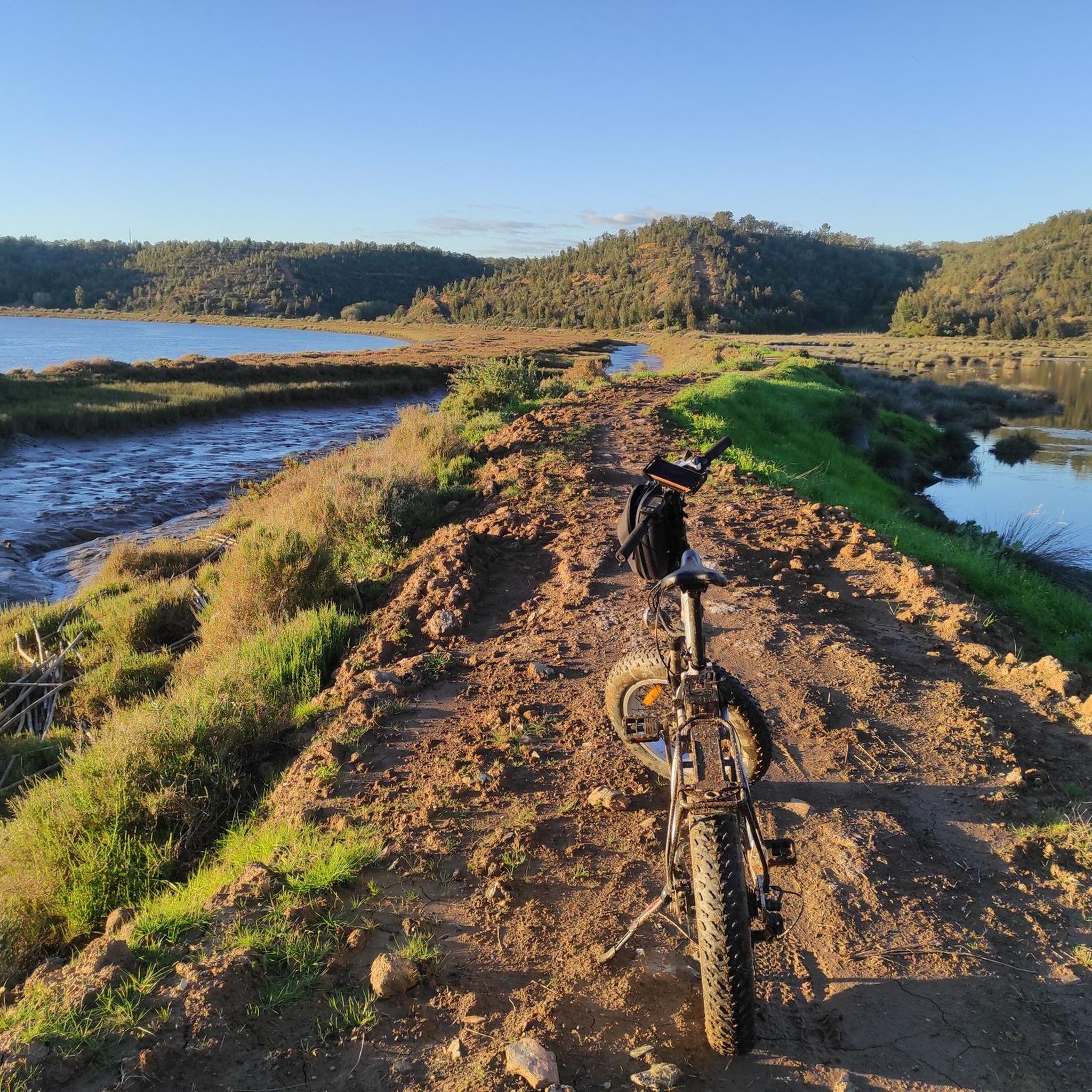
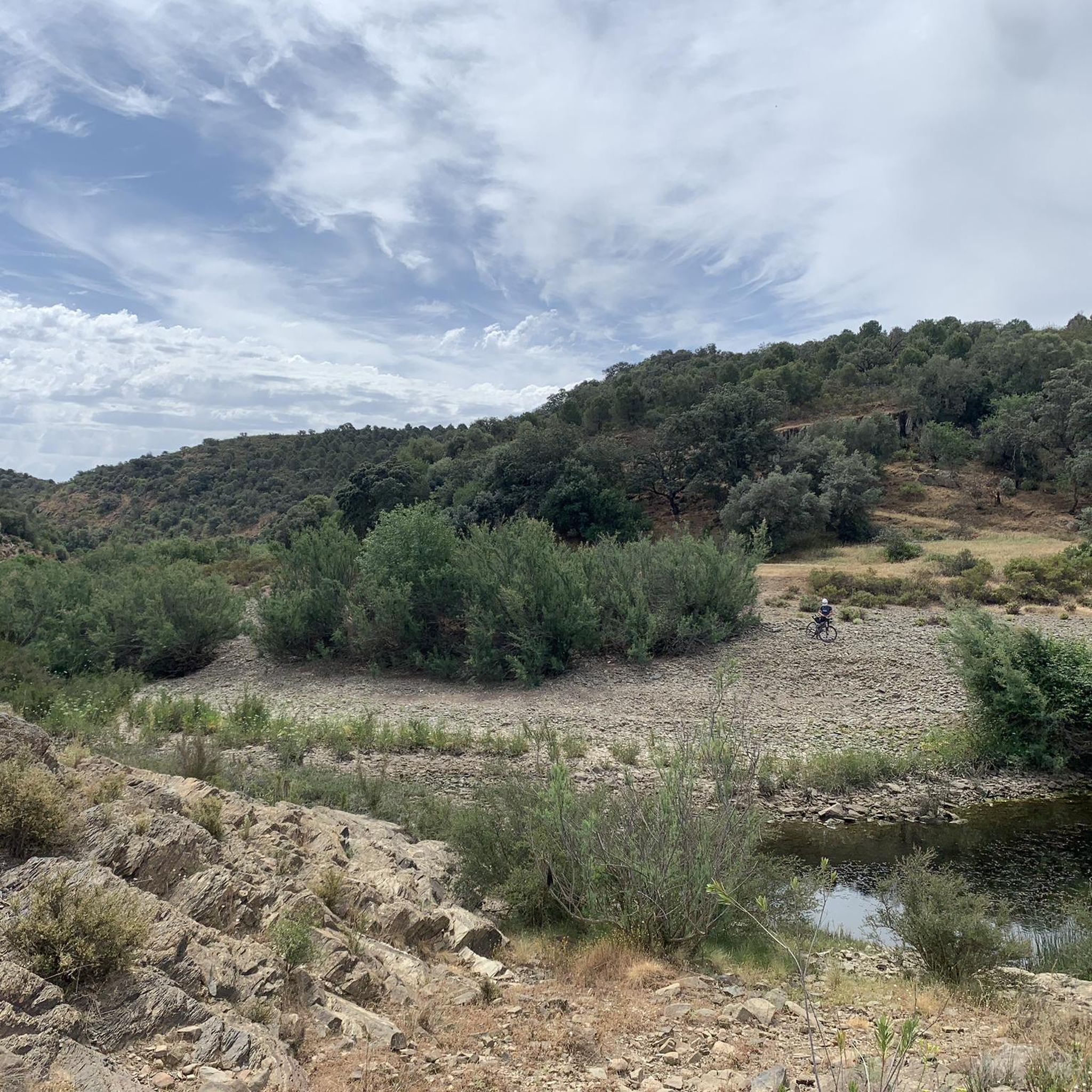
You can't call this a bike route. Not doable.
0
0

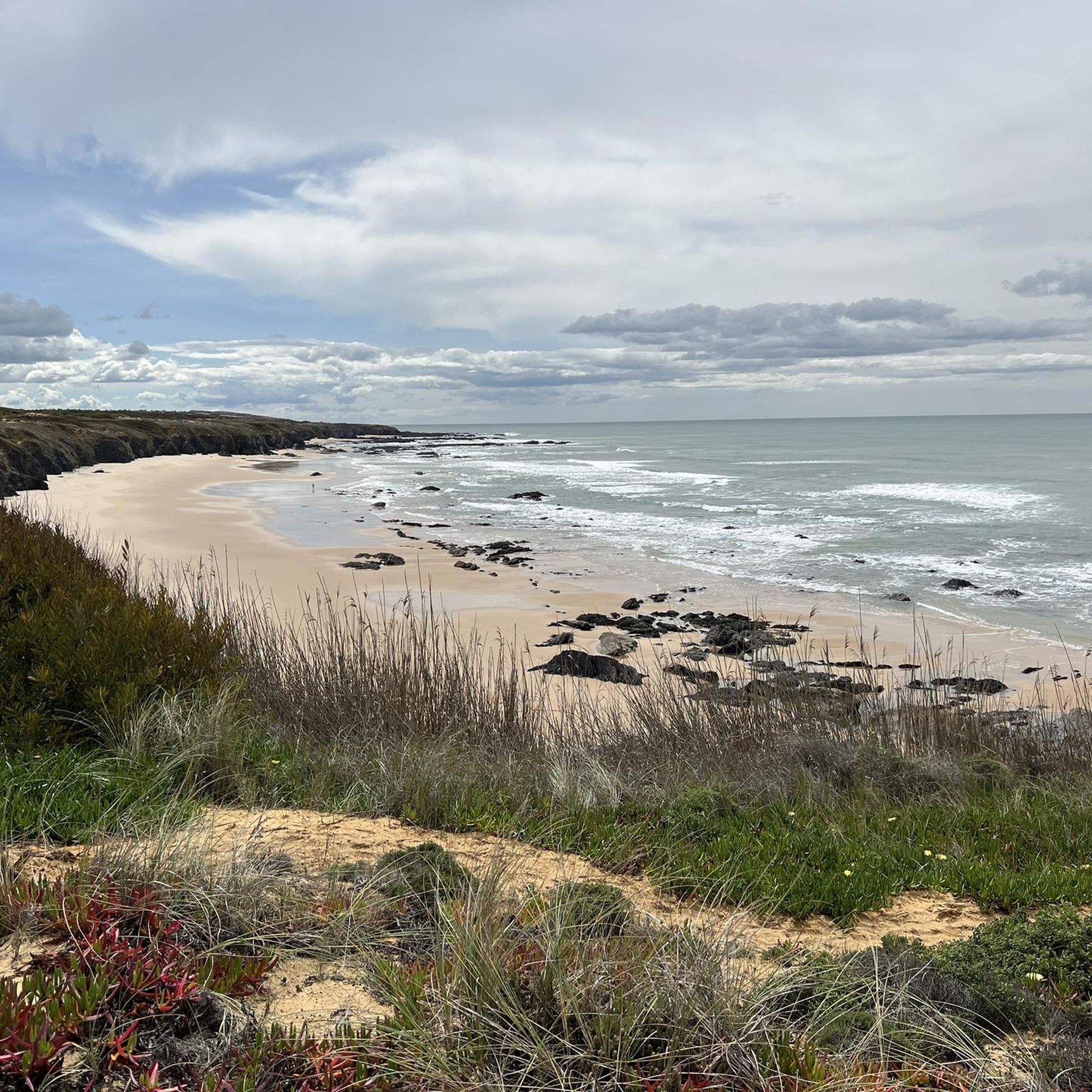
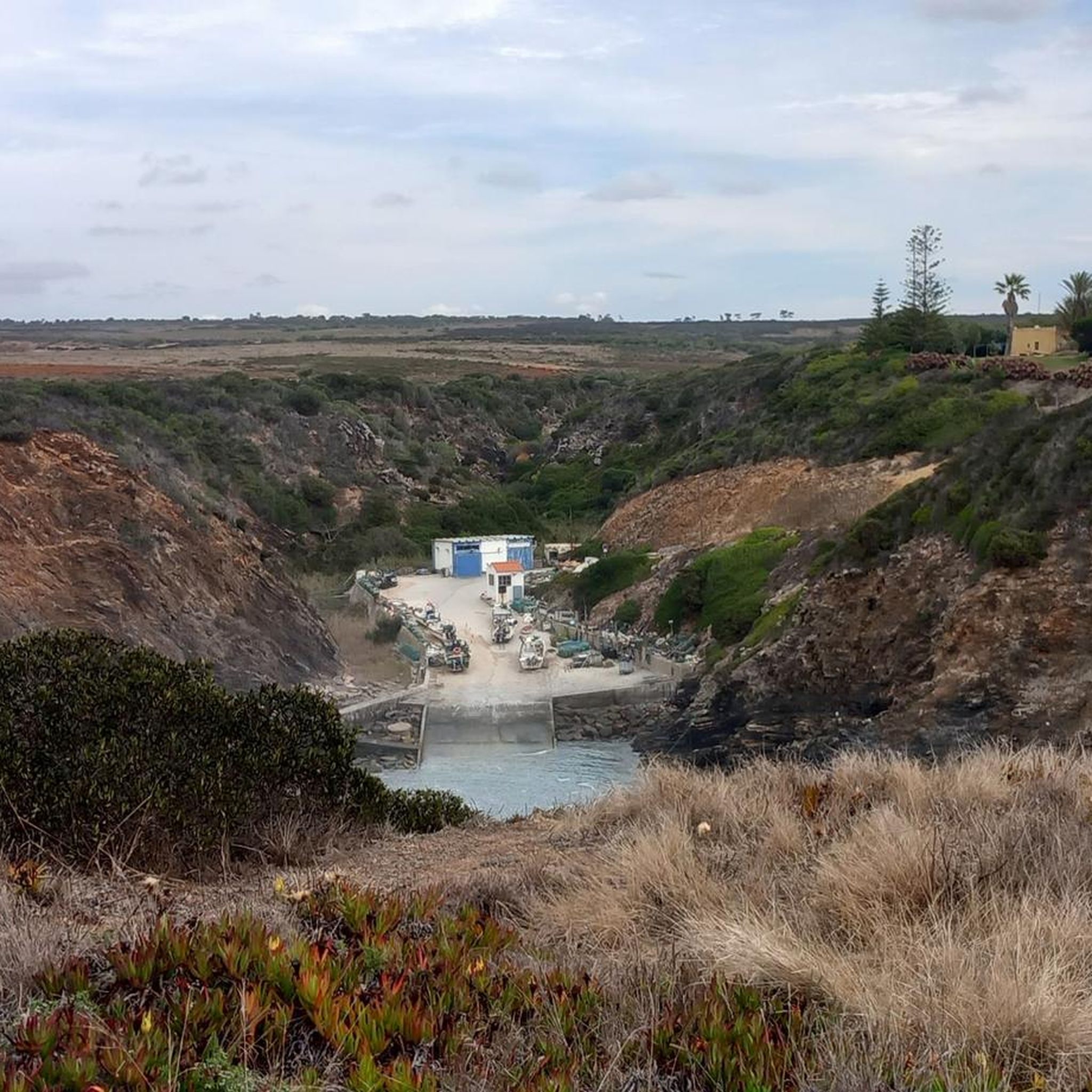
Zambujeira do Mar rises atop dramatic cliffs, with the Atlantic always on the horizon and hidden beaches below. Small and authentic, the village gains extra energy in the summer, especially in August during the Festival do Sudoeste. At the top, the Chapel of Nossa Senhora do Mar offers one of the best viewpoints on the coast, perfect for a break with a view. Between descents to the sea and trails along the cliffs, this is one of those places where every kilometer tastes like freedom.
2
0
Frequently Asked Questions
How many touring cycling routes are available in Beja?
Beja offers a wide selection of touring cycling routes, with over 120 options available. These routes cater to various skill levels, including 22 easy, 71 moderate, and 27 difficult trails.
What kind of terrain can I expect when touring cycling in Beja?
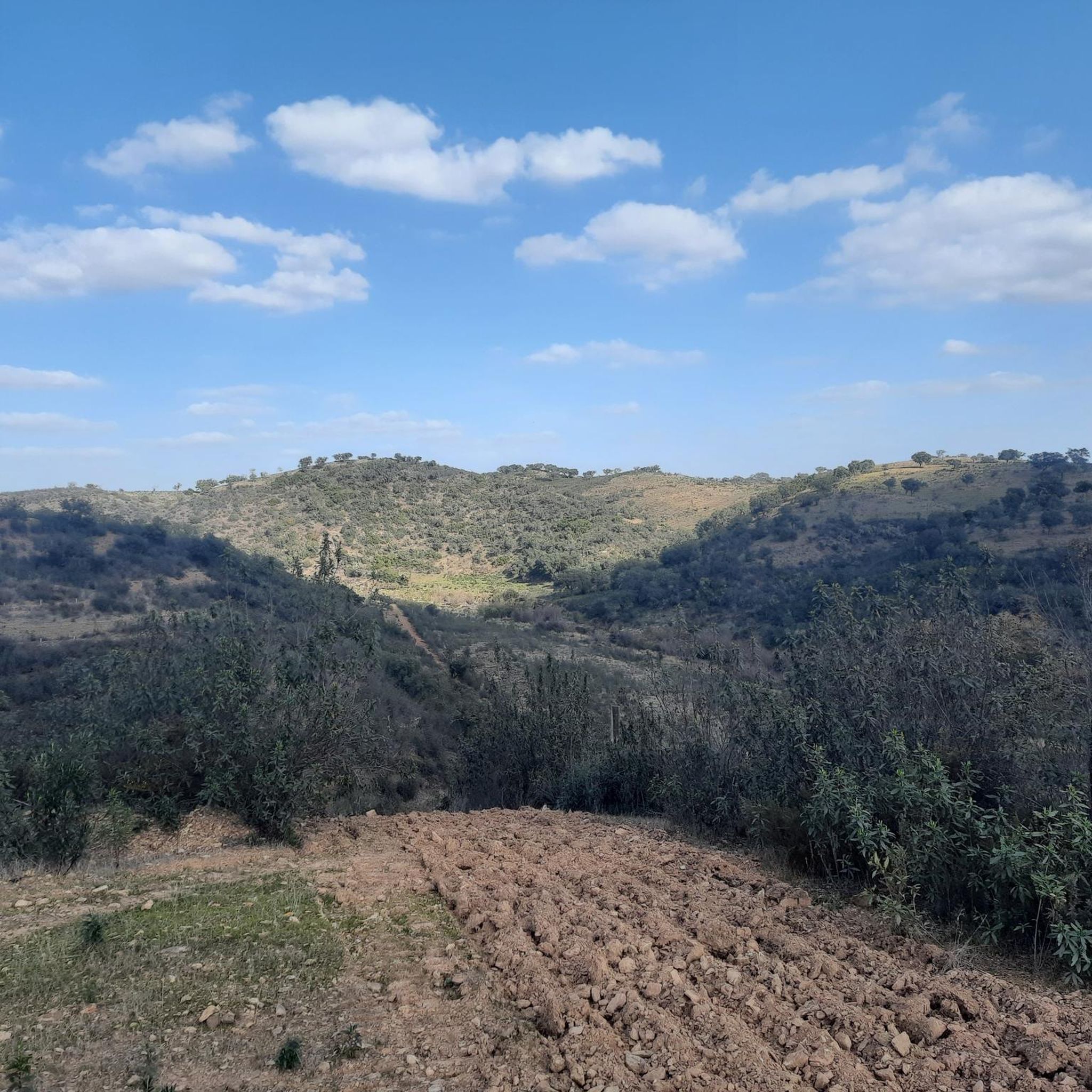
The Beja region is characterized by diverse terrain, including rolling hills, vast plains, and even coastal stretches. You'll cycle through quiet roads winding through extensive vineyards, olive orchards, and cork oak forests, offering varied scenery and experiences.
Are there easy touring cycling routes suitable for beginners in Beja?
Yes, Beja has several easy touring cycling routes perfect for beginners. For instance, the Circular Route 1 Serpa is an easy 8.5-mile (13.7 km) path that takes you through the Alentejo plains. Another great option is the Nice singletrack – Yabalulu Restaurant loop from Vila Nova de Milfontes, an easy 15.2-mile (24.5 km) route.
Can I find circular touring cycling routes in Beja?
Yes, many touring cycling routes in Beja are designed as loops. A popular example is the Circular Route 1 Serpa. You can also explore coastal loops like the Porto Covo town center – Pessegueiro Island Beach loop from Vila Nova de Milfontes.
What natural features or scenic viewpoints can I see along the routes?
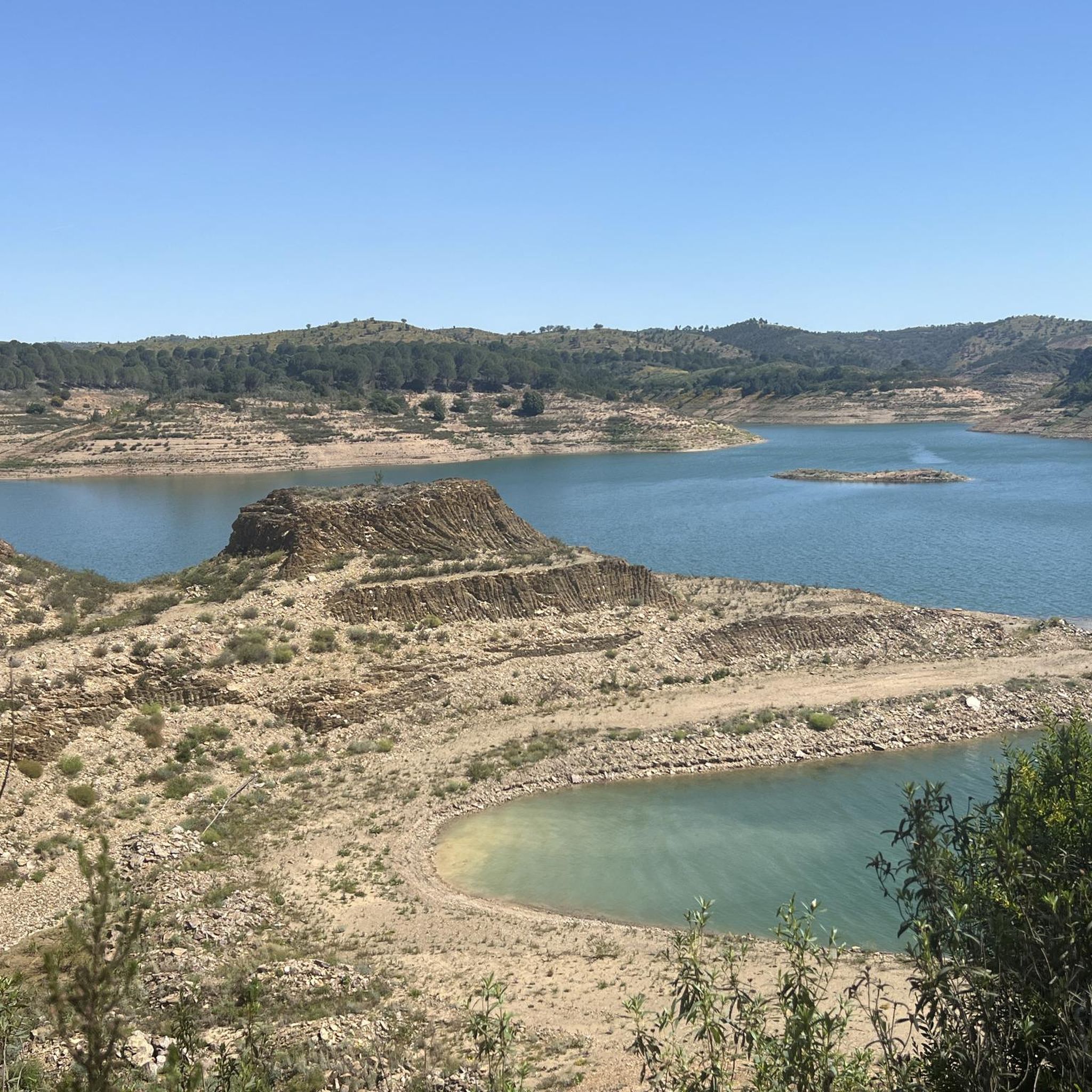
Beja's routes offer stunning natural beauty. You can cycle through picturesque vineyards, olive orchards, and cork oak forests. The wider Alentejo region, which includes Beja, features areas like the Guadiana Valley Natural Park with serene river landscapes and rugged cliffs. Many routes also lead to beautiful beaches such as Malhão Beach, Brejo Largo Beach, and Zambujeira do Mar Beach.
Are there historical sites or towns to explore while cycling in Beja?
Absolutely. The Beja region is rich in history. You can explore numerous historical sites, including ancient Roman ruins like the Villa Romana de Pisões, megalithic monuments, and charming historic towns. Beja itself boasts a 13th-century castle with a tower offering memorable views. The town of Vila Nova de Milfontes is another notable settlement you might encounter on coastal routes.
What is the best time of year for touring cycling in Beja?
The Alentejo region, including Beja, is generally pleasant for cycling in spring and autumn when temperatures are milder. Summers can be quite hot, especially inland, while winters are typically mild but can have more rainfall. Checking the local weather forecast before your trip is always recommended.
Are there family-friendly touring cycling routes in Beja?
Yes, Beja offers routes suitable for families, particularly those categorized as easy. These routes often feature flatter terrain and quieter roads, allowing for a more relaxed cycling experience for all ages. Look for routes with lower elevation gains and shorter distances.
What do other cyclists say about touring cycling in Beja?
The touring cycling routes in Beja are highly rated by the komoot community, with an average score of 3.9 stars from over 230 reviews. Cyclists often praise the region's diverse terrain, quiet roads, and the beautiful landscapes of vineyards, olive orchards, and coastal stretches.
Are there any coastal touring cycling routes in the Beja region?
Yes, while Beja town is inland, the wider Beja district extends to the coast, offering fantastic coastal touring cycling routes. Examples include the Zambujeira do Mar Beach – Odeceixe loop from Zambujeira do Mar and the 🇧🇫Zambujeira Atlantic Coast – Zambujeira do Mar Beach loop from São Teotónio, which provide stunning sea views and coastal paths.
Are there opportunities for bird watching along touring cycling routes in Beja?
Yes, the Alentejo region is a significant habitat for various bird species, making it excellent for bird watching. You might spot storks, hoopoes, and bee-eaters during your rides. The Vale Gonçalinho bird reserve, near Castro Verde, is particularly known for endangered steppe species and could be a point of interest.
Are there any routes with significant elevation gain for more advanced cyclists?
For cyclists seeking more challenging rides, Beja does offer routes with notable elevation changes. For example, the Serpa MTB Trail P2, while moderate, features over 370 meters of elevation gain. Other routes, particularly those traversing the rolling hills further inland, will provide more demanding climbs.
Most popular routes in Beja
Most popular attractions in Beja

Get inspired with the komoot mobile app


Didn’t find what you were looking for?
Check out more Cycling routes throughout Beja below and find the perfect route in your destination.
Explore more
Browse the best Cycling routes in other regions.
