The best gravel rides around Rastenfeld
12
riders
4
rides
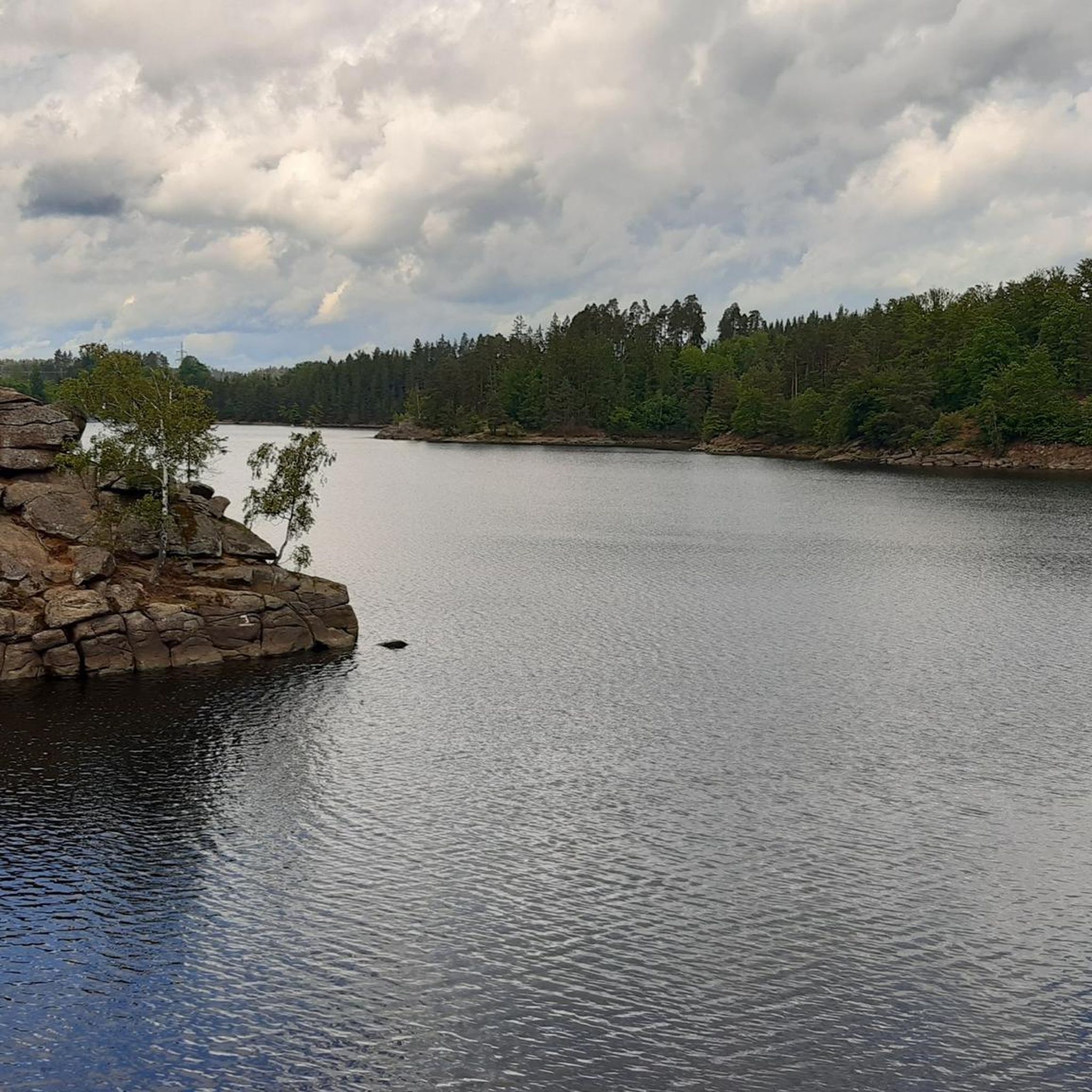
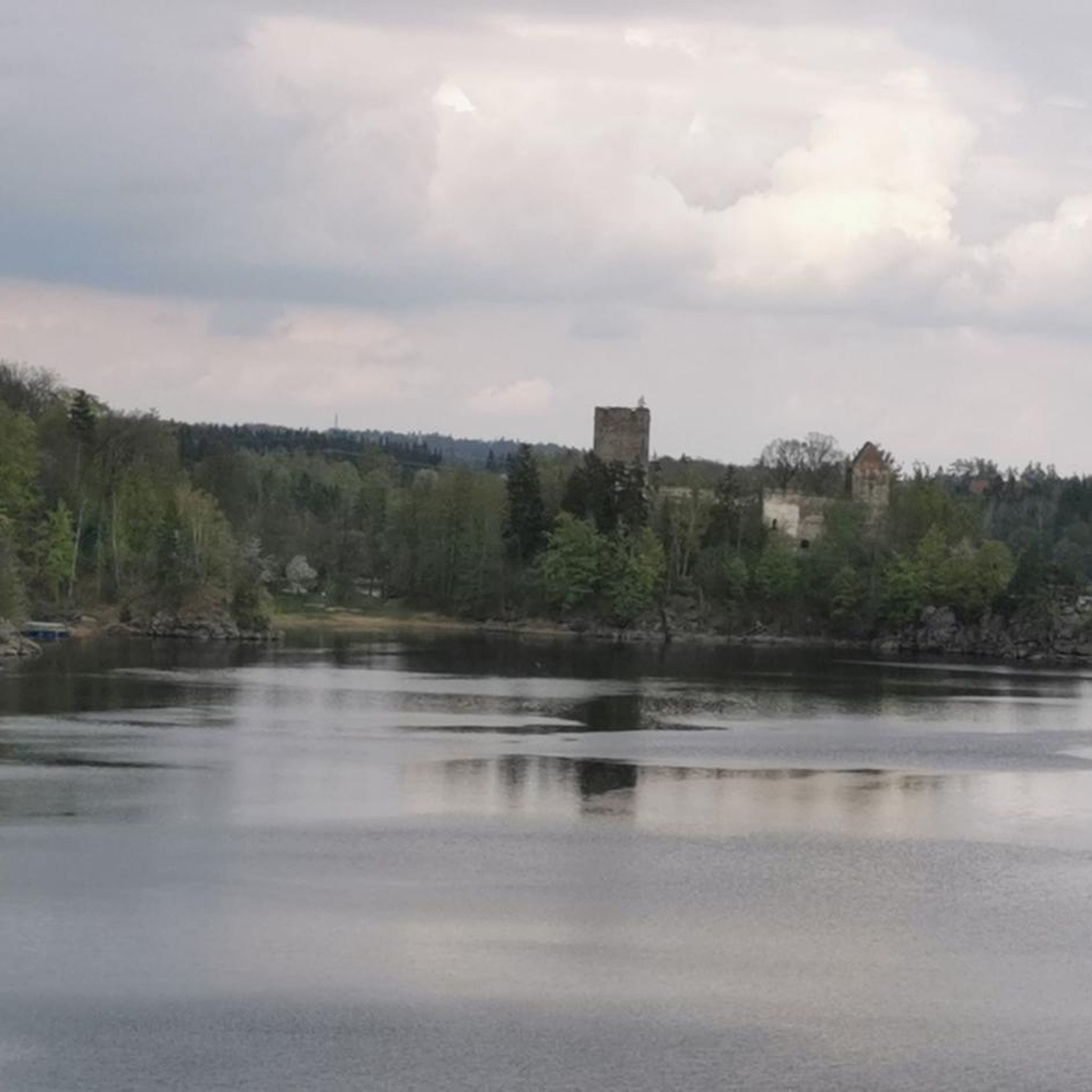
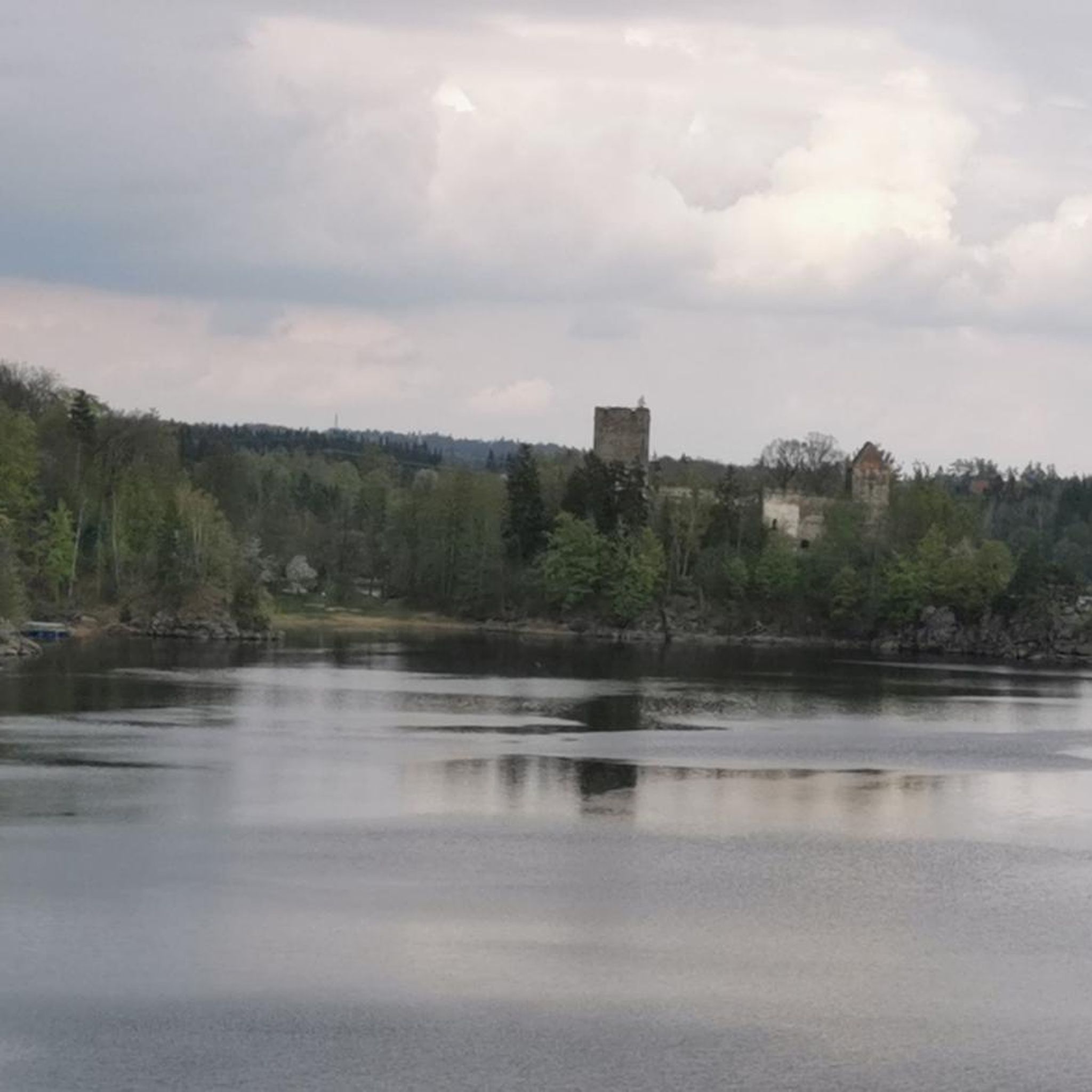
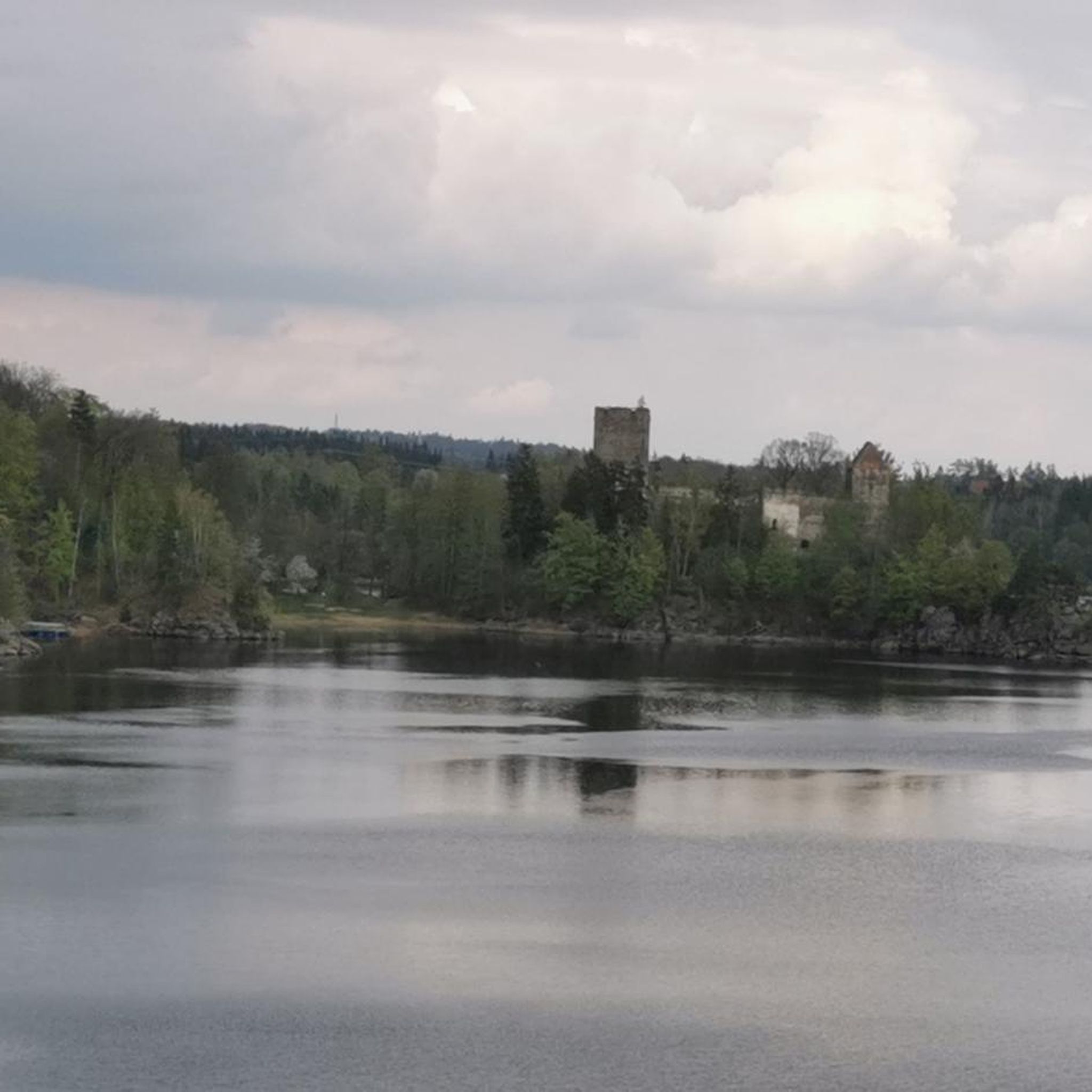
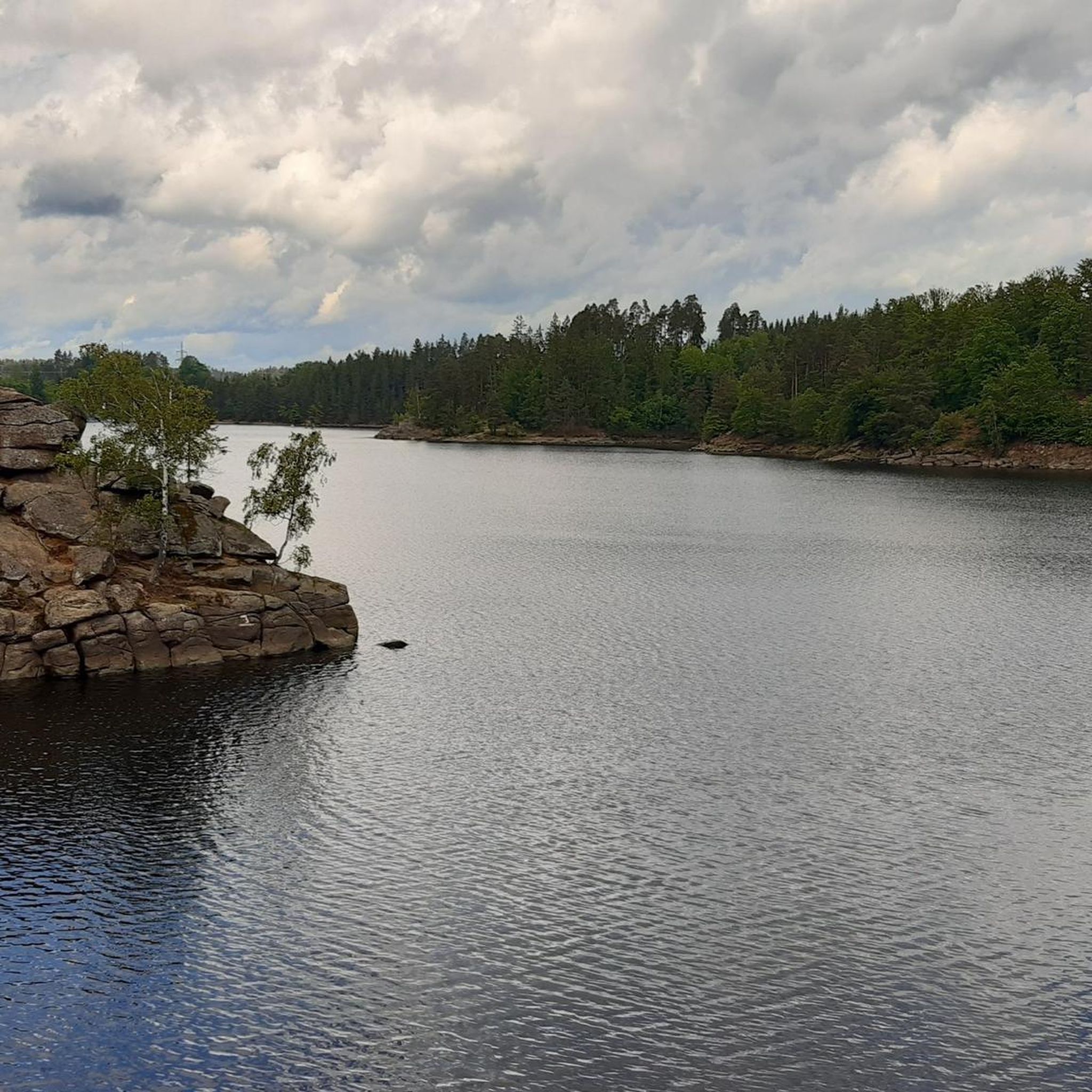
Gravel biking around Rastenfeld offers diverse landscapes within Lower Austria's Waldviertel region. The area is characterized by the expansive Ottenstein Reservoir, featuring fjord-like arms and wooded shores, alongside surrounding forests and varied topography. Cyclists encounter a mix of natural paths and some asphalt roads, providing varied surfaces for gravel exploration. The region also includes hills and cliffs, contributing to a dynamic terrain suitable for gravel biking.
Best gravel bike trails around Rastenfeld
- The most popular gravel bike trail is Plague…
Last updated: May 21, 2026
7
riders
Hard gravel ride. Very good fitness required. You may need to push your bike for some segments of this route.
1
riders
34.8km
02:29
530m
530m
Hard gravel ride. Very good fitness required. Mostly paved surfaces. Suitable for all skill levels.

Sign up for free
2
riders
81.2km
05:15
1,170m
1,170m
Hard gravel ride. Very good fitness required. Mostly paved surfaces. Suitable for all skill levels.
2
riders
42.3km
02:52
590m
590m
Hard gravel ride. Very good fitness required. You may need to push your bike for some segments of this route.
Our route recommendations are based on thousands of hikes, rides, and runs completed by other people on komoot.
Start today with a free account
Your next adventure awaits.
Login or Signup
Popular around Rastenfeld
Hiking with a view – certified hiking villages in Lower Austria
Cliffs, a gorge and vineyards – day hikes in the Waldviertel
Between bizarre rocks and pristine forests – MTB in the Waldviertel
Hiking around Rastenfeld
MTB Trails around Rastenfeld
Cycling around Rastenfeld
Road Cycling Routes around Rastenfeld
Running Trails around Rastenfeld
Other adventures around Rastenfeld


Tips from the Community


Originally, after the town's founding, Trinity Square was part of Zwettl's main square, which at that time stretched as an extensive triangular plaza from the townhouses behind the Hundertwasser Fountain to the level of the Hausleitner house above the "Zur Goldenen Rose" inn. The construction of houses along the lower Landstraße, the so-called "Grätzl," significantly narrowed the main square, and the addition of the cross street eventually divided it into two squares.
0
0
During the Baroque period, people everywhere were eager to express their gratitude for overcoming the plague years and the Turkish Wars by erecting plague or Trinity columns. In 1727, the pillory in the upper square was replaced by the richly sculpted sandstone column created by Kaspar Högl of Eggenburg. During the last renovation in 1998, extensive environmental damage to the figures was repaired, and the entire column was painted a light yellow. The four life-size statues are, in the center at the front, the Immaculate Conception; to her left, St. Sebastian (pierced by five arrows); to her right, St. Roch (pointing to the plague boil on his thigh); and St. Florian (holding a flag in one hand and a bucket of water in the other). The iron fountain in the immediate vicinity of the Trinity Column is a gift from the then-mayor, Eugen Beck, of the twin town of Plochingen near Stuttgart.
0
0
History of the fountain on the main square of the town of Gföhl. The fountain itself is in neo-Gothic style and was erected in 1870 according to a design by Karl Rösner. From 1999 onwards, the main square was redesigned under the leadership of architect Gerhard Mitterberger for 9.3 million Schilling. During this process, the fountain was extended with a few subtly worked granite elements.
0
0
History of the Church: A church was first documented in 1327 and initially belonged to the parish of Meisling as a branch church. A new church was built in the mid-17th century, followed by the current church building, constructed between 1715 and 1720, which was consecrated in 1724. Damage was caused by fires in the village in 1748 and 1820. Subsequently, the church gradually acquired 19th-century furnishings. Damage to the roof truss led to the vault sagging. During a renovation in 2020, the vault was raised again.
0
0
History of the Church: A church was first documented in 1327 and initially belonged to the parish of Meisling as a branch church. A new church was built in the mid-17th century, followed by the current church building, constructed between 1715 and 1720, which was consecrated in 1724. Damage was caused by fires in the village in 1748 and 1820. Subsequently, the church gradually acquired 19th-century furnishings. Damage to the roof truss led to the vault sagging. During a renovation in 2020, the vault was raised again.
0
0
The parish church of Gföhl is located in the town of Gföhl in the Krems district of Lower Austria. The Roman Catholic parish church, dedicated to St. Andrew, belongs to the Krems deanery in the Diocese of St. Pölten. The church is a listed building.
0
0
The parish church of Gföhl is located in the town of Gföhl in the Krems district of Lower Austria. The Roman Catholic parish church, dedicated to St. Andrew, belongs to the Krems deanery in the Diocese of St. Pölten. The church is a listed building.
0
0
Frequently Asked Questions
What kind of terrain can I expect on gravel bike trails in Rastenfeld?
Gravel biking around Rastenfeld offers a diverse mix of landscapes. You'll encounter natural paths and some asphalt roads, providing varied surfaces. The region features the expansive Ottenstein Reservoir with its fjord-like arms and wooded shores, alongside surrounding forests and varied topography. Expect hills, cliffs, and unpaved roads, making for a dynamic and often challenging ride.
Are there any easy or beginner-friendly gravel bike trails in Rastenfeld?
The gravel bike trails listed in the Rastenfeld area are generally rated as difficult. While the region offers diverse terrain, many routes present a significant challenge due to elevation changes and varied surfaces. There are currently no routes specifically categorized as easy or moderate in the provided data, suggesting most trails are suited for experienced gravel bikers.
What are some notable natural features or landmarks I can see while gravel biking in Rastenfeld?
The most prominent natural feature is the Ottenstein Reservoir, known for its fjord-like appearance and wooded shores. You can also explore several caves and natural monuments in the vicinity. For example, consider visiting Gudenus Cave, Steinerner Saal Rock Shelter, or the Riesenstein Rock in the Kamp River. Historical sites like Burg Rastenberg, Schloss Ottenstein, and Burgruine Lichtenfels also add cultural interest to your rides.
Are there any long-distance gravel bike routes around Rastenfeld?
Yes, Rastenfeld offers several longer gravel bike routes. For instance, the Jaidhof Castle – Ottenstein reservoir loop from Rastenfeld is a substantial 81.2 km (50.5 miles) trail, typically taking over 5 hours to complete. Other routes like the Ruins of Senftenberg Castle – Old Town of Krems on the Danube loop are around 50.7 km (31.5 miles).
What do other gravel bikers enjoy most about the Rastenfeld area?
The Rastenfeld area is highly rated by the komoot community, with an average score of 5.0 stars. Cyclists often praise the serene lake views of the Ottenstein Reservoir, the varied forest and hillside terrains, and the opportunity to combine rides with visits to historical sites like castles. The diverse landscape and challenging routes are frequently highlighted.
Can I find circular gravel bike routes in Rastenfeld?
Yes, many of the gravel bike routes around Rastenfeld are designed as loops, allowing you to start and finish at the same point. Examples include the Plague Column at the main square in Zwettl – Kamp River loop from Friedersbach and the Rohrendorf Cellar Lane – Kornplatz, Langenlois loop from Gföhl.
Are there any family-friendly or dog-friendly gravel trails in Rastenfeld?
While the listed gravel routes in Rastenfeld are generally rated as difficult, making them less suitable for young children or casual family rides, the region's varied terrain includes natural paths and forest roads. If you're looking for less challenging options for a family outing or with a dog, it's advisable to seek out shorter, flatter sections or designated walking paths around the Ottenstein Reservoir, which might offer more accessible terrain. Always ensure your dog is on a leash and check local regulations.
What is the best time of year for gravel biking in Rastenfeld?
The Waldviertel region, where Rastenfeld is located, offers beautiful scenery throughout the year. Spring and autumn generally provide pleasant temperatures and vibrant landscapes, ideal for gravel biking. Summer can be warm but is excellent for combining biking with water activities at the Ottenstein Reservoir. Winter biking is possible, but be prepared for colder temperatures and potentially snowy or icy conditions on trails.
Are there places to eat or stay that are cyclist-friendly in Rastenfeld?
Rastenfeld and the surrounding Waldviertel region are known for their outdoor activities, suggesting a presence of amenities catering to visitors. While specific cyclist-friendly cafes, pubs, or accommodations are not detailed in the provided data, the area's popularity for cycling implies that local establishments are generally welcoming to outdoor enthusiasts. It's recommended to check local listings or inquire directly with businesses for cyclist-specific services.
Where can I park my car when going gravel biking in Rastenfeld?
While specific parking areas for gravel biking routes are not explicitly detailed, given the region's popularity for outdoor activities, you can typically find parking near trailheads or in the centers of towns like Rastenfeld or Friedersbach. For routes starting from specific locations, such as the Gföhl – Jaidhof Castle loop from Gföhl, parking would likely be available in Gföhl.
How many gravel bike trails are available around Rastenfeld?
There are over 10 gravel bike trails available around Rastenfeld. These routes offer diverse landscapes and challenges, with all listed trails currently rated as difficult, catering to experienced gravel bikers.
Most popular routes around Rastenfeld
Most popular attractions around Rastenfeld

Get inspired with the komoot mobile app


Explore more
Browse the best Gravel rides in other regions.
