Top 8 Castles around Köthen (Anhalt)
Best castles around Köthen (Anhalt) offer insights into centuries of regional history and culture. The city is centered around Schloss Köthen, a significant historical complex that served as an Anhalt princely residence for centuries. This area is characterized by its blend of diverse architectural styles and its connection to figures like Johann Sebastian Bach. The surrounding landscape includes historical parks, providing opportunities for exploration.
Best castles around Köthen (Anhalt)
- The most popular castles is Mosigkau Palace and Gardens, a…
Last updated: September 25, 2026
Mosigkau Palace and Gardens
Highlight • Castle
Translated by Google •
Tip by

Ostrau Castle
Highlight • Castle
Even though there is still a lot to do.
The castle grounds are surrounded by a moat.
Translated by Google •
Tip by

Sign up now to discover places like this
Get recommendations on the best single tracks, peaks, & plenty of other exciting outdoor places.
Köthen Castle
Highlight • Castle
Translated by Google •
Tip by

Mosigkau Palace
Highlight • Castle
Translated by Google •
Tip by

Cösitz Castle
Highlight • Castle
Translated by Google •
Tip by

Sign up for free to discover even more castles around Köthen (Anhalt).
Already have an account?
Start today with a free account
Your next adventure awaits.
Popular around Köthen (Anhalt)
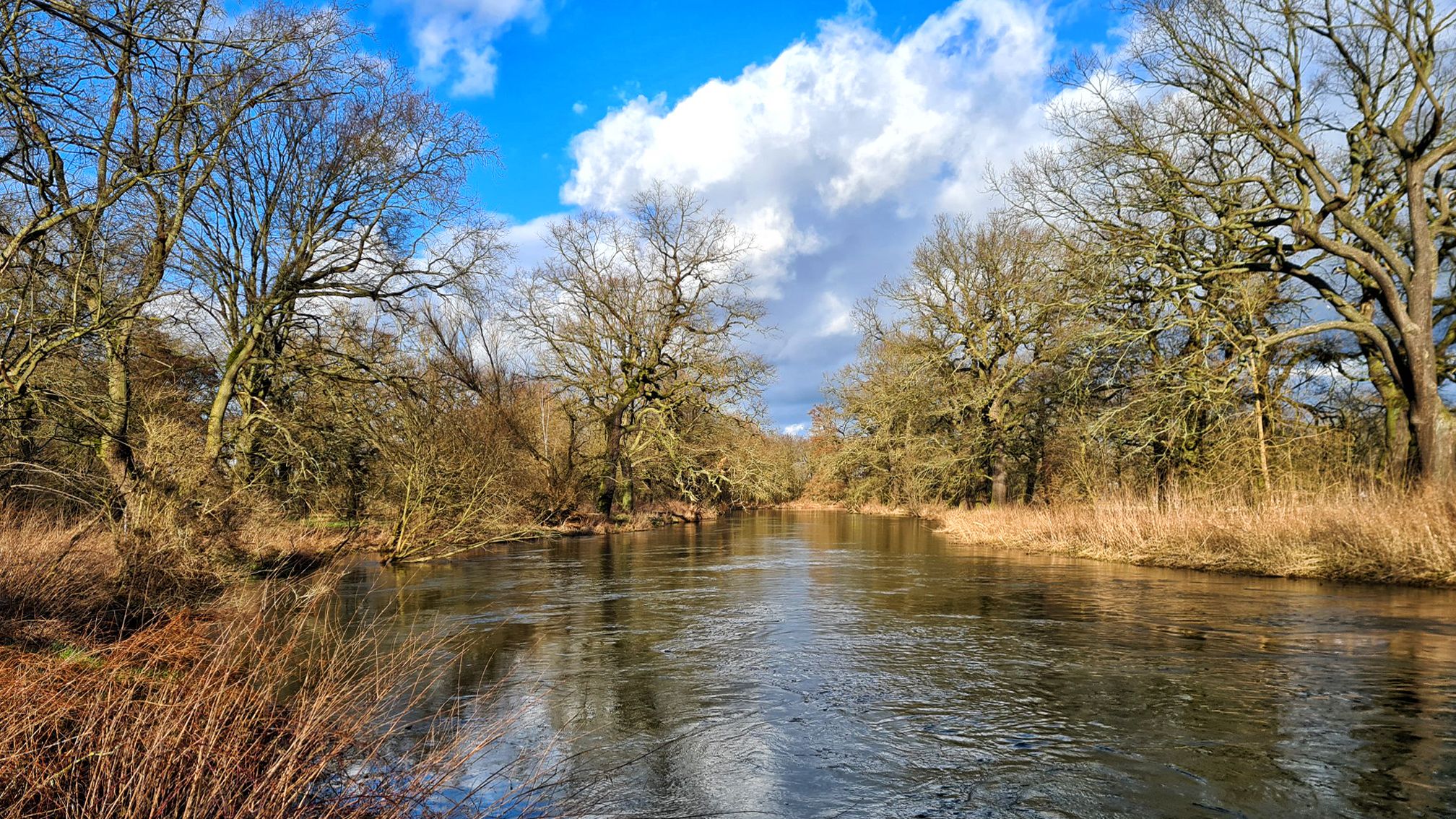
Stage hike 'From the Oder to the Elbe and on to the Saale'
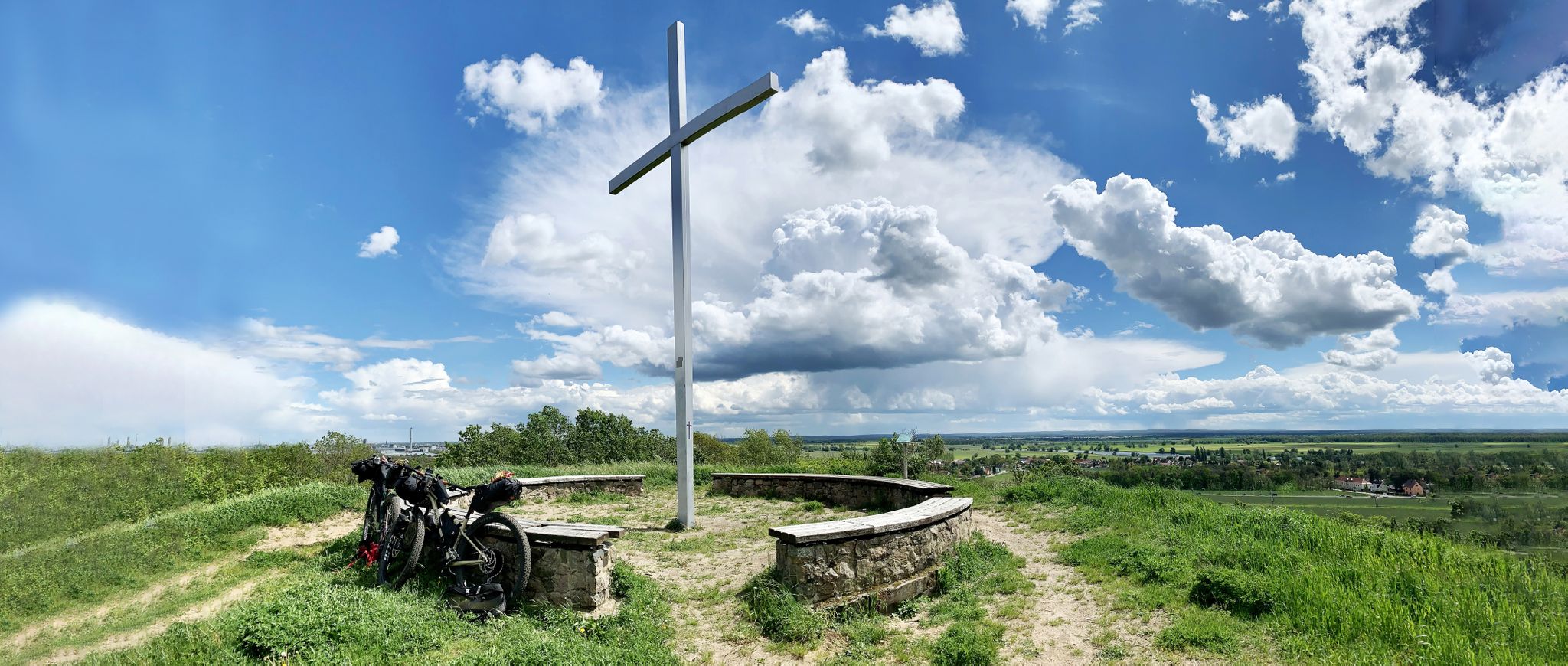
Romanticism on the Elbe River — cycling around the MDV north network
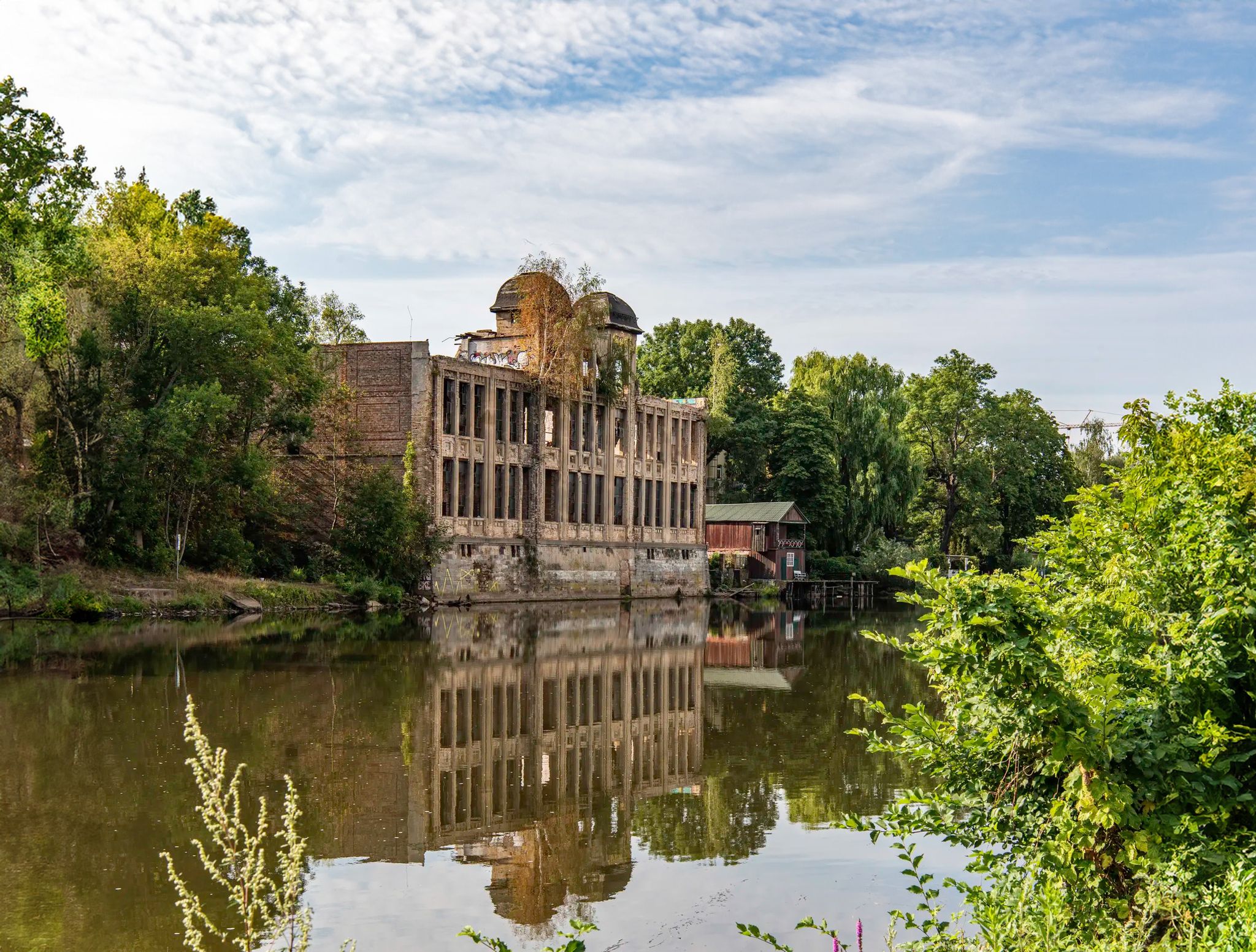
Abandoned and forgotten — mysterious lost places around Leipzig
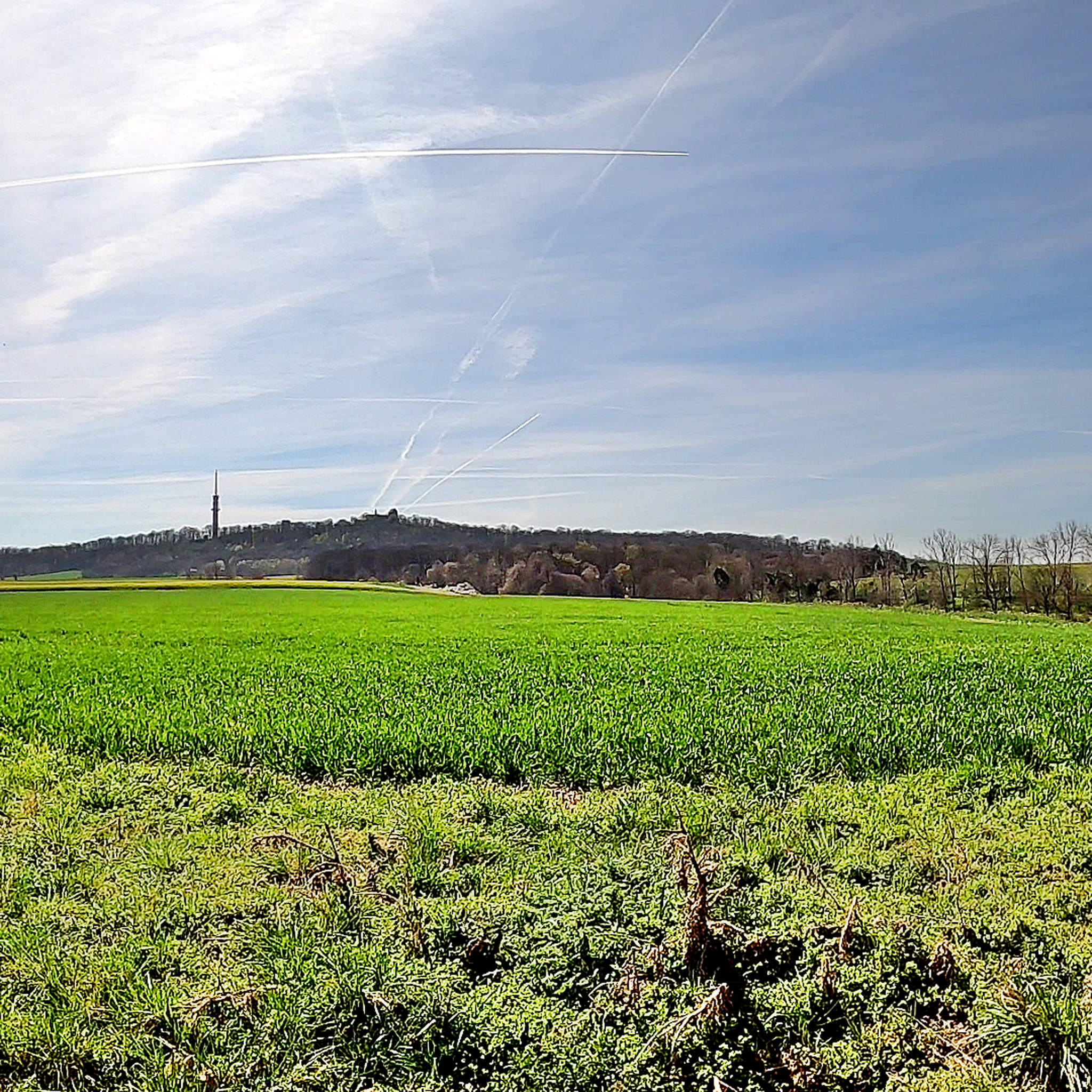
Cycling around Köthen (Anhalt)
Road Cycling Routes around Köthen (Anhalt)
Hiking around Köthen (Anhalt)
Running Trails around Köthen (Anhalt)
MTB Trails around Köthen (Anhalt)
Gravel biking around Köthen (Anhalt)
Other adventures around Köthen (Anhalt)


Tips from the Community

Much still needs to be done
0
0

directly at the gate to Köthen Castle
0
1

The large winter quarters for the sensitive plants.
7
0
The gardeners are trying very hard, but unfortunately they don't have the money for the buildings.
9
0

The Cösitz manor (also Cösitz Castle or Cösitz Manor) In the year 750, there was already a Sorbian rampart on the site of today's manor, which was mentioned in documents in 839 when it was conquered by the Saxons. From 1370 to the middle of the 16th century, the complex was the ancestral seat of the Kositz family. After the plague of 1636 and pillage by Swedish troops in the Thirty Years' War, the village and the manor were desolate. In 1877, the rampart of the castle was demolished, which later enabled the construction of the east wing of the building. The building known today as the castle was built on behalf of Hubert Freiherr von dem Bussche-Lohe and his wife Jeannette von Wuthenau in 1891. The west wing was built in 1937, as was the English landscape park. The design for the new wing was drawn up by the retired senior building inspector and architect Hans Volkmann. The Baron had already had a small living space extension to the building planned by the man from Halle in 1933/34. It remained in the von dem Bussche family until it was put up for auction in 1945. In recent years, the manor has been renovated and apartments have been built. In the landscape park there is still a beech tree with a trunk diameter of six meters and a crown of 38 meters, making it one of the thickest beech trees in Germany. Remnants of the ramparts up to five meters high have been preserved. Source: Wikipedia
0
0

Great park with castle, grotto & copper beech.
1
0
Castle in Cösitzer Park. Great grounds with pond, grotto and copper beech.
1
0

pleasure garden Entrance to the castle between the west and east wings of the orangery Garden axis The garden borders the gallery hall to the south. There are hedge areas with a bowling alley, a fish pond and a maze. The attraction of the rococo garden is the orangery at the rear exit, two flanking buildings with rare and partly century-old potted plants that line the main path to the castle in the summer months. The statues of Mars, Diana, Flora and a nymph were moved from the park of the Wust mansion to the park of Mosigkau Castle in 1951. Story After the death of the lady of the castle in 1780, a monastery for noble unmarried women was set up in the castle in accordance with her decree, which existed until 1945. Thereafter, no further changes were made to the building, the furnishings and the living quarters, which were permanently inhabited by the canonesses, meaning that the ensemble was preserved in its original state. The ladies had repeatedly refused to sell the Mosigkau pictures to the government in Dessau, and so the culturally and historically significant collection was preserved in its original context. Walther Pflug worked on the rescue and restoration of Mosigkau Castle from the summer of 1945. He was appointed curator of the castle by the President of the State of Saxony-Anhalt in 1947 and was the first director of the Mosigkau Castle from 1951 to 1954. From 1951 the castle became a museum for Rococo living culture. Source https://de.wikipedia.org/wiki/Schloss_Mosigkau
5
0
Frequently Asked Questions
What makes Köthen Castle a significant historical site?
Köthen Castle served as a princely residence from 1244 to 1847 and is renowned for its diverse architectural styles, from medieval origins to Baroque transformations. It's also historically significant as the workplace of Johann Sebastian Bach from 1717 to 1723, where he composed many instrumental works, including the Brandenburg Concertos. The castle also housed the Fruitbearing Society, the first German language association.
Are there any castles around Köthen (Anhalt) with beautiful gardens?
Yes, Mosigkau Palace and Gardens is a notable example. Its park is part of the UNESCO World Heritage Dessau-Wörlitz Garden Realm, offering a beautiful setting for strolls. Originally a Rococo castle, it features impressive grounds.
What kind of museums can I find at Köthen Castle?
Köthen Castle houses several museums. These include a Historical Museum detailing the castle's past and the 'German Language Experience', commemorating the Fruitbearing Society. There's also the unique Naumann Museum, an ornithological collection in Biedermeier style, and a Prehistoric Collection.
Are there family-friendly castles to visit near Köthen (Anhalt)?
Many castles in the region are considered family-friendly. Köthen Castle, Mosigkau Palace and Gardens, and Ostrau Castle are all categorized as family-friendly, offering historical exploration and often surrounding parks for children to enjoy.
What outdoor activities can I do near the castles around Köthen (Anhalt)?
The region offers various outdoor activities. You can find easy hiking trails, such as the 'Hallescher Tower – St. Jakob Church Köthen loop' or the 'Wasserschloss Großpaschleben – Martin Luther Memorial Stone loop'. For cycling enthusiasts, there are routes like the 'DBU Nature Heritage Kühnauer Heath – Mosigkau–Kochstedt Side Road loop'. You can explore more options on the easy hikes guide or the cycling guide for Köthen (Anhalt).
Can I visit castles near Köthen (Anhalt) with my dog?
While specific dog policies vary by castle, many castle parks and surrounding natural areas are dog-friendly. For example, the park at Mosigkau Palace and Gardens is generally accessible, and the grounds around Cösitz Castle are suitable for walks with leashed dogs. Always check individual castle regulations before your visit.
What is the best time of year to visit the castles in Köthen (Anhalt)?
The spring and summer months (May to October) are generally ideal for visiting the castles and their gardens, as the weather is pleasant and most attractions, including the palace complex at Mosigkau Palace and Gardens, are fully open. However, castle parks like Mosigkau's are often accessible year-round for walks.
Are there any castles with unique architectural features around Köthen (Anhalt)?
Ostrau Castle is a baroque palace notable for its wide moat, which was once part of a medieval predecessor. Mosigkau Palace is a well-preserved Rococo castle, showcasing the architectural style of the mid-18th century.
How long does it typically take to tour a castle in the Köthen (Anhalt) region?
The duration of a castle tour can vary. For a comprehensive site like Köthen Castle, with its multiple museums and historical rooms, you could easily spend 2-3 hours or more. Smaller palaces like Mosigkau Palace and Gardens might take 1-2 hours to explore the palace and its immediate gardens.
What are the parking options at castles near Köthen (Anhalt)?
Most major castles, including Köthen Castle and Mosigkau Palace and Gardens, offer designated parking areas for visitors, often within walking distance of the entrance. It's advisable to check the specific castle's website for detailed parking information and any potential fees before your visit.
Are there cafes or restaurants near the castles for refreshments?
Yes, you can often find cafes or restaurants in the vicinity of the castles. Köthen Castle is located in the heart of Köthen, offering numerous dining options nearby. Similarly, smaller towns hosting castles like Mosigkau or Ostrau usually have local eateries where you can enjoy a meal or a coffee.
What is the historical significance of the Spiegelsaal (Hall of Mirrors) at Köthen Castle?
The Spiegelsaal at Köthen Castle, originally the throne room, was redesigned in 1822 and is now a magnificent venue known for its high-quality acoustics and stunning white, green, and ocher stucco work. It's a highlight of the Köthen Bach Festival, reflecting the castle's deep connection to classical music.
Most popular routes around Köthen (Anhalt)
Most popular attractions around Köthen (Anhalt)

Get inspired with the komoot mobile app


Explore more
Looking for the best castles somewhere else? Discover other guides around Köthen (Anhalt):
