The best road cycling routes in Trempealeau National Wildlife Refuge
5.0
(5)
26
riders
4
rides
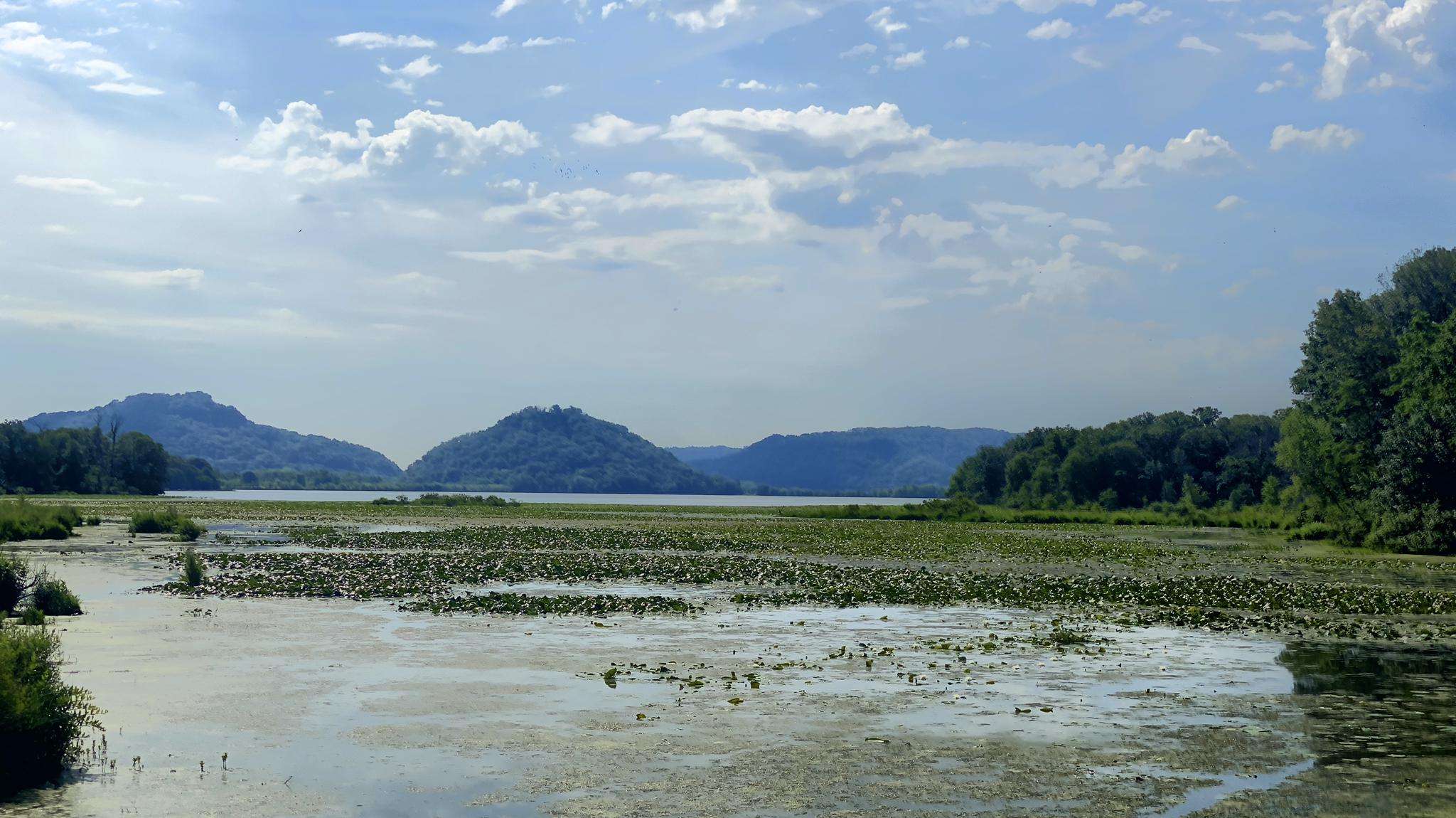
Road cycling in Trempealeau National Wildlife Refuge offers diverse landscapes for exploration. The refuge is an isolated backwater section of the Mississippi River, featuring distinct ecological communities such as sand prairie, blackwater marsh, and bottomland hardwood forests. Roads and dikes within the refuge are generally open to bicycles, providing well-maintained surfaces for cycling. This area is part of the unglaciated "Driftless Area," contributing to unique geological formations and varied terrain suitable for road cycling.
Best road cycling routes in Trempealeau…
Last updated: May 17, 2026
8
riders
36.3km
01:38
280m
280m
Easy road ride. Great for any fitness level. Mostly well-paved surfaces and easy to ride.
5.0
(2)
9
riders
17.7km
00:53
60m
60m
Easy road ride. Great for any fitness level. Mostly well-paved surfaces and easy to ride.

Sign up for free
5.0
(3)
6
riders
27.2km
01:22
230m
230m
Easy road ride. Great for any fitness level. Mostly well-paved surfaces and easy to ride.
Our route recommendations are based on thousands of hikes, rides, and runs completed by other people on komoot.
Start today with a free account
Your next adventure awaits.
Login or Signup
Popular around Trempealeau National Wildlife Refuge
Frequently Asked Questions
What is the typical difficulty level for road cycling routes in Trempealeau National Wildlife Refuge?
The road cycling routes in Trempealeau National Wildlife Refuge generally range from easy to moderate. For instance, routes like Lake Winona loop from Winona are considered easy, offering accessible rides for various skill levels. While the refuge itself offers gentle routes, the broader Trempealeau County also provides options for more challenging climbs.
What kind of terrain can I expect when road cycling in Trempealeau National Wildlife Refuge?
You can expect diverse terrain, including well-maintained roads and dikes generally open to bicycles. The refuge features distinct ecological communities such as sand prairie, blackwater marsh, and bottomland hardwood forests. You'll also find hard-packed gravel dike roads like Delta Road, Marshland Road, Lower Diversion Dike, and Kieps Dike, which are suitable for biking and offer unique views. The area is part of the unglaciated 'Driftless Area,' contributing to unique geological formations.
Are the road cycling routes in Trempealeau National Wildlife Refuge primarily paved?
Within the refuge, many roads and dikes are open to bicycles and are well-maintained. While some sections are paved, you will also encounter hard-packed gravel dike roads, such as Delta Road and Marshland Road, which are suitable for road biking. The 4.5-mile Prairie's Edge Tour Loop is also accessible by bike and follows a scenic auto tour route.
What natural features and wildlife can I expect to see while road cycling in the refuge?
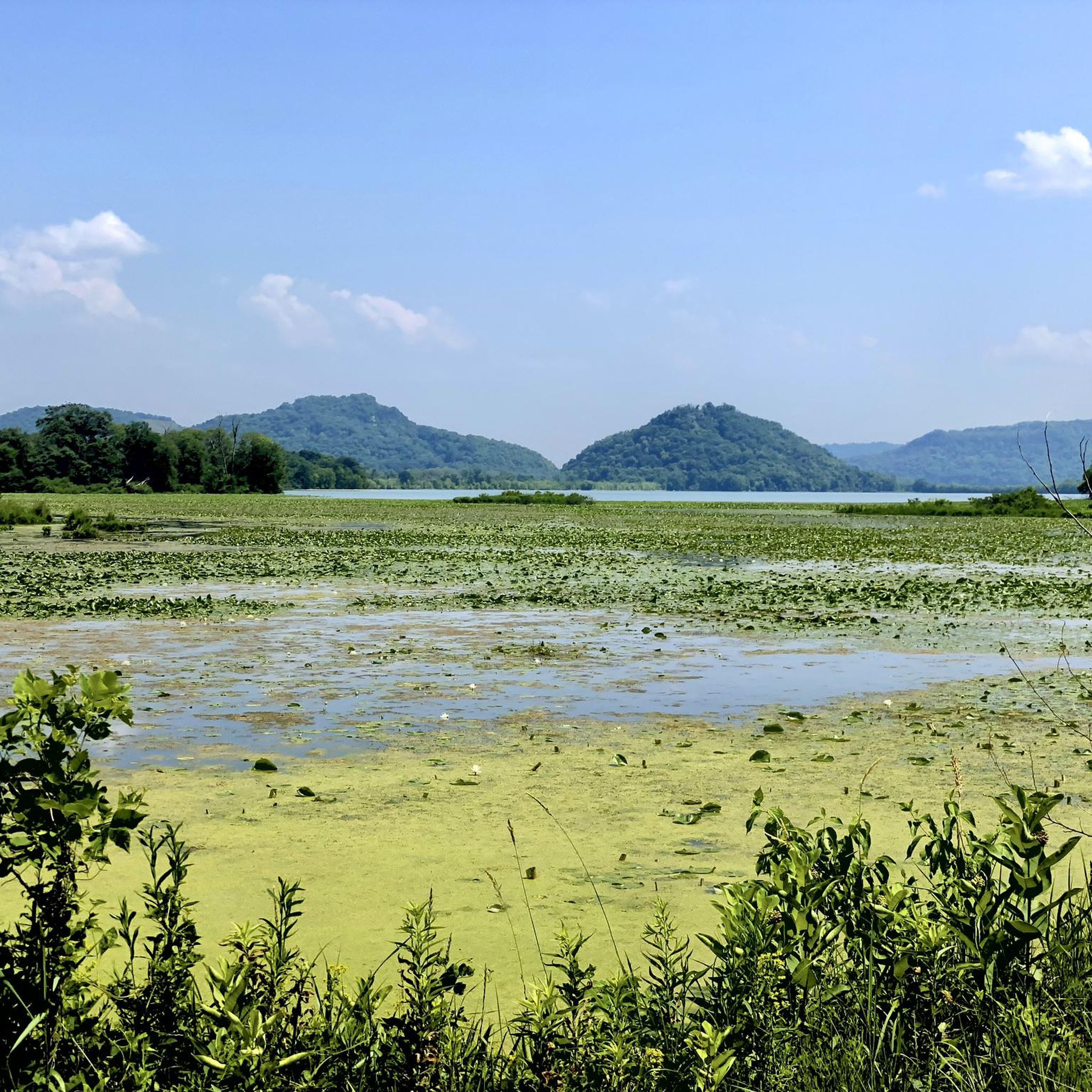
The refuge is an isolated backwater section of the Mississippi River, offering stunning views of sand prairies, blackwater marshes, and bottomland hardwood forests. It's a critical resting and feeding area for waterfowl and other birds within the Mississippi Flyway, with over 263 bird species recorded, including bald eagles and white pelicans. You might also spot mammals like white-tailed deer, fox, and beaver. An observation deck with high-powered spotting scopes is available for enhanced wildlife viewing.
Are there any specific trails within the refuge that are good for road cycling?
Yes, the 4.5-mile Prairie's Edge Tour Loop is a key attraction accessible by bike. A section of the Great River State Trail (GRST) also traverses the refuge, providing options for a 2-mile straight ride or a 4.5-mile loop. Additionally, hard-packed gravel dike roads like Delta Road, Marshland Road, Lower Diversion Dike, and Kieps Dike are suitable for biking and offer excellent wildlife viewing opportunities.
How many road cycling routes are available in Trempealeau National Wildlife Refuge on komoot?
There are several road cycling routes available in Trempealeau National Wildlife Refuge on komoot, with a total of 4 tours currently listed. These include options like the Lake Winona loop from Fairway Woods.
What do other road cyclists enjoy the most about road cycling in Trempealeau National Wildlife Refuge?
The area is highly rated by the komoot community, with an average score of 5.0 stars from over 5 reviews. Cyclists often praise the diverse landscapes, including river backwaters, prairie, and hardwood forests, as well as the well-maintained roads and dikes that make for enjoyable rides. The opportunities for wildlife observation are also a significant draw.
Is Trempealeau National Wildlife Refuge suitable for family-friendly road cycling?
Yes, the refuge offers routes that are suitable for families. Many of the routes are considered easy, such as the Lake Winona loop from Saint Mary's University of Minnesota. The generally flat terrain and well-maintained surfaces make it a pleasant environment for cyclists of varying ages and abilities.
What is the best time of year for road cycling in Trempealeau National Wildlife Refuge?
The refuge is an excellent destination for outdoor activities, including cycling, during most seasons. Spring and fall are particularly good for birdwatching due to migration. However, it's always advisable to check local conditions, especially during winter for snow or ice, and during summer for potential heat and humidity.
Are there any entry fees or permits required for road cycling in Trempealeau National Wildlife Refuge?
Generally, roads and dikes within the Trempealeau National Wildlife Refuge are open to bicycles without specific entry fees or permits for cycling. However, it's always a good practice to check the official refuge website for the most current regulations and any potential changes before your visit. You can find more information on their official site: fws.gov/refuge/trempealeau/visit-us.
Where can I find parking for road cycling in Trempealeau National Wildlife Refuge?
The refuge provides various access points and parking areas for visitors. While specific parking locations for cyclists are not detailed in the provided information, it's generally understood that facilities are available for those accessing the trails and roads. For detailed information on visitor access and parking, it is recommended to consult the official refuge website.
Can I access Trempealeau National Wildlife Refuge by public transport for road cycling?
Information regarding direct public transport access to Trempealeau National Wildlife Refuge is limited. It is generally recommended to plan for private transportation to reach the refuge, as public transport options in this rural area may be infrequent or non-existent. Checking local bus services in nearby towns like Trempealeau, WI, might offer some connections, but direct routes to the refuge are unlikely.
Most popular routes in Trempealeau National Wildlife Refuge

Get inspired with the komoot mobile app


