The best walks and hikes in Lewis And Clark National Wildlife Refuge
5.0
(5)
130
hikers
20
hikes
If you've ever tried to plan hiking in Lewis And Clark National Wildlife Refuge, you know how overwhelming the options can seem. With so many unique areas, it's tough to figure out which routes are genuinely worth your time and effort, and how to separate the true highlights from the filler. We get it – nobody wants to waste precious outdoor time on a mediocre trail.
That's where we come in. Our komoot community has explored, mapped, and reviewed countless…
Last updated: June 1, 2026
2
hikers
4.07km
01:04
30m
30m
The Astoria Riverwalk Loop offers a delightful urban escape, tracing the Columbia River with continuous views of Youngs Bay and the impressive Astoria-Megler Bridge. You'll stroll along a mostly flat…
8
hikers
Moderate hike. Good fitness required. Easily-accessible paths. Suitable for all skill levels.

13
hikers
4.40km
01:07
10m
10m
Easy hike. Great for any fitness level. Easily-accessible paths. Suitable for all skill levels.
5.0
(2)
16
hikers
2.90km
00:53
100m
100m
Easy hike. Great for any fitness level. Easily-accessible paths. Suitable for all skill levels.
8
hikers
Moderate hike. Good fitness required. Easily-accessible paths. Suitable for all skill levels.
Get access to more routes and recommendations from other explorers.
Already have an account?
Our route recommendations are based on thousands of hikes, rides, and runs completed by other people on komoot.
Start today with a free account
Your next adventure awaits.
Popular around Lewis And Clark National Wildlife Refuge
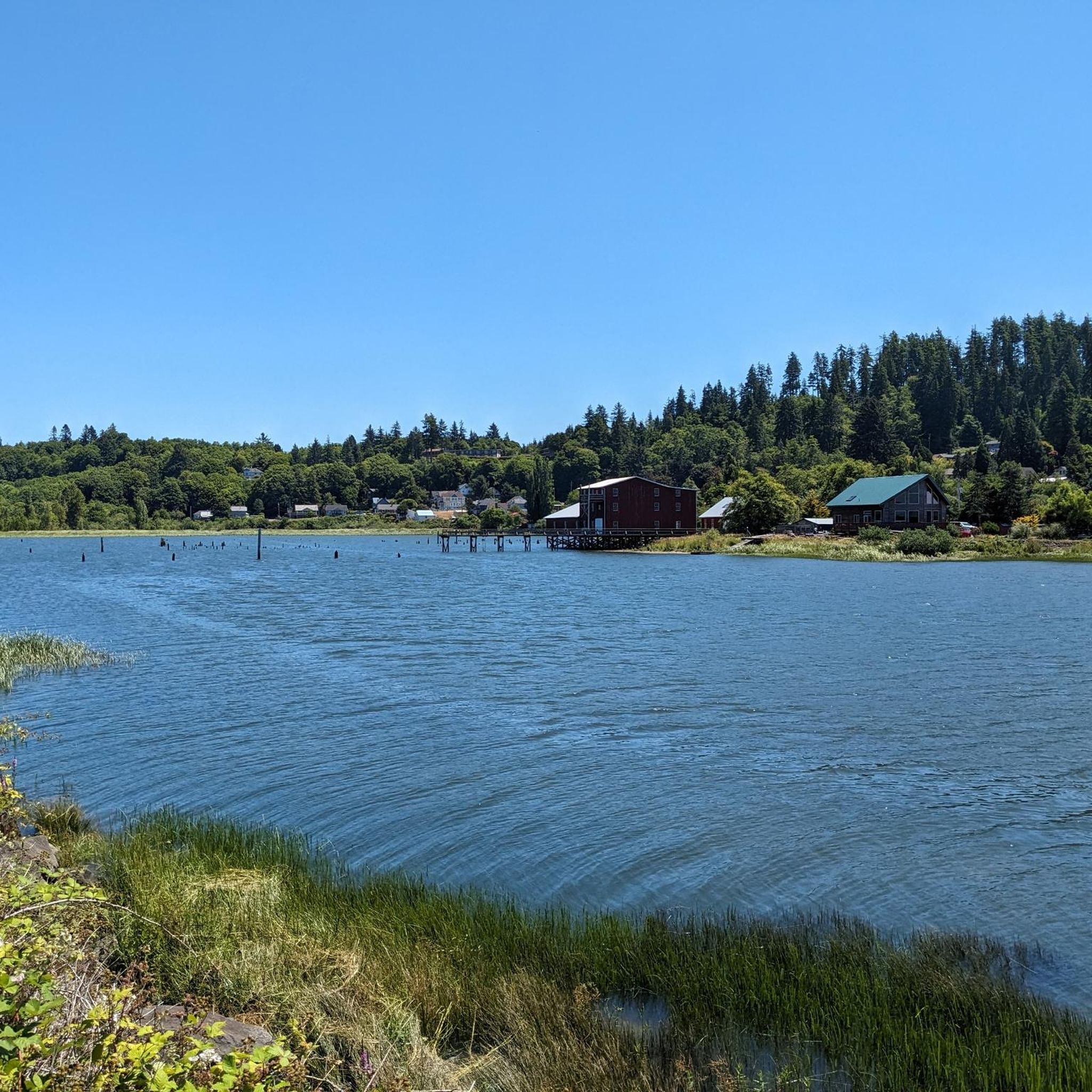

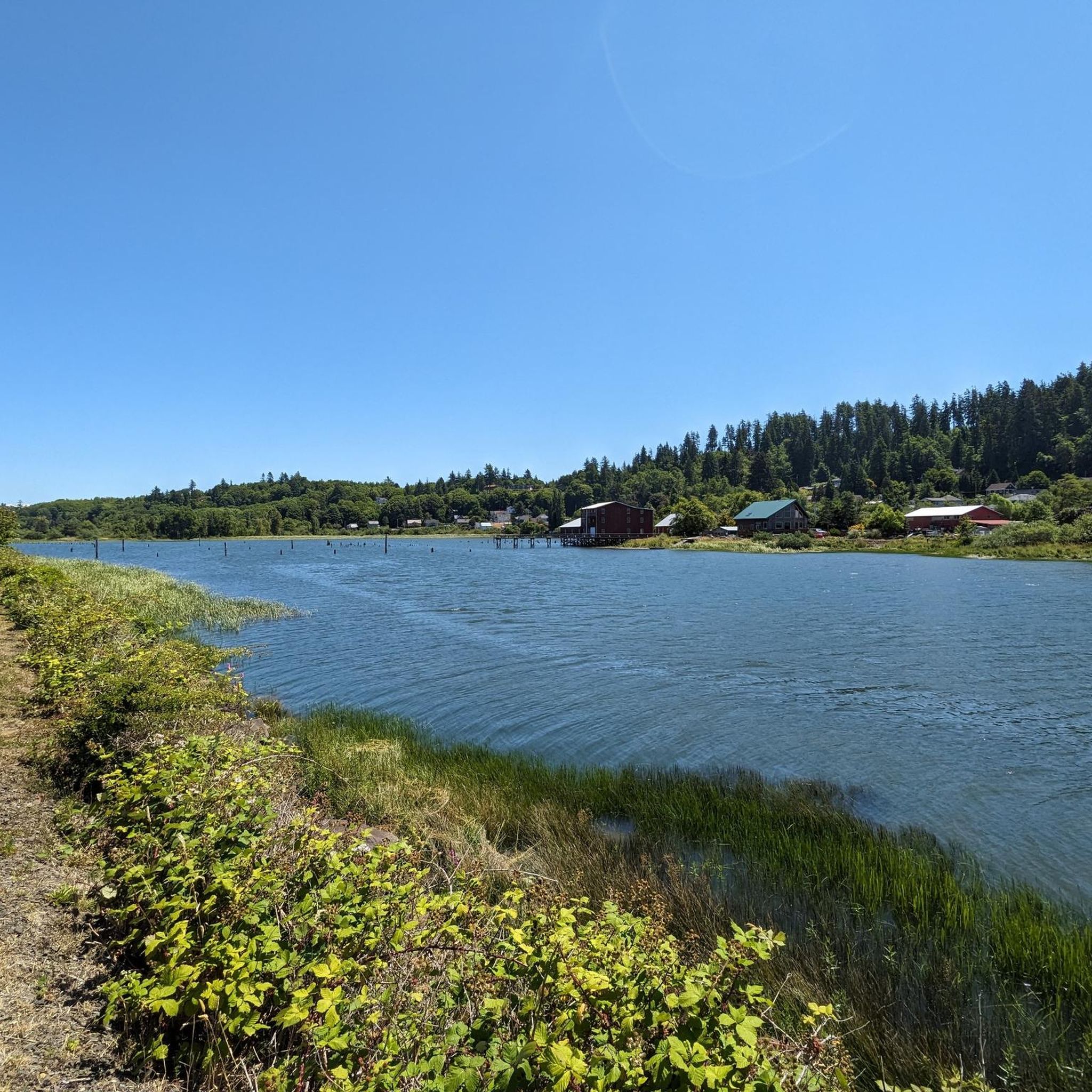
Tips from the Community

The colorful Mill Pond Village emphasizes its waterfront location. The lots offer residents views of the beautiful Columbia River. The uniquely designed homes with their colorful front gardens invite you to take a stroll.
0
0

The Columbia River Maritime Museum is worth visiting if you're interested in maritime history and seafaring. The museum boasts impressive exhibits, from historic vessels and naval artifacts to fine art pieces. The museum has a $16 admission fee, or you can visit the Lightship Columbia only for $5.
0
0

The Astoria Column is a tower in the northwestern United States that overlooks the mouth of the Columbia River on Coxcomb Hill in Astoria, Oregon. The concrete and steel structure, built in 1926, is part of a 30-hectare city park.
0
0
The Astoria Riverwalk trail, which runs along the city's waterfront and a section of the Astoria & Columbia River Railroad, is a scenic 12.8-mile path that offers an excellent opportunity to soak in the beauty of Youngs Bay and the Astoria-Megler Bridge. The trail also features several shops, restaurants, and historical landmarks, such as the Maritime Memorial and the Columbia River Maritime Museum.
1
0

The Astoria Riverwalk trail meanders along the city's waterfront, paralleling a stretch of the Astoria & Columbia River Railroad. Spanning 12.8 miles, this picturesque route provides a wonderful chance for jogging amidst the captivating scenery of Youngs Bay and the Astoria-Megler Bridge. Additionally, the trail boasts various shops, dining establishments, and significant historical sites, including the Maritime Memorial and the Columbia River Maritime Museum. This particular segment enables the historical tramway and pedestrians to cross the water easily.
0
0
The Astoria Column is a fantastic monument built in 1926 under the supervision of Ralph Budd, the president of the Great Northern Railroad. It depicts the Euro-American history of the Columbia River mouth and offers a panoramic view from the viewing platform, reached by climbing the 164 steps in a narrow, spiral staircase. The monument is modeled after Trajan's Column in Rome and is a must-see for anyone visiting Astoria.
0
0
The Cathedral Tree is a 300-year-old giant Sitka spruce nestled in the forested hillside. It's 8.5 feet in diameter, over 200 feet high, and has impressive buttress-like roots that can provide shelter if you get caught in the rain. Despite a windstorm in December 2007 that toppled many of the surrounding trees, the Cathedral Tree remained standing. It's definitely worth taking a side trip to see this majestic beauty.
0
0
Frequently Asked Questions
What kind of hiking experience can I expect in Lewis And Clark National Wildlife Refuge?
The Lewis And Clark National Wildlife Refuge offers a unique wilderness experience, primarily focused on exploring islands and sandbars within the Columbia River estuary. Traditional extensive land-based hiking trails are not its main feature. Instead, visitors typically access the islands by boat for exploration and exceptional wildlife observation, immersing themselves in a largely untouched estuarine environment.
How do I access the islands within the Lewis And Clark National Wildlife Refuge for exploration?
Access to the islands within the refuge is predominantly by boat. Kayaking and other non-motorized boating are popular ways to navigate the calm waters, allowing visitors to move from island to island and explore the diverse habitats up close. This boat-based approach provides an intimate connection with the refuge's natural environment.
Are there traditional hiking trails on the islands of the refuge?
While 'hiking' is listed as a regulated recreational activity, the refuge is not characterized by extensive, marked land-based hiking trails on its islands. Exploration typically involves walking on the islands after reaching them by boat, offering a more rugged, wilderness-like experience rather than a structured trail system.
What are some popular walks near the Lewis And Clark National Wildlife Refuge?
While the refuge itself is primarily boat-accessible, there are several popular walks in the nearby Astoria area that offer riverfront views and urban exploration. These include the easy Astoria Riverwalk Loop, the Columbia River Maritime Museum loop from Navy Heights, and the longer Astoria–Megler Bridge – Maritime Museum in Astoria loop from Uppertown.
What kind of wildlife can I expect to see in the refuge?
The refuge is a critical habitat for abundant wildlife. You can expect to see a vast array of birds, including tundra swans, geese, ducks, and bald eagles, which are present year-round. Mammals like beaver, raccoon, river otter, and white-tailed deer also inhabit the area. The waters are home to various fish species, and harbor seals and California sea lions often rest on the sandbars and mudflats.
When is the best time for wildlife viewing in Lewis And Clark National Wildlife Refuge?
Wildlife viewing is excellent throughout the year, but fall migration offers spectacular birdwatching opportunities. Early morning or evening hours are generally optimal for observing wildlife. The refuge serves as a vital wintering and resting area for thousands of migratory birds, making cooler months particularly rewarding for bird enthusiasts. For more details, you can visit the FWS wildlife watching page.
Do I need a permit to visit or explore the Lewis And Clark National Wildlife Refuge?
Generally, no special permits are needed for recreational visitors to access the Lewis And Clark National Wildlife Refuge. However, it's always advisable to check the official U.S. Fish & Wildlife Service website for any updated regulations or specific requirements for certain activities or areas within the refuge. You can find more information on their official site: fws.gov/refuge/lewis-and-clark.
Are dogs allowed in the Lewis And Clark National Wildlife Refuge?
Regulations regarding pets in national wildlife refuges can vary. It is best to consult the official U.S. Fish & Wildlife Service website for the most current and specific information on pet policies within the Lewis And Clark National Wildlife Refuge to ensure compliance and protect the sensitive wildlife habitat. Generally, pets must be on a leash and are often restricted from certain areas to prevent disturbance to wildlife.
What should I bring for a visit to the refuge?
Given the refuge's focus on boat-based exploration and wildlife viewing, essentials include binoculars or a spotting scope, a camera, and appropriate clothing for varying weather conditions. If you plan to paddle, bring your kayak or canoe, life vests, and safety gear. Sun protection, water, and snacks are also recommended. Remember that access is primarily by boat, so prepare accordingly for a wilderness experience.
Are there family-friendly activities available in the Lewis And Clark National Wildlife Refuge?
The refuge offers excellent opportunities for families who enjoy nature and wildlife. Activities like birdwatching, wildlife photography, and non-motorized boating (such as kayaking) are highly recommended. Exploring the islands by boat provides a unique educational experience, allowing families to observe diverse ecosystems and learn about the local flora and fauna in a natural, undisturbed setting.
What do other hikers enjoy the most about visiting the Lewis And Clark National Wildlife Refuge?
The area is highly rated by the komoot community, with an average score of 5.0 stars. Reviewers often praise the unique wilderness experience, the abundance of wildlife, and the peaceful, seldom-visited nature of the refuge. The opportunity for boat-based exploration and intimate connection with the estuarine environment is frequently highlighted as a major draw.
What towns are near the Lewis And Clark National Wildlife Refuge and what amenities do they offer?
The city of Astoria, Oregon, is located near the refuge and serves as a primary gateway. Astoria offers a range of amenities including accommodations, restaurants, shops, and cultural attractions like the Columbia River Maritime Museum. It's a convenient base for visitors looking to explore both the refuge and the surrounding coastal area.
Most popular routes in Lewis And Clark National Wildlife Refuge

Get inspired with the komoot mobile app


Explore more
Browse the best Hikes in other regions.
