The best cycling routes in Stonewall National Monument
4.6
(675)
25,612
riders
330
rides
Touring cycling in Stonewall National Monument primarily involves routes through the urban environment of Greenwich Village in Lower Manhattan. The monument itself, encompassing 7.7 acres, is a cultural and historical site characterized by narrow paved streets and multi-story buildings. These routes typically feature paved surfaces and minimal elevation changes, offering an urban cycling experience rather than natural landscapes. The area serves as a starting point for urban cycling routes that explore nearby city landmarks.
Best touring cycling routes in Stonewall…
Last updated: May 31, 2026
3.0
(2)
88
riders
13.8km
00:49
40m
40m
Easy bike ride. Great for any fitness level. Mostly paved surfaces. Suitable for all skill levels.
65
riders
Easy bike ride. Great for any fitness level. Mostly paved surfaces. Suitable for all skill levels.

Sign up for free
22
riders
8.37km
00:29
30m
30m
Easy bike ride. Great for any fitness level. Mostly paved surfaces. Suitable for all skill levels.
12
riders
57.9km
03:24
220m
220m
Moderate bike ride. Good fitness required. Mostly paved surfaces. Suitable for all skill levels.
4
riders
Easy bike ride. Great for any fitness level. Mostly paved surfaces. Suitable for all skill levels.
Get access to more routes and recommendations from other explorers.
Sign up for free
Already have an account?
Our route recommendations are based on thousands of hikes, rides, and runs completed by other people on komoot.
Start today with a free account
Your next adventure awaits.
Login or Signup
Tips from the Community


On the south side of Madison Square is the Flatiron Building, which was built in 1902. Its unique wedge shape makes this skyscraper an architectural icon and a city landmark. It naturally received its name "flatiron", which in German means "iron", due to its shape. It is one of the first buildings to feature a steel frame construction. - For photographers, this building is an absolute must.
0
0

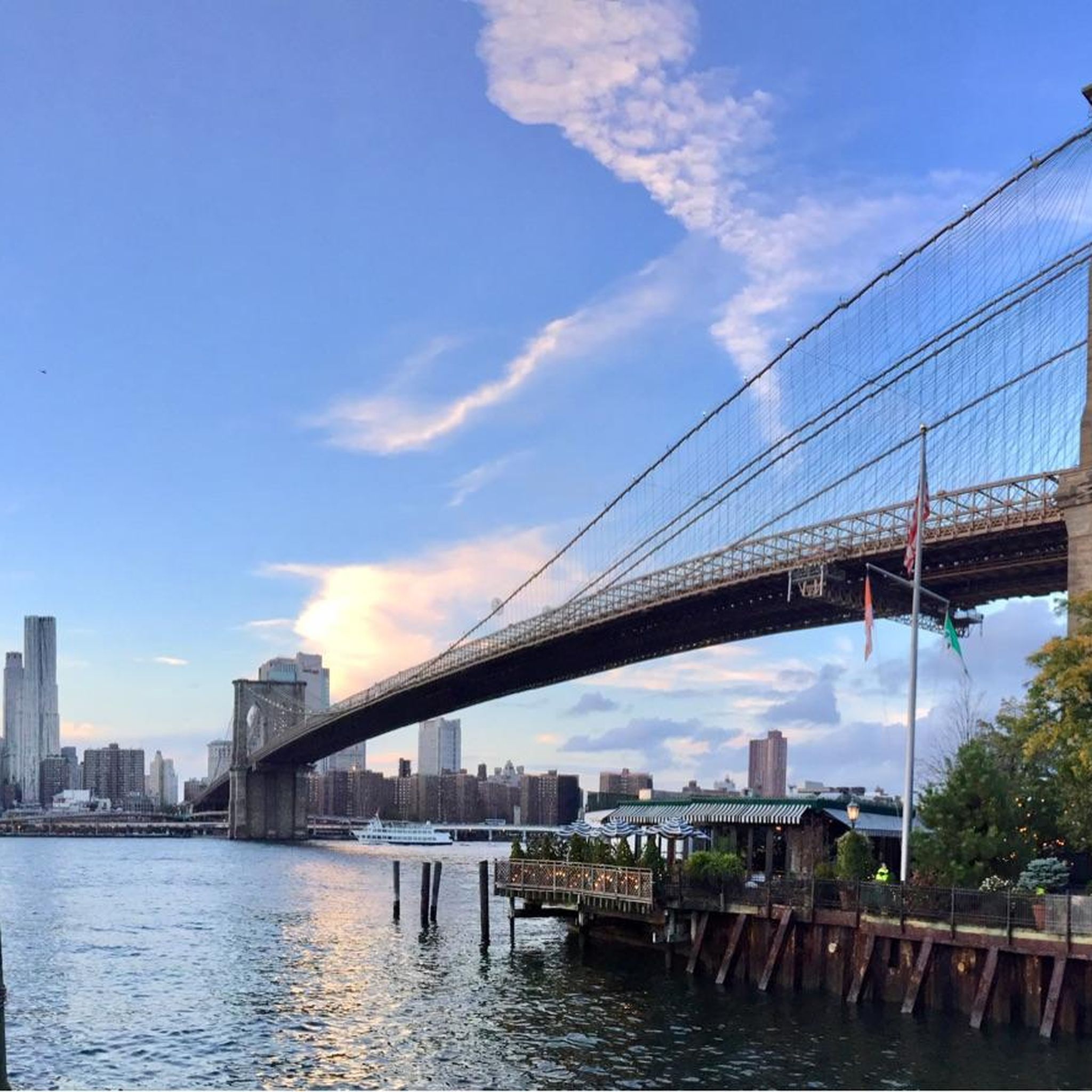
Cycling from Brooklyn to Manhattan is a unique experience.
0
0
It measures 1834 m and connects Manhattan to Brooklyn. It is one of the oldest bridges in New York. Its construction began in 1869.
0
0
Difficult by bike, very crowded
0
0
It's one of the few things that is smaller in the United States than in France.
0
0

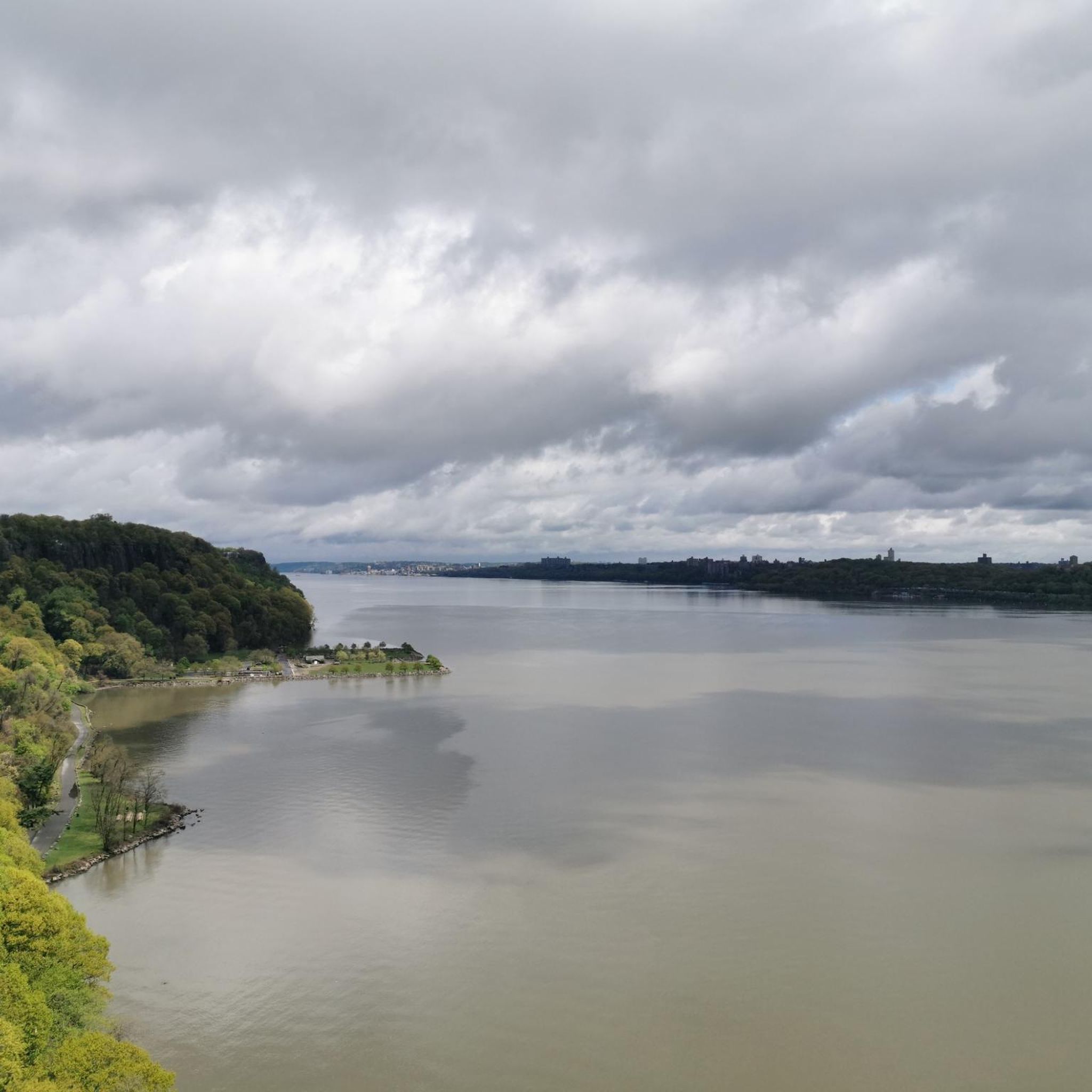
One of the most beautiful viewpoints in NY!
0
0

In 2002, the City of New York founded the Lower Manhattan Development Corporation, or LMDC for short. This corporation was responsible for developing a new plan for the reconstruction of the World Trade Center. Shortly after the terrorist attacks, it was decided to redevelop this area. However, what it would look like was still unclear. Polls showed that some Americans wanted Ground Zero to be a memorial. Others advocated for the construction of new towers. Donald Trump presented his own concept. He wanted to build twin towers again, 30 meters higher than the old ones. This was quickly rejected, however. In 2002, the LMDC announced an architectural competition for the redevelopment of the WTC site. A total of 406 entries were received.[24] Some designs were criticized, even in German newspapers, for the new plans only envisaging smaller skyscrapers that were nowhere near as tall as the Twin Towers and thus not spectacular enough. In 2003, Daniel Libeskind was finally announced as the winner. He had also completed several construction projects in Germany. Libeskind, who immigrated to the USA from Poland, had little experience in building high-rise buildings, but his design met with widespread approval because he attempted to fulfill both desires for Ground Zero: a memorial and new towers. His concept called for leaving the sites where the World Trade Center towers had stood vacant and building a memorial with a museum next to them. He placed five office towers around the perimeter, each slightly taller than its neighbor. At the northeast corner, he placed One World Trade Center, the Freedom Tower. He also scored points with his concept of the new tower's height: 1,776 feet (541 meters). This refers to the year of the United States Declaration of Independence.[
0
0
Frequently Asked Questions
How many touring cycling routes are available in Stonewall National Monument?
There are over 300 touring cycling routes in the Stonewall National Monument area. Most of these, around 260, are rated as easy, with about 35 moderate and a few more challenging options available.
What kind of terrain can I expect on touring cycling routes around Stonewall National Monument?
Touring cycling in this area primarily involves urban routes through Greenwich Village and Lower Manhattan. You'll find paved streets, city parks, and waterfront paths, with minimal elevation changes, making for generally easy rides.
Are there any family-friendly touring cycling routes near Stonewall National Monument?
Yes, many routes are suitable for families due to their easy difficulty and paved surfaces. For example, the New York City Hall loop from 9th Street is a shorter, easy option that explores city landmarks.
What are some popular loop routes for touring cyclists in the area?
Many routes are designed as loops, offering a convenient way to explore. A popular choice is the Union Square Park – Williamsburg Bridge loop from 14th Street, which connects notable city parks and bridges.
What do other touring cyclists say about the routes in Stonewall National Monument?
The routes in the Stonewall National Monument area are highly rated by the komoot community, with an average score of 4.6 stars from over 500 reviews. Over 20,000 touring cyclists have used komoot to explore this urban terrain, often praising the accessibility and the ability to see city landmarks.
Are there any routes that offer views of prominent city architecture or landmarks?
Absolutely. The View of One World Trade Center – One World Trade Center loop from Houston Street is a great option for seeing iconic city architecture. Another route, the Brooklyn Bridge – Little Island at Pier 55 loop from 14th Street, leads along the waterfront and offers views of the Brooklyn Bridge.
What is the best time of year to go touring cycling in Stonewall National Monument?
Given its urban setting, touring cycling is possible year-round, though spring and fall offer the most pleasant weather conditions with milder temperatures. Summer can be hot and humid, while winter can bring cold temperatures and occasional snow, which may affect road conditions.
Where can I find parking if I bring my bike to Stonewall National Monument?
As an urban area, dedicated parking for bike routes is limited. You'll find various public parking garages and street parking options throughout Greenwich Village and Lower Manhattan. It's advisable to research parking availability and rates in advance, especially if visiting during peak times.
Are there cafes or places to stop for refreshments along the cycling paths?
Yes, being in a vibrant urban environment, you'll find numerous cafes, restaurants, and shops throughout Greenwich Village and along the various routes in Lower Manhattan. Many routes pass directly through or near areas with ample refreshment options.
What are the typical distances and durations for touring cycling routes in this area?
Routes vary in length, but many popular options range from 5 to 11 miles (8 to 18 km). For instance, the One World Trade Center – View of One World Trade Center loop from Houston Street is about 9.5 miles (15.3 km) and takes around 1 hour to complete, while shorter routes like the New York City Hall loop are about 5.2 miles (8.4 km).
Is the Stonewall National Monument itself suitable for cycling?
The Stonewall National Monument is a historical and cultural site, encompassing Christopher Park, the Stonewall Inn, and surrounding streets. While you can cycle on the narrow paved streets of Greenwich Village, the monument area itself is not designed for extensive recreational cycling. It's best explored on foot to appreciate its historical significance.
What should I bring for a touring cycling trip in Stonewall National Monument?
For urban touring cycling, essential items include a helmet, water bottle, basic bike repair kit, and appropriate clothing for the weather. Given the city environment, a bike lock is highly recommended if you plan to stop and explore on foot. Don't forget your phone for navigation and emergencies.
Most popular routes in Stonewall National Monument

Get inspired with the komoot mobile app


Explore more
Browse the best Cycling routes in other regions.
