Attractions and Places To See around Siedenbrünzow - Top 20
Best attractions and places to see around Siedenbrünzow include a mix of historical landmarks, cultural sites, and natural landscapes within Mecklenburg-Vorpommern, Germany. The region is characterized by the picturesque Tollense Valley with its fields and meadows, and the easily navigable Peene River. Visitors can explore significant historical estates, churches, and town halls, reflecting the area's rich past.
Best attractions and places to see around Siedenbrünzow
- The most popular attractions is Peene Bridge, Loitz, a bridge that serves as a…
Last updated: May 9, 2026
Kahlden Bridge in Demmin
Highlight • Bridge
Translated by Google •
Tip by

Demmin Town Hall
Highlight • Monument
Translated by Google •
Tip by

Sign up now to discover places like this
Get recommendations on the best single tracks, peaks, & plenty of other exciting outdoor places.
Sign up for free
Alt Plestlin Church
Highlight • Religious Site
Translated by Google •
Tip by

Broock Manor Estate
Highlight • Historical Site
Translated by Google •
Tip by

Peene Bridge, Loitz
Highlight • Bridge
Translated by Google •
Tip by
Sign up for free to discover even more attractions around Siedenbrünzow.
Sign up for free
Already have an account?
Start today with a free account
Your next adventure awaits.
Login or Signup
Tips from the Community

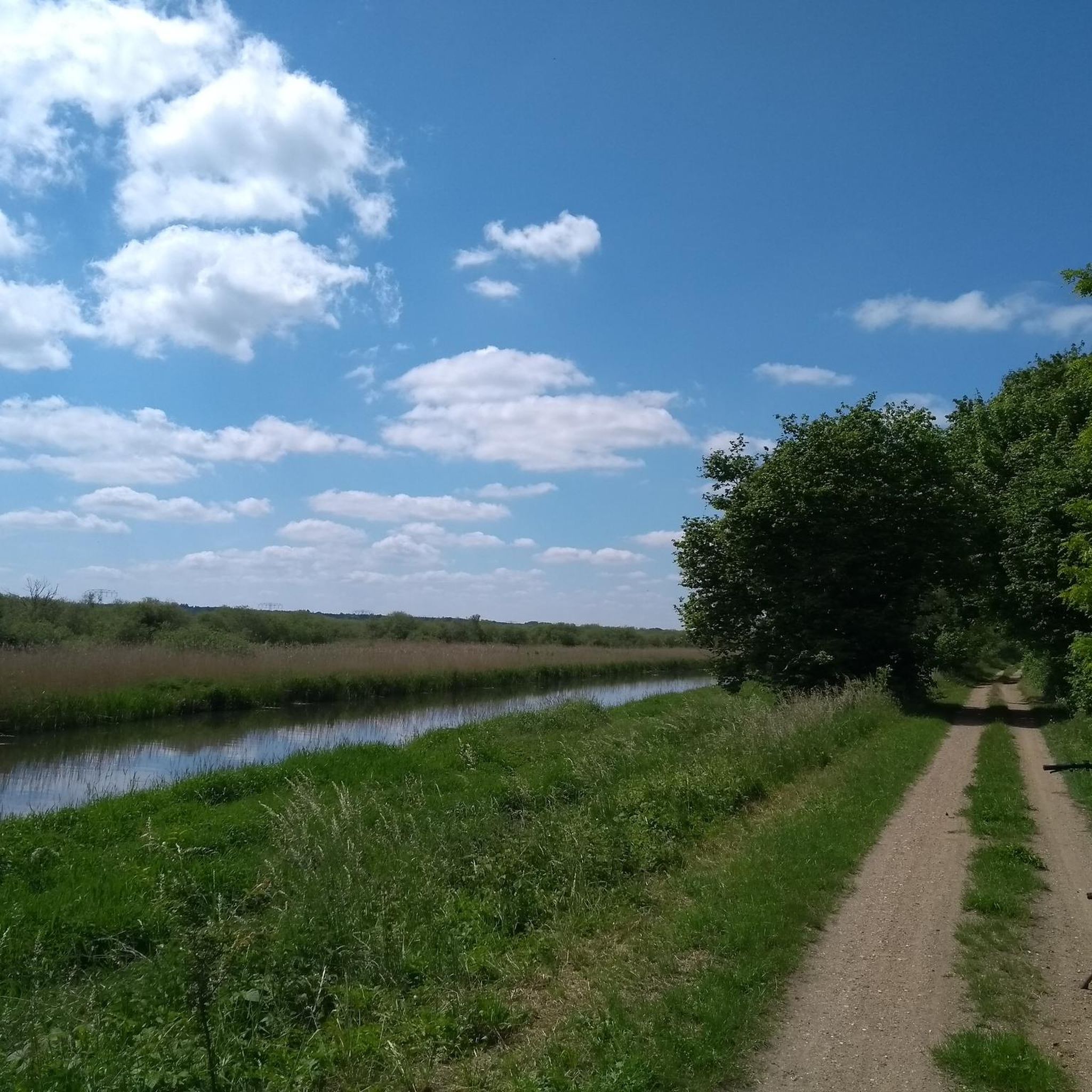
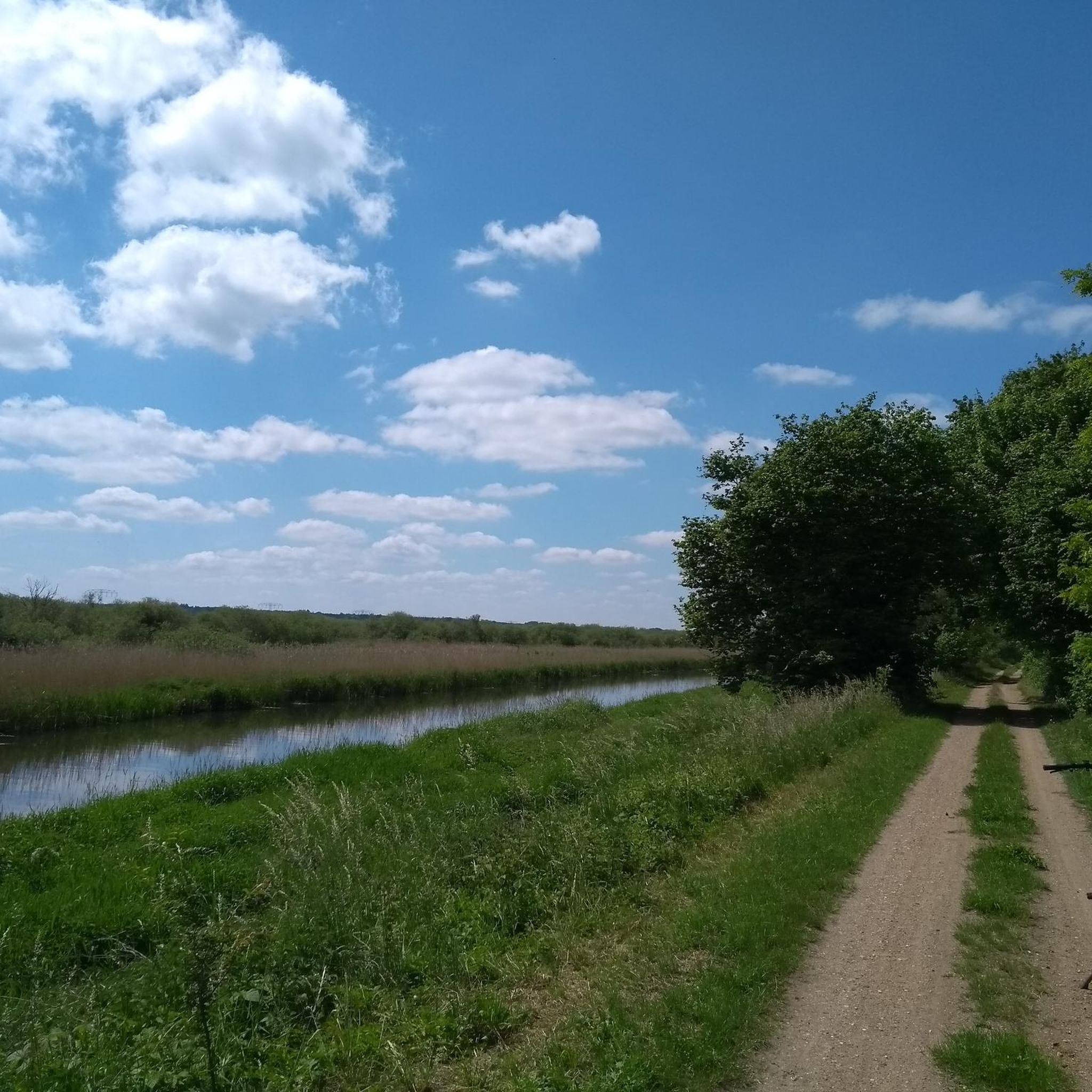
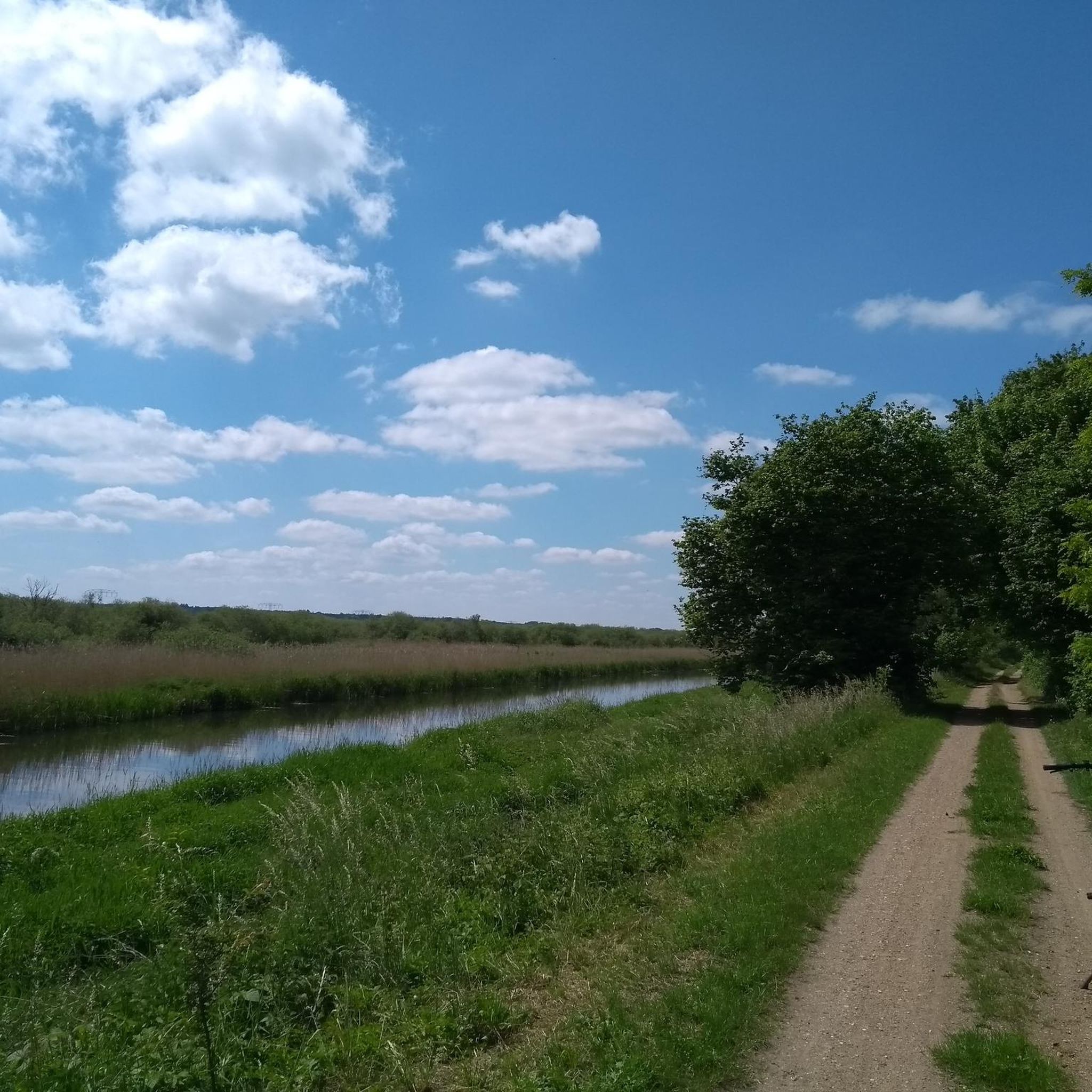
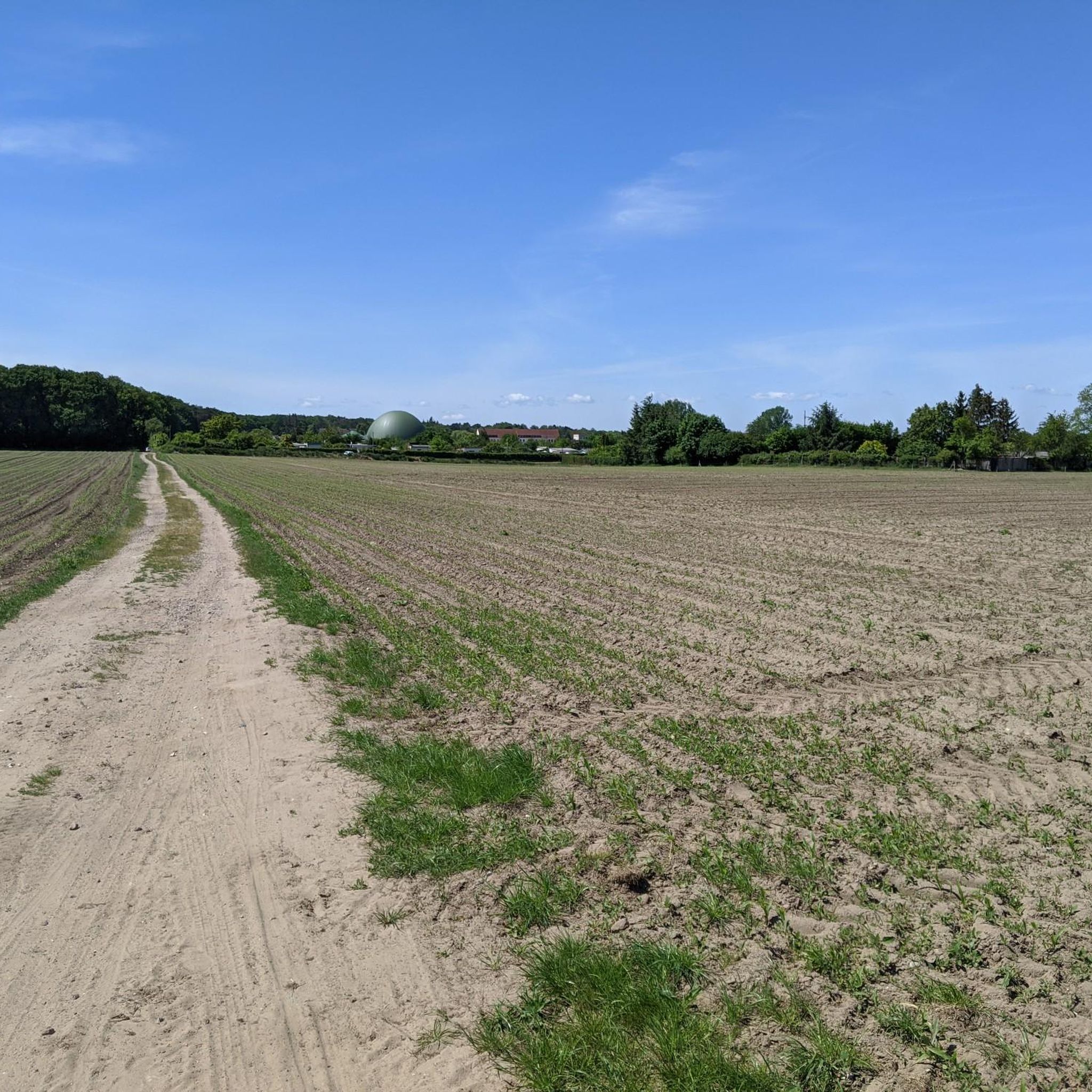
Beautiful, secluded location in the heart of the Tollense Valley, surrounded by farmland and meadows. I'm already looking forward to its completion and opening.
0
0

Broock Castle, once the social center of the region and the largest private stud farm in Western Pomerania, will be expanded into a supra-regional conference and cultural center in the coming years. Since May 2023, our guests will be served in the new village shop with café-bistro and beer garden.
1
0

After the fall of the Berlin Wall, the Demmin town hall was rebuilt according to historical models.
1
0

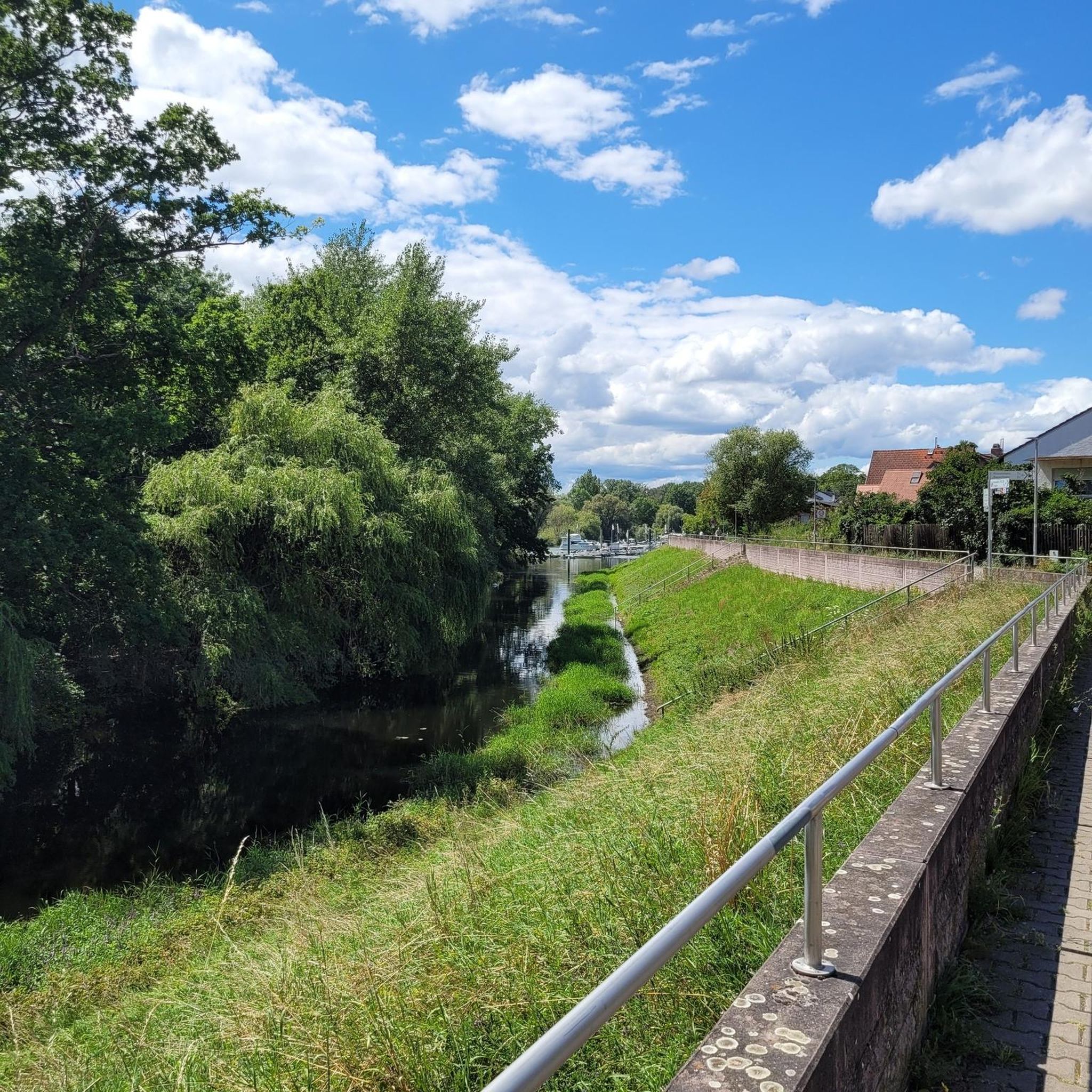
For the trouble-free crossing of the Peene
1
0

A beautiful lifting bridge at the reservoirs.
2
0

The village church of Alt Plestlin is one of seven churches and chapels in the parish of Jarmen-Tutow in the Pomeranian Evangelical Church District. It is located in the district of Alt Plestlin in the municipality of Bentzin in the Vorpommern-Greifswald district. The choir of the Alt Plestliner church was probably built in the 14th or 15th century. The hall, which is only slightly wider, and the substructure of the west tower were probably added later. In the 17th century the church, built of field stone, was completely renovated. It received the segment-arched windows and portals with brick walls and a hipped tiled roof in the east. The square half-timbered top of the tower with an octagonal, slated pointed helmet also dates from this period. In 1989 the framework was renewed. The base of the tower is plastered and has a wide western portal. One of the two bells was cast around 1500, the other in 1603. There are buttresses at the corners of the east pediment of the choir. The choir windows are embedded in large niches on the inside. During a renovation in 1842, the flat wooden ceiling was drawn in. The west gallery probably dates from the 17th century and was enlarged during the renovation. The pulpit altar was built around 1800. The body of a crucifix from around 1300 was combined with the figures of Mary and the Apostle John carved in the second half of the 14th century to form a crucifixion group. A figure of Mary and child was carved in the 15th century. The organ from 1890 comes from the workshop of the Stralsund organ builder Paul Mehmel. Its three-part façade is designed in Neo-Renaissance forms with round arches and fluted pilasters (Wikipedia).
1
0
Frequently Asked Questions
What historical sites can I explore near Siedenbrünzow?
The region offers several significant historical sites. You can visit the impressive Broock Manor Estate, a baroque-style building from the 1770s currently being renovated into a cultural center. The Alt Plestlin Church, a fieldstone church dating back to the 14th or 15th century, is also worth seeing. Additionally, the Demmin Town Hall, a reconstruction of its historical predecessor, stands in the nearby Hanseatic city of Demmin. Other notable historical sites in the broader area include Burg Klempenow, Dargun Palace, and the Veste Spantekow, known as the oldest and most important Renaissance castle complex in northern Germany.
Are there any family-friendly attractions in the Siedenbrünzow area?
Yes, several attractions are suitable for families. The Kahlden Bridge in Demmin and the Peene Bridge, Loitz offer interesting views and are part of the region's history. The Demmin Town Hall and Alt Plestlin Church are also listed as family-friendly historical sites. For outdoor recreation, the Naturerlebnisbad Biberburg in Demmin provides a nature-oriented bathing area.
What natural landscapes and features can I explore around Siedenbrünzow?
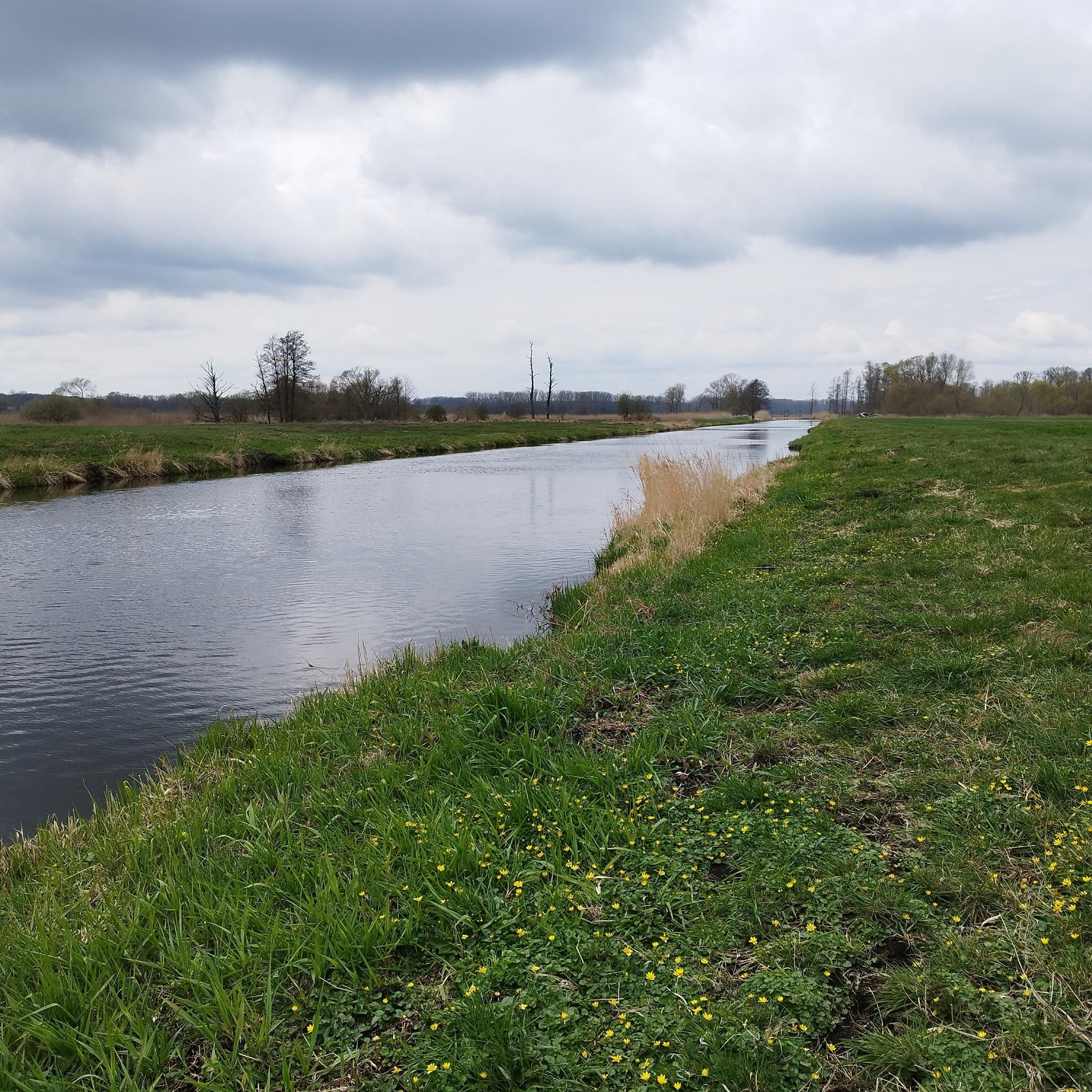
Siedenbrünzow is nestled within the picturesque Tollense Valley, characterized by its expansive fields and meadows. The easily navigable Peene River is a prominent natural feature, flowing around Demmin and serving as a confluence point for the Tollense and Trebel rivers. You can also visit the Zarrenthiner Kiessee (Zarrenthin Gravel Lake) in Bentzin. The broader Mecklenburg-Vorpommern region is renowned for its diverse natural beauty, including coastal forests, lagoons, extensive lake landscapes, and ancient beech forests, home to numerous protected species. For more information on the region's nature, you can visit visit-mv.com.
What outdoor activities are available near these attractions?
The area around Siedenbrünzow is ideal for hiking and cycling. You can find numerous routes to explore the natural beauty and attractions. For hiking, consider routes like the 'Demmin Warehouses – St. Bartholomaei Church Demmin loop' or the 'Schloss Broock – Roidin Village Church loop'. For mountain biking, there are routes such as the 'Aalbude Ferry – Verchen Beach on Lake Kummerow loop'. You can find more details on these activities and routes in the dedicated guides for Hiking around Siedenbrünzow and MTB Trails around Siedenbrünzow.
Are there easy hiking trails suitable for beginners around Siedenbrünzow?
Yes, there are several easy hiking trails. For instance, the 'Demmin Warehouses – St. Bartholomaei Church Demmin loop' is an easy 3.8 km route, and the 'Pulverturm Demmin – Luisentor (Demmin City Gate) loop' is another easy option at 3.7 km. You can find more easy routes in the Easy hikes around Siedenbrünzow guide.
What do visitors enjoy most about the attractions near Siedenbrünzow?
Visitors particularly appreciate the historical significance and scenic views. The Kahlden Bridge in Demmin is praised for its great views of the Peene River and its status as a notable man-made monument. The Broock Manor Estate is valued for its stately baroque architecture and the ongoing renovation efforts to transform it into a cultural center, with a village shop and café-bistro already operating on site.
Can I find places for wild swimming or water activities in the area?
While specific wild swimming spots are not detailed, the region offers several water-related points of interest. The Peene River is easily navigable, and the Zarrenthiner Kiessee (Zarrenthin Gravel Lake) provides a natural body of water. The Naturerlebnisbad Biberburg in Demmin is a nature-oriented bathing area, and the Wasserwanderrastplatz Sophienhof is a designated rest area for those engaging in water-based activities.
What is the St. Bartholomaei Church in Demmin?
The St. Bartholomaei Church in Demmin is one of the largest city churches in Western Pomerania and a prominent Brick Gothic landmark. Originally built in the centuries following its near-complete destruction in the 17th century, it acquired its current Neo-Gothic appearance in the 19th century. It is a significant historical and architectural site in the nearby Hanseatic city of Demmin.
Are there any museums or cultural centers to visit?
Yes, the Broock Manor Estate is undergoing renovation to become a regional conference and cultural center, with a village shop and café-bistro already open. Additionally, the DDR Museum Tutow offers insights into the history of the German Democratic Republic, providing a cultural experience focused on recent history.
What is the significance of the Peene River in this region?
The Peene River is a central natural feature, easily navigable and flowing around Demmin in a semicircle. It is also the confluence point for the Tollense and Trebel rivers. The river is crossed by significant structures like the Peene Bridge, Loitz and the Kahlden Bridge in Demmin, which are notable man-made monuments and offer scenic views.
Are there any ancient castle ruins or fortresses nearby?
Yes, the region boasts several historical fortifications. The Veste Spantekow, located southwest of Anklam, is described as the oldest and most important Renaissance castle complex in northern Germany. Additionally, the Landskron Castle Ruins are considered one of the most impressive castle ruins in Mecklenburg-Western Pomerania, known for its mysterious atmosphere and striking old trees.
What kind of wildlife or protected areas can I find in Mecklenburg-Vorpommern?
Mecklenburg-Vorpommern's diverse natural landscapes, including coastal forests, lagoons, extensive lake areas, and ancient beech forests, are home to numerous protected animal and plant species. The state boasts three national parks: the Western Pomerania Lagoon Area National Park, Jasmund National Park, and Müritz National Park, all dedicated to preserving valuable and pristine natural environments. You can learn more about the Western Pomerania Lagoon Area National Park at nationalpark-vorpommersche-boddenlandschaft.de.
Most popular attractions around Siedenbrünzow

Get inspired with the komoot mobile app


Explore more
Still not found the Highlight you’re looking for? See guides of the top attractions in other regions:
