Attractions and Places To See around Friedrich-Wilhelm-Lübke-Koog - Top 20
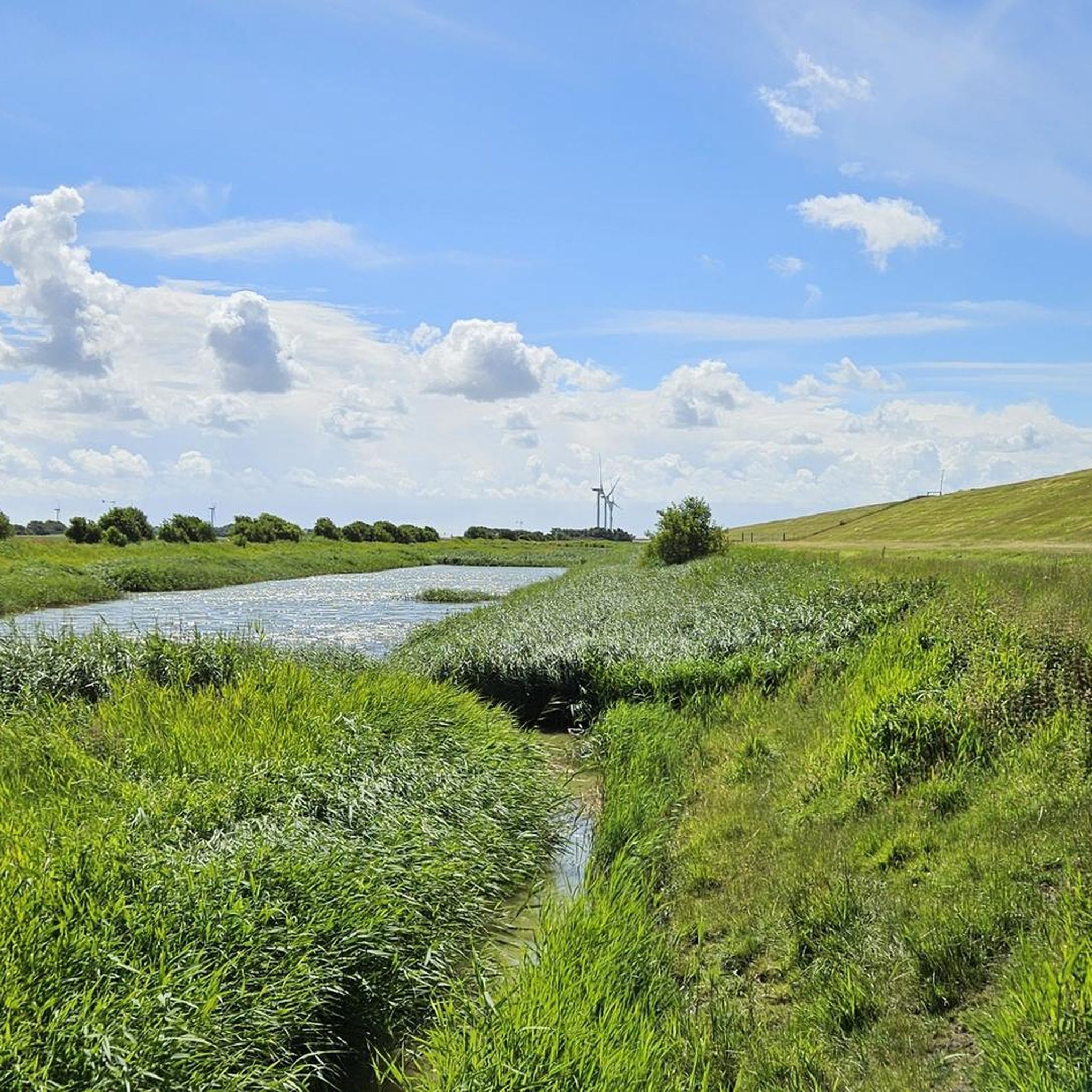
Best attractions and places to see around Friedrich-Wilhelm-Lübke-Koog include its unique natural landscapes and technical heritage. This municipality is situated within the Schleswig-Holstein Wadden Sea National Park, a UNESCO World Heritage Site. The area is characterized by its polder landscape, reclaimed from the sea, and features a prominent dike offering views over the Wadden Sea. Visitors can explore diverse natural environments and points of interest related to land reclamation and border history.
Best attractions and places to see around Friedrich-Wilhelm-Lübke-Koog
…Last updated: May 9, 2026
Morsum Cliff
Highlight • Natural Monument
Translated by Google •
Tip by

Morsum Cliff
Highlight • Natural Monument
landhaus-severins.de
Translated by Google •
Tip by

Sign up now to discover places like this
Get recommendations on the best single tracks, peaks, & plenty of other exciting outdoor places.
Sign up for free
Morsum-Kliff
Highlight • Natural Monument
Translated by Google •
Tip by

View of the Wadden Sea from the Föhr dike
Highlight • Viewpoint
Translated by Google •
Tip by

Sand Martin nesting site at Morsum Kliff
Highlight • Natural Monument
Translated by Google •
Tip by

Sign up for free to discover even more attractions around Friedrich-Wilhelm-Lübke-Koog.
Sign up for free
Already have an account?
Start today with a free account
Your next adventure awaits.
Login or Signup
Tips from the Community

On a sunny day, you're never alone at the cliff. It's different in winter: there's plenty of space and time to appreciate the landscape, and you can easily imagine the history of the cliff.
8
0

Beautiful view over the North Sea to the mainland
1
2
The route through the Morsum cliff is marked out on wide paths and cyclists find their way along the "Nösse Kuhle" lake. Cyclists can then dismount and look at the white-brown cliff and the heath and reed landscape. The way back goes via Africa: the slope dominated by sand creates the feeling of being in Africa.
8
0

The Morsum Cliff on Sylt is not only geologically and scenically impressive, but also an important habitat for sand martins. These birds nest in the steep cliff walls and are a special highlight for bird watchers. The sand martins dig their nesting holes in the soft sand and clay walls of the cliff, which offers them protection and ideal conditions for raising their young. A walk along the Morsum Cliff not only offers the opportunity to observe these fascinating birds, but also a deep insight into the diverse flora and fauna of the area. The circular path begins at the Nösistich car park and leads along the cliff, where numerous information boards provide information about the geology and the animal world. Especially in spring and summer, visitors can watch the sand martins performing their daring flight maneuvers and building their nests. The cliff itself consists of various rock layers that are up to ten million years old. This unique geology makes the area one of the oldest and most important nature reserves in Schleswig-Holstein. In addition to the sand martins, you can also find rare plant species such as the lungwort and the spotted orchid, which support the ecological balance of the cliff.
1
0

Beautiful to look at and surrounded by an equally beautiful hiking area.
5
0

The panoramic circular trail around the geologically unique Morsum Cliff nature reserve offers a spectacular view of the Wadden Sea National Park and at the same time a fascinating insight into the earth's history, which is up to eight million years old. See: https://www.insel-sylt.de/tour/rundweg-am-morsum-kliff/
2
0
The panoramic circular trail around the geologically unique Morsum Cliff nature reserve offers a spectacular view of the Wadden Sea National Park and at the same time a fascinating insight into the earth's history, which is up to eight million years old. See: https://www.insel-sylt.de/tour/rundweg-am-morsum-kliff/
4
0
The panoramic circular trail around the geologically unique Morsum Cliff nature reserve offers a spectacular view of the Wadden Sea National Park and at the same time a fascinating insight into the earth's history, which is up to eight million years old. See: https://www.insel-sylt.de/tour/rundweg-am-morsum-kliff/
6
0
Frequently Asked Questions
What natural landscapes can I explore in Friedrich-Wilhelm-Lübke-Koog?
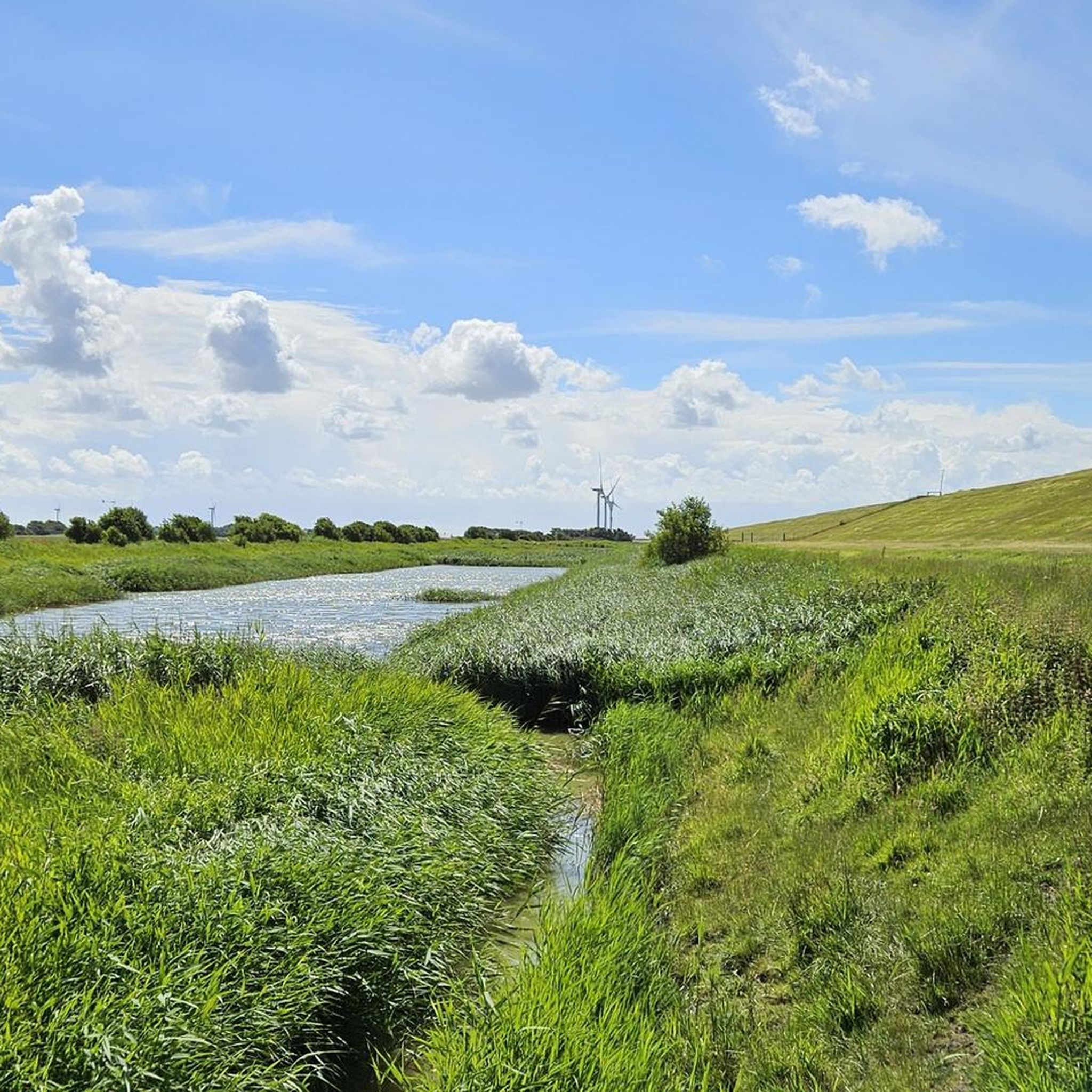
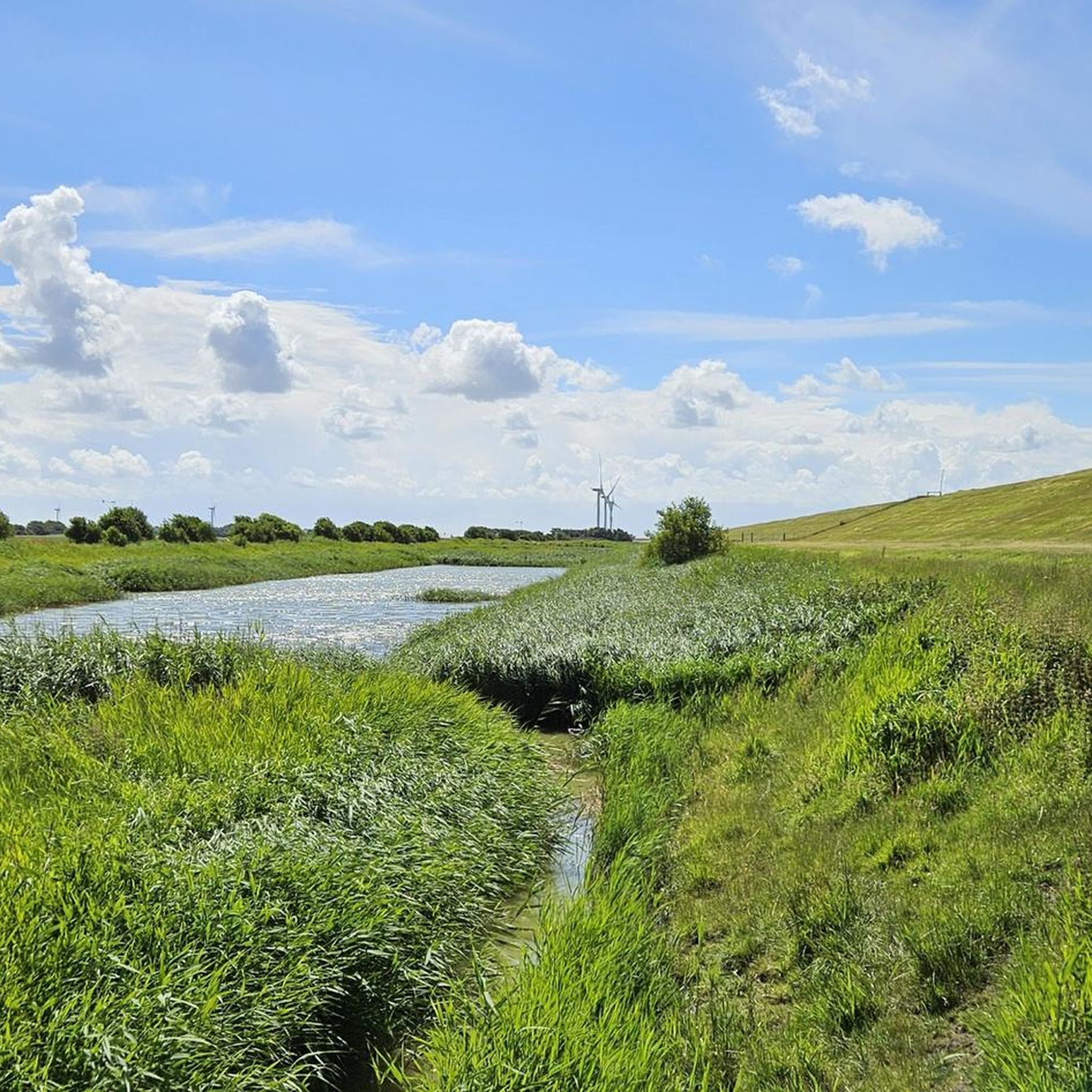
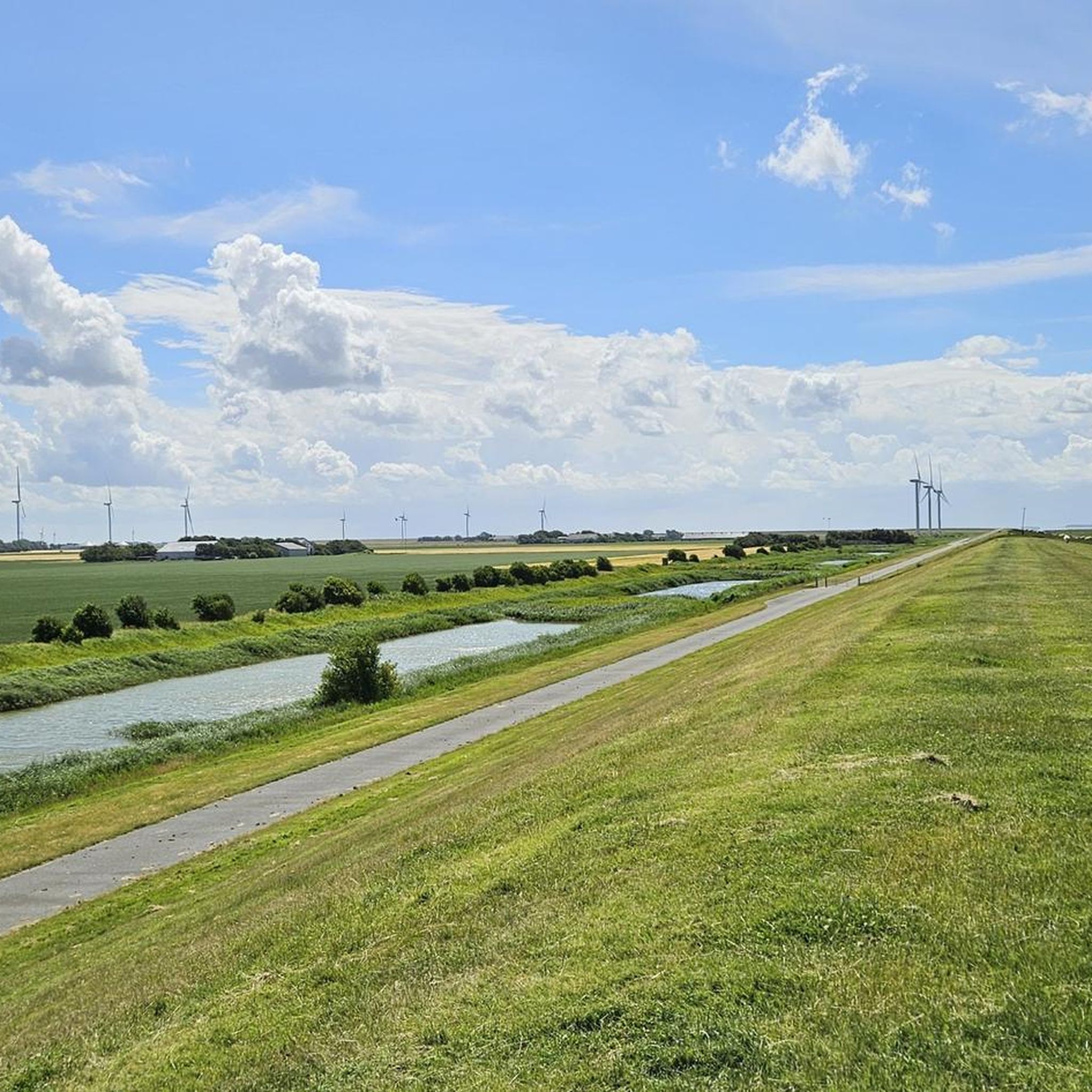
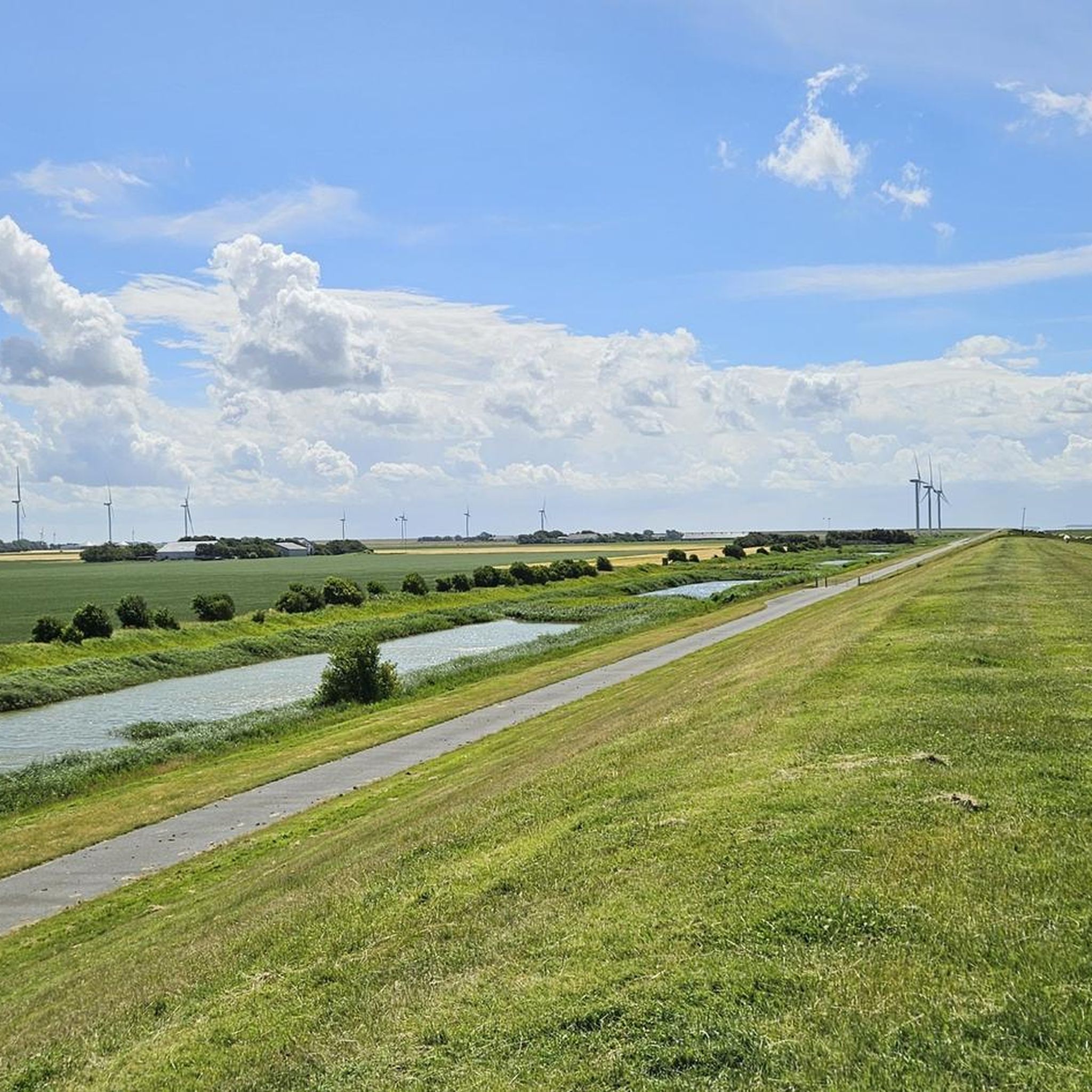
The region is deeply embedded in the Schleswig-Holsteinisches Wattenmeer National Park, a UNESCO World Heritage Site. You can explore the unique polder landscape, vast agricultural fields, and the approximately 2-kilometer-long dike which offers magnificent views over the Wadden Sea and the North Sea. The area is also known for its diverse bird life in the "Naturschutzkögen" and the nearby Beltringharder Koog.
Are there any unique technical or historical landmarks to see?
Yes, you can visit the Tassenpegel, a listed technical monument reflecting the region's history of land reclamation and water management. The modern sea dike itself, constructed in 1954, is also an innovative engineering feat.
What is special about the German-Danish border near Friedrich-Wilhelm-Lübke-Koog?
A unique point of interest is the German-Danish border at Rosenkranz-Rudbøl, which runs directly along a street for 130 meters and then through the Ruttebüller See (Rudbøl Sjø). This unusual border crossing offers a distinctive experience where you might find yourself in Germany or Denmark within moments.
What kind of outdoor activities can I do around Friedrich-Wilhelm-Lübke-Koog?
The flat landscape is ideal for cycling and running. You can find numerous routes, such as the 'Fugletarn Observation Hut – Rickelsbüller Koog loop' for touring bicycles, or the 'Landscape view – Bathing Area at Alter Sielzug loop' for running. For more options, explore the Cycling around Friedrich-Wilhelm-Lübke-Koog or Running Trails around Friedrich-Wilhelm-Lübke-Koog guides.
Are there any family-friendly attractions or activities?
Many of the natural areas, such as the dike and the Wadden Sea, are suitable for family walks and observations. The View of the Wadden Sea from the Föhr dike is a family-friendly viewpoint. The nearby Morsum Cliff also offers a family-friendly trail, allowing children to explore the unique geological formations and observe birdlife.
Where can I observe wildlife, especially birds?
The "Naturschutzkögen" (nature conservation polders) north and south of the German-Danish border are excellent for birdwatching due to their diverse bird life. The Beltringharder Koog, the largest nature reserve in mainland Schleswig-Holstein, also attracts numerous Wadden Sea birds. Additionally, the Sand Martin nesting site at Morsum Kliff provides a specific spot to observe these birds.
What is the Hindenburgdamm and how can I experience it?
The Hindenburgdamm is the causeway connecting the mainland to the island of Sylt. The Koog borders its ramp to the north. You can enjoy cycling tours along the German-Danish dam towards the border and through the Koog, where you'll see prominent wind turbines and agricultural fields.
What do visitors enjoy most about the attractions in this region?
Visitors particularly appreciate the serene natural environment and the unique character of the polder landscape. The Morsum-Kliff is often highlighted for its wide panoramic views of the Wadden Sea and its impressive red cliff. Many also enjoy the quiet, isolated perspectives of the Wadden Sea from spots like the View of the Wadden Sea from the Föhr dike.
Are there opportunities for cycling tours in the area?
Absolutely. The flat terrain and scenic dikes make it ideal for cycling. You can find various routes, including easy ones like the 'German-Danish Dike – Klanxbüll Station loop' for road cycling. For more detailed routes, check the Road Cycling Routes around Friedrich-Wilhelm-Lübke-Koog guide.
Is there a local museum or cultural site?
Yes, the Werner-Weckwerth-Museum, established in 2001, serves as a local cultural site within the municipality, offering insights into the region's heritage.
What is the significance of the wind turbines in the landscape?
The presence of over 80 wind turbines in the west and east of the municipality is a striking feature of the modern landscape. They highlight the region's commitment to renewable energy and are an integral part of the polder's visual identity.
Can I find trails suitable for hiking or walking?
Yes, the area offers various trails for walking and hiking, particularly along the dikes and within the nature reserves. The Morsum Cliff, for example, has a recommended circular hiking trail. Outdoor footwear is often recommended for exploring these natural paths.
Most popular routes around Friedrich-Wilhelm-Lübke-Koog
Most popular attractions around Friedrich-Wilhelm-Lübke-Koog

Get inspired with the komoot mobile app


Explore more
Still not found the Highlight you’re looking for? See guides of the top attractions in other regions:
