The best road cycling routes in Desembocadura Del Riu Racons
4.3
(488)
20,590
riders
110
rides
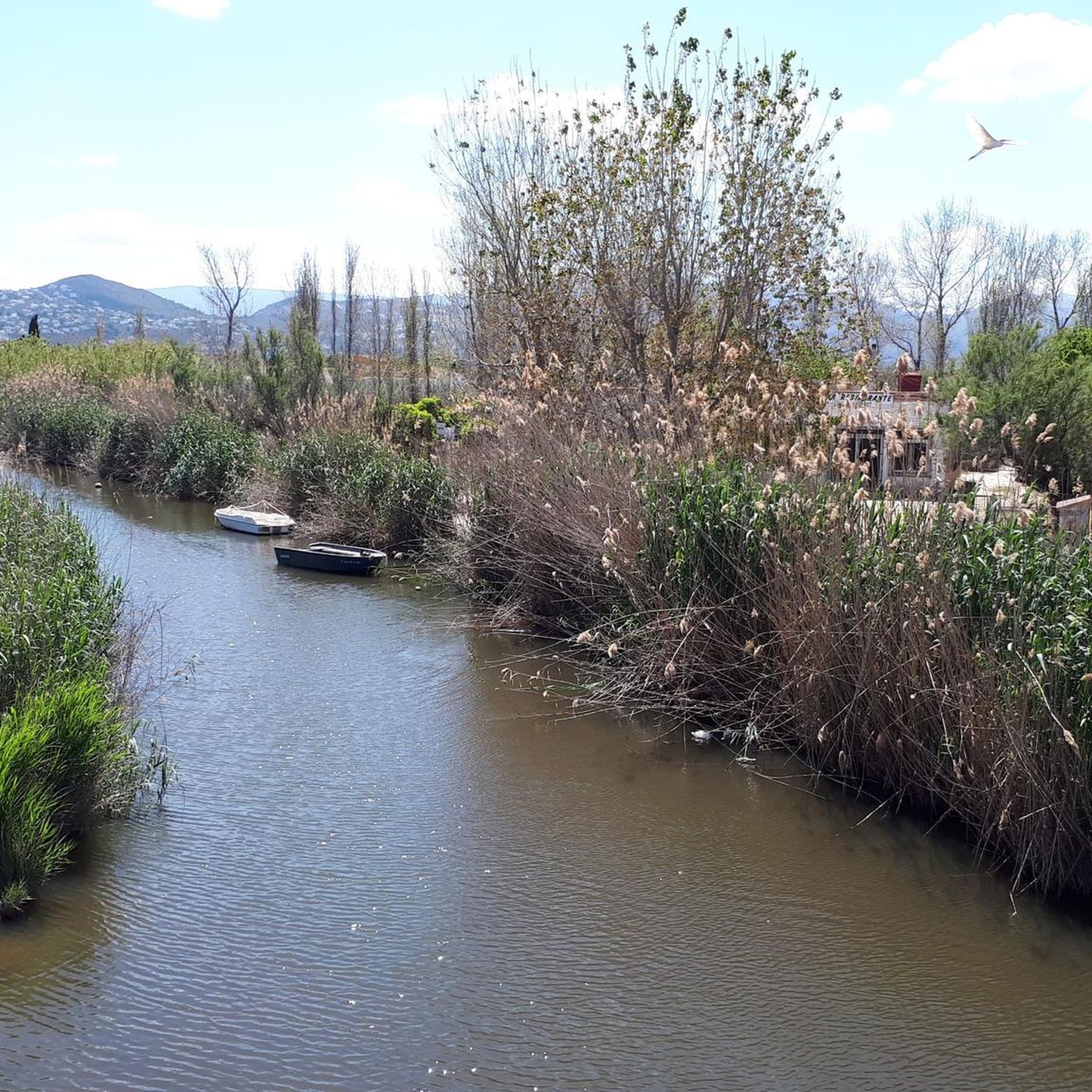
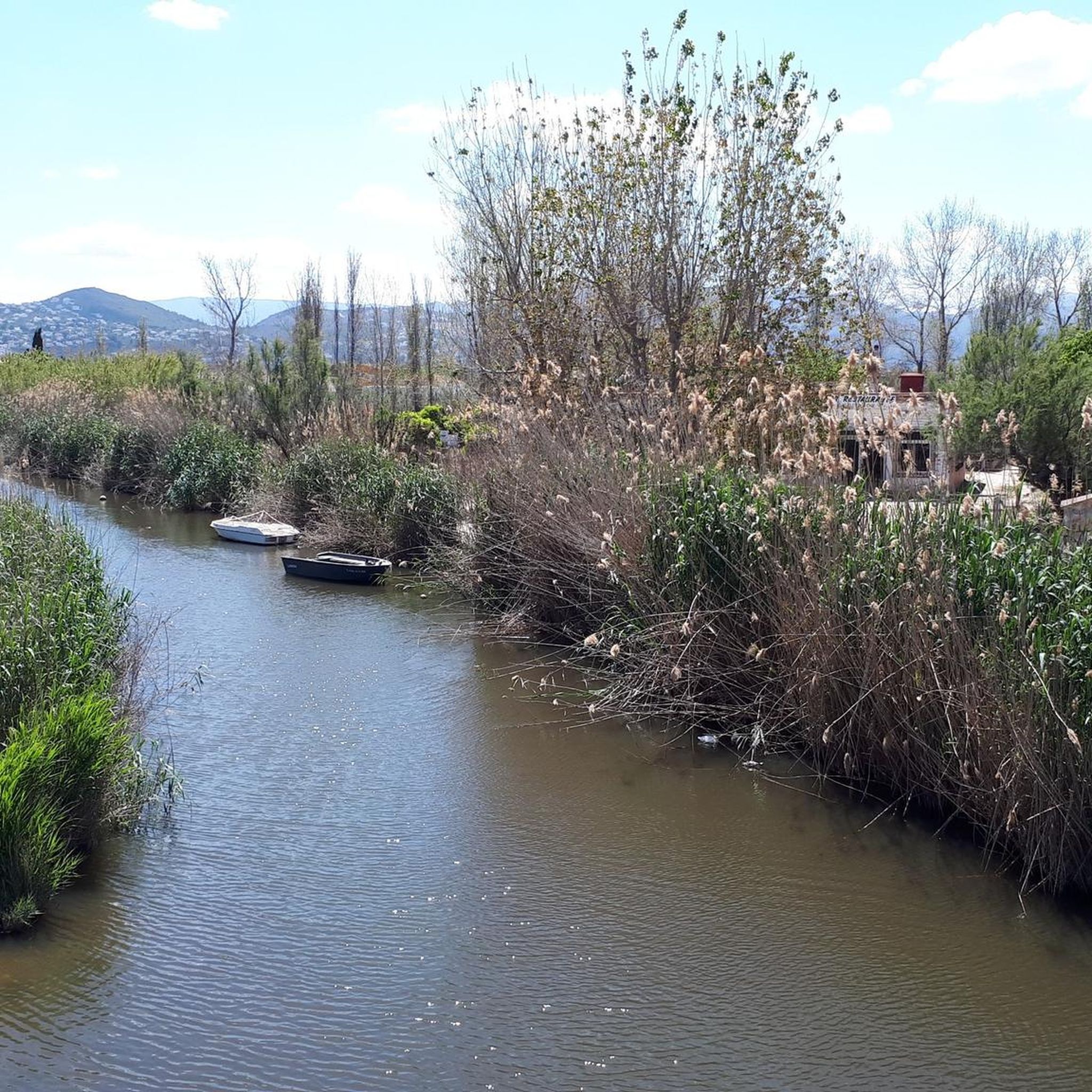
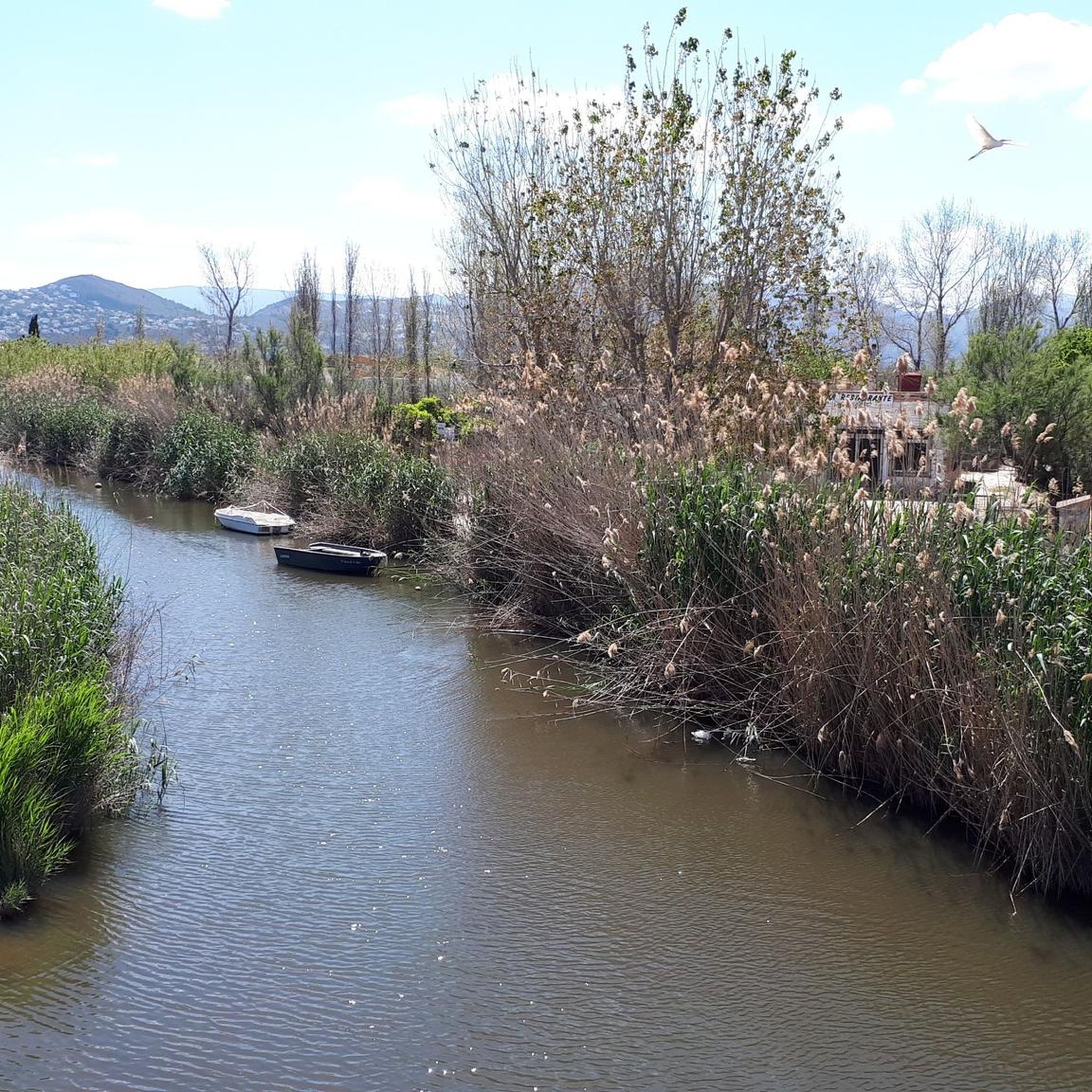
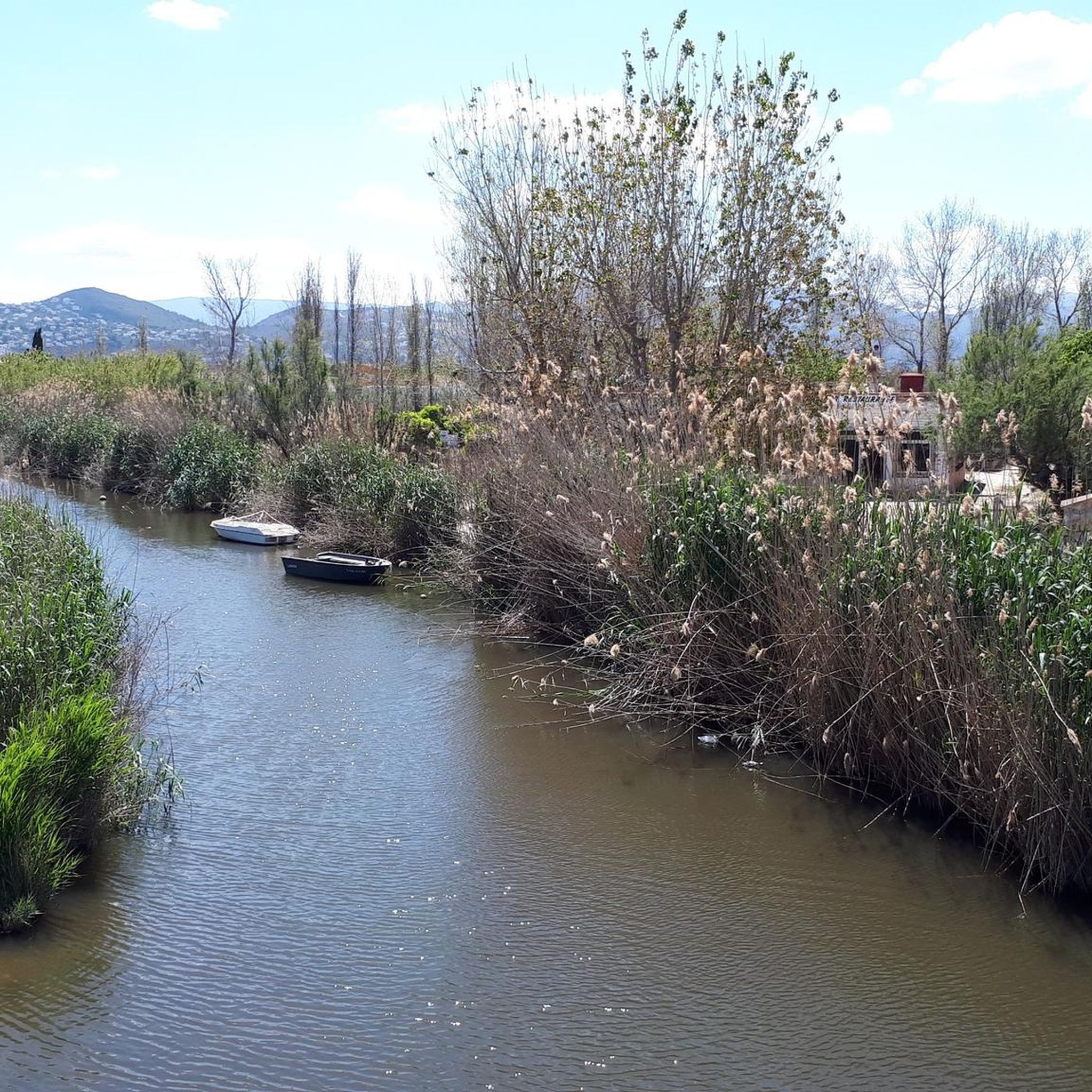
Road cycling in Desembocadura Del Riu Racons is characterized by its diverse natural features, including a coastal dune system, the Marjal de Pego-Oliva wetland, and the Racons River. The region offers predominantly flat routes that traverse extensive agricultural fields, particularly rice paddies, and follow the river's course to the Mediterranean Sea. These routes provide a tranquil cycling experience with minimal traffic, allowing for observation of the area's ecological and agricultural landscapes.
Best road cycling routes in Desembocadura Del Riu Racons
…Last updated: October 29, 2026
4.2
(9)
354
riders
Moderate road ride. Good fitness required. Mostly well-paved surfaces and easy to ride.
5.0
(1)
189
riders
Moderate road ride. Good fitness required. Mostly well-paved surfaces and easy to ride.

5.0
(1)
192
riders
76.4km
03:42
940m
940m
Hard road ride. Very good fitness required. Some segments of this route may be unpaved and difficult to ride.
5.0
(2)
146
riders
40.5km
02:05
630m
630m
Moderate road ride. Good fitness required. Mostly well-paved surfaces and easy to ride.
3.7
(3)
198
riders
68.5km
03:03
640m
640m
Moderate road ride. Good fitness required. Mostly well-paved surfaces and easy to ride.
Get access to more routes and recommendations from other explorers.
Already have an account?
Our route recommendations are based on thousands of hikes, rides, and runs completed by other people on komoot.
Start today with a free account
Your next adventure awaits.

Tips from the Community


Long port from Ebo, little shade, every curve is worth it
1
0

The road from Gata de Gorgos to Llíber is a quiet and picturesque ride through a narrow valley filled with vineyards and almond trees. It’s a route every cyclist can enjoy: almost no traffic, beautiful scenery, and a relaxed atmosphere. The asphalt is generally good, just a little bumpy here and there – as if a cheerful, slightly tipsy road worker laid it down. It adds a touch of character but is no problem at all for any type of bike, whether you’re on a road bike, gravel bike, or e-bike. Llíber is the perfect place to stop for a coffee or a glass of local wine while taking in the views over the valley.
1
1
The Puerto de Sorell is a quiet and under-the-radar ridge climb in the northern Costa Blanca, linking Pego and Ràfol d’Almúnia via the CV‑728. It’s not long, not high — but it’s a perfect connector on a peaceful inland loop. From Ràfol d’Almúnia, the climb is 2.7 km long at an average gradient of 3.1%. It’s a smooth, steady ascent through olive groves and farmland, ideal for keeping a light rhythm and soaking up the rural scenery. The road surface is good and traffic is almost nonexistent. From the Pego side, the climb is roughly the same length but considerably steeper, with sections reaching 6 to 8%. It’s a short but honest effort, and a nice little test when coming up from the coastal plain. The views are wide and open — toward the Segària range, the valley below, and even the sea in the distance. At the summit, you'll spot the blue "Puerto de Sorell – 170 m" sign, a modest but official col marker that makes the climb feel just a bit more special. From here, you can descend either way or continue inland toward Vall de Gallinera, Vall d’Ebo, or Coll de Rates. Puerto de Sorell is a local favourite: short, scenic, quiet — and perfect for linking bigger climbs on a longer ride.
2
1
Just off the road between Sagra and Pego, the small turnoff toward Vall d’Ebo leads into one of the most beautiful and tranquil climbs in the Costa Blanca mountains. It may not be famous outside of cycling circles — but pros know it well: Tadej Pogačar holds the Strava KOM on this climb. From the Pego side, the ascent runs for about 8 km, gaining 400 metres at a steady average of 5%. The road is smooth, quiet, and beautifully engineered — with a flowing rhythm and wide, elegant curves. The landscape is peaceful and wild, with cliffs, pines, and far-reaching views. At the top, just before you descend into Vall d’Ebo, you’re rewarded with a spectacular view in both directions: looking back, the coastline and the Mediterranean Sea; looking ahead, the lush green valley of Vall d’Ebo, framed by rugged ridges and rocky outcrops. It’s a rare and stunning double panorama. If you continue past the village, you can create a magnificent loop via Pla de Petracos, riding through remote canyons and ancient rock formations before descending into Benigembla and back to the Vall de Pop. If you're riding from Vall d’Ebo toward Pego, the climb is shorter — about 3 km at 6% — but still very scenic, especially as you rise above the valley with dramatic views behind you. Vall d’Ebo may be quiet, but it’s world-class: pure road, total calm, and the kind of climb you’ll want to ride again and again.
3
1
If there’s one climb that defines cycling on the Costa Blanca, it’s Coll de Rates. Starting from the village of Parcent, this legendary ascent has become a must-ride for cyclists from around the world — from weekend warriors to Tour de France champions. The climb is just under 7 km long, with an average gradient of around 5%, making it both accessible and rhythmical. The road surface is excellent, the curves are elegant, and the views just keep getting better as you rise above the valley. This is no secret among the pros. Riders from Jumbo-Visma, INEOS, UAE Team Emirates and others regularly use Coll de Rates for winter training. Tadej Pogačar currently holds the Strava KOM, which says a lot about the kind of names that have tested themselves here. On clear days, the view from the top is simply breathtaking — stretching all the way across the coastline, and if you’re lucky, even Ibiza shimmers faintly on the horizon. There’s a café at the summit (seasonal), and the descent toward Tarbena or Castell de Castells is just as rewarding. With its mix of scenery, steady gradients and cycling history, Coll de Rates is one of the most climbed — and most loved — ascents in the world. If you ride only one climb in the region, make it this one.
10
3
If you’re looking for a peaceful and scenic day out in nature, Marjal de Pego-Oliva Natural Park is a hidden gem worth exploring. It’s a beautiful wetland area located between the towns of Pego and Oliva on the Costa Blanca, full of wildlife, rice fields, and freshwater springs. 🚶♂️ What to Do There • Walk or cycle the trails: There are several easy routes, including wooden boardwalks over the marsh, great for families or casual walkers. One of the most popular paths is the Ruta del Bullent, a circular walk that brings you close to rivers, rice fields, and the famous natural spring. • Swim in the Font Salada: This is a warm natural spring (about 21–24°C all year) where you can take a dip. The water is known for its skin-healing properties. • Birdwatching: The area is rich in biodiversity, with herons, ducks, and even rare fish and turtles. Bring binoculars if you can. • Enjoy the peaceful views: There are viewing platforms offering panoramic vistas of the marshes and surrounding mountains. 🧭 Tips for Your Visit • Follow the marked trails to protect the environment and avoid getting lost. • Bring water and sun protection, especially in summer. • Respect nature: take your trash with you, keep noise down, and don’t disturb animals or plants. • Avoid weekends in high season if you prefer quiet – it can get busy, especially at the spring. 🚗 Getting There & Parking Access is easy from the N-332 or the CV-700. If you’re visiting Font Salada, note that parking has recently been restricted. There’s a new small car park nearby (Racó del Fuster), and the spring is a short walk from there. It’s a perfect half-day trip, especially if you’re staying near Denia, Oliva, Jávea or inland in places like Pego or Alcalalí. Ideal for nature lovers, photographers, families, or anyone needing a peaceful break in nature.
0
0
As you ride from Pedreguer toward Beniarbeig, take a moment to look up — the views of the Sierra de Segària and the surrounding mountains are spectacular. Especially in the morning light, the peaks rise above the orchards and farmland like a natural wall. It’s a tranquil stretch of road with panoramic scenery, perfect for spinning the legs and soaking in the Costa Blanca landscape.
1
1
Frequently Asked Questions
How many road cycling routes are available in Desembocadura Del Riu Racons?
There are over 90 road cycling routes in Desembocadura Del Riu Racons, offering a wide variety of options for cyclists of all levels.
What is the general terrain like for road cycling in Desembocadura Del Riu Racons?
The region is known for its predominantly flat routes, making for a relaxed cycling experience with minimal traffic. You'll traverse extensive agricultural fields, particularly rice paddies, and follow the Racons River's course through the Marjal de Pego-Oliva wetland to the Mediterranean Sea. A notable feature is also the coastal dune system.
Are there road cycling options for different skill levels?
Yes, Desembocadura Del Riu Racons caters to various abilities. You'll find 49 easy routes, 31 moderate routes, and 10 difficult routes, ensuring there's a suitable challenge for everyone.
What do other road cyclists appreciate about the routes in Desembocadura Del Riu Racons?
The area is highly rated by the komoot community, with an average score of 4.4 stars from over 390 reviews. Cyclists often praise the tranquil experience, minimal traffic, and the diverse scenery, including agricultural fields, the wetland, and coastal views.
What natural features can I expect to see while cycling in Desembocadura Del Riu Racons?
You can expect to see the well-preserved coastal dune system, the rich ecosystem of the Marjal de Pego-Oliva wetland with its shallow water mirrors, and the Racons River as it meanders through agricultural fields before meeting the sea. The area is also known for its diverse flora and fauna, especially birdlife.
Are there any specific landmarks or points of interest along the road cycling routes?
Yes, several points of interest can be explored. You can visit the Mouth of the Molinell River, observe where the River Flowing Into the Sea, or see the Bridge Over the River in Oliva. A bird observatory near the river's mouth also offers opportunities for birdwatching.
Are the road cycling routes in Desembocadura Del Riu Racons suitable for families?
Many of the routes are predominantly flat with minimal traffic, making them appealing for a relaxed and enjoyable cycling experience, which can be suitable for families. There are 49 easy routes available, such as the View of the Sierra de Segària – Dénia Castle loop from Parc Natural de la Marjal Pego-Oliva, which is 28.6 miles (46.0 km) long.
What is the best time of year for road cycling in this region?
The region generally offers pleasant conditions for cycling. Given its Mediterranean climate, spring and autumn typically provide the most comfortable temperatures, avoiding the peak heat of summer while still enjoying mild weather.
Are there circular road cycling routes available?
Yes, there are several circular road cycling routes. Examples include the challenging Gallinera Valley – Beniarrés Reservoir loop from Desembocadura del Riu Racons, the easy View of the Sierra de Segària – Dénia Castle loop from Parc Natural de la Marjal Pego-Oliva, and the moderate Puerto de Sorell – Pego–Sagra Road loop from Desembocadura del Riu Racons.
Is parking available near the cycling routes?
While specific parking areas are not detailed in the route descriptions, the region is accessible, and you can often find parking in nearby towns or designated areas close to trailheads, especially in residential or beach areas like Les Devesses Beach.
How accessible are the road cycling routes by public transport?
Information on direct public transport access to specific trailheads is limited. It is generally recommended to check local bus or train services to nearby towns such as Pego or Oliva, and then cycle to the starting points of the routes.
Can I find cafes or restaurants along the road cycling routes?
The routes often pass through varied scenery, including residential areas and near Les Devesses Beach, where you can find dining options. Exploring the towns of Pego and Oliva, which are often part of or near the routes, will also provide opportunities for cafes and restaurants.
Most popular routes in Desembocadura Del Riu Racons
Most popular attractions in Desembocadura Del Riu Racons

Get inspired with the komoot mobile app


Explore more
Browse the best Road cycling routes in other regions.
